
Longhair type
Himalayan
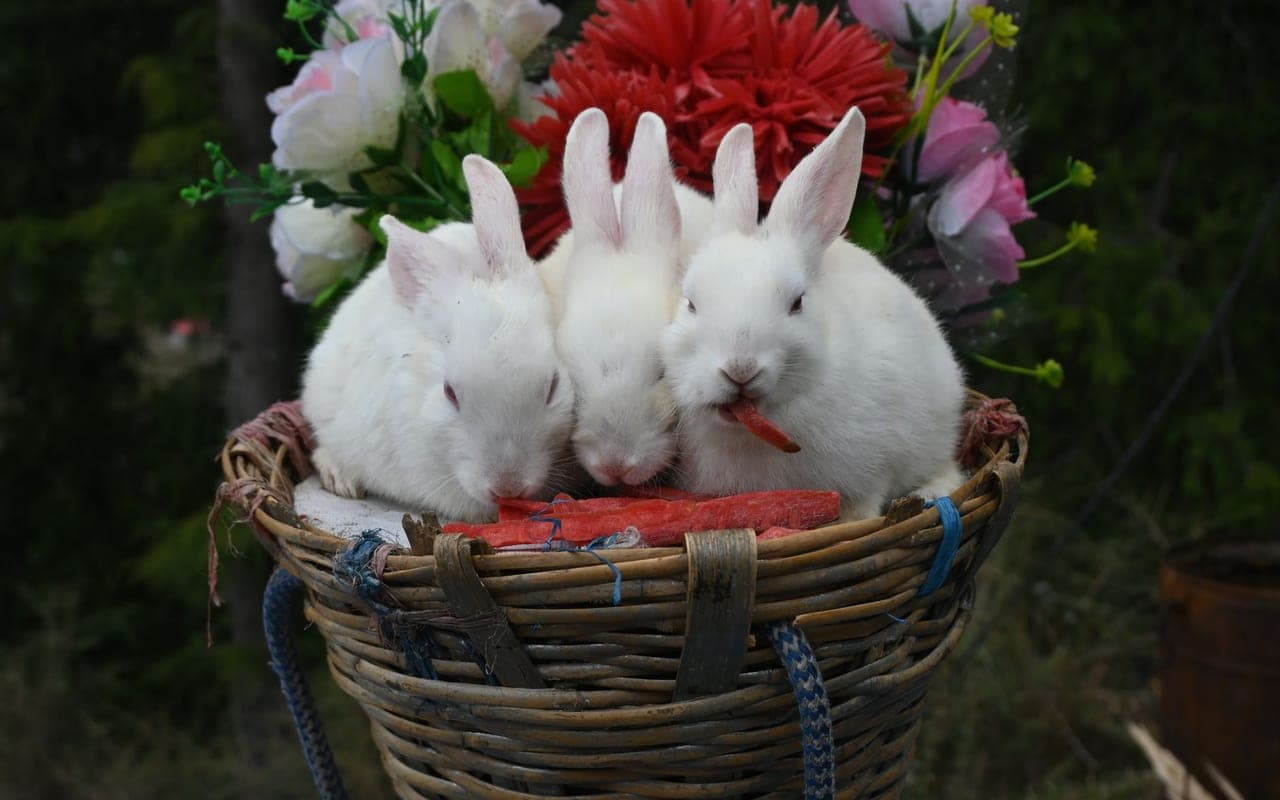
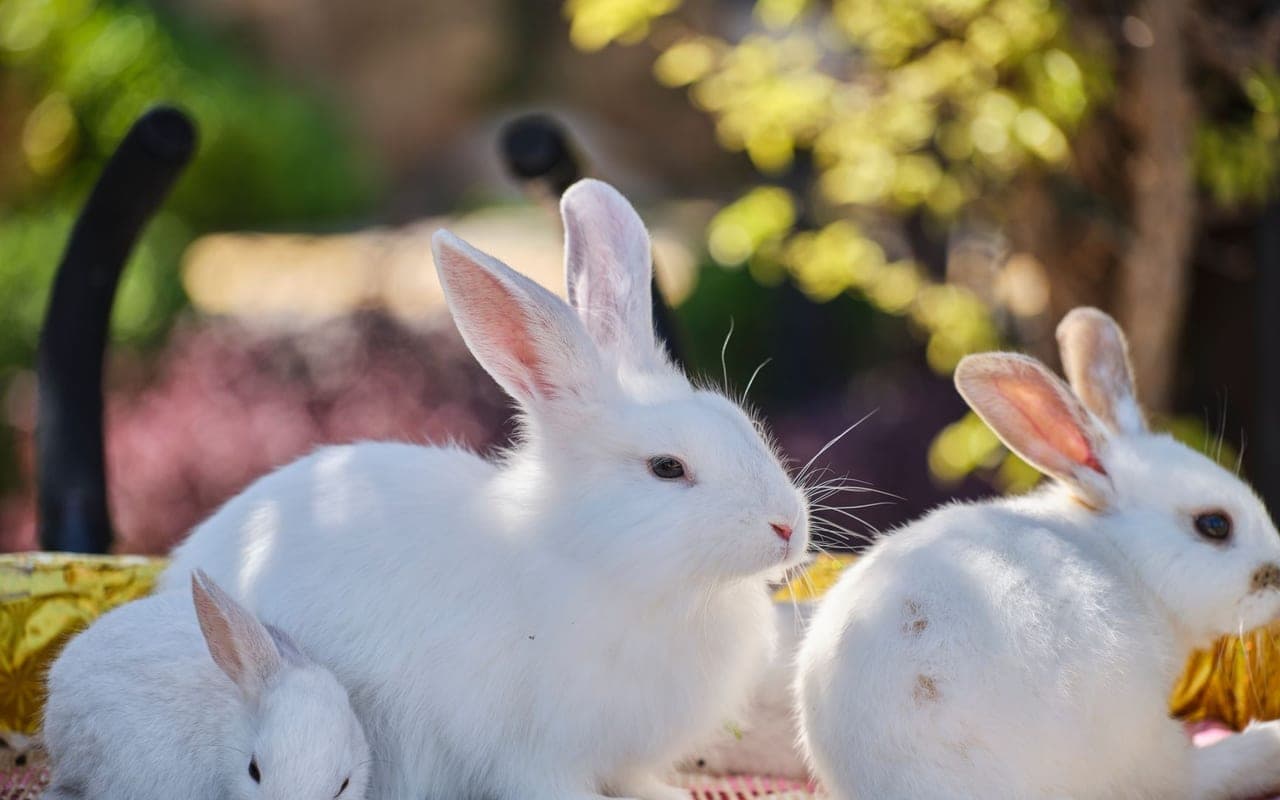
The Himalayan is one of the oldest and most widely distributed rabbit breeds in the world, and the first thing a prospective owner should understand is that it is a 'pointed' breed — a slim, white-bodied rabbit with dark colored points on the nose, ears, feet, and tail, the same temperature-driven coloring carried by the Siamese cat and the Californian rabbit.


Size
2-4 lb
Lifespan
8-12 years
Free-roam
3-4 hours free-roam
Shedding
High
Experience
Rabbit-savvy planning
Decision first
Is a Himalayan right for you?
Start with fit before history or trivia. These are ownership signals, not guarantees about any individual rabbit.
Best suited for
- Indoor homes or apartments with rabbit-proofed free-roam space.
- Owners prepared for hay-first feeding, litter care, and daily supervised free-roam time.
Think carefully if
- You need a pet with almost no daily feeding, litter, and health-monitoring routine.
- You want a very low-shedding home.
- You cannot access a rabbit-savvy veterinarian for routine and urgent care.
Conditional fit
Apartment fit depends on rabbit-proofing, litter setup, ventilation, daily free-roam time, and safe enrichment.
Daily reality
Himalayan commitment snapshot
The best breed choice is the one whose daily care actually fits your calendar, budget, and home.
Daily free-roam
3-4 hours free-roam
Match movement, enrichment, and rabbit-proofing to age, health, heat, and housing.
Coat care
Low
Grooming needs vary by coat, shedding, and lifestyle.
Health monitoring
Needs planning
Most rabbits need daily appetite, droppings, litter, teeth, ears, and behavior checks.
Structured facts
Himalayan at a glance
The measurements and traits that most affect day-to-day life with this breed.
Origin
United Kingdom
Group
Longhair
Weight
2-4 lb
Height
10-12 in
Lifespan
8-12 years
Temperament
calm | docile | affectionate
View all characteristics and methodology
Lifestyle fit
- Indoor housingWorks best with a rabbit-proofed room, clean litter setup, and daily free-roam time.
- Likely fit
- Child friendliness
- Needs caution
- Bonding potential
- Individual match
- Handling styleMost rabbits are safer and calmer when interaction happens close to the ground.
- Floor-level preferred
Owner commitment
- Free-roam time
- 3-4 hours free-roam
- Grooming
- Low
- Shedding
- High
- Litter routineClean litter supports hygiene and makes appetite or droppings changes visible.
- Daily
Behavior
- Sociability
- Breed-specific
- Energy
- Low
- Trainability
- Litter-trainable with routine
- Noise
- Quiet
Environment and health
- Dental monitoring
- Routine priority
- Heat sensitivity
- Needs indoor climate control
- Health risk
- Needs planning
- Vet type
- Rabbit-savvy or exotics
Ratings combine structured breed data, visible breed fields, and editorial context. They are planning aids, not predictions for an individual rabbit.
Daily life
Himalayan temperament and behavior
The Himalayan is one of the oldest and most widely distributed rabbit breeds in the world, and the first thing a prospective owner should understand is that it is a 'pointed' breed — a slim, white-bodied rabbit with dark colored points on the nose, ears, feet, and tail, the same temperature-driven coloring carried by the Siamese cat and the Californian rabbit. That pattern is not just decoration; it is thermosensitive, meaning the dark pigment develops only in the cooler extremities, which has a real husbandry consequence: a Himalayan kept too cold can grow extra dark patches, and a young one raised warm may come up paler than the standard. Physically the Himalayan is unusual among rabbits for being long, slender, and cylindrical rather than round and cobby, and at roughly 2 to 4.5 pounds (about 0.9 to 1.6 kg) it is a genuinely small, light rabbit, which is part of its appeal as a calm, manageable house pet. Temperament is a real selling point: the breed is known for being calm, docile, and affectionate, often described as one of the most placid and easy-to-handle rabbits, slow to spook and tolerant of gentle handling — a reputation that, combined with its small size, makes it a frequent choice for first-time keepers and for children supervised by adults. None of that lowers the underlying commitment. The Himalayan is still a prey animal that hides illness, still needs a hay-first diet to control its continuously growing teeth, still dislikes being picked up, and still lives 8 to 12 years — a notably long lifespan for a rabbit, on the upper end of the range. Source one from a reputable breeder or a rabbit rescue, line up an exotics vet, and go in understanding that a small, gentle rabbit is still a decade-long responsibility with daily care, free-roam exercise, and the same emergency vigilance any rabbit demands.
calm | docile | affectionate
calm
A common Himalayan temperament descriptor that should be interpreted alongside housing, gentle handling, diet, and health monitoring, and household fit.
docile
A common Himalayan temperament descriptor that should be interpreted alongside housing, gentle handling, diet, and health monitoring, and household fit.
affectionate
A common Himalayan temperament descriptor that should be interpreted alongside housing, gentle handling, diet, and health monitoring, and household fit.
Owner note
Temperament labels are starting points, not guarantees. Meet the individual rabbit and ask about behavior history whenever possible.
Care essentials
How to care for a Himalayan
What looking after one actually involves: diet, grooming, habitat, bonding and routine health.
DietAs needed
- Unlimited grass hay such as timothy is the foundation of the diet and should make up the large majority of what a rabbit eats — it is also what wears down continuously growing teeth. Add a measured daily portion of plain pellets and a variety of fresh leafy greens. Fresh water must be available at all times.
HousingAs needed
- Provide the largest enclosure you can, with solid flooring rather than wire mesh, at least one hide, and space to stand up fully and take several consecutive hops. Clean the toilet area daily and strip the enclosure weekly.
ExerciseAs needed
- A calm breed that prefers gentle activity, but it still needs several hours of daily time outside the enclosure in a safe, rabbit-proofed space. Confinement without daily free-roaming time causes both muscle and bone problems.
GroomingAs needed
- Short-coated, so brushing weekly is enough outside a moult, and daily while moulting. It does not need professional grooming. Check the rear end every day for soiling, which attracts flystrike in warm weather.
VeterinaryAs needed
- Find a rabbit-savvy veterinarian before you need one, and book health checks twice yearly. A rabbit that stops eating or stops passing droppings is an emergency the same day, not a wait-and-see problem.
Care calendar
Daily
- Hay, water, measured greens or pellets, litter check, free-roam time, enrichment, and appetite or droppings monitoring.
Weekly
- Brush, inspect ears, nails, teeth, rear-end cleanliness, weight trend, and enclosure safety.
Annually
- Rabbit-savvy veterinary exam, dental review, vaccination or regional disease discussion, and preventive-care planning.
Health planning
Himalayan health risks and screening
Every rabbit breed has individual health variation. Use this profile for planning and discuss diet, dental care, gut health, and urgent symptoms with a rabbit-savvy veterinarian.
Ownership cost
How much does a Himalayan cost?
Cost figures are structured so first-year and lifetime estimates do not conflict with the underlying line items.
| Acquisition | $50-$100 |
|---|---|
| Adoption | $50-$500 |
| Initial setup | $300-$800 |
| Routine monthly | About $55/month |
| Routine annual | About $660/year |
| First-year estimate | $1,010-$1,560 |
| Lifetime routine estimate | $5,280-$7,920 routine costs |
Currency: USD. Region: United States. Updated: March 2026. First-year totals add acquisition, a $300-$800 setup range, and 12 months of routine monthly care. Lifetime routine costs exclude acquisition, emergency care, boarding, and specialized training.
Responsible ownership
Finding a Himalayan responsibly
A responsible path can be a documented breeder or a good rescue match. The important part is transparency and support.
Reputable breeder
- Ask for documented health screening relevant to the breed.
- Meet the breeder or rescue, review housing and diet practices, and ask how kits are handled and socialized.
Rescue or adoption
- Check rabbit-specific rescues, reputable shelters, and foster homes with rabbit experience.
- Ask about temperament, medical history, foster notes, and support after adoption.
- Match the individual rabbit's age, handling tolerance, litter habits, bond status, and health history to your household.
Warning signs
- No health documentation.
- Pressure to buy immediately.
- No questions about your home or experience.
- Unclear return policy or unwillingness to provide references.
- No discussion of hay, housing, neutering, dental care, or exotics-vet access.
Original purpose
Himalayan history
History is useful when it explains today's behavior, coat, exercise needs, and care style.
Read the breed history
The Himalayan is among the oldest established rabbit breeds and one of the most geographically widespread, with a long history across Asia, the Middle East, and Europe — its exact origin is genuinely uncertain, which is part of why it carries so many regional names, including the Russian, the Chinese, and the Egyptian rabbit. What is clear is that the breed predates the formal nineteenth- and twentieth-century rabbit fancy and was already well distributed before modern breed standards existed, valued for its distinctive pointed coloring and its calm, easily handled nature. The breed gives its name to the 'Himalayan' coat pattern itself — the same thermosensitive pointed coloring later associated with the Siamese cat and bred into the Californian rabbit, which was developed in part from Himalayan stock. The American Rabbit Breeders Association recognizes the Himalayan, which is unusual in being one of the few breeds defined by a long, slender, cylindrical body type rather than a round, compact one.
Gallery
Himalayan photos
Images are cropped consistently and loaded progressively to keep the page responsive.
Lower-page context
Himalayans in culture
Where the breed shows up in film, sport, work and folklore — the enjoyable part, once the practical questions are answered.
Fun facts
- The Himalayan is one of the oldest and most widely distributed rabbit breeds in the world, known across Asia, the Middle East, and Europe under names like Russian, Chinese, and Egyptian rabbit.
- The breed gave its name to the 'Himalayan' coat pattern — the same thermosensitive pointed coloring later seen in Siamese cats and bred into the Californian rabbit.
- Unlike most round, cobby rabbits, the Himalayan has a distinctively long, slender, cylindrical body — a shape rare among rabbit breeds.
- A Himalayan's dark points are temperature-driven, so a rabbit kept too cold can actually grow extra dark patches in spots that are normally white.
- Despite being one of the smallest breeds at 2 to 4.5 pounds, the Himalayan is among the longest-lived, often reaching 8 to 12 years.
Himalayan FAQs
Why does my Himalayan rabbit have dark ears, nose, and feet?
Because the Himalayan is a 'pointed' breed whose dark coloring is thermosensitive — the pigment develops only in the cooler parts of the body, which are the nose, ears, feet, and tail, leaving the warmer torso white. It is the same temperature-driven pattern seen in Siamese cats and Californian rabbits. One practical effect is that a Himalayan kept too cold can grow extra dark patches, while one raised in warmth may come up paler, so the points are partly a record of the rabbit's environment.
Are Himalayan rabbits good for beginners and children?
Yes, among the better choices — the Himalayan is known for being calm, docile, and affectionate, one of the more placid and easy-to-handle rabbit breeds, and its small size makes it manageable. That combination suits first-time keepers and gentle, older children supervised by adults. The usual rabbit caveats still apply, though: it is a prey animal that dislikes being picked up and has a fragile spine, so it should be handled gently at floor level rather than carried around by young children.
How big do Himalayan rabbits get?
The Himalayan is a small, light breed, typically weighing about 2 to 4.5 pounds (0.9 to 1.6 kg), and it is unusual among rabbits for its long, slender, cylindrical body rather than the round, cobby shape of most breeds. Its small frame is part of its appeal as a calm house pet, but it also means it overheats quickly and is easily injured by rough handling, so it is best suited to gentle interaction and a temperature-controlled home rather than a sturdy outdoor hutch life.
How long do Himalayan rabbits live?
With good care a Himalayan usually lives about 8 to 12 years, which is on the longer end of the rabbit lifespan range and a much bigger commitment than most first-time owners expect from a small pet. Lifespan depends heavily on a hay-first diet, neutering (which prevents reproductive cancers in does), stable indoor temperatures, and access to a vet who actually treats rabbits. The breed's hardiness and lack of extreme features help, but plan for a decade-plus responsibility.
Is the Himalayan rabbit the same as the Himalayan cat?
No — they are completely different animals that share only a coat-color name. The Himalayan rabbit is a small, slender, ancient rabbit breed, while the Himalayan cat is a Persian-Siamese cross. The connection is the 'Himalayan' pattern itself: the thermosensitive pointed coloring was named after the rabbit and later applied to the cat that shows the same effect. If you are researching care, make sure you are reading rabbit guidance, because the two have entirely different diets, lifespans, and health needs.
Sources
Every claim on this page traces to a published source. Each opens in a new tab so you can check it yourself.
ARBA
Himalayan — recognised breed entry(opens in a new tab)Supports: Breed standard and recognition details.
AVMA
Pet Care(opens in a new tab)Supports: Referenced for this breed profile.
Merck Veterinary Manual
Routine Health Care of Rabbits(opens in a new tab)Supports: Referenced for this breed profile.
Similar breeds to consider
Worth comparing if this breed appeals but you want a different fit on family life, grooming, energy, size or temperament.
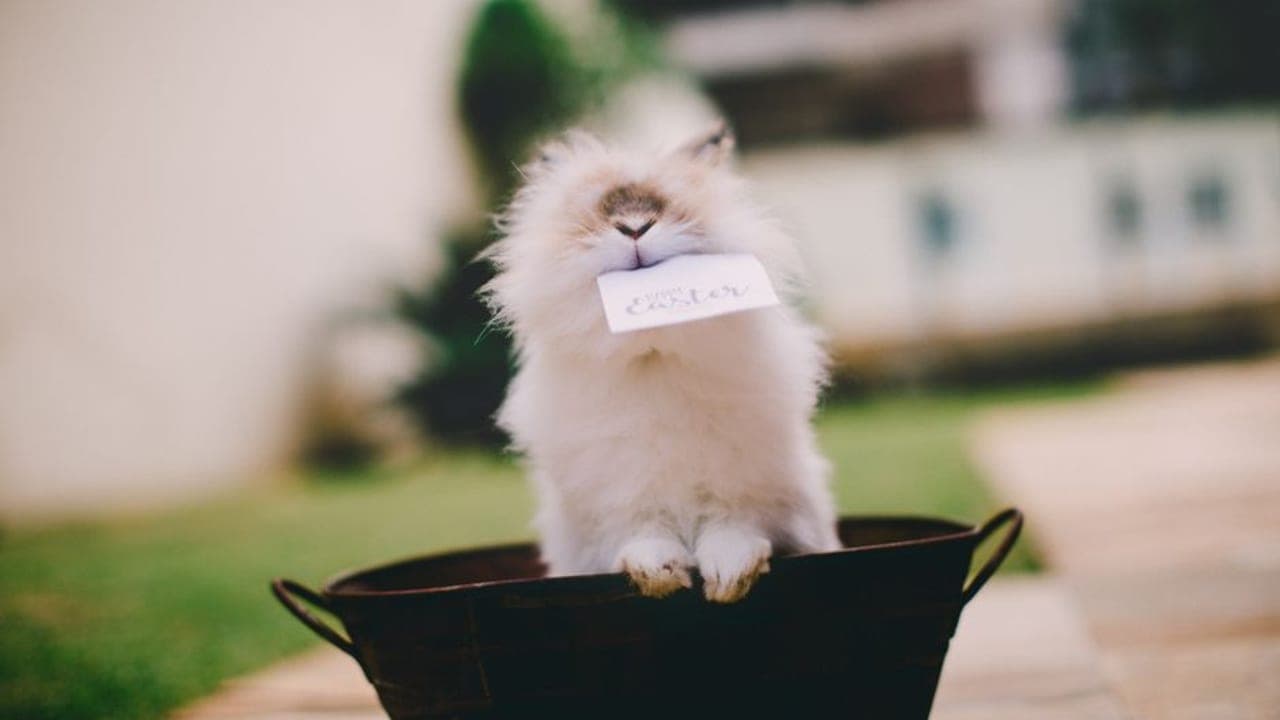
Angora
Compare size, grooming, free-roam needs, handling tolerance, and health planning before deciding.

Rex
Compare size, grooming, free-roam needs, handling tolerance, and health planning before deciding.
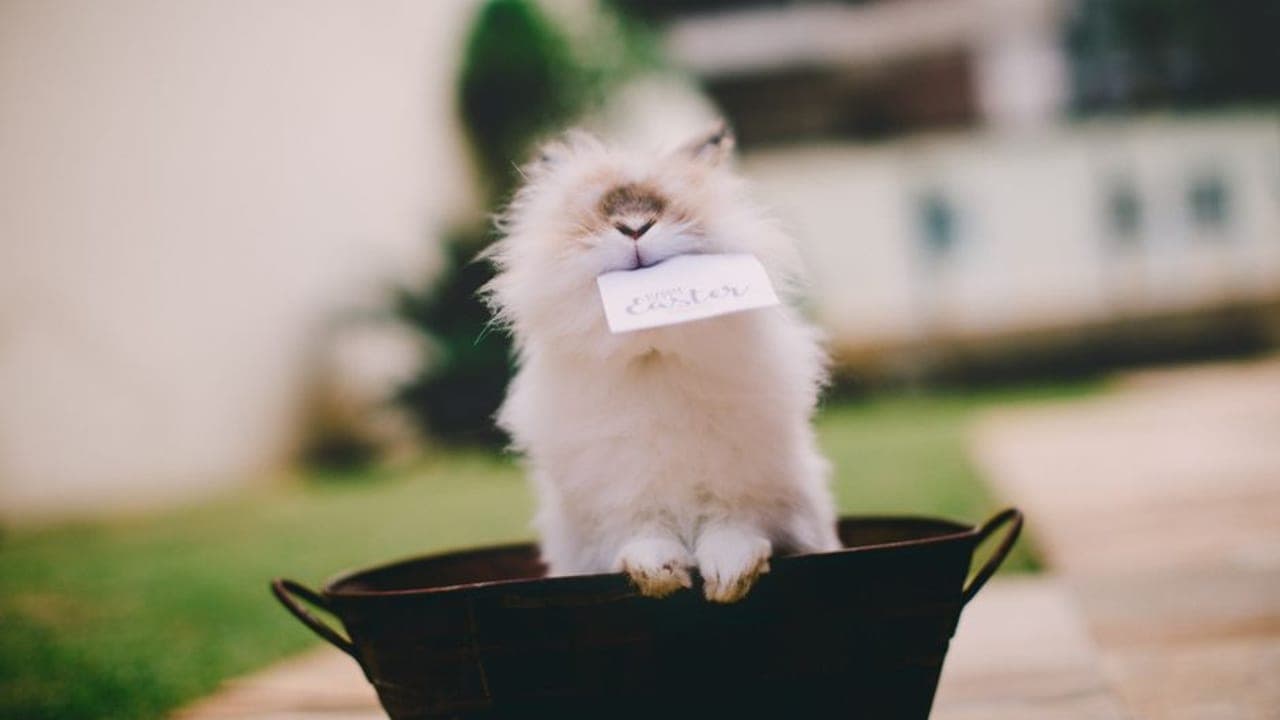
French Angora
Compare size, grooming, free-roam needs, handling tolerance, and health planning before deciding.
Holland Lop
Compare size, grooming, free-roam needs, handling tolerance, and health planning before deciding.
Explore More About Himalayan
Dive deeper into everything Himalayan — costs, care, and expert insights.
How Much Does a Himalayan Cost?
Purchase price, monthly costs, and lifetime expenses
Himalayan Care Guide
## Himalayan Care Overview This Himalayan care guide gives owners a practical plan for daily life...
Considering a guinea pig instead?
Browse Guinea Pigs