
Shorthair group
Japanese Bobtail
The Japanese Bobtail is the cat whose short tail is genetically nothing like the Manx's — and that distinction is the single most useful thing a buyer can know.
Size
5-10 lb
Lifespan
14-16 years
Play
30-60 minutes
Shedding
Moderate
Experience
Match to owner routine
Decision first
Is a Japanese Bobtail right for you?
Start with fit before history or trivia. These are ownership signals, not guarantees about any individual cat.
Best suited for
- Households with children.
- Homes with other compatible pets.
- Apartment homes with a consistent routine.
- Owners who can provide daily play, climbing space, and enrichment.
Think carefully if
- You cannot provide daily play, climbing space, or mental enrichment.
- You cannot keep up with grooming and preventive care.
- The cat will spend most days without interaction or enrichment.
Conditional fit
Apartment fit depends on vertical space, litter setup, play, enrichment, and noise tolerance.
Daily reality
Japanese Bobtail commitment snapshot
Daily play
30-60 minutes
Match play and enrichment to age, health, appetite, and household routine.
Coat care
Low
Grooming needs vary by coat, shedding, and lifestyle.
Social needs
Needs planning
Most cats still need predictable contact, enrichment, litter care, and monitoring.
Structured facts
Japanese Bobtail at a glance
The measurements and traits that most affect day-to-day life with this breed.
Origin
Japan
Group
Shorthair
Weight
5-10 lb
Height
9-12 in
Lifespan
14-16 years
Temperament
Active | Agile | Clever | Easy Going | Intelligent | Lively | Loyal | Playful | Social
View all characteristics and methodology
Lifestyle fit
- Apartment suitabilityWorks best with clean litter setup, vertical space, and daily enrichment.
- Likely fit
- Child friendliness
- Often good, with socialisation and supervision
- Other-pet fit
- Often compatible with careful introductions
- Adaptability
- Very high
Owner commitment
- Daily play
- 30-60 minutes
- Grooming
- Low
- Shedding
- Moderate
- Indoor enrichment
- High
Behavior
- Affection
- Very high
- Energy
- Very high
- Vocalization
- Very high
- Social needs
- Very high
Environment and health
- Intelligence
- Very high
- Health risk
- Needs planning
- Weight sensitivity
- Routine monitoring
Ratings combine structured breed data, visible breed fields, and editorial context. They are planning aids, not predictions for an individual cat.
Daily life
Japanese Bobtail temperament and behavior
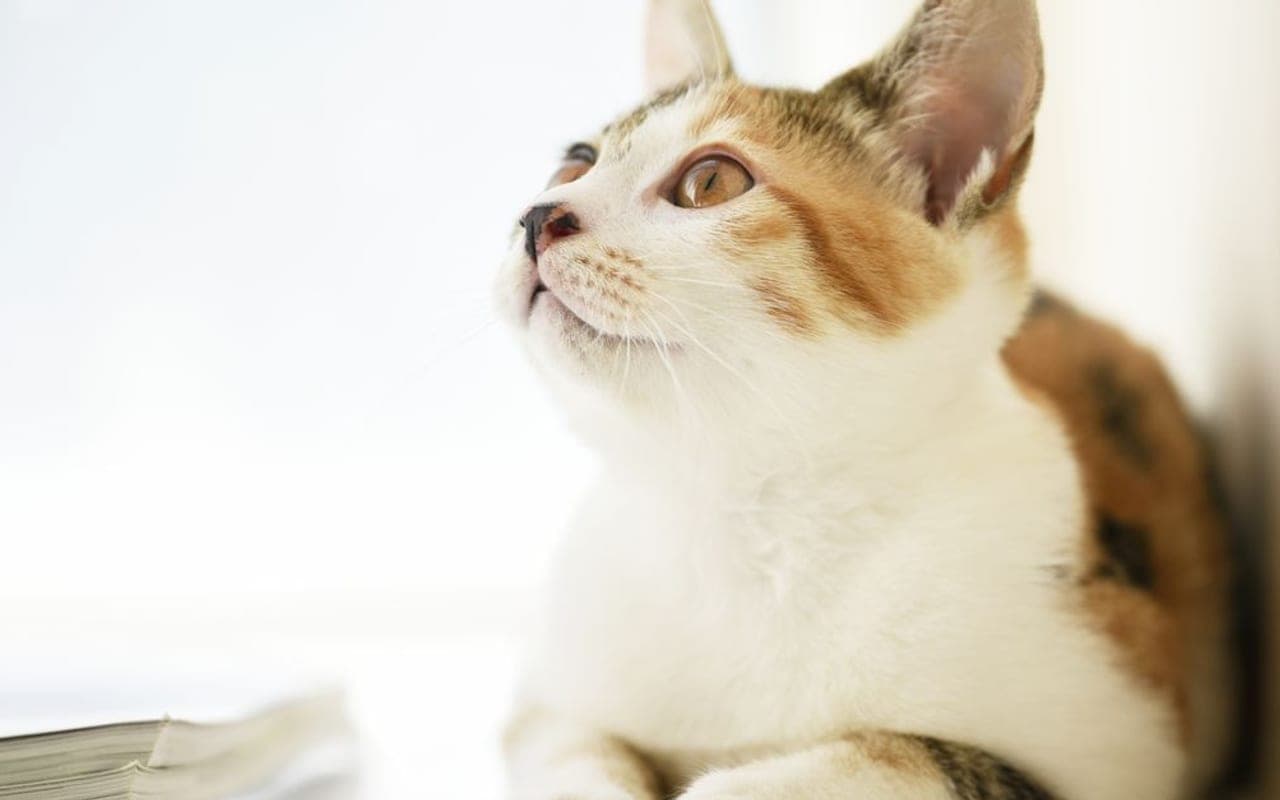
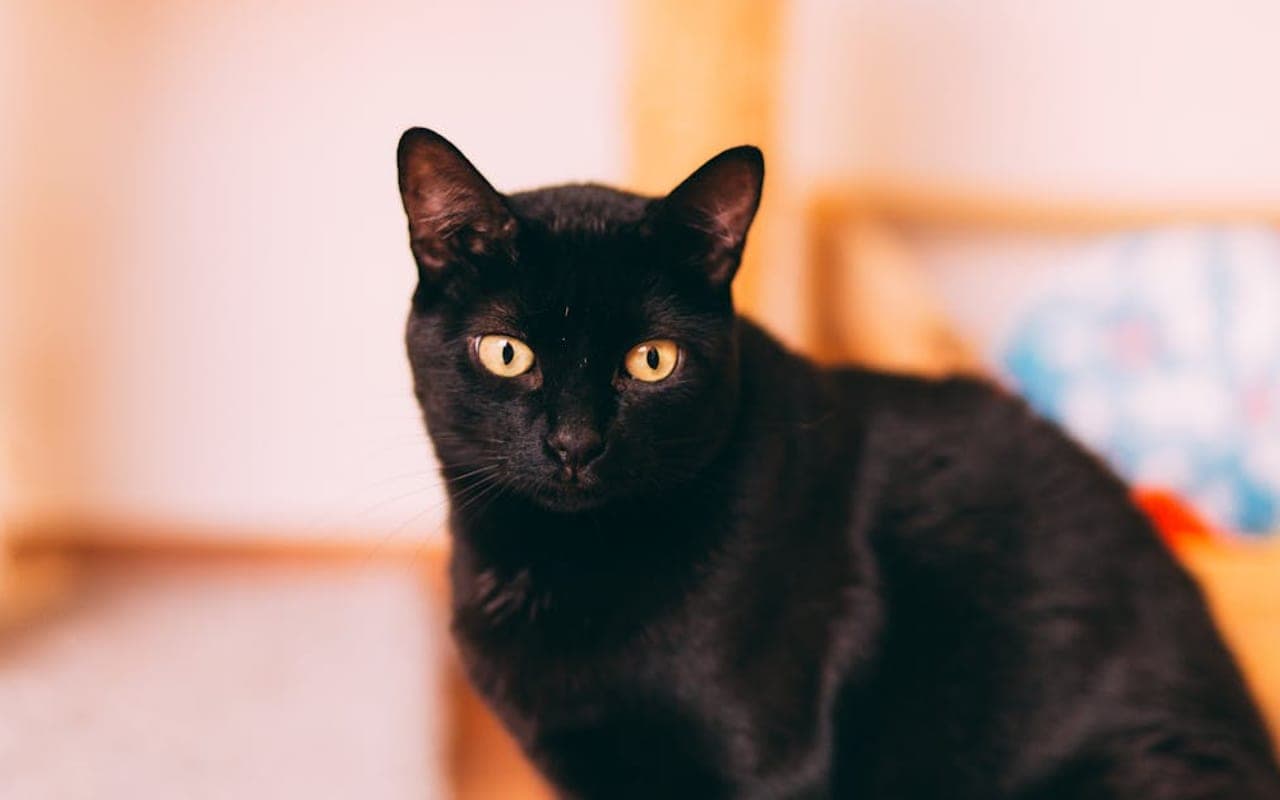
The Japanese Bobtail is the cat whose short tail is genetically nothing like the Manx's — and that distinction is the single most useful thing a buyer can know. The pom-pom tail comes from a recessive gene that affects only the tail vertebrae. It does NOT carry the spinal-cord and incontinence risk of the dominant Manx gene, and two Bobtails can be safely bred together. Anyone who has read about Manx Syndrome and is nervous about short-tailed cats should hear this clearly: the Japanese Bobtail's tail is a cosmetic curl, not a structural defect, and that is a genuine point in the breed's favor, not marketing. Every Bobtail's tail is unique — a kink, curl, or bob roughly 3 inches long, no two alike, set on a slender, athletic, medium body with long hind legs. The most famous coloring is the bold tricolor (mi-ke), the white-red-black pattern seen in the lucky 'beckoning cat' figurine, though Bobtails come in many colors and in shorthair and longhair. Temperament is the breed's headline. The Japanese Bobtail is one of the most dog-like, interactive cats available: highly intelligent, endlessly energetic, vocal in a soft chirping 'singing' voice, fetch-playing, and bonded hard to its family rather than aloof. They take over a household with confidence, do well with children, dogs, and other cats, and stay playful for life. They are not a quiet decorative cat — they are a busy, opinionated, conversational companion. Who the Japanese Bobtail is right for: a home that wants an active, social, talkative cat and will provide daily interactive play and company. Who it is wrong for: someone seeking a calm, independent lap ornament, or anyone who will be irritated by a cat that follows, talks, fetches, and insists on being involved in everything.
Active | Agile | Clever | Easy Going | Intelligent | Lively | Loyal | Playful | Social
Active
A common Japanese Bobtail temperament descriptor that should be interpreted alongside enrichment, handling, and household fit.
Agile
A common Japanese Bobtail temperament descriptor that should be interpreted alongside enrichment, handling, and household fit.
Clever
A common Japanese Bobtail temperament descriptor that should be interpreted alongside enrichment, handling, and household fit.
Easy Going
A common Japanese Bobtail temperament descriptor that should be interpreted alongside enrichment, handling, and household fit.
Owner note
Temperament labels are starting points, not guarantees. Meet the individual cat and ask about behavior history whenever possible.
Care essentials
How to care for a Japanese Bobtail
What looking after one actually involves: play, grooming, food, litter, and routine health.
ExerciseAs needed
- Active and playful breed requiring daily interactive play sessions with toys, climbing structures, and mental stimulation.
GroomingAs needed
- Low-maintenance coat requiring weekly brushing. Occasional bathing as needed.
NutritionAs needed
- Feed a high-quality cat food appropriate for their age and activity level. Maintain fresh water at all times. Monitor weight to prevent obesity.
SocializationAs needed
- Highly social breed that thrives on companionship. Does not do well left alone for extended periods. Consider a companion pet.
Veterinary CareAs needed
- Annual wellness exams, vaccinations, dental checkups, and parasite prevention. Spay/neuter recommended if not breeding.
Health planning
Japanese Bobtail health risks and screening
Every cat breed has individual health variation. Use this profile for planning and discuss medical decisions with a veterinarian.
Responsible ownership
Finding a Japanese Bobtail responsibly
What to ask a breeder or rescue is the same conversation for every breed, so we keep it in one place and keep it current.
Health documentation, meeting the parents or foster, contracts and return support, and the warning signs worth walking away from.
Original purpose
Japanese Bobtail history
History is useful when it explains today's behavior, coat, exercise needs, and training style.
Read the breed history
The Japanese Bobtail is an ancient natural breed, not a manufactured one. Short-tailed cats have lived in Japan for over a thousand years, arriving along trade and Buddhist routes from the Asian mainland and becoming woven into Japanese culture — most famously as the maneki-neko, the beckoning 'lucky cat' figurine modeled on the tricolor Bobtail. For centuries the cats were ordinary working and temple animals; an Edo-period edict even released cats to control rodents in the silk industry, spreading the bobtailed cat across the country. The breed was not deliberately developed by humans — its short tail arose and persisted naturally in the island population. American servicewoman and breeder Elizabeth Freret imported foundation cats to the United States in 1968, and the Cat Fanciers' Association granted the shorthair championship status in 1976, with the longhair following later. Critically, the breed's natural origin is also a health point: because the bobtail gene arose and stabilized naturally rather than being forced through a narrow bottleneck, the Japanese Bobtail is one of the genetically sounder pedigreed cats.
Gallery
Japanese Bobtail photos
Images are cropped consistently and loaded progressively to keep the page responsive.
Lower-page context
Japanese Bobtail cats in culture
Where the breed shows up in film, sport, work and folklore — the enjoyable part, once the practical questions are answered.
Fun facts
- The Japanese Bobtail originated in Japan.
- Japanese Bobtail cats are considered one of the most intelligent cat breeds.
- Japanese Bobtail cats are known for being very vocal and communicative with their owners.
- The Japanese Bobtail is one of the most energetic and playful cat breeds.
- The Japanese Bobtail is a natural breed that developed without human selective breeding.
Japanese Bobtail FAQs
How long do Japanese Bobtail cats live?
A healthy Japanese Bobtail typically lives 14-16 years, and it is genuinely one of the more robust pedigreed cats because it has no signature inherited disease and its tail gene carries no structural defect. Lifespan here is driven less by breed-specific risk and more by ordinary cat care done well: lean body weight, dental maintenance, indoor safety, and routine senior bloodwork from about age 10.
Is the Japanese Bobtail's short tail a health problem like the Manx?
No, and this is the most important fact about the breed. The Bobtail's tail comes from a recessive gene that affects only the tail vertebrae and is not associated with the spinal-cord, gait, or incontinence problems caused by the Manx's dominant gene. Two Japanese Bobtails can be bred together safely, which is impossible in the Manx. If short-tailed-cat health was your worry, the Japanese Bobtail is specifically the breed where that worry does not apply.
Are Japanese Bobtails good with children and other pets?
Yes, strongly so. They are confident, social, dog-like cats that engage rather than hide, tolerate household activity well, and typically get along with children, dogs, and other cats. Supervise young children and teach gentle handling as with any cat. The more relevant question is energy fit: this is an active, involved cat, so it suits a busy household far better than a quiet one looking for a low-interaction pet.
How much grooming and exercise does a Japanese Bobtail need?
Grooming is light — a weekly brush for the shorthair, two to three times weekly for the longhair, plus a seasonal increase in spring and autumn; the single-layer coat rarely mats. Exercise and mental stimulation are the real commitment: budget about 30 minutes of interactive play daily. An intelligent, energetic Bobtail that is under-stimulated will create its own entertainment, so enrichment is not optional with this breed.
How much does a Japanese Bobtail cost?
Expect roughly $600-$1,500 for a kitten from a registered breeder, with show-quality tricolor (mi-ke) kittens at the upper end. Because the breed lacks a signature inherited disease, you are not paying a premium to dodge a specific genetic disaster the way you are with some breeds — the value is in a well-socialized kitten from health-tested parents. Ongoing costs are standard-cat costs done consistently rather than breed-specific medical liabilities.
Does the Japanese Bobtail have any genetic conditions I should screen for?
Honestly, there is no breed-defining hereditary disease to screen against — that is a real strength of this natural breed, not an information gap. There is no Bobtail equivalent of Manx Syndrome or Persian PKD. What remains is ordinary feline vigilance: monitor for the HCM seen across all cats, urinary signs, dental disease, and the usual senior-cat kidney and thyroid changes from about age 10. Standard preventive care, not a special screening protocol, is the right approach.
Sources
These are the published sources this page draws on. Each opens in a new tab so you can check it yourself.
Cat Fanciers' Association
Japanese Bobtail — breed standard and profile(opens in a new tab)Supports: Breed standard and recognition details.
Similar breeds to consider
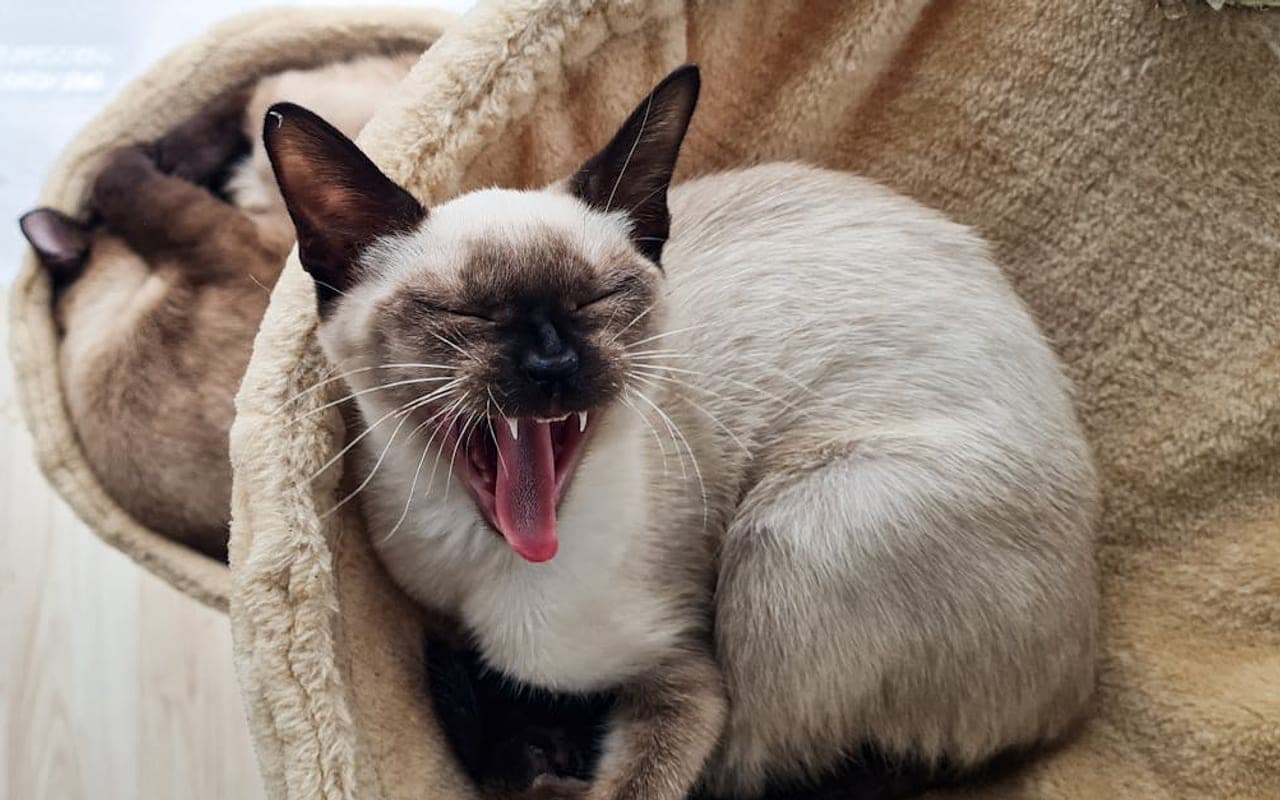
Siamese
Also in the Shorthair group, with different care and temperament tradeoffs.
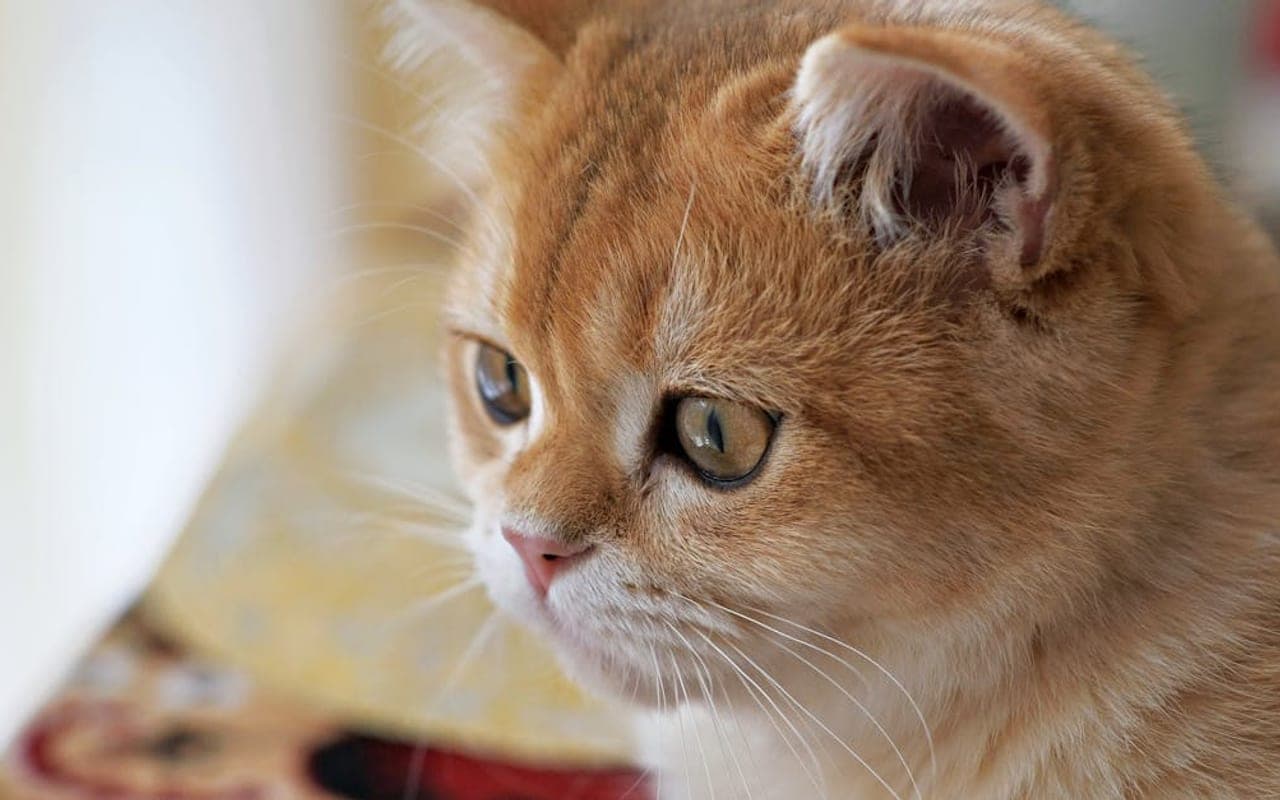
British Shorthair
Also in the Shorthair group, with different care and temperament tradeoffs.
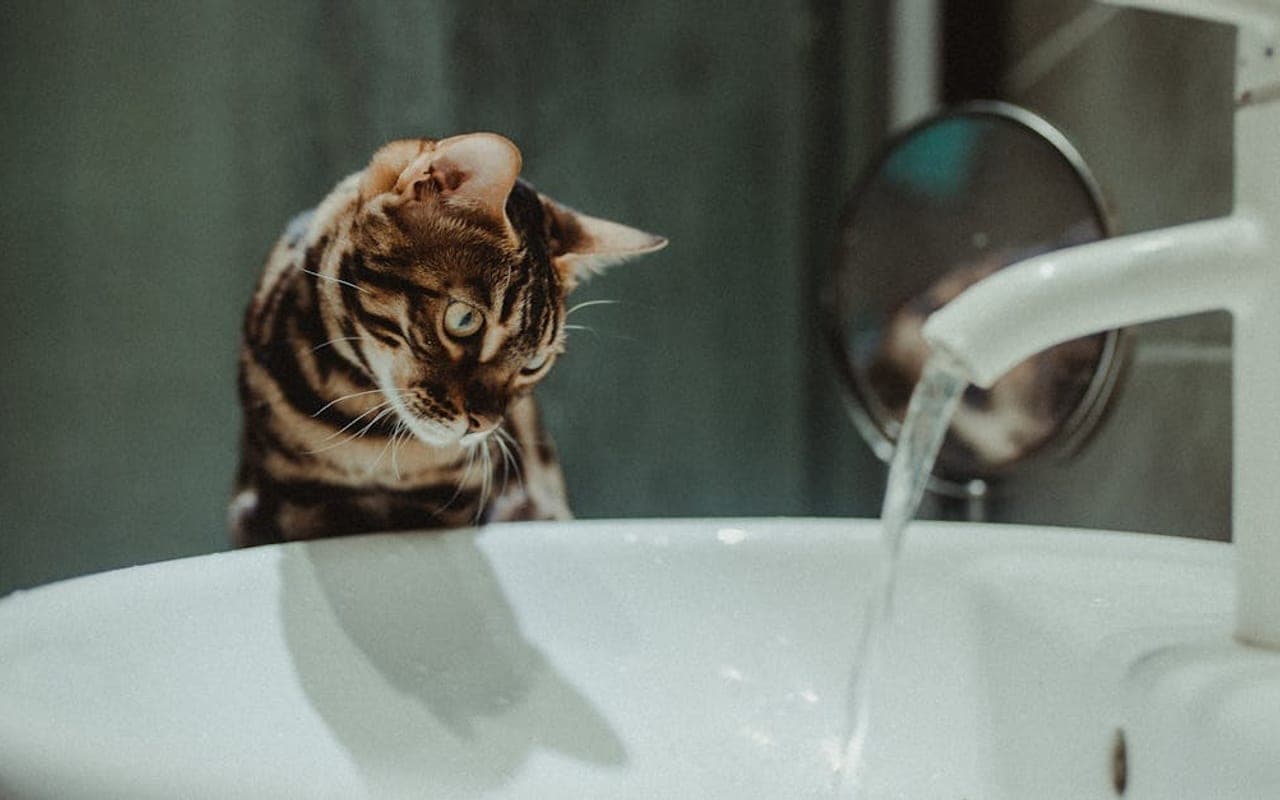
Bengal
Also in the Shorthair group, with different care and temperament tradeoffs.
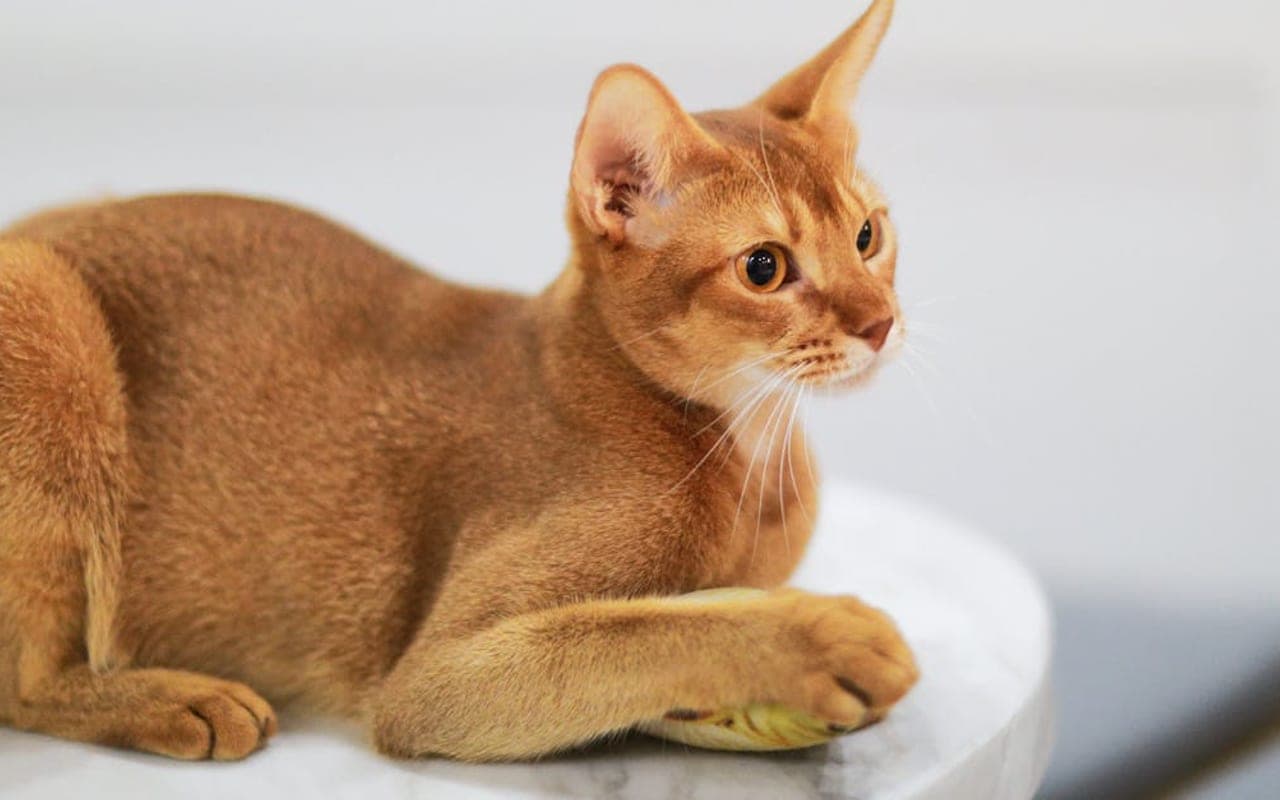
Abyssinian
Also in the Shorthair group, with different care and temperament tradeoffs.
Explore More About Japanese Bobtail
Dive deeper into everything Japanese Bobtail — costs, care, and expert insights.
Cat Nutrition Guide: What Cats Actually Need to Eat
Cats are obligate carnivores, which means they are...
Kitten-Proofing Your Home: The Hazards Owners Miss
A single lily leaf — or even the pollen brushed off one — can put a kitten into acute...
Considering a dog instead?
Browse Dogs