
Shorthair group
Korat
The Korat is a silver-blue cat from Thailand and one of the oldest naturally occurring breeds in the world — but the single most important thing to know before you buy one is not its temperament or its looks, it is two recessive genes.
Size
6-11 lb
Lifespan
10-15 years
Play
15-30 minutes
Shedding
Moderate
Experience
Match to owner routine
Decision first
Is a Korat right for you?
Start with fit before history or trivia. These are ownership signals, not guarantees about any individual cat.
Best suited for
- Households with children.
- Homes with other compatible pets.
- Apartment homes with a consistent routine.
- Owners seeking a manageable indoor routine with predictable care.
Think carefully if
- You need a cat with almost no daily routine.
- You cannot keep up with grooming and preventive care.
- The cat will spend most days without interaction or enrichment.
Conditional fit
Apartment fit depends on vertical space, litter setup, play, enrichment, and noise tolerance.
Daily reality
Korat commitment snapshot
Daily play
15-30 minutes
Match play and enrichment to age, health, appetite, and household routine.
Coat care
Low
Grooming needs vary by coat, shedding, and lifestyle.
Social needs
Needs planning
Most cats still need predictable contact, enrichment, litter care, and monitoring.
Structured facts
Korat at a glance
The measurements and traits that most affect day-to-day life with this breed.
Origin
Thailand
Group
Shorthair
Weight
6-11 lb
Height
9-11 in
Lifespan
10-15 years
Temperament
Active | Loyal | highly intelligent | Expressive | Trainable
View all characteristics and methodology
Lifestyle fit
- Apartment suitabilityWorks best with clean litter setup, vertical space, and daily enrichment.
- Likely fit
- Child friendliness
- Often good, with socialisation and supervision
- Other-pet fit
- Often compatible with careful introductions
- Adaptability
- Very high
Owner commitment
- Daily play
- 15-30 minutes
- Grooming
- Low
- Shedding
- Moderate
- Indoor enrichment
- Moderate
Behavior
- Affection
- Very high
- Energy
- Moderate
- Vocalization
- Moderate
- Social needs
- Very high
Environment and health
- Intelligence
- Very high
- Health risk
- Needs planning
- Weight sensitivity
- Routine monitoring
Ratings combine structured breed data, visible breed fields, and editorial context. They are planning aids, not predictions for an individual cat.
Daily life
Korat temperament and behavior
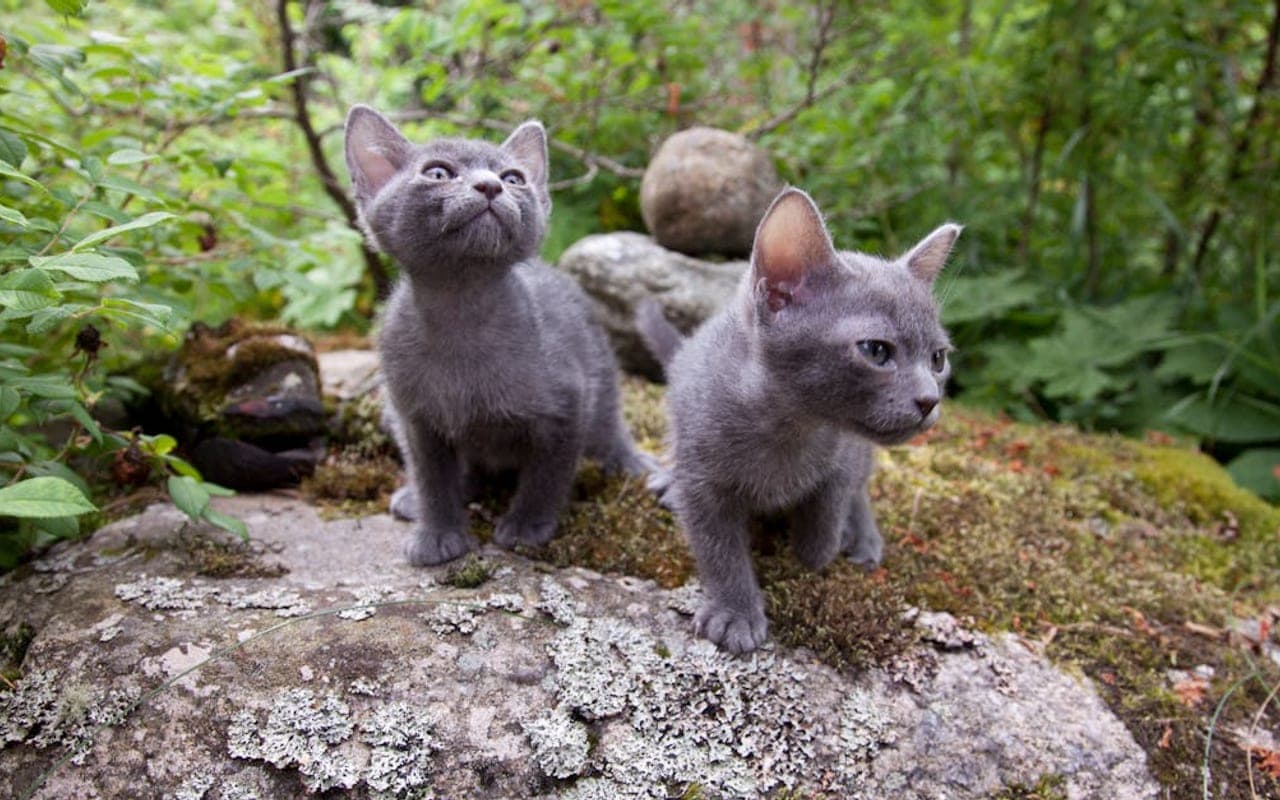
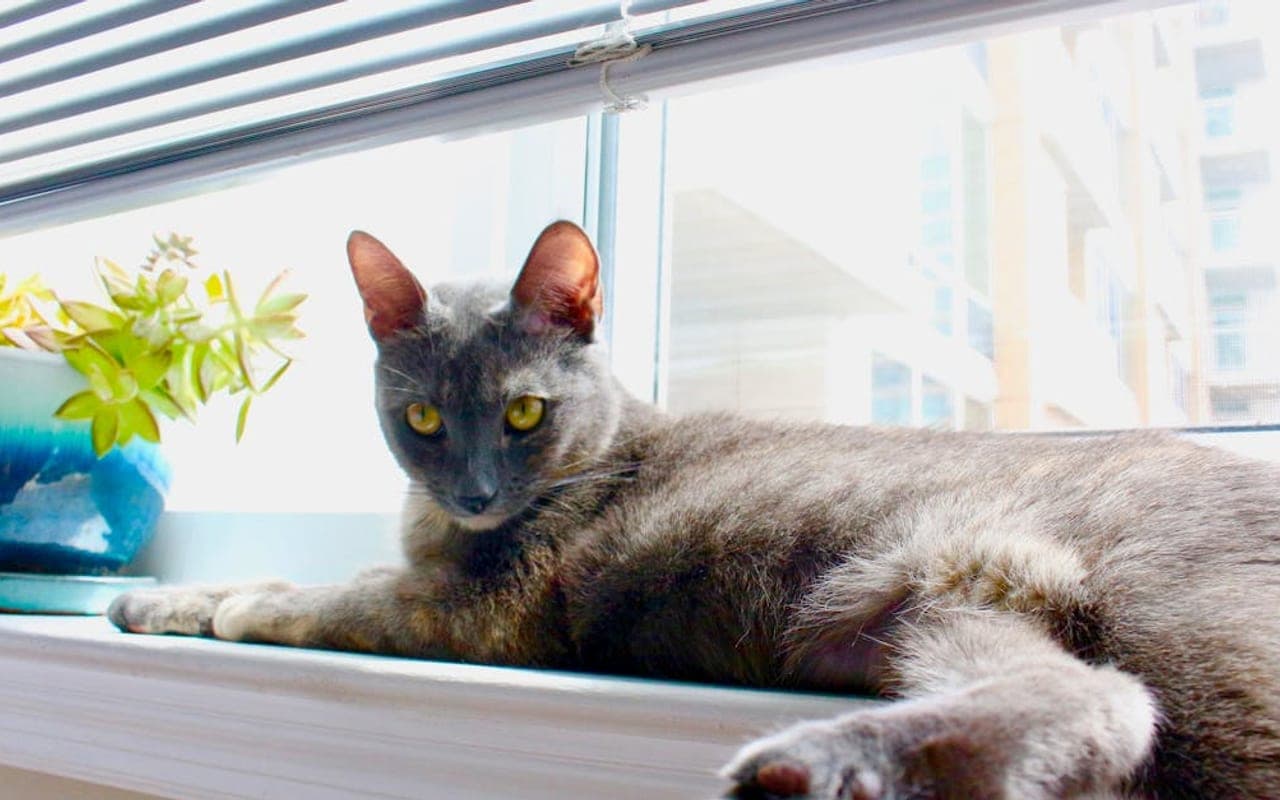
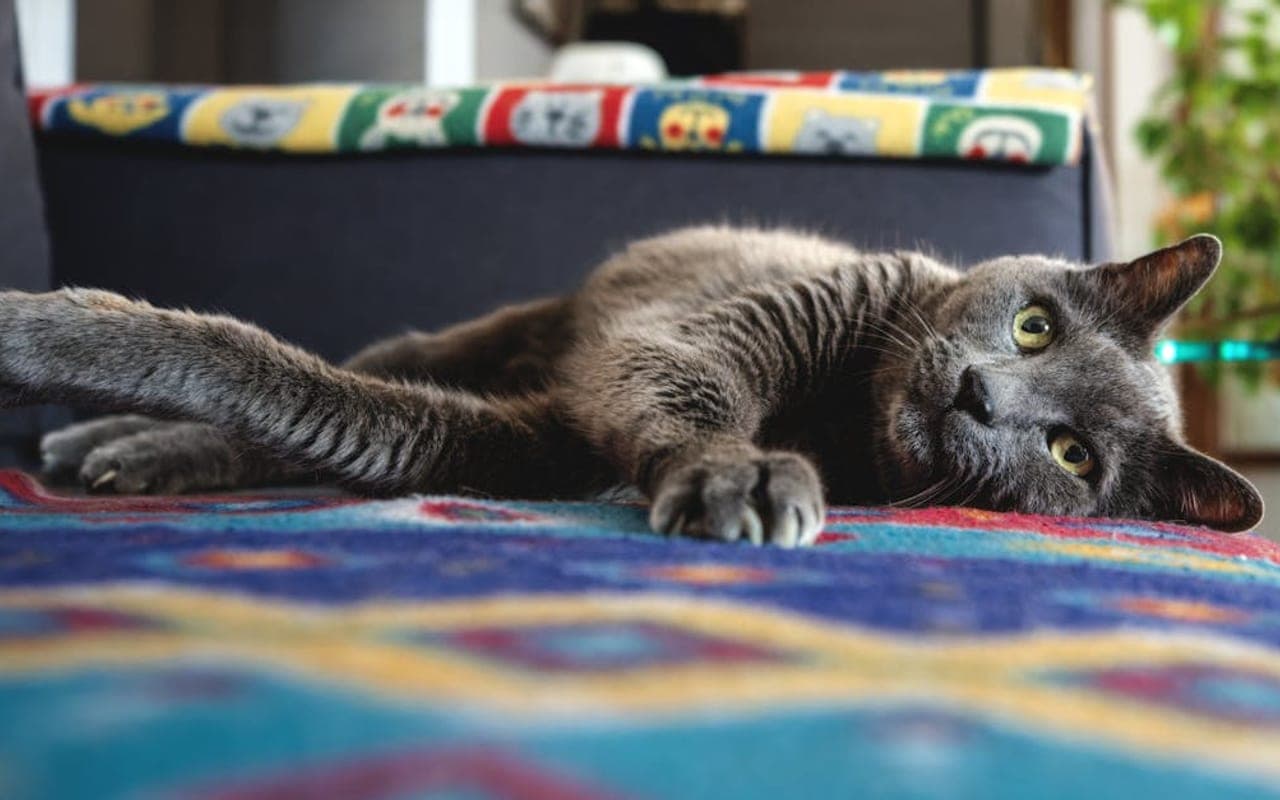
The Korat is a silver-blue cat from Thailand and one of the oldest naturally occurring breeds in the world — but the single most important thing to know before you buy one is not its temperament or its looks, it is two recessive genes. Korats can carry GM1 and GM2 gangliosidosis, fatal neurological storage diseases. Both are now DNA-testable, which means a responsible Korat purchase is no longer a gamble: it is a question you ask the breeder and a piece of paper you insist on seeing. Lead with that, because no amount of charm offsets a kitten that will not live past its first birthday. Physically the Korat is unmistakable: a single silver-tipped blue coat that has no undercoat (so very low shedding), a heart-shaped face viewed from the front, a gentle downward curve to the nose in profile, and oversized luminous green eyes that often do not finish turning from amber to green until the cat is two to four years old. The body is muscular and surprisingly heavy for its size — three to five kilograms of dense, compact cat. Temperament is where buyers need realistic expectations. Korats bond intensely, usually to one or two people, and want to be the only pet. They are dog-friendly with slow introductions but are often territorial and bossy toward other cats, so a Korat is frequently happiest as a solo animal or the established resident, not the newcomer. They are highly intelligent, trainable, expressive, and sensitive to loud noise and chaos. Who the Korat is right for: a household that wants a deeply bonded, low-shedding, interactive companion and is willing to be a one-cat (or Korat-first) home. Who it is wrong for: anyone buying on impulse from an untested line, or anyone wanting a hands-off cat that tolerates a rotating cast of other pets.
Active | Loyal | highly intelligent | Expressive | Trainable
Active
A common Korat temperament descriptor that should be interpreted alongside enrichment, handling, and household fit.
Loyal
A common Korat temperament descriptor that should be interpreted alongside enrichment, handling, and household fit.
highly intelligent
A common Korat temperament descriptor that should be interpreted alongside enrichment, handling, and household fit.
Expressive
A common Korat temperament descriptor that should be interpreted alongside enrichment, handling, and household fit.
Owner note
Temperament labels are starting points, not guarantees. Meet the individual cat and ask about behavior history whenever possible.
Care essentials
How to care for a Korat
What looking after one actually involves: play, grooming, food, litter, and routine health.
ExerciseAs needed
- Moderately active breed that enjoys regular play sessions and exploration. Provide toys and occasional interactive games.
GroomingAs needed
- Low-maintenance coat requiring weekly brushing. Occasional bathing as needed.
NutritionAs needed
- Feed a high-quality cat food appropriate for their age and activity level. Maintain fresh water at all times. Monitor weight to prevent obesity.
SocializationAs needed
- Highly social breed that thrives on companionship. Does not do well left alone for extended periods. Consider a companion pet.
Veterinary CareAs needed
- Annual wellness exams, vaccinations, dental checkups, and parasite prevention. Spay/neuter recommended if not breeding.
Health planning
Korat health risks and screening
Every cat breed has individual health variation. Use this profile for planning and discuss medical decisions with a veterinarian.
Responsible ownership
Finding a Korat responsibly
What to ask a breeder or rescue is the same conversation for every breed, so we keep it in one place and keep it current.
Health documentation, meeting the parents or foster, contracts and return support, and the warning signs worth walking away from.
Original purpose
Korat history
History is useful when it explains today's behavior, coat, exercise needs, and training style.
Read the breed history
The Korat — called Si-Sawat in Thailand — is a natural breed, not a human-engineered one, and one of the oldest documented cats in the world. It appears in the Tamra Maew (the 'Cat-Book Poems' of Thailand, dated to the Ayutthaya period centuries ago), where the silver-blue cat is described as a living symbol of good fortune, traditionally given in pairs to brides and dignitaries rather than sold. Because it bred true on its home soil for centuries with no outcrossing, the Korat is genetically stable and consistent in type — the same cat described in the old manuscripts is the cat you can buy today. The first documented Korats reached the United States in 1959, and the breed was accepted for championship competition by the Cat Fanciers' Association in 1966. That long closed gene pool is a double edge: it preserves a remarkably uniform, healthy natural breed, but it also concentrated the recessive GM1 and GM2 gangliosidosis mutations, which is why DNA testing — not folklore about good luck — is the modern responsible breeder's first duty.
Gallery
Korat photos
Images are cropped consistently and loaded progressively to keep the page responsive.
Lower-page context
Korat cats in culture
Where the breed shows up in film, sport, work and folklore — the enjoyable part, once the practical questions are answered.
Fun facts
- The Korat originated in Thailand.
- Korat cats are considered one of the most intelligent cat breeds.
- The Korat is considered a rare breed.
- Korat cats are exceptionally dog-friendly and can live harmoniously with canine companions.
Korat FAQs
How long do Korat cats live?
A healthy Korat from DNA-tested lines typically lives 10 to 15 years, and many reach the upper end because the breed is genetically stable with no extreme conformation. The brutal exception is gangliosidosis: a kitten affected with GM1 rarely survives past 10 months and one with GM2 often dies before 8 months. Lifespan in this breed is decided almost entirely by whether the kitten came from GM1/GM2-clear parents, which is why the test paperwork matters more than anything else you can check.
What is gangliosidosis and how do I avoid it in a Korat?
Gangliosidosis is a group of inherited lysosomal storage diseases — GM1 (GLB1 gene) and GM2 (HEXB gene) — that cause fatal, progressive neurological decline in affected Korat kittens. Both are recessive, so a cat needs two copies to be affected. You avoid it completely by buying only from a breeder who provides written DNA clearance on both parents: a kitten from two clear (or clear-by-parentage) cats has zero chance of being affected. CFA and TICA both recommend testing all breeding stock.
Are Korat cats good with other pets?
Mixed, and buyers should be honest with themselves about it. Korats are notably dog-friendly with slow, positive introductions, but they are often territorial and bossy toward other cats and tend to want to be the only or dominant pet. A Korat usually does best as a solo cat or the established resident, not as a newcomer added to an existing cat household. If you want a multi-cat home, this is a real trade-off to weigh before buying, not after.
How much grooming does a Korat need?
Very little. The Korat has a single silver-blue coat with no undercoat, so a five-minute weekly brush or a damp-hand smoothing is enough; shedding and hairballs are minimal and mats are rare. The real grooming budget goes to the basics shared by all shorthaired cats: nail trims every two to three weeks, weekly ear checks, and tooth brushing several times a week to prevent the dental disease that otherwise costs hundreds in extractions later in this long-lived breed.
Are Korat cats good for apartments and families?
Yes to apartments — they are compact, low-shedding, and bond hard to people over territory, so they adapt well to smaller spaces with 15-25 minutes of daily interactive play. With families, they are good with respectful children but are sensitive to loud noise, sudden movement, and chaos, so a calm household suits them better than a frantic one. They also strongly prefer not to be left alone for long stretches, which is worth weighing if everyone is out all day.
How much does a Korat cat cost?
Expect roughly $600 to $1,200 for a pet-quality Korat kitten and more for show lines from a registered breeder, with price varying by region and rarity since the breed is uncommon. The cost that actually matters is hidden: a gangliosidosis-affected kitten incurs heartbreak plus diagnostics and supportive care, and the cat will not survive its first year. Paying a fair price for a kitten with written GM1/GM2-clear parentage is the single cheapest insurance in this entire breed — never economize by skipping that paperwork.
Sources
These are the published sources this page draws on. Each opens in a new tab so you can check it yourself.
Cat Fanciers' Association
Korat — breed standard and profile(opens in a new tab)Supports: Breed standard and recognition details.
Similar breeds to consider
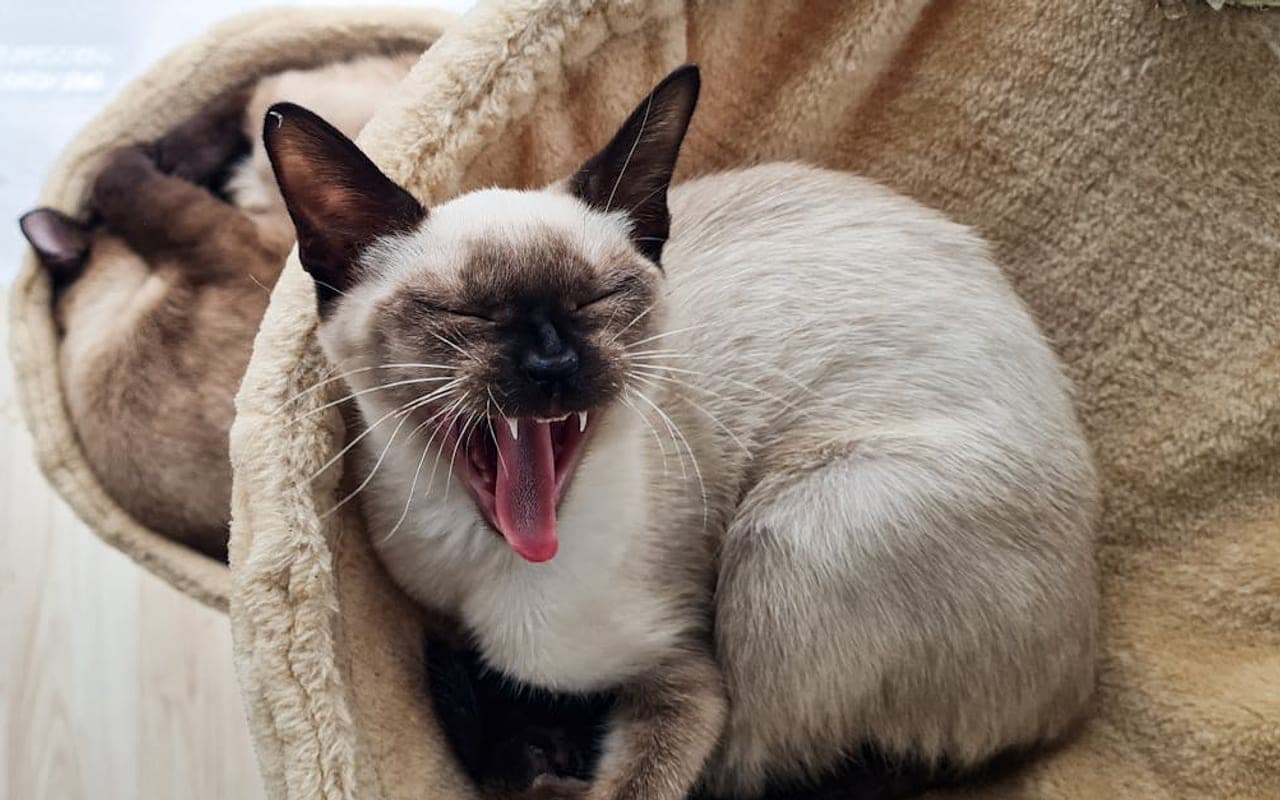
Siamese
Also in the Shorthair group, with different care and temperament tradeoffs.
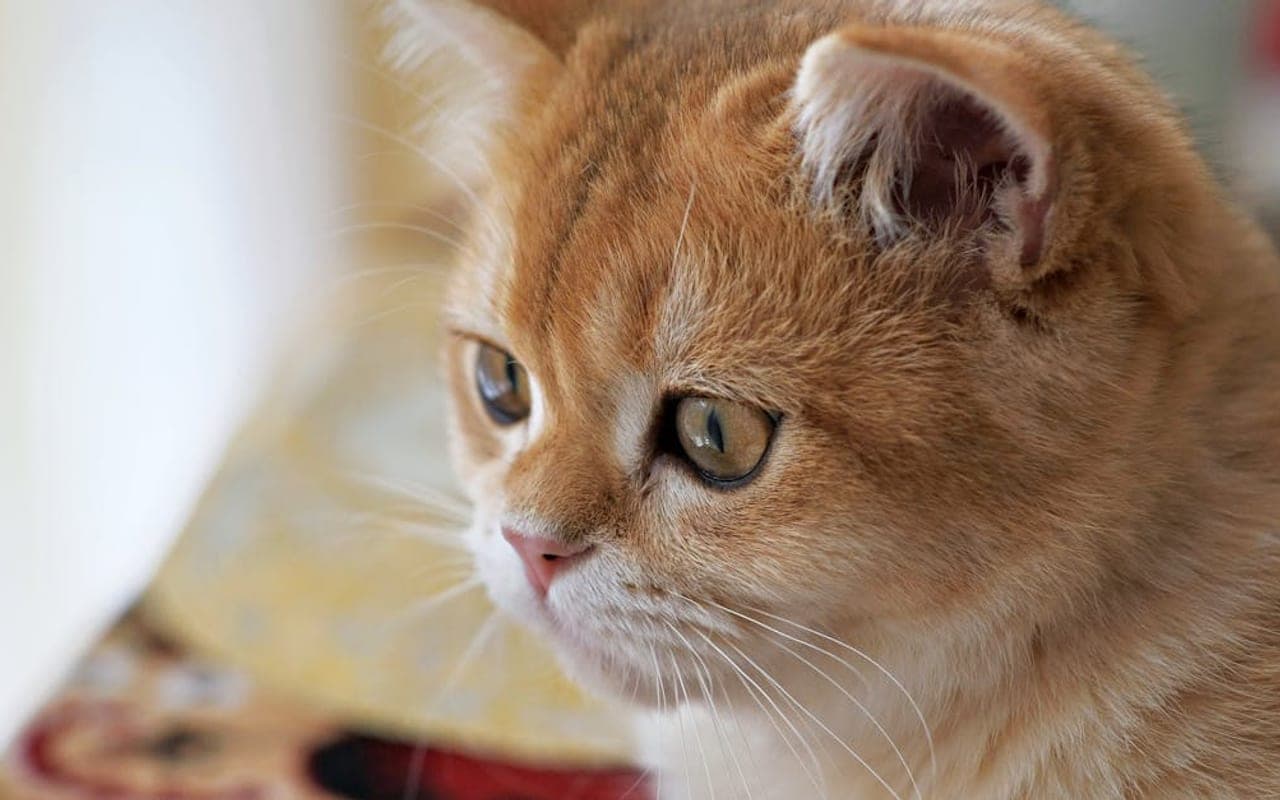
British Shorthair
Also in the Shorthair group, with different care and temperament tradeoffs.
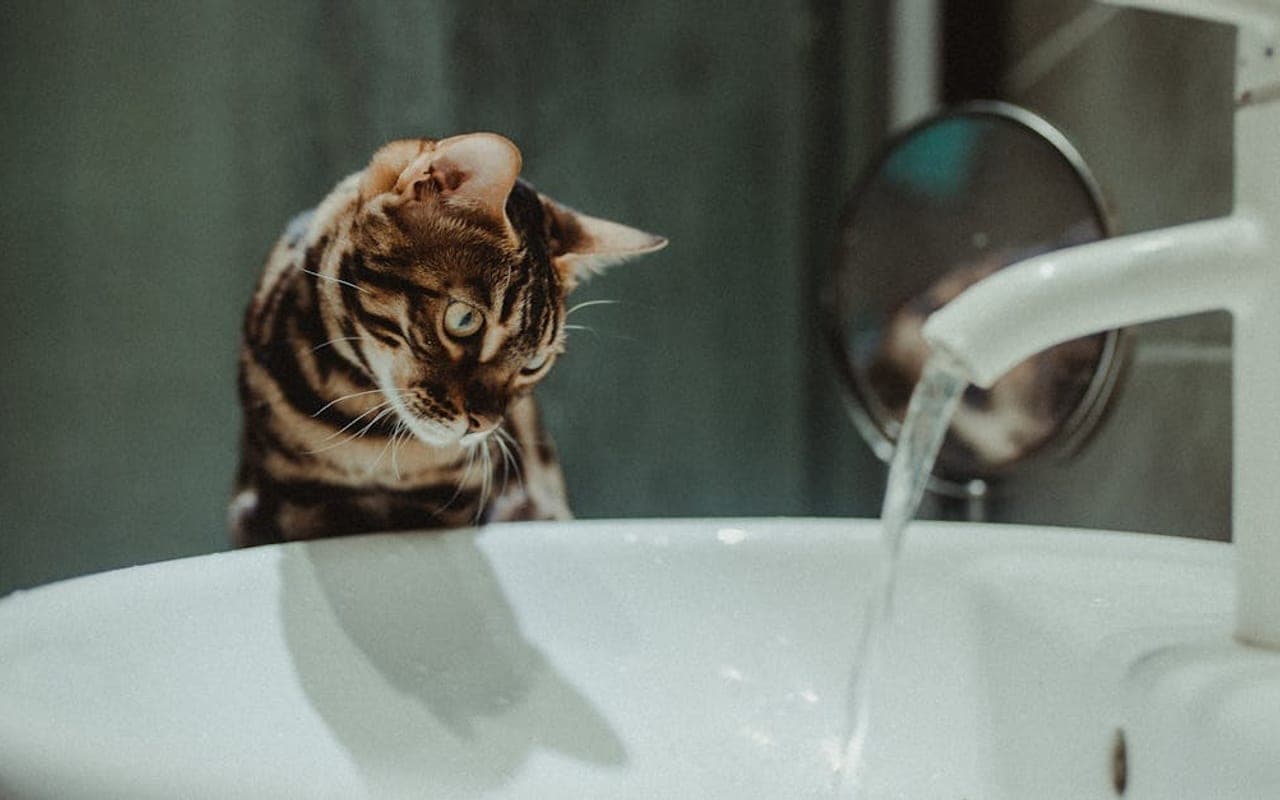
Bengal
Also in the Shorthair group, with different care and temperament tradeoffs.
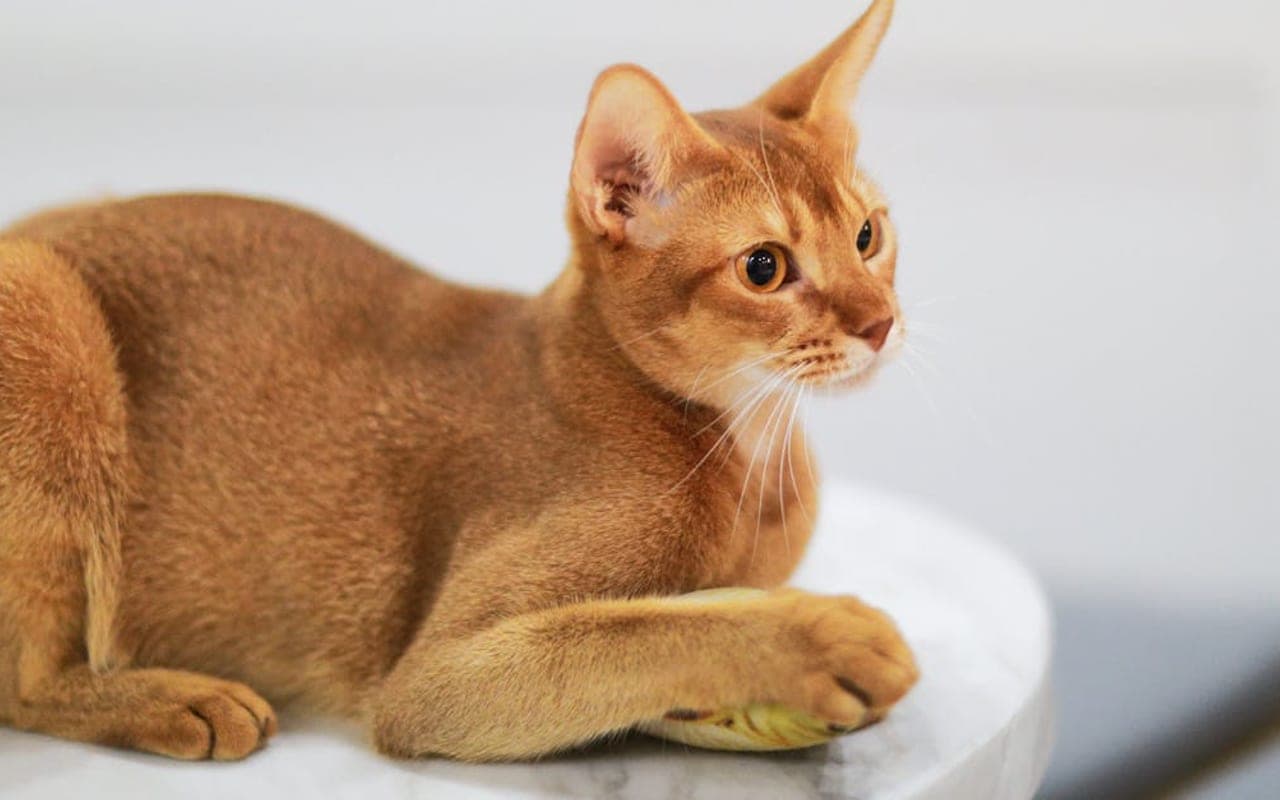
Abyssinian
Also in the Shorthair group, with different care and temperament tradeoffs.
Explore More About Korat
Dive deeper into everything Korat — costs, care, and expert insights.
Considering a dog instead?
Browse Dogs