
Shorthair group
Kurilian
The Kurilian Bobtail is a robust natural cat from the Kuril Islands between Russia and Japan, and the single fact most worth knowing before you buy is that its short tail is genetically safe.
Size
8-15 lb
Lifespan
15-20 years
Play
30-60 minutes
Shedding
Low
Experience
Match to owner routine
Decision first
Is a Kurilian right for you?
Start with fit before history or trivia. These are ownership signals, not guarantees about any individual cat.
Best suited for
- Households with children.
- Homes with other compatible pets.
- Apartment homes with a consistent routine.
- Owners who can provide daily play, climbing space, and enrichment.
Think carefully if
- You cannot provide daily play, climbing space, or mental enrichment.
- You cannot keep up with grooming and preventive care.
- The cat will spend most days without interaction or enrichment.
Conditional fit
Apartment fit depends on vertical space, litter setup, play, enrichment, and noise tolerance.
Daily reality
Kurilian commitment snapshot
Daily play
30-60 minutes
Match play and enrichment to age, health, appetite, and household routine.
Coat care
Low
Grooming needs vary by coat, shedding, and lifestyle.
Social needs
Needs planning
Most cats still need predictable contact, enrichment, litter care, and monitoring.
Structured facts
Kurilian at a glance
The measurements and traits that most affect day-to-day life with this breed.
Origin
Russia
Group
Shorthair
Weight
8-15 lb
Height
10-13 in
Lifespan
15-20 years
Temperament
Independent | highly intelligent | clever | inquisitive | sociable | playful | trainable
View all characteristics and methodology
Lifestyle fit
- Apartment suitabilityWorks best with clean litter setup, vertical space, and daily enrichment.
- Likely fit
- Child friendliness
- Often good, with socialisation and supervision
- Other-pet fit
- Often compatible with careful introductions
- Adaptability
- Very high
Owner commitment
- Daily play
- 30-60 minutes
- Grooming
- Low
- Shedding
- Low
- Indoor enrichment
- High
Behavior
- Affection
- Very high
- Energy
- Very high
- Vocalization
- Moderate
- Social needs
- Very high
Environment and health
- Intelligence
- Very high
- Health risk
- Needs planning
- Weight sensitivity
- Routine monitoring
Ratings combine structured breed data, visible breed fields, and editorial context. They are planning aids, not predictions for an individual cat.
Daily life
Kurilian temperament and behavior
The Kurilian Bobtail is a robust natural cat from the Kuril Islands between Russia and Japan, and the single fact most worth knowing before you buy is that its short tail is genetically safe. The Kurilian's bobbed tail comes from a variant in the HES7 gene — the same family of natural-bobtail genetics shared with the Japanese Bobtail — and it is NOT the dominant Manx gene that causes spinal-cord and incontinence defects. If you have read about Manx Syndrome and are wary of short-tailed cats, the Kurilian is specifically a breed where that risk does not apply: every Kurilian's pom-pom tail is unique, fully sensate, and not a structural defect. The Kurilian is a wild-looking but gentle cat: medium-to-large, muscular, with a slightly arched back, longer hind legs, and either a short or semi-long dense weather-resistant coat developed for a harsh island climate. It is one of the longest-lived pedigreed cats, with a typical span of 15-20 years. Temperament is the breed's quiet selling point. Kurilians are intelligent, trainable, dog-like, and notably non-aggressive. They bond hard to the family, follow people around, fetch, often enjoy water, are excellent with children and other pets, and are described almost universally as gentle and even-tempered rather than highly strung. They are active and playful without being frantic, and they tend to attach to the whole household rather than a single person. Who the Kurilian is right for: a family that wants a sturdy, long-lived, dog-like cat that gets on with children and other animals and will provide daily play and interaction. Who it is wrong for: someone wanting a delicate decorative lap cat, or a buyer assuming a 'natural rare breed' needs no health diligence — it still benefits from a breeder who hip-screens.
Independent | highly intelligent | clever | inquisitive | sociable | playful | trainable
Independent
A common Kurilian temperament descriptor that should be interpreted alongside enrichment, handling, and household fit.
highly intelligent
A common Kurilian temperament descriptor that should be interpreted alongside enrichment, handling, and household fit.
clever
A common Kurilian temperament descriptor that should be interpreted alongside enrichment, handling, and household fit.
inquisitive
A common Kurilian temperament descriptor that should be interpreted alongside enrichment, handling, and household fit.
Owner note
Temperament labels are starting points, not guarantees. Meet the individual cat and ask about behavior history whenever possible.
Care essentials
How to care for a Kurilian
What looking after one actually involves: play, grooming, food, litter, and routine health.
ExerciseAs needed
- Active and playful breed requiring daily interactive play sessions with toys, climbing structures, and mental stimulation.
GroomingAs needed
- Low-maintenance coat requiring weekly brushing. Occasional bathing as needed.
NutritionAs needed
- Feed a high-quality cat food appropriate for their age and activity level. Maintain fresh water at all times. Monitor weight to prevent obesity.
SocializationAs needed
- Highly social breed that thrives on companionship. Does not do well left alone for extended periods. Consider a companion pet.
Veterinary CareAs needed
- Annual wellness exams, vaccinations, dental checkups, and parasite prevention. Spay/neuter recommended if not breeding.
Health planning
Kurilian health risks and screening
Every cat breed has individual health variation. Use this profile for planning and discuss medical decisions with a veterinarian.
Responsible ownership
Finding a Kurilian responsibly
What to ask a breeder or rescue is the same conversation for every breed, so we keep it in one place and keep it current.
Health documentation, meeting the parents or foster, contracts and return support, and the warning signs worth walking away from.
Original purpose
Kurilian history
History is useful when it explains today's behavior, coat, exercise needs, and training style.
Read the breed history
The Kurilian Bobtail is an ancient natural breed from the Kuril Islands, the volcanic archipelago stretching between the Russian Kamchatka Peninsula and Japan. The cats developed there over centuries with no deliberate human breeding program — the dense, weatherproof coat and sturdy build are adaptations to a cold, harsh island climate, and the short bobbed tail arose and stabilized naturally in the isolated island population. Russian settlers and military personnel brought the cats to the Russian mainland in the mid-20th century, where they were prized as capable rodent hunters, and formal breed development and standardization began in Russia in the 1980s-1990s. The breed remains rare outside Russia and Europe. Its natural origin is directly relevant to its health profile: because the bobtail trait arose naturally rather than being forced through a narrow genetic bottleneck, and because the responsible variant is HES7-family rather than the Manx gene, the Kurilian's tail carries none of the spinal pathology seen in Manx cats — a genetic distinction that defines the breed's standing as one of the genetically sounder bobtailed cats.
Gallery
Kurilian photos
Images are cropped consistently and loaded progressively to keep the page responsive.
Lower-page context
Kurilian cats in culture
Where the breed shows up in film, sport, work and folklore — the enjoyable part, once the practical questions are answered.
Fun facts
- The Kurilian originated in Russia.
- Kurilian cats are considered one of the most intelligent cat breeds.
- The Kurilian is one of the most energetic and playful cat breeds.
- The Kurilian is a natural breed that developed without human selective breeding.
- Kurilian cats are exceptionally dog-friendly and can live harmoniously with canine companions.
Kurilian FAQs
How long do Kurilian Bobtail cats live?
The Kurilian is one of the longest-lived pedigreed cats, typically reaching 15-20 years. That longevity comes from being a hardy natural breed without a signature inherited disease. The practical implication is that lifespan here is determined less by breed-specific risk and more by sustained ordinary care over a long life: lean body weight to protect the hips, dental maintenance across many years, indoor safety, and routine senior bloodwork from about age 10-12.
Is the Kurilian Bobtail's tail a health problem like the Manx?
No — and this is the most important fact about the breed. The Kurilian's short tail comes from an HES7-family variant, not the dominant Manx gene, so it is not associated with the spinal-cord, gait, or incontinence defects that define Manx Syndrome. Two Kurilians can be bred together safely, which is impossible in the Manx. If short-tailed-cat health was your concern, the Kurilian is precisely a breed where that concern does not apply.
Are Kurilian Bobtails good with children and other pets?
Yes, strongly. The breed is consistently described as gentle, non-aggressive, dog-like, and sociable — it bonds to the whole household, plays fetch, and typically gets on well with respectful children, dogs, and other cats. Supervise young children and teach gentle handling as with any cat. The Kurilian's even temperament makes it one of the better natural-breed choices for a busy multi-pet family rather than a single-person quiet home.
How much grooming does a Kurilian Bobtail need?
Moderate, driven by the dense double coat. The shorthair needs a weekly brush; the semi-longhair two to three times a week, increasing to every other day for 2-3 weeks during the heavy spring and autumn molt. The water-resistant undercoat will felt if you skip shed-season grooming, so consistency matters more than long sessions. Outside molt season, this is a fairly low-maintenance coat for such a weatherproof cat.
How much does a Kurilian Bobtail cost?
Because the breed is rare outside Russia and Europe, expect roughly $1,000-$3,000 for a kitten from a registered breeder, with import costs adding to that in North America and waiting lists common. Since the breed lacks a signature inherited disease, you are not paying a premium to dodge a specific genetic disaster — the value is a well-socialized kitten from health-tested parents, ideally hip-screened given the breed's one notable orthopedic risk.
Does the Kurilian Bobtail need any health screening?
There is no breed-defining hereditary disease to screen against, which is a genuine strength of this natural breed rather than missing data — there is no Kurilian equivalent of Manx Syndrome or Persian PKD. The one sensible breed-specific screen is hips, since hip dysplasia is reported above baseline in this muscular cat. Beyond that, apply standard feline vigilance for the HCM, urinary, and dental issues seen across all cats, especially given the breed's very long lifespan.
Sources
These are the published sources this page draws on. Each opens in a new tab so you can check it yourself.
The International Cat Association
Kurilian — TICA breed standard(opens in a new tab)Supports: Breed standard and recognition details.
Similar breeds to consider
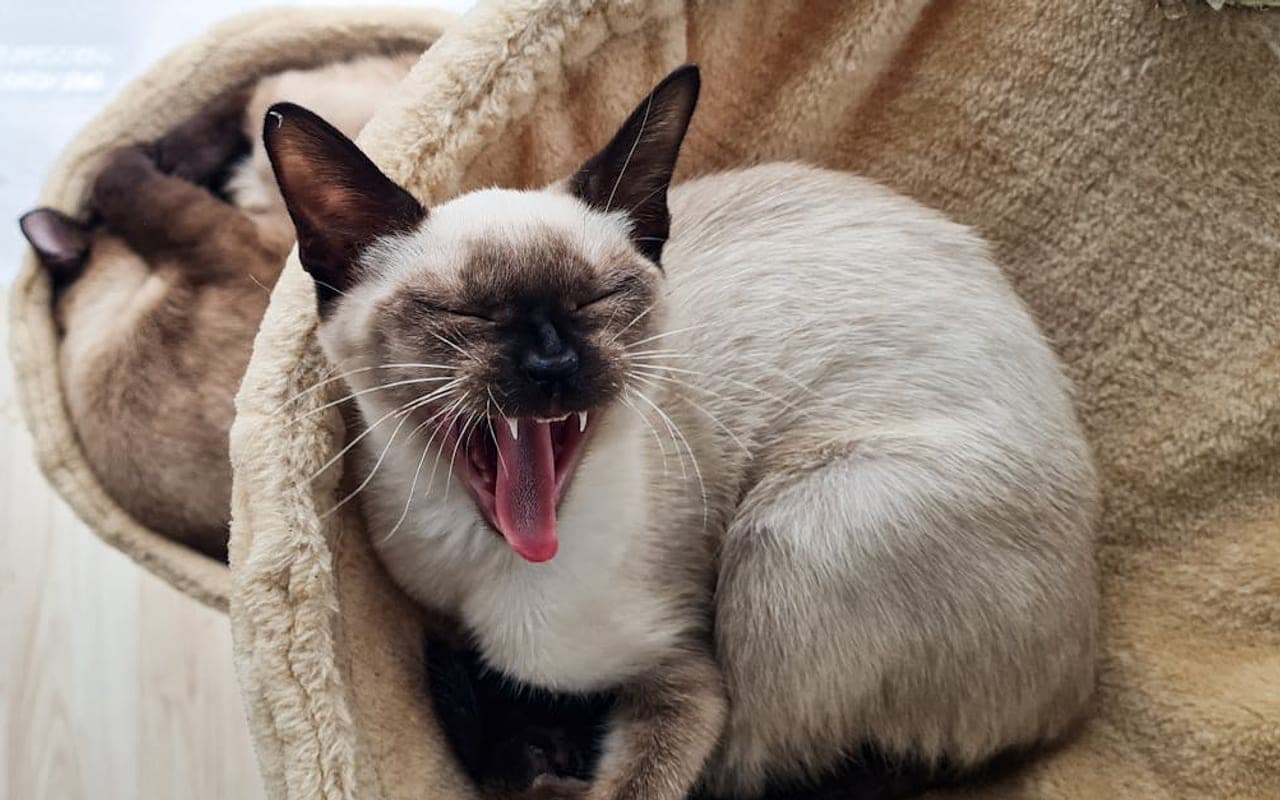
Siamese
Also in the Shorthair group, with different care and temperament tradeoffs.
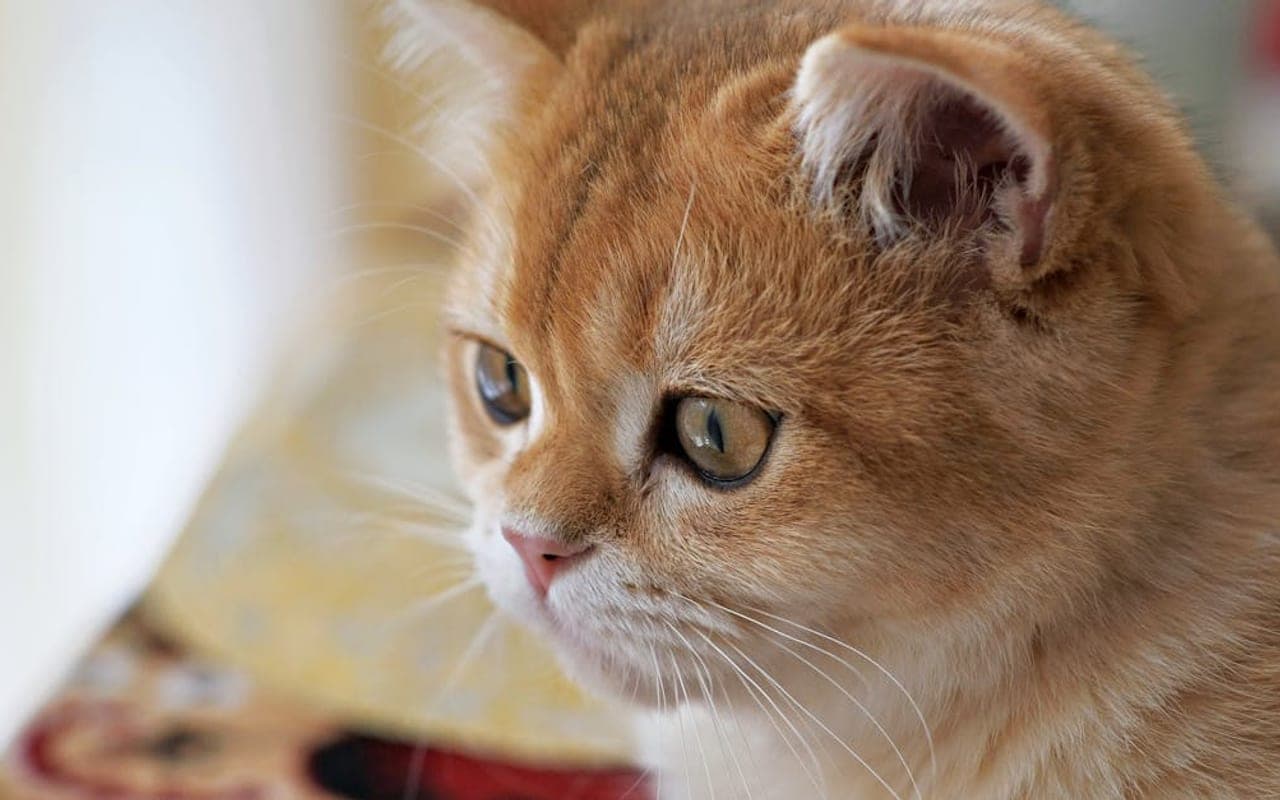
British Shorthair
Also in the Shorthair group, with different care and temperament tradeoffs.
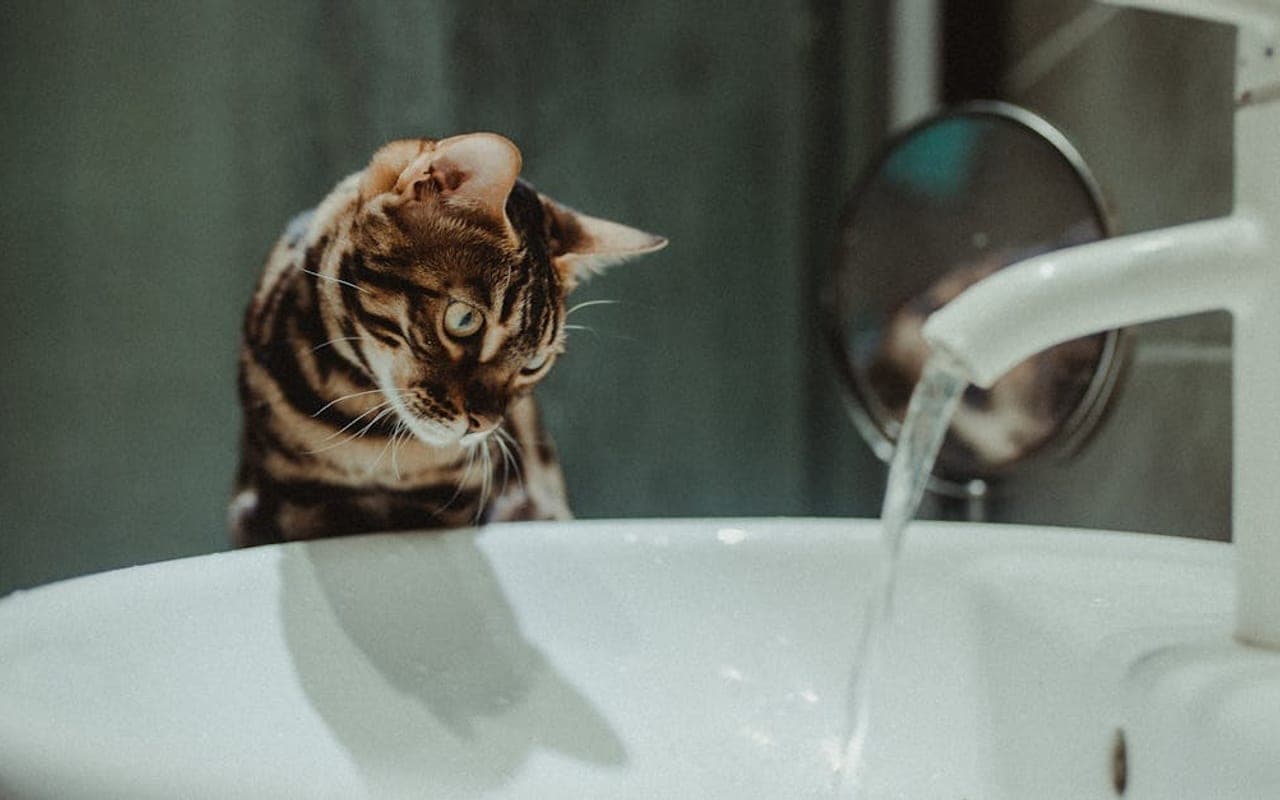
Bengal
Also in the Shorthair group, with different care and temperament tradeoffs.
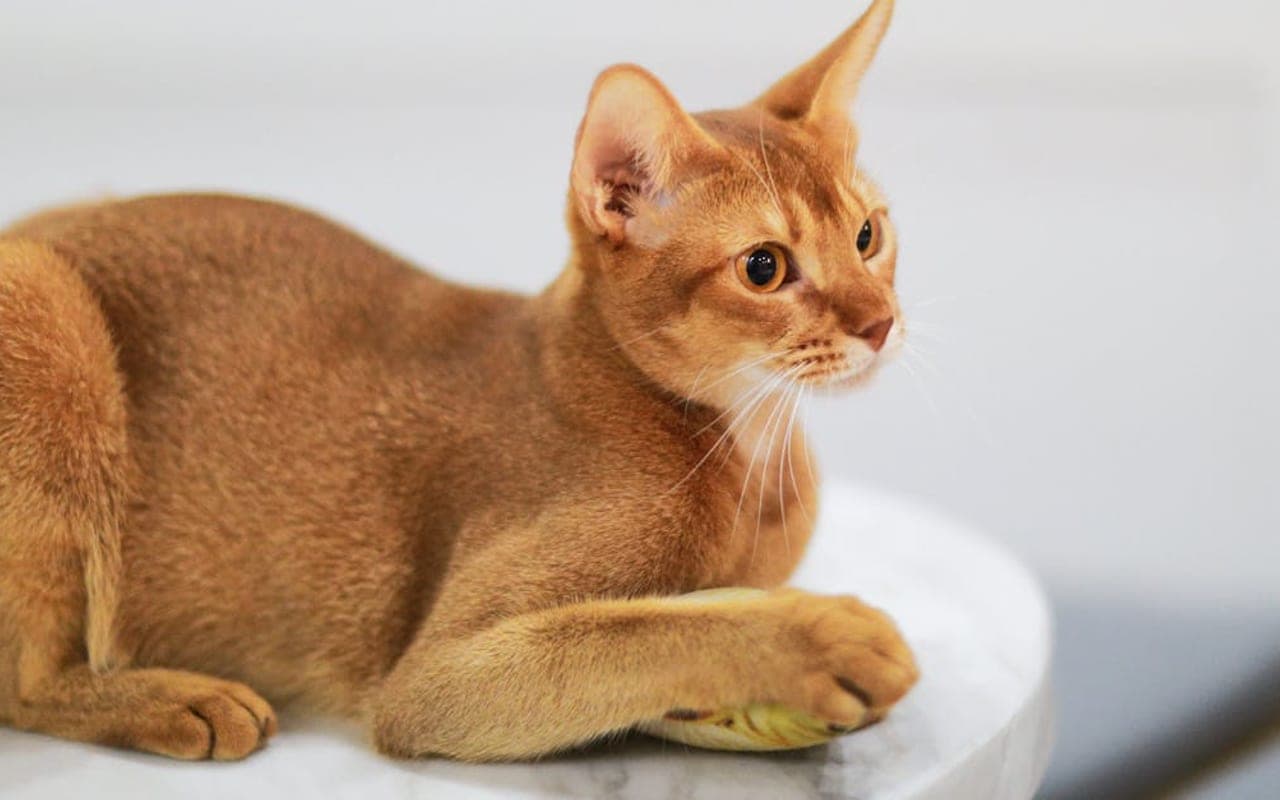
Abyssinian
Also in the Shorthair group, with different care and temperament tradeoffs.
Explore More About Kurilian
Dive deeper into everything Kurilian — costs, care, and expert insights.
Cat Nutrition Guide: What Cats Actually Need to Eat
Cats are obligate carnivores, which means they are...
Kitten-Proofing Your Home: The Hazards Owners Miss
A single lily leaf — or even the pollen brushed off one — can put a kitten into acute...
Considering a dog instead?
Browse Dogs