
Rex group
LaPerm
The LaPerm is the curly cat that earned its coat by accident.
Size
6-12 lb
Lifespan
10-15 years
Play
20-40 minutes
Shedding
Moderate
Experience
Match to owner routine
Decision first
Is a LaPerm right for you?
Start with fit before history or trivia. These are ownership signals, not guarantees about any individual cat.
Best suited for
- Households with children.
- Homes with other compatible pets.
- Apartment homes with a consistent routine.
- Owners who can provide daily play, climbing space, and enrichment.
Think carefully if
- You cannot provide daily play, climbing space, or mental enrichment.
- You cannot keep up with grooming and preventive care.
- The cat will spend most days without interaction or enrichment.
Conditional fit
Apartment fit depends on vertical space, litter setup, play, enrichment, and noise tolerance.
Daily reality
LaPerm commitment snapshot
Daily play
20-40 minutes
Match play and enrichment to age, health, appetite, and household routine.
Coat care
Low
Grooming needs vary by coat, shedding, and lifestyle.
Social needs
Needs planning
Most cats still need predictable contact, enrichment, litter care, and monitoring.
Structured facts
LaPerm at a glance
The measurements and traits that most affect day-to-day life with this breed.
Origin
Thailand
Group
Rex
Weight
6-12 lb
Height
8-11 in
Lifespan
10-15 years
Temperament
Affectionate | Friendly | Gentle | Intelligent | Playful | Quiet
View all characteristics and methodology
Lifestyle fit
- Apartment suitabilityWorks best with clean litter setup, vertical space, and daily enrichment.
- Likely fit
- Child friendliness
- Often good, with socialisation and supervision
- Other-pet fit
- Often compatible with careful introductions
- Adaptability
- Very high
Owner commitment
- Daily play
- 20-40 minutes
- Grooming
- Low
- Shedding
- Moderate
- Indoor enrichment
- High
Behavior
- Affection
- Very high
- Energy
- High
- Vocalization
- Moderate
- Social needs
- High
Environment and health
- Intelligence
- Very high
- Health risk
- Needs planning
- Weight sensitivity
- Routine monitoring
Ratings combine structured breed data, visible breed fields, and editorial context. They are planning aids, not predictions for an individual cat.
Daily life
LaPerm temperament and behavior
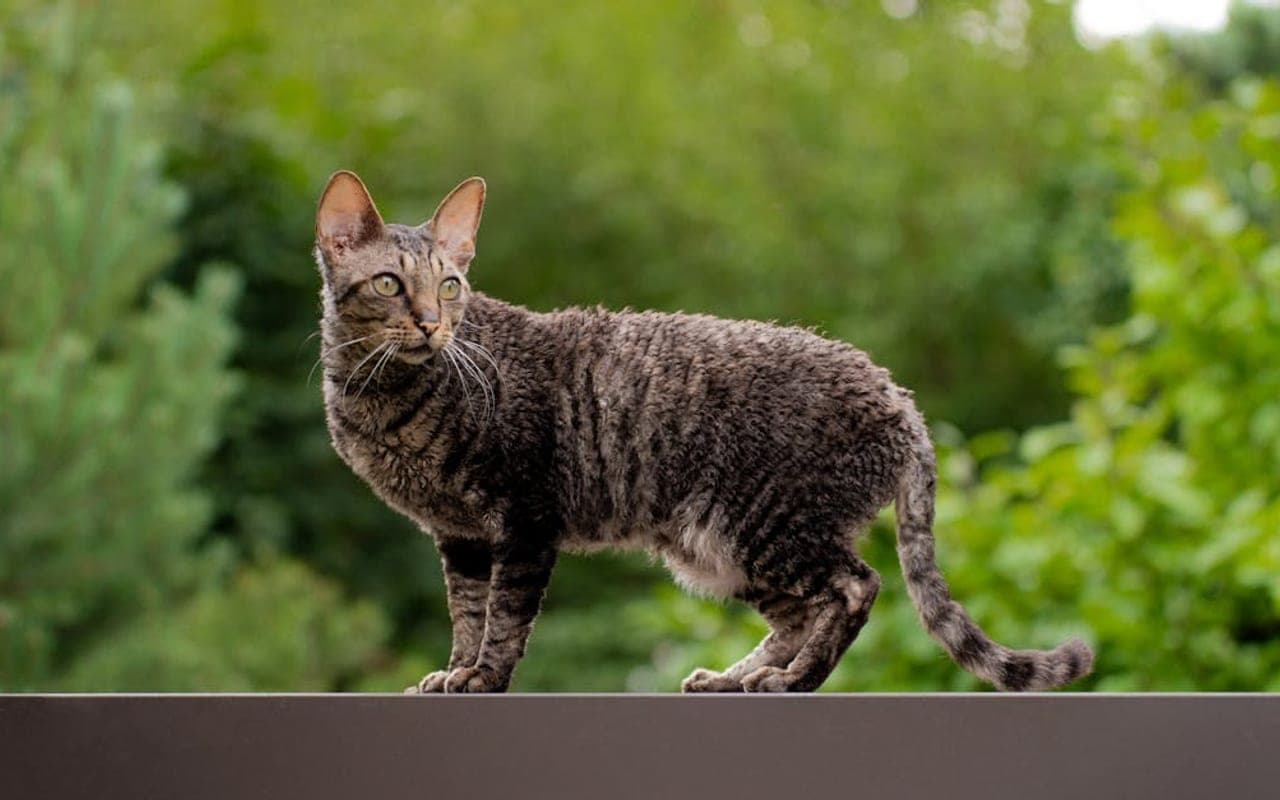
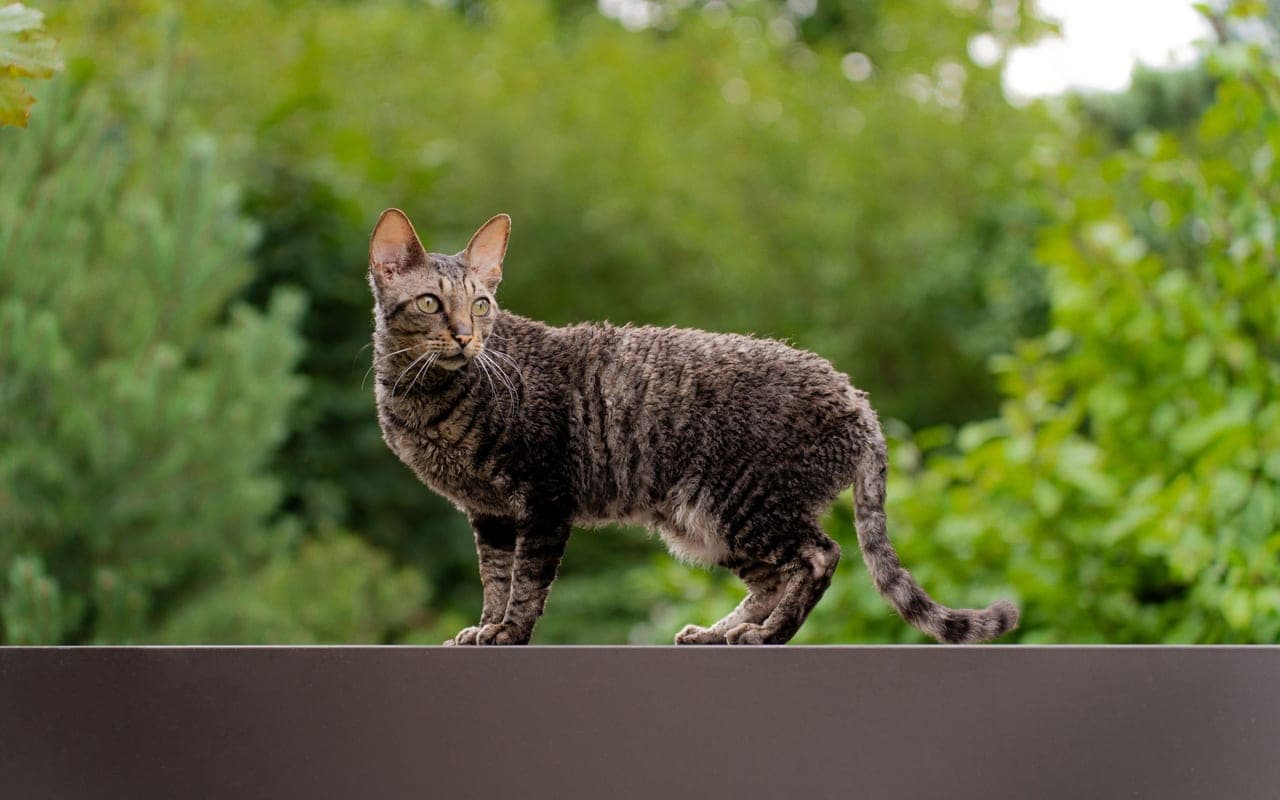
The LaPerm is the curly cat that earned its coat by accident. The breed traces to a single barn kitten born hairless on Linda and Richard Koehl's cherry orchard near Dalles, Oregon, in 1982 — not Thailand, despite some breed listings repeating that error. That kitten, 'Curly,' grew a soft rexed coat at about eight weeks, and the spontaneous dominant rex mutation she carried became the entire breed. So the first honest thing to say about a LaPerm is that the coat is the breed, and the second is that — unlike most rex and dwarf breeds where the defining gene also defines a health liability — the LaPerm's curl carries no documented structural cost. This is a genuinely robust cat, and an honest profile should say so plainly rather than invent risk. The coat ranges from a loose wave to tight ringlets, is curliest on the belly, throat, and behind the ears, comes in short and long varieties and every color, and sheds less than most cats — which is why LaPerms are often described as a reasonable choice for allergy-sensitive households (lower shedding, not truly hypoallergenic; no cat is). Coat texture changes through life: kittens can be born bald, molt, and recoat more than once before the adult curl settles by about six months. Temperament is the breed's second selling point. LaPerms are people-oriented to the point of being clingy — they ride shoulders, paw your face for attention, follow you room to room, and switch instantly from active play to lap-settling on your cue. They are quiet, intelligent, and adaptable to apartments. Who the LaPerm is right for: an owner who wants a low-shedding, affectionate, genuinely healthy companion and is willing to pay a rare-breed price. Who it is wrong for: anyone wanting an aloof, independent cat that tolerates long alone-stretches — this breed wants involvement, not square footage.
Affectionate | Friendly | Gentle | Intelligent | Playful | Quiet
Affectionate
A common LaPerm temperament descriptor that should be interpreted alongside enrichment, handling, and household fit.
Friendly
A common LaPerm temperament descriptor that should be interpreted alongside enrichment, handling, and household fit.
Gentle
A common LaPerm temperament descriptor that should be interpreted alongside enrichment, handling, and household fit.
Intelligent
A common LaPerm temperament descriptor that should be interpreted alongside enrichment, handling, and household fit.
Owner note
Temperament labels are starting points, not guarantees. Meet the individual cat and ask about behavior history whenever possible.
Care essentials
How to care for a LaPerm
What looking after one actually involves: play, grooming, food, litter, and routine health.
ExerciseAs needed
- Active and playful breed requiring daily interactive play sessions with toys, climbing structures, and mental stimulation.
GroomingAs needed
- Low-maintenance coat requiring weekly brushing. Occasional bathing as needed.
NutritionAs needed
- Feed a high-quality cat food appropriate for their age and activity level. Maintain fresh water at all times. Monitor weight to prevent obesity.
SocializationAs needed
- Highly social breed that thrives on companionship. Does not do well left alone for extended periods. Consider a companion pet.
Veterinary CareAs needed
- Annual wellness exams, vaccinations, dental checkups, and parasite prevention. Spay/neuter recommended if not breeding.
Health planning
LaPerm health risks and screening
Every cat breed has individual health variation. Use this profile for planning and discuss medical decisions with a veterinarian.
Responsible ownership
Finding a LaPerm responsibly
What to ask a breeder or rescue is the same conversation for every breed, so we keep it in one place and keep it current.
Health documentation, meeting the parents or foster, contracts and return support, and the warning signs worth walking away from.
Original purpose
LaPerm history
History is useful when it explains today's behavior, coat, exercise needs, and training style.
Read the breed history
The LaPerm is a young, naturally arising breed. In 1982, a brown tabby kitten was born bald in a litter of barn cats on a cherry orchard near The Dalles, Oregon, owned by Linda and Richard Koehl. The kitten grew a soft, curly coat over the following weeks and was named Curly. Curly was a working barn cat allowed to breed freely for years before the Koehls recognized that the curl was heritable and consistently passed on by a dominant rex gene. They began deliberate breeding in the early 1990s, named the breed LaPerm (a play on the permed appearance), and outcrossed to non-pedigreed domestic cats to build a healthy gene pool — which is part of why the breed remains structurally sound today. The LaPerm was accepted by major registries including TICA and the CFA through the 2000s. The 'Thailand' origin repeated in some breed databases is an error; the breed is American, from Oregon.
Gallery
LaPerm photos
Images are cropped consistently and loaded progressively to keep the page responsive.
Lower-page context
LaPerm cats in culture
Where the breed shows up in film, sport, work and folklore — the enjoyable part, once the practical questions are answered.
Fun facts
- The LaPerm originated in Thailand.
- LaPerm cats are considered one of the most intelligent cat breeds.
- The LaPerm is considered a hypoallergenic breed, producing fewer allergens than most cats.
- The LaPerm is a true lap cat that loves to curl up with their owners.
- LaPerm cats are exceptionally dog-friendly and can live harmoniously with canine companions.
LaPerm FAQs
How long do LaPerm cats live?
A LaPerm typically lives 10-15 years, and because this is a genuinely sound breed without a defining genetic disorder, lifespan is driven almost entirely by ordinary husbandry rather than breed lottery. The two levers that actually move the number are body weight and dental health: an indoor LaPerm kept lean with teeth brushed several times a week and yearly vet checks routinely reaches the upper end of that range.
Are LaPerm cats good with children?
Yes — LaPerms are among the more child-tolerant cat breeds. They are sturdy, patient, people-seeking rather than hiding, and often engage with children's play rather than avoiding it. The breed has no fragile structural feature to protect (unlike short-legged or tailless breeds), so the only standard caution applies: supervise toddlers and teach gentle handling, since any cat will scratch if cornered or grabbed.
How much grooming does a LaPerm need?
Very little — about five minutes a week. The curl is low-maintenance and over-brushing actually loosens and frizzes it, so a once-weekly wide-tooth comb for the longhair and an occasional finger-comb for the shorthair is enough. After a bath, scrunch the damp coat rather than blow-drying it straight. Pair grooming with a monthly skin check of the dense belly and neck curl, where trapped oils can occasionally irritate skin.
Are LaPerm cats good for apartments?
Yes, with one condition. LaPerms are quiet, adaptable, and undemanding of space, so square footage is not the issue — companionship is. This breed bonds hard and wants involvement; 15-20 minutes of daily interactive play matters more than room size, and a LaPerm left alone all day every day without a companion tends to become vocal and attention-seeking rather than calmly independent.
Are LaPerm cats hypoallergenic?
No cat is truly hypoallergenic, but the LaPerm is a defensible choice for mildly allergy-sensitive households. The rexed coat sheds noticeably less than a typical cat, which reduces the dander dispersed around a home. That lowers exposure; it does not eliminate the Fel d 1 allergen in saliva and skin. If allergy is a hard constraint, spend extended time with an adult LaPerm before committing rather than relying on the low-shed reputation.
Is the LaPerm really a healthy breed, or is that marketing?
It is genuinely well-founded. The defining curl is a dominant rex gene with no documented organ or skeletal liability, and the breed was built with deliberate outcrossing to non-pedigree domestic cats, which kept the gene pool wide. That makes the LaPerm one of the few mutation-derived breeds where the signature trait costs nothing structurally. The realistic risks are the ordinary ones — dental disease, obesity, coat-trapped skin irritation — all owner-controllable.
Sources
These are the published sources this page draws on. Each opens in a new tab so you can check it yourself.
Cat Fanciers' Association
LaPerm — breed standard and profile(opens in a new tab)Supports: Breed standard and recognition details.
Similar breeds to consider
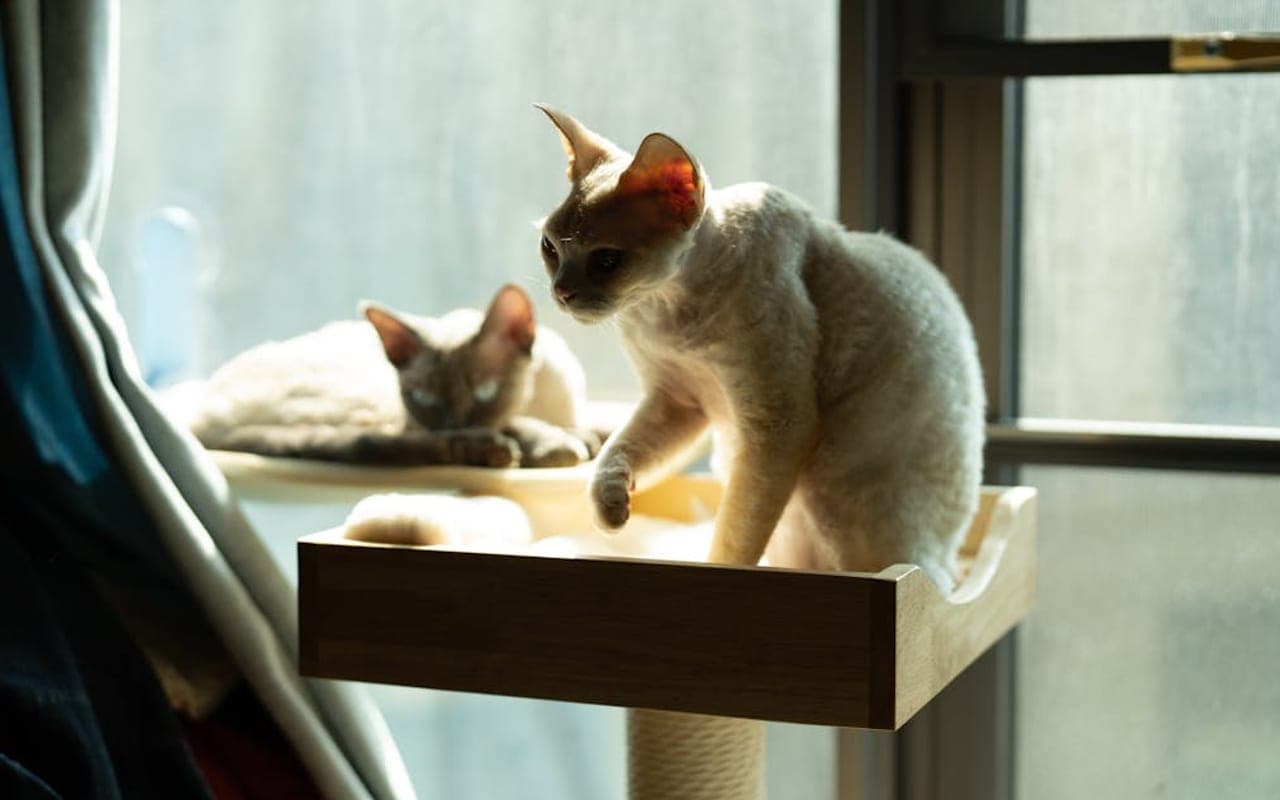
Selkirk Rex
Also in the Rex group, with different care and temperament tradeoffs.
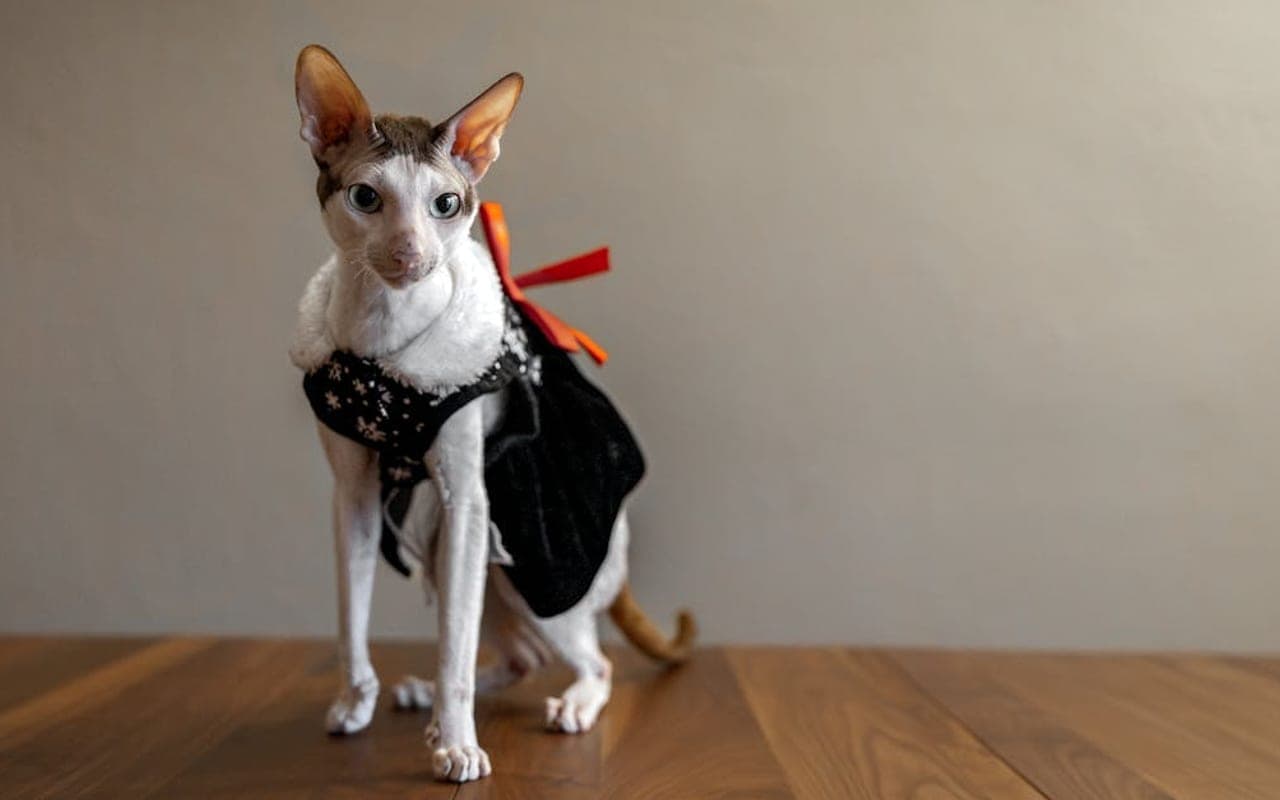
Cornish Rex
Also in the Rex group, with different care and temperament tradeoffs.
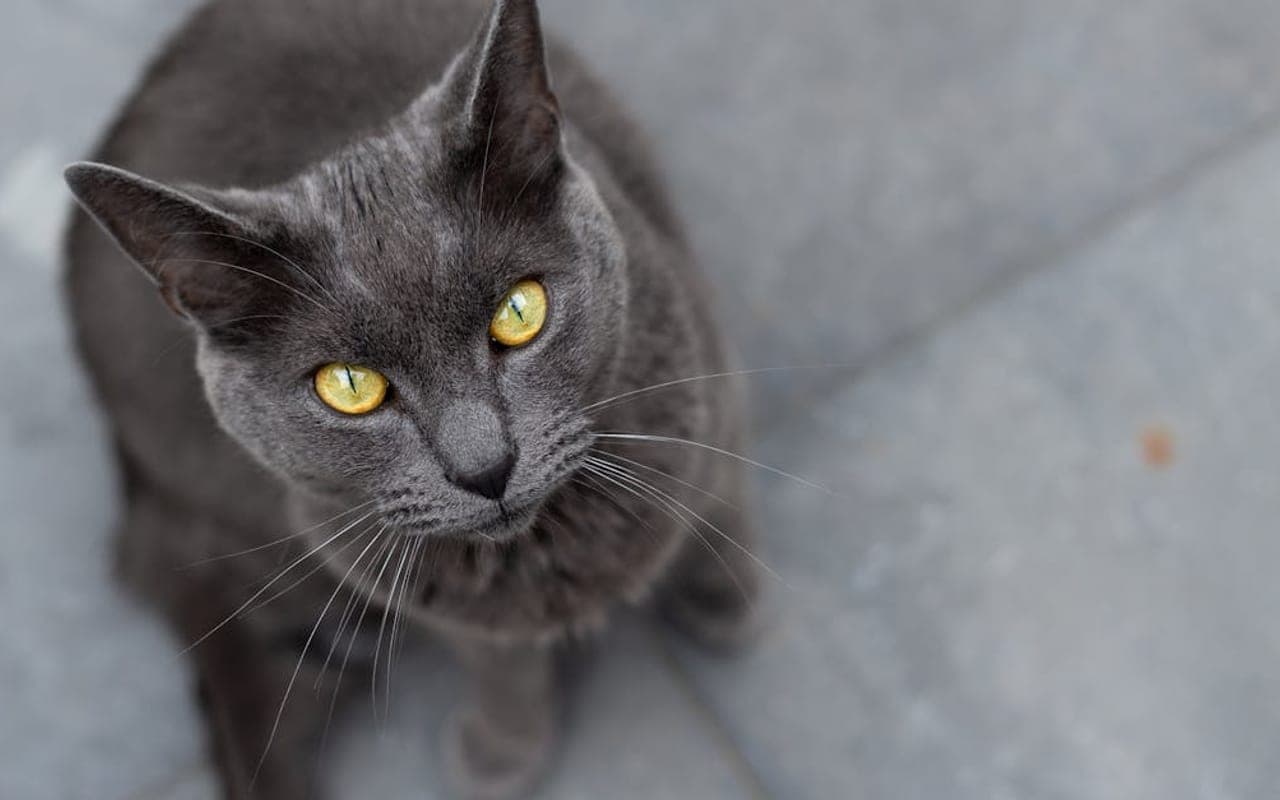
Chartreux
Also in the Rex group, with different care and temperament tradeoffs.
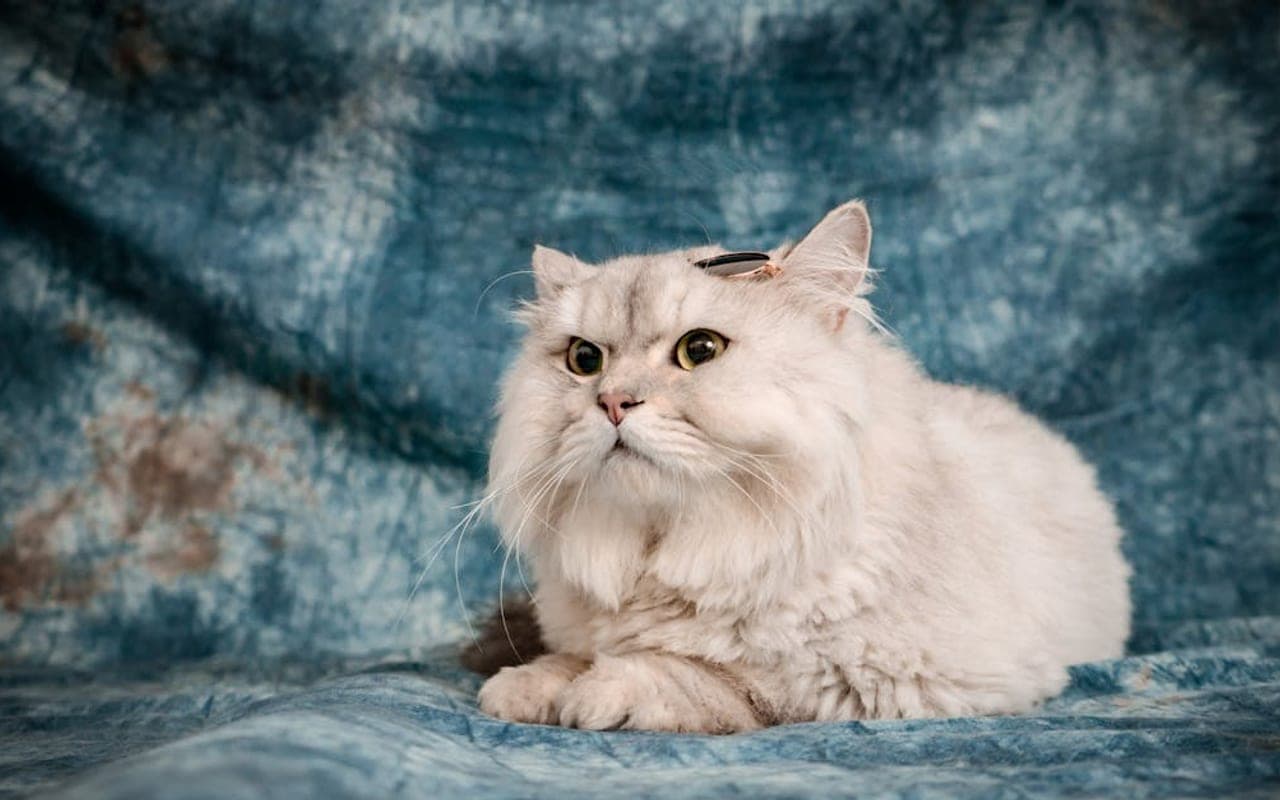
Persian
Compare size, exercise, grooming, and family fit before deciding.
Explore More About LaPerm
Dive deeper into everything LaPerm — costs, care, and expert insights.
Cat Nutrition Guide: What Cats Actually Need to Eat
Cats are obligate carnivores, which means they are...
Kitten-Proofing Your Home: The Hazards Owners Miss
A single lily leaf — or even the pollen brushed off one — can put a kitten into acute...
Considering a dog instead?
Browse Dogs