
Shorthair group
Burmese
The Burmese is a small, dense, deceptively heavy cat — pick one up and the phrase owners use is 'a brick wrapped in silk.
Size
7-14 lb
Lifespan
15-16 years
Play
20-40 minutes
Shedding
Moderate
Experience
Match to owner routine
Decision first
Is a Burmese right for you?
Start with fit before history or trivia. These are ownership signals, not guarantees about any individual cat.
Best suited for
- Households with children.
- Homes with other compatible pets.
- Apartment homes with a consistent routine.
- Owners who can provide daily play, climbing space, and enrichment.
Think carefully if
- You cannot provide daily play, climbing space, or mental enrichment.
- You cannot keep up with grooming and preventive care.
- The cat will spend most days without interaction or enrichment.
Conditional fit
Apartment fit depends on vertical space, litter setup, play, enrichment, and noise tolerance.
Daily reality
Burmese commitment snapshot
Daily play
20-40 minutes
Match play and enrichment to age, health, appetite, and household routine.
Coat care
Low
Grooming needs vary by coat, shedding, and lifestyle.
Social needs
Needs planning
Most cats still need predictable contact, enrichment, litter care, and monitoring.
Structured facts
Burmese at a glance
The measurements and traits that most affect day-to-day life with this breed.
Origin
Burma
Group
Shorthair
Weight
7-14 lb
Height
9-12 in
Lifespan
15-16 years
Temperament
Curious | Intelligent | Gentle | Social | Interactive | Playful | Lively
View all characteristics and methodology
Lifestyle fit
- Apartment suitabilityWorks best with clean litter setup, vertical space, and daily enrichment.
- Likely fit
- Child friendliness
- Often good, with socialisation and supervision
- Other-pet fit
- Often compatible with careful introductions
- Adaptability
- Very high
Owner commitment
- Daily play
- 20-40 minutes
- Grooming
- Low
- Shedding
- Moderate
- Indoor enrichment
- High
Behavior
- Affection
- Very high
- Energy
- High
- Vocalization
- Very high
- Social needs
- Very high
Environment and health
- Intelligence
- Very high
- Health risk
- Needs planning
- Weight sensitivity
- Routine monitoring
Ratings combine structured breed data, visible breed fields, and editorial context. They are planning aids, not predictions for an individual cat.
Daily life
Burmese temperament and behavior
The Burmese is a small, dense, deceptively heavy cat — pick one up and the phrase owners use is 'a brick wrapped in silk.' A 3-5 kg adult feels far heavier than it looks because the body is solid muscle on a compact frame. The coat is short, satiny, and almost maintenance-free, traditionally a deep sable brown though dilute colors (champagne, blue, platinum) are common depending on registry. This is a low-grooming breed, but do not confuse low-grooming with low-needs — the Burmese is one of the most socially demanding cats you can own. Temperament is the entire reason people choose this breed. The Burmese is relentlessly people-oriented: it follows you room to room, rides on shoulders, sleeps under the covers, and treats being ignored as a problem to be solved loudly. It stays kitten-playful well into its teens, learns fetch, and is genuinely poor at being alone. A Burmese left by itself nine hours a day is not a self-sufficient cat — it is a lonely one, and the breed does best with a feline or human companion present most of the day. There is a structural fork buyers must understand. The 'contemporary' or American Burmese has been bred toward a rounder, more extreme head, and some lines carry a serious inherited skull defect (see health). The 'traditional' or European Burmese has a moderate head and largely avoids that specific risk. This is not a cosmetic preference — it is a health decision. Who the Burmese is right for: someone home often, or with another pet, who wants an interactive, dog-like, vocal companion and will buy from a breeder who screens for hypokalemia and (for contemporary lines) the head-defect gene. Who it is wrong for: a household gone all day expecting an independent, low-contact cat — that is a recipe for a stressed, over-vocal animal.
Curious | Intelligent | Gentle | Social | Interactive | Playful | Lively
Curious
A common Burmese temperament descriptor that should be interpreted alongside enrichment, handling, and household fit.
Intelligent
A common Burmese temperament descriptor that should be interpreted alongside enrichment, handling, and household fit.
Gentle
A common Burmese temperament descriptor that should be interpreted alongside enrichment, handling, and household fit.
Social
A common Burmese temperament descriptor that should be interpreted alongside enrichment, handling, and household fit.
Owner note
Temperament labels are starting points, not guarantees. Meet the individual cat and ask about behavior history whenever possible.
Care essentials
How to care for a Burmese
What looking after one actually involves: play, grooming, food, litter, and routine health.
ExerciseAs needed
- Active and playful breed requiring daily interactive play sessions with toys, climbing structures, and mental stimulation.
GroomingAs needed
- Low-maintenance coat requiring weekly brushing. Occasional bathing as needed.
NutritionAs needed
- Feed a high-quality cat food appropriate for their age and activity level. Maintain fresh water at all times. Monitor weight to prevent obesity.
SocializationAs needed
- Highly social breed that thrives on companionship. Does not do well left alone for extended periods. Consider a companion pet.
Veterinary CareAs needed
- Annual wellness exams, vaccinations, dental checkups, and parasite prevention. Spay/neuter recommended if not breeding.
Health planning
Burmese health risks and screening
Every cat breed has individual health variation. Use this profile for planning and discuss medical decisions with a veterinarian.
Ownership cost
How much does a Burmese cost?
Cost figures are structured so first-year and lifetime estimates do not conflict with the underlying line items.
| Acquisition | $500-$2,000 |
|---|---|
| Routine monthly | About $65/month |
| Routine annual | About $780/year |
| First-year estimate | $1,280-$2,780 |
| Lifetime routine estimate | $11,700-$12,480 routine costs |
Currency: USD. Region: United States. Typical ranges for this breed. Equipment, insurance, emergency veterinary care, boarding and training are NOT included: we hold no sourced figures for them, and estimating them would be a guess presented as data.
Responsible ownership
Finding a Burmese responsibly
What to ask a breeder or rescue is the same conversation for every breed, so we keep it in one place and keep it current.
Health documentation, meeting the parents or foster, contracts and return support, and the warning signs worth walking away from.
Original purpose
Burmese history
History is useful when it explains today's behavior, coat, exercise needs, and training style.
Read the breed history
The modern Burmese traces to a single small brown cat named Wong Mau, brought from Burma (now Myanmar) to the United States in 1930 by Dr. Joseph Thompson. Wong Mau was bred to American Siamese, and selective breeding from her offspring established the distinct dark-brown, compact cat recognized as the Burmese. Genetic study later showed Wong Mau was herself a Burmese-Siamese hybrid, which is why early litters segregated into Siamese-pointed and solid-brown kittens. The Cat Fanciers' Association recognized the breed in the 1930s, briefly suspended it amid disputes over hybrid breeding, then reinstated it. The breed subsequently split along geographic lines: American (contemporary) breeders selected for a rounder, more compact head, while British and European breeders preserved a more moderate type now registered separately as the European Burmese. That historical divergence is the root of the modern type and health differences buyers must weigh today.
Gallery
Burmese photos
Images are cropped consistently and loaded progressively to keep the page responsive.
Lower-page context
Burmese cats in culture
Where the breed shows up in film, sport, work and folklore — the enjoyable part, once the practical questions are answered.
Fun facts
- The Burmese originated in Burma.
- Burmese cats are considered one of the most intelligent cat breeds.
- Burmese cats are known for being very vocal and communicative with their owners.
- The Burmese is considered a hypoallergenic breed, producing fewer allergens than most cats.
- The Burmese is a true lap cat that loves to curl up with their owners.
Burmese FAQs
How long do Burmese cats live?
A healthy Burmese commonly lives 15-16 years, and many reach their late teens — this is a notably long-lived breed. The two factors that move a Burmese to the bottom of that range are unmanaged diabetes (driven by obesity) and inherited disease in unscreened lines. So lifespan here is largely a function of weight discipline plus buying from a breeder who DNA-tests for hypokalemia and the head defect.
Can Burmese cats be left alone during the workday?
Poorly. The Burmese is one of the most socially dependent cat breeds — it bonds intensely and tolerates isolation badly, often becoming destructive or chronically vocal when left alone all day. If your household is empty nine-plus hours daily, the honest recommendation is to keep a second compatible pet so the Burmese is not alone, or to choose a more independent breed.
Are Burmese cats high-maintenance to groom?
No — grooming is one of the easiest parts of owning a Burmese. The short satin coat needs only a weekly five-minute brush or chamois rub; there is no seasonal shed to manage and mats do not form. The real maintenance cost is not the coat, it is the cat's social and dental needs: daily interactive play and routine dental care, which owners consistently underestimate.
What is the difference between contemporary and traditional Burmese?
Both are Burmese, split by breeding selection. 'Contemporary' (American) lines were bred for a rounder, more extreme head and some carry the lethal Burmese head-defect gene, so DNA screening is essential. 'Traditional'/European lines retain a moderate head and largely avoid that specific defect. This is a genuine health decision, not just a look — ask any contemporary-line breeder for the head-defect DNA status of both parents.
Why is my Burmese suddenly weak in the back legs?
Episodic hind-limb weakness, a dropped or arched neck, or difficulty jumping in a Burmese is a classic sign of hypokalemic polymyopathy — an inherited potassium disorder — not ordinary stiffness. This warrants a prompt veterinary visit with a blood potassium panel within the week, not a wait-and-see approach. It is manageable with potassium supplementation when caught early, so do not delay.
How much does a Burmese cat cost?
Expect roughly $700-$1,500 for a pet-quality kitten from a registered breeder who DNA-tests for hypokalemia and, in contemporary lines, the head defect. The recurring hidden costs are diabetes management (long-term insulin and monitoring can exceed $1,000/year) and dental care, given the breed's predispositions. Paying more upfront for screened, lean-raised kittens is far cheaper than treating preventable inherited or weight-driven disease later.
Sources
These are the published sources this page draws on. Each opens in a new tab so you can check it yourself.
Cat Fanciers' Association
Burmese — breed standard and profile(opens in a new tab)Supports: Breed standard and recognition details.
Similar breeds to consider
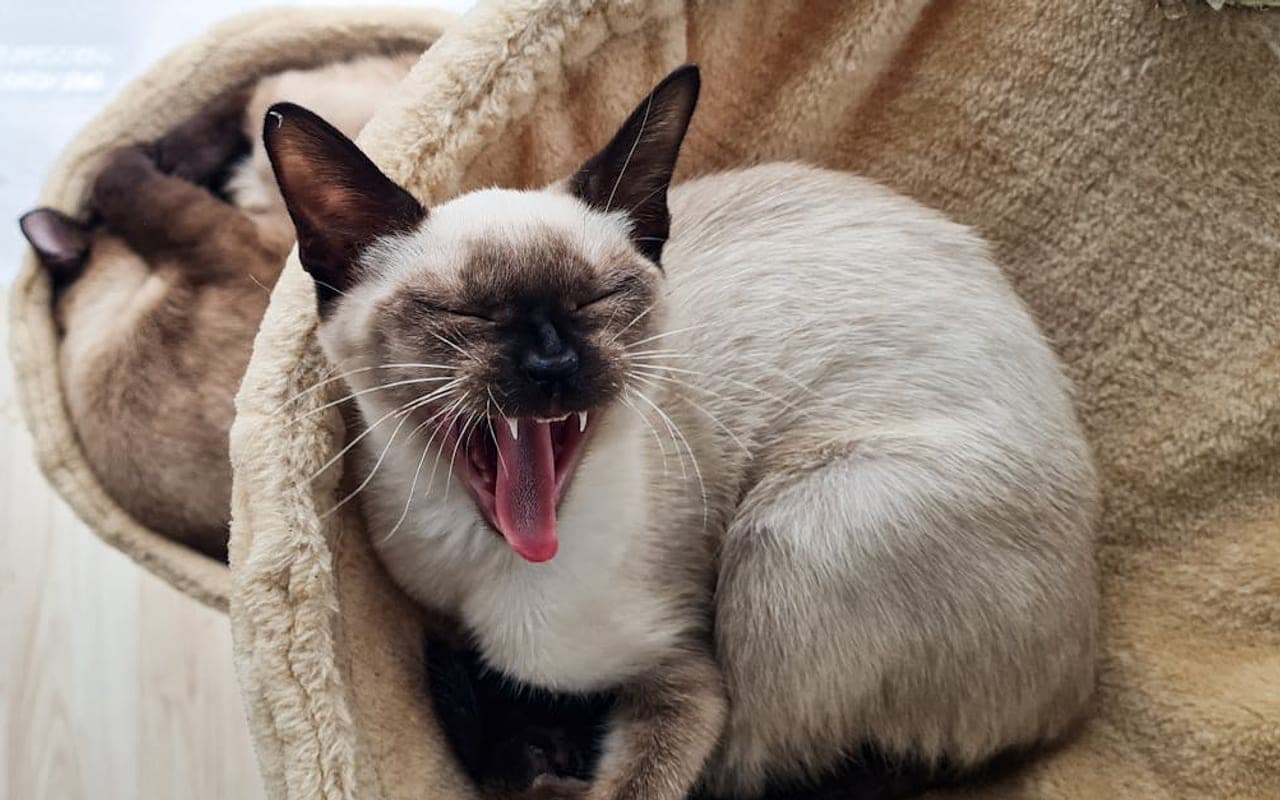
Siamese
Also in the Shorthair group, with different care and temperament tradeoffs.
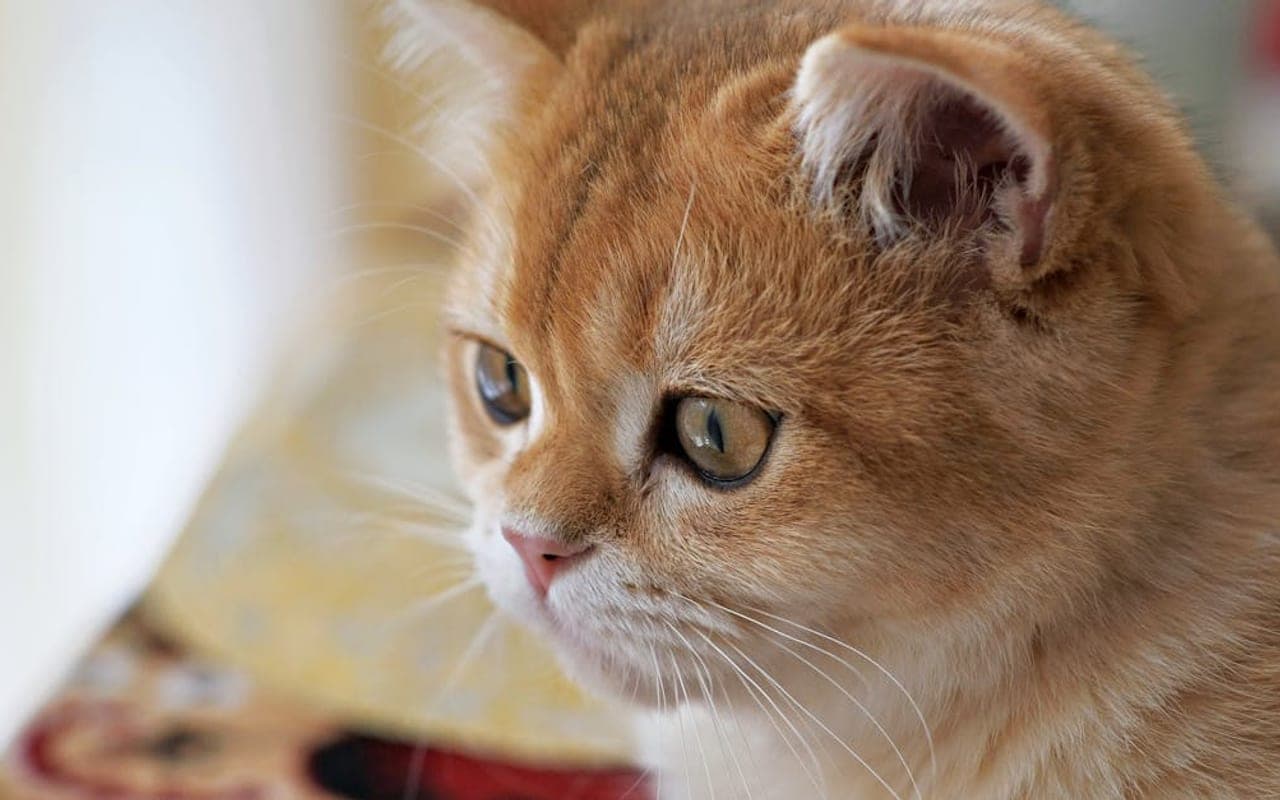
British Shorthair
Also in the Shorthair group, with different care and temperament tradeoffs.
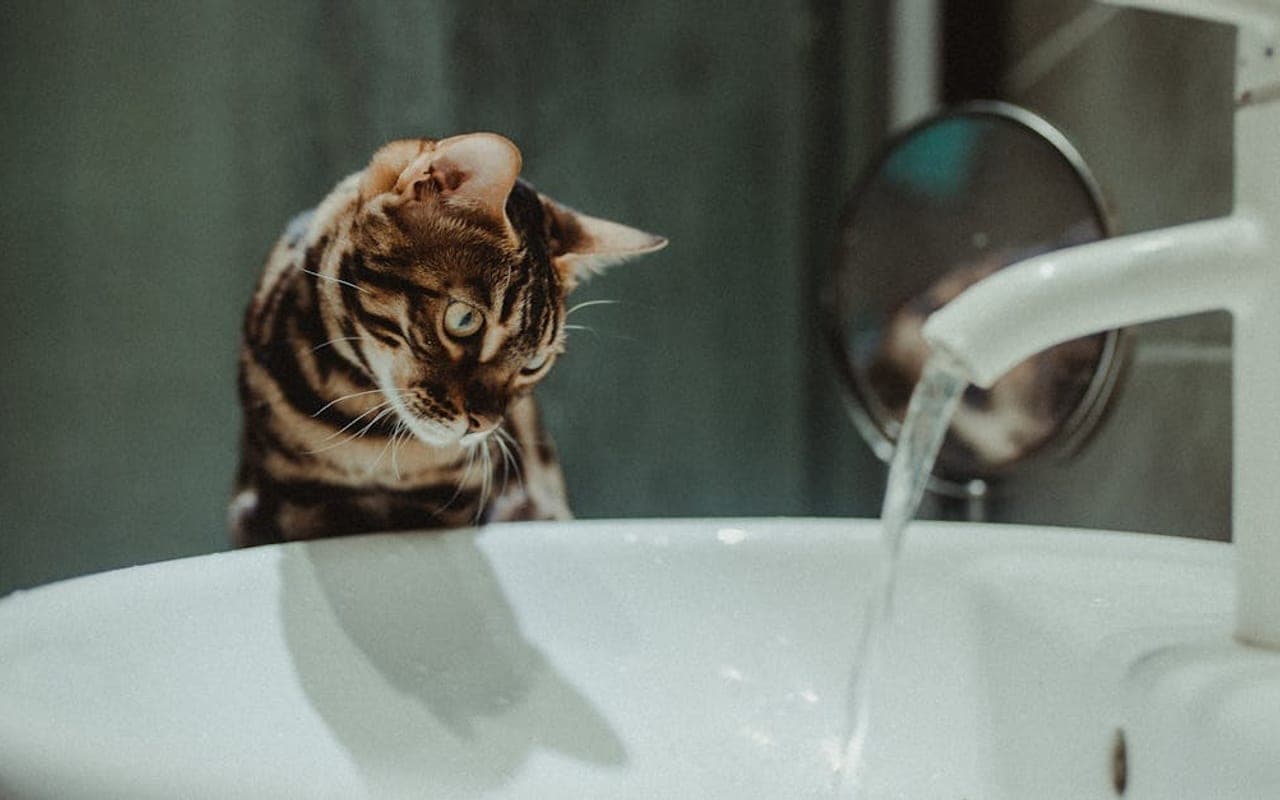
Bengal
Also in the Shorthair group, with different care and temperament tradeoffs.
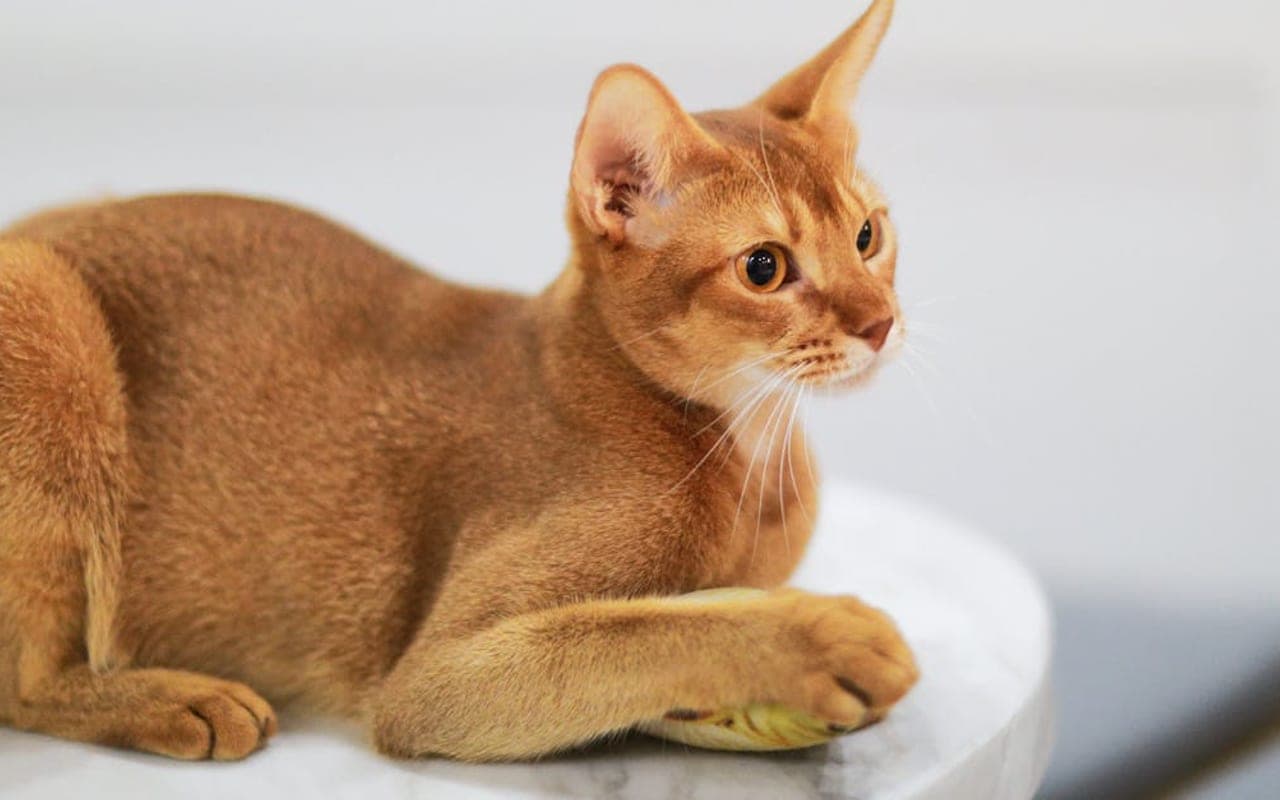
Abyssinian
Also in the Shorthair group, with different care and temperament tradeoffs.
Explore More About Burmese
Dive deeper into everything Burmese — costs, care, and expert insights.
How Much Does a Burmese Cost?
Purchase price, monthly costs, and lifetime expenses
Burmese Cat Care Guide
Few breeds can trace their entire origin to a single individual...
Feline Diabetes: Symptoms, Treatment, and Remission
A diabetes diagnosis for your cat can feel overwhelming. But with proper management, many cats live...
Considering a dog instead?
Browse Dogs