
Dwarf group
Munchkin
The Munchkin is the short-legged cat, and the short legs are not a styling choice — they are a skeletal mutation, and any honest profile has to lead with that rather than with how cute it looks.
Size
6-9 lb
Lifespan
10-15 years
Play
20-40 minutes
Shedding
Moderate
Experience
Match to owner routine
Decision first
Is a Munchkin right for you?
Start with fit before history or trivia. These are ownership signals, not guarantees about any individual cat.
Best suited for
- Households with children.
- Homes with other compatible pets.
- Apartment homes with a consistent routine.
- Owners who can provide daily play, climbing space, and enrichment.
Think carefully if
- You cannot provide daily play, climbing space, or mental enrichment.
- You cannot keep up with grooming and preventive care.
- The cat will spend most days without interaction or enrichment.
Conditional fit
Apartment fit depends on vertical space, litter setup, play, enrichment, and noise tolerance.
Daily reality
Munchkin commitment snapshot
Daily play
20-40 minutes
Match play and enrichment to age, health, appetite, and household routine.
Coat care
Low
Grooming needs vary by coat, shedding, and lifestyle.
Social needs
Needs planning
Most cats still need predictable contact, enrichment, litter care, and monitoring.
Structured facts
Munchkin at a glance
The measurements and traits that most affect day-to-day life with this breed.
Origin
United States
Group
Dwarf
Weight
6-9 lb
Height
5-7 in
Lifespan
10-15 years
Temperament
Agile | Easy Going | Intelligent | Playful
View all characteristics and methodology
Lifestyle fit
- Apartment suitabilityWorks best with clean litter setup, vertical space, and daily enrichment.
- Likely fit
- Child friendliness
- Often good, with socialisation and supervision
- Other-pet fit
- Often compatible with careful introductions
- Adaptability
- Very high
Owner commitment
- Daily play
- 20-40 minutes
- Grooming
- Low
- Shedding
- Moderate
- Indoor enrichment
- High
Behavior
- Affection
- Very high
- Energy
- High
- Vocalization
- Moderate
- Social needs
- Very high
Environment and health
- Intelligence
- Very high
- Health risk
- Needs planning
- Weight sensitivity
- Routine monitoring
Ratings combine structured breed data, visible breed fields, and editorial context. They are planning aids, not predictions for an individual cat.
Daily life
Munchkin temperament and behavior
The Munchkin is the short-legged cat, and the short legs are not a styling choice — they are a skeletal mutation, and any honest profile has to lead with that rather than with how cute it looks. A single dominant gene (an autosomal dominant form of feline dwarfism) shortens the long bones of the limbs. That same gene is lethal when a kitten inherits two copies, which is why two Munchkins are never deliberately bred together and why Munchkin litters are smaller than average. So the defining trait of this breed and its central health question are the same gene. That is the trade-off you are evaluating, and no amount of personality charm changes it. What the legs do and do not affect: most Munchkins run, leap onto furniture, and play normally — the breed is genuinely agile and the legs alone do not disable the cat. What the underlying chondrodysplasia can do is raise the risk of three specific conditions: lordosis (an inward dip of the lower spine that can compress the heart and lungs in severe cases), pectus excavatum (a sunken chest from abnormal rib and sternum growth), and earlier or more severe osteoarthritis from abnormal joint loading on shortened limbs. Severity is a spectrum; many Munchkins live long, comfortable lives, and some are significantly affected. Temperament is where the breed sells itself: outgoing, confident, intensely playful into adulthood, magpie-like (they hoard small objects), dog-friendly, and people-seeking. Who the Munchkin is right for: an owner who has read the genetics, accepts the welfare debate around dwarf breeds (banned or discouraged in several countries), and will buy only from a breeder who screens for lordosis and pectus excavatum and holds kittens long enough to assess them. Who it is wrong for: anyone buying on looks alone, or uneasy carrying lifelong arthritis risk into a pet.
Agile | Easy Going | Intelligent | Playful
Agile
A common Munchkin temperament descriptor that should be interpreted alongside enrichment, handling, and household fit.
Easy Going
A common Munchkin temperament descriptor that should be interpreted alongside enrichment, handling, and household fit.
Intelligent
A common Munchkin temperament descriptor that should be interpreted alongside enrichment, handling, and household fit.
Playful
A common Munchkin temperament descriptor that should be interpreted alongside enrichment, handling, and household fit.
Owner note
Temperament labels are starting points, not guarantees. Meet the individual cat and ask about behavior history whenever possible.
Care essentials
How to care for a Munchkin
What looking after one actually involves: play, grooming, food, litter, and routine health.
ExerciseAs needed
- Active and playful breed requiring daily interactive play sessions with toys, climbing structures, and mental stimulation.
GroomingAs needed
- Low-maintenance coat requiring weekly brushing. Occasional bathing as needed.
NutritionAs needed
- Feed a high-quality cat food appropriate for their age and activity level. Maintain fresh water at all times. Monitor weight to prevent obesity.
SocializationAs needed
- Highly social breed that thrives on companionship. Does not do well left alone for extended periods. Consider a companion pet.
Veterinary CareAs needed
- Annual wellness exams, vaccinations, dental checkups, and parasite prevention. Spay/neuter recommended if not breeding.
Health planning
Munchkin health risks and screening
Every cat breed has individual health variation. Use this profile for planning and discuss medical decisions with a veterinarian.
Responsible ownership
Finding a Munchkin responsibly
What to ask a breeder or rescue is the same conversation for every breed, so we keep it in one place and keep it current.
Health documentation, meeting the parents or foster, contracts and return support, and the warning signs worth walking away from.
Original purpose
Munchkin history
History is useful when it explains today's behavior, coat, exercise needs, and training style.
Read the breed history
The Munchkin is a young breed founded on a naturally occurring mutation. Short-legged cats have been recorded sporadically for decades, but the modern breed traces to a pregnant short-legged stray, Blackberry, found in Rayville, Louisiana, in 1983 by Sandra Hochenedel. Her short-legged offspring established the line. Breeders confirmed the short stature is caused by a single autosomal dominant gene that is lethal in the homozygous state, so responsible breeding always pairs a Munchkin with a normal-legged cat. TICA accepted the Munchkin in 1995 and granted championship status in 1997 — a decision that caused significant controversy, with critics on the TICA board resigning over welfare concerns. The breed remains contentious: deliberate breeding of dwarf cats is restricted or banned in several jurisdictions on animal-welfare grounds, and that ethical debate is part of the breed's documented history, not a side note.
Gallery
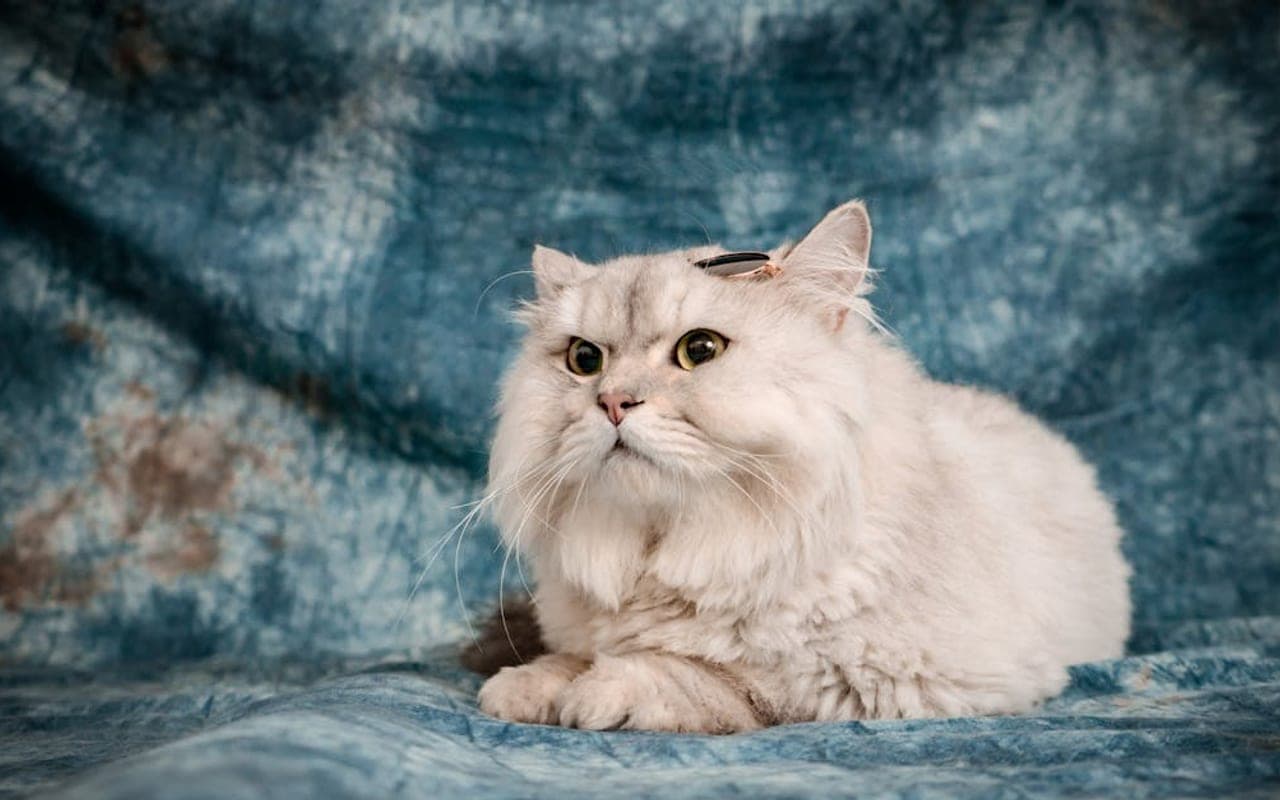
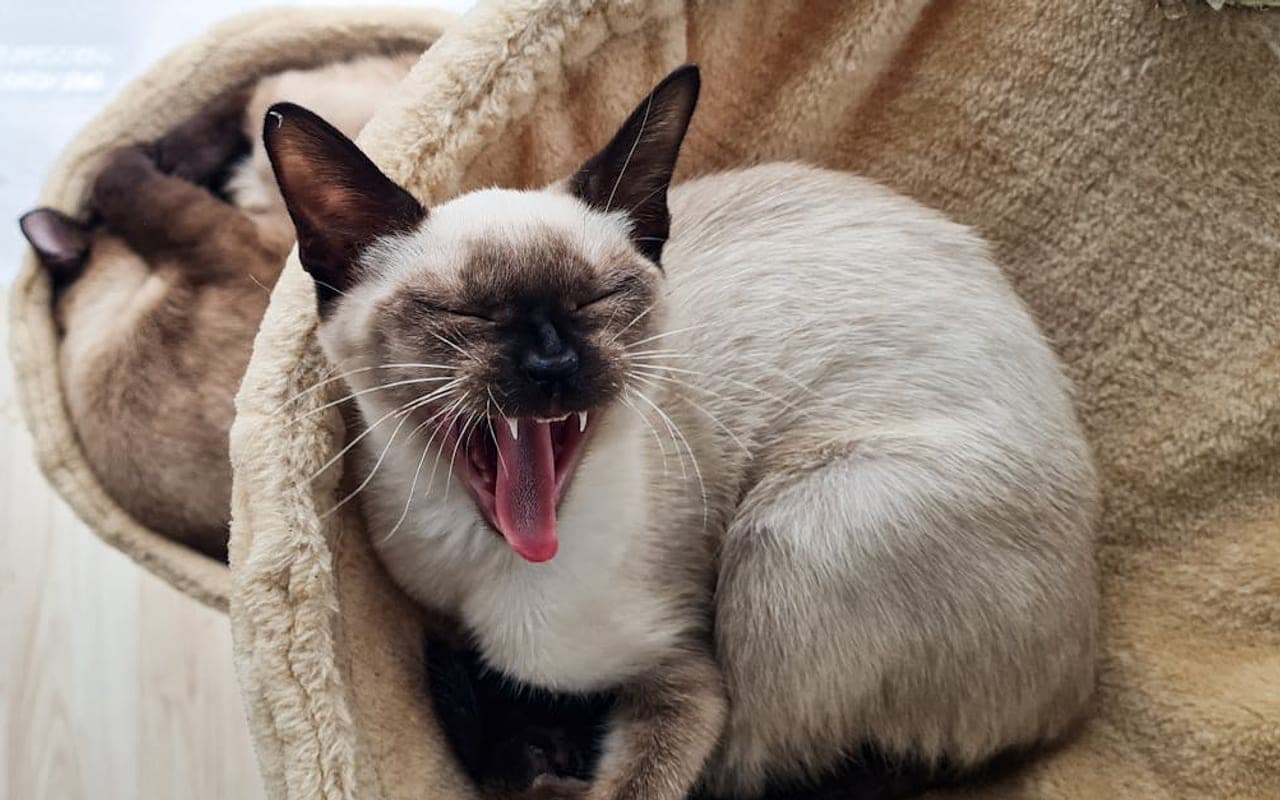
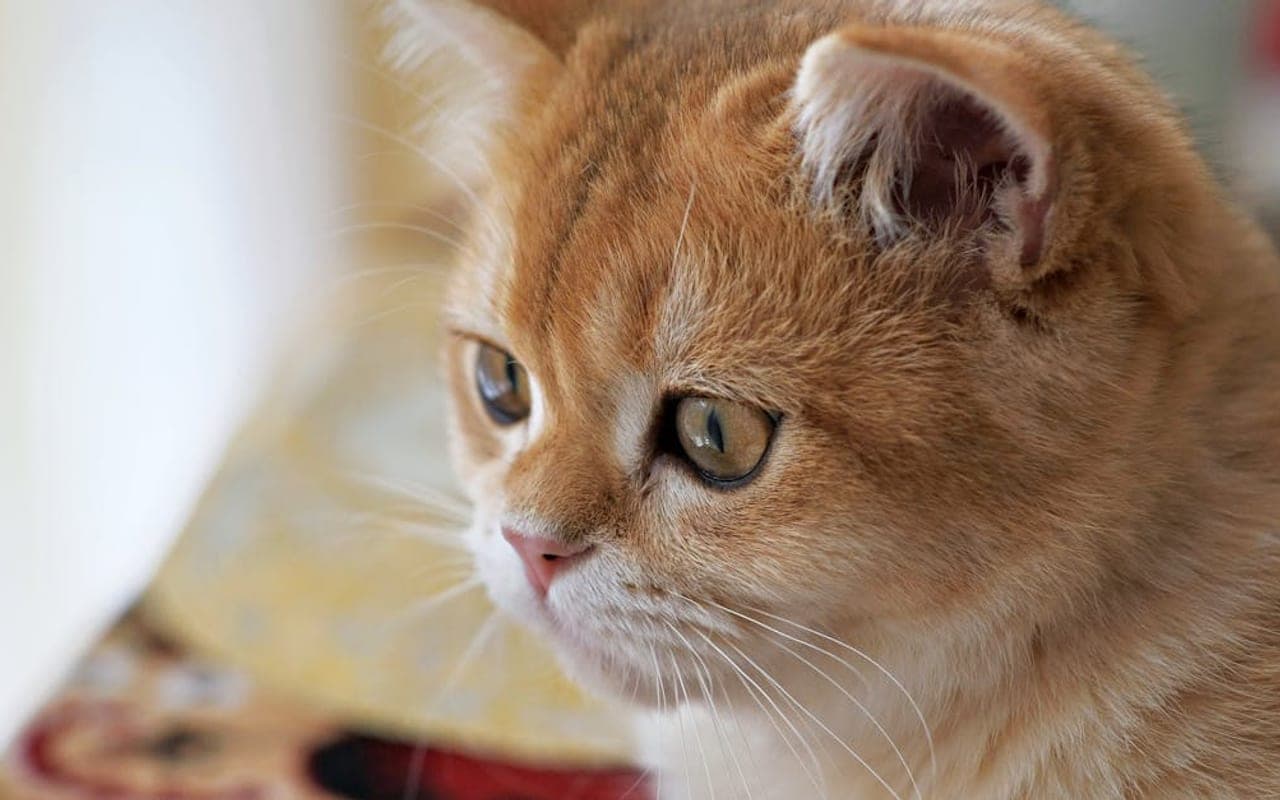
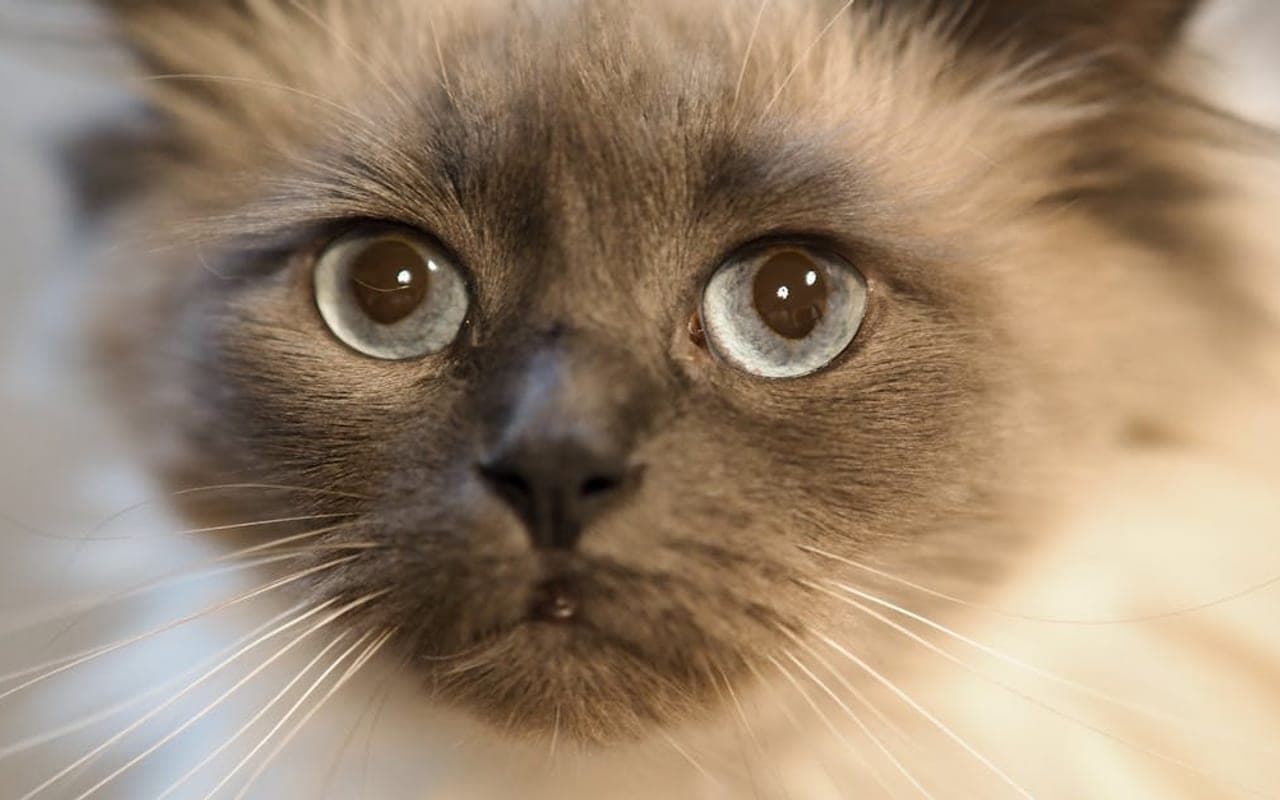
Munchkin photos
Images are cropped consistently and loaded progressively to keep the page responsive.
Lower-page context
Munchkin cats in culture
Where the breed shows up in film, sport, work and folklore — the enjoyable part, once the practical questions are answered.
Fun facts
- The Munchkin originated in United States.
- Munchkin cats are considered one of the most intelligent cat breeds.
- The Munchkin is a true lap cat that loves to curl up with their owners.
- Munchkin cats are exceptionally dog-friendly and can live harmoniously with canine companions.
Munchkin FAQs
How long do Munchkin cats live?
A Munchkin typically lives 10-15 years, comparable to many domestic cats. The caveat is that lifespan tracks how severely the individual cat is affected by the short-leg gene's downstream conditions: a lightly affected, lean Munchkin from screened lines can reach 15, while severe lordosis or pectus excavatum compressing the heart and lungs can substantially shorten and worsen life. Breeder screening and lifelong weight control matter more here than in most breeds.
Can Munchkin cats jump and run normally?
Mostly yes — the short legs alone do not disable the cat, and most Munchkins run fast, climb, and leap onto furniture, surprising owners with their agility. What changes is risk over time: repeated high-impact landings on shortened limbs accelerate joint wear, so provide ramps or stepped furniture. A Munchkin that suddenly stops jumping is showing a possible orthopedic or chest problem, not normal behavior, and warrants a vet check.
Is breeding Munchkin cats ethical, and is it legal?
It is genuinely contested, and an honest answer should say so. The defining gene is lethal in two copies and predisposes affected cats to lordosis, pectus excavatum, and arthritis, so several countries and jurisdictions restrict or ban deliberate dwarf-cat breeding on welfare grounds. If you buy a Munchkin, the harm-reduction path is a breeder who screens parents, x-rays for spinal and chest defects, and holds kittens long enough to assess them — not the cheapest available kitten.
How much does a Munchkin cat cost?
Expect roughly $500-$1,500 for a pet-quality Munchkin from a registered breeder, more for show lines. The cost that actually matters is downstream: a Munchkin that develops severe pectus excavatum may need surgical correction, and lifelong arthritis management (pain control, weight clinics, imaging) can run into the thousands over a lifetime. Paying more upfront for screened, radiographed parents is the cheapest insurance against the breed's defining risks.
Are Munchkin cats good with children and other pets?
Yes — temperament is the breed's strong suit. Munchkins are confident, outgoing, intensely playful into adulthood, and notably dog- and pet-friendly, often initiating play rather than hiding. The only breed-specific caution is physical: teach children not to lift or press on the cat's back or chest, since the lower spine and sternum are exactly where this breed is structurally vulnerable, unlike a normally proportioned cat.
What is lordosis and how do I know if my Munchkin has it?
Lordosis is an inward dip of the lower spine associated with the short-leg gene's effect on connective tissue. Mild cases cause no symptoms and need only monitoring; severe cases compress the chest cavity, causing fast or laboured breathing at rest, exercise intolerance, and a visibly sagging topline. If you see those signs, that is a same-day vet visit, not wait-and-see. Buying from a breeder who x-rays breeding cats is the main way to lower the odds.
Sources
These are the published sources this page draws on. Each opens in a new tab so you can check it yourself.
The International Cat Association
Munchkin — TICA breed standard(opens in a new tab)Supports: Breed standard and recognition details.
Similar breeds to consider
Explore More About Munchkin
Dive deeper into everything Munchkin — costs, care, and expert insights.
Cat Nutrition Guide: What Cats Actually Need to Eat
Cats are obligate carnivores, which means they are...
Kitten-Proofing Your Home: The Hazards Owners Miss
A single lily leaf — or even the pollen brushed off one — can put a kitten into acute...
Considering a dog instead?
Browse Dogs