
Shorthair group
Oriental
The Oriental is a Siamese in 300+ coat colors — and that is not marketing, it is the genetics, the temperament, and the health profile.

Size
6-12 lb
Lifespan
12-14 years
Play
30-60 minutes
Shedding
Moderate
Experience
Match to owner routine
Decision first
Is a Oriental right for you?
Start with fit before history or trivia. These are ownership signals, not guarantees about any individual cat.
Best suited for
- Households with children.
- Homes with other compatible pets.
- Apartment homes with a consistent routine.
- Owners who can provide daily play, climbing space, and enrichment.
Think carefully if
- You cannot provide daily play, climbing space, or mental enrichment.
- You cannot keep up with grooming and preventive care.
- The cat will spend most days without interaction or enrichment.
Conditional fit
Apartment fit depends on vertical space, litter setup, play, enrichment, and noise tolerance.
Daily reality
Oriental commitment snapshot
Daily play
30-60 minutes
Match play and enrichment to age, health, appetite, and household routine.
Coat care
Low
Grooming needs vary by coat, shedding, and lifestyle.
Social needs
Needs planning
Most cats still need predictable contact, enrichment, litter care, and monitoring.
Structured facts
Oriental at a glance
The measurements and traits that most affect day-to-day life with this breed.
Origin
United States
Group
Shorthair
Weight
6-12 lb
Height
9-12 in
Lifespan
12-14 years
Temperament
Energetic | Affectionate | Intelligent | Social | Playful | Curious
View all characteristics and methodology
Lifestyle fit
- Apartment suitabilityWorks best with clean litter setup, vertical space, and daily enrichment.
- Likely fit
- Child friendliness
- Often good, with socialisation and supervision
- Other-pet fit
- Often compatible with careful introductions
- Adaptability
- Very high
Owner commitment
- Daily play
- 30-60 minutes
- Grooming
- Low
- Shedding
- Moderate
- Indoor enrichment
- High
Behavior
- Affection
- Very high
- Energy
- Very high
- Vocalization
- Very high
- Social needs
- Very high
Environment and health
- Intelligence
- Very high
- Health risk
- Needs planning
- Weight sensitivity
- Routine monitoring
Ratings combine structured breed data, visible breed fields, and editorial context. They are planning aids, not predictions for an individual cat.
Daily life
Oriental temperament and behavior
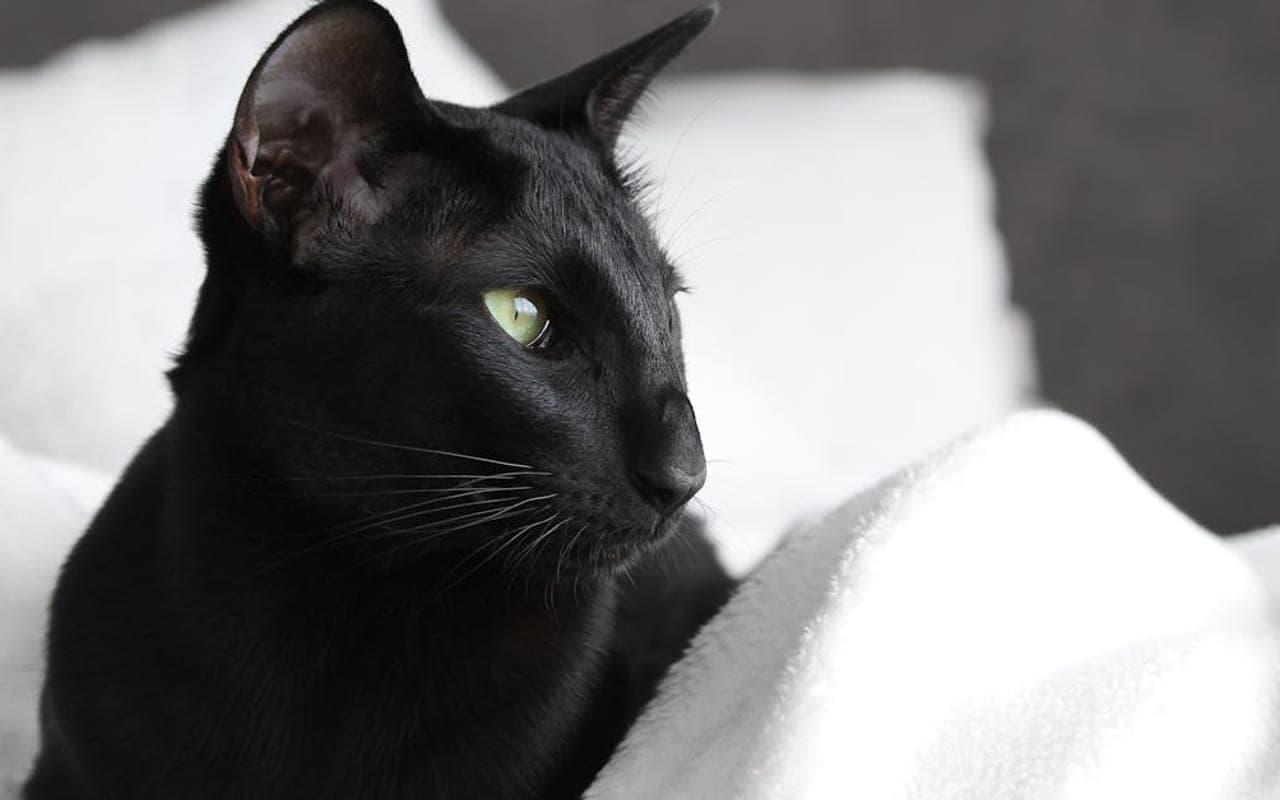
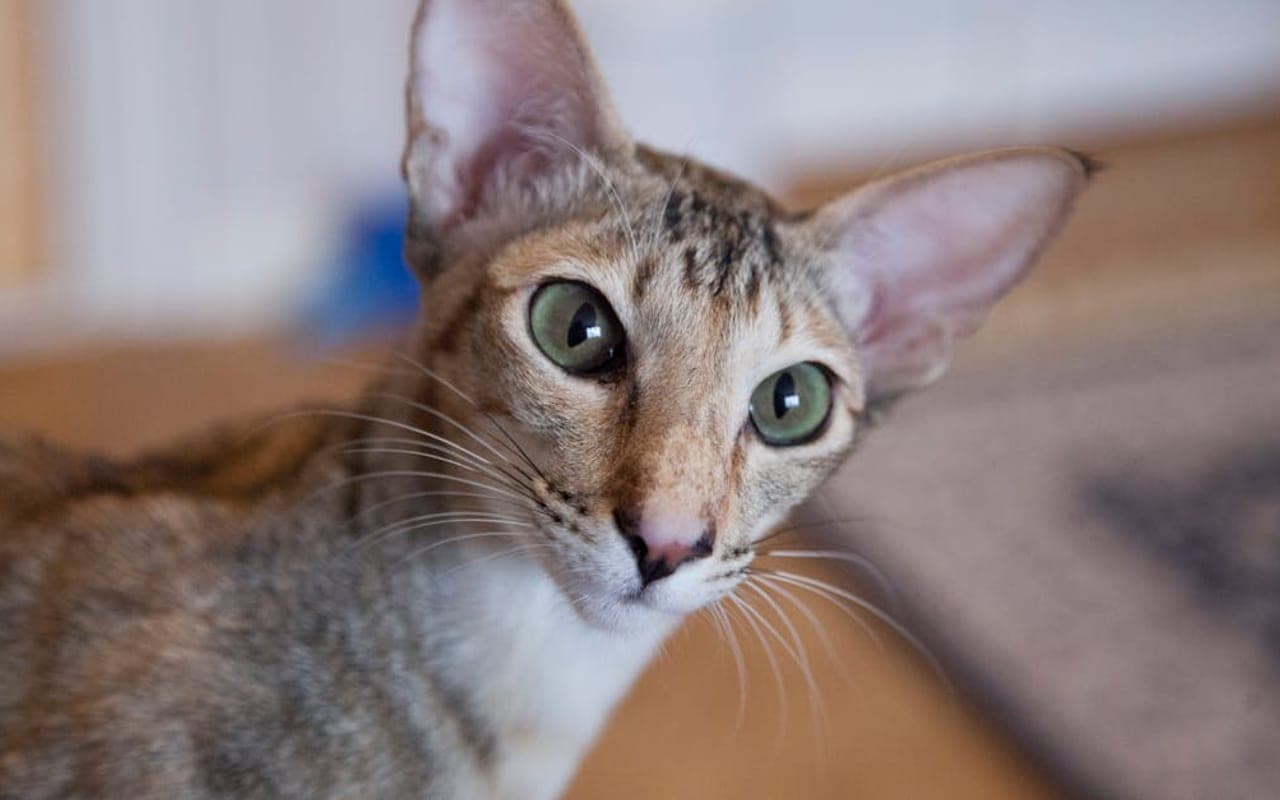
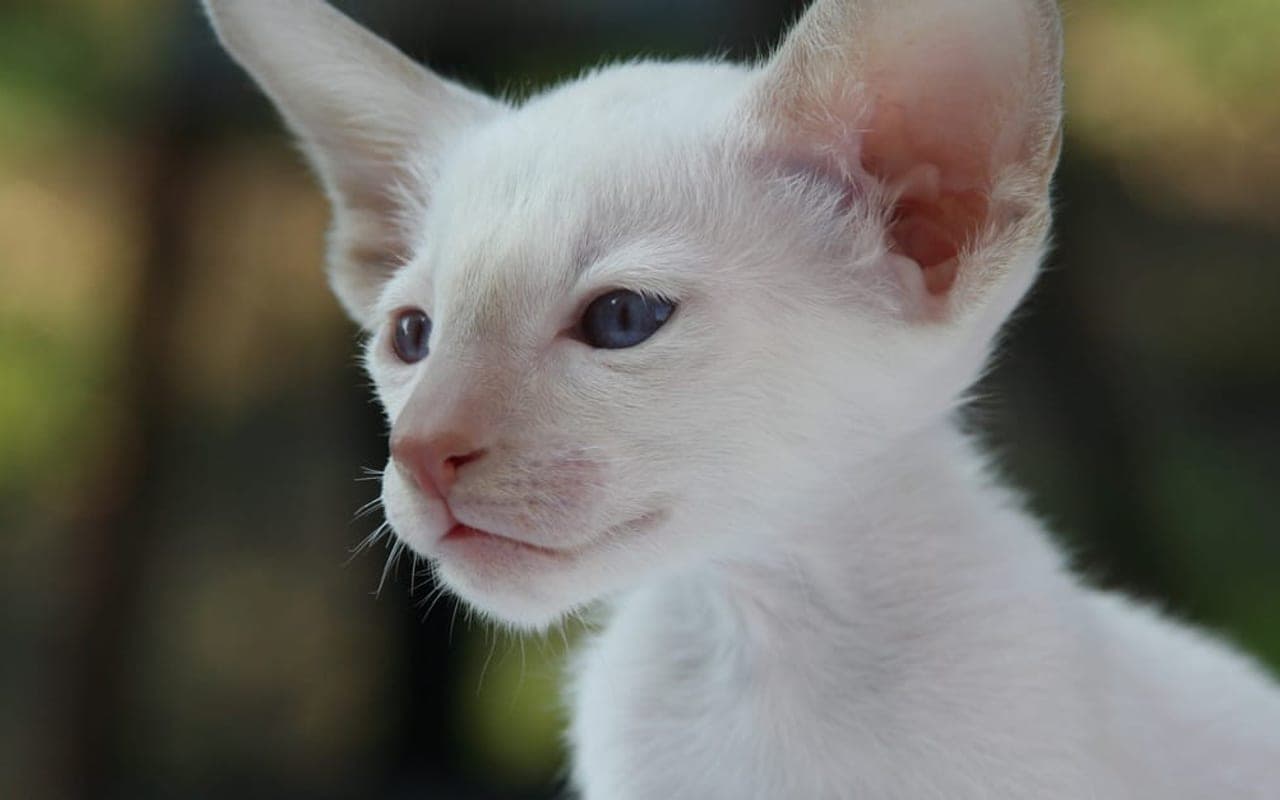
The Oriental is a Siamese in 300+ coat colors — and that is not marketing, it is the genetics, the temperament, and the health profile. The Oriental Shorthair (and its longhaired counterpart) is the Siamese body and personality bred into a vast palette of solid, shaded, smoke, tabby and bicolor patterns without the pointed restriction. Anyone evaluating an Oriental should read it as "a Siamese" on every axis that matters, including which inherited diseases to ask about. Physically the Oriental is the extreme of the slender, tubular Oriental type: long, fine-boned, whippy, with a long wedge head, very large ears, and almond eyes. Adults are light — commonly 2-5 kg — and deceptively muscular under a short, close, glossy coat (a longhaired variety exists with a soft, fine coat that still needs little grooming). Temperament is high-octane and emotionally intense. Orientals are energetic, brilliant, relentlessly curious, and profoundly attached — they bond to their people with an intensity closer to a demanding toddler than an aloof cat. They are loud and conversational (a hallmark Siamese-family trait), open drawers, climb everything, and follow you constantly. Deprived of attention they do not become independent; they become destructive, depressed and even louder. Who the Oriental is right for: someone who wants a vocal, interactive, near-codependent companion, will provide constant engagement or a feline companion, and will buy from a breeder screening for the Siamese-line inherited diseases. Who it is wrong for: anyone wanting a quiet, low-attention, independent cat, or a home empty all day with no second cat. The devotion is total — and so are the demands and the inherited-disease list it shares with the Siamese.
Energetic | Affectionate | Intelligent | Social | Playful | Curious
Energetic
A common Oriental temperament descriptor that should be interpreted alongside enrichment, handling, and household fit.
Affectionate
A common Oriental temperament descriptor that should be interpreted alongside enrichment, handling, and household fit.
Intelligent
A common Oriental temperament descriptor that should be interpreted alongside enrichment, handling, and household fit.
Social
A common Oriental temperament descriptor that should be interpreted alongside enrichment, handling, and household fit.
Owner note
Temperament labels are starting points, not guarantees. Meet the individual cat and ask about behavior history whenever possible.
Care essentials
How to care for a Oriental
What looking after one actually involves: play, grooming, food, litter, and routine health.
ExerciseAs needed
- Active and playful breed requiring daily interactive play sessions with toys, climbing structures, and mental stimulation.
GroomingAs needed
- Low-maintenance coat requiring weekly brushing. Occasional bathing as needed.
NutritionAs needed
- Feed a high-quality cat food appropriate for their age and activity level. Maintain fresh water at all times. Monitor weight to prevent obesity.
SocializationAs needed
- Highly social breed that thrives on companionship. Does not do well left alone for extended periods. Consider a companion pet.
Veterinary CareAs needed
- Annual wellness exams, vaccinations, dental checkups, and parasite prevention. Spay/neuter recommended if not breeding.
Health planning
Oriental health risks and screening
Every cat breed has individual health variation. Use this profile for planning and discuss medical decisions with a veterinarian.
Responsible ownership
Finding a Oriental responsibly
What to ask a breeder or rescue is the same conversation for every breed, so we keep it in one place and keep it current.
Health documentation, meeting the parents or foster, contracts and return support, and the warning signs worth walking away from.
Original purpose
Oriental history
History is useful when it explains today's behavior, coat, exercise needs, and training style.
Read the breed history
The Oriental traces directly to the Siamese. After the Second World War, British breeders rebuilding the Siamese gene pool produced cats with Siamese type but solid, non-pointed coats. Rather than discard them, breeders developed them deliberately, crossing in Russian Blue, Abyssinian, British Shorthair and domestic shorthairs to expand color and pattern, then breeding back to Siamese to lock in the slender oriental type. The result was standardized in the United States and United Kingdom from the 1970s as the Oriental Shorthair, with a longhaired variety following. Genetically the Oriental and Siamese are the same breed group separated mainly by coat color and point restriction; many registries allow Siamese-to-Oriental breeding. That shared ancestry is the single most important fact for a prospective owner, because it means the Oriental carries the Siamese family's specific inherited disease burden — familial amyloidosis, progressive retinal atrophy, cardiac and respiratory tendencies, and dental issues tied to the elongated head — rather than a separate, milder profile. The look changed; the genetics did not.
Gallery
Oriental photos
Images are cropped consistently and loaded progressively to keep the page responsive.
Lower-page context
Oriental cats in culture
Where the breed shows up in film, sport, work and folklore — the enjoyable part, once the practical questions are answered.
Fun facts
- The Oriental originated in United States.
- Oriental cats are considered one of the most intelligent cat breeds.
- Oriental cats are known for being very vocal and communicative with their owners.
- The Oriental is one of the most energetic and playful cat breeds.
- The Oriental is considered a hypoallergenic breed, producing fewer allergens than most cats.
Oriental FAQs
Is the Oriental basically just a Siamese?
Functionally, yes — and that is the most useful thing to know before buying. The Oriental is the Siamese body, voice, personality and genetics in non-pointed colors and patterns; many registries even permit Siamese-to-Oriental breeding. The practical consequence is the health list: the Oriental carries the Siamese family's inherited diseases — amyloidosis, PRA, cardiac disease, asthma, dental crowding. Evaluate an Oriental exactly as you would a Siamese, and ask the breeder the same screening questions; treating it as a separate, hardier breed is the core mistake.
Why is my Oriental so loud, and will it stop?
Orientals are among the most vocal cats, and it does not stop — it is a hardwired Siamese-family trait, not a phase or a problem to fix. They use a loud, distinctive voice to demand attention, narrate their day and respond to you. You can reduce attention-seeking yowling by meeting their needs (daily interactive play, a companion cat, enrichment) so the cat is not vocalizing out of boredom or loneliness, but a fundamentally quiet home should choose a different breed. The talking is the breed working as designed.
How long do Orientals live and what should I screen for?
Orientals typically live 12-14 years and often longer with good care and good breeding. The lifespan you actually get hinges on the Siamese-family inherited diseases — particularly familial amyloidosis (which can cause fatal liver failure in young to middle-aged cats) and PRA. Ask the breeder for PRA DNA testing, family history of amyloidosis and cardiac disease, and cardiac screening of breeding cats. Concrete answers to those questions predict longevity here far more than generic 'healthy line' claims.
Are Orientals good with children and other pets?
Generally yes, with the right match. Orientals are energetic, social and interactive, so they often do well with respectful, active children and with other cats — especially another oriental-type cat that matches their energy. The trade-off is their emotional intensity: they want constant involvement and bond hard, sometimes to one person. They are a poor fit for a hands-off household. Supervise with toddlers given the cat's fine, light build, and plan companionship rather than expecting independence.
Can I leave an Oriental alone during the workday?
Not comfortably without provisions. Orientals are emotionally dependent and do not cope well with long solitude — isolation produces destructive behavior, over-grooming, and relentless vocalizing, which is a welfare issue, not a tidy 'independent cat.' A normal workday is workable only with a compatible companion cat, real environmental enrichment, and committed interactive play before and after work. If you cannot provide that, this is one of the worst breed choices for a frequently empty home; pick a more self-sufficient breed instead.
How much grooming does an Oriental need?
Very little coat work — and that surprises owners expecting more. The shorthaired Oriental needs only a weekly rubber-mitt or chamois pass; the longhaired variety has a fine, undercoat-light coat that needs just a gentle weekly comb, with no heavy shedding or matting. The real recurring tasks are the large ears, which accumulate wax quickly and need a gentle weekly check, and the teeth, which crowd in the narrow head and require brushing several times a week plus professional cleanings. Low coat maintenance, but ear and dental care are non-negotiable.
Sources
These are the published sources this page draws on. Each opens in a new tab so you can check it yourself.
Cat Fanciers' Association
Oriental — breed standard and profile(opens in a new tab)Supports: Breed standard and recognition details.
Similar breeds to consider
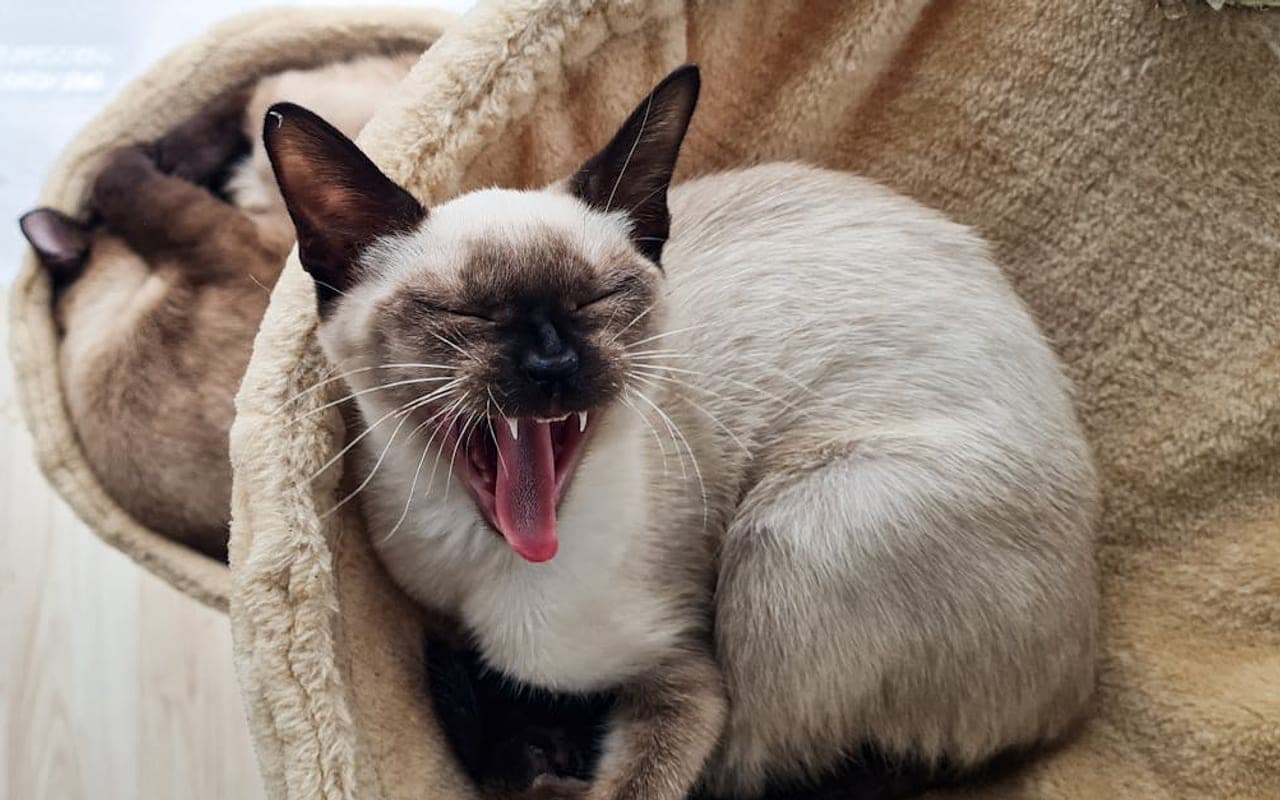
Siamese
Also in the Shorthair group, with different care and temperament tradeoffs.
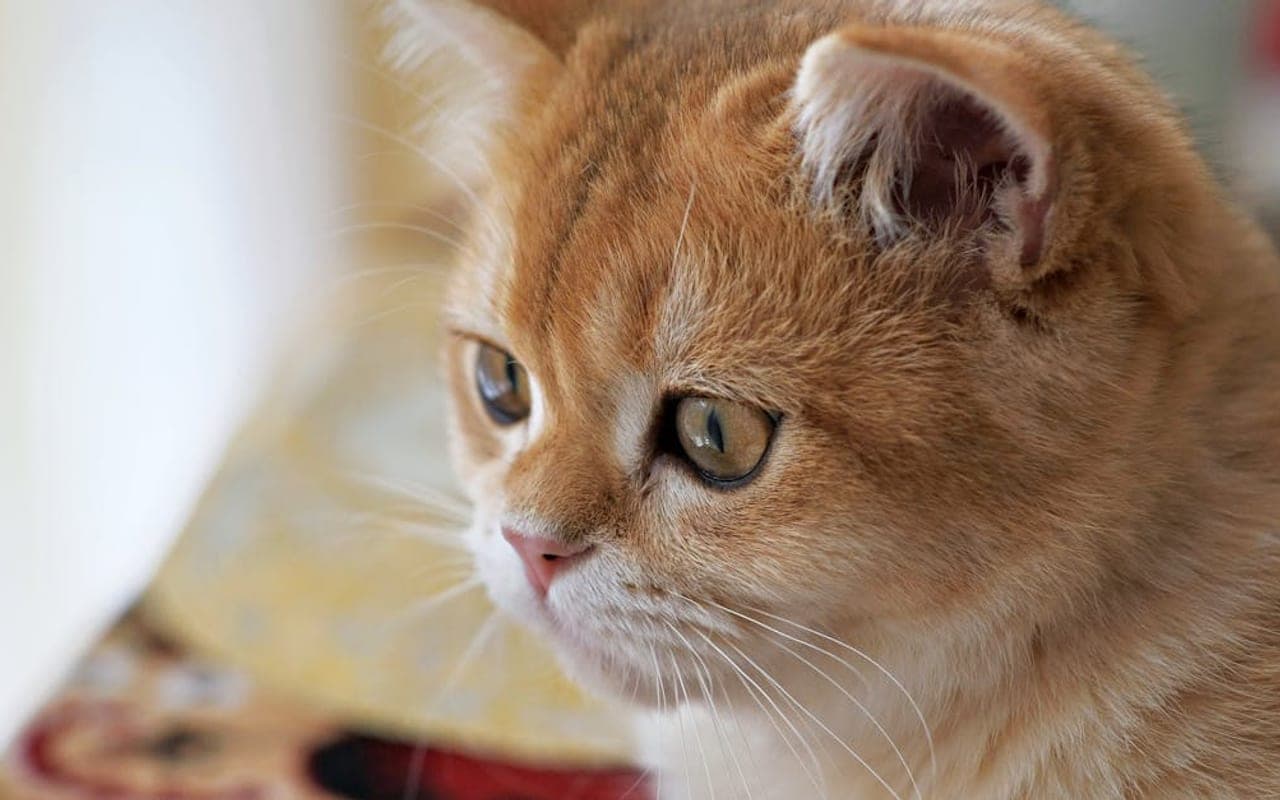
British Shorthair
Also in the Shorthair group, with different care and temperament tradeoffs.
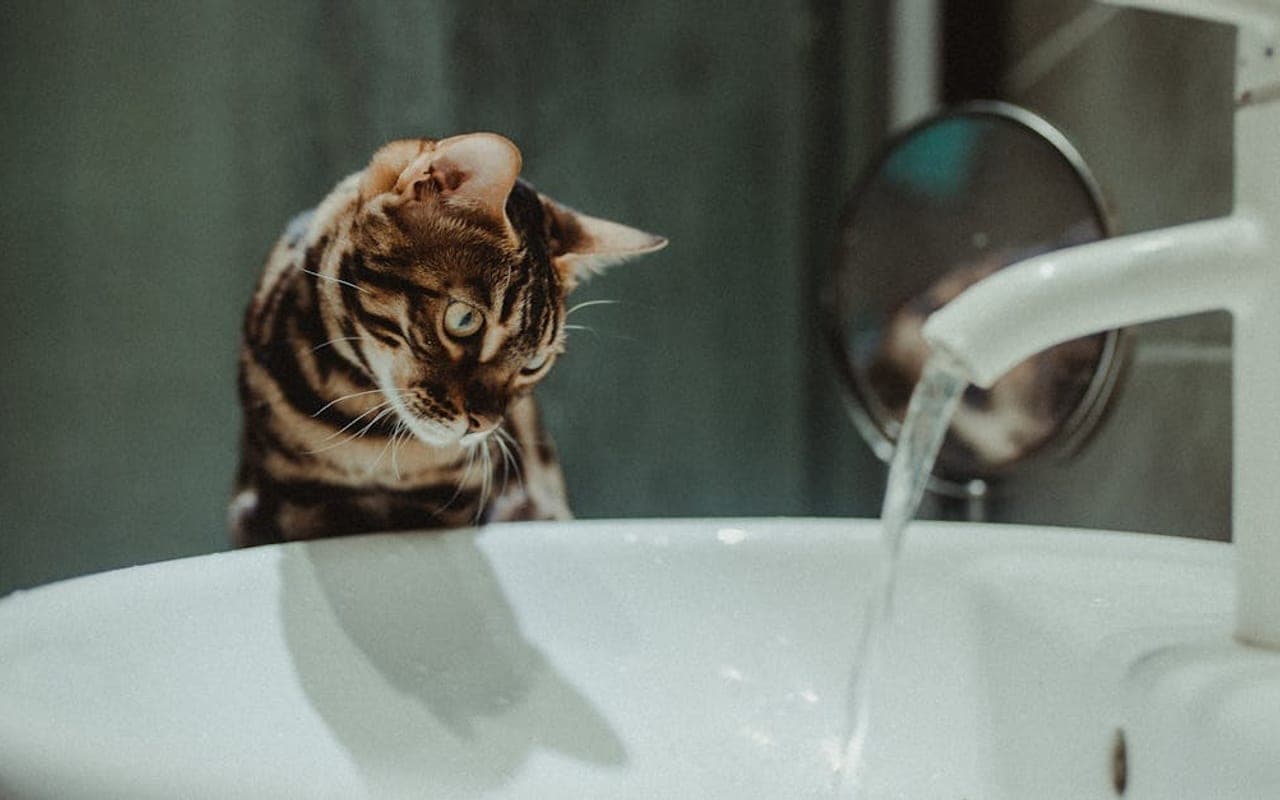
Bengal
Also in the Shorthair group, with different care and temperament tradeoffs.
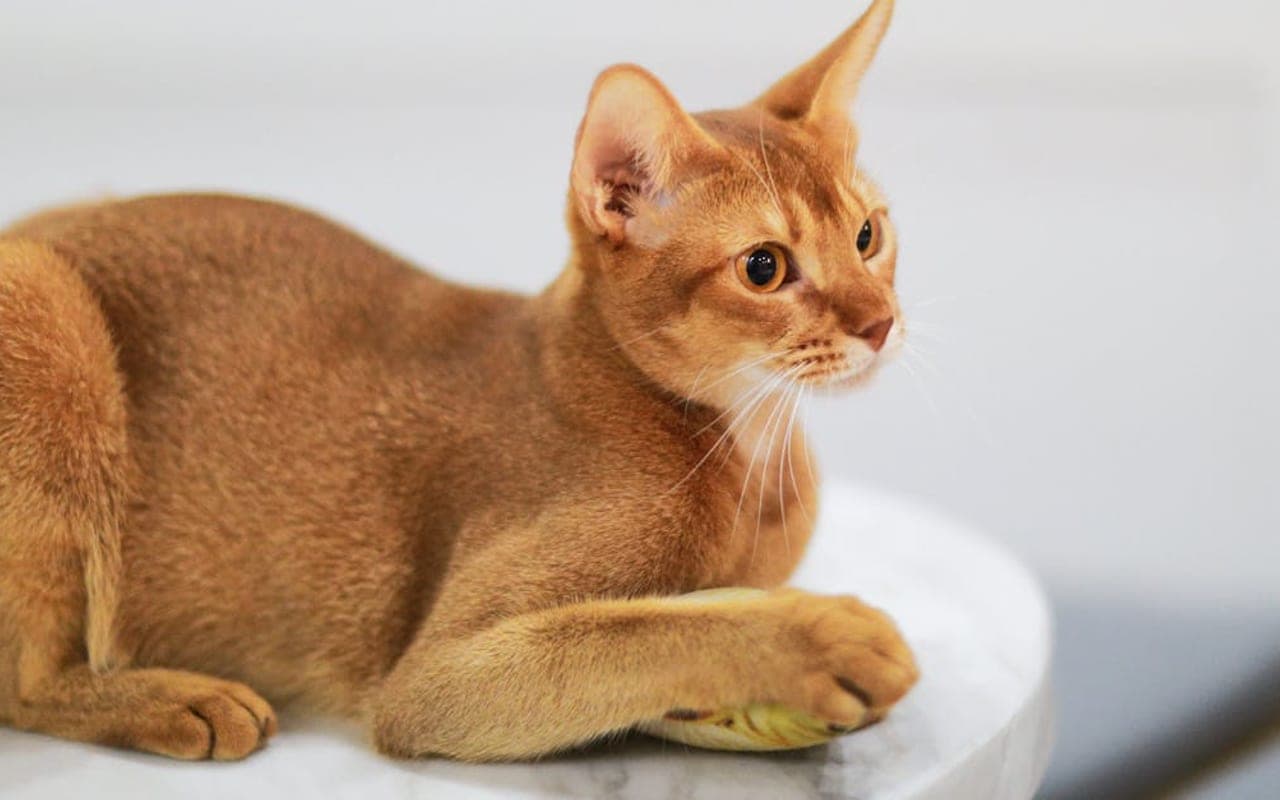
Abyssinian
Also in the Shorthair group, with different care and temperament tradeoffs.
Explore More About Oriental
Dive deeper into everything Oriental — costs, care, and expert insights.
Cat Nutrition Guide: What Cats Actually Need to Eat
Cats are obligate carnivores, which means they are...
Kitten-Proofing Your Home: The Hazards Owners Miss
A single lily leaf — or even the pollen brushed off one — can put a kitten into acute...
Considering a dog instead?
Browse Dogs