
Shorthair group
Pixie-bob
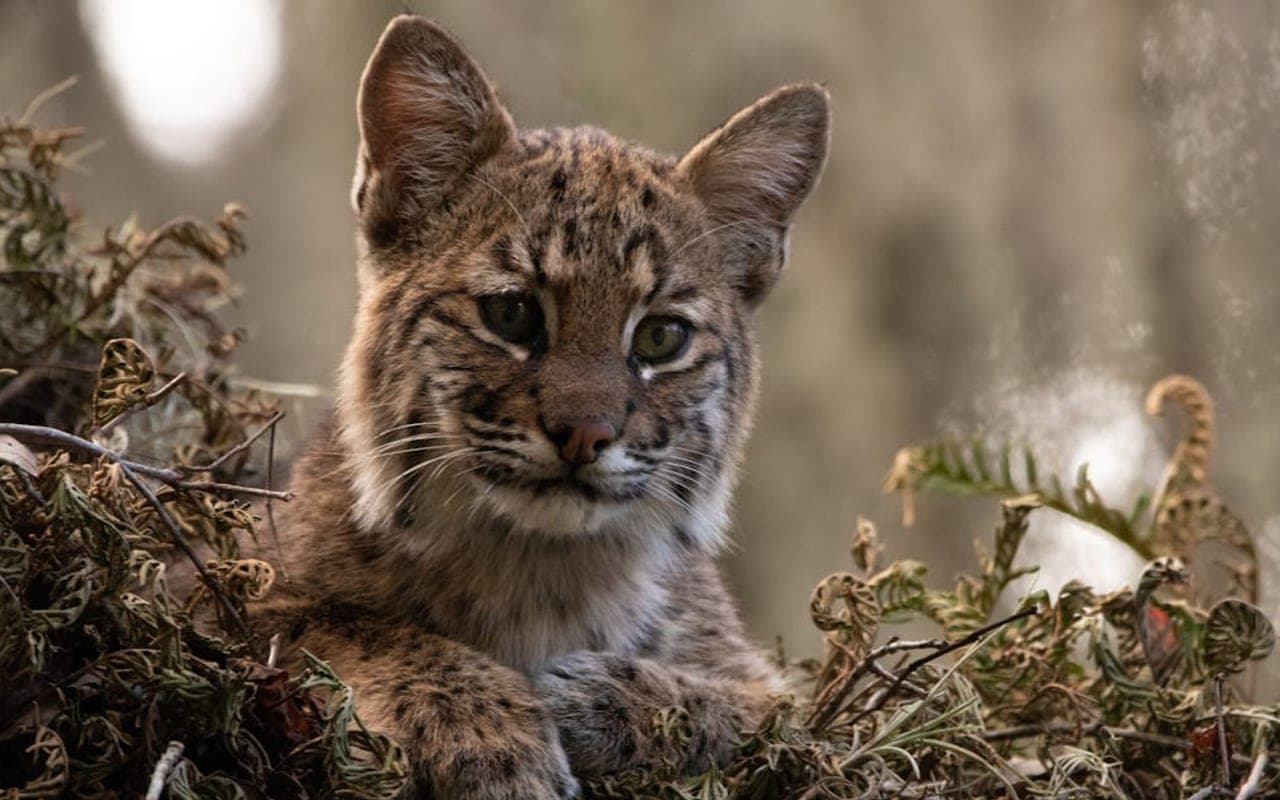
The Pixie-bob is the rare large breed where the honest headline is good news: there is no wildcat in it, and it has very few breed-specific diseases.
Size
9-18 lb
Lifespan
13-16 years
Play
20-40 minutes
Shedding
Moderate
Experience
Match to owner routine
Decision first
Is a Pixie-bob right for you?
Start with fit before history or trivia. These are ownership signals, not guarantees about any individual cat.
Best suited for
- Households with children.
- Homes with other compatible pets.
- Apartment homes with a consistent routine.
- Owners who can provide daily play, climbing space, and enrichment.
Think carefully if
- You cannot provide daily play, climbing space, or mental enrichment.
- You cannot keep up with grooming and preventive care.
- The cat will spend most days without interaction or enrichment.
Conditional fit
Apartment fit depends on vertical space, litter setup, play, enrichment, and noise tolerance.
Daily reality
Pixie-bob commitment snapshot
Daily play
20-40 minutes
Match play and enrichment to age, health, appetite, and household routine.
Coat care
Low
Grooming needs vary by coat, shedding, and lifestyle.
Social needs
Needs planning
Most cats still need predictable contact, enrichment, litter care, and monitoring.
Structured facts
Pixie-bob at a glance
The measurements and traits that most affect day-to-day life with this breed.
Origin
United States
Group
Shorthair
Weight
9-18 lb
Height
10-13 in
Lifespan
13-16 years
Temperament
Affectionate | Social | Intelligent | Loyal
View all characteristics and methodology
Lifestyle fit
- Apartment suitabilityWorks best with clean litter setup, vertical space, and daily enrichment.
- Likely fit
- Child friendliness
- Often good, with socialisation and supervision
- Other-pet fit
- Often compatible with careful introductions
- Adaptability
- Very high
Owner commitment
- Daily play
- 20-40 minutes
- Grooming
- Low
- Shedding
- Moderate
- Indoor enrichment
- High
Behavior
- Affection
- Very high
- Energy
- High
- Vocalization
- Low
- Social needs
- High
Environment and health
- Intelligence
- Very high
- Health risk
- Needs planning
- Weight sensitivity
- Routine monitoring
Ratings combine structured breed data, visible breed fields, and editorial context. They are planning aids, not predictions for an individual cat.
Daily life
Pixie-bob temperament and behavior
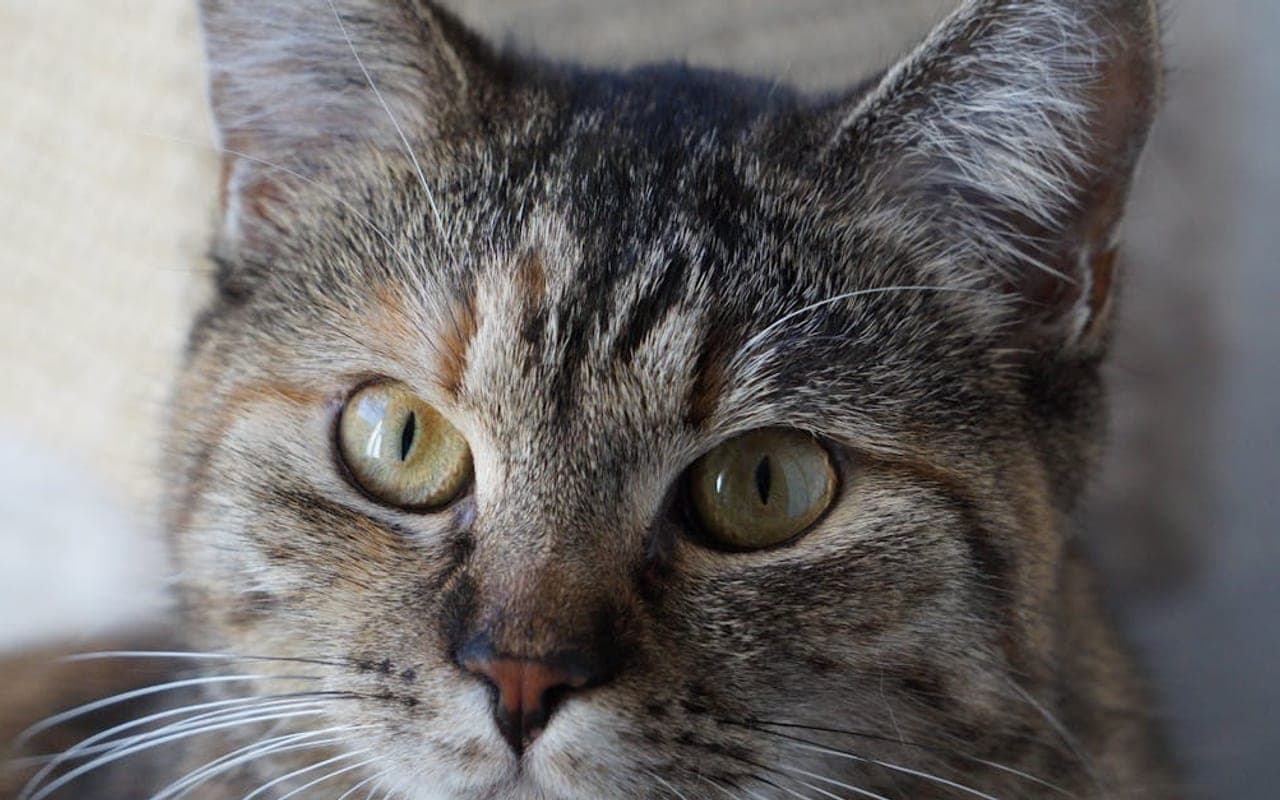
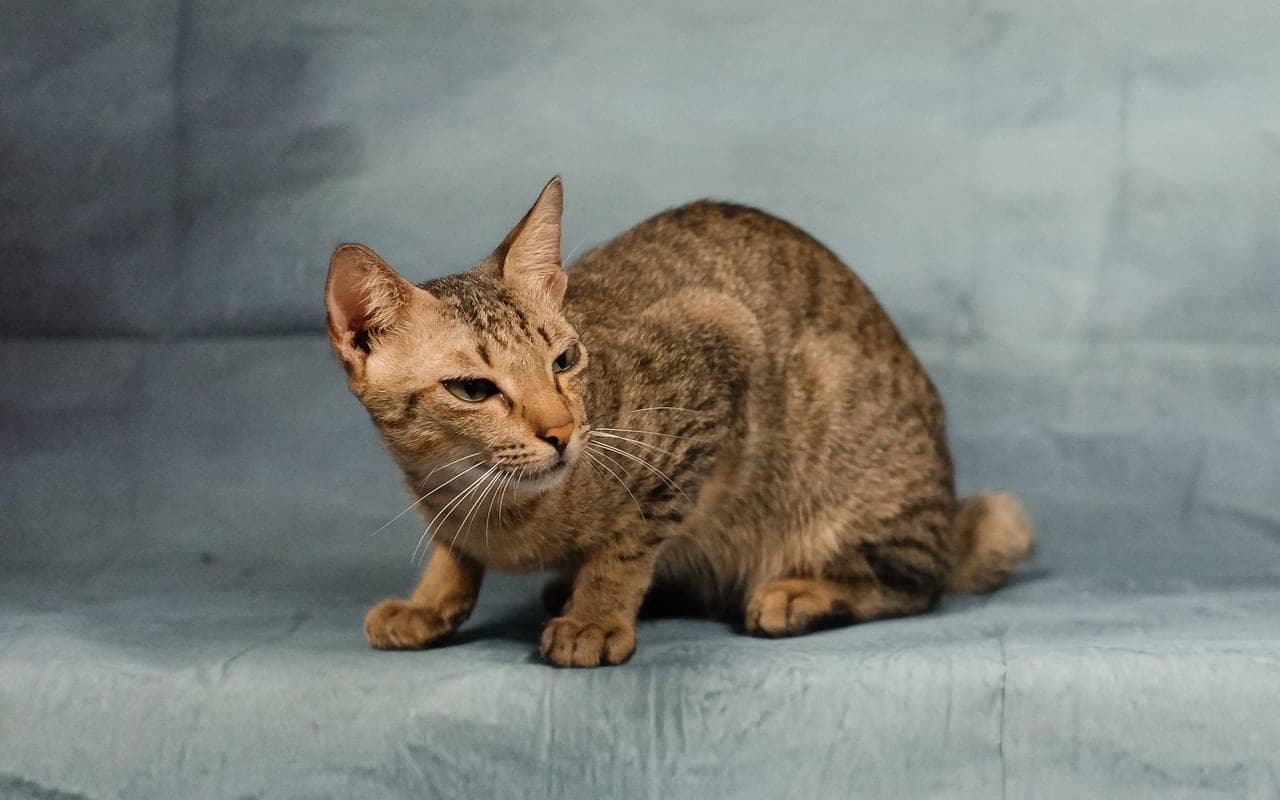
The Pixie-bob is the rare large breed where the honest headline is good news: there is no wildcat in it, and it has very few breed-specific diseases. The Pixie-bob was developed in the 1980s in the Pacific Northwest to resemble the North American bobcat, but DNA studies confirm it is a fully domestic cat — the bobcat look is selective breeding, not hybrid ancestry. Because it was built from a broad, genetically diverse founding population rather than a narrow pedigree, it carries less inherited-disease load than most pedigreed cats. That is the buying argument; do not let it become complacency. Physically the Pixie-bob is substantial: a heavy-boned, muscular cat with a wild, woolly double or shorthaired coat (spotted brown tabby), a short bobbed tail (which can vary widely in length), tufted ears, and frequently polydactyl paws — extra toes are a recognized, harmless breed feature, not a defect. Adults are large, commonly 4-8 kg, with males notably bigger; they mature slowly over several years. Temperament is the headline most owners actually fall for: Pixie-bobs are dog-like, calm, deeply people-bonded, patient, and quiet (they chirp and chitter rather than meow much). They tolerate handling, do well with children and other pets, learn leash walking and fetch, and bond to the whole family rather than one person. They are active but not frantic. Who the Pixie-bob is right for: an owner wanting a large, sturdy, affectionate, low-drama companion who values an honest health profile over an exotic backstory. Who it is wrong for: someone wanting a tiny lap cat, or someone buying believing it is part bobcat — it is not, and breeders claiming otherwise are a warning sign, not a premium.
Affectionate | Social | Intelligent | Loyal
Affectionate
A common Pixie-bob temperament descriptor that should be interpreted alongside enrichment, handling, and household fit.
Social
A common Pixie-bob temperament descriptor that should be interpreted alongside enrichment, handling, and household fit.
Intelligent
A common Pixie-bob temperament descriptor that should be interpreted alongside enrichment, handling, and household fit.
Loyal
A common Pixie-bob temperament descriptor that should be interpreted alongside enrichment, handling, and household fit.
Owner note
Temperament labels are starting points, not guarantees. Meet the individual cat and ask about behavior history whenever possible.
Care essentials
How to care for a Pixie-bob
What looking after one actually involves: play, grooming, food, litter, and routine health.
ExerciseAs needed
- Active and playful breed requiring daily interactive play sessions with toys, climbing structures, and mental stimulation.
GroomingAs needed
- Low-maintenance coat requiring weekly brushing. Occasional bathing as needed.
NutritionAs needed
- Feed a high-quality cat food appropriate for their age and activity level. Maintain fresh water at all times. Monitor weight to prevent obesity.
SocializationAs needed
- Highly social breed that thrives on companionship. Does not do well left alone for extended periods. Consider a companion pet.
Veterinary CareAs needed
- Annual wellness exams, vaccinations, dental checkups, and parasite prevention. Spay/neuter recommended if not breeding.
Health planning
Pixie-bob health risks and screening
Every cat breed has individual health variation. Use this profile for planning and discuss medical decisions with a veterinarian.
Responsible ownership
Finding a Pixie-bob responsibly
What to ask a breeder or rescue is the same conversation for every breed, so we keep it in one place and keep it current.
Health documentation, meeting the parents or foster, contracts and return support, and the warning signs worth walking away from.
Original purpose
Pixie-bob history
History is useful when it explains today's behavior, coat, exercise needs, and training style.
Read the breed history
The Pixie-bob is a young American breed from the late 1980s. Carol Ann Brewer in Washington State acquired large, short-tailed, polydactyl barn cats locally believed to be bobcat hybrids, and bred a distinctively spotted female she named Pixie, who became the foundation of the breed. The wild bobcat origin story drove early interest, but later genetic testing found no detectable wildcat DNA — the Pixie-bob is a domestic cat selectively bred to resemble a bobcat. TICA accepted the breed for registration in the 1990s. That origin shapes its modern health story directly. Because the breed was founded on a wide, varied population of free-ranging domestic cats rather than a tight pedigree, and because outcrossing to unrelated lines was historically common, the Pixie-bob has comparatively high genetic diversity and few breed-specific hereditary diseases. The conditions that do appear — cryptorchidism noted by breeders since the 1980s, and the handful of hypertrophic cardiomyopathy cases that traced to crosses with other breeds — reflect that history rather than a fragile pedigree.
Gallery
Pixie-bob photos
Images are cropped consistently and loaded progressively to keep the page responsive.
Lower-page context
Pixie-bob cats in culture
Where the breed shows up in film, sport, work and folklore — the enjoyable part, once the practical questions are answered.
Fun facts
- The Pixie-bob originated in United States.
- Pixie-bob cats are considered one of the most intelligent cat breeds.
- The Pixie-bob is a true lap cat that loves to curl up with their owners.
- Pixie-bob cats are exceptionally dog-friendly and can live harmoniously with canine companions.
Pixie-bob FAQs
Is the Pixie-bob really part bobcat?
No, and this is the most important fact before buying. The Pixie-bob looks like a bobcat by design, but genetic testing has found no wildcat DNA — it is a fully domestic breed selectively bred for that appearance. This is good news, not a downgrade: it means predictable domestic temperament and, because of a diverse founding population, fewer inherited diseases than most pedigreed cats. Treat any breeder still selling the cat as a genuine bobcat hybrid as a credibility red flag, not as offering something rarer or more valuable.
Are Pixie-bobs healthy, or is that just marketing?
Genuinely healthier than most pedigreed cats — and that is unusual enough to state plainly. Because the breed was founded on a broad, genetically varied population and outcrossed widely, it has comparatively few breed-specific hereditary diseases. The honest short list is cryptorchidism in some males, rare HCM mostly in out-crossed lines, and polydactyl claw maintenance. The realistic everyday risks are the universal ones: dental disease and obesity. So 'healthy breed' is true here, but it shifts responsibility to you for weight and dental care, where the actual problems will be.
How big do Pixie-bobs get and how long do they live?
Pixie-bobs are a large breed, commonly 4-8 kg with males at the upper end, and they mature slowly over up to four years — so they keep filling out long after most cats are adult. They typically live 13-16 years. The slow maturation creates a practical trap: owners overfeed a cat that looks 'not finished,' driving weight gain that becomes the breed's most common avoidable health problem. Feed to a body-condition score, not to the cat's apparent size, and buy cat furniture rated for a heavy animal.
Why does my Pixie-bob have extra toes, and is that a problem?
Polydactyly — extra toes — is a recognized, accepted, harmless feature of the breed, not a defect, and many Pixie-bobs have it. It causes the cat no problem in itself. The one practical caveat is husbandry: extra toes mean extra claws, and those additional claws can be missed during nail trims and grow into the paw pad, causing a painful infection. Inspect and trim all toes, including the extras, every few weeks. That small routine is the only real cost of the trait.
Are Pixie-bobs good family cats and good with dogs?
Yes — this is one of the breed's strongest selling points. Pixie-bobs are dog-like, calm, patient and people-bonded; they tend to do well with respectful children, with dogs, and with other cats, and they often bond to the whole household rather than one person. They are quiet (chirps and chitters more than meows) and tolerate handling well. They suit families wanting a sturdy, affectionate, low-drama large cat. The main mismatch is anyone wanting a tiny, dainty lap cat — that is not this breed.
What should I ask a Pixie-bob breeder about health?
Because the breed is relatively sound, the questions are short and specific. One: in males, whether both testicles are descended, since cryptorchidism is the breed's best-documented heritable issue and warrants neutering rather than watching. Two: any history of HCM in the line, particularly where the line has been out-crossed to other breeds. Three: whether breeding cats receive periodic cardiac screening. A straightforward, specific answer is the norm for this breed; evasiveness or a 'part bobcat' sales pitch is the warning sign to walk away from.
Sources
These are the published sources this page draws on. Each opens in a new tab so you can check it yourself.
The International Cat Association
Pixie-bob — TICA breed standard(opens in a new tab)Supports: Breed standard and recognition details.
Similar breeds to consider
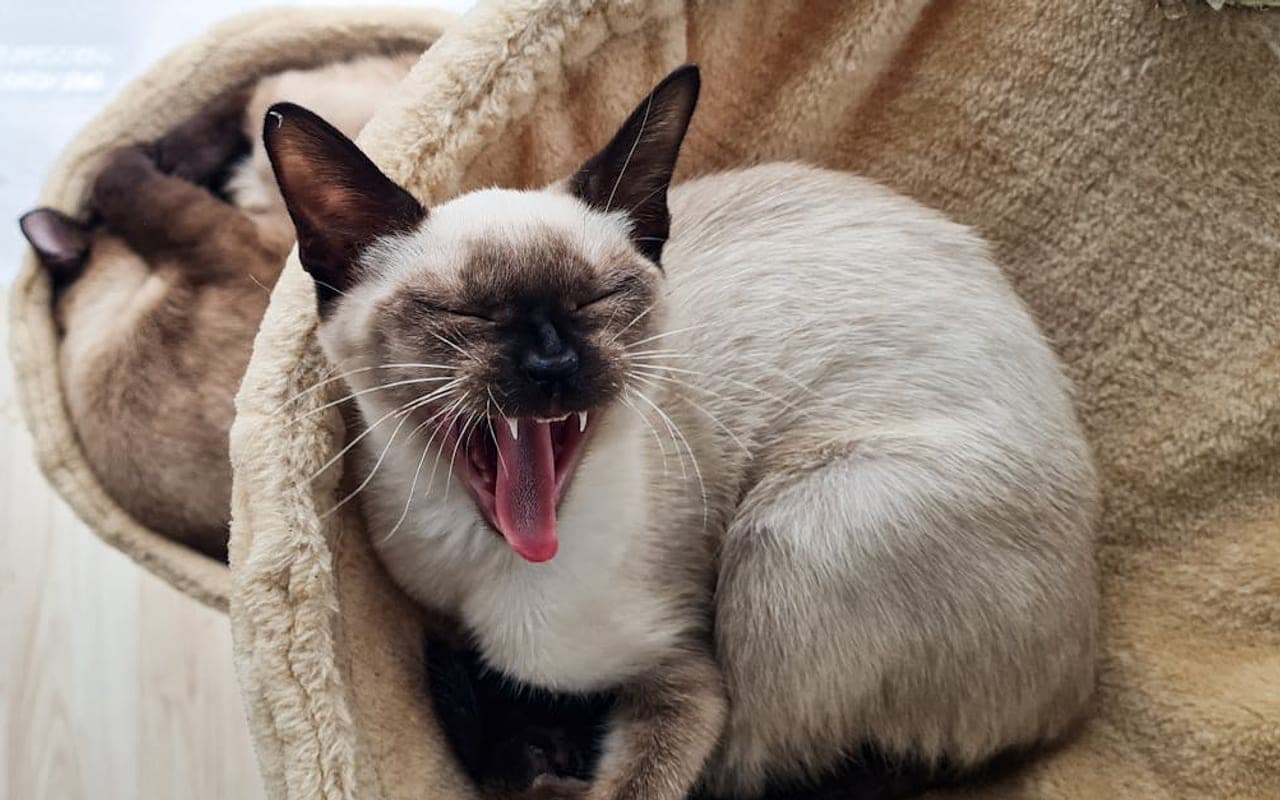
Siamese
Also in the Shorthair group, with different care and temperament tradeoffs.
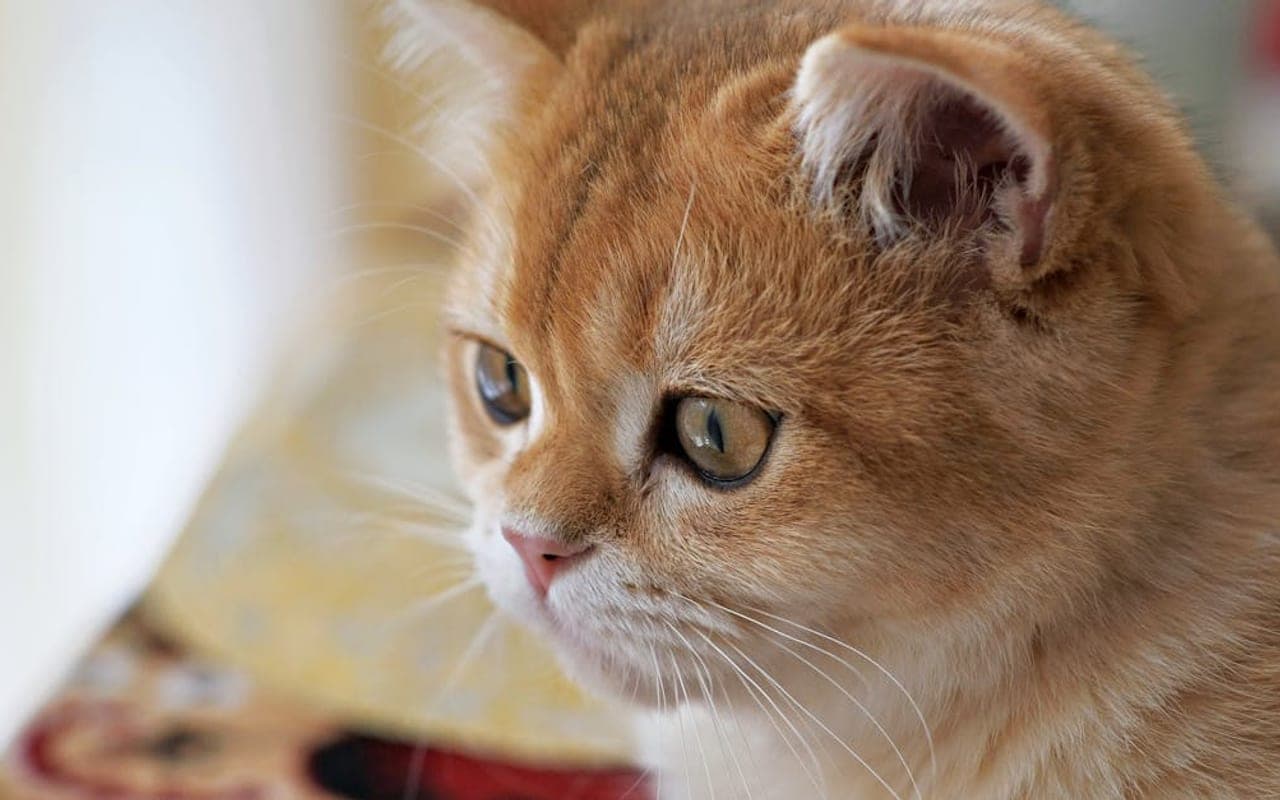
British Shorthair
Also in the Shorthair group, with different care and temperament tradeoffs.
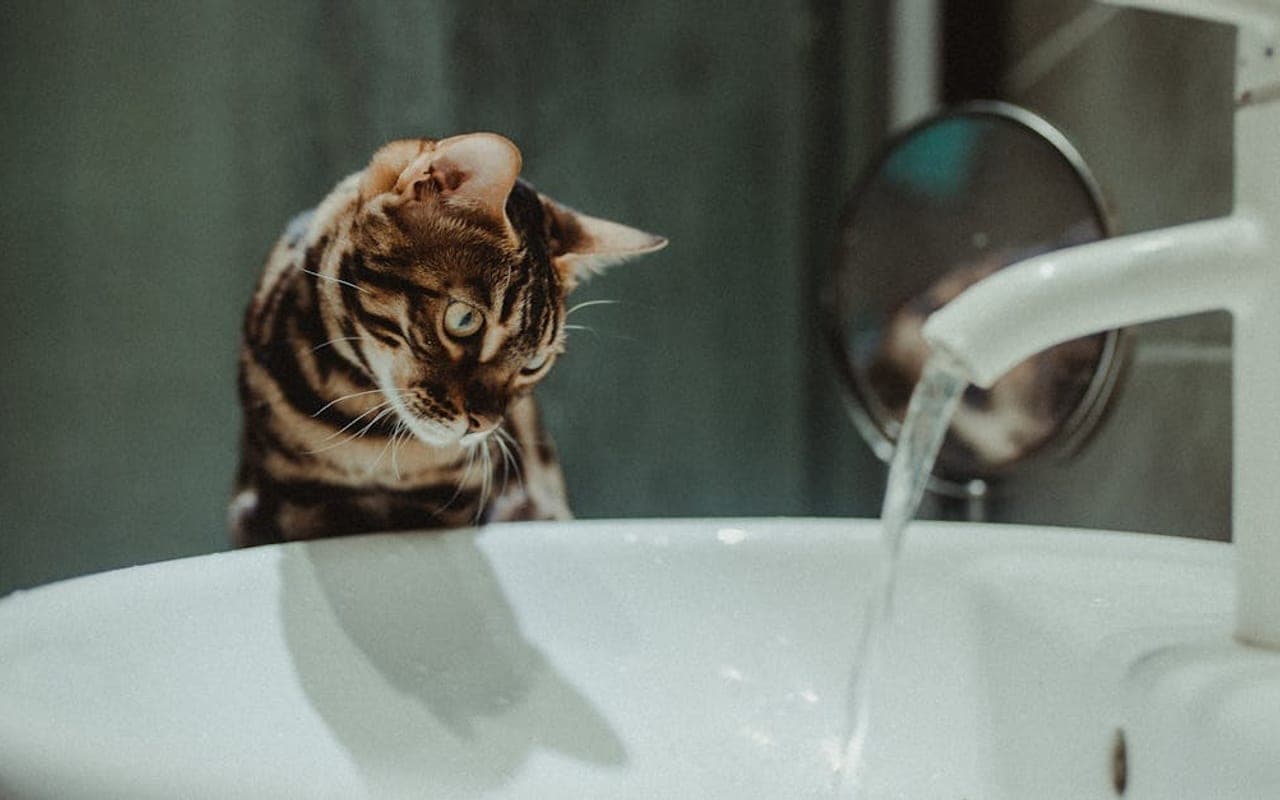
Bengal
Also in the Shorthair group, with different care and temperament tradeoffs.
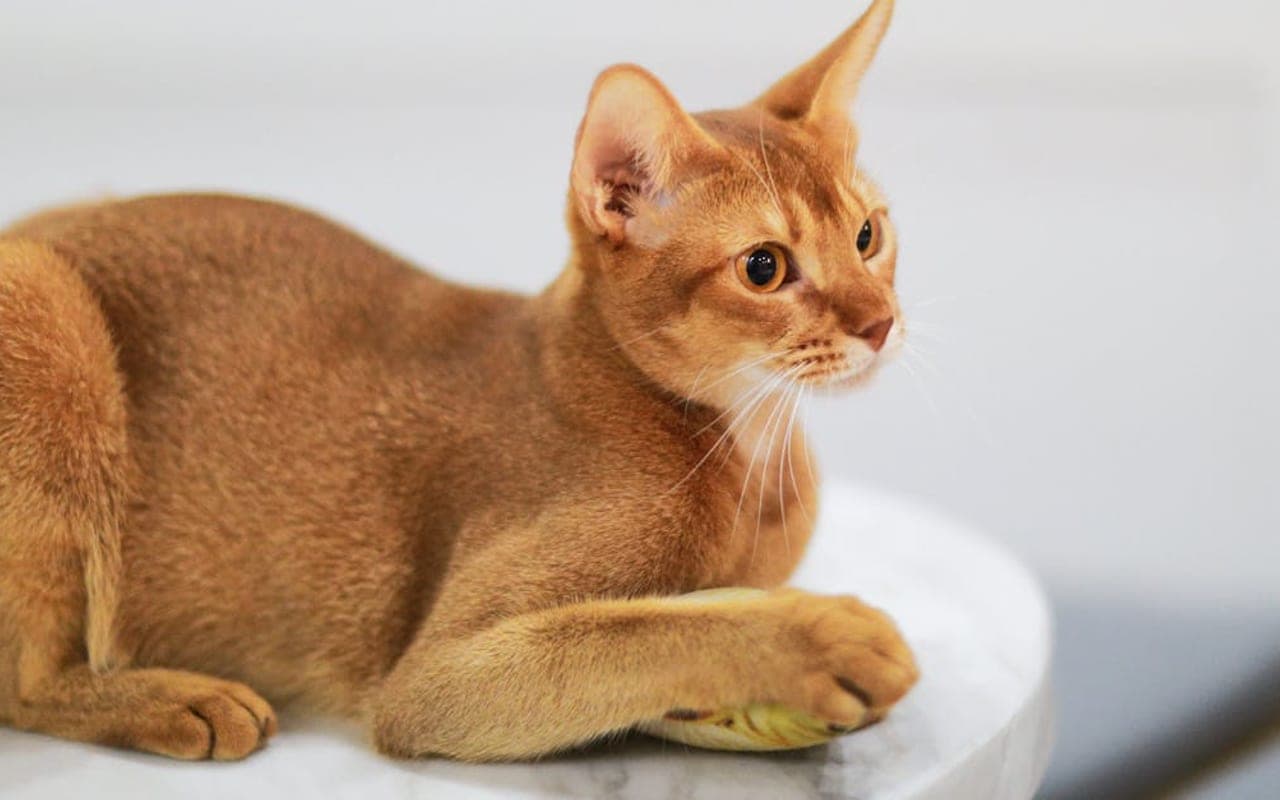
Abyssinian
Also in the Shorthair group, with different care and temperament tradeoffs.
Explore More About Pixie-bob
Dive deeper into everything Pixie-bob — costs, care, and expert insights.
Considering a dog instead?
Browse Dogs