
Longhair group
Ragamuffin
The Ragamuffin is the Ragdoll's split-off sibling, and that lineage is the single fact that explains its size, temperament, and — most importantly — its health watch-list.
Size
10-20 lb
Lifespan
12-16 years
Play
15-30 minutes
Shedding
Moderate
Experience
Match to owner routine
Decision first
Is a Ragamuffin right for you?
Start with fit before history or trivia. These are ownership signals, not guarantees about any individual cat.
Best suited for
- Households with children.
- Homes with other compatible pets.
- Apartment homes with a consistent routine.
- Owners seeking a manageable indoor routine with predictable care.
Think carefully if
- You need a cat with almost no daily routine.
- You cannot keep up with grooming and preventive care.
- The cat will spend most days without interaction or enrichment.
Conditional fit
Apartment fit depends on vertical space, litter setup, play, enrichment, and noise tolerance.
Daily reality
Ragamuffin commitment snapshot
Daily play
15-30 minutes
Match play and enrichment to age, health, appetite, and household routine.
Coat care
Moderate
Grooming needs vary by coat, shedding, and lifestyle.
Social needs
Needs planning
Most cats still need predictable contact, enrichment, litter care, and monitoring.
Structured facts
Ragamuffin at a glance
The measurements and traits that most affect day-to-day life with this breed.
Origin
United States
Group
Longhair
Weight
10-20 lb
Height
10-12 in
Lifespan
12-16 years
Temperament
Affectionate | Friendly | Gentle | Calm
View all characteristics and methodology
Lifestyle fit
- Apartment suitabilityWorks best with clean litter setup, vertical space, and daily enrichment.
- Likely fit
- Child friendliness
- Often good, with socialisation and supervision
- Other-pet fit
- Often compatible with careful introductions
- Adaptability
- Very high
Owner commitment
- Daily play
- 15-30 minutes
- Grooming
- Moderate
- Shedding
- Moderate
- Indoor enrichment
- Moderate
Behavior
- Affection
- Very high
- Energy
- Moderate
- Vocalization
- Low
- Social needs
- Moderate
Environment and health
- Intelligence
- Very high
- Health risk
- Needs planning
- Weight sensitivity
- Routine monitoring
Ratings combine structured breed data, visible breed fields, and editorial context. They are planning aids, not predictions for an individual cat.
Daily life
Ragamuffin temperament and behavior
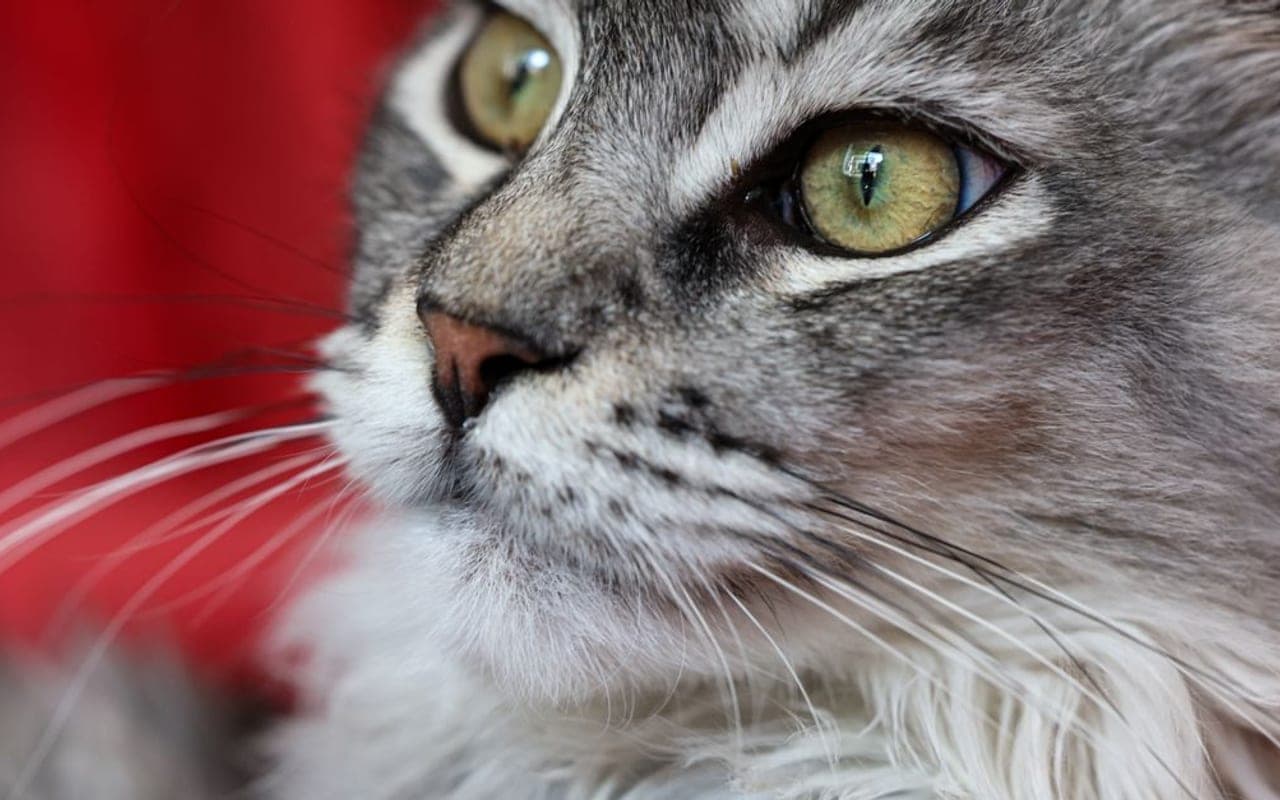
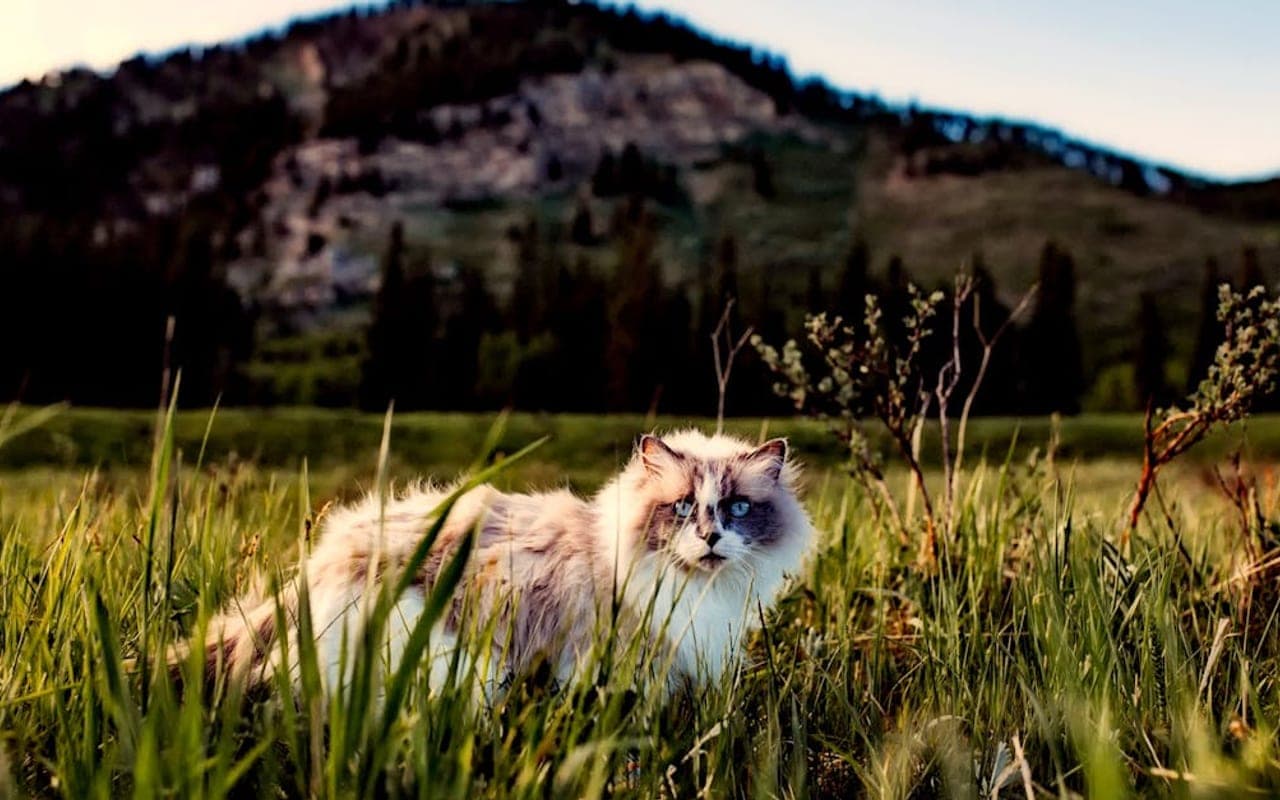
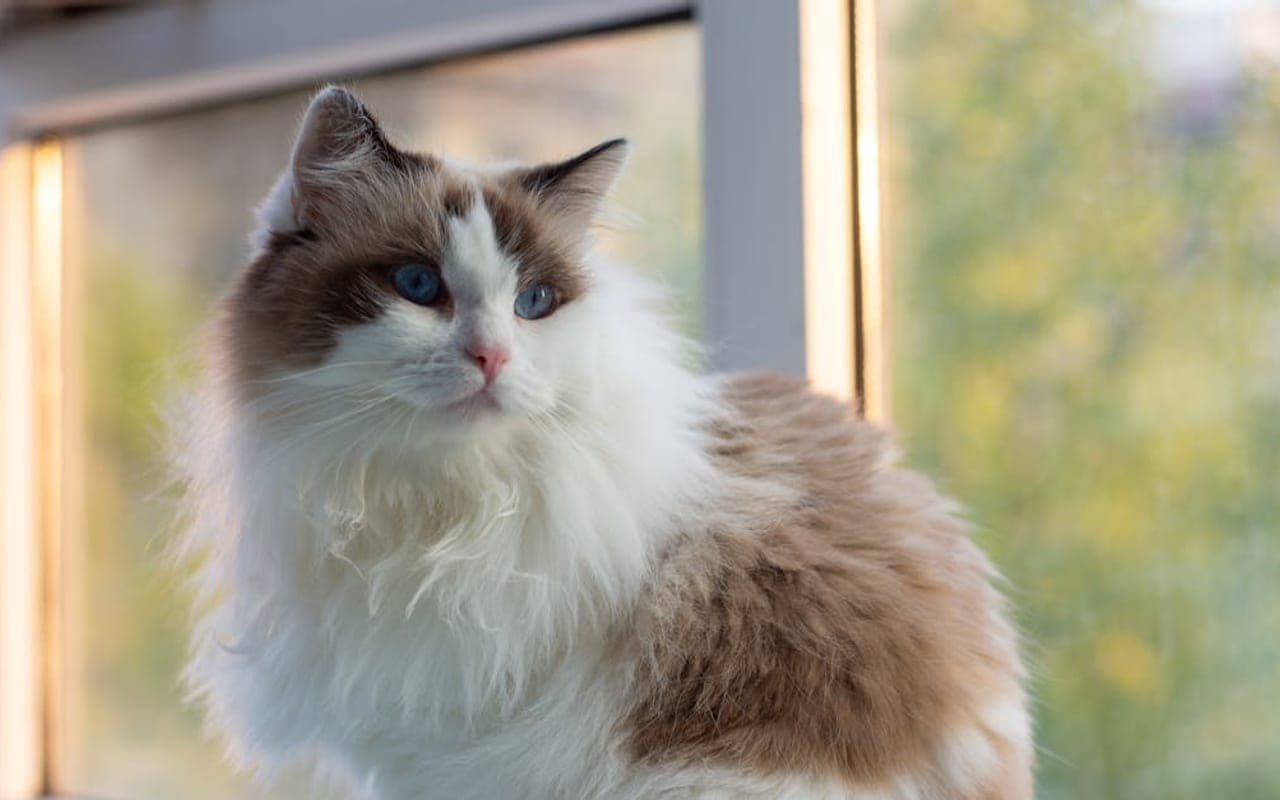
The Ragamuffin is the Ragdoll's split-off sibling, and that lineage is the single fact that explains its size, temperament, and — most importantly — its health watch-list. In 1994 a group of breeders left Ann Baker's IRCA Ragdoll registry; because Baker trademarked the 'Ragdoll' name, they renamed their cats Ragamuffins and continued the line, outcrossing to Persians, Himalayans, and domestic longhairs to widen the gene pool. So a Ragamuffin is genetically a Ragdoll-derived breed with Persian influence, and the honest version of its health profile follows directly from that: it inherits the Ragdoll's hypertrophic cardiomyopathy risk and the Persian-line polycystic kidney disease risk. Those two named conditions are the reason breeder genetic testing matters here far more than coat color. Physically the Ragamuffin is a big cat — males commonly 15-20 lb, females 10-15 lb — that matures slowly over about four years, with a heavy, rabbit-soft semi-long coat, a sweet open expression, large walnut-shaped eyes, and a full color and pattern range (the visible difference from the colorpoint-restricted Ragdoll). It is muscular but not athletic; this is a floor cat, not a climber. Temperament is the breed's headline and a genuine selling point: Ragamuffins are calm, lap-seeking, tolerant of handling and routine change, often go limp when picked up, and frequently greet people at the door. They are gentle to the point of being poor at self-defense, which makes them ideal indoor companions and unsuitable for free-roaming. Who the Ragamuffin is right for: a household wanting a docile, affectionate, large indoor cat and willing to ask a breeder for HCM and PKD test results. Who it is wrong for: anyone wanting a low-cost kitten skipping health screening, or an indoor/outdoor cat — the breed's trusting nature is a liability outdoors.
Affectionate | Friendly | Gentle | Calm
Affectionate
A common Ragamuffin temperament descriptor that should be interpreted alongside enrichment, handling, and household fit.
Friendly
A common Ragamuffin temperament descriptor that should be interpreted alongside enrichment, handling, and household fit.
Gentle
A common Ragamuffin temperament descriptor that should be interpreted alongside enrichment, handling, and household fit.
Calm
A common Ragamuffin temperament descriptor that should be interpreted alongside enrichment, handling, and household fit.
Owner note
Temperament labels are starting points, not guarantees. Meet the individual cat and ask about behavior history whenever possible.
Care essentials
How to care for a Ragamuffin
What looking after one actually involves: play, grooming, food, litter, and routine health.
ExerciseAs needed
- Moderately active breed that enjoys regular play sessions and exploration. Provide toys and occasional interactive games.
GroomingAs needed
- Brush 2-3 times per week to maintain coat health and reduce shedding. Monthly bathing may be beneficial.
NutritionAs needed
- Feed a high-quality cat food appropriate for their age and activity level. Maintain fresh water at all times. Monitor weight to prevent obesity.
SocializationAs needed
- Enjoys human company and interaction. Can tolerate some alone time but prefers regular companionship.
Veterinary CareAs needed
- Annual wellness exams, vaccinations, dental checkups, and parasite prevention. Spay/neuter recommended if not breeding.
Health planning
Ragamuffin health risks and screening
Every cat breed has individual health variation. Use this profile for planning and discuss medical decisions with a veterinarian.
Responsible ownership
Finding a Ragamuffin responsibly
What to ask a breeder or rescue is the same conversation for every breed, so we keep it in one place and keep it current.
Health documentation, meeting the parents or foster, contracts and return support, and the warning signs worth walking away from.
Original purpose
Ragamuffin history
History is useful when it explains today's behavior, coat, exercise needs, and training style.
Read the breed history
The Ragamuffin's history is inseparable from the Ragdoll's. Both trace to Ann Baker of Riverside, California, who developed the Ragdoll from domestic longhairs in the 1960s and built a tightly controlled franchise registry, the IRCA. In 1994 a group of IRCA breeders broke away over restrictive rules; barred from using Baker's trademarked 'Ragdoll' name, they renamed their cats 'Ragamuffin' — a tongue-in-cheek label that stuck. To establish an independent, healthy gene pool they outcrossed to Persians, Himalayans, and domestic longhairs, which is why the Ragamuffin allows a far wider color and pattern range than the colorpoint-restricted Ragdoll, and why Persian-line conditions like polycystic kidney disease entered the breed. The CFA accepted the Ragamuffin for championship status in 2011. The breed is therefore young as a named breed but genetically old, carrying both Ragdoll and Persian inheritance.
Gallery
Ragamuffin photos
Images are cropped consistently and loaded progressively to keep the page responsive.
Lower-page context
Ragamuffin cats in culture
Where the breed shows up in film, sport, work and folklore — the enjoyable part, once the practical questions are answered.
Fun facts
- The Ragamuffin originated in United States.
- Ragamuffin cats are considered one of the most intelligent cat breeds.
- The Ragamuffin is a true lap cat that loves to curl up with their owners.
- Ragamuffin cats are exceptionally dog-friendly and can live harmoniously with canine companions.
Ragamuffin FAQs
How long do Ragamuffin cats live?
A Ragamuffin typically lives 12-16 years, and indoor cats from health-screened lines often reach the upper end. Lifespan here is driven less by breed lottery and more by two things: whether the parents were genetically tested for HCM and PKD, and whether the owner keeps this large, food-motivated cat lean. An obese Ragamuffin with un-screened cardiac genetics is the short-lived profile; a lean, indoor, screened-line cat is the long one.
What is the difference between a Ragamuffin and a Ragdoll?
They share an origin and a temperament but split in 1994 over registry politics, not biology. The practical differences: Ragamuffins come in the full range of colors and patterns while Ragdolls are restricted to colorpoint; Ragamuffins have rounder, walnut-shaped eyes versus the Ragdoll's blue almond eyes. Health-wise they overlap heavily — both carry the Ragdoll HCM risk, and the Ragamuffin additionally carries Persian-line PKD from its foundation outcrosses.
Are Ragamuffin cats good with children?
Exceptionally — this is one of the breed's strongest features. Ragamuffins are large, sturdy, patient, tolerant of handling, and slow to anger, often going limp when carried. They suit families well. The one honest caution is the inverse of the usual one: the breed is so non-defensive that it may not remove itself from rough handling, so supervise young children to protect the cat, and never let this trusting breed roam outdoors.
How much does a Ragamuffin cat cost, and where does the real cost go?
Expect roughly $1,000-$2,500 for a pet-quality Ragamuffin from a registered breeder. The cost that actually matters is the screening: a breeder who provides HCM and PKD genetic test results for both parents is selling you risk reduction on two potentially five-figure conditions. HCM management, cardiology, and renal-failure care over a lifetime dwarf the kitten price, so paying more for tested parents is the cheapest insurance available in this breed.
How much grooming does a Ragamuffin need?
Moderate — about 10 minutes, two to three times a week, with a stainless steel comb through the ruff, armpits, britches, and tail where the semi-long coat mats first, increasing during seasonal sheds. The coat is plusher but less mat-prone than a Persian's, so it is manageable, but skipping weeks leads to pelt mats that need a veterinary shave. Pair grooming with a hands-on weight check, since the coat hides body condition.
Should I let my Ragamuffin go outdoors?
No, and this is a health recommendation, not a lifestyle preference. The breed was selected for a docile, trusting, non-defensive temperament — exactly the traits that make a free-roaming Ragamuffin disproportionately likely to be hit by a car, taken by a predator, or stolen. Indoor-only housing, with enrichment and play to compensate, is how you actually protect a cat whose personality is its biggest outdoor liability.
Sources
These are the published sources this page draws on. Each opens in a new tab so you can check it yourself.
Cat Fanciers' Association
Ragamuffin — breed standard and profile(opens in a new tab)Supports: Breed standard and recognition details.
Similar breeds to consider
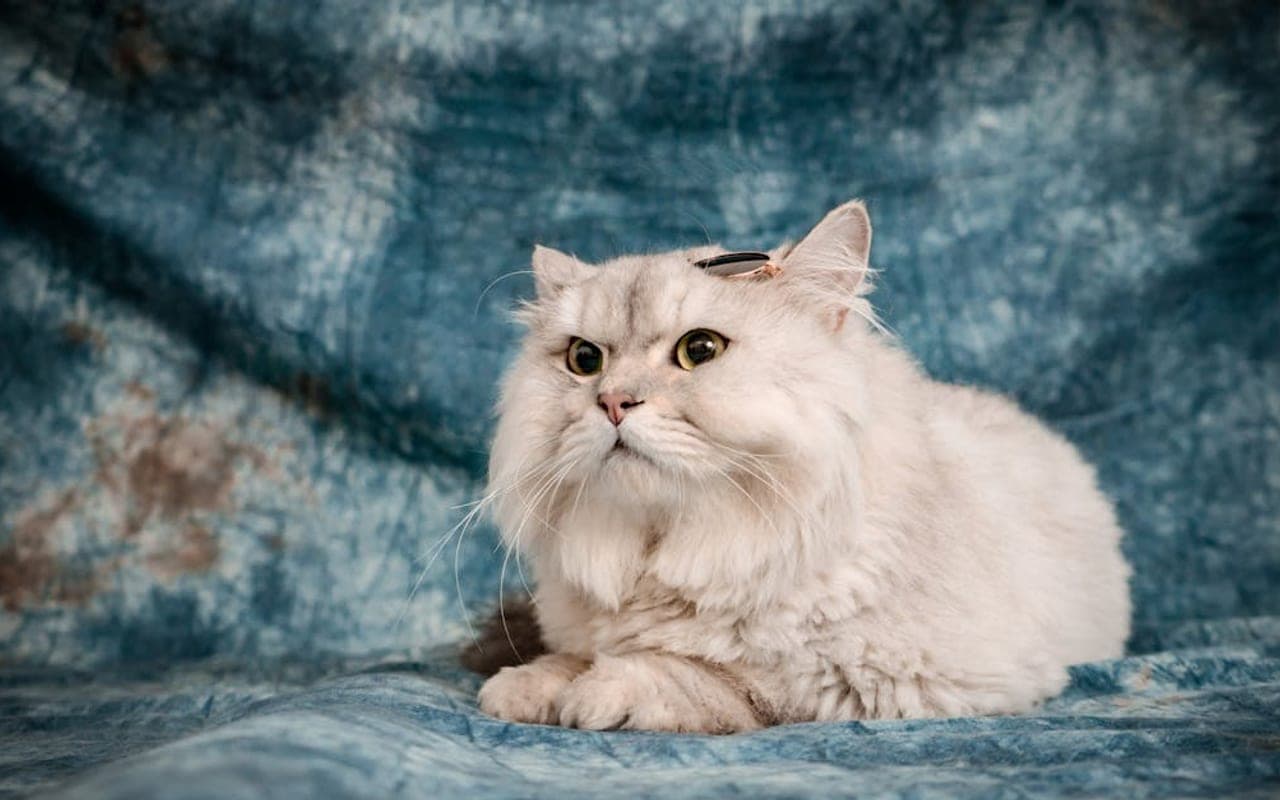
Persian
Also in the Longhair group, with different care and temperament tradeoffs.
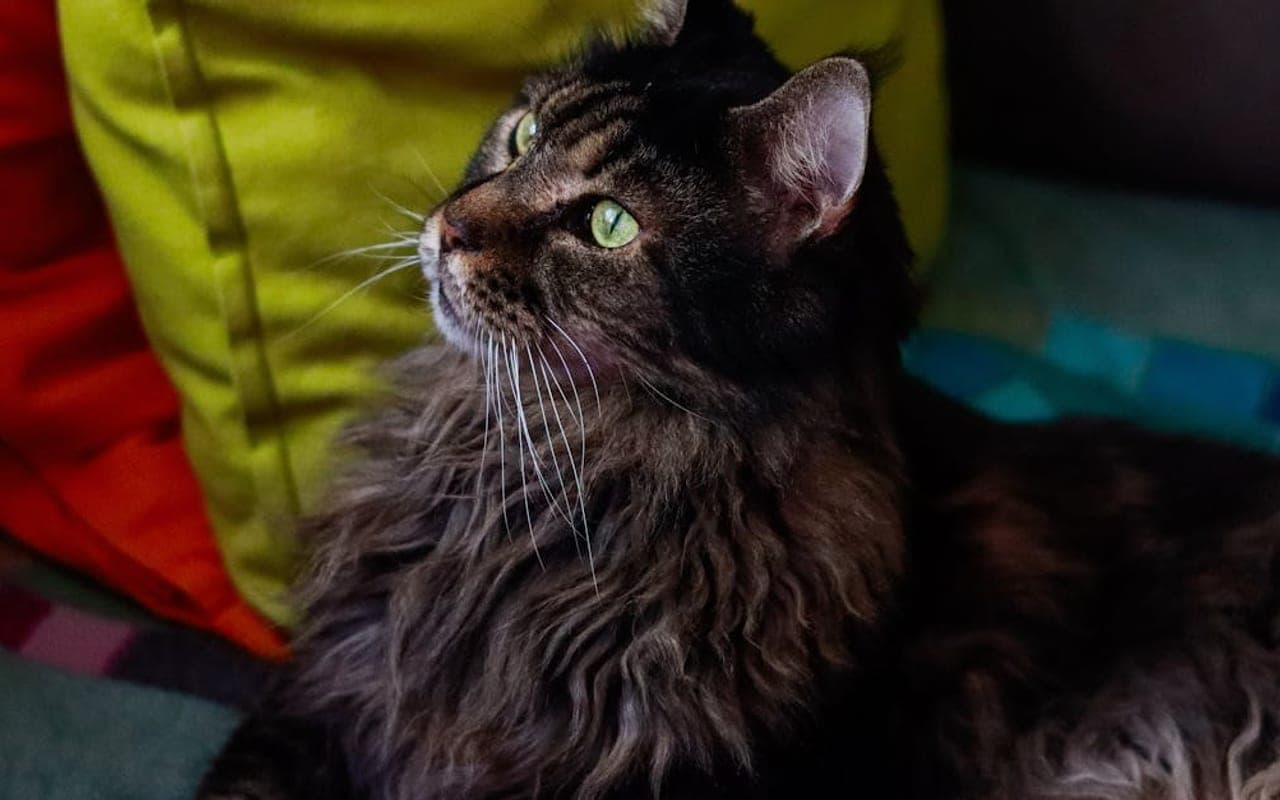
Maine Coon
Also in the Longhair group, with different care and temperament tradeoffs.
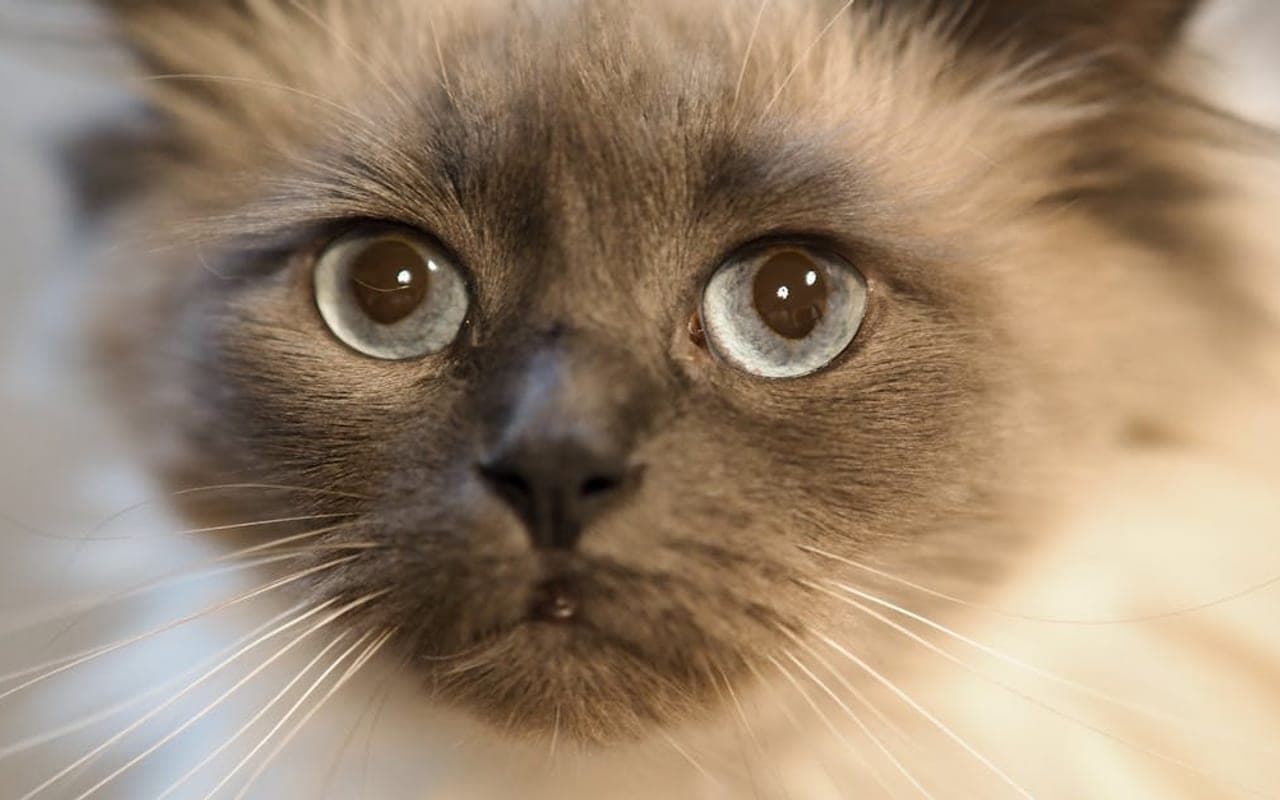
Ragdoll
Also in the Longhair group, with different care and temperament tradeoffs.
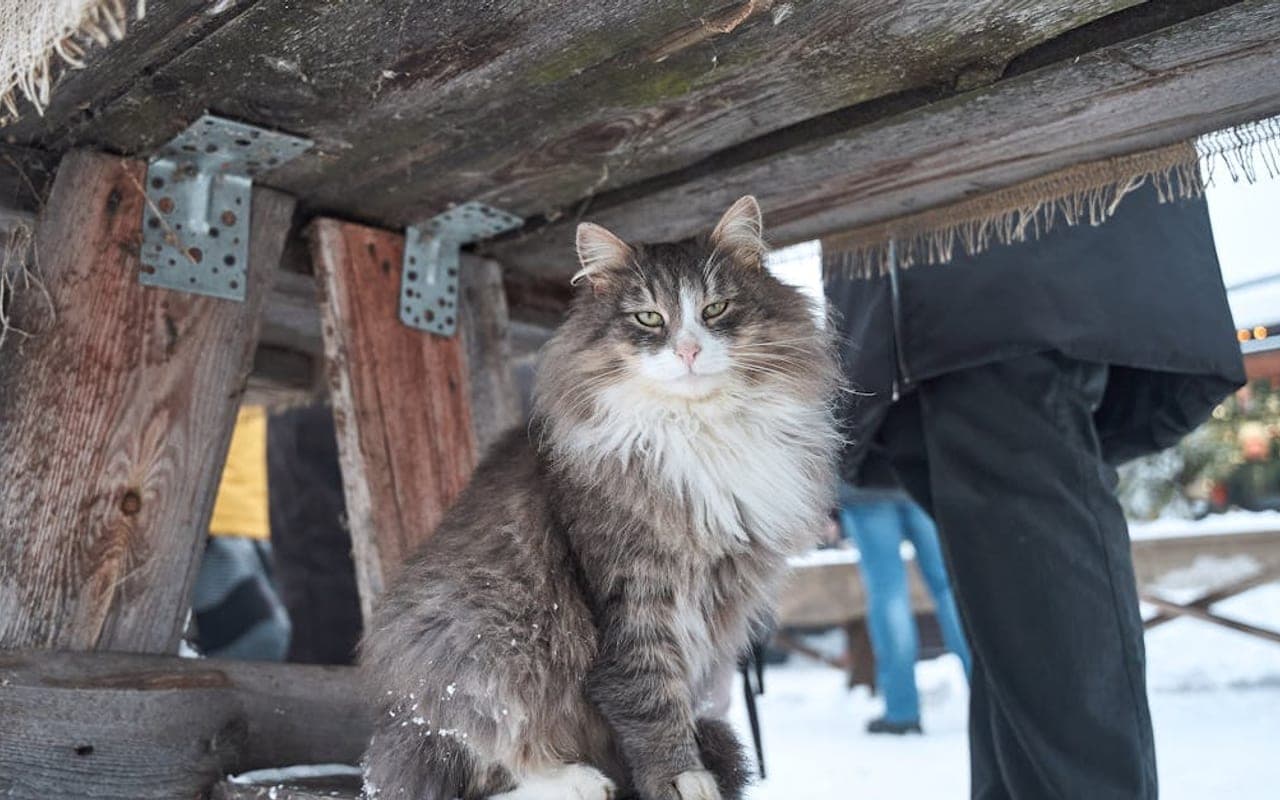
Norwegian Forest Cat
Also in the Longhair group, with different care and temperament tradeoffs.
Explore More About Ragamuffin
Dive deeper into everything Ragamuffin — costs, care, and expert insights.
Considering a dog instead?
Browse Dogs