
Shorthair group
Savannah
The Savannah is a domestic cat crossed with the serval, an African wild cat — and the single number that defines everything about ownership is the generation, written as F1 through F5+.
Size
11-31 lb
Lifespan
17-20 years
Play
30-60 minutes
Shedding
Moderate
Experience
Match to owner routine
Decision first
Is a Savannah right for you?
Start with fit before history or trivia. These are ownership signals, not guarantees about any individual cat.
Best suited for
- Households with children.
- Homes with other compatible pets.
- Apartment homes with a consistent routine.
- Owners who can provide daily play, climbing space, and enrichment.
Think carefully if
- You cannot provide daily play, climbing space, or mental enrichment.
- You cannot keep up with grooming and preventive care.
- The cat will spend most days without interaction or enrichment.
Conditional fit
Apartment fit depends on vertical space, litter setup, play, enrichment, and noise tolerance.
Daily reality
Savannah commitment snapshot
Daily play
30-60 minutes
Match play and enrichment to age, health, appetite, and household routine.
Coat care
Low
Grooming needs vary by coat, shedding, and lifestyle.
Social needs
Needs planning
Most cats still need predictable contact, enrichment, litter care, and monitoring.
Structured facts
Savannah at a glance
The measurements and traits that most affect day-to-day life with this breed.
Origin
United States
Group
Shorthair
Weight
11-31 lb
Height
10-17 in
Lifespan
17-20 years
Temperament
Curious | Social | Intelligent | Loyal | Outgoing | Adventurous | Affectionate
View all characteristics and methodology
Lifestyle fit
- Apartment suitabilityWorks best with clean litter setup, vertical space, and daily enrichment.
- Likely fit
- Child friendliness
- Often good, with socialisation and supervision
- Other-pet fit
- Often compatible with careful introductions
- Adaptability
- Very high
Owner commitment
- Daily play
- 30-60 minutes
- Grooming
- Low
- Shedding
- Moderate
- Indoor enrichment
- High
Behavior
- Affection
- Very high
- Energy
- Very high
- Vocalization
- Low
- Social needs
- Very high
Environment and health
- Intelligence
- Very high
- Health risk
- Needs planning
- Weight sensitivity
- Routine monitoring
Ratings combine structured breed data, visible breed fields, and editorial context. They are planning aids, not predictions for an individual cat.
Daily life
Savannah temperament and behavior
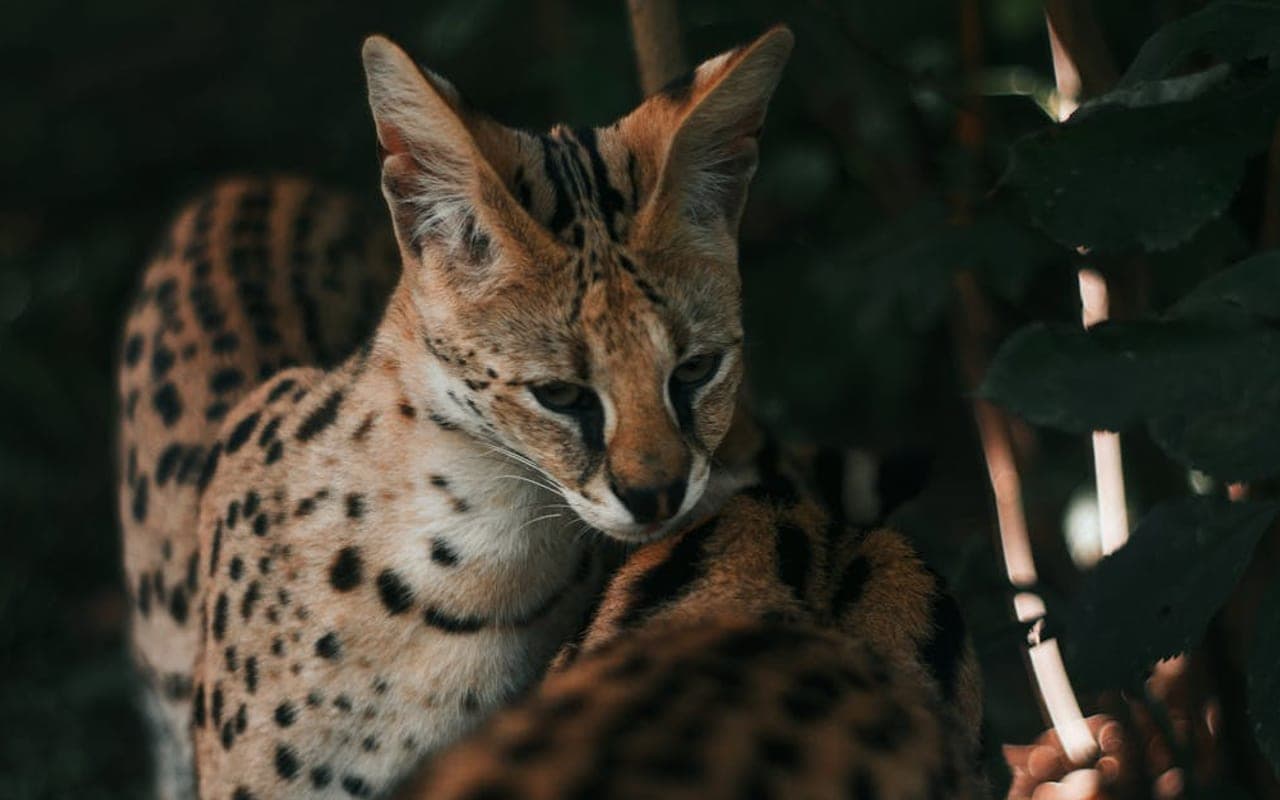
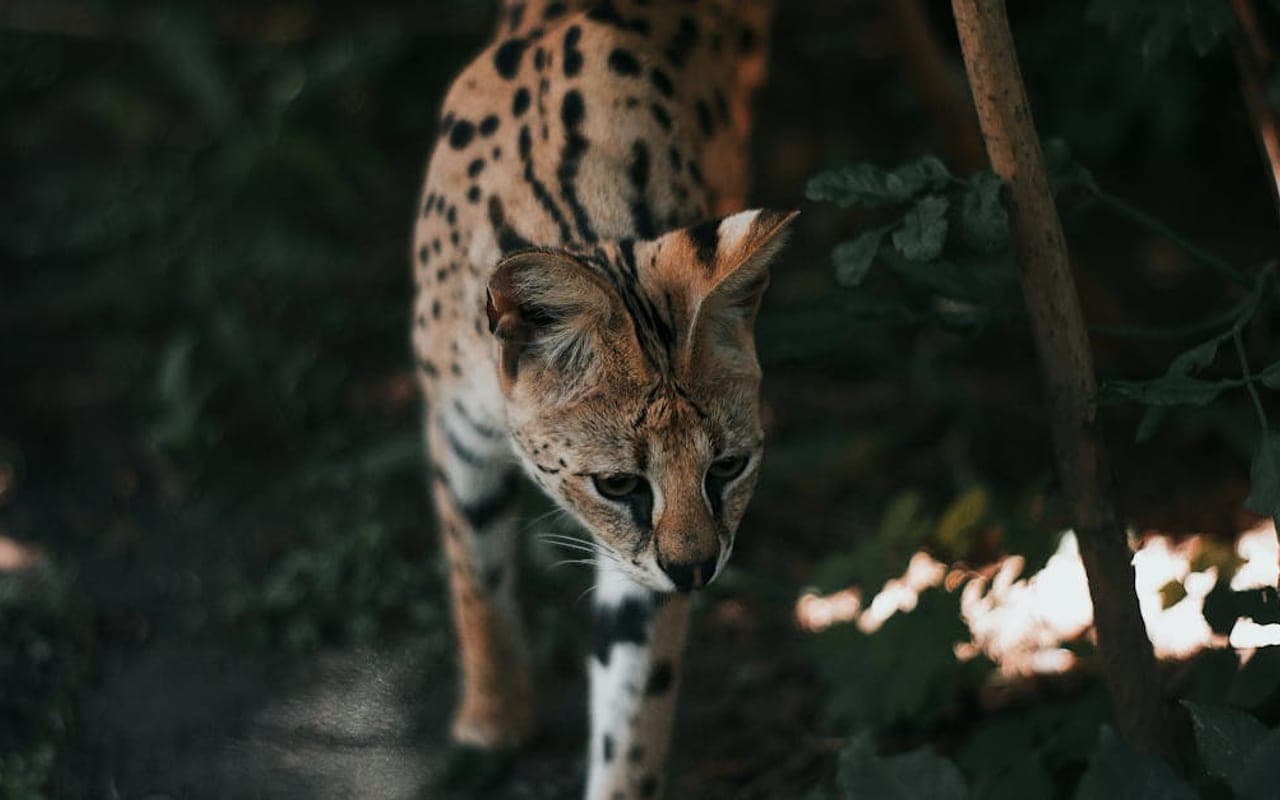
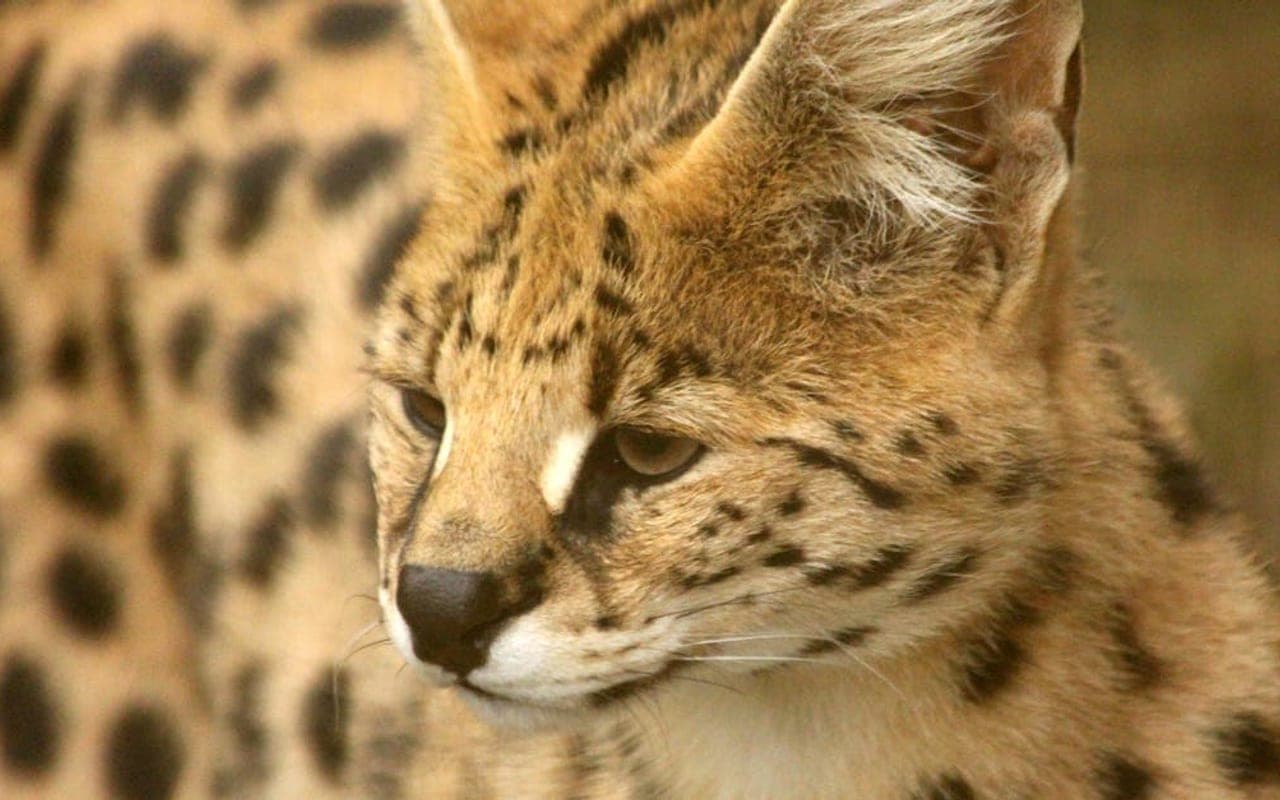
The Savannah is a domestic cat crossed with the serval, an African wild cat — and the single number that defines everything about ownership is the generation, written as F1 through F5+. F1 means one parent was a pure serval; F2 a grandparent; F3 a great-grandparent, and so on. That number drives size, price, temperament, anesthesia risk, and whether the cat is even legal where you live. Anyone selling you a Savannah without leading with the filial generation is selling you a problem. F1 Savannahs are huge for a cat — often 5.5 to 11+ kg, tall and dog-like, intensely bonded, and demanding. By F4-F5 the cat is closer to a large, athletic domestic shorthair (roughly 4-7 kg) with the spotted coat but a far more manageable temperament. All generations are highly intelligent, leash-trainable, water-loving, prone to leaping to the top of doors and refrigerators, and known to 'pout' when excluded from the family's activity. Legality is not optional fine print. Because of the wild serval ancestry, F1-F2 (sometimes F3) Savannahs are restricted or outright banned in numerous U.S. states (Hawaii bans all generations), several Canadian provinces, Australia, and other countries. Confirm your state and municipal rules in writing before, not after, you commit. Who the Savannah is right for: an experienced, present owner who wants an interactive, near-canine cat, will choose a higher generation (F3-F5) unless equipped for a wild-type animal, and has verified local legality. Who it is wrong for: anyone who wants a quiet lap cat, travels constantly, or assumes 'spotted cat' means 'easy cat.' The generation number is the whole decision — make it consciously.
Curious | Social | Intelligent | Loyal | Outgoing | Adventurous | Affectionate
Curious
A common Savannah temperament descriptor that should be interpreted alongside enrichment, handling, and household fit.
Social
A common Savannah temperament descriptor that should be interpreted alongside enrichment, handling, and household fit.
Intelligent
A common Savannah temperament descriptor that should be interpreted alongside enrichment, handling, and household fit.
Loyal
A common Savannah temperament descriptor that should be interpreted alongside enrichment, handling, and household fit.
Owner note
Temperament labels are starting points, not guarantees. Meet the individual cat and ask about behavior history whenever possible.
Care essentials
How to care for a Savannah
What looking after one actually involves: play, grooming, food, litter, and routine health.
ExerciseAs needed
- Active and playful breed requiring daily interactive play sessions with toys, climbing structures, and mental stimulation.
GroomingAs needed
- Low-maintenance coat requiring weekly brushing. Occasional bathing as needed.
NutritionAs needed
- Feed a high-quality cat food appropriate for their age and activity level. Maintain fresh water at all times. Monitor weight to prevent obesity.
SocializationAs needed
- Highly social breed that thrives on companionship. Does not do well left alone for extended periods. Consider a companion pet.
Veterinary CareAs needed
- Annual wellness exams, vaccinations, dental checkups, and parasite prevention. Spay/neuter recommended if not breeding.
Health planning
Savannah health risks and screening
Every cat breed has individual health variation. Use this profile for planning and discuss medical decisions with a veterinarian.
Responsible ownership
Finding a Savannah responsibly
What to ask a breeder or rescue is the same conversation for every breed, so we keep it in one place and keep it current.
Health documentation, meeting the parents or foster, contracts and return support, and the warning signs worth walking away from.
Original purpose
Savannah history
History is useful when it explains today's behavior, coat, exercise needs, and training style.
Read the breed history
The Savannah began in 1986 when a Bengal breeder's domestic cat was bred to a serval, producing the first documented serval-to-domestic hybrid kitten named 'Savannah.' The breed was developed deliberately through the 1990s, accepted by The International Cat Association (TICA) for registration in 2001, and granted championship status in 2012. Its entire identity is built on a wild ancestor, which is why every responsible discussion of the breed is organized around filial generations rather than coat or color. That origin matters for owners in concrete ways: it is the reason for the legality patchwork (wild-animal hybrid laws), the anesthesia caution (hybrid drug metabolism), the size and temperament gradient across generations, and the premium price of early-generation cats. Unlike natural breeds where history is mostly trivia, the Savannah's recent hybrid origin is an active, daily ownership variable — not background.
Gallery
Savannah photos
Images are cropped consistently and loaded progressively to keep the page responsive.
Lower-page context
Savannah cats in culture
Where the breed shows up in film, sport, work and folklore — the enjoyable part, once the practical questions are answered.
Fun facts
- The Savannah originated in United States.
- Savannah cats are considered one of the most intelligent cat breeds.
- The Savannah is one of the most energetic and playful cat breeds.
- Savannah cats are exceptionally dog-friendly and can live harmoniously with canine companions.
Savannah FAQs
How long do Savannah cats live?
Savannahs are generally a robust, long-lived breed, with most published ranges falling between roughly 12 and 20 years; well-cared-for cats from health-screened lines frequently reach the upper end. Lifespan in this breed is driven less by inherited disease than by two controllables: keeping the cat lean and active, and ensuring HCM cardiac screening so the main genetic risk is caught early rather than discovered as sudden heart failure.
Are Savannah cats legal where I live?
Maybe not — and this must be verified in writing before purchase. Because of the serval ancestry, F1-F2 (sometimes F3) Savannahs are restricted or banned in numerous U.S. states, with Hawaii banning all generations, plus several Canadian provinces, Australia, and other countries. Rules vary by state AND municipality, and higher generations (F4-F5) are legal in many places where early generations are not. Confirm your specific local statute and city ordinance, in writing, before you commit money.
What does the F1, F2, F3 generation actually change for me as an owner?
Almost everything. The filial number tells you how many generations removed the cat is from a pure serval: F1 (serval parent) is largest, wildest, most demanding, most expensive, and most legally restricted; each subsequent generation is smaller, more domestic in temperament, cheaper, and more broadly legal. An F1 can exceed 11 kg and behave like a wild animal; an F5 is a large athletic house cat. Choosing the generation is the single biggest decision you make about this breed.
Is there anything special my vet must know about a Savannah?
Yes — and it can be life-or-death: ketamine should be avoided for sedation or anesthesia in Savannahs and servals. As a hybrid, drug metabolism is unpredictable, ketamine cannot be reversed, and these cats' stress physiology alters anesthetic requirements. The documented safer approach is gas anesthesia (isoflurane or sevoflurane). State this verbally and have it written on the chart before any procedure; do not assume a general-practice clinic already knows this breed-specific caution.
Are Savannah cats good with children and other pets?
Generally yes, especially in higher generations — they are confident, social, dog-like, and often live well with cat-savvy dogs and respectful older children. The caveats: a large, powerful, high-energy cat can overwhelm toddlers or timid pets through sheer intensity, not malice; and early-generation (F1-F2) cats are stronger-willed and need experienced handling. Supervise young children, provide escape-height perches for other pets, and match the generation to your household's experience level.
How much does a Savannah cat cost to buy and own?
Purchase price is generation-driven and steep: F1 kittens commonly run $12,000-$25,000+, F2 roughly $4,000-$9,000, dropping to around $1,000-$5,000 for F4-F5 from registered breeders. Lifetime ownership cost is moderate if you buy from HCM- and PK-Def-screened lines, since the breed is otherwise hardy — but plan for the enrichment investment (tall cat furniture, secure outdoor space, durable toys) and choose a vet experienced with hybrids so the anesthesia caution is never overlooked.
Sources
These are the published sources this page draws on. Each opens in a new tab so you can check it yourself.
The International Cat Association
Savannah — TICA breed standard(opens in a new tab)Supports: Breed standard and recognition details.
Similar breeds to consider
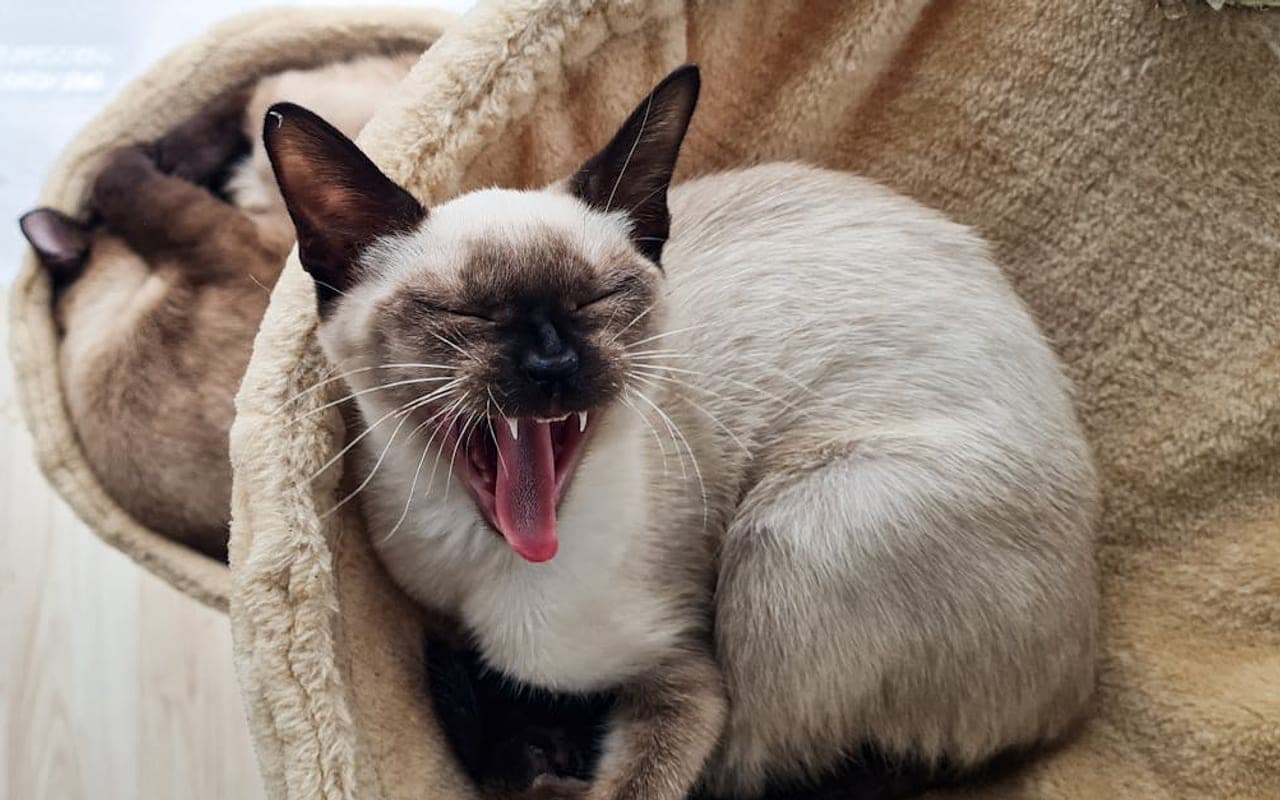
Siamese
Also in the Shorthair group, with different care and temperament tradeoffs.
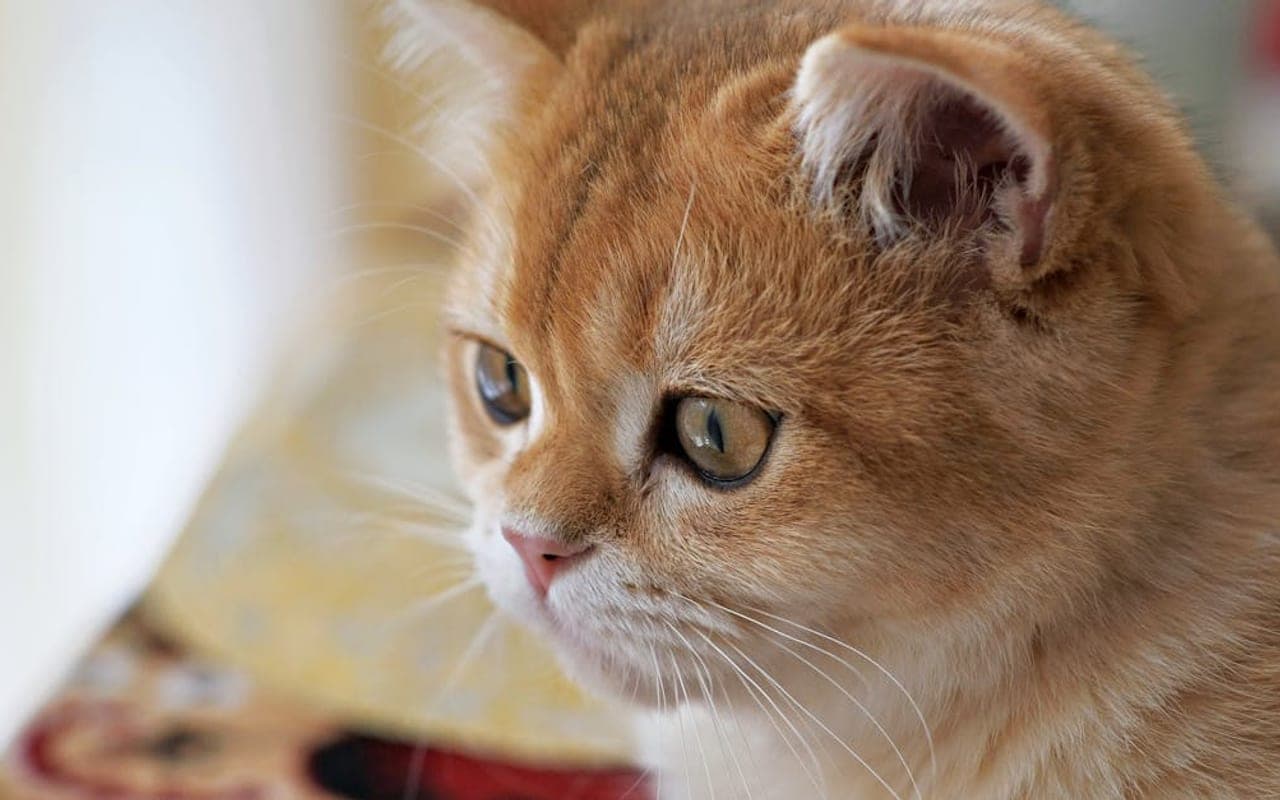
British Shorthair
Also in the Shorthair group, with different care and temperament tradeoffs.
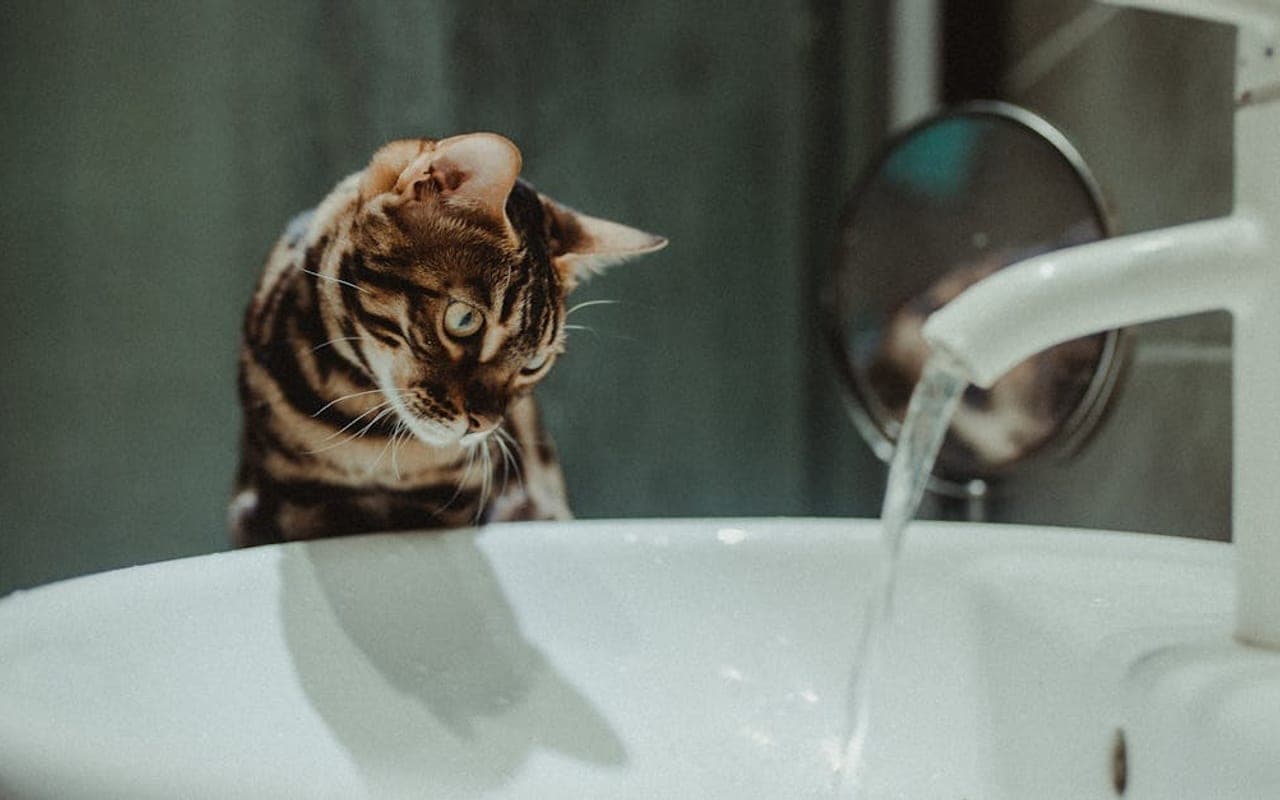
Bengal
Also in the Shorthair group, with different care and temperament tradeoffs.
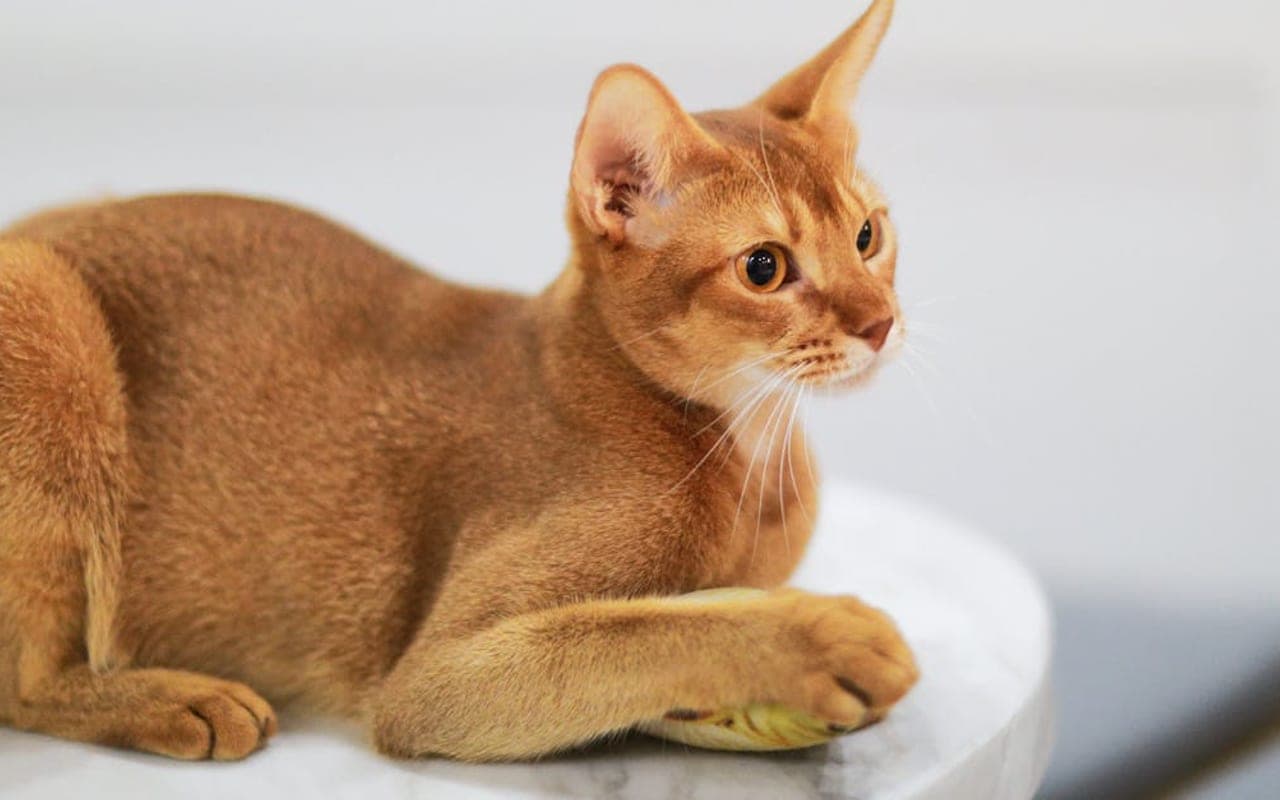
Abyssinian
Also in the Shorthair group, with different care and temperament tradeoffs.
Explore More About Savannah
Dive deeper into everything Savannah — costs, care, and expert insights.
Cat Nutrition Guide: What Cats Actually Need to Eat
Cats are obligate carnivores, which means they are...
Kitten-Proofing Your Home: The Hazards Owners Miss
A single lily leaf — or even the pollen brushed off one — can put a kitten into acute...
Considering a dog instead?
Browse Dogs