
Longhair group
Siberian
The Siberian is a robust natural forest cat from Russia, and it is bought for two reasons that pull in opposite directions: its reputation as a lower-allergen cat, and its genuinely high heart-disease risk.
Size
10-20 lb
Lifespan
12-15 years
Play
30-60 minutes
Shedding
Moderate
Experience
Match to owner routine
Decision first
Is a Siberian right for you?
Start with fit before history or trivia. These are ownership signals, not guarantees about any individual cat.
Best suited for
- Households with children.
- Homes with other compatible pets.
- Apartment homes with a consistent routine.
- Owners who can provide daily play, climbing space, and enrichment.
Think carefully if
- You cannot provide daily play, climbing space, or mental enrichment.
- You cannot keep up with grooming and preventive care.
- The cat will spend most days without interaction or enrichment.
Conditional fit
Apartment fit depends on vertical space, litter setup, play, enrichment, and noise tolerance.
Daily reality
Siberian commitment snapshot
Daily play
30-60 minutes
Match play and enrichment to age, health, appetite, and household routine.
Coat care
Low
Grooming needs vary by coat, shedding, and lifestyle.
Social needs
Needs planning
Most cats still need predictable contact, enrichment, litter care, and monitoring.
Structured facts
Siberian at a glance
The measurements and traits that most affect day-to-day life with this breed.
Origin
Russia
Group
Longhair
Weight
10-20 lb
Height
9-11 in
Lifespan
12-15 years
Temperament
Curious | Intelligent | Loyal | Sweet | Agile | Playful | Affectionate
View all characteristics and methodology
Lifestyle fit
- Apartment suitabilityWorks best with clean litter setup, vertical space, and daily enrichment.
- Likely fit
- Child friendliness
- Often good, with socialisation and supervision
- Other-pet fit
- Often compatible with careful introductions
- Adaptability
- Very high
Owner commitment
- Daily play
- 30-60 minutes
- Grooming
- Low
- Shedding
- Moderate
- Indoor enrichment
- High
Behavior
- Affection
- Very high
- Energy
- Very high
- Vocalization
- Low
- Social needs
- High
Environment and health
- Intelligence
- Very high
- Health risk
- Needs planning
- Weight sensitivity
- Routine monitoring
Ratings combine structured breed data, visible breed fields, and editorial context. They are planning aids, not predictions for an individual cat.
Daily life
Siberian temperament and behavior
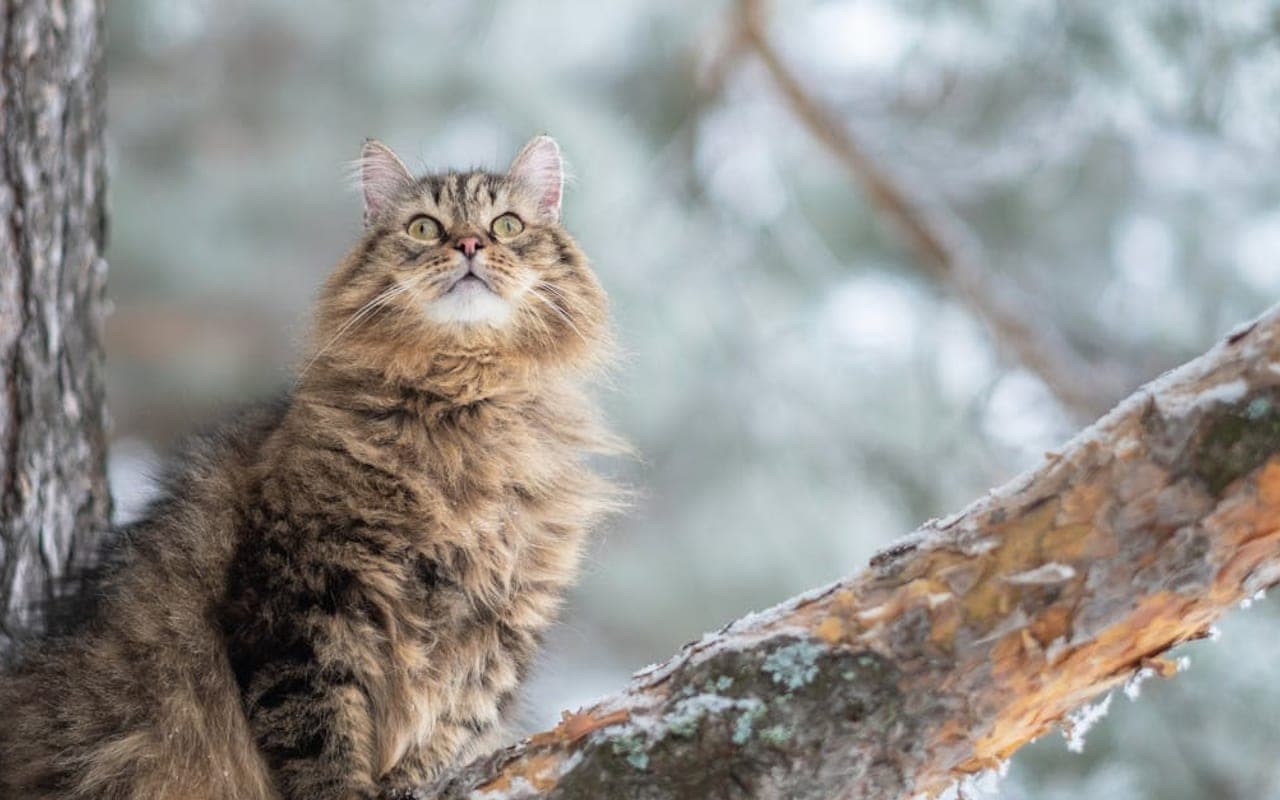
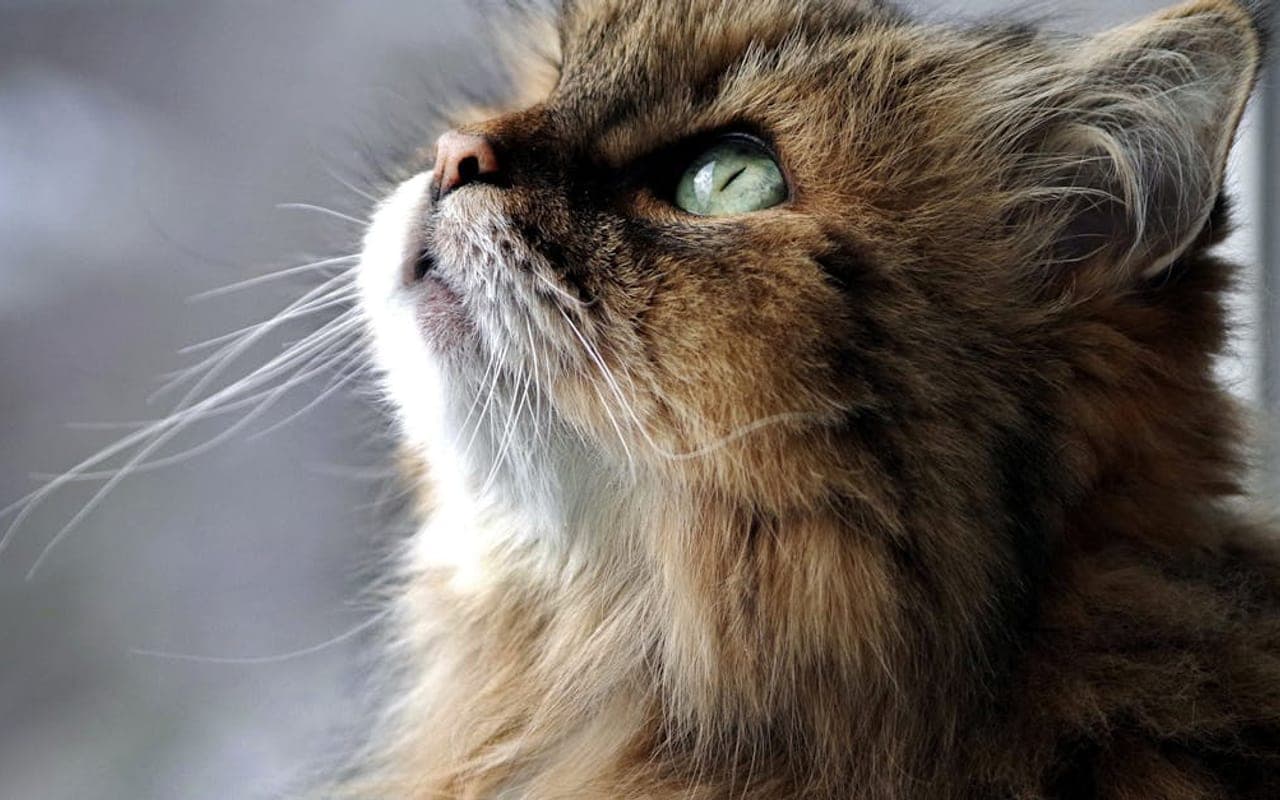
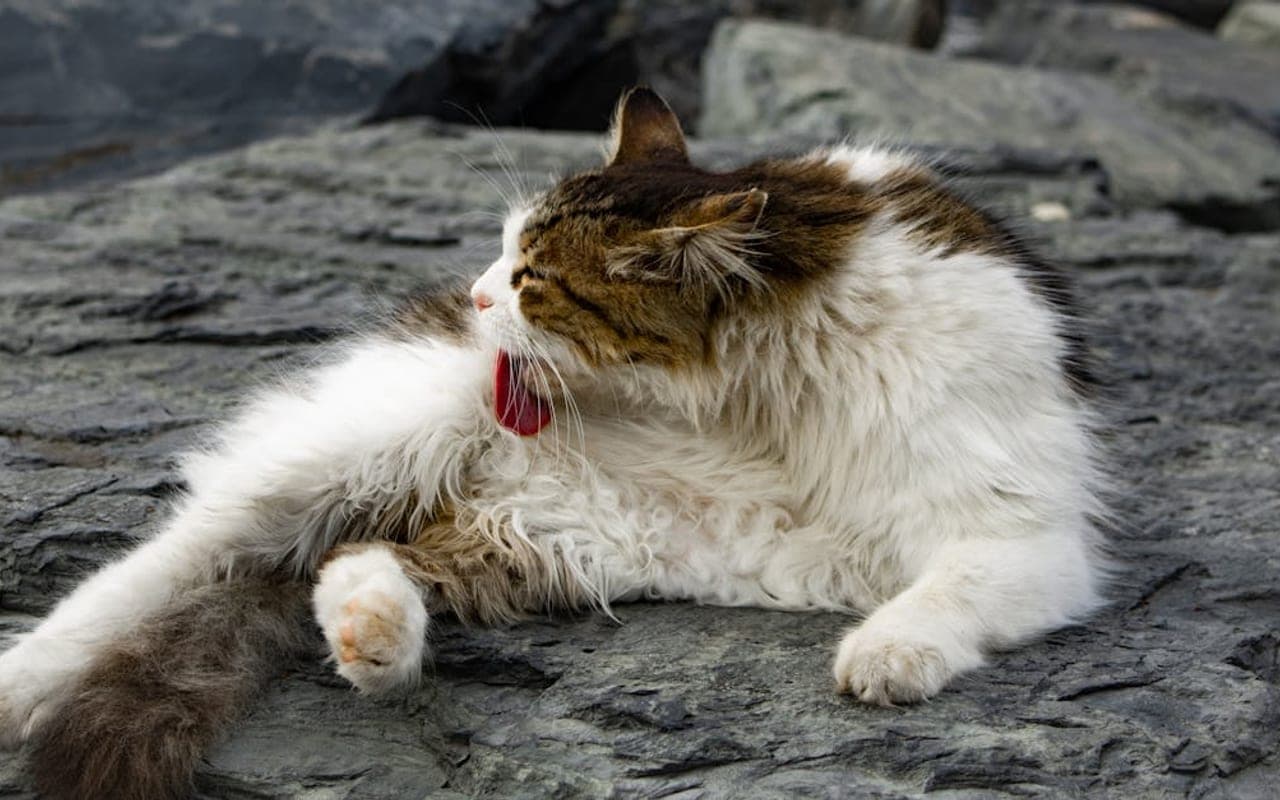
The Siberian is a robust natural forest cat from Russia, and it is bought for two reasons that pull in opposite directions: its reputation as a lower-allergen cat, and its genuinely high heart-disease risk. An honest profile has to hold both. This is a sturdy, long-lived breed with no exotic genetic catastrophe — but hypertrophic cardiomyopathy (HCM) is meaningfully prevalent in it, including in young cats, and that single fact should shape how you buy and monitor one. Physically the Siberian is a powerful, medium-to-large cat (typically 4-7 kg, males larger) with a triple-layered water-resistant coat, a broad head, big paws, and athletic hindquarters that let it leap to the tops of doors and refrigerators with ease. The coat thickens into a full ruff and 'britches' in winter and sheds heavily seasonally. Temperament is famously dog-like: people-bonded, playful well into adulthood, often fascinated by water, sociable with children, dogs, and other cats, and quietly chirpy rather than loud. The allergy claim deserves precision, not hype: Siberians produce, on average, lower levels of Fel d 1 — the primary cat allergen — than most breeds, and many allergy sufferers tolerate them. But 'lower on average' is not 'allergen-free,' levels vary cat to cat, and no cat is reliably hypoallergenic. Anyone buying for allergy reasons should test-expose to the specific cat first. Who the Siberian is right for: a household wanting an affectionate, sturdy, interactive cat, willing to manage a heavy seasonal coat, and willing to buy only from a breeder who echocardiogram-screens for HCM. Who it is wrong for: anyone treating 'hypoallergenic' as a guarantee, or anyone who will skip cardiac-screened lines to save money — that saving is the most expensive mistake in this breed.
Curious | Intelligent | Loyal | Sweet | Agile | Playful | Affectionate
Curious
A common Siberian temperament descriptor that should be interpreted alongside enrichment, handling, and household fit.
Intelligent
A common Siberian temperament descriptor that should be interpreted alongside enrichment, handling, and household fit.
Loyal
A common Siberian temperament descriptor that should be interpreted alongside enrichment, handling, and household fit.
Sweet
A common Siberian temperament descriptor that should be interpreted alongside enrichment, handling, and household fit.
Owner note
Temperament labels are starting points, not guarantees. Meet the individual cat and ask about behavior history whenever possible.
Care essentials
How to care for a Siberian
What looking after one actually involves: play, grooming, food, litter, and routine health.
ExerciseAs needed
- Active and playful breed requiring daily interactive play sessions with toys, climbing structures, and mental stimulation.
GroomingAs needed
- Low-maintenance coat requiring weekly brushing. Occasional bathing as needed.
NutritionAs needed
- Feed a high-quality cat food appropriate for their age and activity level. Maintain fresh water at all times. Monitor weight to prevent obesity.
SocializationAs needed
- Highly social breed that thrives on companionship. Does not do well left alone for extended periods. Consider a companion pet.
Veterinary CareAs needed
- Annual wellness exams, vaccinations, dental checkups, and parasite prevention. Spay/neuter recommended if not breeding.
Health planning
Siberian health risks and screening
Every cat breed has individual health variation. Use this profile for planning and discuss medical decisions with a veterinarian.
Responsible ownership
Finding a Siberian responsibly
What to ask a breeder or rescue is the same conversation for every breed, so we keep it in one place and keep it current.
Health documentation, meeting the parents or foster, contracts and return support, and the warning signs worth walking away from.
Original purpose
Siberian history
History is useful when it explains today's behavior, coat, exercise needs, and training style.
Read the breed history
The Siberian is a centuries-old natural breed from the forests of Russia, where it survived harsh winters without deliberate human selective breeding — its dense triple coat and hardy constitution are products of climate, not the show ring. It was largely unknown outside Russia until the late 20th century, with the first cats exported to the United States in 1990 and breed recognition following through the 1990s and 2000s. That natural-breed origin is the practical takeaway for owners: a wide, climate-shaped gene pool gave the Siberian general robustness and longevity rather than a list of breed-defining defects. The notable exception is HCM, which appears to run in some lines — which is exactly why responsible modern breeding centers on cardiac echo screening. The history explains both the breed's overall sturdiness and the one screening that should never be skipped.
Gallery
Siberian photos
Images are cropped consistently and loaded progressively to keep the page responsive.
Lower-page context
Siberian cats in culture
Where the breed shows up in film, sport, work and folklore — the enjoyable part, once the practical questions are answered.
Fun facts
- The Siberian originated in Russia.
- Siberian cats are considered one of the most intelligent cat breeds.
- The Siberian is one of the most energetic and playful cat breeds.
- The Siberian is considered a hypoallergenic breed, producing fewer allergens than most cats.
- The Siberian is a natural breed that developed without human selective breeding.
Siberian FAQs
How long do Siberian cats live?
Typically 11-15 years, and often longer with good care and screened genetics — this is a hardy natural breed without a list of breed-defining defects. The asterisk is HCM: a cat from cardiac-screened lines that stays lean and gets periodic heart checks can comfortably reach the upper range, while undetected HCM is the single factor most likely to cut a Siberian's life short prematurely. Lifespan here is largely a function of the breeder you choose.
Are Siberian cats really hypoallergenic?
Not guaranteed — 'lower-allergen' is more accurate. Siberians produce on average less Fel d 1, the main cat allergen, than most breeds, and many allergy sufferers tolerate them well. But levels vary significantly between individual cats, and no cat is reliably hypoallergenic. If you're buying specifically for allergies, arrange a direct test-exposure to the actual cat (not just the breed) before committing, since reactions are individual, not breed-wide.
What is the most important health screening for a Siberian?
Echocardiogram screening for hypertrophic cardiomyopathy (HCM). HCM is prevalent in the breed and can strike young cats, and it is silent until it causes heart failure or a fatal clot. Buy only from a breeder who annually echo-screens breeding cats, and discuss periodic cardiac monitoring for your own cat with your vet. Skipping cardiac-screened lines to save on purchase price is, statistically, the most expensive decision an owner can make in this breed.
How much grooming does a Siberian cat need?
Moderate. The triple coat resists matting better than most longhairs, so 2-3 brushings a week keep it in order — but it sheds heavily and 'blows' coat each spring and autumn, when you should brush daily for 2-3 weeks to control mats and hairballs. Most owners never need a professional groomer if they keep the cadence; the common mistake is letting the seasonal molt outpace brushing, which leads to mats and recurrent hairball vomiting.
Are Siberian cats good with children and other pets?
Generally very good. The Siberian is dog-like, sturdy, playful into adulthood, and bonds to the household rather than a single person, which makes it tolerant of children's activity and usually sociable with cat-friendly dogs and other cats. Supervise young children as with any cat and provide vertical escape space for multi-pet homes, but temperament is rarely the limiting factor with this breed — it is one of the more robustly social cat breeds.
How much does a Siberian cat cost to buy and own?
Expect roughly $1,200-$2,500 for a kitten from a registered breeder who echo-screens for HCM and DNA-tests for PKD; pet-quality from a screened line is worth the premium. Lifetime cost is moderate for a hardy breed, with the one big variable being cardiac care: HCM management (medication, periodic echocardiograms) can run into the hundreds-to-thousands over a cat's life. Paying more upfront for cardiac-screened, PKD-clear parents is the cheapest insurance available in this breed.
Sources
These are the published sources this page draws on. Each opens in a new tab so you can check it yourself.
Cat Fanciers' Association
Siberian — breed standard and profile(opens in a new tab)Supports: Breed standard and recognition details.
Similar breeds to consider
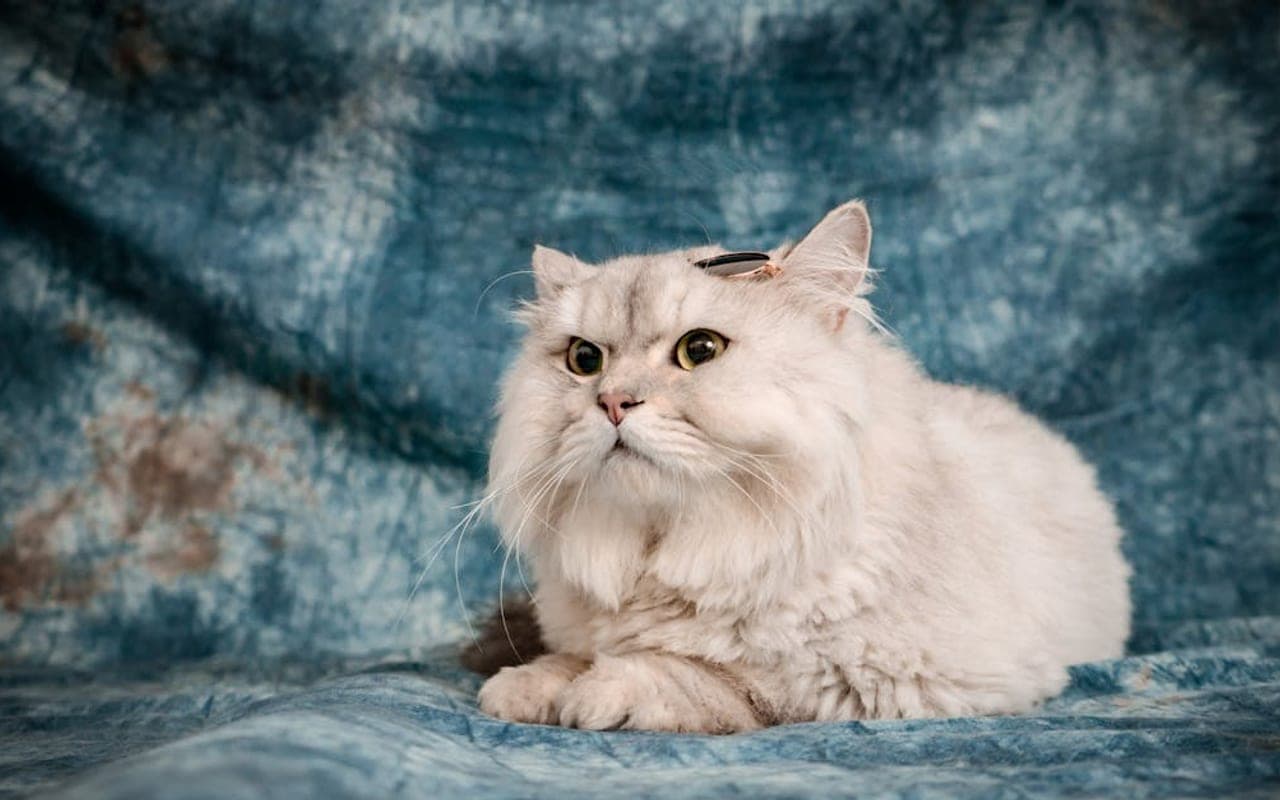
Persian
Also in the Longhair group, with different care and temperament tradeoffs.
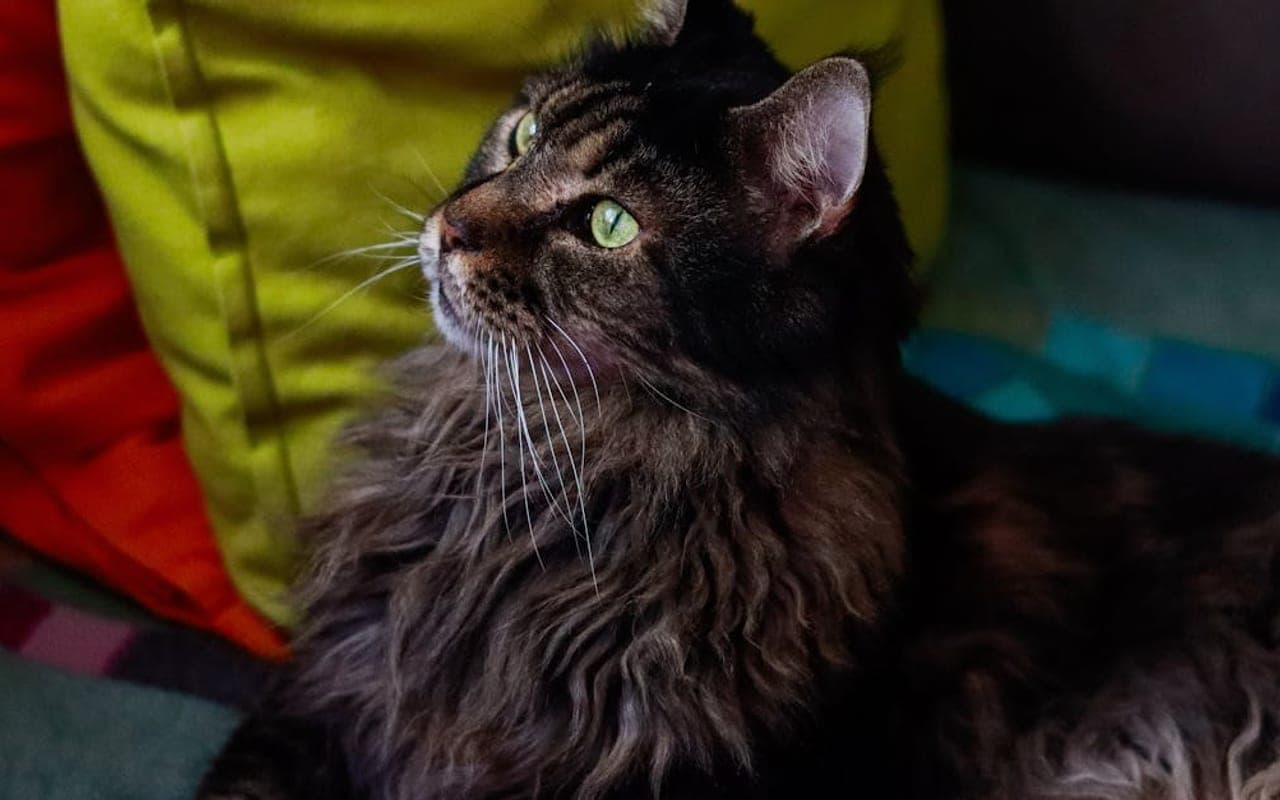
Maine Coon
Also in the Longhair group, with different care and temperament tradeoffs.
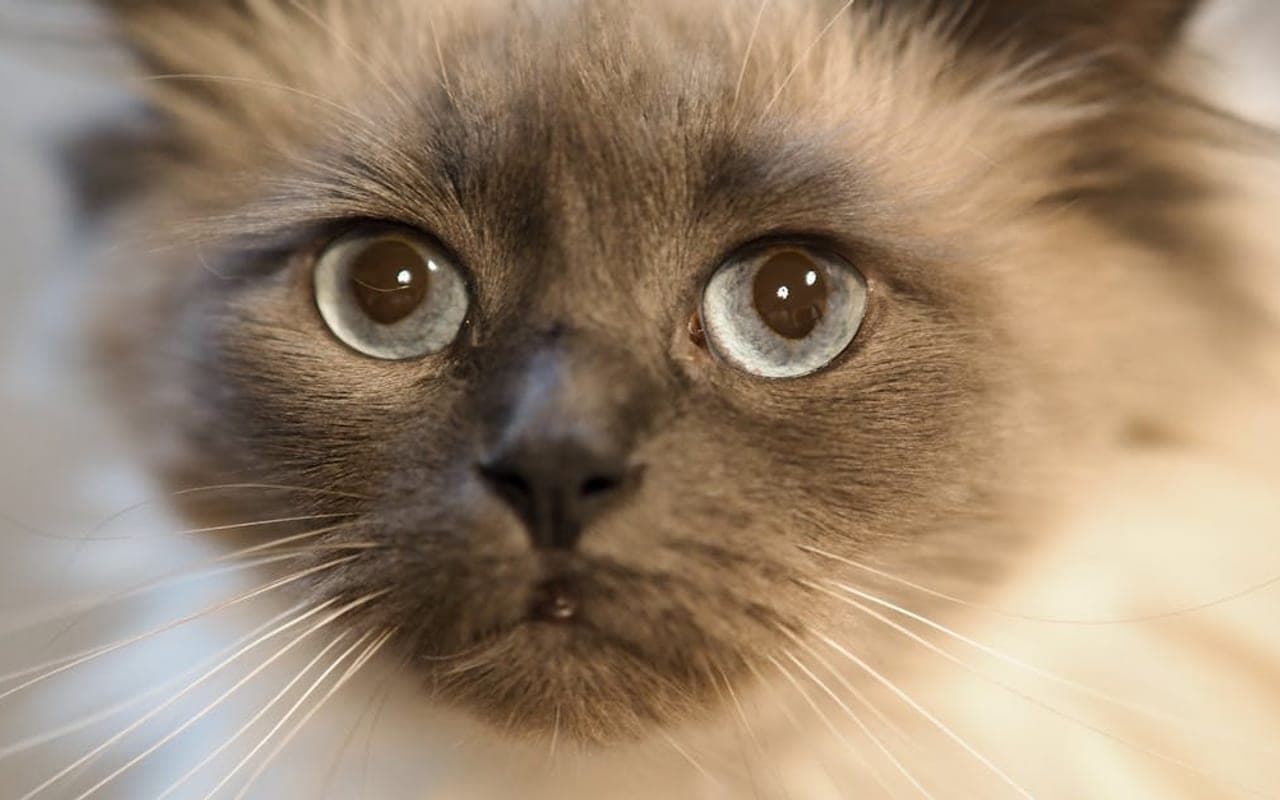
Ragdoll
Also in the Longhair group, with different care and temperament tradeoffs.
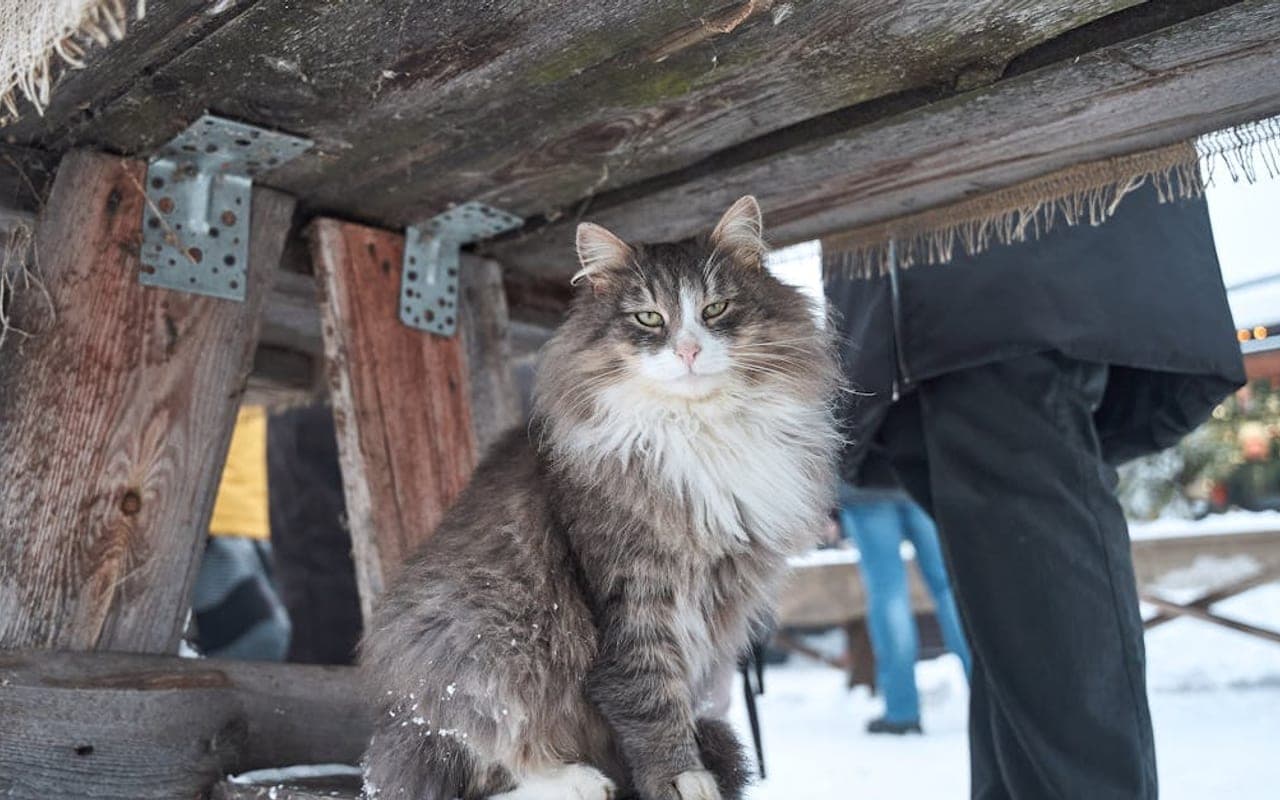
Norwegian Forest Cat
Also in the Longhair group, with different care and temperament tradeoffs.
Explore More About Siberian
Dive deeper into everything Siberian — costs, care, and expert insights.
Considering a dog instead?
Browse Dogs