
Shorthair group
Singapura
The Singapura is recognized by Guinness as the smallest domestic cat breed — adults often weigh just 2-4 kg (about 4-8 lb) — and that tiny size, plus a very small founding gene pool, defines the two health facts an honest profile must lead with: an inherited blood disorder (pyruvate kinase deficiency) and a small-breed birthing risk (uterine inertia).
Size
4-8 lb
Lifespan
12-15 years
Play
30-60 minutes
Shedding
Moderate
Experience
Match to owner routine
Decision first
Is a Singapura right for you?
Start with fit before history or trivia. These are ownership signals, not guarantees about any individual cat.
Best suited for
- Households with children.
- Homes with other compatible pets.
- Apartment homes with a consistent routine.
- Owners who can provide daily play, climbing space, and enrichment.
Think carefully if
- You cannot provide daily play, climbing space, or mental enrichment.
- You cannot keep up with grooming and preventive care.
- The cat will spend most days without interaction or enrichment.
Conditional fit
Apartment fit depends on vertical space, litter setup, play, enrichment, and noise tolerance.
Daily reality
Singapura commitment snapshot
Daily play
30-60 minutes
Match play and enrichment to age, health, appetite, and household routine.
Coat care
Low
Grooming needs vary by coat, shedding, and lifestyle.
Social needs
Needs planning
Most cats still need predictable contact, enrichment, litter care, and monitoring.
Structured facts
Singapura at a glance
The measurements and traits that most affect day-to-day life with this breed.
Origin
Singapore
Group
Shorthair
Weight
4-8 lb
Height
6-8 in
Lifespan
12-15 years
Temperament
Affectionate | Curious | Easy Going | Intelligent | Interactive | Lively | Loyal
View all characteristics and methodology
Lifestyle fit
- Apartment suitabilityWorks best with clean litter setup, vertical space, and daily enrichment.
- Likely fit
- Child friendliness
- Often good, with socialisation and supervision
- Other-pet fit
- Often compatible with careful introductions
- Adaptability
- Very high
Owner commitment
- Daily play
- 30-60 minutes
- Grooming
- Low
- Shedding
- Moderate
- Indoor enrichment
- High
Behavior
- Affection
- Very high
- Energy
- Very high
- Vocalization
- Low
- Social needs
- Very high
Environment and health
- Intelligence
- Very high
- Health risk
- Needs planning
- Weight sensitivity
- Routine monitoring
Ratings combine structured breed data, visible breed fields, and editorial context. They are planning aids, not predictions for an individual cat.
Daily life
Singapura temperament and behavior
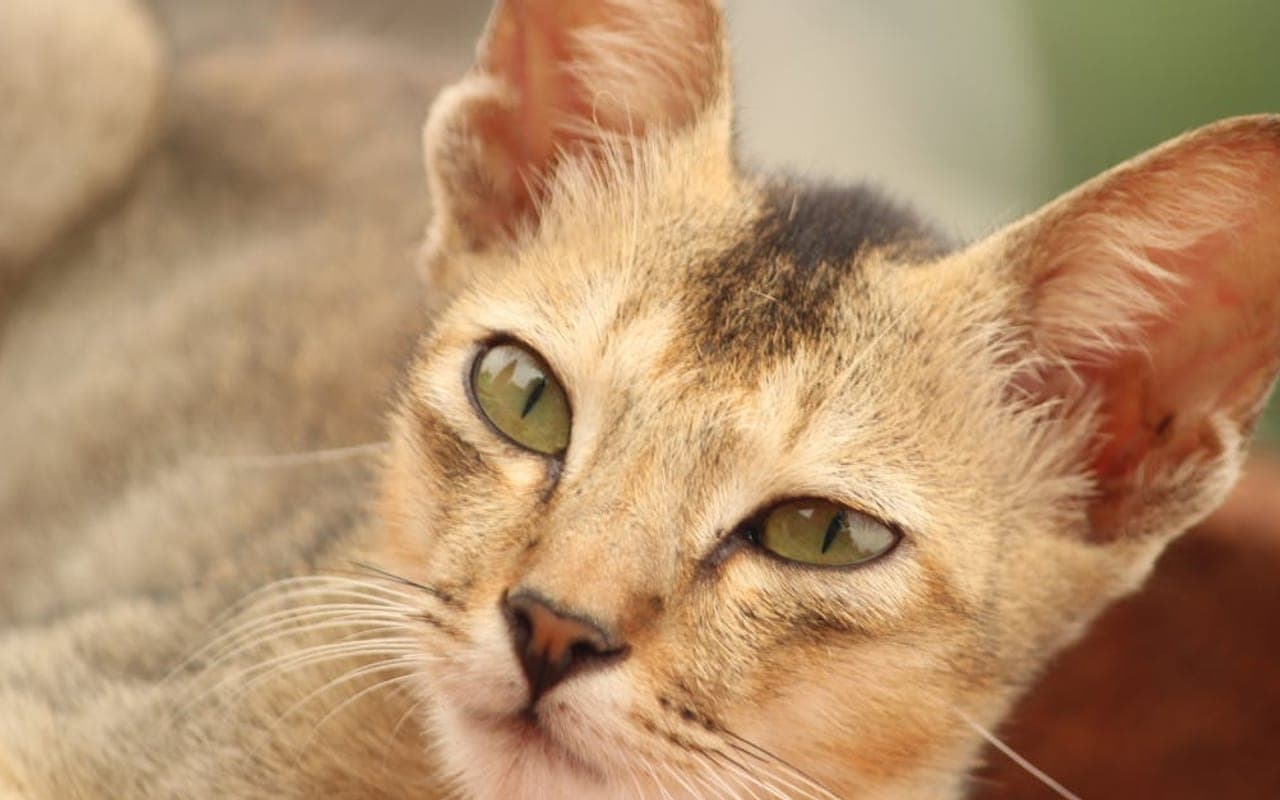
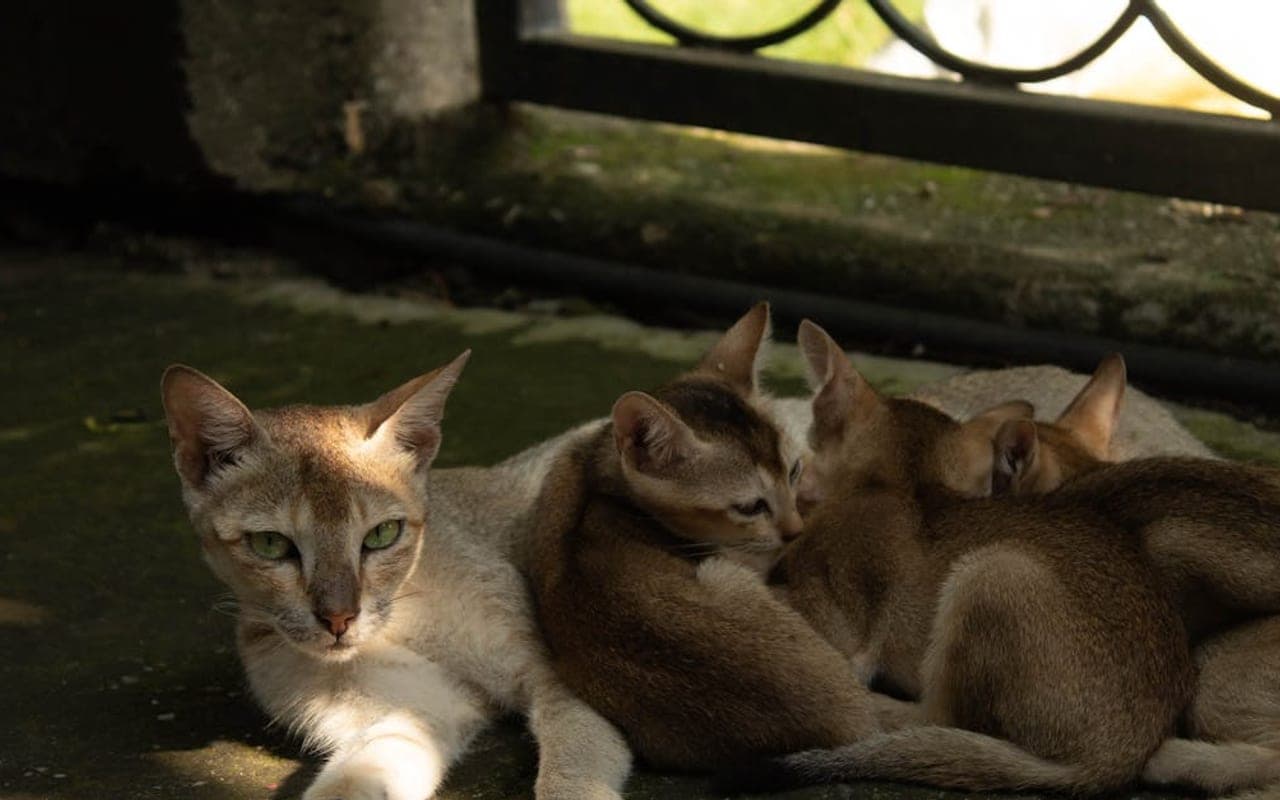
The Singapura is recognized by Guinness as the smallest domestic cat breed — adults often weigh just 2-4 kg (about 4-8 lb) — and that tiny size, plus a very small founding gene pool, defines the two health facts an honest profile must lead with: an inherited blood disorder (pyruvate kinase deficiency) and a small-breed birthing risk (uterine inertia). It is otherwise a generally robust, long-lived cat, but those two named conditions are the ones that should govern how you buy one. Physically the Singapura is a small, muscular, surprisingly heavy-for-its-size cat with a single sepia-agouti ('ticked') coat in a warm brown, large eyes and ears relative to the head, and a blunt-tipped tail. The single short coat makes grooming minimal. Temperament is the draw: highly active, intensely curious, people-obsessed to the point of being underfoot, and emotionally attached enough that owners joke about the cat 'supervising' everything. It is interactive, clever, and adaptable to apartments precisely because it bonds to people rather than territory. The small-size point is not cosmetic. Tiny cats hide weight loss and illness behind very little reserve, and a small queen's birthing risk (uterine inertia) is a documented breed concern, not a generic caution. Who the Singapura is right for: an owner who wants a small, affectionate, interactive companion, will not leave it isolated, and will buy only from a breeder who DNA-tests for pyruvate kinase deficiency. Who it is wrong for: anyone wanting an independent or low-attention cat, or a buyer who skips PK-Def-tested lines on a breed whose narrow gene pool makes that test genuinely consequential.
Affectionate | Curious | Easy Going | Intelligent | Interactive | Lively | Loyal
Affectionate
A common Singapura temperament descriptor that should be interpreted alongside enrichment, handling, and household fit.
Curious
A common Singapura temperament descriptor that should be interpreted alongside enrichment, handling, and household fit.
Easy Going
A common Singapura temperament descriptor that should be interpreted alongside enrichment, handling, and household fit.
Intelligent
A common Singapura temperament descriptor that should be interpreted alongside enrichment, handling, and household fit.
Owner note
Temperament labels are starting points, not guarantees. Meet the individual cat and ask about behavior history whenever possible.
Care essentials
How to care for a Singapura
What looking after one actually involves: play, grooming, food, litter, and routine health.
ExerciseAs needed
- Active and playful breed requiring daily interactive play sessions with toys, climbing structures, and mental stimulation.
GroomingAs needed
- Low-maintenance coat requiring weekly brushing. Occasional bathing as needed.
NutritionAs needed
- Feed a high-quality cat food appropriate for their age and activity level. Maintain fresh water at all times. Monitor weight to prevent obesity.
SocializationAs needed
- Highly social breed that thrives on companionship. Does not do well left alone for extended periods. Consider a companion pet.
Veterinary CareAs needed
- Annual wellness exams, vaccinations, dental checkups, and parasite prevention. Spay/neuter recommended if not breeding.
Health planning
Singapura health risks and screening
Every cat breed has individual health variation. Use this profile for planning and discuss medical decisions with a veterinarian.
Responsible ownership
Finding a Singapura responsibly
What to ask a breeder or rescue is the same conversation for every breed, so we keep it in one place and keep it current.
Health documentation, meeting the parents or foster, contracts and return support, and the warning signs worth walking away from.
Original purpose
Singapura history
History is useful when it explains today's behavior, coat, exercise needs, and training style.
Read the breed history
The Singapura's origin is genuinely debated: the breed was established in the United States in the 1970s from a small number of foundation cats said to descend from Singapore street cats, though the precise founding history has been disputed within the cat fancy. It was recognized by major registries through the 1980s. What is not disputed, and what matters for owners, is the practical consequence: the breed was built from a very small founding population. That narrow gene pool is the throughline of this entire profile. It is why pyruvate kinase deficiency screening is so consequential in this breed specifically, why responsible breeders lean heavily on DNA testing, and why a buyer's most important decision is the breeder's screening discipline rather than coat or pedigree aesthetics. With the Singapura, the history isn't trivia — it's the reason the health section reads the way it does.
Gallery
Singapura photos
Images are cropped consistently and loaded progressively to keep the page responsive.
Lower-page context
Singapura cats in culture
Where the breed shows up in film, sport, work and folklore — the enjoyable part, once the practical questions are answered.
Fun facts
- The Singapura originated in Singapore.
- Singapura cats are considered one of the most intelligent cat breeds.
- The Singapura is one of the most energetic and playful cat breeds.
- The Singapura is a true lap cat that loves to curl up with their owners.
- Singapura cats are exceptionally dog-friendly and can live harmoniously with canine companions.
Singapura FAQs
How long do Singapura cats live?
Generally long-lived — most published ranges fall around 12-15 years, with well-cared-for cats from screened lines sometimes reaching 16-18. This is a fundamentally robust small breed, so lifespan is driven less by a single fatal disease than by buying from a pyruvate-kinase-tested line, vigilant weight monitoring on a tiny frame, and early veterinary response, since a cat this small has little reserve to ride out illness untreated.
What is pyruvate kinase deficiency and why does it matter for a Singapura?
PK-Def is an inherited defect in a red-blood-cell enzyme that can cause anemia ranging from intermittent to serious, often surfacing when an affected cat is stressed or fighting another illness. It matters specifically in the Singapura because the breed's very small founding gene pool concentrates this mutation. A DNA test exists; buy from a breeder who tests breeding cats, and ask for your kitten's PK-Def status so you and your vet can interpret any future anemia or illness correctly.
Are Singapura cats good with children and other pets?
Generally yes — they are confident, social, people-loving cats that usually do well with respectful children and cat-friendly dogs or other cats, and they actively seek company. The real caveat is their fragility, not their temperament: at 2-4 kg this is a very small, light cat, so supervise toddlers and rambunctious dogs to prevent accidental injury. Their sociability also means they fare poorly as a solitary, left-alone pet — companionship is closer to a need than a bonus.
Are Singapura cats good for apartments?
Yes, and they're well suited to it: they're small, adaptable, and bond to people rather than territory, so they thrive in compact homes provided they get daily interactive play (20-30 minutes) and aren't isolated for long stretches. The apartment-relevant cautions are their attention demands — a bored, lonely Singapura becomes vocal and destructive — and their cold sensitivity: a single-coated small cat needs a warm spot, not a draughty flat.
Do Singapura cats need much grooming?
Very little — this is one of their genuine advantages. The single, short, ticked coat needs only a weekly brush, plus routine nail trims, ear checks, and dental care like any cat. There is no seasonal coat-blow and matting is not a concern. The time and money you'd spend grooming a longhaired breed is, with a Singapura, better redirected to the things that actually matter for this breed: companionship, weight monitoring, and a PK-Def-screened breeder.
How much does a Singapura cat cost to buy and own?
Expect roughly $1,000-$2,500 for a kitten from a registered breeder, more for show lines, as the breed is uncommon and litters are small. Lifetime cost is moderate for a hardy small cat, but the value-defining spend is choosing a breeder who DNA-tests for pyruvate kinase deficiency — that test is disproportionately important in a breed with this narrow a gene pool, and paying upfront for screened parents is far cheaper than managing undiagnosed inherited anemia later.
Sources
These are the published sources this page draws on. Each opens in a new tab so you can check it yourself.
Cat Fanciers' Association
Singapura — breed standard and profile(opens in a new tab)Supports: Breed standard and recognition details.
Similar breeds to consider
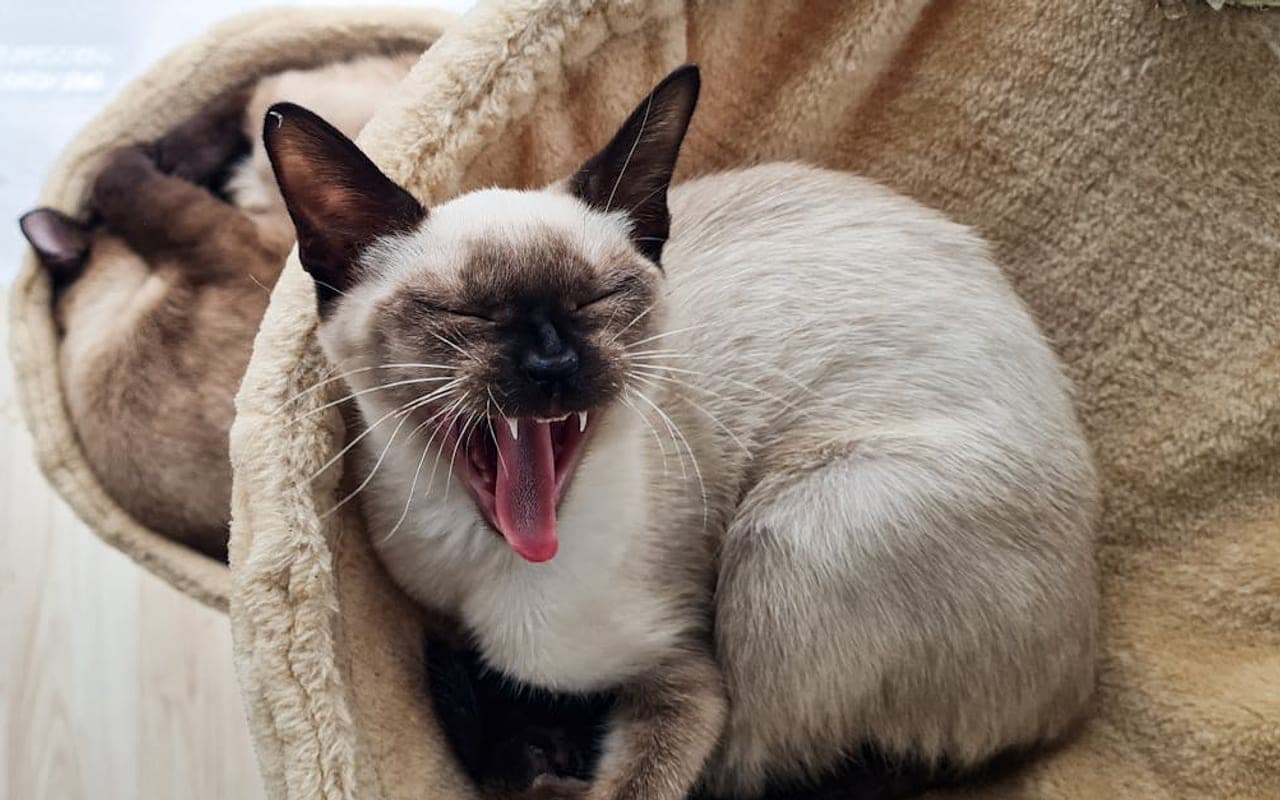
Siamese
Also in the Shorthair group, with different care and temperament tradeoffs.
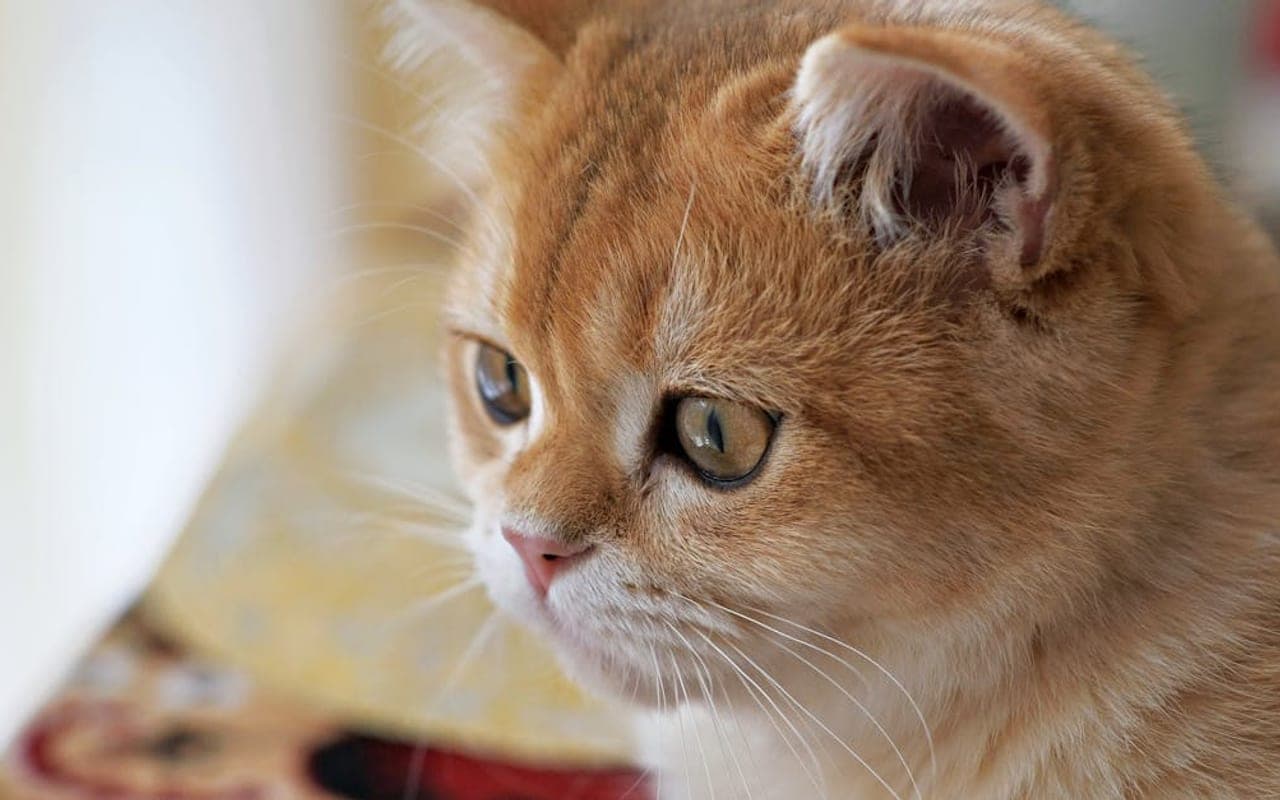
British Shorthair
Also in the Shorthair group, with different care and temperament tradeoffs.
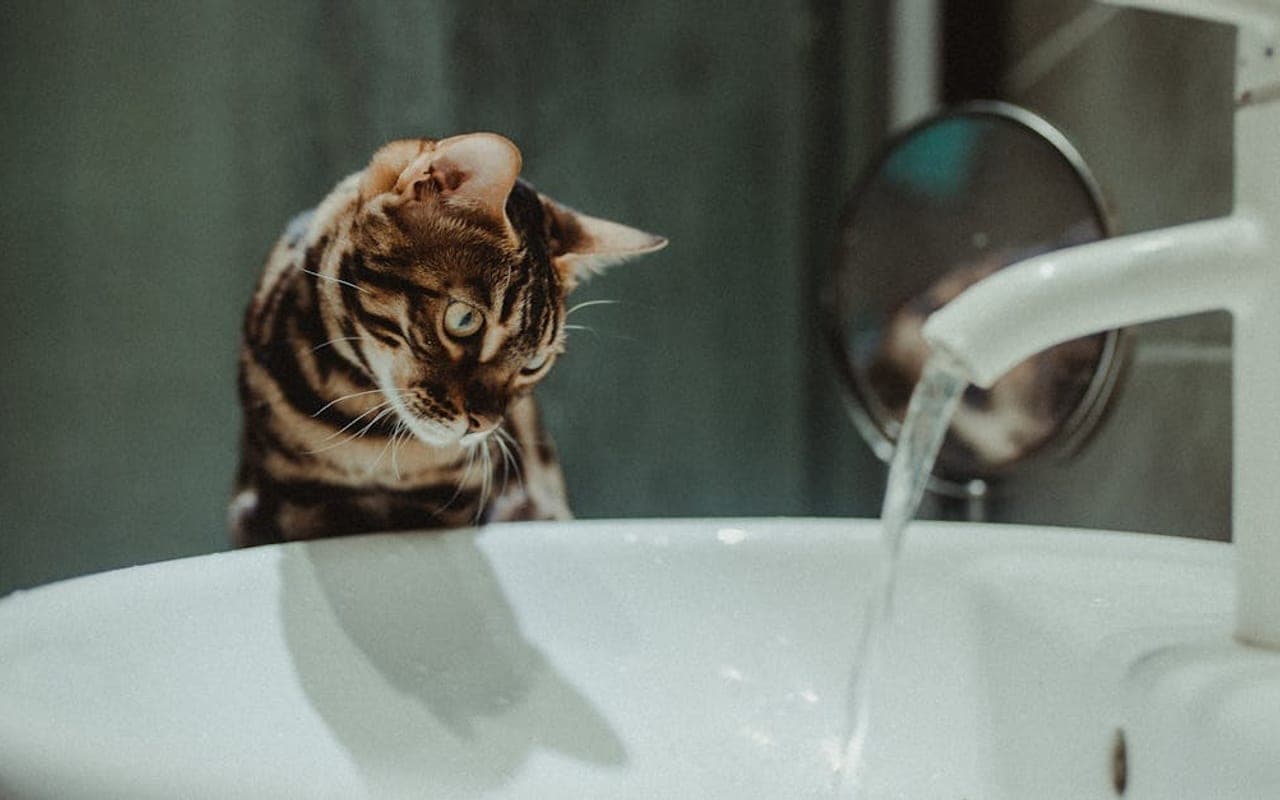
Bengal
Also in the Shorthair group, with different care and temperament tradeoffs.
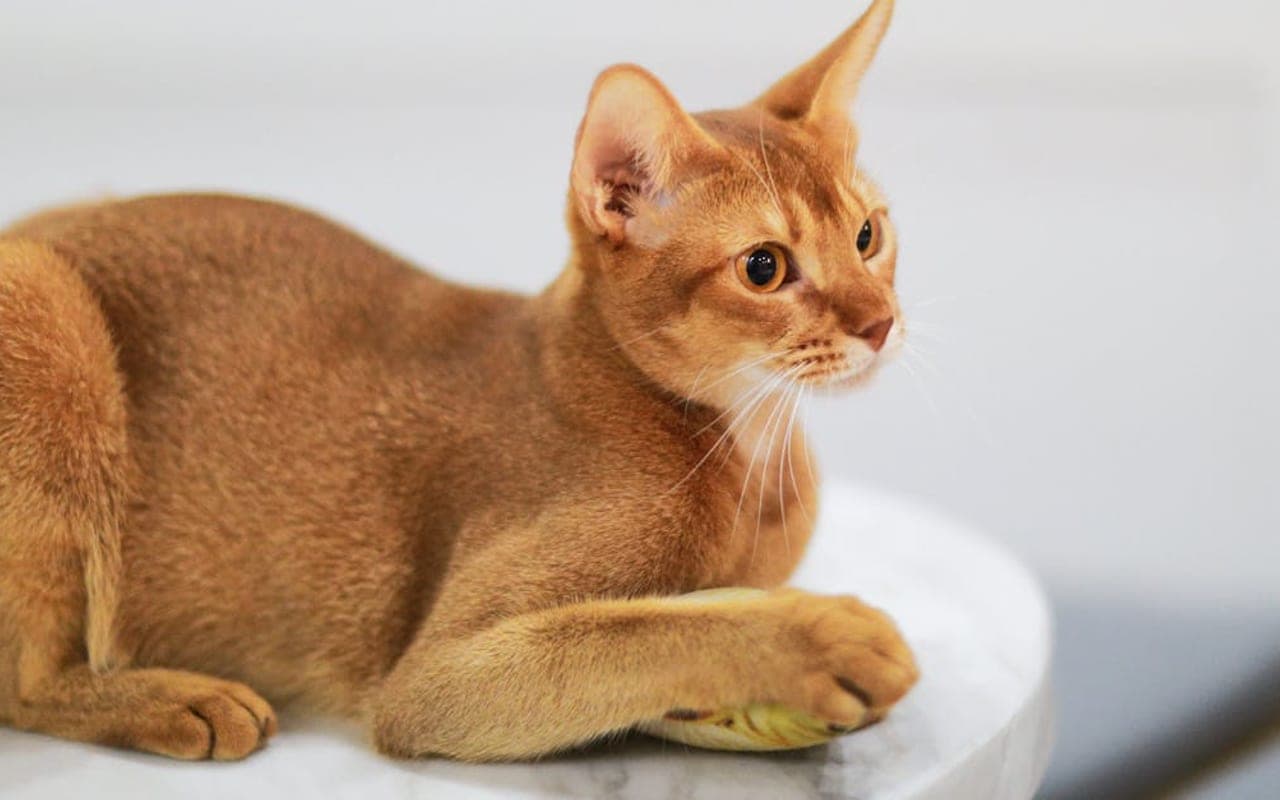
Abyssinian
Also in the Shorthair group, with different care and temperament tradeoffs.
Explore More About Singapura
Dive deeper into everything Singapura — costs, care, and expert insights.
Considering a dog instead?
Browse Dogs