
Shorthair group
Snowshoe
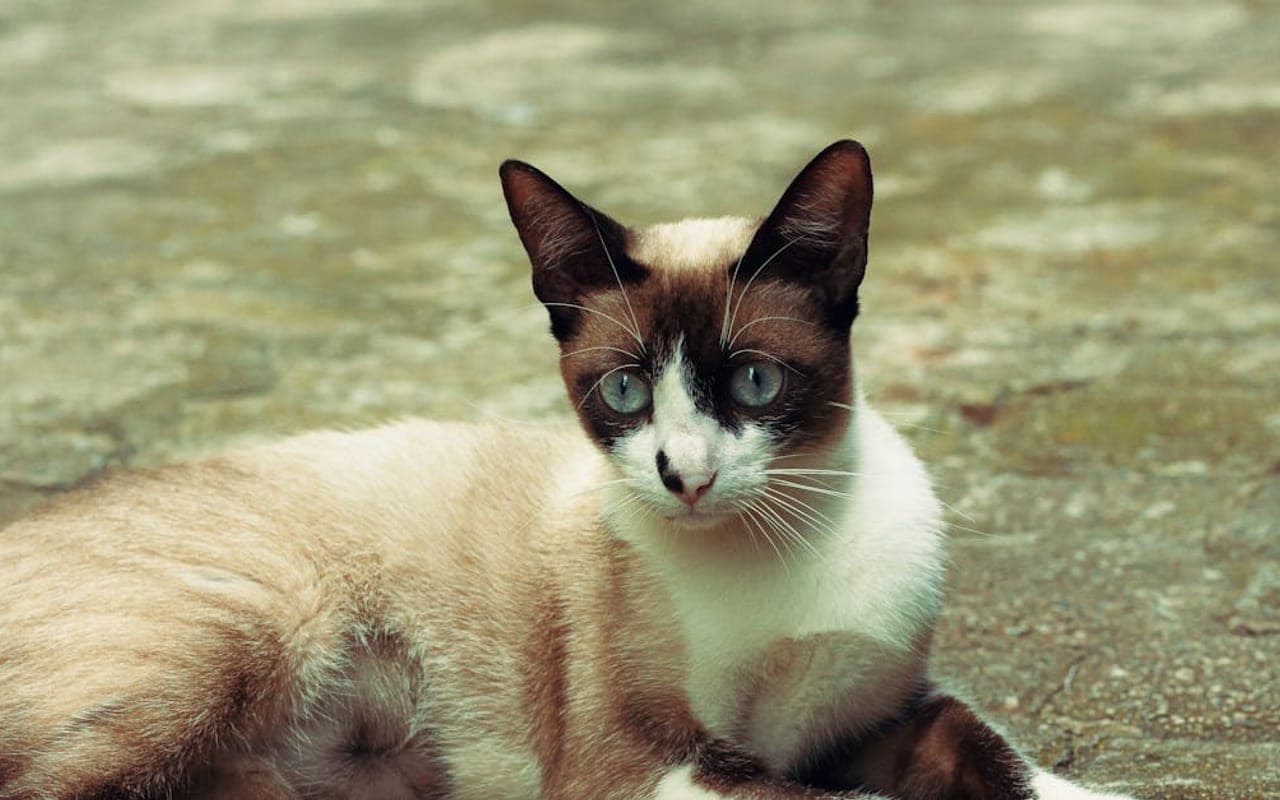
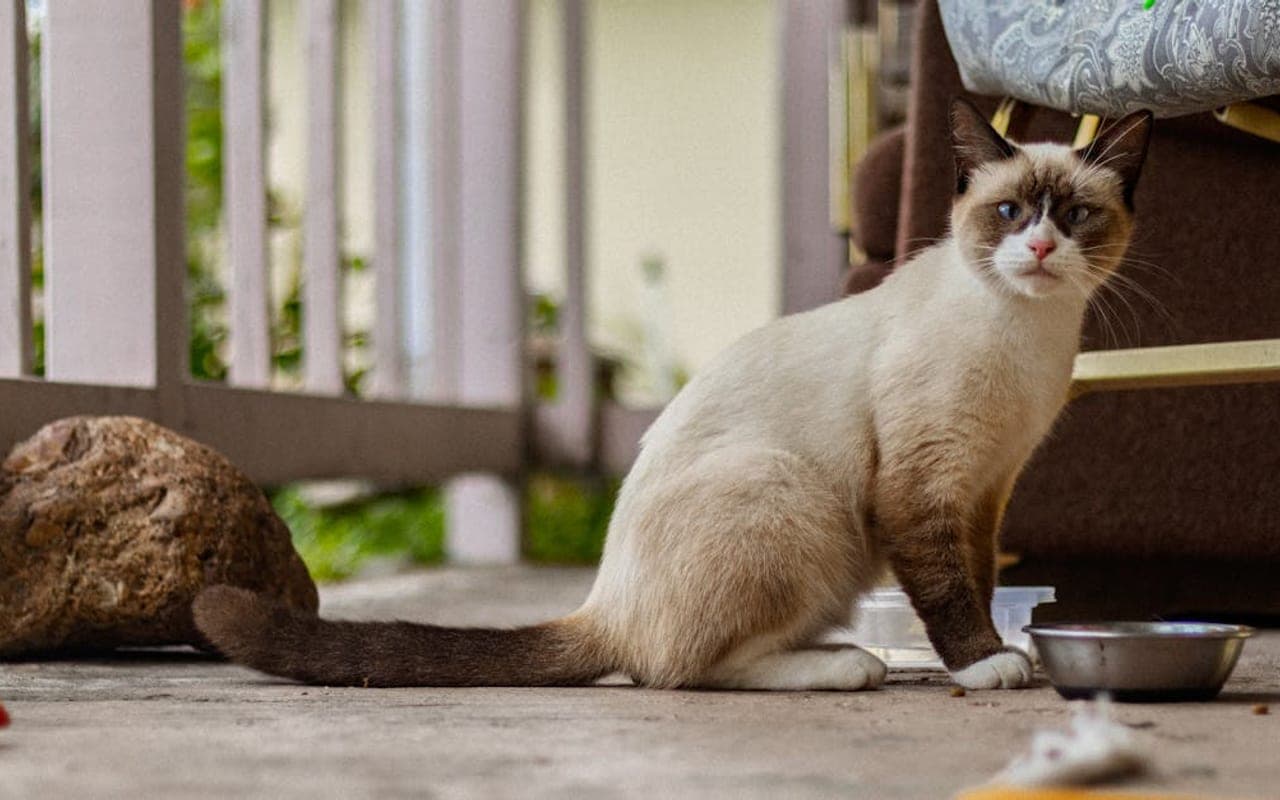
The Snowshoe is a Siamese with white boots and a softer voice — and understanding that lineage is the key to owning one well.
Size
7-12 lb
Lifespan
14-19 years
Play
20-40 minutes
Shedding
Moderate
Experience
Match to owner routine
Decision first
Is a Snowshoe right for you?
Start with fit before history or trivia. These are ownership signals, not guarantees about any individual cat.
Best suited for
- Households with children.
- Homes with other compatible pets.
- Apartment homes with a consistent routine.
- Owners who can provide daily play, climbing space, and enrichment.
Think carefully if
- You cannot provide daily play, climbing space, or mental enrichment.
- You cannot keep up with grooming and preventive care.
- The cat will spend most days without interaction or enrichment.
Conditional fit
Apartment fit depends on vertical space, litter setup, play, enrichment, and noise tolerance.
Daily reality
Snowshoe commitment snapshot
Daily play
20-40 minutes
Match play and enrichment to age, health, appetite, and household routine.
Coat care
Moderate
Grooming needs vary by coat, shedding, and lifestyle.
Social needs
Needs planning
Most cats still need predictable contact, enrichment, litter care, and monitoring.
Structured facts
Snowshoe at a glance
The measurements and traits that most affect day-to-day life with this breed.
Origin
United States
Group
Shorthair
Weight
7-12 lb
Height
9-12 in
Lifespan
14-19 years
Temperament
Affectionate | Social | Intelligent | Sweet-tempered
View all characteristics and methodology
Lifestyle fit
- Apartment suitabilityWorks best with clean litter setup, vertical space, and daily enrichment.
- Likely fit
- Child friendliness
- Often good, with socialisation and supervision
- Other-pet fit
- Often compatible with careful introductions
- Adaptability
- Very high
Owner commitment
- Daily play
- 20-40 minutes
- Grooming
- Moderate
- Shedding
- Moderate
- Indoor enrichment
- High
Behavior
- Affection
- Very high
- Energy
- High
- Vocalization
- Very high
- Social needs
- High
Environment and health
- Intelligence
- Very high
- Health risk
- Needs planning
- Weight sensitivity
- Routine monitoring
Ratings combine structured breed data, visible breed fields, and editorial context. They are planning aids, not predictions for an individual cat.
Daily life
Snowshoe temperament and behavior
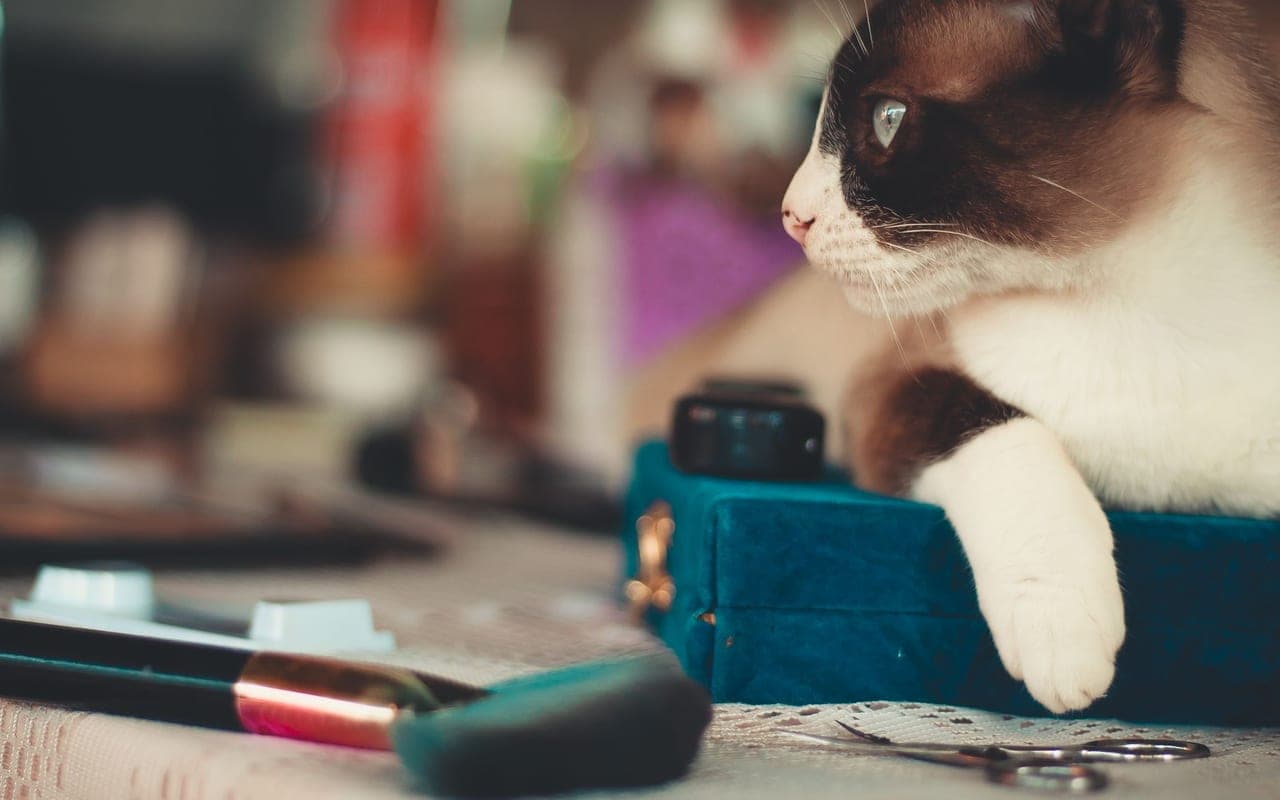
The Snowshoe is a Siamese with white boots and a softer voice — and understanding that lineage is the key to owning one well. The breed began in Philadelphia in the early 1960s when breeder Dorothy Hinds-Daugherty found three kittens in a Siamese litter with four white feet, then crossed in the American Shorthair to fix the pattern and a sturdier build. The result is a pointed cat with a white inverted-V on the face, white 'snowshoes' on the paws, and striking blue eyes — but with the American Shorthair adding bone and the Siamese contributing the personality and, importantly, some of the same health risks. Temperament is the selling point and the demand. Snowshoes are intensely people-oriented: they typically attach hard to one person, follow that person room to room, and become genuinely unhappy when left alone for long stretches. They are talkative — quieter and sweeter-voiced than a pure Siamese, but still a cat that comments on your day. They are intelligent enough to learn fetch, open doors, and demand interactive play. The pattern is famously hard to breed true, which is why Snowshoes are uncommon and why two Snowshoes can produce kittens with too little or too much white. None of the cosmetic Siamese quirks — an occasional kinked tail or crossed eyes — affect health or quality of life. Who the Snowshoe is right for: an owner who is home often, wants a vocal, velcro, interactive companion, and will commit to dental care and weight control. Who it is wrong for: someone who works long hours with no second pet, wants a silent independent cat, or expects a cat that entertains itself. The Snowshoe gives you devotion in exchange for attention — that is the trade, decide on it honestly.
Affectionate | Social | Intelligent | Sweet-tempered
Affectionate
A common Snowshoe temperament descriptor that should be interpreted alongside enrichment, handling, and household fit.
Social
A common Snowshoe temperament descriptor that should be interpreted alongside enrichment, handling, and household fit.
Intelligent
A common Snowshoe temperament descriptor that should be interpreted alongside enrichment, handling, and household fit.
Sweet-tempered
A common Snowshoe temperament descriptor that should be interpreted alongside enrichment, handling, and household fit.
Owner note
Temperament labels are starting points, not guarantees. Meet the individual cat and ask about behavior history whenever possible.
Care essentials
How to care for a Snowshoe
What looking after one actually involves: play, grooming, food, litter, and routine health.
ExerciseAs needed
- Active and playful breed requiring daily interactive play sessions with toys, climbing structures, and mental stimulation.
GroomingAs needed
- Brush 2-3 times per week to maintain coat health and reduce shedding. Monthly bathing may be beneficial.
NutritionAs needed
- Feed a high-quality cat food appropriate for their age and activity level. Maintain fresh water at all times. Monitor weight to prevent obesity.
SocializationAs needed
- Highly social breed that thrives on companionship. Does not do well left alone for extended periods. Consider a companion pet.
Veterinary CareAs needed
- Annual wellness exams, vaccinations, dental checkups, and parasite prevention. Spay/neuter recommended if not breeding.
Health planning
Snowshoe health risks and screening
Every cat breed has individual health variation. Use this profile for planning and discuss medical decisions with a veterinarian.
Responsible ownership
Finding a Snowshoe responsibly
What to ask a breeder or rescue is the same conversation for every breed, so we keep it in one place and keep it current.
Health documentation, meeting the parents or foster, contracts and return support, and the warning signs worth walking away from.
Original purpose
Snowshoe history
History is useful when it explains today's behavior, coat, exercise needs, and training style.
Read the breed history
The Snowshoe is a young American breed with a precisely documented start. In the early 1960s, Dorothy Hinds-Daugherty, a Siamese breeder in Philadelphia, Pennsylvania, found three kittens in one of her Siamese litters that each had four white feet. She set out to develop the pattern as a breed, crossing the Siamese with the American Shorthair to add substance and bone while keeping the points and personality. Development stalled badly: interest declined through the 1960s and 70s until, by 1977, only a single breeder remained. The breed was rebuilt from there, and by 1989 there were close to thirty documented breeders. The International Cat Association accepted the Snowshoe as a championship breed in 1994. Much of the breed's early pedigree history was lost to poorly kept records, and the strict original pattern standards — demanding precise, hard-to-reproduce white markings — discouraged breeders for years, which is the main reason the Snowshoe is still uncommon and the pattern still varies litter to litter.
Gallery
Snowshoe photos
Images are cropped consistently and loaded progressively to keep the page responsive.
Lower-page context
Snowshoe cats in culture
Where the breed shows up in film, sport, work and folklore — the enjoyable part, once the practical questions are answered.
Fun facts
- The Snowshoe originated in United States.
- Snowshoe cats are considered one of the most intelligent cat breeds.
- Snowshoe cats are known for being very vocal and communicative with their owners.
- The Snowshoe is a true lap cat that loves to curl up with their owners.
- Snowshoe cats are exceptionally dog-friendly and can live harmoniously with canine companions.
Snowshoe FAQs
How long do Snowshoe cats live?
A healthy Snowshoe typically lives 14-19 years, which is long for a cat and reflects the hybrid vigor from the Siamese and American Shorthair cross. The factors that actually shorten that range are the inherited Siamese-line risks — hypertrophic cardiomyopathy and kidney disease (CKD and PKD). A Snowshoe from a breeder who echo-screens for HCM and DNA-tests for PKD, kept lean and on a dental routine, has a real shot at the upper end of that range; an unscreened, overweight cat does not.
Are Snowshoe cats good with children and other pets?
Generally yes. Snowshoes are sociable, sturdier than a pure Siamese thanks to the American Shorthair influence, and playful enough to engage with respectful children and other pets rather than hide. The practical caveat is the breed's strong one-person bonding and need for company: a Snowshoe often does better in a busy household or with a companion animal than as a solo cat in an empty home. Supervise young children and teach gentle handling as you would with any cat.
Do Snowshoe cats talk a lot?
Yes, though less harshly than a Siamese. Snowshoes are a vocal, communicative breed that will comment on meals, doors, and your return home, but the voice is softer and sweeter than the classic Siamese yowl. If you want a silent cat, this is the wrong breed and you will not train the talking out of it. If you want a cat that genuinely interacts and 'answers' you, the Snowshoe's voice is one of its most-loved traits — go in expecting conversation.
Why does my Snowshoe have crossed eyes or a kinked tail?
Those are cosmetic traits inherited from the Siamese side of the breed and they are purely aesthetic — they do not affect the cat's health, comfort, vision quality of life, or value as a companion. They are not a sign of poor breeding or illness. Many owners worry the first time they notice one; the honest answer is that it is a harmless breed quirk. The health concerns worth your attention in this breed are the heart and kidney conditions, not the eyes or tail.
How much grooming does a Snowshoe need?
Very little on the coat. The short, close-lying coat needs only a five-minute brush once a week with moderate, mostly seasonal shedding, and no professional grooming. The grooming task that genuinely matters in this breed is dental: because Snowshoes carry the Siamese tendency to periodontal disease, start enzymatic toothbrushing before six months. Neglecting teeth, not coat, is what creates the expensive problems — anesthetic dental work runs several hundred to over a thousand dollars by middle age.
Can a Snowshoe be left alone while I work?
Not happily, and this is the breed's main trade-off. Snowshoes bond intensely, usually to one person, and become genuinely unhappy — vocal, anxious, sometimes destructive — when left alone for long stretches every day. They are not a self-sufficient breed. If you work long hours, the realistic solutions are a second companion pet, enrichment like puzzle feeders and window perches, and committed interactive play when you are home. If none of that is possible, choose a more independent breed rather than setting the cat up for chronic stress.
Sources
These are the published sources this page draws on. Each opens in a new tab so you can check it yourself.
The International Cat Association
Snowshoe — TICA breed standard(opens in a new tab)Supports: Breed standard and recognition details.
Similar breeds to consider
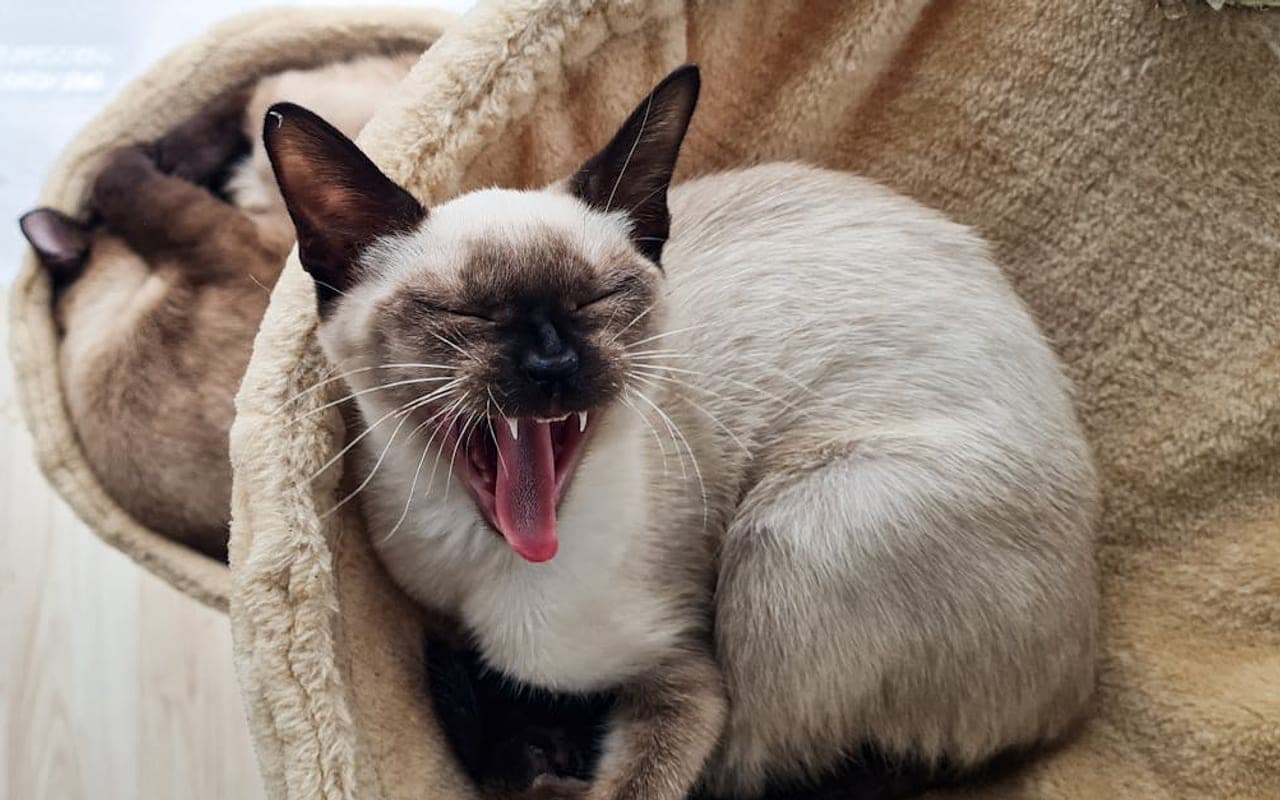
Siamese
Also in the Shorthair group, with different care and temperament tradeoffs.
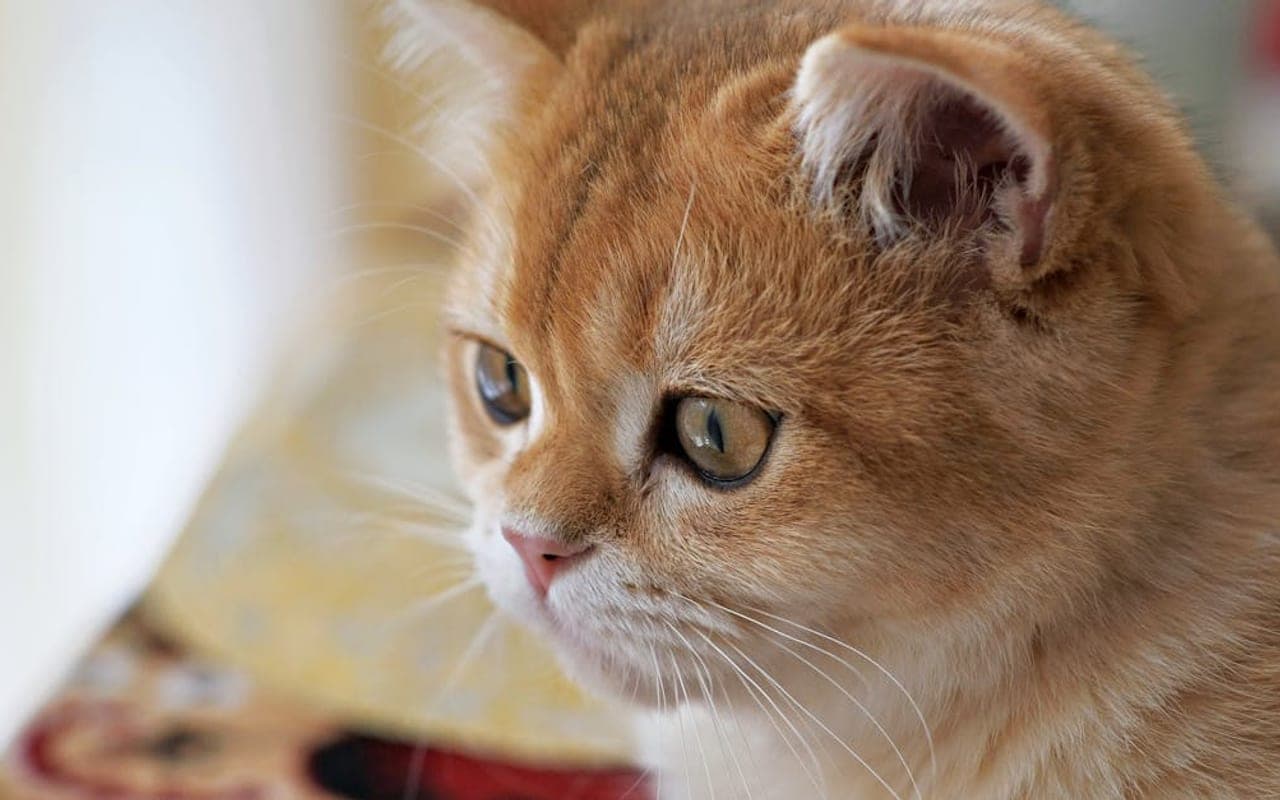
British Shorthair
Also in the Shorthair group, with different care and temperament tradeoffs.
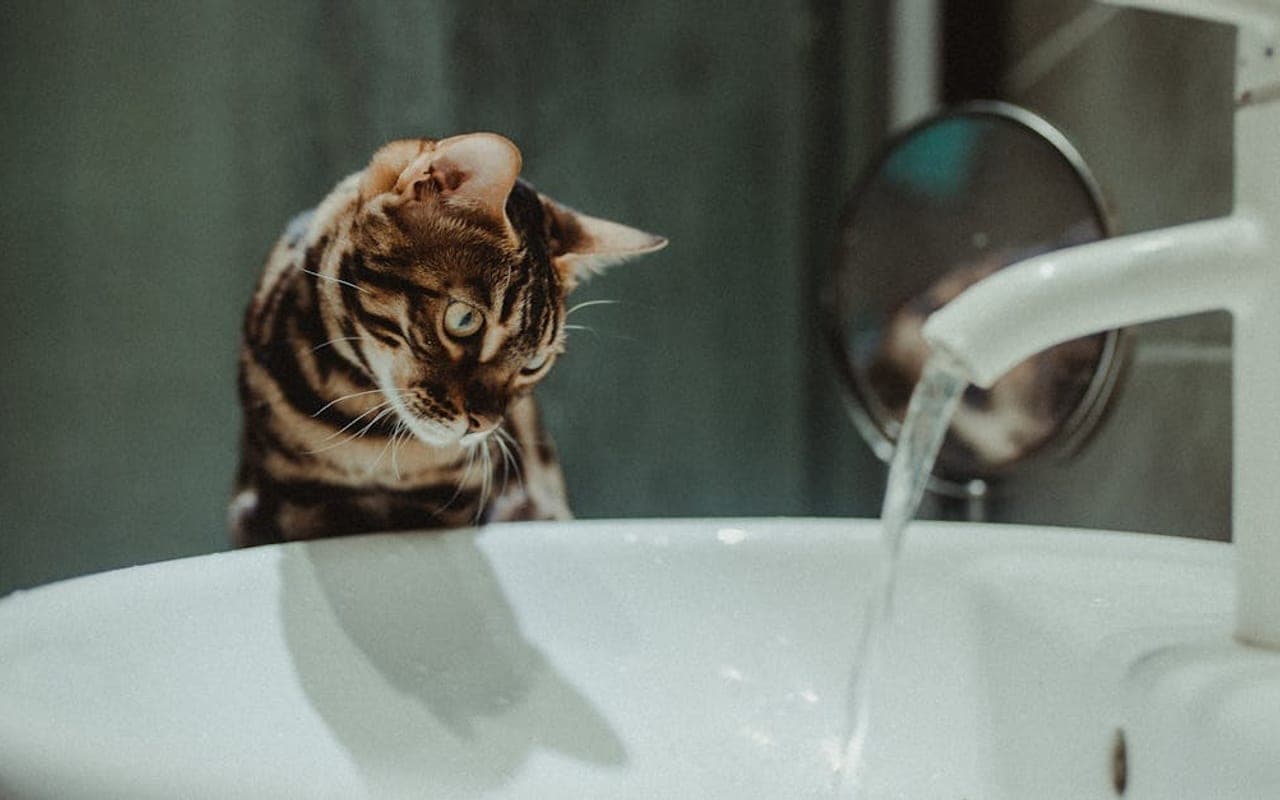
Bengal
Also in the Shorthair group, with different care and temperament tradeoffs.
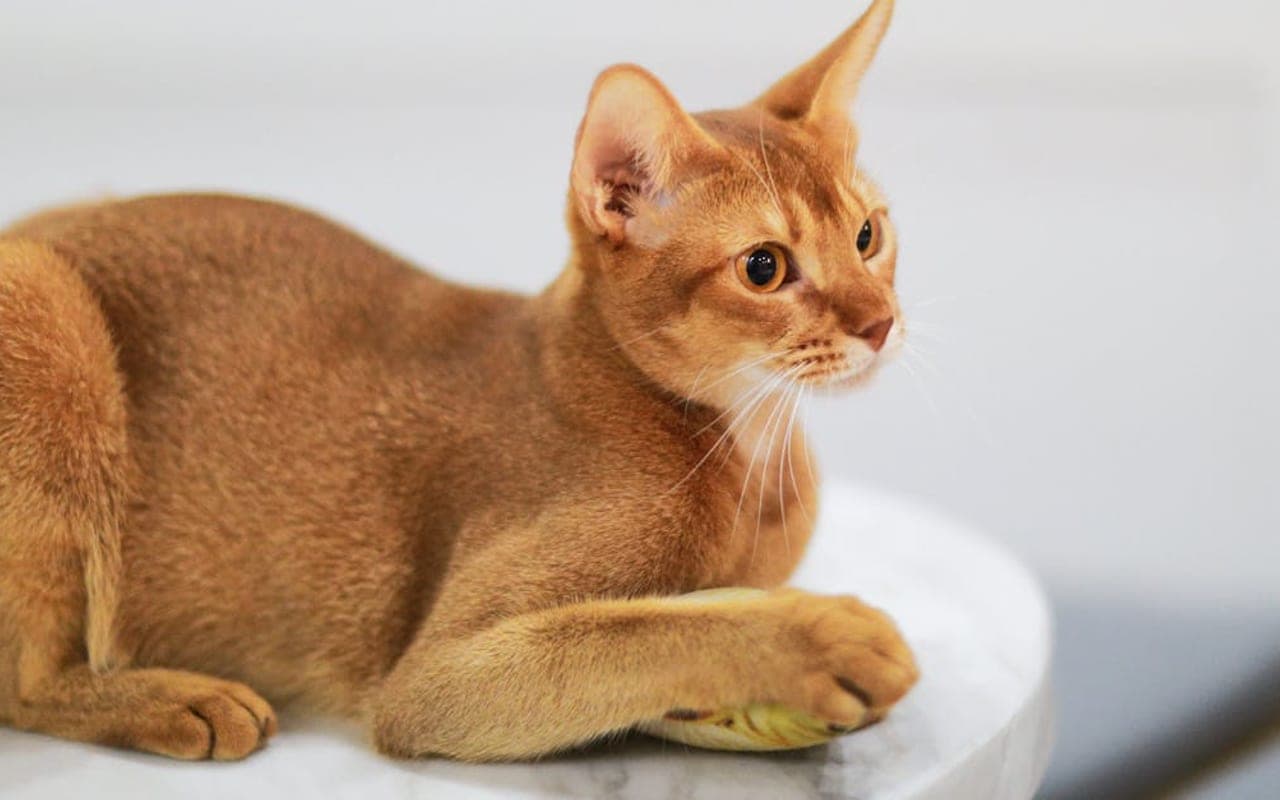
Abyssinian
Also in the Shorthair group, with different care and temperament tradeoffs.
Explore More About Snowshoe
Dive deeper into everything Snowshoe — costs, care, and expert insights.
Cat Nutrition Guide: What Cats Actually Need to Eat
Cats are obligate carnivores, which means they are...
Kitten-Proofing Your Home: The Hazards Owners Miss
A single lily leaf — or even the pollen brushed off one — can put a kitten into acute...
Considering a dog instead?
Browse Dogs