
Shorthair group
Toyger
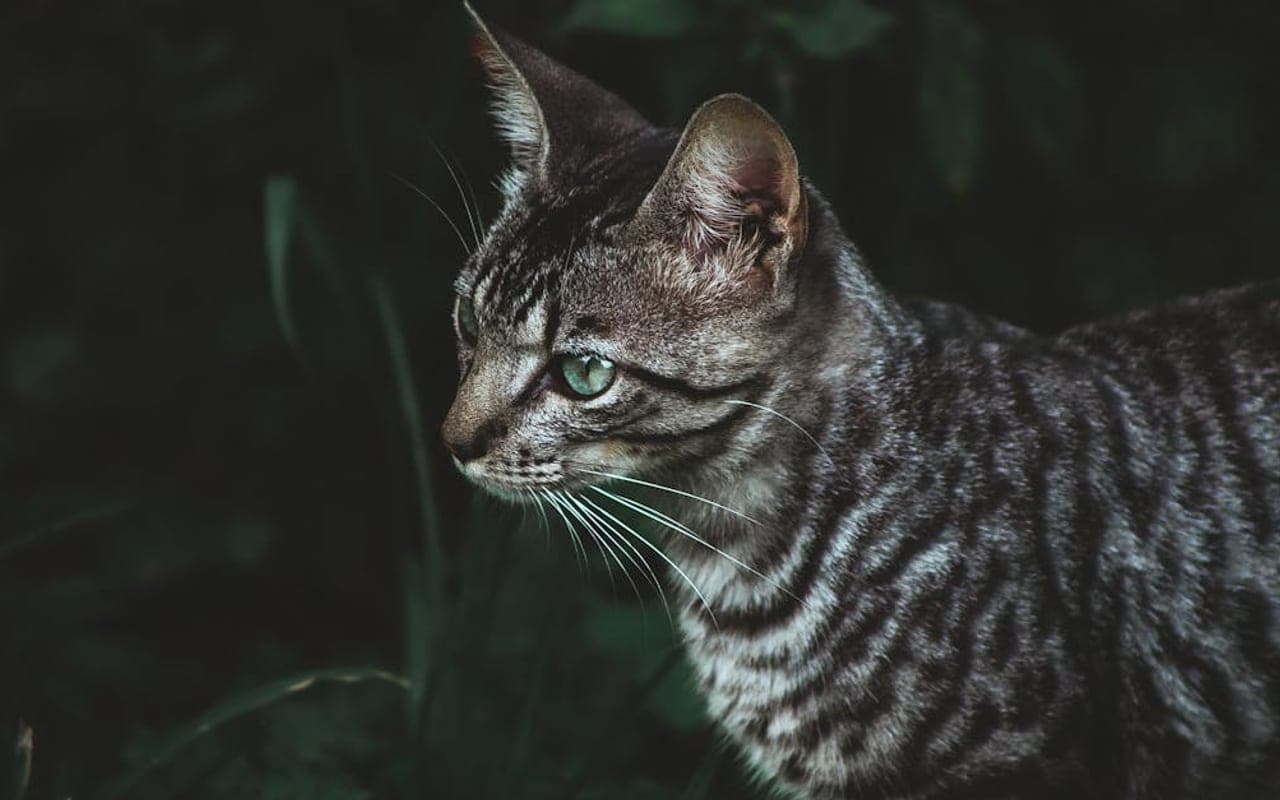
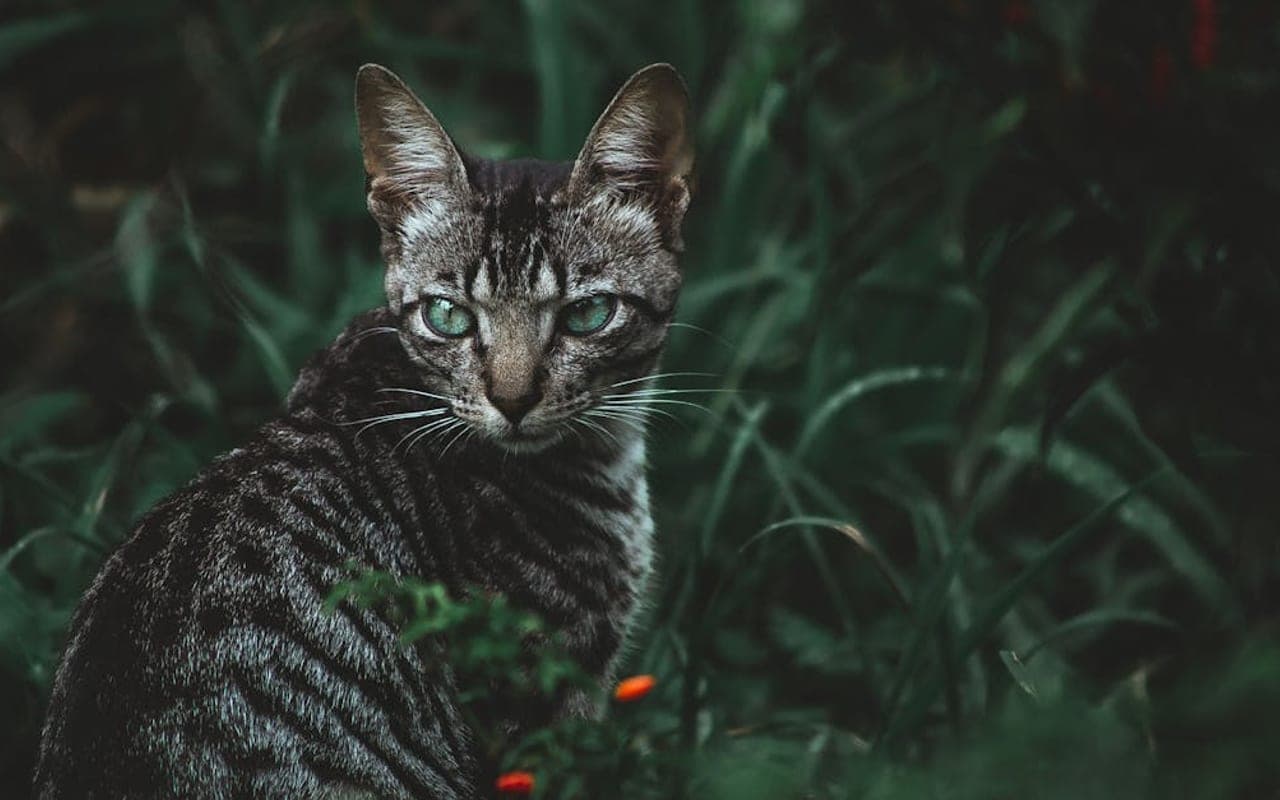
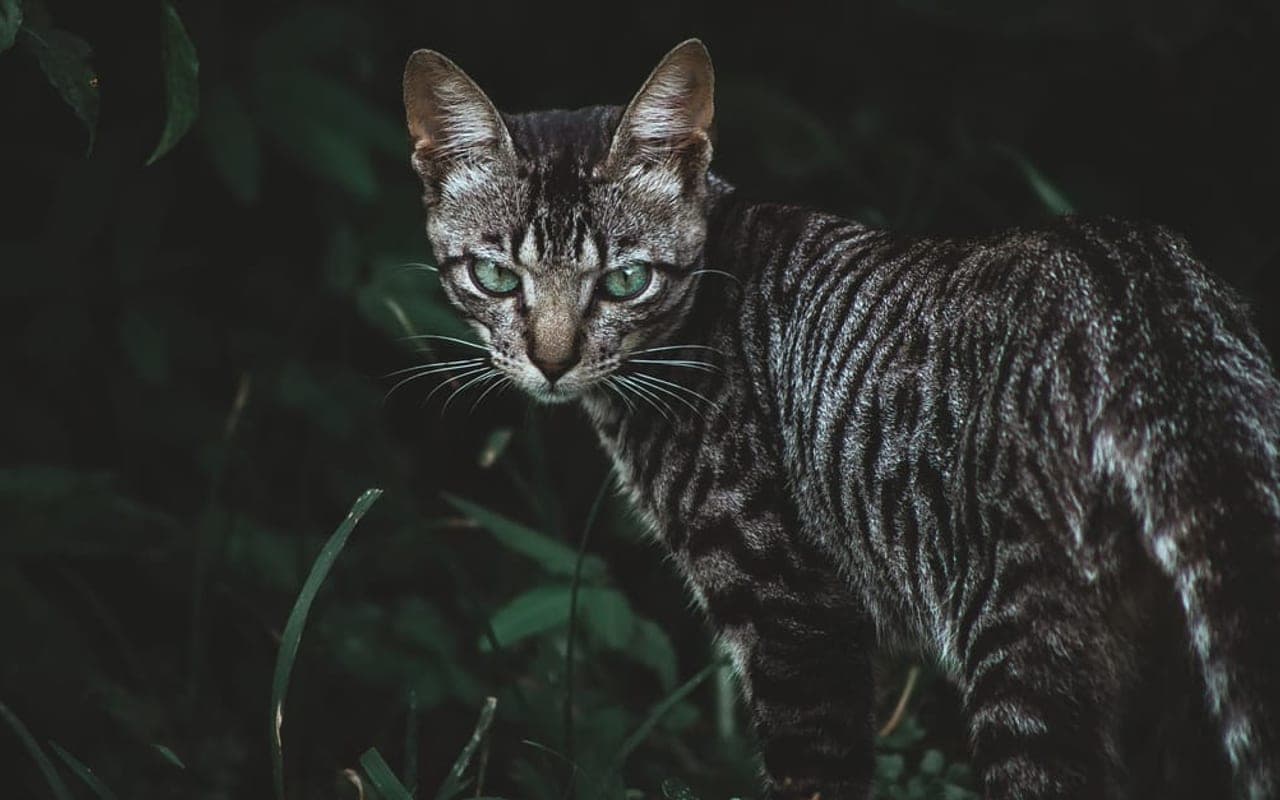
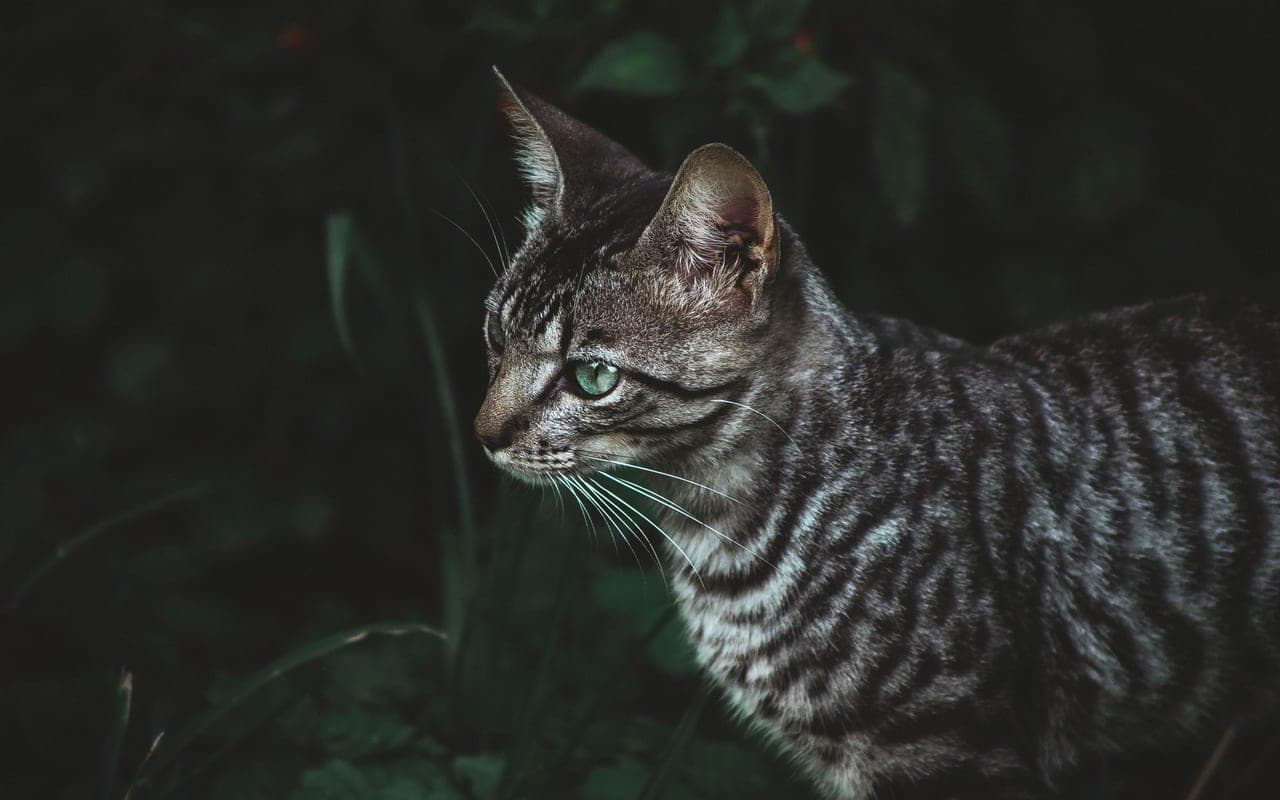
The Toyger is a designer shorthair cat — a 3-7 kg (7-15 lb) domestic breed selectively created in the United States to look like a miniature tiger, with bold vertical mackerel stripes, a muscular body, and a confident, dog-like personality.
Size
7-15 lb
Lifespan
12-15 years
Play
30-60 minutes
Shedding
Moderate
Experience
Match to owner routine
Decision first
Is a Toyger right for you?
Start with fit before history or trivia. These are ownership signals, not guarantees about any individual cat.
Best suited for
- Households with children.
- Homes with other compatible pets.
- Apartment homes with a consistent routine.
- Owners who can provide daily play, climbing space, and enrichment.
Think carefully if
- You cannot provide daily play, climbing space, or mental enrichment.
- You cannot keep up with grooming and preventive care.
- The cat will spend most days without interaction or enrichment.
Conditional fit
Apartment fit depends on vertical space, litter setup, play, enrichment, and noise tolerance.
Daily reality
Toyger commitment snapshot
Daily play
30-60 minutes
Match play and enrichment to age, health, appetite, and household routine.
Coat care
Low
Grooming needs vary by coat, shedding, and lifestyle.
Social needs
Needs planning
Most cats still need predictable contact, enrichment, litter care, and monitoring.
Structured facts
Toyger at a glance
The measurements and traits that most affect day-to-day life with this breed.
Origin
United States
Group
Shorthair
Weight
7-15 lb
Height
9-13 in
Lifespan
12-15 years
Temperament
Playful | Social | Intelligent
View all characteristics and methodology
Lifestyle fit
- Apartment suitabilityWorks best with clean litter setup, vertical space, and daily enrichment.
- Likely fit
- Child friendliness
- Often good, with socialisation and supervision
- Other-pet fit
- Often compatible with careful introductions
- Adaptability
- Very high
Owner commitment
- Daily play
- 30-60 minutes
- Grooming
- Low
- Shedding
- Moderate
- Indoor enrichment
- High
Behavior
- Affection
- Very high
- Energy
- Very high
- Vocalization
- Very high
- Social needs
- Moderate
Environment and health
- Intelligence
- Very high
- Health risk
- Needs planning
- Weight sensitivity
- Routine monitoring
Ratings combine structured breed data, visible breed fields, and editorial context. They are planning aids, not predictions for an individual cat.
Daily life
Toyger temperament and behavior
The Toyger is a designer shorthair cat — a 3-7 kg (7-15 lb) domestic breed selectively created in the United States to look like a miniature tiger, with bold vertical mackerel stripes, a muscular body, and a confident, dog-like personality. It was developed from the late 1980s onward by crossing Bengal cats with striped domestic shorthairs, with the explicit goal of producing the tiger-pattern coat in a fully domestic, even-tempered pet. TICA recognized it for championship competition, and it remains a rare and relatively expensive breed. The honest summary most owners want: the Toyger looks exotic but behaves like an exceptionally friendly, social, trainable house cat. It is playful, people-oriented, often leash-trainable, fetch-playing, and good with children, other cats, and cat-friendly dogs. It is talkative and active rather than aloof — a cat that wants to be in the room with you, not hiding under the bed. There is no wild ancestry close enough to make it difficult; the temperament is solidly domestic. Grooming is minimal — a short, plush single coat that needs only weekly brushing and sheds modestly. Lifespan is a good 12-15 years. Health is where honesty matters. The Toyger is generally a robust breed without a long list of breed-specific diseases, which is a genuine and reportable strength. The one inherited concern that follows from its Bengal foundation is a predisposition to heart disease — specifically hypertrophic cardiomyopathy — which is why cardiac screening, not generic 'regular checkups,' is the meaningful health task in this breed. Who the Toyger is right for: an owner who wants an interactive, affectionate, easy-coated cat with a striking look and will commit to enrichment and periodic cardiac screening. Who it is wrong for: anyone wanting a low-interaction, independent cat, or a buyer unwilling to pay a premium price or ask a breeder for heart-screening records.
Playful | Social | Intelligent
Playful
A common Toyger temperament descriptor that should be interpreted alongside enrichment, handling, and household fit.
Social
A common Toyger temperament descriptor that should be interpreted alongside enrichment, handling, and household fit.
Intelligent
A common Toyger temperament descriptor that should be interpreted alongside enrichment, handling, and household fit.
Owner note
Temperament labels are starting points, not guarantees. Meet the individual cat and ask about behavior history whenever possible.
Care essentials
How to care for a Toyger
What looking after one actually involves: play, grooming, food, litter, and routine health.
ExerciseAs needed
- Active and playful breed requiring daily interactive play sessions with toys, climbing structures, and mental stimulation.
GroomingAs needed
- Low-maintenance coat requiring weekly brushing. Occasional bathing as needed.
NutritionAs needed
- Feed a high-quality cat food appropriate for their age and activity level. Maintain fresh water at all times. Monitor weight to prevent obesity.
SocializationAs needed
- Enjoys human company and interaction. Can tolerate some alone time but prefers regular companionship.
Veterinary CareAs needed
- Annual wellness exams, vaccinations, dental checkups, and parasite prevention. Spay/neuter recommended if not breeding.
Health planning
Toyger health risks and screening
Every cat breed has individual health variation. Use this profile for planning and discuss medical decisions with a veterinarian.
Responsible ownership
Finding a Toyger responsibly
What to ask a breeder or rescue is the same conversation for every breed, so we keep it in one place and keep it current.
Health documentation, meeting the parents or foster, contracts and return support, and the warning signs worth walking away from.
Original purpose
Toyger history
History is useful when it explains today's behavior, coat, exercise needs, and training style.
Read the breed history
The Toyger is a deliberately engineered modern breed, not a natural or landrace one. It originated in the United States in the late 1980s, when breeder Judy Sugden set out to create a domestic cat whose markings would evoke a tiger — partly, by her own account, to draw public attention to wild tiger conservation. She began with a Bengal cat (itself a domestic breed with distant Asian leopard cat ancestry, by then many generations removed) crossed with a striped domestic shorthair that happened to show distinctive markings, then selectively bred over generations to develop the bold, branched vertical 'tiger' striping, the rounded ears, and the muscular, low-slung body. The breed was accepted by The International Cat Association (TICA) for registration and later for championship status. It remains uncommon and comparatively costly. The history is directly relevant to health: the Bengal foundation is the reason the otherwise robust Toyger inherits a predisposition to hypertrophic cardiomyopathy, and it is also why responsible Toyger breeders screen breeding cats for heart disease.
Gallery
Toyger photos
Images are cropped consistently and loaded progressively to keep the page responsive.
Lower-page context
Toyger cats in culture
Where the breed shows up in film, sport, work and folklore — the enjoyable part, once the practical questions are answered.
Fun facts
- The Toyger originated in United States.
- Toyger cats are considered one of the most intelligent cat breeds.
- Toyger cats are known for being very vocal and communicative with their owners.
- The Toyger is one of the most energetic and playful cat breeds.
- The Toyger is a true lap cat that loves to curl up with their owners.
Toyger FAQs
Is a Toyger basically a wild or hybrid cat?
No, and this is the most common misconception. Despite the tiger look, the Toyger is a fully domestic shorthair. It was developed from Bengal cats crossed with striped domestic shorthairs and selectively bred for appearance — its temperament is solidly domestic: friendly, social, playful, and good with children and other pets. The Bengal in its background is itself a domestic breed many generations removed from any wild ancestor. You are getting an exceptionally outgoing house cat that looks exotic, not a wild animal that needs special handling.
Are Toygers healthy, or do they have a lot of breed problems?
Honestly, the Toyger is a generally robust breed without the long list of breed-specific diseases seen in many pedigreed cats — that is a real, reportable strength. The one inherited concern that matters is a predisposition to hypertrophic cardiomyopathy (HCM), a heart-muscle disease carried in from its Bengal foundation. So 'healthy breed' is true with one important asterisk: choose a breeder who cardiac-screens their breeding cats, and treat heart symptoms seriously rather than assuming an otherwise healthy breed cannot have a heart problem.
What is HCM and how do I lower the risk in a Toyger?
Hypertrophic cardiomyopathy (HCM) is abnormal thickening of the heart muscle that can lead to heart failure, blood clots, or sudden death, and it is the Toyger's main inherited risk via its Bengal lines. You lower the risk before purchase by buying from a breeder who screens breeding cats (cardiac auscultation and echocardiography) and avoids breeding affected lines. After purchase, you manage it with periodic veterinary heart checks and by acting fast on warning signs — labored or fast resting breathing, lethargy, or sudden hind-limb weakness are emergencies, not wait-and-see symptoms.
How much grooming and care does a Toyger need day to day?
Grooming is minimal: the short plush coat needs only about a 5-minute weekly brush, more during seasonal shedding, with no special bathing. The real daily commitment is enrichment, not coat work. This is an active, intelligent, people-oriented cat that needs roughly 20-30 minutes of interactive play, plus vertical space and puzzle feeding. Owners who pick the breed for its easy coat and underestimate its need for engagement end up with a vocal, attention-demanding cat — an enrichment gap, not a temperament flaw.
Are Toygers good with children, dogs, and apartment life?
Yes on all three, which is one of the breed's strongest selling points. Toygers are patient and playful with children, typically get along with other cats and cat-friendly dogs, and adapt well to apartments because they bond to people over territory. The one apartment-relevant caveat is enrichment: in a small space a bored, active Toyger becomes vocal and demanding, so daily interactive play and vertical climbing space matter more than square footage. Many also enjoy harness walks as an additional outlet.
How much does a Toyger cost, and what are the long-term costs?
Toygers are a rare, deliberately bred designer breed, so the purchase price is high — typically well above most pedigreed cats, and considerably more for show-quality kittens from established, cardiac-screening breeders. The long-term costs are otherwise moderate thanks to the low-maintenance coat and the breed's generally robust health, with one exception to budget for: if HCM develops, lifelong cardiac medication and monitoring add ongoing cost. Paying more upfront for a heart-screened line is the cheapest insurance available in this breed.
Sources
These are the published sources this page draws on. Each opens in a new tab so you can check it yourself.
The International Cat Association
Toyger — TICA breed standard(opens in a new tab)Supports: Breed standard and recognition details.
Similar breeds to consider
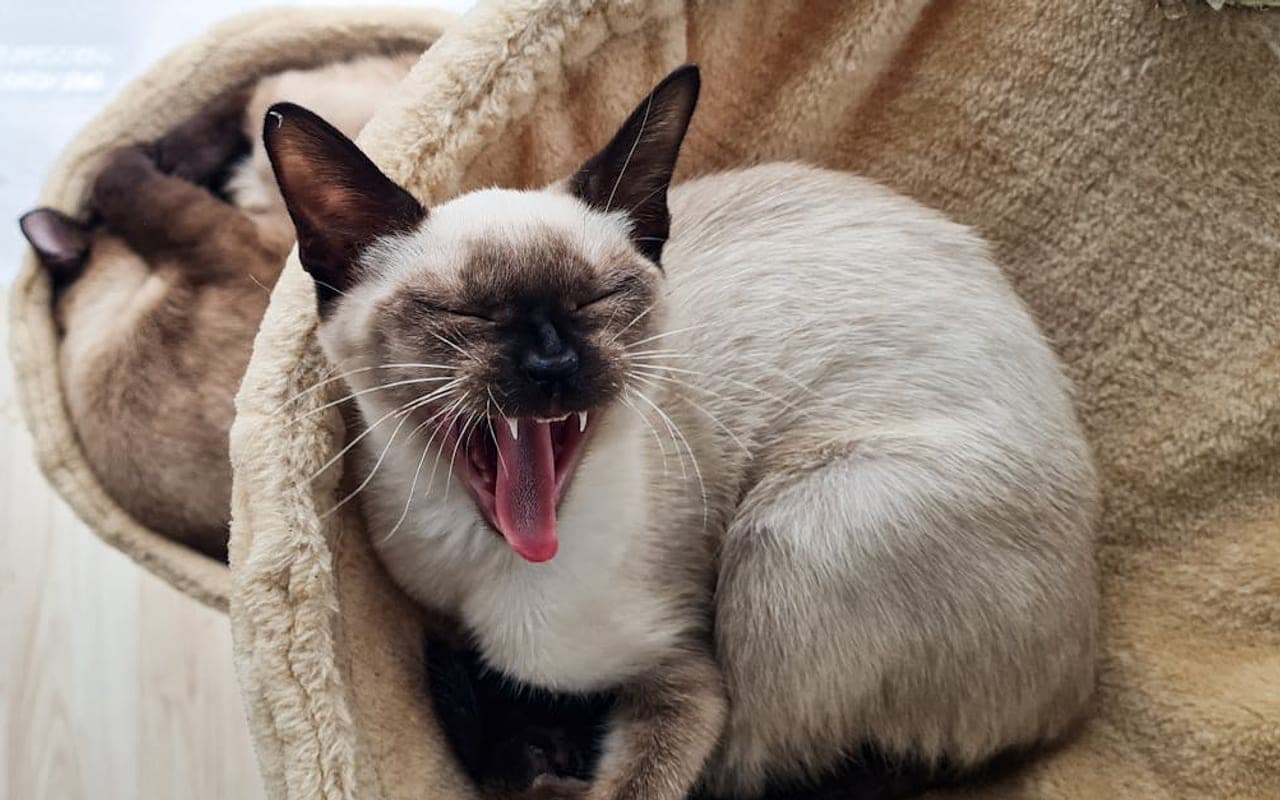
Siamese
Also in the Shorthair group, with different care and temperament tradeoffs.
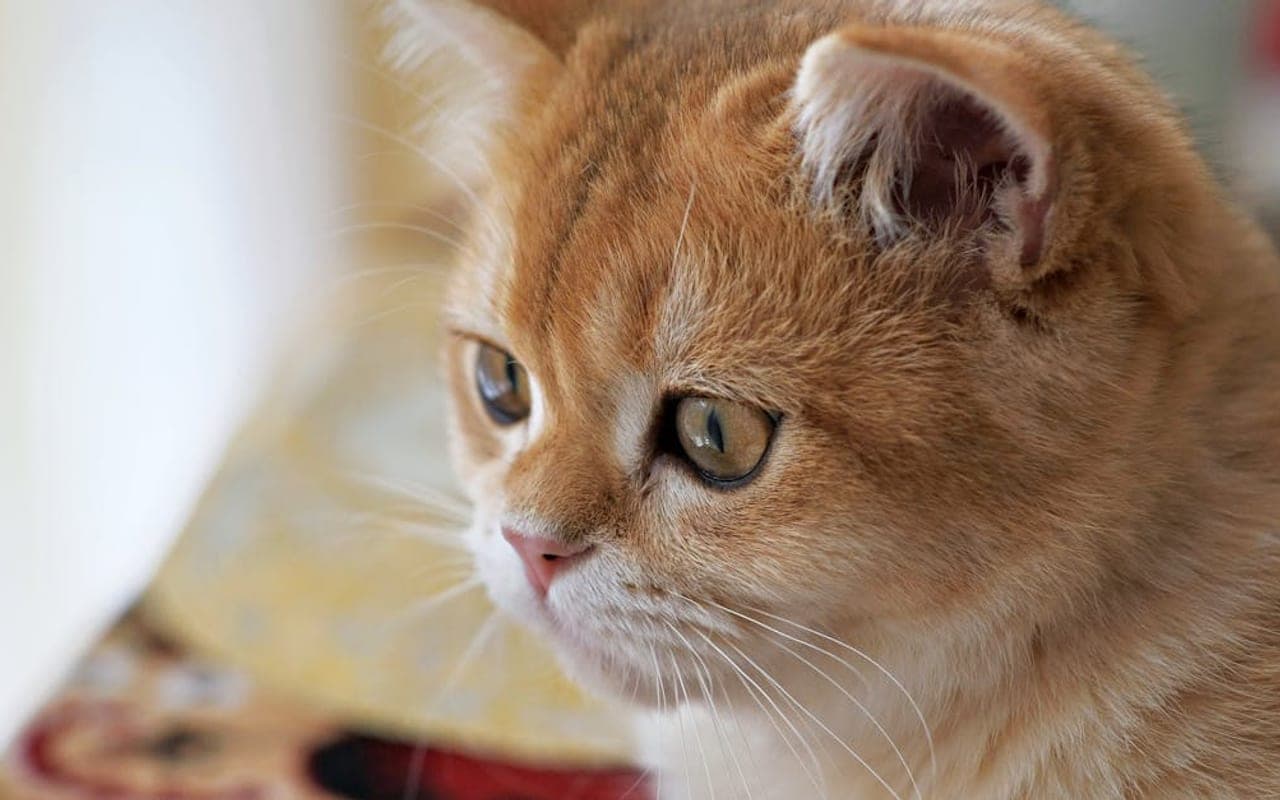
British Shorthair
Also in the Shorthair group, with different care and temperament tradeoffs.
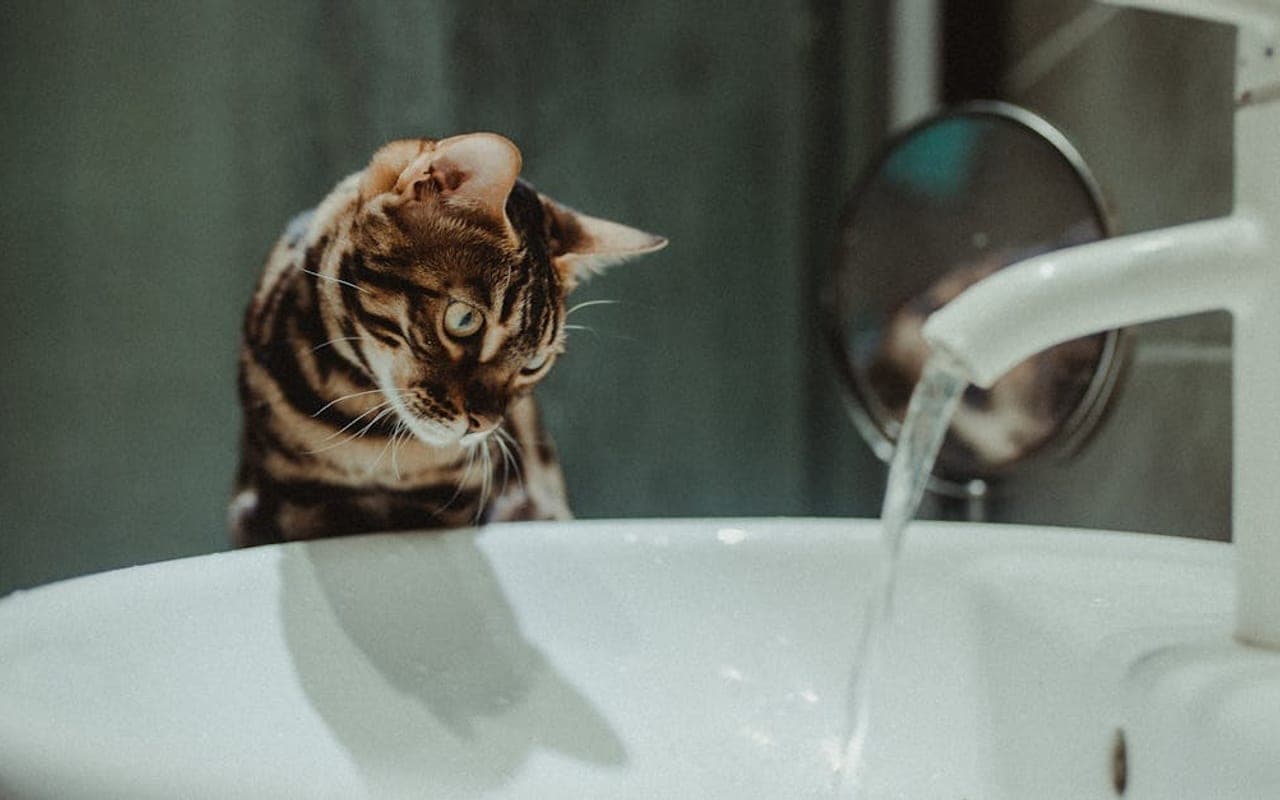
Bengal
Also in the Shorthair group, with different care and temperament tradeoffs.
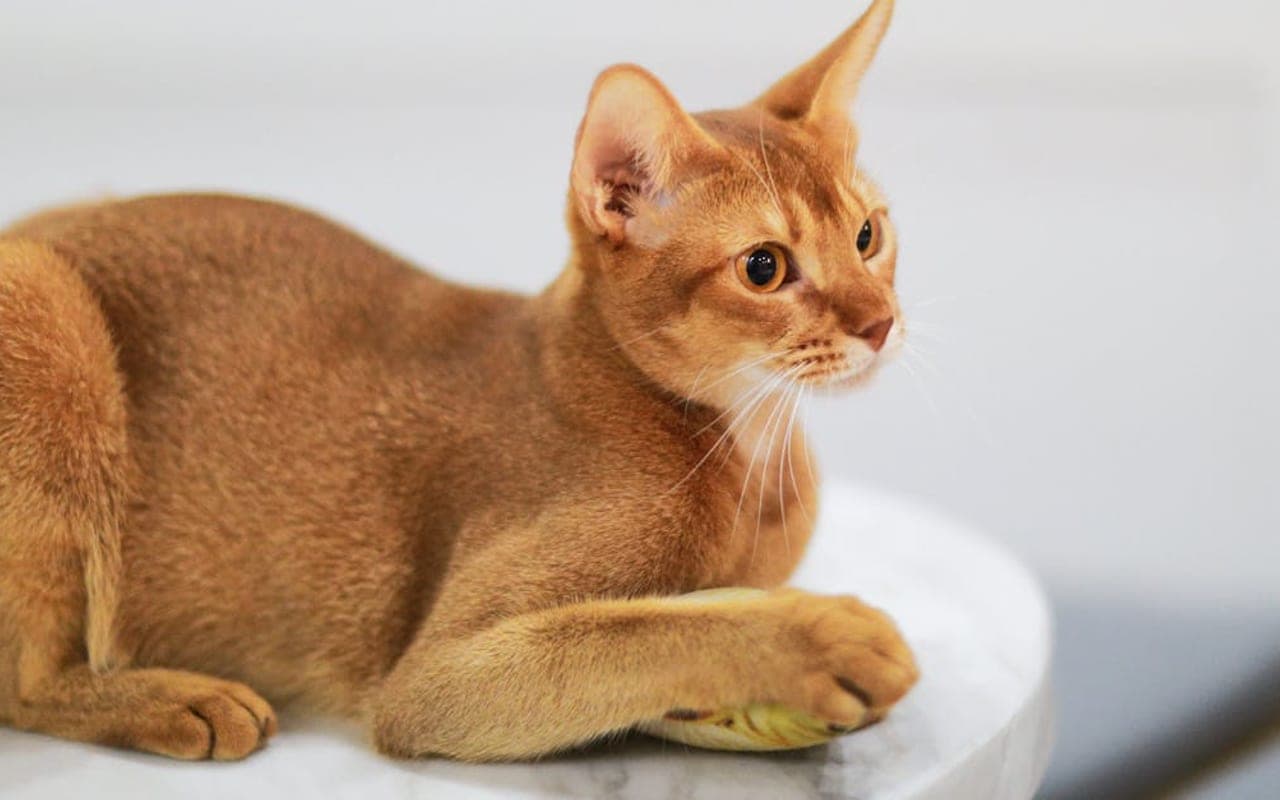
Abyssinian
Also in the Shorthair group, with different care and temperament tradeoffs.
Explore More About Toyger
Dive deeper into everything Toyger — costs, care, and expert insights.
Considering a dog instead?
Browse Dogs