
Longhair group
York Chocolate
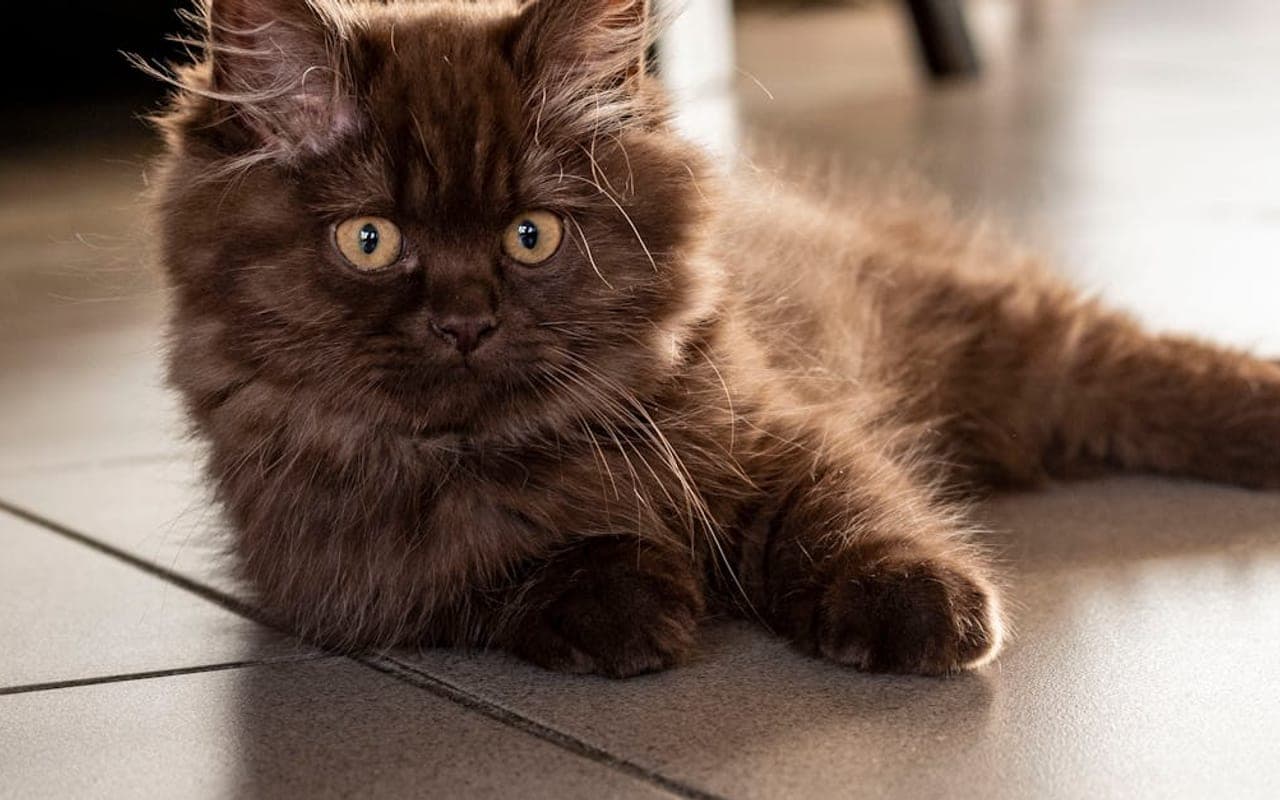
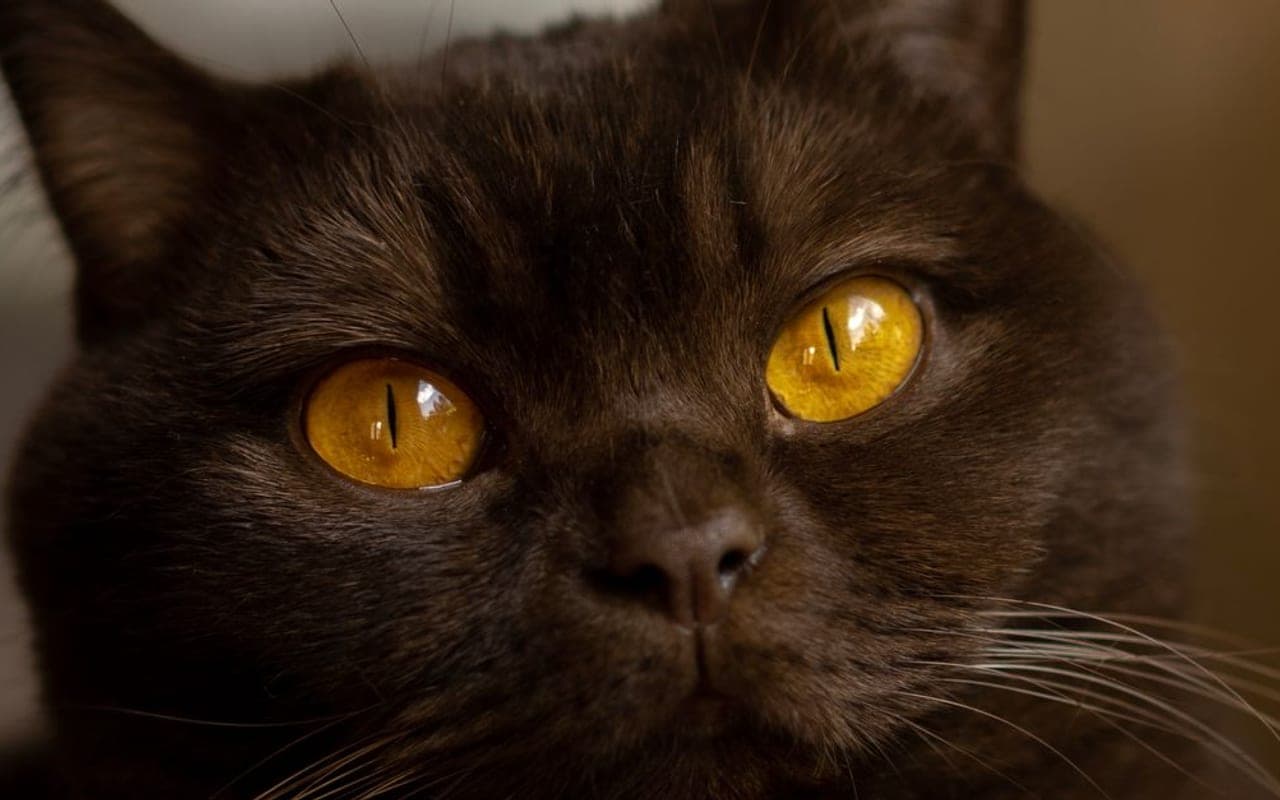
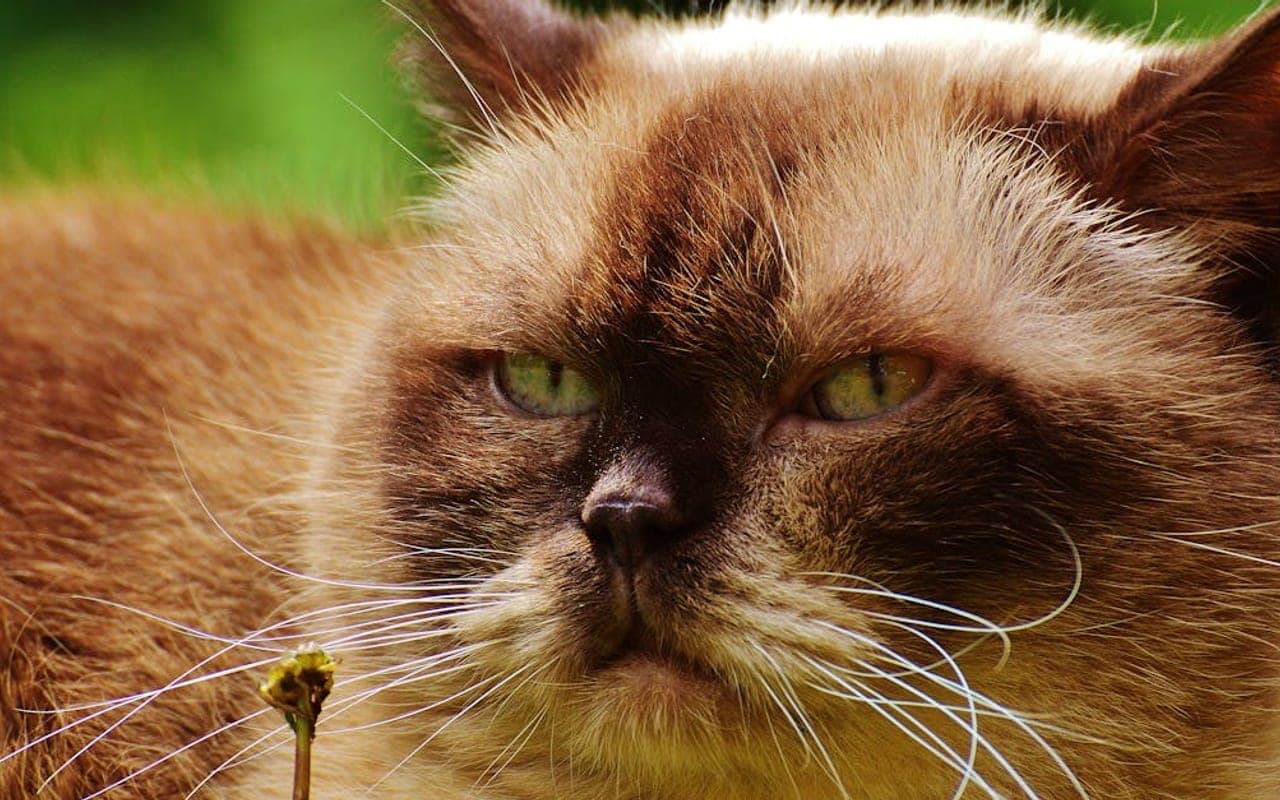
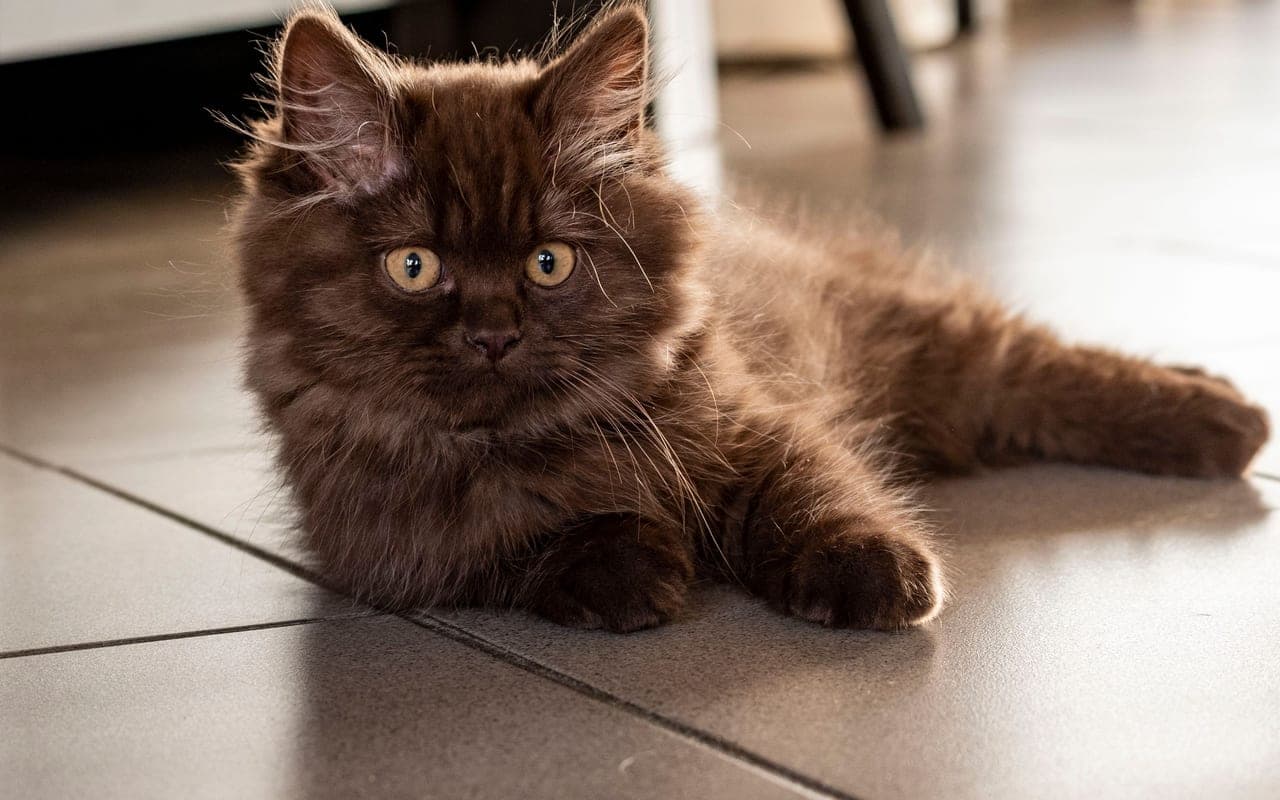
The York Chocolate is a rare American longhair defined by two things: a rich solid chocolate-to-lilac coat and an unusually dog-like, people-glued personality.
Size
10-18 lb
Lifespan
13-15 years
Play
30-60 minutes
Shedding
Moderate
Experience
Match to owner routine
Decision first
Is a York Chocolate right for you?
Start with fit before history or trivia. These are ownership signals, not guarantees about any individual cat.
Best suited for
- Households with children.
- Homes with other compatible pets.
- Apartment homes with a consistent routine.
- Owners who can provide daily play, climbing space, and enrichment.
Think carefully if
- You cannot provide daily play, climbing space, or mental enrichment.
- You cannot keep up with grooming and preventive care.
- The cat will spend most days without interaction or enrichment.
Conditional fit
Apartment fit depends on vertical space, litter setup, play, enrichment, and noise tolerance.
Daily reality
York Chocolate commitment snapshot
Daily play
30-60 minutes
Match play and enrichment to age, health, appetite, and household routine.
Coat care
Moderate
Grooming needs vary by coat, shedding, and lifestyle.
Social needs
Needs planning
Most cats still need predictable contact, enrichment, litter care, and monitoring.
Structured facts
York Chocolate at a glance
The measurements and traits that most affect day-to-day life with this breed.
Origin
United States
Group
Longhair
Weight
10-18 lb
Height
8-11 in
Lifespan
13-15 years
Temperament
Playful | Social | Intelligent | Curious | Friendly
View all characteristics and methodology
Lifestyle fit
- Apartment suitabilityWorks best with clean litter setup, vertical space, and daily enrichment.
- Likely fit
- Child friendliness
- Often good, with socialisation and supervision
- Other-pet fit
- Often compatible with careful introductions
- Adaptability
- Very high
Owner commitment
- Daily play
- 30-60 minutes
- Grooming
- Moderate
- Shedding
- Moderate
- Indoor enrichment
- High
Behavior
- Affection
- Very high
- Energy
- Very high
- Vocalization
- Very high
- Social needs
- High
Environment and health
- Intelligence
- Very high
- Health risk
- Needs planning
- Weight sensitivity
- Routine monitoring
Ratings combine structured breed data, visible breed fields, and editorial context. They are planning aids, not predictions for an individual cat.
Daily life
York Chocolate temperament and behavior
The York Chocolate is a rare American longhair defined by two things: a rich solid chocolate-to-lilac coat and an unusually dog-like, people-glued personality. It is a semi-foreign, medium-to-large cat (typically 10-16 lb, females smaller) with a soft, low-undercoat single-ish coat, a plumed tail, and a sweet, social temperament. The honest headline on this breed is reassuring but conditional: there is no breed-defining genetic disease here, and York Chocolates are generally robust — but "robust" is not the same as "hands-off," and the breed's extreme rarity is itself the most important thing a buyer needs to understand. The York Chocolate originated in 1983 on a New York goat-dairy farm from ordinary domestic longhair stock selected for color and temperament. It was never accepted by the major registries (CFA, TICA) because of its very small founder base and limited population — by most accounts only roughly a hundred cats have ever existed. That means a prospective owner is buying into a tiny gene pool with little formal health oversight, which makes line documentation and basic screening matter more, not less, despite the breed's overall hardiness. Temperament is the breed's selling point. York Chocolates are true lap cats: they follow their people room to room, involve themselves in everything, are notably good with children and dogs, and — unusually for cats — are often fascinated by water. They are playful, intelligent, and talkative without being demanding to the point of nuisance. Who the York Chocolate is right for: an owner who wants an affectionate, interactive, sturdy companion cat, will keep it lean, and accepts the realities of a rare, unregistered breed (sourcing difficulty, scant pedigree health data). Who it is wrong for: anyone wanting a low-interaction, independent cat, or a buyer who assumes "healthy breed" means no monitoring is needed.
Playful | Social | Intelligent | Curious | Friendly
Playful
A common York Chocolate temperament descriptor that should be interpreted alongside enrichment, handling, and household fit.
Social
A common York Chocolate temperament descriptor that should be interpreted alongside enrichment, handling, and household fit.
Intelligent
A common York Chocolate temperament descriptor that should be interpreted alongside enrichment, handling, and household fit.
Curious
A common York Chocolate temperament descriptor that should be interpreted alongside enrichment, handling, and household fit.
Owner note
Temperament labels are starting points, not guarantees. Meet the individual cat and ask about behavior history whenever possible.
Care essentials
How to care for a York Chocolate
What looking after one actually involves: play, grooming, food, litter, and routine health.
ExerciseAs needed
- Active and playful breed requiring daily interactive play sessions with toys, climbing structures, and mental stimulation.
GroomingAs needed
- Brush 2-3 times per week to maintain coat health and reduce shedding. Monthly bathing may be beneficial.
NutritionAs needed
- Feed a high-quality cat food appropriate for their age and activity level. Maintain fresh water at all times. Monitor weight to prevent obesity.
SocializationAs needed
- Highly social breed that thrives on companionship. Does not do well left alone for extended periods. Consider a companion pet.
Veterinary CareAs needed
- Annual wellness exams, vaccinations, dental checkups, and parasite prevention. Spay/neuter recommended if not breeding.
Health planning
York Chocolate health risks and screening
Every cat breed has individual health variation. Use this profile for planning and discuss medical decisions with a veterinarian.
Responsible ownership
Finding a York Chocolate responsibly
What to ask a breeder or rescue is the same conversation for every breed, so we keep it in one place and keep it current.
Health documentation, meeting the parents or foster, contracts and return support, and the warning signs worth walking away from.
Original purpose
York Chocolate history
History is useful when it explains today's behavior, coat, exercise needs, and training style.
Read the breed history
The York Chocolate is a young, distinctly American breed. It began in 1983 on Janet Chiefari's goat-dairy farm in Grafton, New York, when a solid chocolate-colored kitten — "Brownie," born to ordinary long-haired domestic farm cats — caught the breeder's eye. A selective program built around that color and a deliberately friendly, dog-like temperament followed, and the breed was given preliminary recognition by a smaller registry (the Cat Fanciers' Federation) around 1992. It takes its name from New York State and from the chocolate coat color. Crucially for any buyer: the breed was never accepted by the major international registries such as CFA or TICA, owing to its very small founder base and persistently limited population — estimates put the total number of York Chocolates ever bred at only around a hundred. That history is not just color trivia; the tiny, largely undocumented gene pool is the central practical consideration when sourcing one and the reason basic health screening and line documentation should not be skipped despite the breed's general hardiness.
Gallery
York Chocolate photos
Images are cropped consistently and loaded progressively to keep the page responsive.
Lower-page context
York Chocolate cats in culture
Where the breed shows up in film, sport, work and folklore — the enjoyable part, once the practical questions are answered.
Fun facts
- The York Chocolate originated in United States.
- York Chocolate cats are considered one of the most intelligent cat breeds.
- York Chocolate cats are known for being very vocal and communicative with their owners.
- The York Chocolate is one of the most energetic and playful cat breeds.
- The York Chocolate is a true lap cat that loves to curl up with their owners.
York Chocolate FAQs
Is the York Chocolate a healthy cat breed?
Largely yes — there is no breed-defining hereditary disease, and York Chocolates are generally robust and long-lived for a cat. The honest qualifiers are two. First, the practical day-to-day risk is obesity, which this food-motivated breed develops easily and which drives most of its avoidable illness. Second, the breed's extremely small founder population (~100 cats ever, no major-registry oversight) means recessive risks can concentrate and pedigree health data is thin. Keep the cat lean, source from a documented line, and don't treat "healthy breed" as a reason to skip annual exams.
How long do York Chocolate cats live?
A well-cared-for York Chocolate typically lives around 13-15 years, comparable to or slightly above the average domestic cat, reflecting the absence of a breed-defining lethal genetic disease. The biggest single lever on whether a given cat reaches the upper end is weight: an obese York Chocolate faces materially higher rates of diabetes, joint disease, and urinary problems that shorten life. Lifespan here is less about genetics than about portion control, daily play, and not skipping the annual exam that catches heart and dental problems early.
Why are York Chocolate cats so hard to find, and does it matter?
Because it is one of the rarest cat breeds in existence — by most accounts only around a hundred have ever been bred, and the major registries (CFA, TICA) never recognized it due to its tiny founder base. It matters in two concrete ways: sourcing one is genuinely difficult and you should be skeptical of any "easy" availability, and the narrow gene pool with little formal health oversight makes line documentation and basic screening more important, not less. Rarity is a real cost and risk factor here, not a marketing point.
Do York Chocolate cats really like water?
Often, yes — unusually for cats, many York Chocolates are fascinated by water and will investigate running taps, sinks, and baths. It is a charming trait but it has a practical side: a water-curious cat needs secured toilets, supervised access to full bathtubs, and awareness that they may help themselves to your glass. It is not a health concern, but pairing it with the breed's follow-you-everywhere personality means this is a cat that is genuinely involved in your daily routine — which is the appeal and the commitment in one.
Are York Chocolate cats good with children and dogs?
Yes — sociability with the whole household is the trait the breed was selected for. York Chocolates are patient, playful, and famously dog-like: they tolerate children's energy well, frequently coexist happily with dogs, and bond to a family rather than a single person. The realistic caution is the opposite of aggression — this is a cat that needs interaction and does poorly with prolonged isolation, so the welfare risk in a busy household is loneliness during long absences, not conflict with kids or pets. Standard supervision of young children with any cat still applies.
How much grooming does a York Chocolate need?
Moderate and easy. The semi-long coat has little undercoat and resists matting, so 2-3 short brushing sessions a week — bumped up during seasonal shed — keep it in good order, plus routine nail trims and dental care. The more important "care" investment for this breed is not the coat at all: it is daily interactive play, which manages the breed's real health risk (weight gain) and meets the social needs of a cat bred specifically to be involved with its people. Treat play as non-negotiable maintenance, not optional fun.
Sources
These are the published sources this page draws on. Each opens in a new tab so you can check it yourself.
World Cat Federation
York Chocolate — World Cat Federation breed standard(opens in a new tab)Supports: Breed standard and recognition details.
Similar breeds to consider
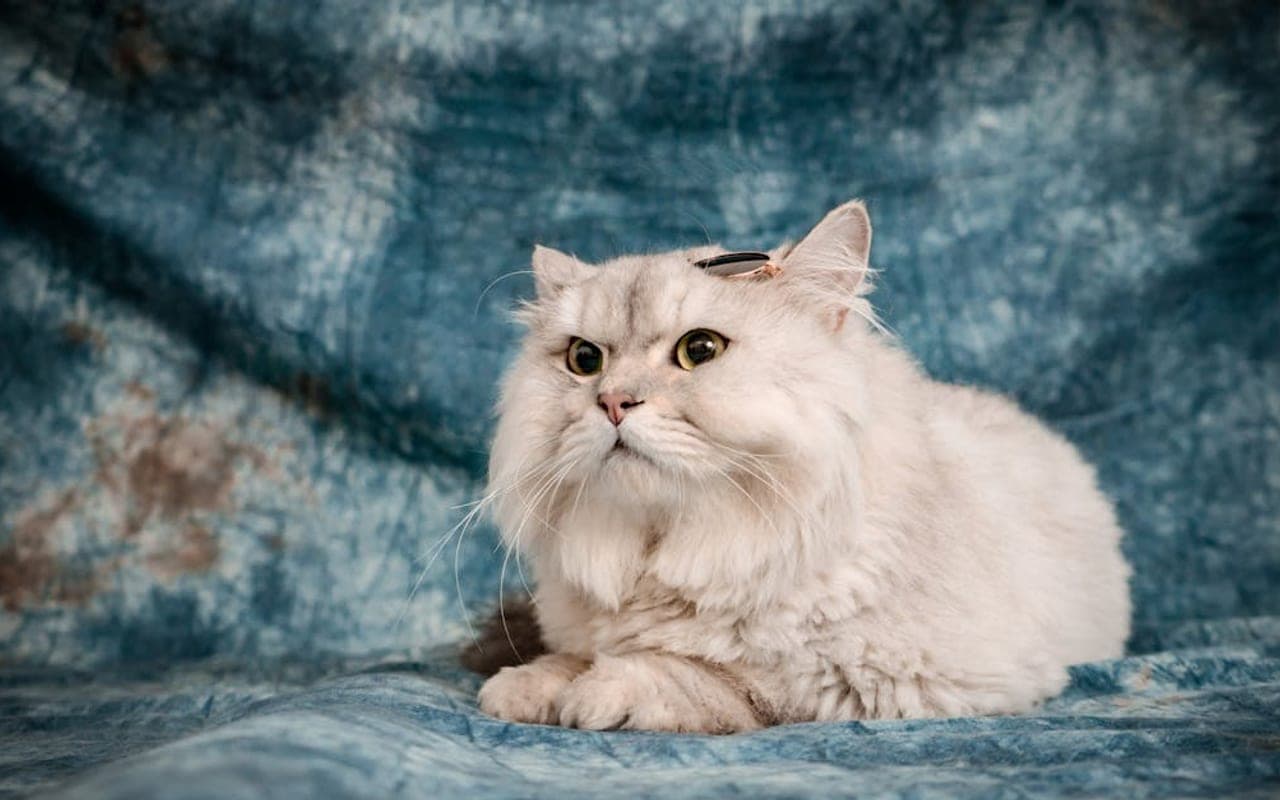
Persian
Also in the Longhair group, with different care and temperament tradeoffs.
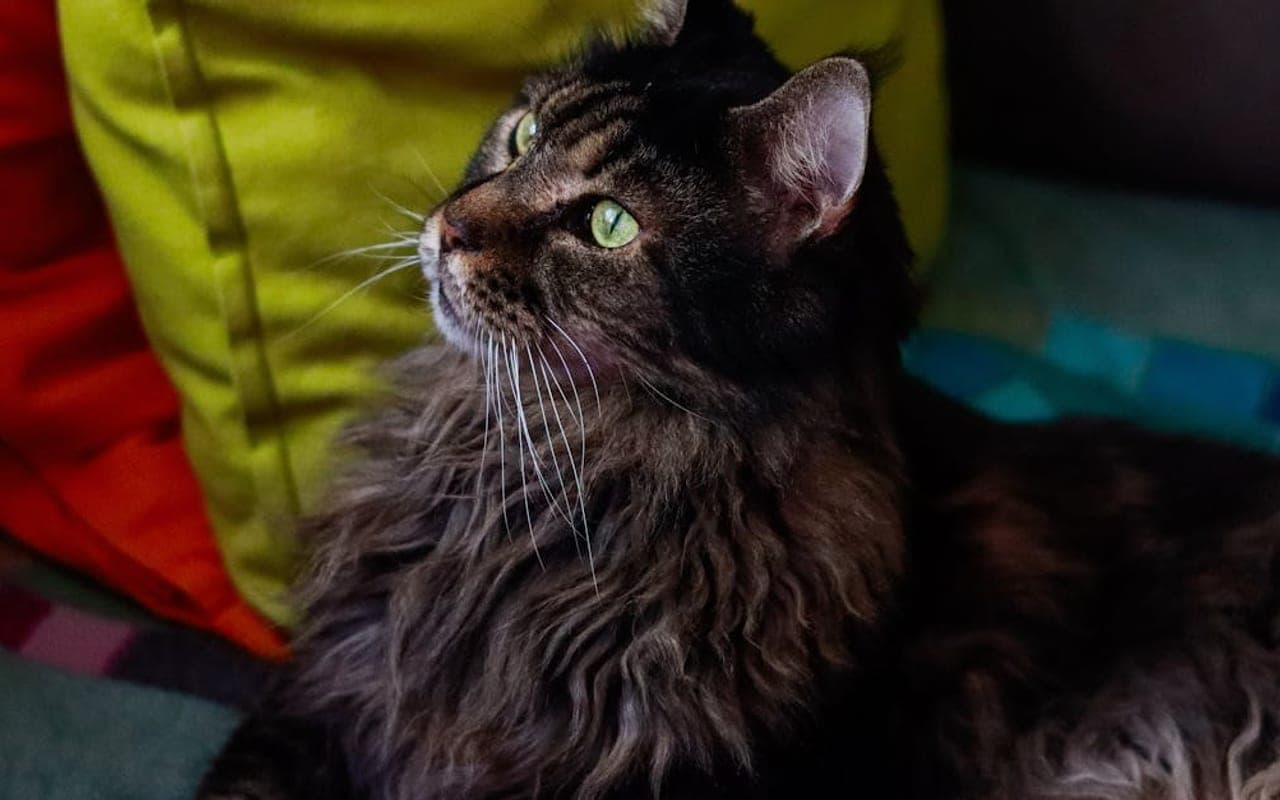
Maine Coon
Also in the Longhair group, with different care and temperament tradeoffs.
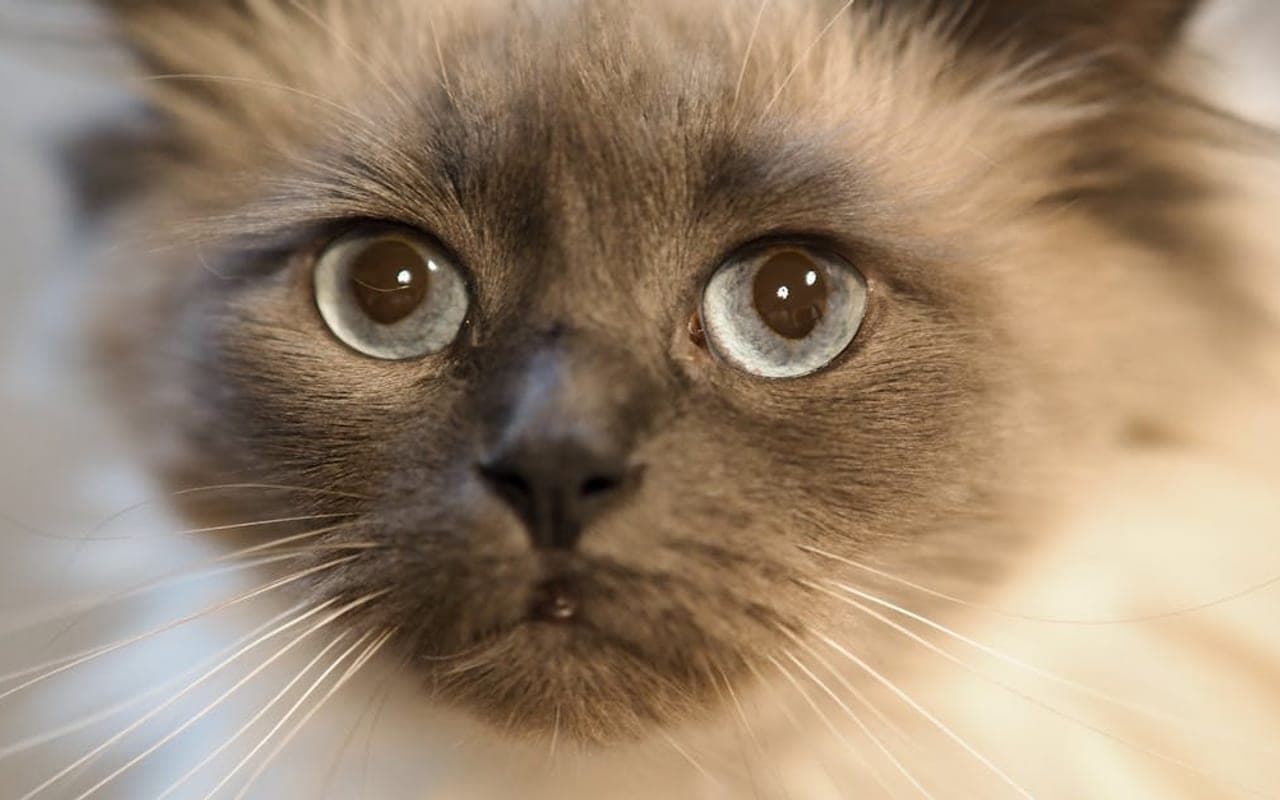
Ragdoll
Also in the Longhair group, with different care and temperament tradeoffs.
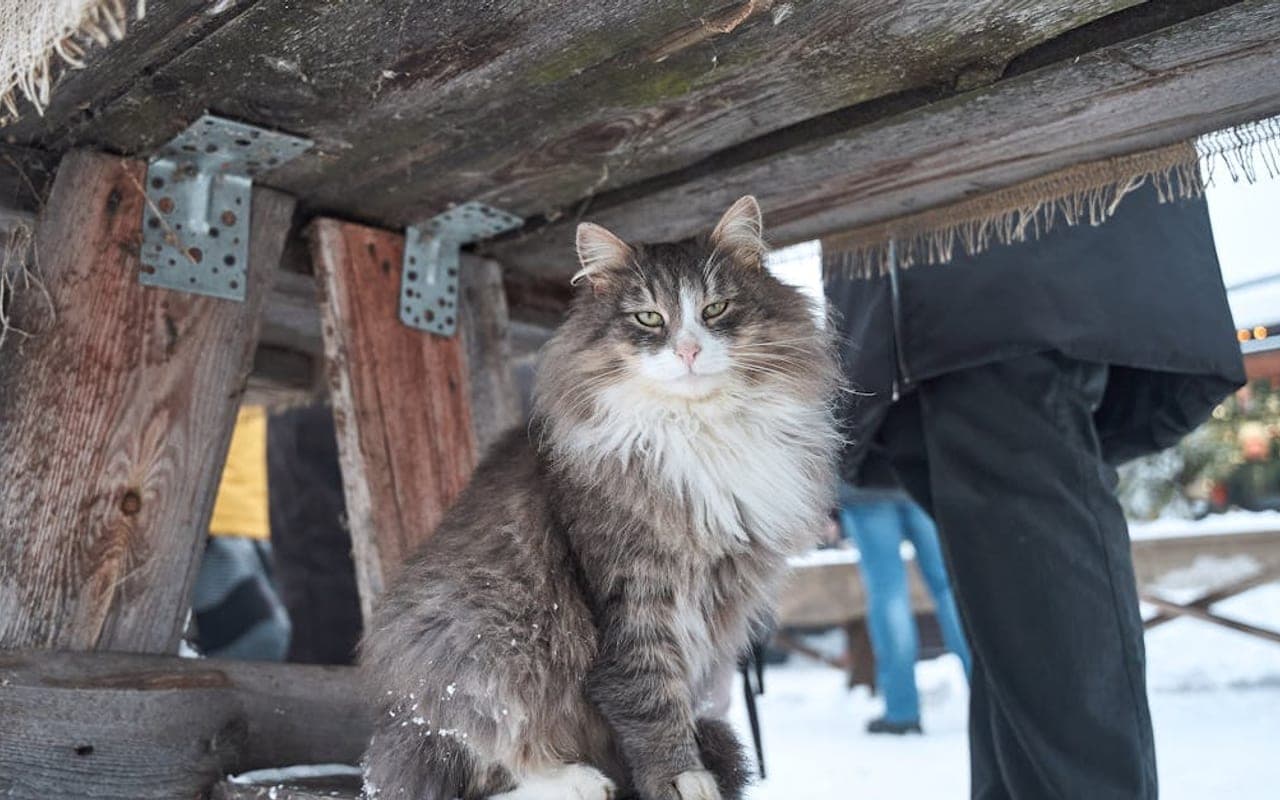
Norwegian Forest Cat
Also in the Longhair group, with different care and temperament tradeoffs.
Explore More About York Chocolate
Dive deeper into everything York Chocolate — costs, care, and expert insights.
Considering a dog instead?
Browse Dogs