
British Shorthair vs Persian
A side-by-side breed comparison to help you decide which fits your lifestyle.
At a Glance
| Attribute | British Shorthair | Persian |
|---|---|---|
| Origin | United Kingdom | Iran (Persia) |
| Breed Group | Shorthair | Longhair |
| Life Span | 12–17 yrs | 14–15 yrs |
| Weight | 3.2–7.7 kg | 3.2–5.4 kg |
| Height | 28–36 cm | 25–38 cm |
| Temperament | Affectionate, Easy Going, Gentle | Affectionate, loyal, Sedate |
| Exercise Needs | Low (20-30 min/day) | Low (20-30 min/day) |
| Grooming | low | high |
| Shedding | high | high |
| Good with Children | Yes | Yes |
| Apartment Friendly | Yes | Yes |
Temperament Comparison
The British Shorthair is known for being affectionate, easy going, gentle, while the Persian tends to be affectionate, loyal, sedate.
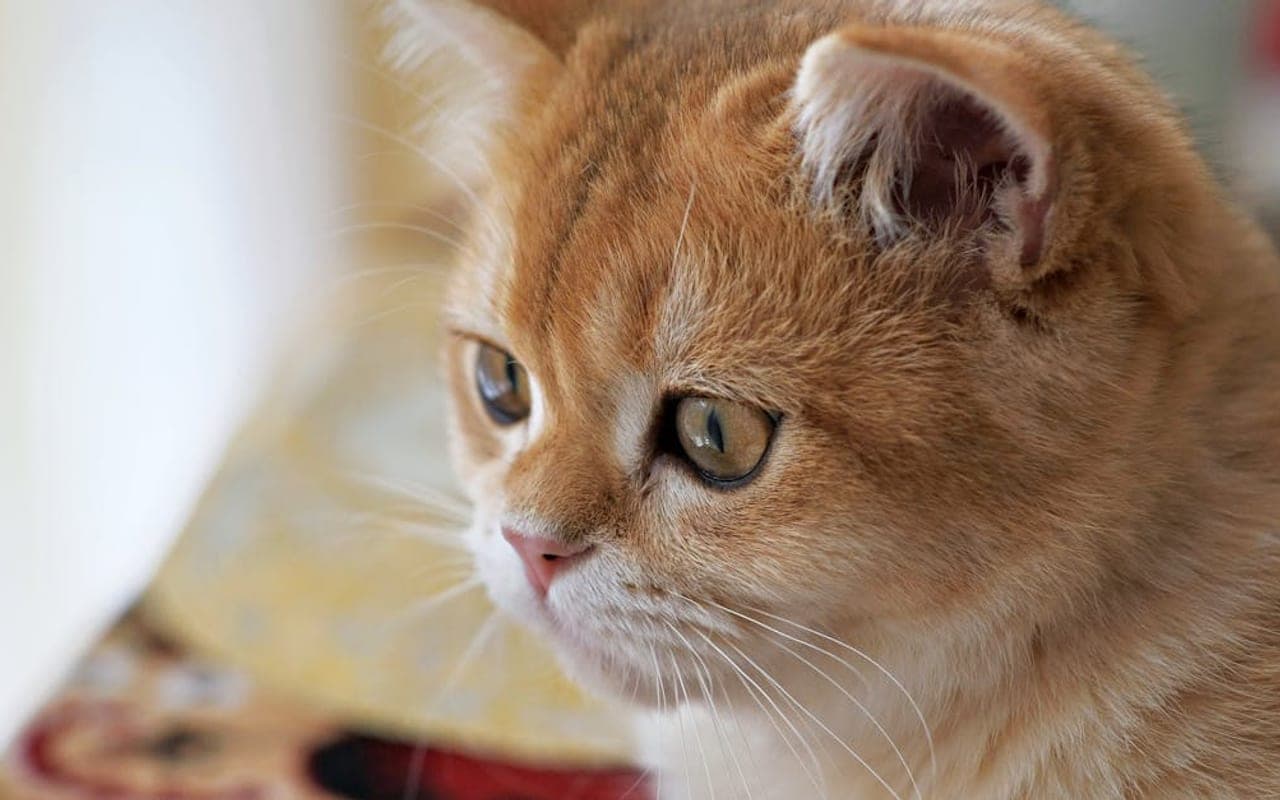
British Shorthair
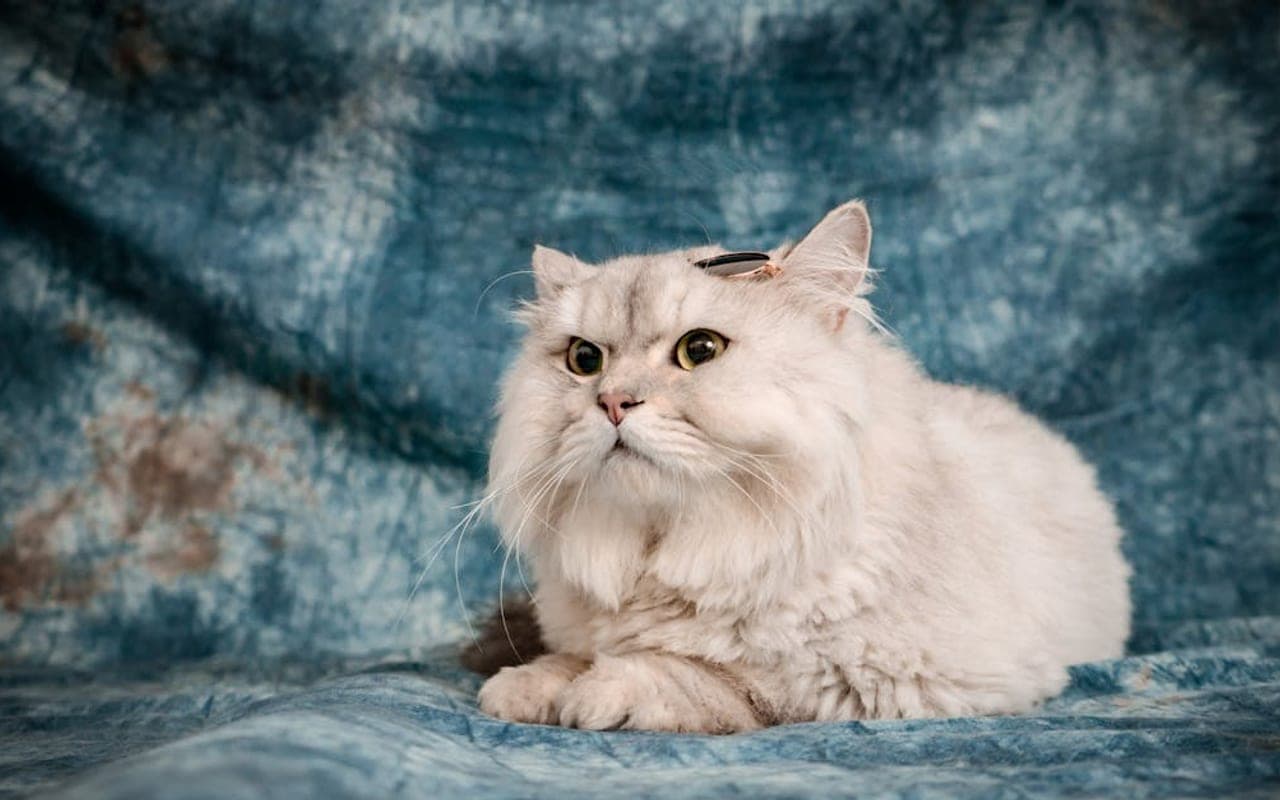
Persian
Family Suitability
British Shorthair
- Good with children: Yes
- Good with other pets: Yes
- Apartment friendly: Yes
- Exercise: low
Persian
- Good with children: Yes
- Good with other pets: No
- Apartment friendly: Yes
- Exercise: low
Training & Exercise
When it comes to daily activity, the British Shorthair requires low (20-30 min/day) exercise, compared to the Persian which needs low (20-30 min/day).
British Shorthair
- Exercise
- low
- Grooming
- low
- Shedding
- high
Persian
- Exercise
- low
- Grooming
- high
- Shedding
- high
Cost Comparison
Understanding the financial commitment of each breed helps you plan for a lifetime of care.
| Cost | British Shorthair | Persian |
|---|---|---|
| Purchase Price | $800 – $3,000 | $500 – $5,000 |
| Monthly Cost | ~$75/mo | ~$100/mo |
| Est. Lifetime Cost | ~$10,800+ | ~$16,800+ |
Health Considerations
Both breeds have breed-specific health considerations. Being aware of these helps you plan for preventive care and vet visits.
British Shorthair
Life span: 12–17 yrs
- Hypertrophic cardiomyopathy (HCM) — the defining breed risk: thickening of the heart muscle that can cause heart failure, blood clots, or sudden death. Responsible breeders cardiac-ultrasound screen breeding cats; obesity in this food-motivated breed compounds the risk.
- Polycystic kidney disease (PKD) — inherited kidney cysts leading to progressive kidney failure, introduced into some lines via historical Persian outcrossing; a definitive DNA test exists and screened lines are essential.
- Obesity — not a genetic disease but the breed's single most common and most consequential health problem, because its placid, food-driven, low-activity nature makes weight gain near-default and directly worsens its cardiac and joint risks.
- Hemophilia B (Factor IX deficiency) — an inherited bleeding disorder documented in the breed; DNA-screenable in breeding cats and important to know before any surgery.
- Neonatal isoerythrolysis from blood-type incompatibility — the British Shorthair has a high frequency of blood type B, so blood-typing breeding cats prevents fatal newborn-kitten reactions and matters for any future transfusion.
- Gingivitis and periodontal disease — the breed shows a tendency to dental disease, making routine tooth brushing and dental checks a recurring necessity rather than optional.
Persian
Life span: 14–15 yrs
- Polycystic kidney disease (PKD) — the defining inherited Persian risk: fluid-filled cysts progressively replace kidney tissue, often causing kidney failure in middle age. There is a definitive DNA test; buying from a PKD-tested line is the single most important purchase decision in this breed.
- Brachycephalic airway syndrome — the flat 'peke-face' restricts airflow, causing noisy breathing, exercise and heat intolerance, and in severe cases surgical correction; markedly worse in extreme show-type faces than in doll-face Persians.
- Excessive tearing and entropion / blocked nasolacrimal ducts — the shortened muzzle distorts tear drainage, causing chronic eye discharge, staining, and skin-fold infection; some Persians also have inward-rolling eyelids requiring surgery.
- Progressive retinal atrophy (PRA-pd, the Persian/early-onset form) — an inherited retinal degeneration leading to blindness, with a DNA test available for responsible breeders.
- Hypertrophic cardiomyopathy (HCM) — thickening of the heart muscle that can cause sudden decline; warrants periodic cardiac screening in adults.
- Dental malocclusion and crowding — the compressed jaw misaligns teeth, accelerating periodontal disease and making routine dental care a recurring cost.
- Coat matting and skin-fold dermatitis — not a genetic disease but a near-certain welfare problem without daily grooming, leading to painful pelting, sedated shave-downs, and infected facial folds.
Which Breed is Right for You?
Choose the British Shorthair if you want a breed that's affectionate and easy going and works well in apartments, especially with a family.
Choose the Persian if you prefer a breed that's affectionate and loyal and adapts to smaller spaces, great with kids.
Explore More About British Shorthair
Dive deeper into everything British Shorthair — costs, care, and expert insights.
How Much Does a British Shorthair Cost?
Purchase price, monthly costs, and lifetime expenses
British Shorthair Care Guide
The British Shorthair is one of the...
Obesity in Pets: The #1 Preventable Health Problem
Over 50% of dogs and cats are overweight. Extra weight shortens lives and causes real health...
Cat Nutrition 101: What Your Cat Actually Needs
Cats are obligate carnivores with unique protein, taurine, and hydration needs. Everything you need...
How to Introduce a New Cat to Your Existing Cat
Throwing two cats together rarely works. This step-by-step guide covers the slow introduction...
Considering a dog instead?
Browse Dogs