
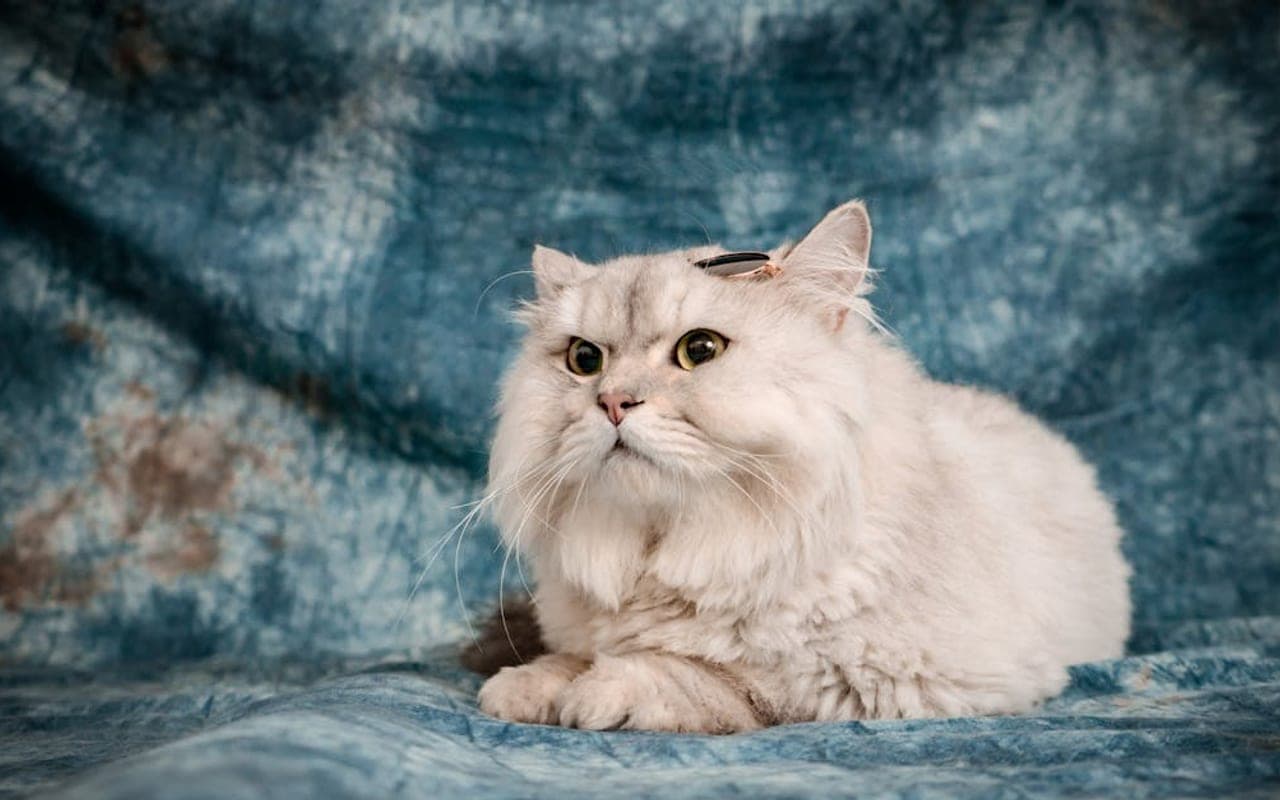
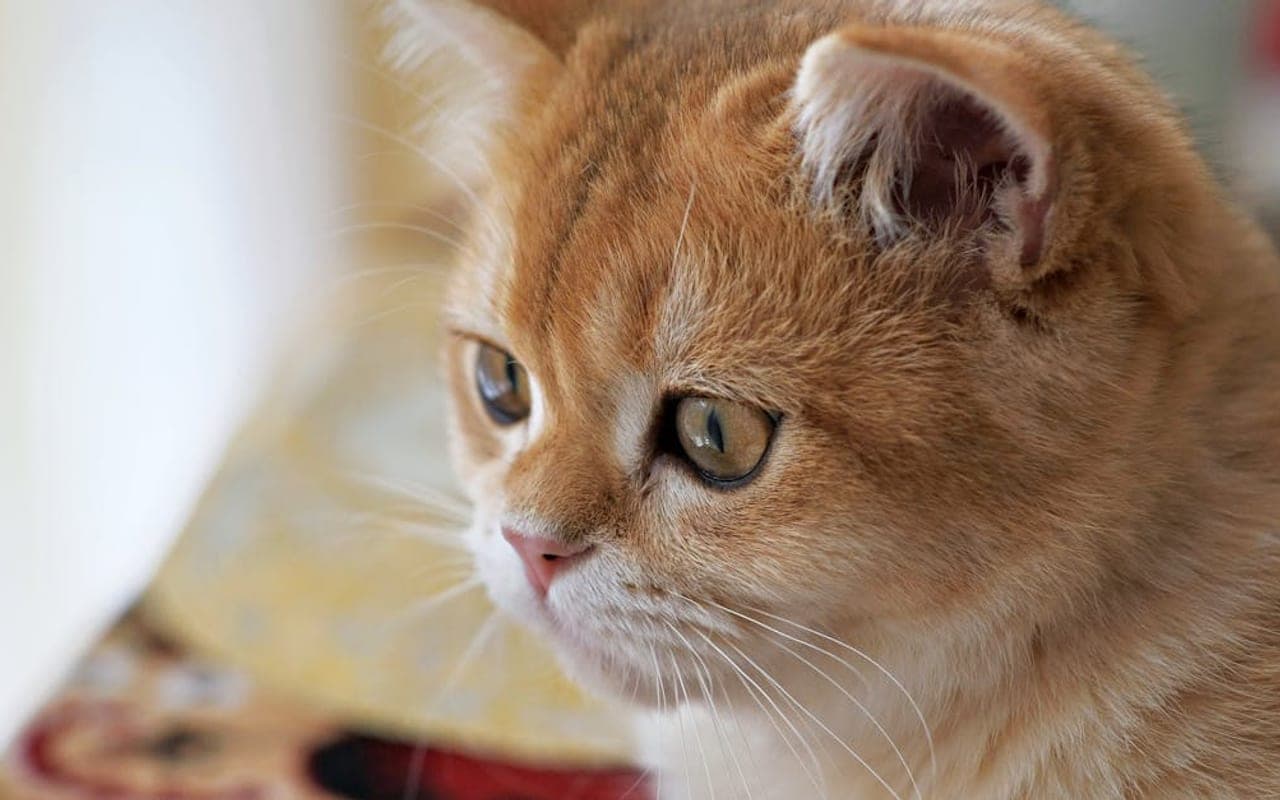
Persian vs British Shorthair
A side-by-side breed comparison to help you decide which fits your lifestyle.
At a Glance
| Attribute | Persian | British Shorthair |
|---|---|---|
| Origin | Iran (Persia) | United Kingdom |
| Breed Group | Longhair | Shorthair |
| Life Span | 14–15 yrs | 12–17 yrs |
| Weight | 3.2–5.4 kg | 3.2–7.7 kg |
| Height | 25–38 cm | 28–36 cm |
| Temperament | Affectionate, loyal, Sedate | Affectionate, Easy Going, Gentle |
| Exercise Needs | Low (20-30 min/day) | Low (20-30 min/day) |
| Grooming | high | low |
| Shedding | high | high |
| Good with Children | Yes | Yes |
| Apartment Friendly | Yes | Yes |
Temperament Comparison
The Persian is known for being affectionate, loyal, sedate, while the British Shorthair tends to be affectionate, easy going, gentle.
Persian
British Shorthair
Family Suitability
Persian
- Good with children: Yes
- Good with other pets: No
- Apartment friendly: Yes
- Exercise: low
British Shorthair
- Good with children: Yes
- Good with other pets: Yes
- Apartment friendly: Yes
- Exercise: low
Training & Exercise
When it comes to daily activity, the Persian requires low (20-30 min/day) exercise, compared to the British Shorthair which needs low (20-30 min/day).
Persian
- Exercise
- low
- Grooming
- high
- Shedding
- high
British Shorthair
- Exercise
- low
- Grooming
- low
- Shedding
- high
Cost Comparison
Understanding the financial commitment of each breed helps you plan for a lifetime of care.
| Cost | Persian | British Shorthair |
|---|---|---|
| Purchase Price | $500 – $5,000 | $800 – $3,000 |
| Monthly Cost | ~$100/mo | ~$75/mo |
| Est. Lifetime Cost | ~$16,800+ | ~$10,800+ |
Health Considerations
Both breeds have breed-specific health considerations. Being aware of these helps you plan for preventive care and vet visits.
Persian
Life span: 14–15 yrs
- Polycystic kidney disease (PKD) — the defining inherited Persian risk: fluid-filled cysts progressively replace kidney tissue, often causing kidney failure in middle age. There is a definitive DNA test; buying from a PKD-tested line is the single most important purchase decision in this breed.
- Brachycephalic airway syndrome — the flat 'peke-face' restricts airflow, causing noisy breathing, exercise and heat intolerance, and in severe cases surgical correction; markedly worse in extreme show-type faces than in doll-face Persians.
- Excessive tearing and entropion / blocked nasolacrimal ducts — the shortened muzzle distorts tear drainage, causing chronic eye discharge, staining, and skin-fold infection; some Persians also have inward-rolling eyelids requiring surgery.
- Progressive retinal atrophy (PRA-pd, the Persian/early-onset form) — an inherited retinal degeneration leading to blindness, with a DNA test available for responsible breeders.
- Hypertrophic cardiomyopathy (HCM) — thickening of the heart muscle that can cause sudden decline; warrants periodic cardiac screening in adults.
- Dental malocclusion and crowding — the compressed jaw misaligns teeth, accelerating periodontal disease and making routine dental care a recurring cost.
- Coat matting and skin-fold dermatitis — not a genetic disease but a near-certain welfare problem without daily grooming, leading to painful pelting, sedated shave-downs, and infected facial folds.
British Shorthair
Life span: 12–17 yrs
- Hypertrophic cardiomyopathy (HCM) — the defining breed risk: thickening of the heart muscle that can cause heart failure, blood clots, or sudden death. Responsible breeders cardiac-ultrasound screen breeding cats; obesity in this food-motivated breed compounds the risk.
- Polycystic kidney disease (PKD) — inherited kidney cysts leading to progressive kidney failure, introduced into some lines via historical Persian outcrossing; a definitive DNA test exists and screened lines are essential.
- Obesity — not a genetic disease but the breed's single most common and most consequential health problem, because its placid, food-driven, low-activity nature makes weight gain near-default and directly worsens its cardiac and joint risks.
- Hemophilia B (Factor IX deficiency) — an inherited bleeding disorder documented in the breed; DNA-screenable in breeding cats and important to know before any surgery.
- Neonatal isoerythrolysis from blood-type incompatibility — the British Shorthair has a high frequency of blood type B, so blood-typing breeding cats prevents fatal newborn-kitten reactions and matters for any future transfusion.
- Gingivitis and periodontal disease — the breed shows a tendency to dental disease, making routine tooth brushing and dental checks a recurring necessity rather than optional.
Which Breed is Right for You?
Choose the Persian if you want a breed that's affectionate and loyal and works well in apartments, especially with a family.
Choose the British Shorthair if you prefer a breed that's affectionate and easy going and adapts to smaller spaces, great with kids.
Explore More About Persian
Dive deeper into everything Persian — costs, care, and expert insights.
How Much Does a Persian Cost?
Purchase price, monthly costs, and lifetime expenses
Complete Persian Cat Care Guide
The Persian cat doesn't rush anything — not their walk across the room, not their...
Kidney Disease in Cats: The Silent Killer Explained
Kidney disease is the leading cause of death in senior cats. Early detection and management can add...
How to Trim Your Cat's Nails Without Getting Scratched
Gentle technique, gradual desensitization, and the right tools make cat nail trimming manageable —...
Why Does My Cat Knead? The Science Behind 'Making Biscuits'
Kneading traces back to nursing instinct — but it also involves territory marking, comfort-seeking,...
Considering a dog instead?
Browse Dogs