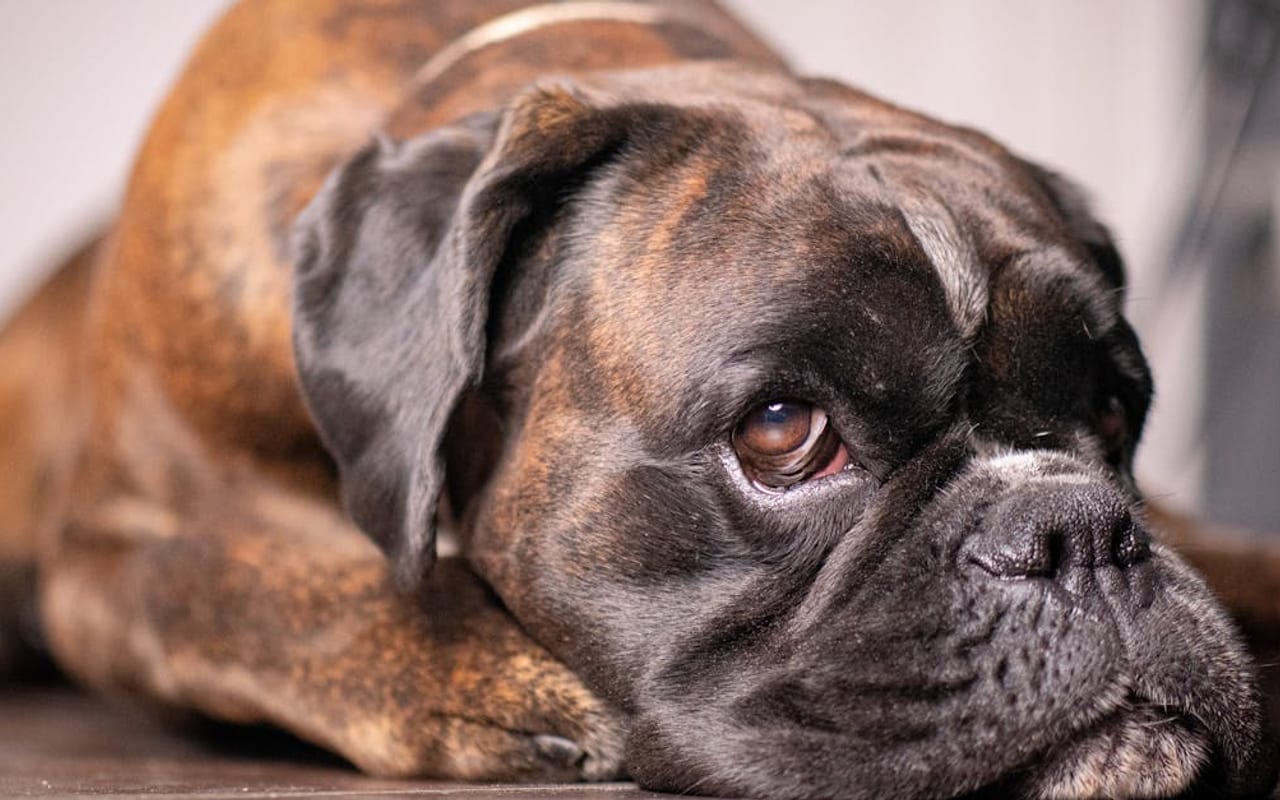
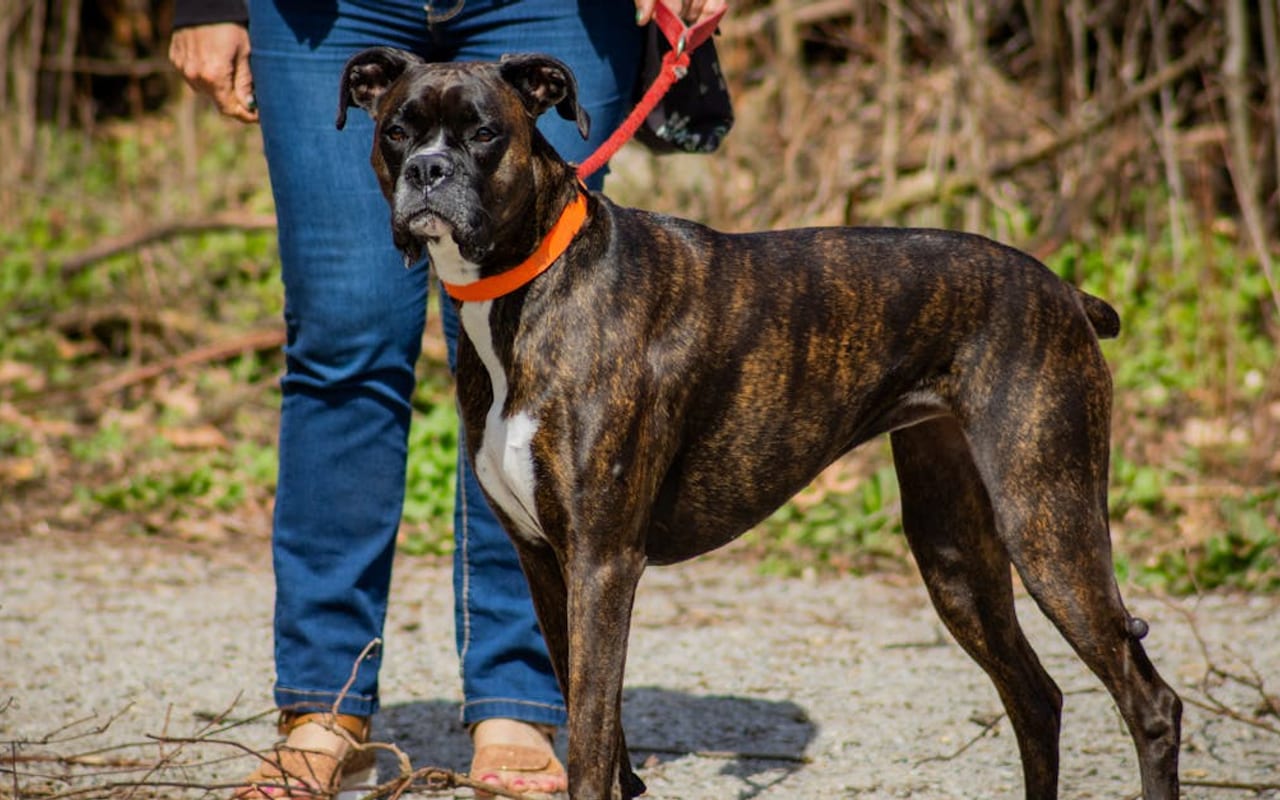
The Boxer is a medium-large working dog — typically 60-80 lb (29-36 kg) — built like an athlete and wired like a perpetual adolescent.
Origin
🇩🇪 Germany
Life Span
10–12 years
Weight
25–32 kg
Height
53–63 cm
The Boxer is a medium-large working dog — typically 60-80 lb (29-36 kg) — built like an athlete and wired like a perpetual adolescent. The defining thing to understand is that the Boxer combines a powerful, high-energy body with one of the most exuberant, slow-to-mature temperaments in the working group: this is a dog that often stays mentally puppyish until 2-3 years old. For the right active family that is a delight; for someone wanting a calm …
very high
Exercise
moderate
Grooming
moderate
Shedding
Yes
Good with Kids
The Boxer was developed in Germany in the late 19th century from the now-extinct Bullenbeisser, a powerful Mastiff-type hunting dog used to seize and hold large game such as boar and bison, crossed with a Bulldog-type import from England. The Bullenbeisser's job — gripping and holding quarry until the hunter arrived — shaped the breed's wide, strong jaw and muscular front, while later refinement produced the cleaner, more athletic modern dog. The…
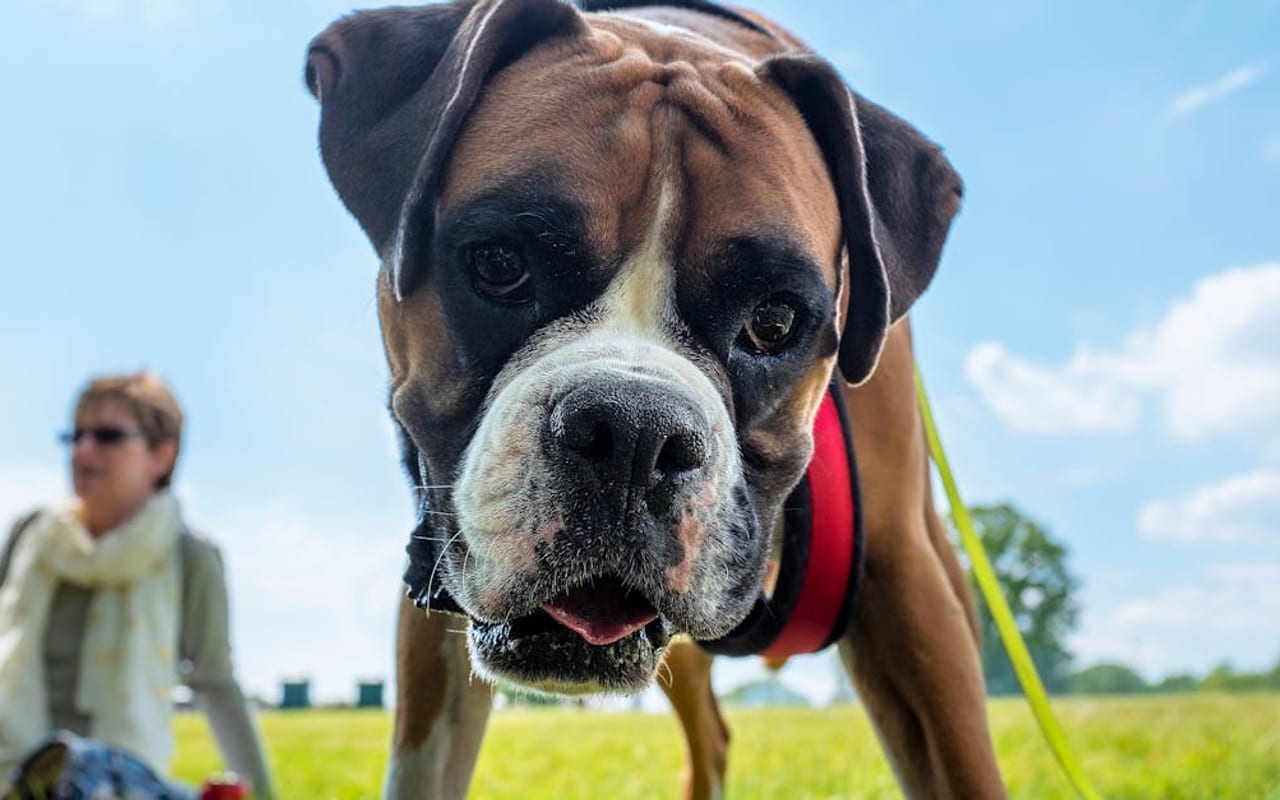

Boxers were among the first dogs to be employed as police dogs in Germany.
They get their name from their tendency to stand on hind legs and 'box' with their front paws when playing.
Boxers were originally bred to hunt large game such as wild boar, bear, and deer.
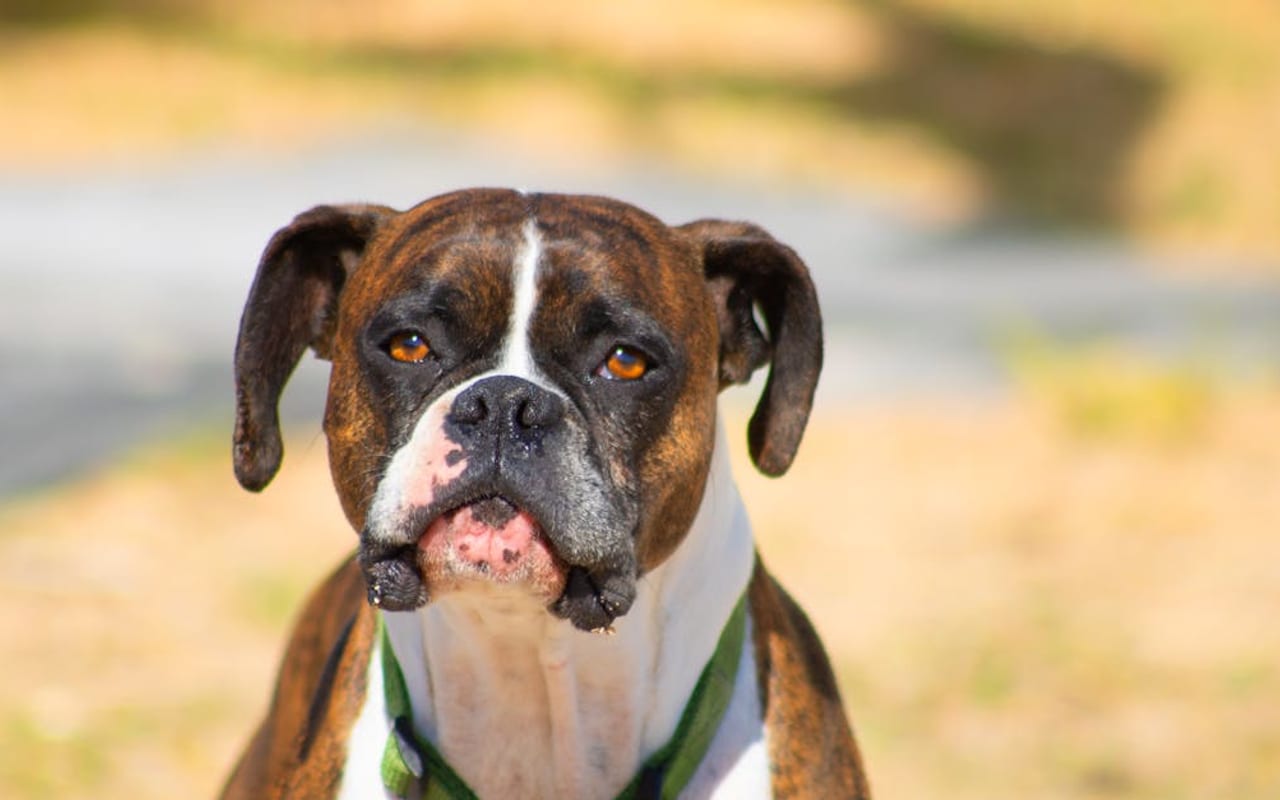
The white markings on Boxers are called 'flash' and traditionally helped hunters spot them in low light.
Despite their sometimes intimidating appearance, Boxers are known for being patient and loving with children.
As an Amazon Associate, we earn from qualifying purchases made through these links, at no extra cost to you.
A Boxer costs $800–$2,500 to purchase from a reputable breeder, plus roughly $130/month in ongoing expenses — food, veterinary care, grooming, and insurance. Over a 10–12-year lifespan, total lifetime ownership cost runs $15,600–$18,720. Adopting from a rescue ($50–$500) reduces the upfront cost significantly. The first year is always the most expensive due to initial setup costs ($300–$800) on top of the purchase price.
Prices vary based on lineage, breeder reputation, location, and whether the Boxer is pet-quality or show-quality. Adopting from a rescue or shelter typically costs $50–$500 and gives a Boxer a second chance at a loving home.
| Expense | Estimated Range |
|---|---|
| Food & treats | $46–$59/mo |
| Veterinary care (wellness) | $26–$39/mo |
| Grooming | $13–$20/mo |
| Pet insurance | $30–$70/mo |
| Toys, supplies & misc | $10–$16/mo |
| Total monthly estimate | ~$130/mo |
Purchase
$800–$2,500
Initial setup
$300–$800
crate, bed, bowls, collar, leash
12 months care
~$1,560
This estimate includes routine food, veterinary wellness visits, grooming, insurance, and supplies — but does not include emergency veterinary care, boarding, or specialized training. Actual costs vary by location, lifestyle choices, and your Boxer's individual health needs.
All costs are approximate U.S. averages and vary by location, breeder, veterinary clinic, and individual needs. Updated March 2026.
Boxer care is built around three pillars: high daily exercise, heat-aware management, and cancer/heart vigilance. Exercise: budget 60-120 minutes of vigorous activity daily — running, fetch, structured play, training games, dog sports. This is not a breed you can satisfy with a slow walk; an under-exercised Boxer becomes destructive, anxious, and hyperactive. Pair physical exercise with daily training and mental work, especially through the dog's long 2-3 year adolescence when consistency matters most. Heat management: the shortened muzzle makes Boxers poor at cooling themselves. Exercise in the cool parts of the day, avoid hard activity above ~25°C/77°F, never leave a Boxer in a car or unshaded yard, and treat panting that does not settle quickly as a warning sign. They are also cold-sensitive in winter due to the short single coat. Weight and joints: keep the dog lean — excess weight worsens the hip and heat issues. Feed measured meals, keep ribs easily felt, weigh monthly. Lumps and heart: because mast cell tumors and other cancers are common, check the skin monthly and have any new or changing lump examined promptly. Because of the breed's cardiomyopathy, report any fainting, exercise collapse, or episodes of weakness immediately. Decision rule: a fainting episode, sudden collapse, or unexplained weakness during or after exercise is a same-day cardiac workup, not a one-off to ignore — Boxer cardiomyopathy can cause sudden death, and any new or growing skin lump warrants prompt veterinary assessment rather than a wait-and-see.
Dive deeper into everything Boxer — costs, care, and expert insights.
How Much Does a Boxer Cost?
Purchase price, monthly costs, and lifetime expenses
Complete Boxer Care Guide
The [Boxer](/dogs/boxer) who greets you at the door doesn't walk — they bounce. A full-body,...
Can Dogs Eat Eggs? Raw vs. Cooked Safety Guide
Cooked eggs are a safe, protein-packed snack for dogs. Learn about raw vs cooked, portion...
Considering a cat instead?
Browse Cats