
Origin
🇩🇪 Germany
Life Span
12–16 years
Weight
1.4–3.2 kg
Height
15.2–17.8 cm
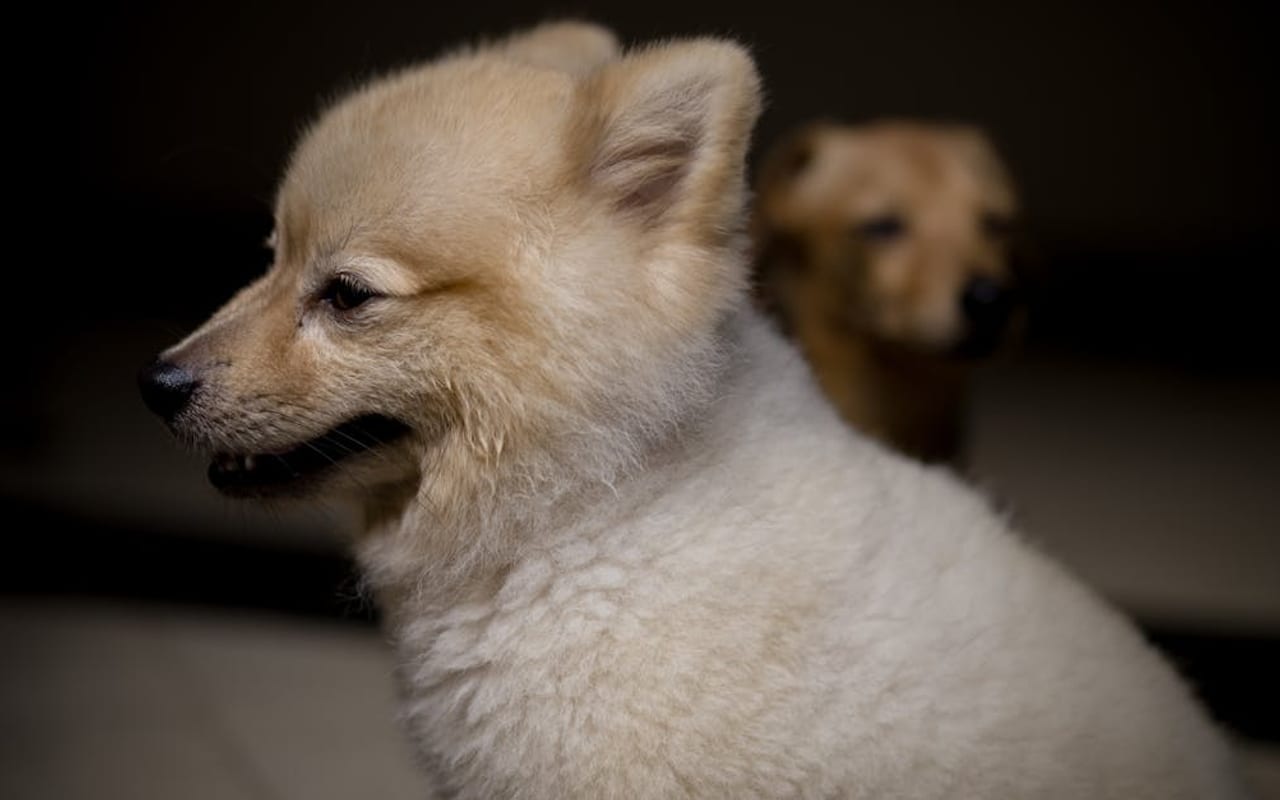
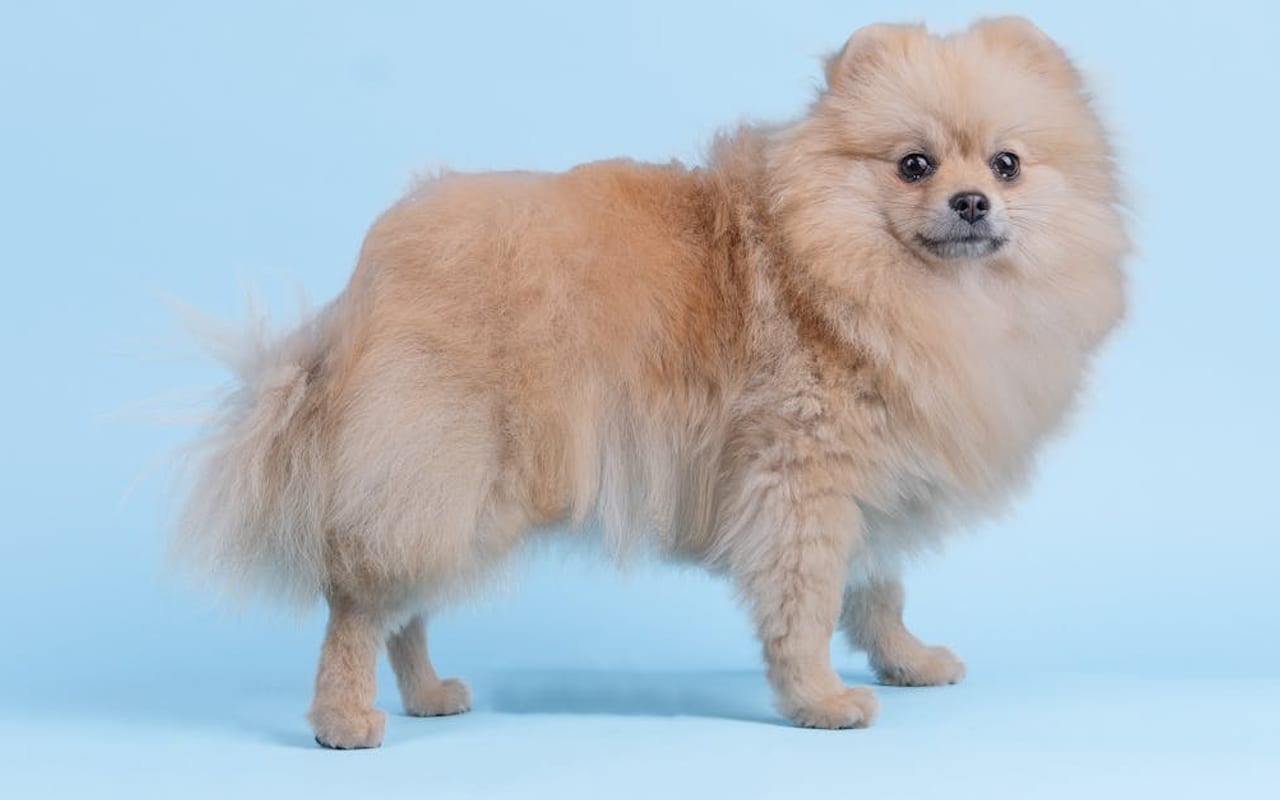
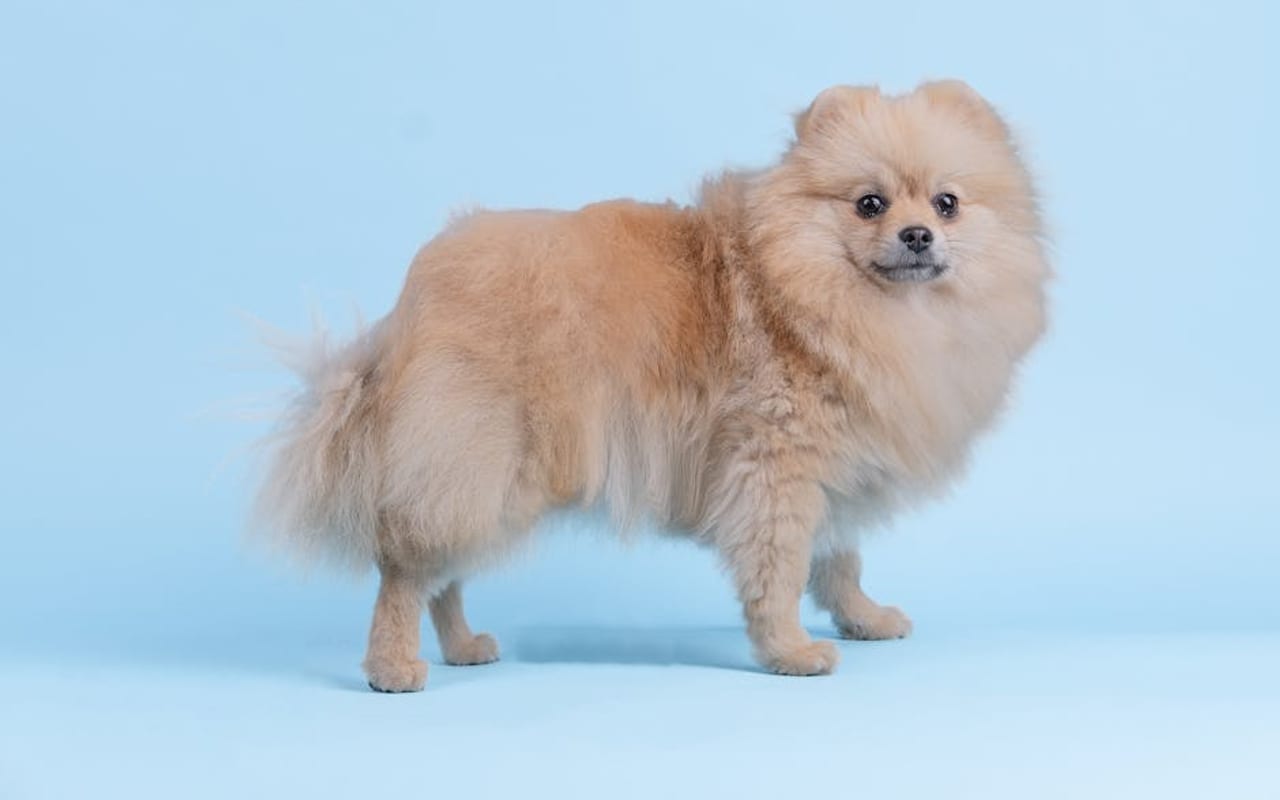
The Pomeranian is a toy-sized member of the Spitz family — typically just 3 to 7 pounds and 6 to 7 inches tall — descended from much larger Arctic sledding and herding dogs and bred down over generations into a tiny, foxy-faced companion with a profuse double coat. Before the coat and the personality, a prospective owner needs one safety fact front and center: the Pomeranian's small, delicate throat makes it highly prone to tracheal collapse, and…
moderate
Exercise
high
Grooming
high
Shedding
Yes
Good with Pets
Friendly
Apartment
The Pomeranian is named for Pomerania, a historical region on the Baltic coast spanning parts of modern Germany and Poland, where the breed was developed — but it is firmly a Spitz, descended from large Arctic working dogs of the same family as the Samoyed and German Spitz. Early Pomeranian-type dogs were considerably larger, in the 20-30 pound range, and worked as herding and sled-type dogs. The breed's dramatic reduction in size was driven by 1…

Queen Victoria is credited with breeding Pomeranians down from 30 pounds to their current toy size
Two Pomeranians were among the only three dogs to survive the sinking of the Titanic
Mozart dedicated one of his arias to his Pomeranian, Pimperl
Despite weighing only 3-7 pounds, Pomeranians descended from large Arctic sled dogs
Michelangelo's Pomeranian reportedly sat on a satin pillow watching him paint the Sistine Chapel ceiling
As an Amazon Associate, we earn from qualifying purchases made through these links, at no extra cost to you.
A Pomeranian costs $800–$4,000 to purchase from a reputable breeder, plus roughly $85/month in ongoing expenses — food, veterinary care, grooming, and insurance. Over a 12–16-year lifespan, total lifetime ownership cost runs $12,240–$16,320. Adopting from a rescue ($50–$500) reduces the upfront cost significantly. The first year is always the most expensive due to initial setup costs ($300–$800) on top of the purchase price.
Prices vary based on lineage, breeder reputation, location, and whether the Pomeranian is pet-quality or show-quality. Adopting from a rescue or shelter typically costs $50–$500 and gives a Pomeranian a second chance at a loving home.
| Expense | Estimated Range |
|---|---|
| Food & treats | $30–$38/mo |
| Veterinary care (wellness) | $17–$26/mo |
| Grooming | $9–$13/mo |
| Pet insurance | $30–$70/mo |
| Toys, supplies & misc | $7–$10/mo |
| Total monthly estimate | ~$85/mo |
Purchase
$800–$4,000
Initial setup
$300–$800
crate, bed, bowls, collar, leash
12 months care
~$1,020
This estimate includes routine food, veterinary wellness visits, grooming, insurance, and supplies — but does not include emergency veterinary care, boarding, or specialized training. Actual costs vary by location, lifestyle choices, and your Pomeranian's individual health needs.
All costs are approximate U.S. averages and vary by location, breeder, veterinary clinic, and individual needs. Updated March 2026.
Pomeranian care centers on the windpipe, the coat, the teeth, and the fragile puppy stage. Harness, not collar: this is the single most important rule. Always walk a Pom on a well-fitted harness to keep pressure off the trachea. A collar on a small-throated, pulling toy dog is a direct cause of, and aggravator for, tracheal collapse. Keep the dog lean for the same reason — extra weight worsens both windpipe and knee problems. Coat: the double coat needs brushing 2-3 times a week, line-brushing to the skin behind the ears, under the legs, and on the rear where mats form, rising to most days during the heavy seasonal sheds. Budget 10-15 minutes per session, plus a professional groom every 6-8 weeks if you want it tidied. Never shave a Pom to the skin — the double coat can fail to regrow correctly (post-clipping alopecia). Teeth: small-breed dental disease is near-universal and costly. Brush teeth several times a week and budget for periodic professional cleanings; neglected teeth in toy dogs lead to extractions and pain. Puppy hypoglycemia: very young Pom puppies can crash into dangerous low blood sugar if a meal is missed. Feed small, frequent meals on schedule; lethargy, wobbliness, or collapse in a puppy is an emergency — rub a sugar source on the gums and go to the vet now. Exercise: modest — two 15-20 minute walks plus indoor play. They are athletic but tiny; avoid high jumps that stress small joints. Decision rule: a persistent honking, goose-like cough (worse with excitement or pulling) is tracheal collapse until proven otherwise — switch to a harness immediately and book a vet visit; early management keeps it from becoming a severe, surgical problem.
Dive deeper into everything Pomeranian — costs, care, and expert insights.
How Much Does a Pomeranian Cost?
Purchase price, monthly costs, and lifetime expenses
Pomeranian Care Guide: The Fluffy Spitz Companion
Pomeranians are the smallest of the Spitz family — typically 3-7 lbs and 6-7 inches at the shoulder...
Considering a cat instead?
Browse Cats