
Toy group
Pomeranian
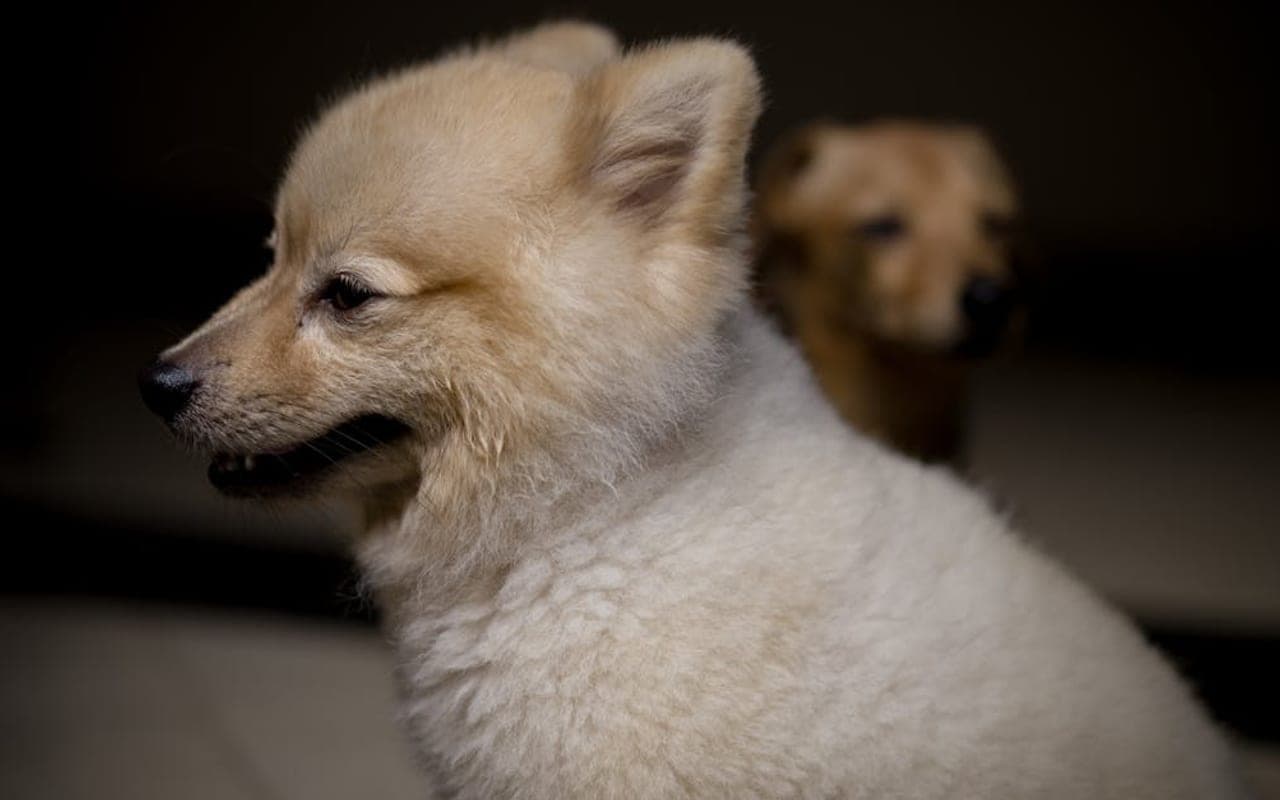
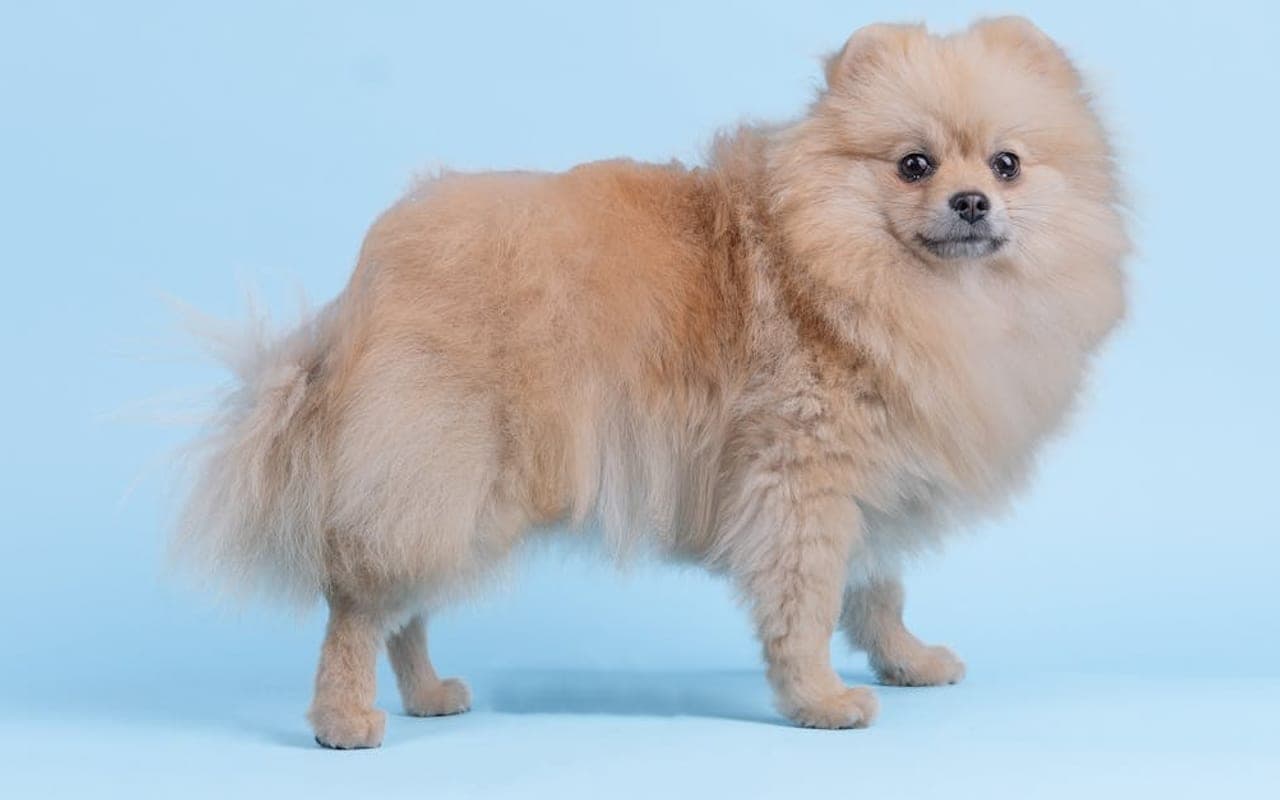
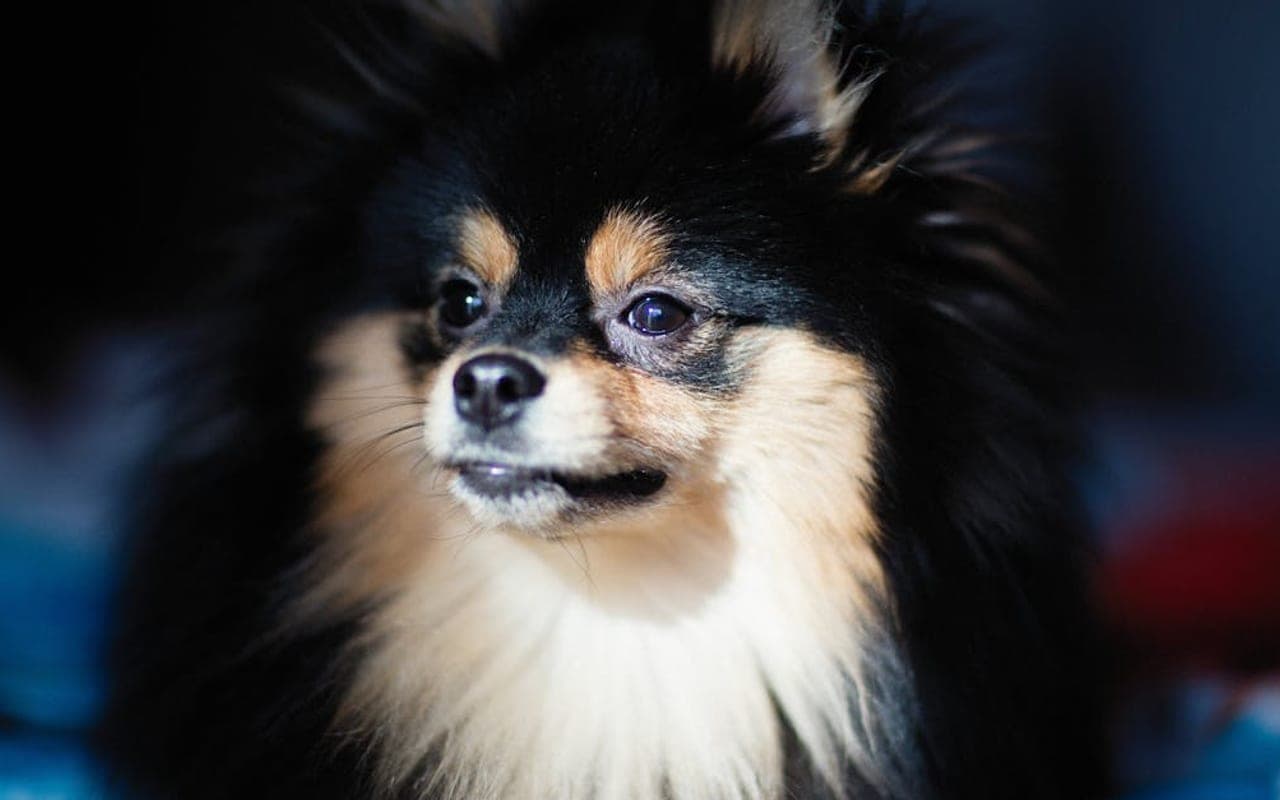
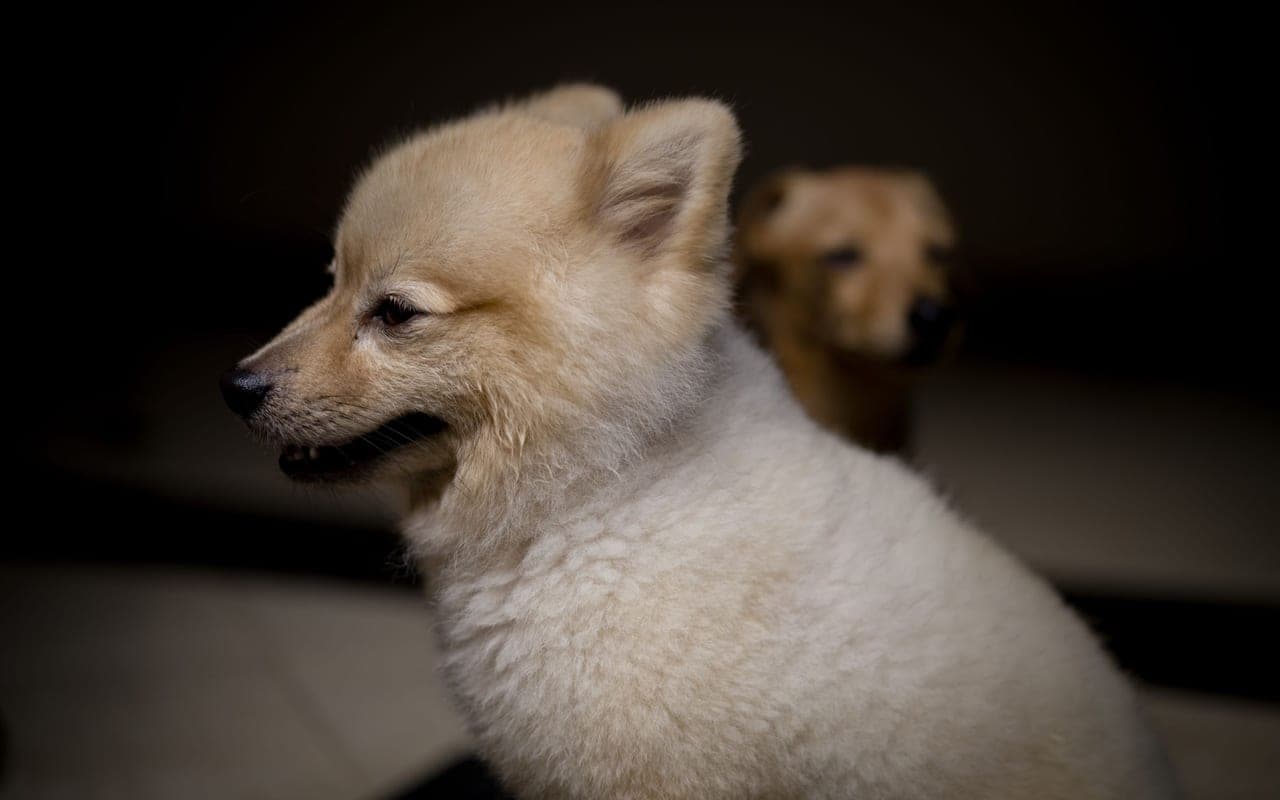
The Pomeranian is a toy-sized member of the Spitz family — typically just 3 to 7 pounds and 6 to 7 inches tall — descended from much larger Arctic sledding and herding dogs and bred down over generations into a tiny, foxy-faced companion with a profuse double coat.
Size
3-7 lb
Lifespan
12-16 years
Exercise
30-60 minutes
Shedding
High
Experience
Match to owner routine
Decision first
Is a Pomeranian right for you?
Start with fit before history or trivia. These are ownership signals, not guarantees about any individual dog.
Best suited for
- Homes with other compatible pets.
- Apartment homes with a consistent routine.
- Owners seeking a manageable daily exercise routine.
Think carefully if
- You need a dog with almost no daily routine.
- You want a very low-shedding home.
- The dog will spend most days alone without support.
Conditional fit
Apartment fit depends on exercise, enrichment, noise management, and outdoor access.
Daily reality
Pomeranian commitment snapshot
Daily exercise
30-60 minutes
Match activity to age, health, weather, and training goals.
Coat care
High
Grooming needs vary by coat, shedding, and lifestyle.
Time alone
Needs planning
Most dogs need gradual alone-time conditioning and support.
Structured facts
Pomeranian at a glance
The measurements and traits that most affect day-to-day life with this breed.
Origin
Germany
Group
Toy
Weight
3-7 lb
Height
6-7 in
Lifespan
12-16 years
Temperament
Lively | Bold | Inquisitive | Intelligent | Playful
View all characteristics and methodology
Lifestyle fit
- Apartment suitability
- Likely fit
- Other-pet fit
- Often compatible with careful introductions
- Adaptability
- High
Owner commitment
- Exercise
- 30-60 minutes
- Grooming
- High
- Shedding
- High
- Training
- High
Environment and health
- Health risk
- Needs planning
Ratings combine structured breed data, visible breed fields, and editorial context. They are planning aids, not predictions for an individual dog.
Daily life
Pomeranian temperament and behavior
The Pomeranian is a toy-sized member of the Spitz family — typically just 3 to 7 pounds and 6 to 7 inches tall — descended from much larger Arctic sledding and herding dogs and bred down over generations into a tiny, foxy-faced companion with a profuse double coat. Before the coat and the personality, a prospective owner needs one safety fact front and center: the Pomeranian's small, delicate throat makes it highly prone to tracheal collapse, and for this reason a Pomeranian must be walked on a harness, never a neck collar. Pressure on the windpipe from a collar — especially on a dog that pulls — can trigger or worsen a chronic, lifelong honking cough. This is not optional advice; it is breed-defining husbandry. Temperament is big in a small package. Poms are bold, lively, curious, intelligent, and extroverted. They are alert watchdogs that bark readily, trainable when motivated, and affectionate with their people. They adapt well to apartments and are a reasonable choice for owners who want a portable, characterful companion and are realistic about the trade-offs. The trade-offs are size-driven. That spectacular coat needs real, recurring grooming or it mats. The tiny frame means knees (patellar luxation), windpipe (tracheal collapse), and teeth (early dental disease) are predictable lifelong concerns, and puppies are genuinely fragile — small drops, rough handling by children, and even other dogs are real injury risks. Many Poms bark a lot and need early training to keep it manageable in close quarters. And toy puppies can suffer dangerous low blood sugar (hypoglycemia) if meals are missed. Who the Pomeranian is right for: an attentive owner — ideally without very young children — who wants a small, bold, trainable companion and will commit to harness-only walking, regular coat care, dental care, and gentle handling. Who it is wrong for: a household with toddlers, anyone wanting a rugged or low-grooming dog, or anyone who'll walk it on a collar.
Lively | Bold | Inquisitive | Intelligent | Playful
Lively
A common Pomeranian temperament descriptor that should be interpreted alongside training, exercise, and household fit.
Bold
A common Pomeranian temperament descriptor that should be interpreted alongside training, exercise, and household fit.
Inquisitive
A common Pomeranian temperament descriptor that should be interpreted alongside training, exercise, and household fit.
Intelligent
A common Pomeranian temperament descriptor that should be interpreted alongside training, exercise, and household fit.
Owner note
Temperament labels are starting points, not guarantees. Meet the individual dog and ask about behavior history whenever possible.
Care essentials
How to care for a Pomeranian
What looking after one actually involves: exercise, grooming, food, training, and routine health.
HealthAs needed
- Common health concerns include luxating patella, collapsed trachea, dental problems (small mouths are crowded), alopecia X (black skin disease), and hypoglycemia. Regular dental cleanings are especially important for this breed.
ExerciseAs needed
- Pomeranians need about 30 minutes of daily exercise. Short walks, indoor play sessions, and interactive toys are usually sufficient. They are surprisingly active for their size and enjoy agility training and trick learning.
GroomingAs needed
- The Pomeranian's double coat requires brushing 2-3 times per week to prevent matting. During shedding season (twice yearly), daily brushing may be needed. Professional grooming every 4-6 weeks helps maintain coat health. Never shave a Pomeranian — their double coat provides insulation.
TrainingAs needed
- Pomeranians are intelligent and learn quickly but can be stubborn. Positive reinforcement works best. Early socialization is crucial to prevent fearfulness or excessive barking. Housebreaking can be challenging — consistency and a regular schedule are key.
NutritionAs needed
- Feed a high-quality small-breed or toy-breed food, about 1/4 to 1/2 cup daily divided into two or three small meals. Pomeranians have fast metabolisms and can be prone to hypoglycemia, especially as puppies. Avoid giving table scraps as they gain weight easily.
Health planning
Pomeranian health risks and screening
Every breed has individual health variation. Use this profile for planning and discuss medical decisions with a veterinarian.
Ownership cost
How much does a Pomeranian cost?
Cost figures are structured so first-year and lifetime estimates do not conflict with the underlying line items.
| Acquisition | $800-$4,000 |
|---|---|
| Routine monthly | About $85/month |
| Routine annual | About $1,020/year |
| First-year estimate | $1,820-$5,020 |
| Lifetime routine estimate | $12,240-$16,320 routine costs |
Currency: USD. Region: United States. Typical ranges for this breed. Equipment, insurance, emergency veterinary care, boarding and training are NOT included: we hold no sourced figures for them, and estimating them would be a guess presented as data.
Responsible ownership
Finding a Pomeranian responsibly
What to ask a breeder or rescue is the same conversation for every breed, so we keep it in one place and keep it current.
Health documentation, meeting the parents or foster, contracts and return support, and the warning signs worth walking away from.
Original purpose
Pomeranian history
History is useful when it explains today's behavior, coat, exercise needs, and training style.
Read the breed history
The Pomeranian is named for Pomerania, a historical region on the Baltic coast spanning parts of modern Germany and Poland, where the breed was developed — but it is firmly a Spitz, descended from large Arctic working dogs of the same family as the Samoyed and German Spitz. Early Pomeranian-type dogs were considerably larger, in the 20-30 pound range, and worked as herding and sled-type dogs. The breed's dramatic reduction in size was driven by 19th-century selective breeding for a fashionable lap companion, accelerated greatly by Queen Victoria, who fell for a small Pomeranian in Italy in 1888 and bred and exhibited smaller specimens; her influence is widely credited with shrinking the breed toward its modern toy size. The American Kennel Club recognized the Pomeranian in 1900. Despite its tiny stature and decorative coat, the modern Pom retains classic Spitz traits — alertness, boldness, a thick double coat, a curled tail, and a strong watchdog bark — that betray its working-dog ancestry.
Gallery
Pomeranian photos
Images are cropped consistently and loaded progressively to keep the page responsive.
Lower-page context
Pomeranians in culture
Where the breed shows up in film, sport, work and folklore — the enjoyable part, once the practical questions are answered.
Fun facts
- Queen Victoria is credited with breeding Pomeranians down from 30 pounds to their current toy size
- Two Pomeranians were among the only three dogs to survive the sinking of the Titanic
- Mozart dedicated one of his arias to his Pomeranian, Pimperl
- Despite weighing only 3-7 pounds, Pomeranians descended from large Arctic sled dogs
- Michelangelo's Pomeranian reportedly sat on a satin pillow watching him paint the Sistine Chapel ceiling
Pomeranian FAQs
Why can't I walk a Pomeranian on a collar?
Because Pomeranians are highly prone to tracheal collapse — the cartilage rings of their small windpipe can flatten, and a collar puts direct pressure on that windpipe, especially on a dog that pulls. That pressure can trigger or worsen a chronic, lifelong honking cough. Always use a well-fitted harness instead. This is one of the few pieces of breed advice that is genuinely non-negotiable: collar walking is a documented aggravator of a serious, sometimes surgical, condition in this breed.
What is that honking cough some Pomeranians get?
That goose-honk cough — worse with excitement, exercise, heat, or pulling against a collar — is the classic sign of tracheal collapse, the breed's signature condition. It is not 'just a small-dog thing' to ignore. Switch immediately to a harness, keep the dog lean (obesity worsens it), and see a vet for diagnosis. Many cases are well-managed with weight control, harness use, and medication; only severe cases need surgery, and early action keeps most dogs in the manageable category.
Are Pomeranians good with young children?
Generally not the best fit for homes with toddlers. At 3-7 pounds, Poms are genuinely fragile — drops, rough handling, and being stepped on cause serious injuries — and many are bold and will snap if mishandled. They do far better with older, gentle children or adult households. If you have young kids and want this breed, strict supervision, teaching children to interact on the floor without lifting the dog, and never leaving them unsupervised together are minimum requirements.
How much grooming does a Pomeranian need?
A meaningful, recurring commitment. The profuse double coat needs line-brushing to the skin 2-3 times a week — focus behind the ears, under the legs, and the rear — rising to most days during heavy seasonal sheds, about 10-15 minutes a session, plus an optional professional tidy every 6-8 weeks. Critically, never shave a Pom to the skin: the double coat can fail to regrow properly (post-clipping alopecia), leaving permanent patchy coat. Plan grooming time before adopting.
How long do Pomeranians live and are they healthy?
Pomeranians are long-lived, commonly 12 to 16 years. They are not delicate in lifespan but they carry predictable structural risks: tracheal collapse, patellar luxation, severe dental disease, alopecia X, and in puppies the heart defect PDA and hypoglycemia. Most are manageable — harness-only walking, weight control, weekly tooth brushing, scheduled puppy feeding, and a puppy heart exam handle the bulk of the breed's risk and let owners realize that long lifespan.
Do Pomeranians bark a lot?
Yes — they are alert, Spitz-type watchdogs and most are naturally vocal at sounds, visitors, and movement. In an apartment or shared building this can become a real problem if unmanaged. It is trainable but takes early, consistent work: teach a 'quiet' cue from puppyhood, avoid rewarding demand-barking, and meet their daily exercise and mental-stimulation needs. A bored, under-exercised Pom is a barking Pom, so the barking is partly a management issue, not just temperament.
Sources
These are the published sources this page draws on. Each opens in a new tab so you can check it yourself.
American Kennel Club
Pomeranian — breed standard and profile(opens in a new tab)Supports: Breed standard and recognition details.
Similar breeds to consider
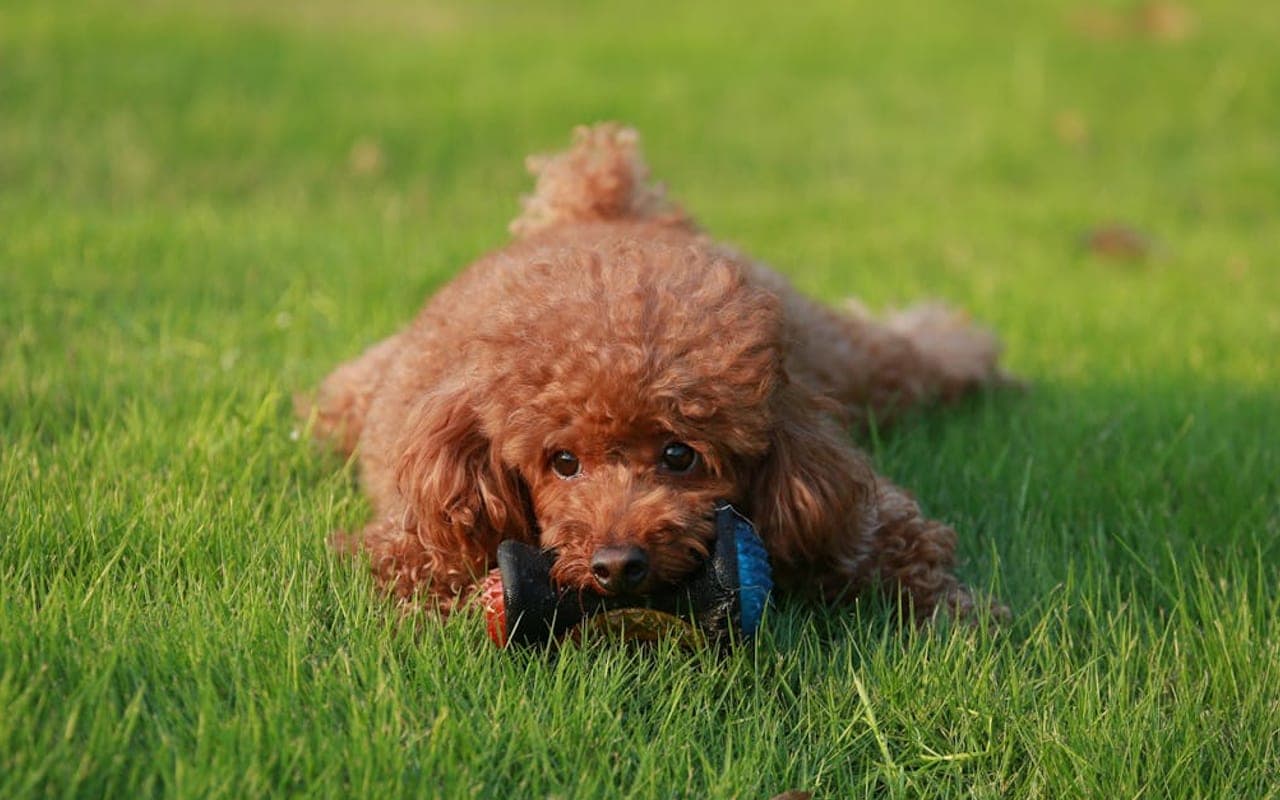
Poodle (Toy)
Also in the Toy group, with different care and temperament tradeoffs.
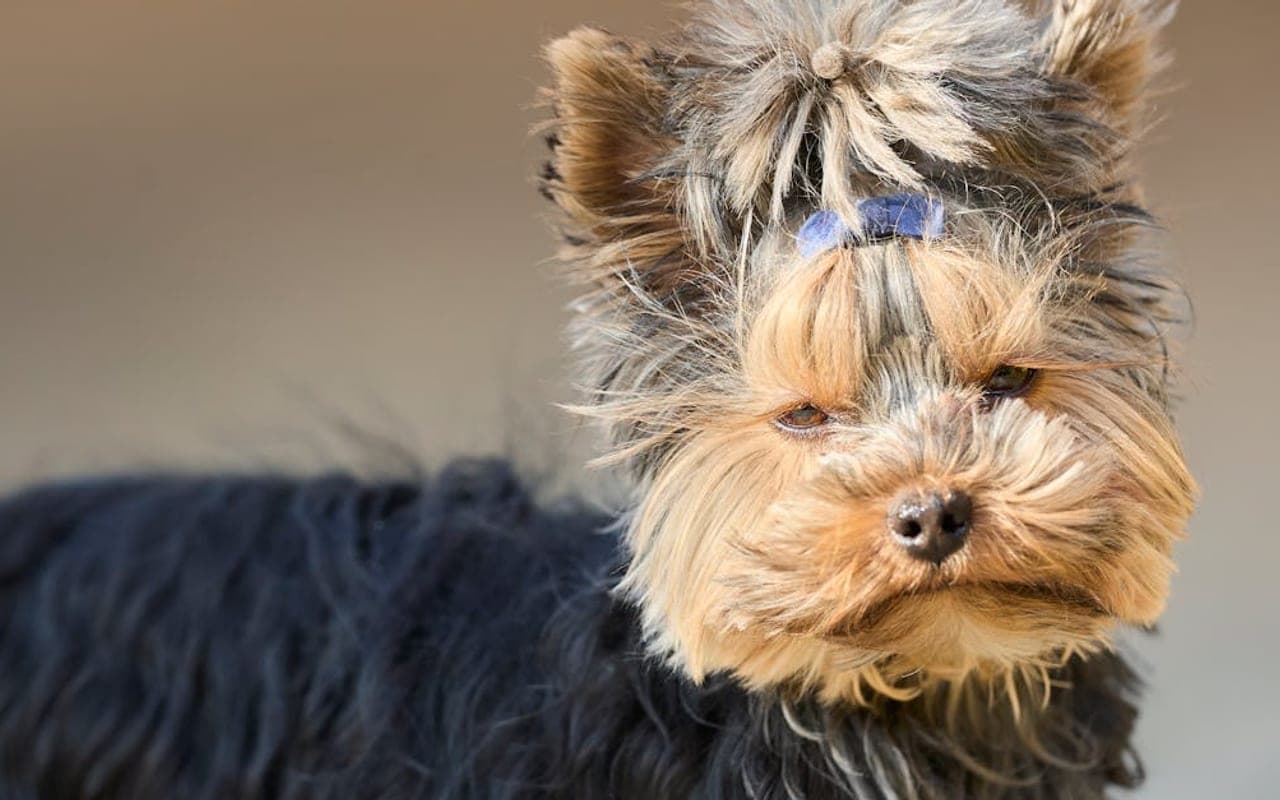
Yorkshire Terrier
Also in the Toy group, with different care and temperament tradeoffs.
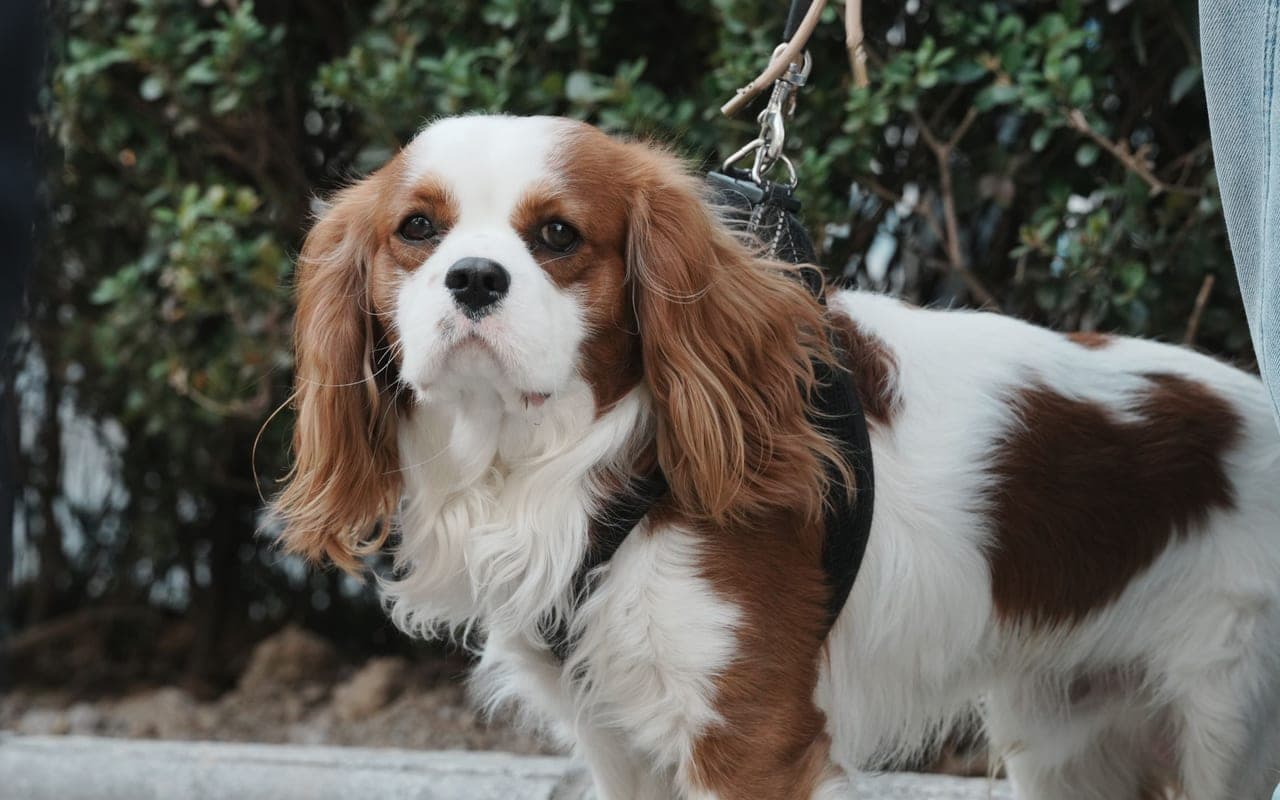
Cavalier King Charles Spaniel
Also in the Toy group, with different care and temperament tradeoffs.
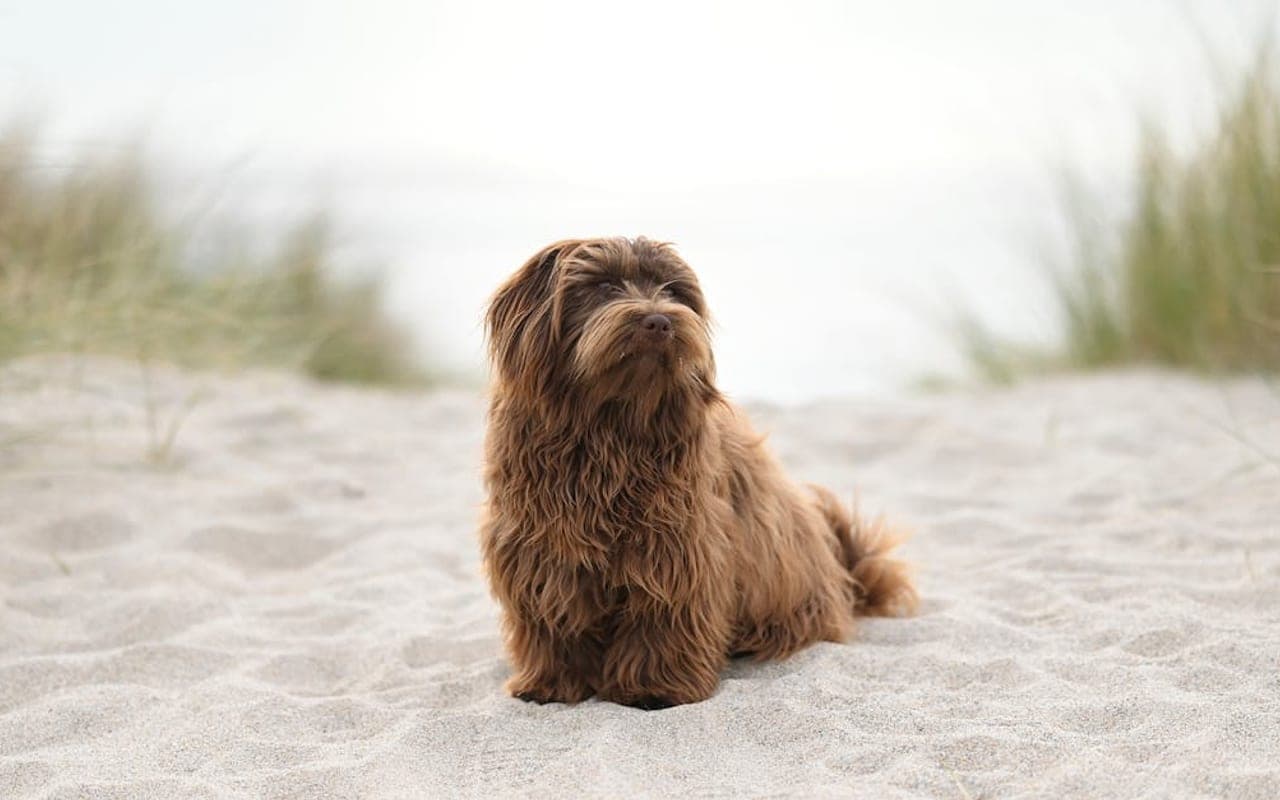
Havanese
Also in the Toy group, with different care and temperament tradeoffs.
Explore More About Pomeranian
Dive deeper into everything Pomeranian — costs, care, and expert insights.
How Much Does a Pomeranian Cost?
Purchase price, monthly costs, and lifetime expenses
Pomeranian Care Guide: The Fluffy Spitz Companion
Pomeranians are the smallest of the Spitz family — typically 3-7 lbs and 6-7 inches at the shoulder...
Considering a cat instead?
Browse Cats