
Foundation Stock Service group
Barbado Da Terceira
The Barbado da Terceira is a Portuguese herding and livestock-guarding dog from the Azorean island of Terceira, and the most honest framing of this breed is that you are buying a working farm dog, not a pet that happens to have a shaggy coat.
Size
46-66 lb
Lifespan
12-15 years
Exercise
30-60 minutes
Shedding
Moderate
Experience
Match to owner routine
Decision first
Is a Barbado Da Terceira right for you?
Start with fit before history or trivia. These are ownership signals, not guarantees about any individual dog.
Best suited for
- Households with children.
- Homes with other compatible pets.
- Owners seeking a manageable daily exercise routine.
Think carefully if
- You need a dog with almost no daily routine.
- You cannot keep up with grooming and preventive care.
- The dog will spend most days alone without support.
Conditional fit
Apartment living may be difficult unless the owner can meet the breed's exercise, training, and space needs.
Daily reality
Barbado Da Terceira commitment snapshot
Daily exercise
30-60 minutes
Match activity to age, health, weather, and training goals.
Coat care
Moderate
Grooming needs vary by coat, shedding, and lifestyle.
Time alone
Needs planning
Most dogs need gradual alone-time conditioning and support.
Structured facts
Barbado Da Terceira at a glance
The measurements and traits that most affect day-to-day life with this breed.
Group
Foundation Stock Service
Weight
46-66 lb
Height
19-23 in
Lifespan
12-15 years
View all characteristics and methodology
Lifestyle fit
- Apartment suitability
- Needs caution
- Child friendliness
- Often good, with socialisation and supervision
- Other-pet fit
- Often compatible with careful introductions
Owner commitment
- Exercise
- 30-60 minutes
- Grooming
- Moderate
- Shedding
- Moderate
Environment and health
- Health risk
- Needs planning
Ratings combine structured breed data, visible breed fields, and editorial context. They are planning aids, not predictions for an individual dog.
Daily life
Barbado Da Terceira temperament and behavior
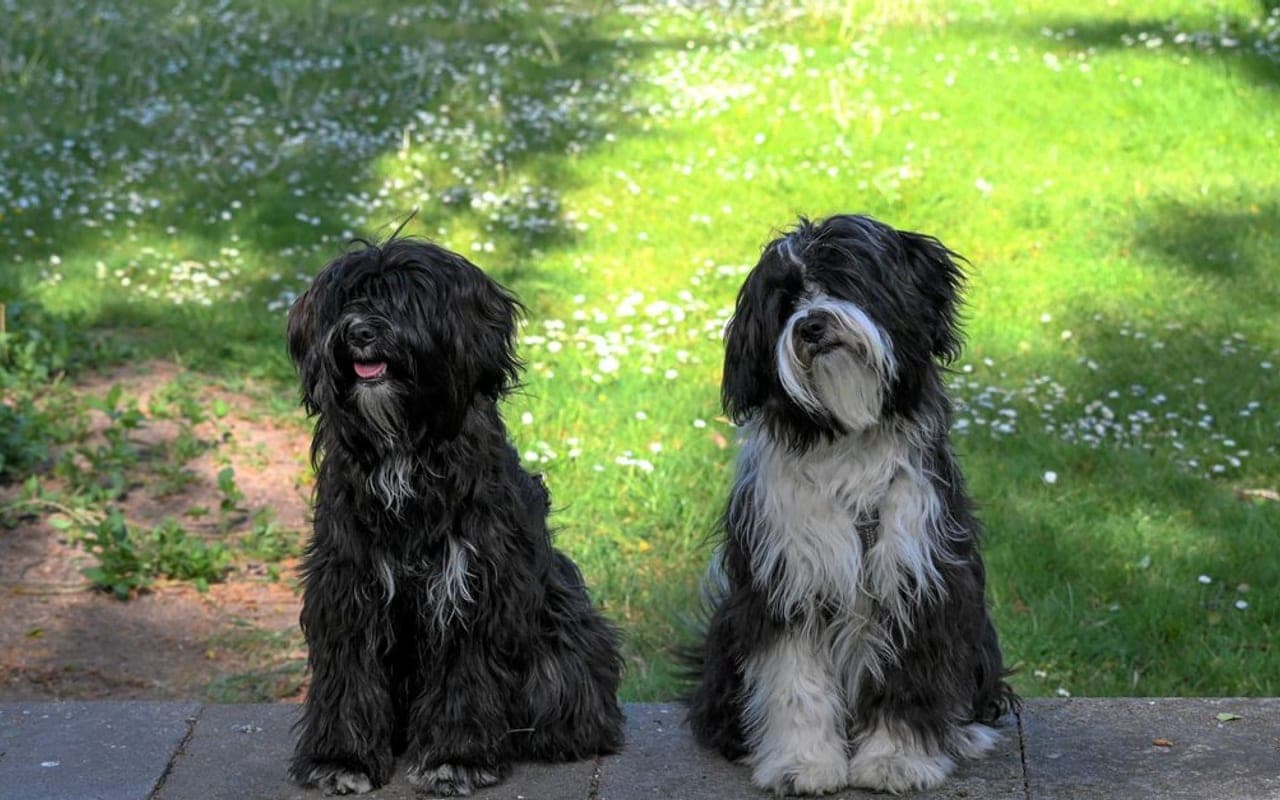
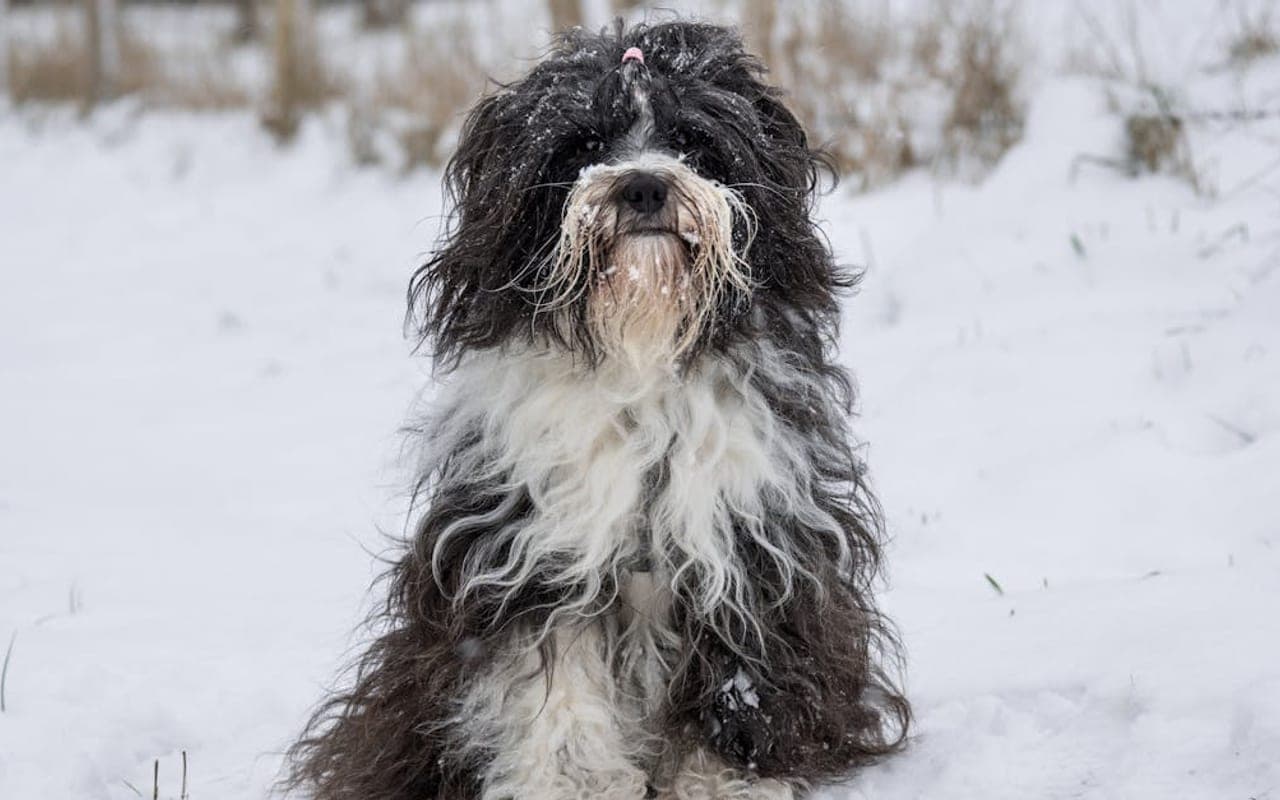
The Barbado da Terceira is a Portuguese herding and livestock-guarding dog from the Azorean island of Terceira, and the most honest framing of this breed is that you are buying a working farm dog, not a pet that happens to have a shaggy coat. It was developed from about the 1500s to muster semi-wild cattle and guard livestock on a rugged Atlantic island with little hands-on direction — which means it was selected for toughness, persistence, independent decision-making, and assertiveness. Those exact traits make it a capable, devoted partner for the right home and a frustrating, over-managing dog in the wrong one. Physically the Barbado da Terceira is a medium-sized, robust dog of roughly 15-20 kg with a long, slightly wavy, weatherproof coat and the characteristic beard ('barbado' means bearded) that gives the breed its name. It is built for stamina and rough terrain rather than speed or refinement. Temperament: highly loyal and intelligent, forming exceptionally strong bonds with its core people, but tough, driven, persistent, and naturally wary — it operated as an independent herder and guardian, so it is alert, territorial-leaning, and not an indiscriminate friend to strangers. It needs substantial daily exercise and mental work and a confident, consistent handler. Who the Barbado da Terceira is right for: an active, experienced owner who wants a deeply bonded working or active companion, will provide a real job and structure, and values protectiveness and independence. Who it is wrong for: a first-time owner, a sedentary household, anyone wanting an instantly social dog, or anyone who cannot commit to daily physical and mental work for a strong-willed herding breed.
Owner note
Temperament labels are starting points, not guarantees. Meet the individual dog and ask about behavior history whenever possible.
Care essentials
How to care for a Barbado Da Terceira
What looking after one actually involves: exercise, grooming, food, training, and routine health.
NutritionAs needed
- Feed high-quality dog food appropriate for age and size.
Health planning
Barbado Da Terceira health risks and screening
Every breed has individual health variation. Use this profile for planning and discuss medical decisions with a veterinarian.
Responsible ownership
Finding a Barbado Da Terceira responsibly
What to ask a breeder or rescue is the same conversation for every breed, so we keep it in one place and keep it current.
Health documentation, meeting the parents or foster, contracts and return support, and the warning signs worth walking away from.
Original purpose
Barbado Da Terceira history
History is useful when it explains today's behavior, coat, exercise needs, and training style.
Read the breed history
The Barbado da Terceira takes its name from the island of Terceira in the Azores, a Portuguese archipelago in the mid-Atlantic. From around the 1500s, settlers brought medium-sized, long-coated herding and cattle dogs — most likely descended from broader European herding stock — to the island to muster semi-wild cattle and guard livestock in isolated, rugged conditions. Centuries of working that environment with minimal human direction shaped a tough, persistent, independent, and protective dog: the modern temperament is a direct product of a landrace bred for function on an island, not for show or companionship. The breed was formally recognized by the Portuguese kennel authority (Clube Português de Canicultura) in 2004, and the American Kennel Club admitted it to its Foundation Stock Service in 2021. Because it remains genuinely rare and only recently formalized, documented breed-wide health data is limited — which makes naming the conditions that ARE known (hip dysplasia and MDR1 drug sensitivity) more important, not less, for the few prospective owners.
Gallery
Barbado Da Terceira photos
Images are cropped consistently and loaded progressively to keep the page responsive.
Lower-page context
Barbado Da Terceiras in culture
Where the breed shows up in film, sport, work and folklore — the enjoyable part, once the practical questions are answered.
Fun facts
- With proper care, this breed can live 12 to 15 years.
Barbado Da Terceira FAQs
How long do Barbado da Terceira dogs live?
A healthy Barbado da Terceira typically lives around 12 to 15 years, which is solid for a medium-sized working breed with no extreme conformation. Because breed-wide health data is still limited, the most influential factors are practical: keeping the dog lean to protect its hips, providing the heavy daily exercise and mental work it was bred to need, and managing the MDR1 drug-sensitivity risk so a routine medication does not cause harm. A well-bred, well-exercised individual commonly reaches the upper end of that range.
What is the MDR1 gene and why does it matter for this breed?
MDR1 is a gene mutation found in some herding breeds, including some Barbado da Terceira, that weakens the dog's ability to keep certain drugs out of the brain. In affected dogs, ordinary doses of some common parasite preventives, sedatives, anesthetics, and chemotherapy drugs can cause severe neurological reactions or death. It is fully DNA-testable. The practical takeaway is concrete: get the dog tested or ask the breeder for status, and make sure every veterinarian treating it checks drug choices against MDR1 sensitivity before dosing — this is genuinely life-or-death information, not a formality.
Is the Barbado da Terceira a good first dog or family pet?
It is generally not a good first dog. The breed is loyal and bonds intensely with its family, but it is also tough, driven, independent, and naturally wary of strangers — a product of centuries as an independent island herder and guardian. With an experienced, confident, active owner it can be an excellent family companion that is devoted and protective; with an inexperienced owner or a low-activity household it tends to become over-managing, reactive, and difficult. Assess your experience and lifestyle honestly before choosing this breed.
How much exercise does a Barbado da Terceira need?
A lot — plan on 1.5 to 2 hours of vigorous daily activity plus genuine mental work such as herding, training, scent games, or dog sports. This is a working livestock dog bred to muster cattle on rugged terrain with little direction, so a casual walk does not meet its needs. An under-exercised Barbado da Terceira does not become calm; it becomes destructive, obsessively herds the household, and develops behavior problems. For this breed, daily work is the core requirement, not optional enrichment.
Are Barbado da Terceira dogs good with children and other animals?
They can be deeply devoted to their own family, including children they are raised with, but two breed traits need managing: a strong herding instinct that can lead to circling and nipping moving children or pets, and a naturally guarding, wary disposition toward strangers and unfamiliar animals. With early, deliberate socialization and a legitimate outlet for the herding drive they integrate well into an active family; without that structure the instincts redirect onto the household. Supervision and channeling, not just exposure, are required.
How much does a Barbado da Terceira cost and what is the hidden expense?
Because the breed is genuinely rare outside Portugal and only recently recognized, expect a wide and often high range — commonly $2,000 to $4,000 or more for a well-bred puppy, plus potential import cost and a likely waitlist. The hidden cost most buyers miss is not money but information risk: with limited breed-wide health data, your safeguard is breeder transparency on hip evaluations and MDR1 status. Paying for a puppy from a breeder who tests and discloses, plus MDR1 DNA testing your own dog, is the cheapest protection available in a breed this under-surveilled.
Sources
These are the published sources this page draws on. Each opens in a new tab so you can check it yourself.
American Kennel Club
Barbado Da Terceira — breed standard and profile(opens in a new tab)Supports: Breed standard and recognition details.
Similar breeds to consider
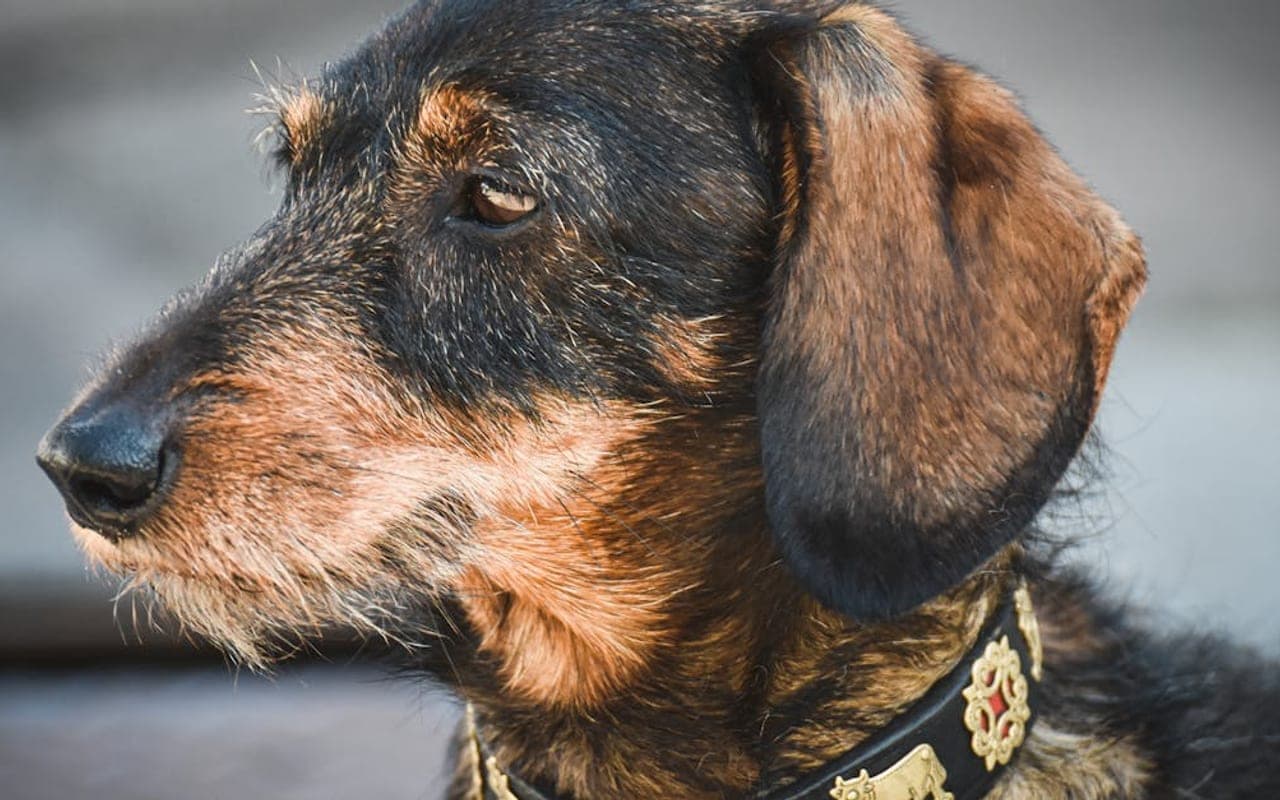
Jagdterrier
Also in the Foundation Stock Service group, with different care and temperament tradeoffs.
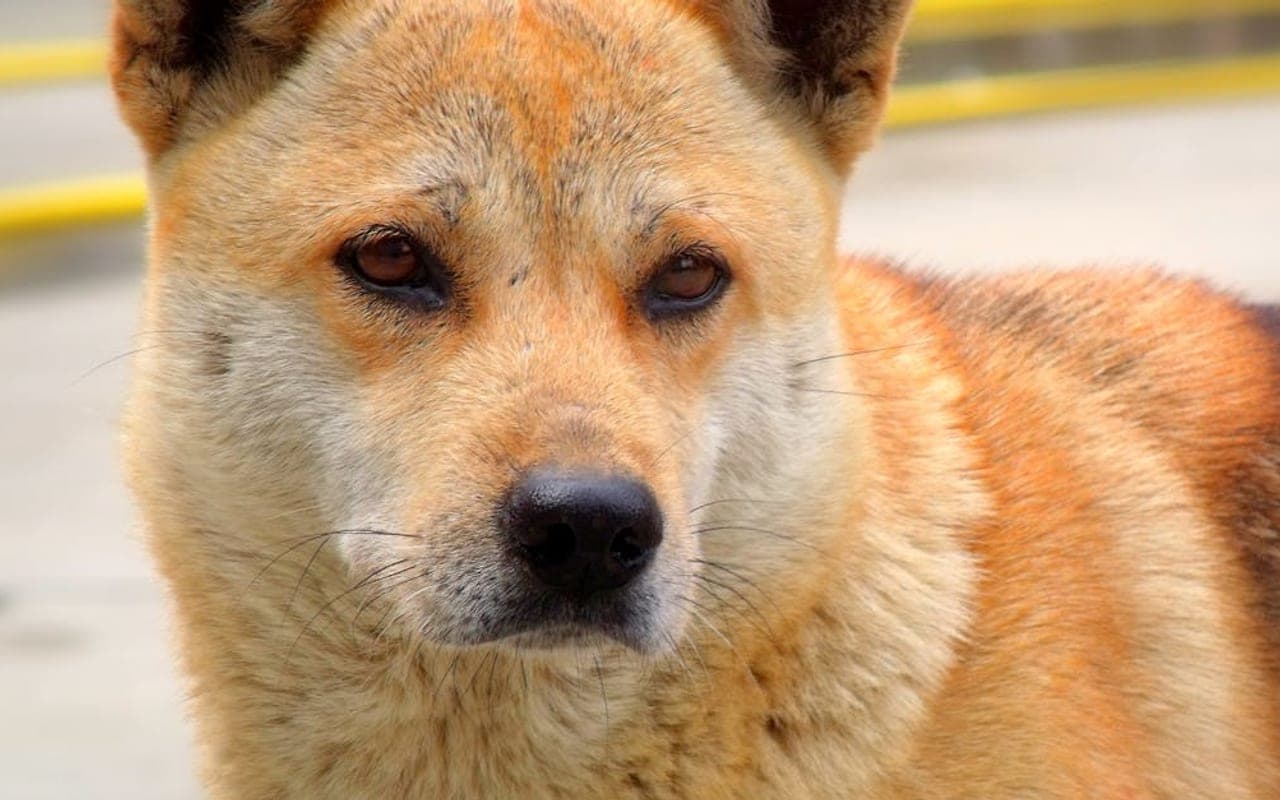
Jindo
Also in the Foundation Stock Service group, with different care and temperament tradeoffs.
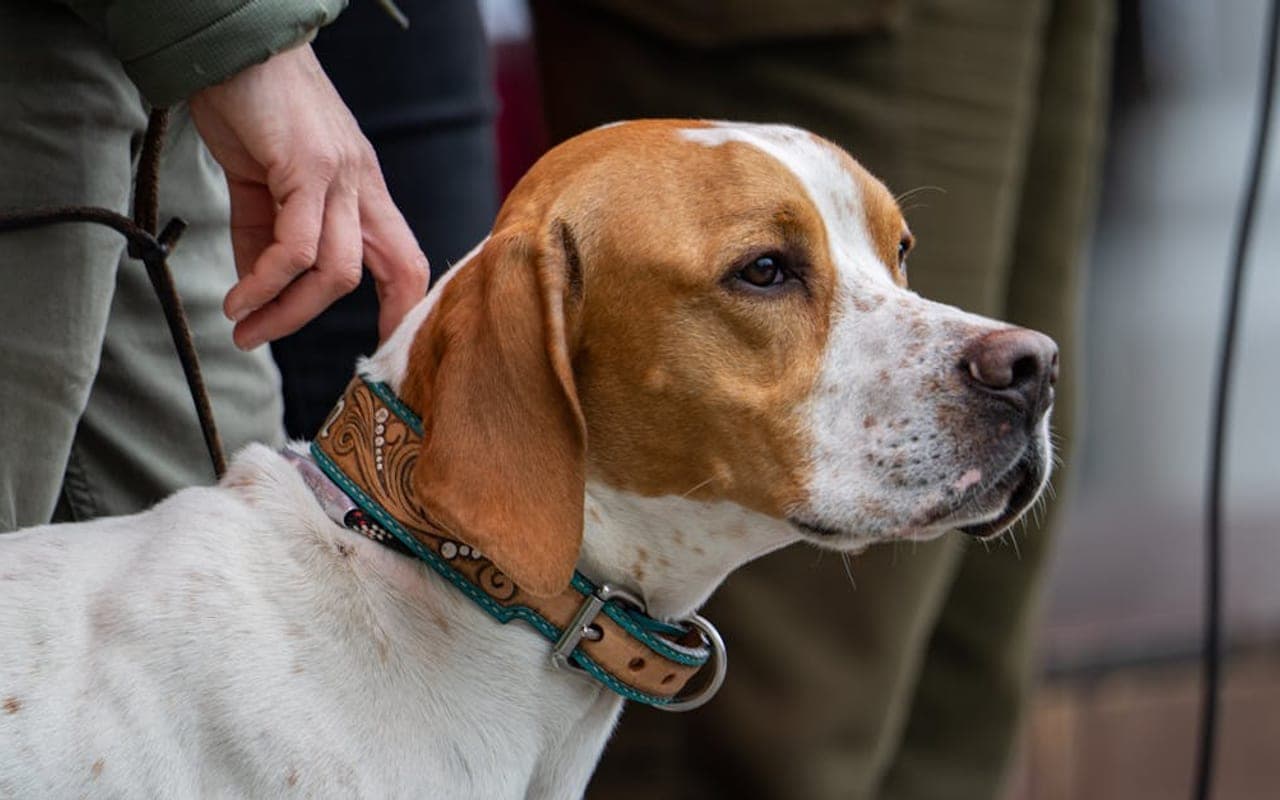
Portuguese Pointer
Also in the Foundation Stock Service group, with different care and temperament tradeoffs.
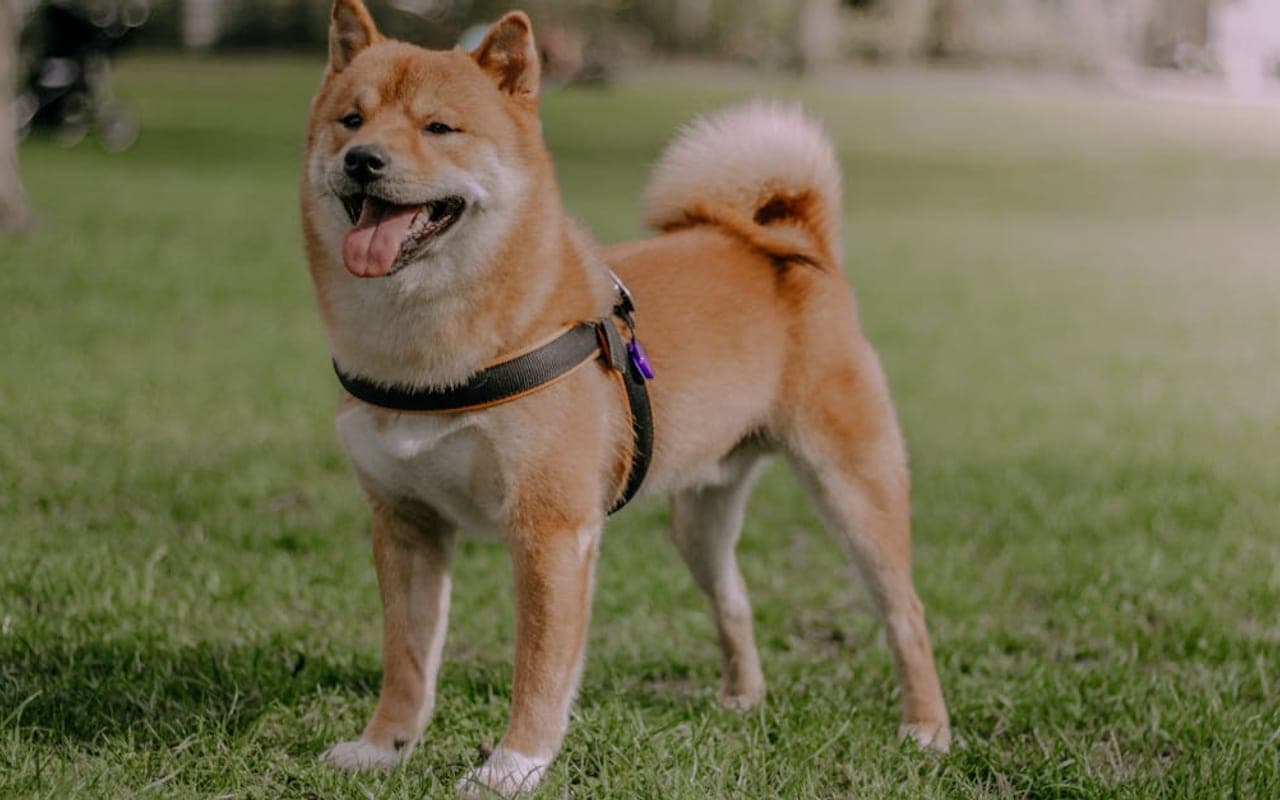
Kishu Ken
Also in the Foundation Stock Service group, with different care and temperament tradeoffs.
Explore More About Barbado Da Terceira
Dive deeper into everything Barbado Da Terceira — costs, care, and expert insights.
Considering a cat instead?
Browse Cats