
Sporting group
Barbet
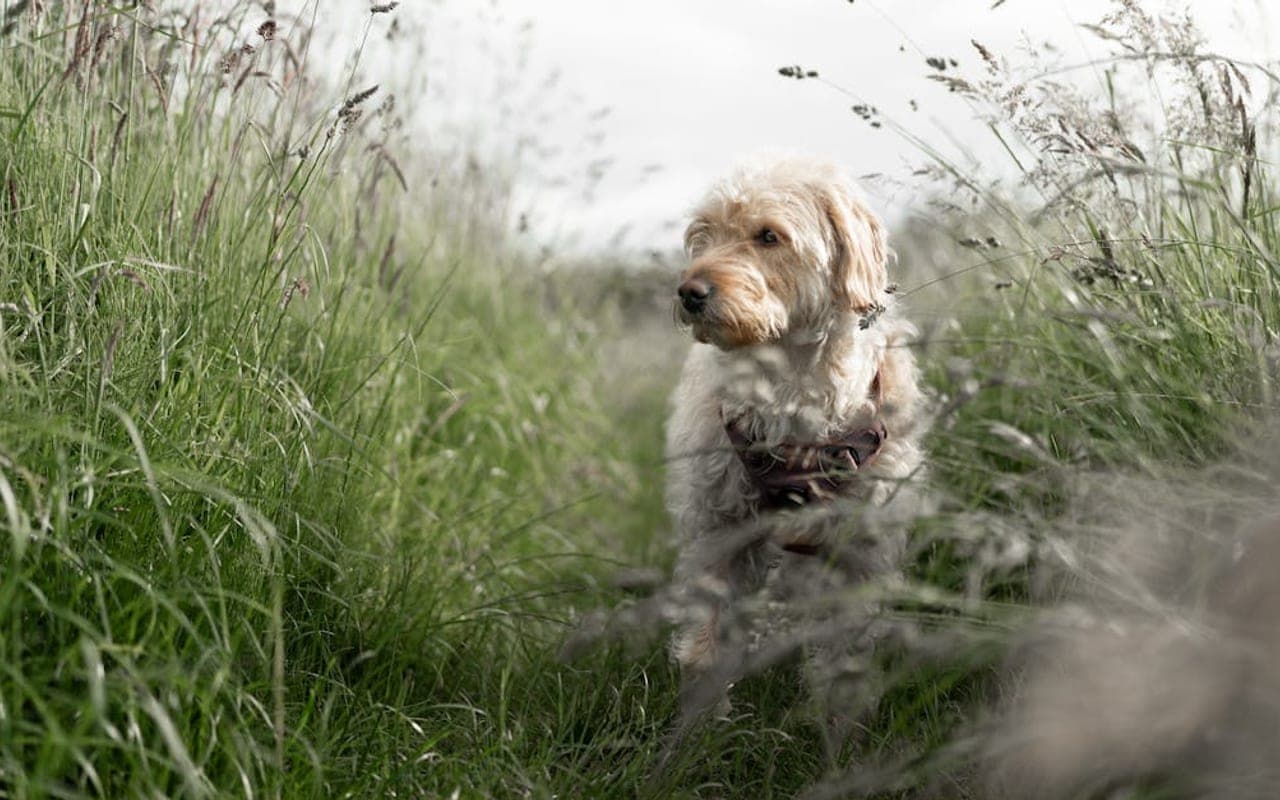
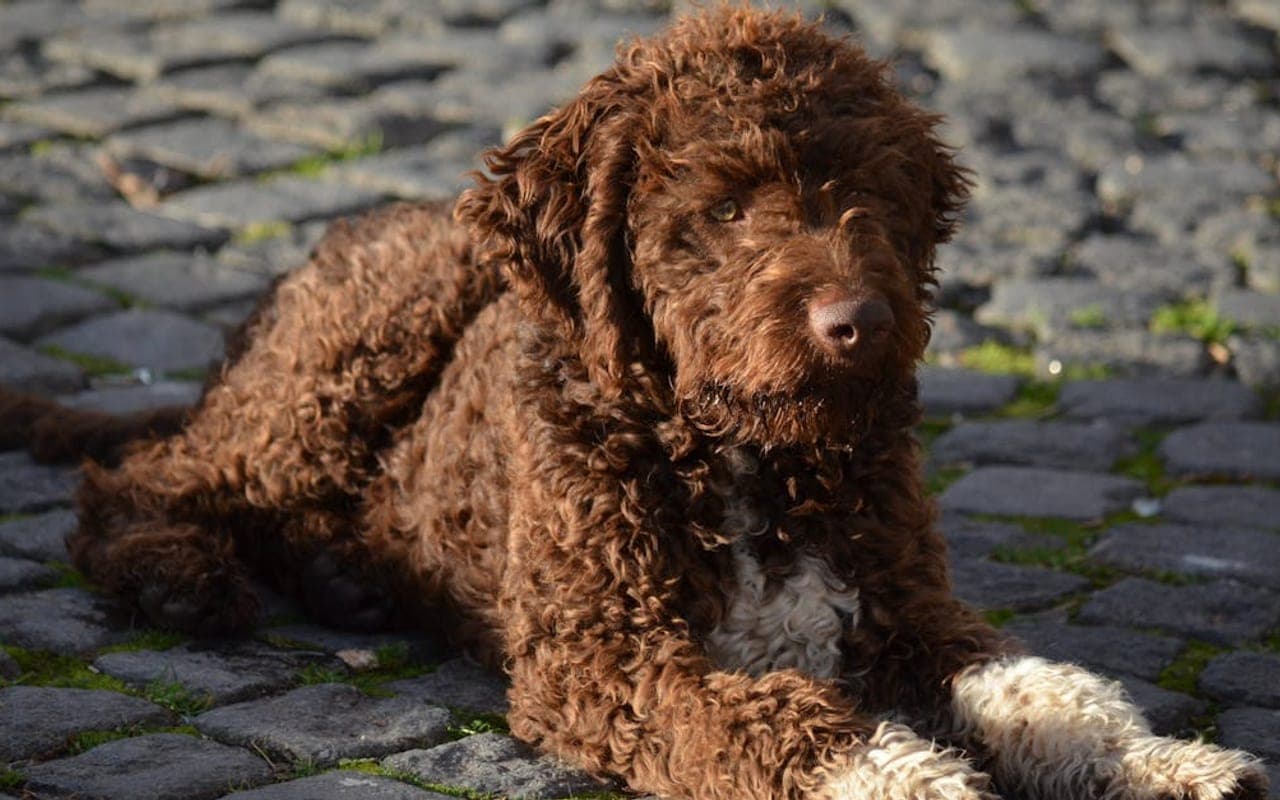
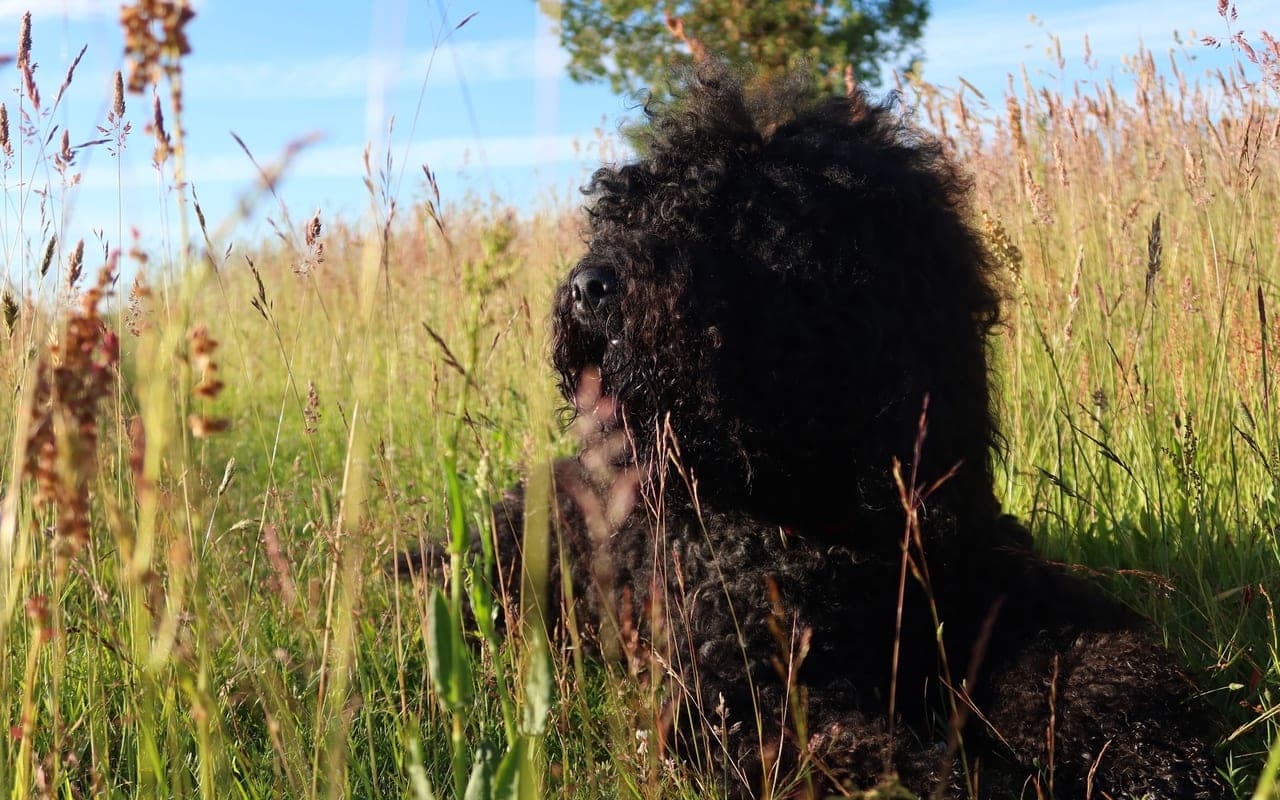
The Barbet is an old French water dog with a thick, curly, weatherproof coat and a beard — a 'Muppet come to life' on first impression, and a powerful, athletic retriever underneath.
Size
30-65 lb
Lifespan
12-14 years
Exercise
30-60 minutes
Shedding
Moderate
Experience
Match to owner routine
Decision first
Is a Barbet right for you?
Start with fit before history or trivia. These are ownership signals, not guarantees about any individual dog.
Best suited for
- Households with children.
- Homes with other compatible pets.
- Apartment homes with a consistent routine.
- Owners seeking a manageable daily exercise routine.
Think carefully if
- You need a dog with almost no daily routine.
- You cannot keep up with grooming and preventive care.
- The dog will spend most days alone without support.
Conditional fit
Apartment fit depends on exercise, enrichment, noise management, and outdoor access.
Daily reality
Barbet commitment snapshot
Daily exercise
30-60 minutes
Match activity to age, health, weather, and training goals.
Coat care
Moderate
Grooming needs vary by coat, shedding, and lifestyle.
Time alone
Needs planning
Most dogs need gradual alone-time conditioning and support.
Structured facts
Barbet at a glance
The measurements and traits that most affect day-to-day life with this breed.
Group
Sporting
Weight
30-65 lb
Height
19-24 in
Lifespan
12-14 years
Temperament
Friendly | Bright | Sweet-Natured
View all characteristics and methodology
Lifestyle fit
- Apartment suitability
- Likely fit
- Child friendliness
- Often good, with socialisation and supervision
- Other-pet fit
- Often compatible with careful introductions
Owner commitment
- Exercise
- 30-60 minutes
- Grooming
- Moderate
- Shedding
- Moderate
- Training
- Moderate
Environment and health
- Health risk
- Needs planning
Ratings combine structured breed data, visible breed fields, and editorial context. They are planning aids, not predictions for an individual dog.
Daily life
Barbet temperament and behavior
The Barbet is an old French water dog with a thick, curly, weatherproof coat and a beard — a 'Muppet come to life' on first impression, and a powerful, athletic retriever underneath. The breed's defining trade-off is exactly that coat: it is the reason the Barbet looks charming and the reason it is a serious, recurring maintenance commitment. Anyone choosing this breed for the look without budgeting for the coat is signing up for matting, skin problems, and a grooming bill they did not plan for. A Barbet is a medium-sized dog of balanced, slightly rectangular build, typically around 17-25 inches at the shoulder and roughly 30-65 pounds depending on sex and line — substantially bigger than its toy-like fluff suggests. The dense, curly single coat comes in black, brown, gray, fawn, or pied with white, and it grows continuously, sheds minimally, and is built to keep a swimming dog warm in cold water. Temperament is one of the breed's strongest selling points: cheerful, sociable, intelligent, biddable, and notably people-oriented. Barbets bond closely, train readily with positive methods, are typically good with children and other dogs, and are calm indoors provided their exercise and mental needs are met. They retain a strong instinct to swim and retrieve. Who the Barbet is right for: an active owner who wants a friendly, trainable, water-loving companion and will commit to regular professional grooming or learn to maintain the coat themselves. Who it is wrong for: anyone who wants low grooming, a guard dog, or a dog that can be left under-exercised — the Barbet's curls and its sporting drive are both non-negotiable parts of the package.
Friendly | Bright | Sweet-Natured
Friendly
A common Barbet temperament descriptor that should be interpreted alongside training, exercise, and household fit.
Bright
A common Barbet temperament descriptor that should be interpreted alongside training, exercise, and household fit.
Sweet-Natured
A common Barbet temperament descriptor that should be interpreted alongside training, exercise, and household fit.
Owner note
Temperament labels are starting points, not guarantees. Meet the individual dog and ask about behavior history whenever possible.
Care essentials
How to care for a Barbet
What looking after one actually involves: exercise, grooming, food, training, and routine health.
ExerciseAs needed
- Moderately active breed needing 30-60 minutes of daily exercise through walks, play, and mental stimulation.
GroomingAs needed
- Regular grooming needed — brush 2-3 times per week and bathe monthly.
TrainingAs needed
- Moderately trainable — consistent, patient training with positive methods works best.
NutritionAs needed
- Feed a high-quality dog food appropriate for their age, size, and activity level. Monitor portions to prevent obesity.
Veterinary CareAs needed
- Annual wellness exams, core vaccinations, dental care, and parasite prevention. Breed-specific health screenings as recommended by your vet.
Health planning
Barbet health risks and screening
Every breed has individual health variation. Use this profile for planning and discuss medical decisions with a veterinarian.
Responsible ownership
Finding a Barbet responsibly
What to ask a breeder or rescue is the same conversation for every breed, so we keep it in one place and keep it current.
Health documentation, meeting the parents or foster, contracts and return support, and the warning signs worth walking away from.
Original purpose
Barbet history
History is useful when it explains today's behavior, coat, exercise needs, and training style.
Read the breed history
The Barbet is an old French breed — an archetypal water dog whose name comes from the French 'barbe' (beard), describing its distinctive facial hair. Dogs of this rustic, curly-coated, swimming type appear in European artwork as far back as the 16th century, and the Barbet is widely considered an ancestor or close relative of several modern water and curly-coated breeds. Historically it was a working gun dog used to locate, flush, and retrieve waterfowl from marshes and cold water — the heavy waterproof coat, the swimming drive, and the biddable, people-focused temperament are all direct products of that job. The breed nearly disappeared and was rebuilt from a small population in the 20th century, which is part of why responsible breeders today lean so hard on health testing: a breed reconstructed from limited founders concentrates inherited conditions such as the prcd form of PRA unless breeders test and select against them deliberately.
Gallery
Barbet photos
Images are cropped consistently and loaded progressively to keep the page responsive.
Lower-page context
Barbets in culture
Where the breed shows up in film, sport, work and folklore — the enjoyable part, once the practical questions are answered.
Fun facts
- The Barbet belongs to the Sporting Group.
- The average lifespan of a Barbet is 12 to 14 years.
- Barbet dogs are valued for their friendly, bright, sweet-natured nature.
Barbet FAQs
How long do Barbet dogs live?
A healthy Barbet typically lives 12 to 14 years. Because the breed was rebuilt from a small founding population, the factors that most influence that figure are breeder health testing — hips, elbows, eyes, and the PRA/PRCD DNA test — plus keeping the dog lean and the coat and ears properly maintained to avoid chronic skin and ear disease. A Barbet from fully screened parents, kept fit and well-groomed, reliably reaches the upper end of that range.
How much grooming does a Barbet really need?
A lot — this is the breed's single biggest ongoing commitment and the most common reason buyers are unprepared. The dense, continuously growing curly coat must be brushed and combed down to the skin several times a week (surface brushing hides mats), needs a professional groom roughly every six to eight weeks, and must be dried after every swim. Neglect causes painful matting that sometimes has to be clipped off entirely, plus moisture-driven skin infection. Budget the time and the grooming cost honestly before you commit to this breed.
What is PRA/PRCD and why does it matter so much in Barbets?
Progressive retinal atrophy (the prcd form) is an inherited, recessive disease in which the retina slowly degenerates, causing night blindness first and eventual complete blindness. It matters acutely in this breed because roughly 40% of DNA-tested Barbets have been found to carry the prcd variant — a high carrier rate. The disease is fully DNA-testable, so a clear-by-DNA breeding pairing prevents affected puppies. Practically, that means you should treat a breeder who cannot produce a PRA/PRCD DNA result for the parents as a deal-breaker.
Are Barbets good with children and other dogs?
Generally yes — sociability is one of the breed's strongest traits. Barbets are cheerful, people-oriented, and biddable, and they typically do well with respectful children and with other dogs when socialized normally. They are not guard dogs and their default disposition is friendly rather than wary. As with any medium-sized active dog, supervise interactions with very young children and teach the dog a reliable recall, but temperament is rarely the limiting factor with a Barbet — grooming and exercise commitment are.
How much exercise does a Barbet need?
Plan on 60 to 90 minutes of real daily activity. The Barbet is a working water-retriever with genuine stamina, so it does best with vigorous exercise that ideally includes swimming and retrieving — the activities it was bred for — plus training or scent games for mental engagement. It is calm and easy indoors when those needs are met, but an under-exercised Barbet becomes restless and more difficult to live with. This is an active companion, not a sedentary lapdog despite the soft, cuddly appearance.
How much does a Barbet cost?
Expect roughly $2,500 to $4,000 or more for a well-bred Barbet puppy from a breeder doing full health testing, reflecting the breed's rarity and small gene pool. The cost most buyers underestimate is recurring grooming: professional grooms every six to eight weeks for the life of the dog add up substantially, and a neglected coat leads to vet bills for skin and ear infections on top of that. Budget both the higher purchase price for a health-tested puppy and the lifetime grooming cost before committing.
Sources
These are the published sources this page draws on. Each opens in a new tab so you can check it yourself.
American Kennel Club
Barbet — breed standard and profile(opens in a new tab)Supports: Breed standard and recognition details.
Similar breeds to consider
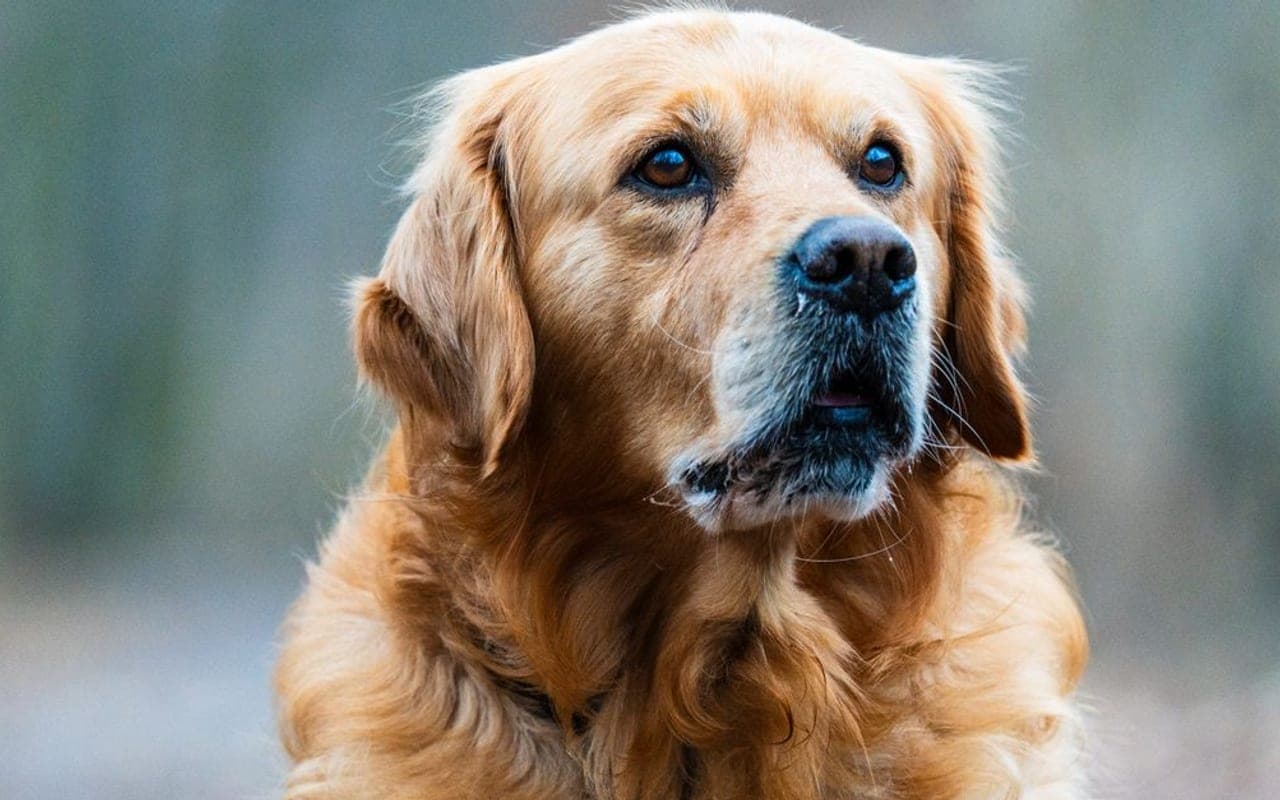
Golden Retriever
Also in the Sporting group, with different care and temperament tradeoffs.
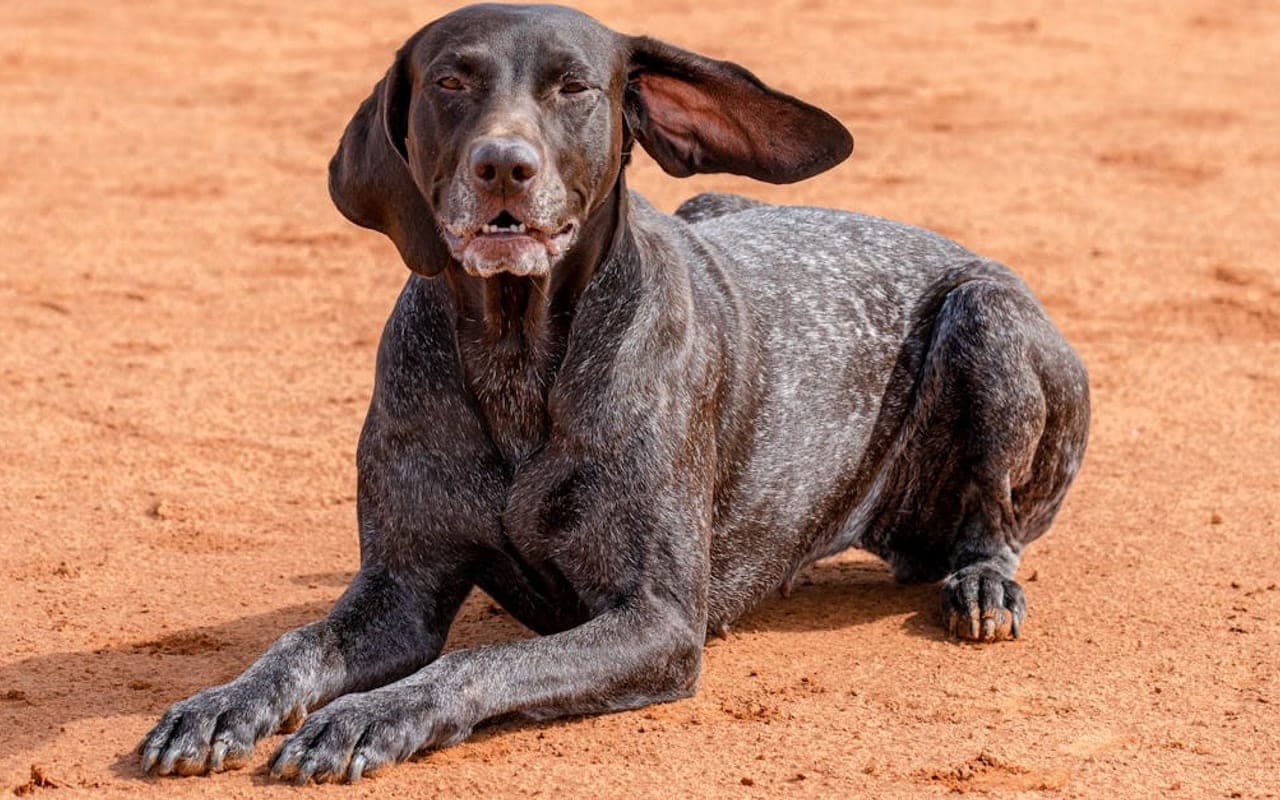
German Shorthaired Pointer
Also in the Sporting group, with different care and temperament tradeoffs.

Labrador Retriever
Also in the Sporting group, with different care and temperament tradeoffs.
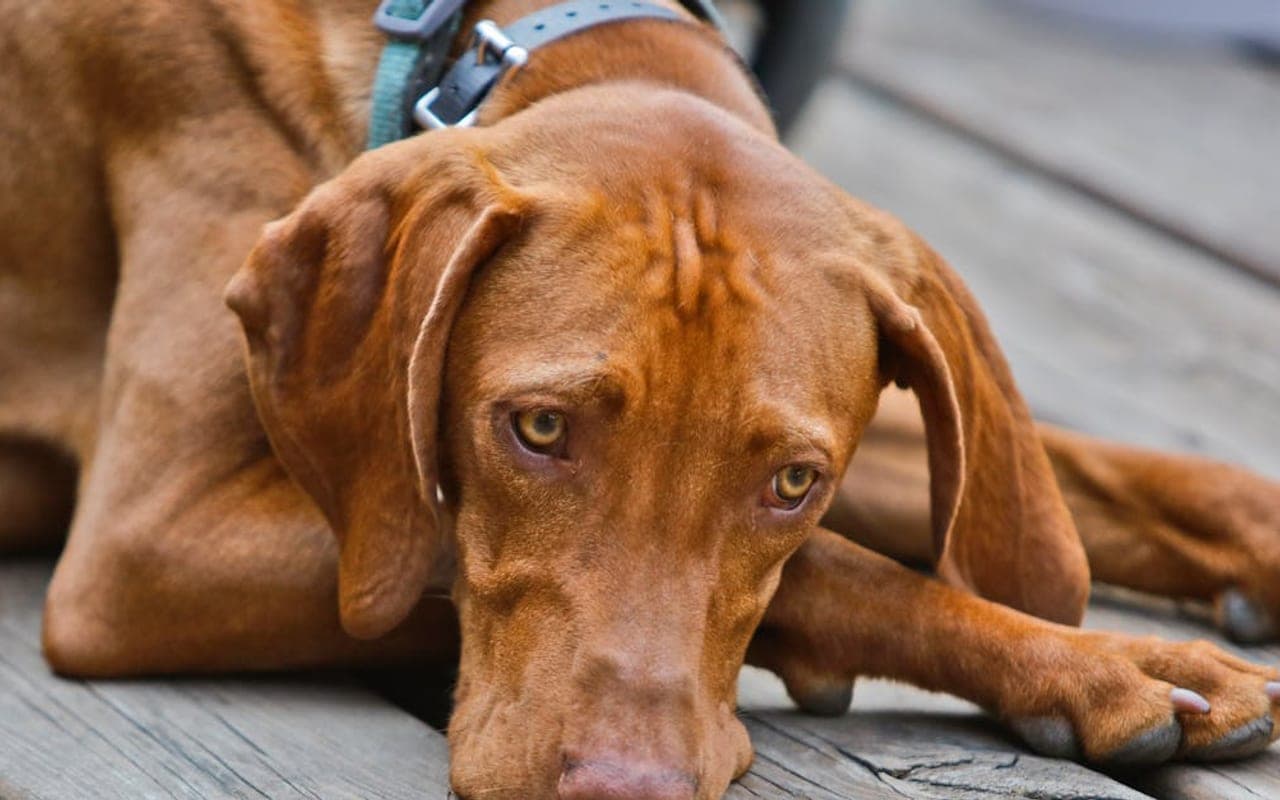
Vizsla
Also in the Sporting group, with different care and temperament tradeoffs.
Explore More About Barbet
Dive deeper into everything Barbet — costs, care, and expert insights.
Large Dog Care Guide: Everything Over 50 lbs
Owning a large or giant breed dog means accepting one of biology's...
Puppy Teething & Biting: Timeline and What Actually Works
A puppy has all 28 deciduous ("baby") teeth by roughly eight weeks of age, and...
Considering a cat instead?
Browse Cats