
Hound group
Basenji
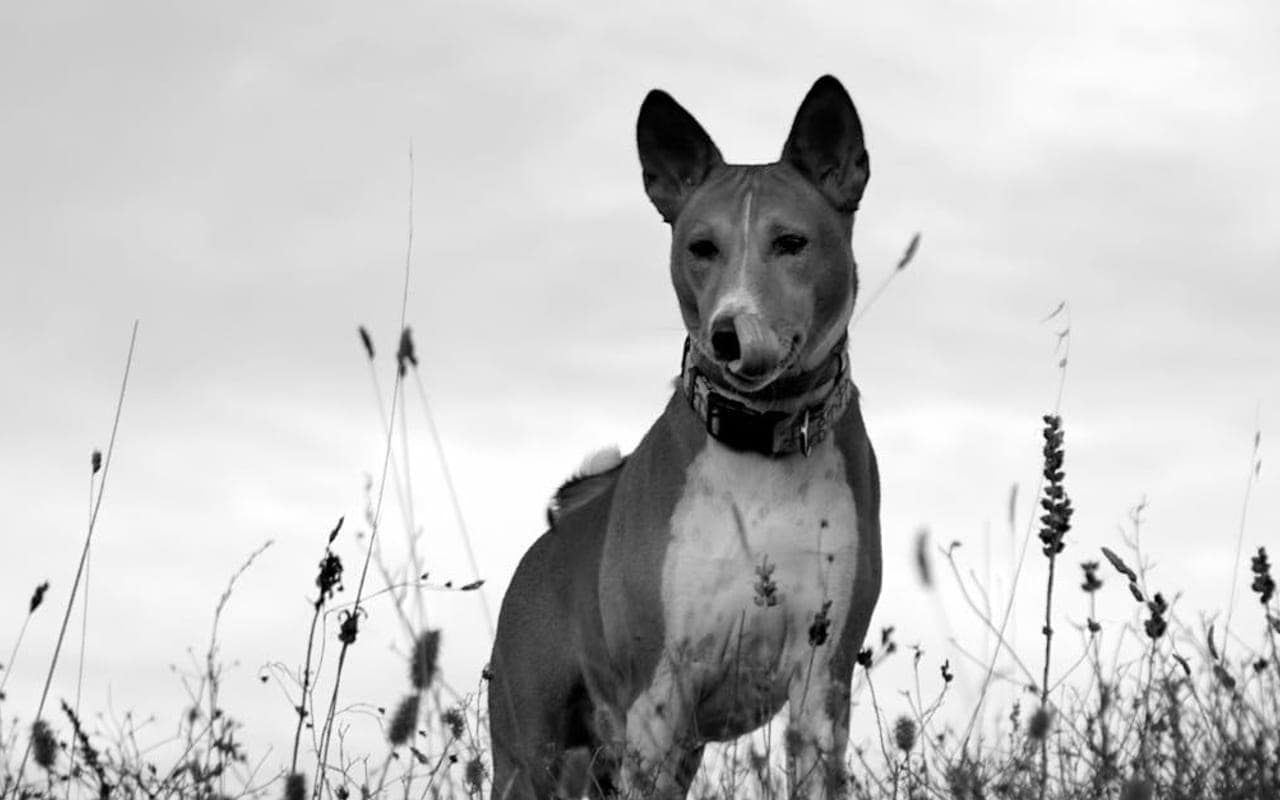
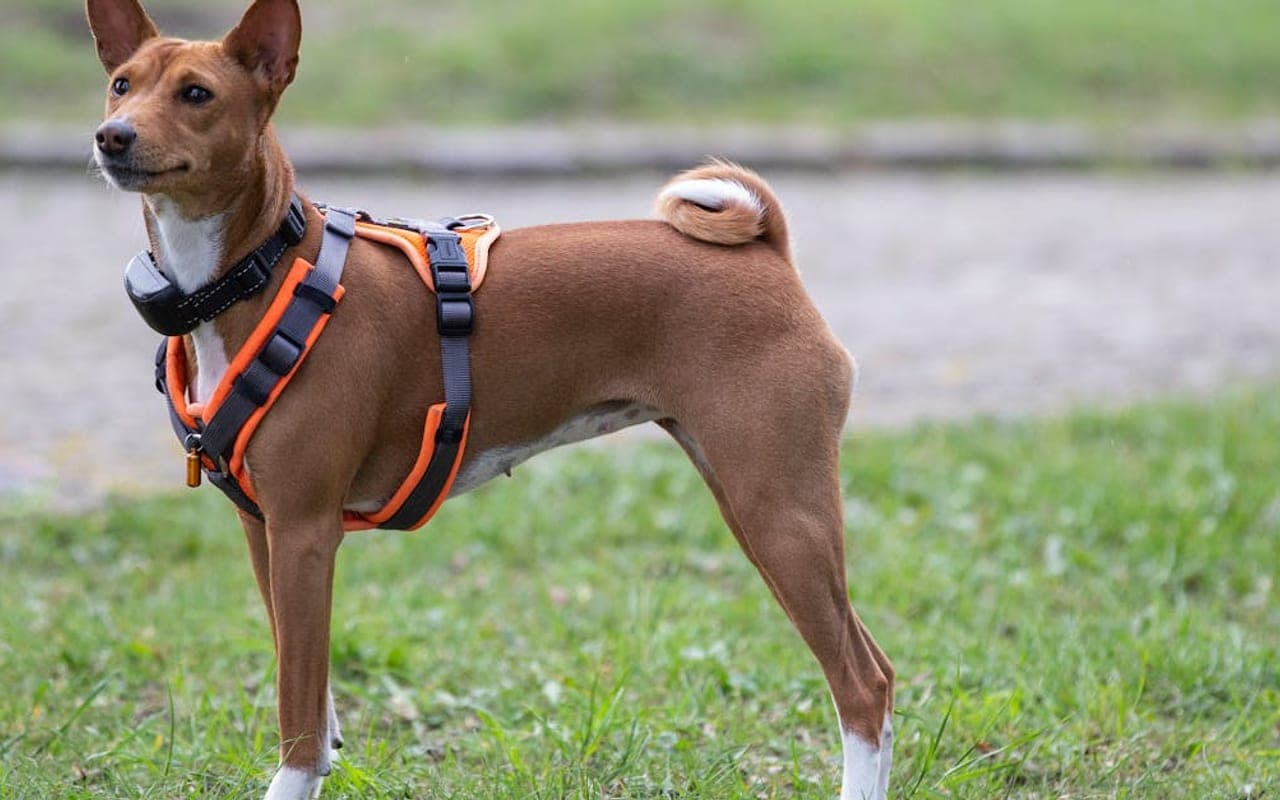
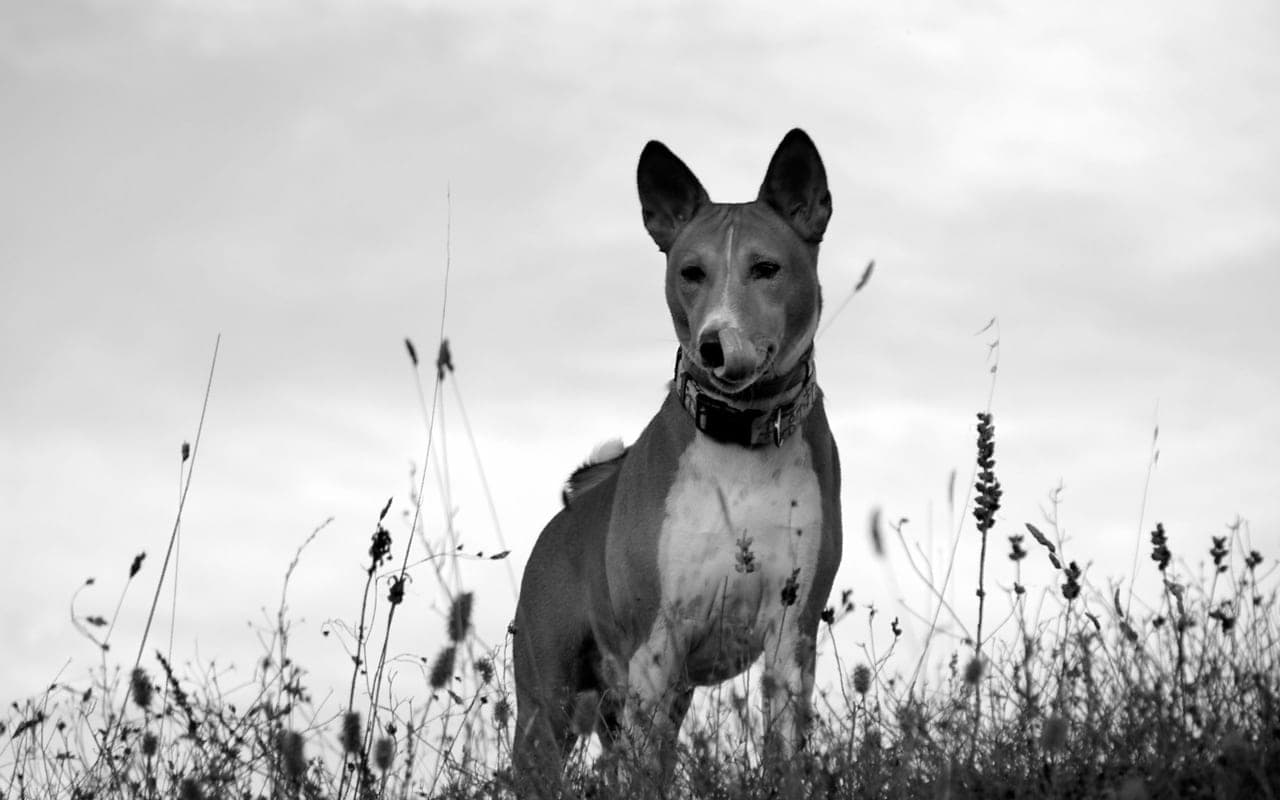
The Basenji is an ancient African sighthound-type hunting dog — Africa's 'barkless dog' — a small, elegant, short-coated breed standing about 16-17 inches and weighing 22-24 pounds.
Size
21-24 lb
Lifespan
13-14 years
Exercise
30-60 minutes
Shedding
Moderate
Experience
Match to owner routine
Decision first
Is a Basenji right for you?
Start with fit before history or trivia. These are ownership signals, not guarantees about any individual dog.
Best suited for
- Households with children.
- Homes with other compatible pets.
- Apartment homes with a consistent routine.
- Owners seeking a manageable daily exercise routine.
Think carefully if
- You need a dog with almost no daily routine.
- You cannot keep up with grooming and preventive care.
- The dog will spend most days alone without support.
Conditional fit
Apartment fit depends on exercise, enrichment, noise management, and outdoor access.
Daily reality
Basenji commitment snapshot
Daily exercise
30-60 minutes
Match activity to age, health, weather, and training goals.
Coat care
Moderate
Grooming needs vary by coat, shedding, and lifestyle.
Time alone
Needs planning
Most dogs need gradual alone-time conditioning and support.
Structured facts
Basenji at a glance
The measurements and traits that most affect day-to-day life with this breed.
Group
Hound
Weight
21-24 lb
Height
16-17 in
Lifespan
13-14 years
Temperament
Independent | Smart | Poised
View all characteristics and methodology
Lifestyle fit
- Apartment suitability
- Likely fit
- Child friendliness
- Often good, with socialisation and supervision
- Other-pet fit
- Often compatible with careful introductions
Owner commitment
- Exercise
- 30-60 minutes
- Grooming
- Moderate
- Shedding
- Moderate
- Training
- Moderate
Environment and health
- Health risk
- Needs planning
Ratings combine structured breed data, visible breed fields, and editorial context. They are planning aids, not predictions for an individual dog.
Daily life
Basenji temperament and behavior
The Basenji is an ancient African sighthound-type hunting dog — Africa's 'barkless dog' — a small, elegant, short-coated breed standing about 16-17 inches and weighing 22-24 pounds. The buying decision is unusual for a dog: a Basenji behaves more like a cat than a typical canine, and the marketing line 'doesn't bark' hides what it actually is — a primitive, independent, high-prey-drive hound that is famously difficult to train and impossible to trust off-leash. Physically the Basenji is fastidious and clean: a short, fine, glossy coat that the dog grooms itself like a cat, a tightly curled tail, a wrinkled forehead, almond eyes, and a smooth, racehorse-like trot. The coat is almost no work — a weekly wipe-down — and the breed is nearly odorless, one of its genuine advantages. Temperament is where buyers must be honest with themselves. Basenjis are intelligent but independent and self-directed; they do not bark, but they are not silent — they yodel and 'baroo.' They are intensely curious, mischievous, escape-artist climbers and chewers when bored, and they have a strong prey drive that makes recall unreliable for life. They bond closely with their family, can be aloof with strangers, and are best with respectful older children. Training requires patience and creativity; obedience is not their priority. Who the Basenji is right for: an experienced, patient owner who wants a clean, quiet (not barkless-equals-silent), catlike companion, will keep it leashed or securely fenced for life, and finds an independent dog charming rather than frustrating. Who it is wrong for: a first-time owner wanting an obedient, off-leash, eager-to-please dog, or a home with free-roaming small pets and an unsecured yard.
Independent | Smart | Poised
Independent
A common Basenji temperament descriptor that should be interpreted alongside training, exercise, and household fit.
Smart
A common Basenji temperament descriptor that should be interpreted alongside training, exercise, and household fit.
Poised
A common Basenji temperament descriptor that should be interpreted alongside training, exercise, and household fit.
Owner note
Temperament labels are starting points, not guarantees. Meet the individual dog and ask about behavior history whenever possible.
Care essentials
How to care for a Basenji
What looking after one actually involves: exercise, grooming, food, training, and routine health.
ExerciseAs needed
- Moderately active breed needing 30-60 minutes of daily exercise through walks, play, and mental stimulation.
GroomingAs needed
- Regular grooming needed — brush 2-3 times per week and bathe monthly.
TrainingAs needed
- Moderately trainable — consistent, patient training with positive methods works best.
NutritionAs needed
- Feed a high-quality dog food appropriate for their age, size, and activity level. Monitor portions to prevent obesity.
Veterinary CareAs needed
- Annual wellness exams, core vaccinations, dental care, and parasite prevention. Breed-specific health screenings as recommended by your vet.
Health planning
Basenji health risks and screening
Every breed has individual health variation. Use this profile for planning and discuss medical decisions with a veterinarian.
Responsible ownership
Finding a Basenji responsibly
What to ask a breeder or rescue is the same conversation for every breed, so we keep it in one place and keep it current.
Health documentation, meeting the parents or foster, contracts and return support, and the warning signs worth walking away from.
Original purpose
Basenji history
History is useful when it explains today's behavior, coat, exercise needs, and training style.
Read the breed history
The Basenji is one of the oldest dog types in the world, originating in Central Africa — the Congo Basin and surrounding regions — where it was used by local peoples as a versatile hunting dog: flushing and driving game into nets, pointing, and retrieving, hunting by both sight and scent. Its 'barkless' trait and yodel-like vocalization, along with its seasonal single estrus cycle (most dogs cycle twice a year; Basenjis once), reflect its primitive, minimally human-shaped genetics. European explorers documented the dogs in the 19th century, and after several failed importation attempts — early dogs often died of distemper before vaccines — the breed was successfully established in England in the 1930s and reached the United States soon after. The AKC recognized the Basenji in 1943, placing it in the Hound Group. A later infusion of new African stock in the late 20th century broadened the gene pool. That ancient, lightly domesticated history is the direct reason the breed is independent, prey-driven, and behaviorally cat-like rather than biddable.
Gallery
Basenji photos
Images are cropped consistently and loaded progressively to keep the page responsive.
Lower-page context
Basenjis in culture
Where the breed shows up in film, sport, work and folklore — the enjoyable part, once the practical questions are answered.
Fun facts
- The Basenji belongs to the Hound Group.
- The average lifespan of a Basenji is 13 to 14 years.
- Basenji dogs are valued for their independent, smart, poised nature.
Basenji FAQs
Do Basenjis really not bark?
They genuinely do not bark in the typical canine way because of their unusually shaped larynx — but 'barkless' does not mean silent. Basenjis yodel, 'baroo,' chortle, and scream, and a frustrated or excited one can be quite loud. Treat the breed as a low-bark dog with a distinctive vocal repertoire, not a silent one. Buyers expecting total quiet are often surprised by the volume and range of Basenji noises.
Can Basenjis be let off-leash?
Realistically, no. Basenjis are independent, intensely prey-driven sighthound-type hounds, and their recall is unreliable for life — sighting a squirrel or cat overrides any training. They are also accomplished escape artists that climb and dig. Plan on leashed walks and a tall, secure, climb-proof fenced area permanently. Owners who treat off-leash freedom as a training goal rather than a breed limitation are how Basenjis get lost or hit by cars. A long line in a safely enclosed field is the realistic compromise for giving a Basenji a sense of freedom without gambling its life on a recall the breed was never built to deliver.
Are Basenjis good for first-time owners?
Usually not. Basenjis are intelligent but independent and self-directed, train selectively rather than eagerly, need constant mental engagement to prevent destructive behavior, and require lifelong containment discipline. An experienced owner who appreciates a catlike, challenging dog thrives with one; a first-time owner expecting an obedient, off-leash family dog typically finds the breed frustrating. The clean, low-grooming, near-odorless upside is real but does not offset the training and containment demands for a novice.
How much grooming does a Basenji need?
Almost none — it is one of the lowest-maintenance breeds for coat care. Basenjis self-groom like cats, are nearly odorless, and need only a weekly wipe-down or soft brush and occasional baths; shedding is minimal. The only breed-specific care notes are that the thin coat gives no cold protection (use a coat in winter) and that routine dental and nail care still apply, since the easy coat sometimes lulls owners into skipping general grooming. The realistic mistake to avoid is treating low grooming as low overall care — the breed's containment, mental-stimulation, and Fanconi-monitoring demands far outweigh the trivial coat work, and buyers who choose the breed for its tidiness alone are usually the ones who struggle most.
What is Fanconi syndrome and how do I avoid it?
Fanconi syndrome is an inherited kidney tubular disease, over-represented in Basenjis, where the kidneys leak glucose and electrolytes into the urine, leading to progressive kidney failure if undetected. It is silent until advanced. You reduce the risk by buying from a breeder whose dogs are DNA-tested clear, and you catch it early in any Basenji through routine home urine-glucose strip testing as your vet advises — early-managed Fanconi dogs can live well for years; crisis-stage diagnosis is often fatal.
Sources
These are the published sources this page draws on. Each opens in a new tab so you can check it yourself.
American Kennel Club
Basenji — breed standard and profile(opens in a new tab)Supports: Breed standard and recognition details.
Similar breeds to consider
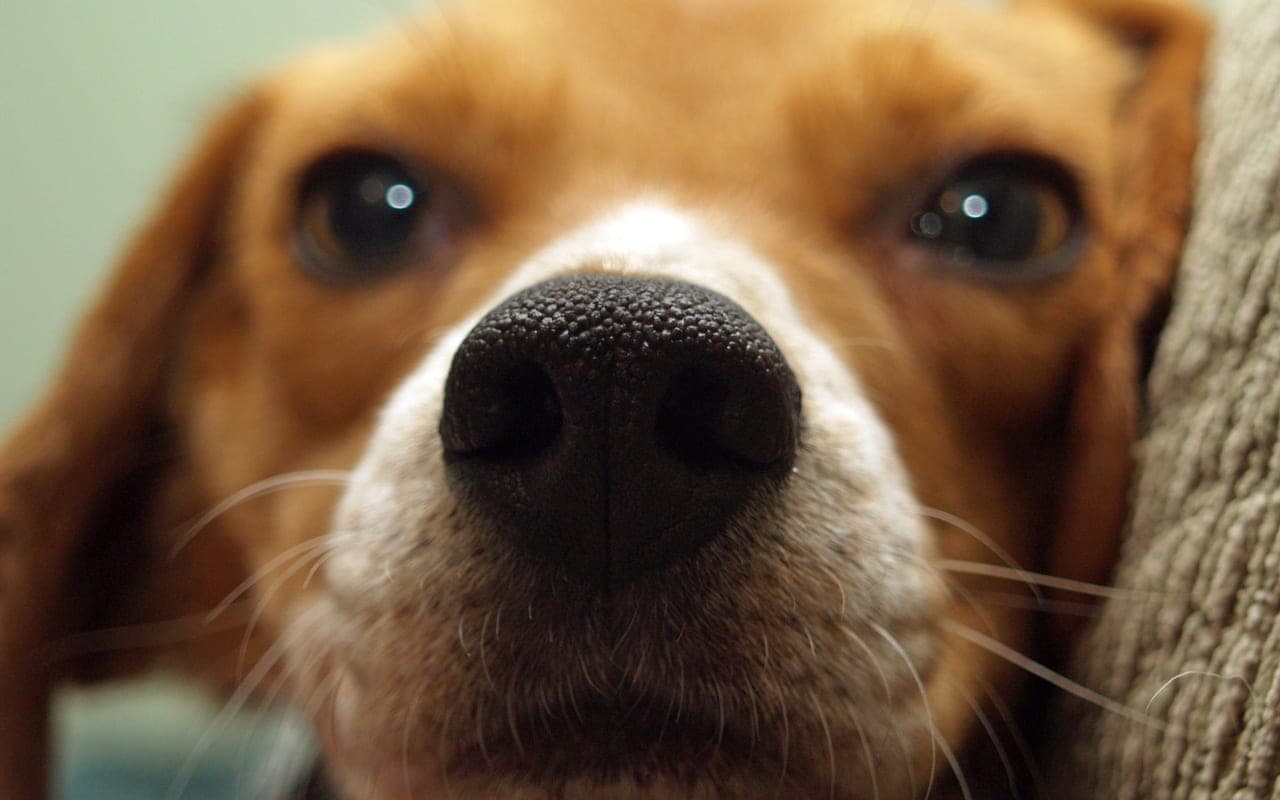
Beagle
Also in the Hound group, with different care and temperament tradeoffs.
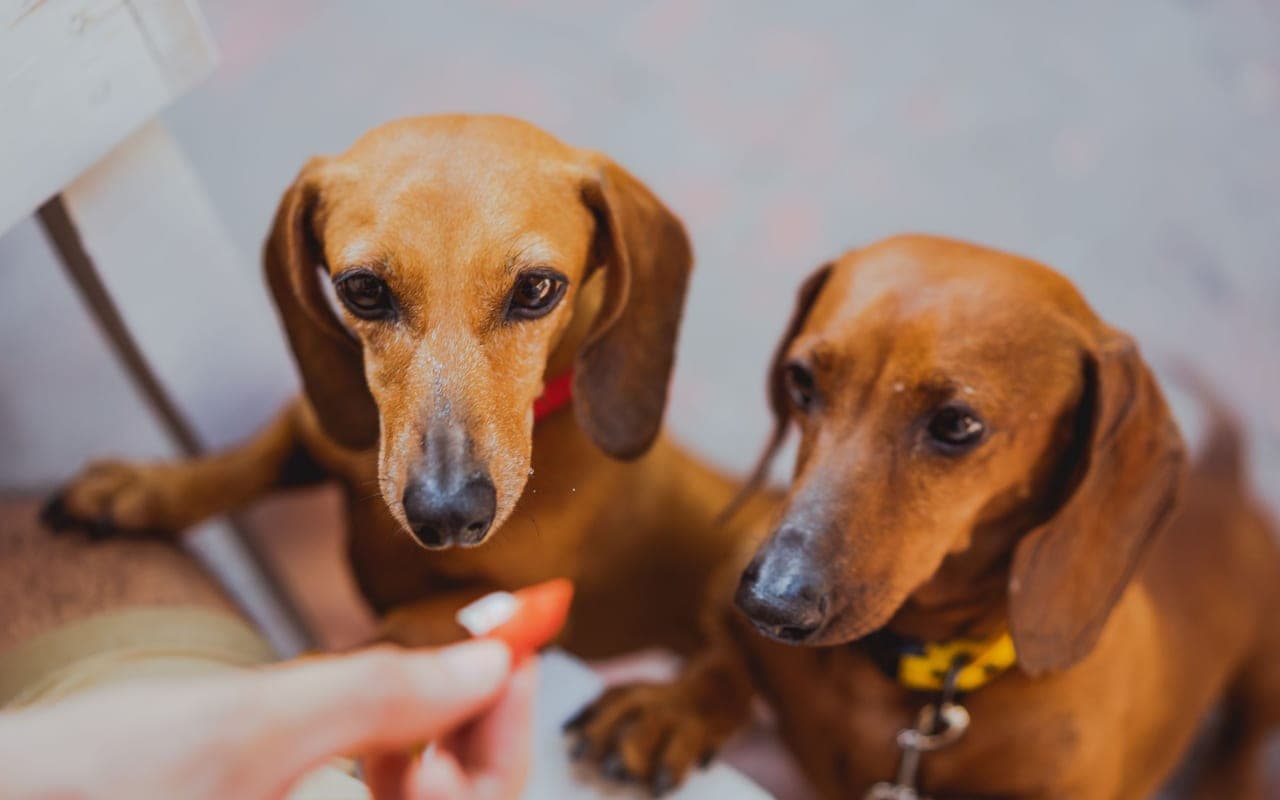
Dachshund
Also in the Hound group, with different care and temperament tradeoffs.
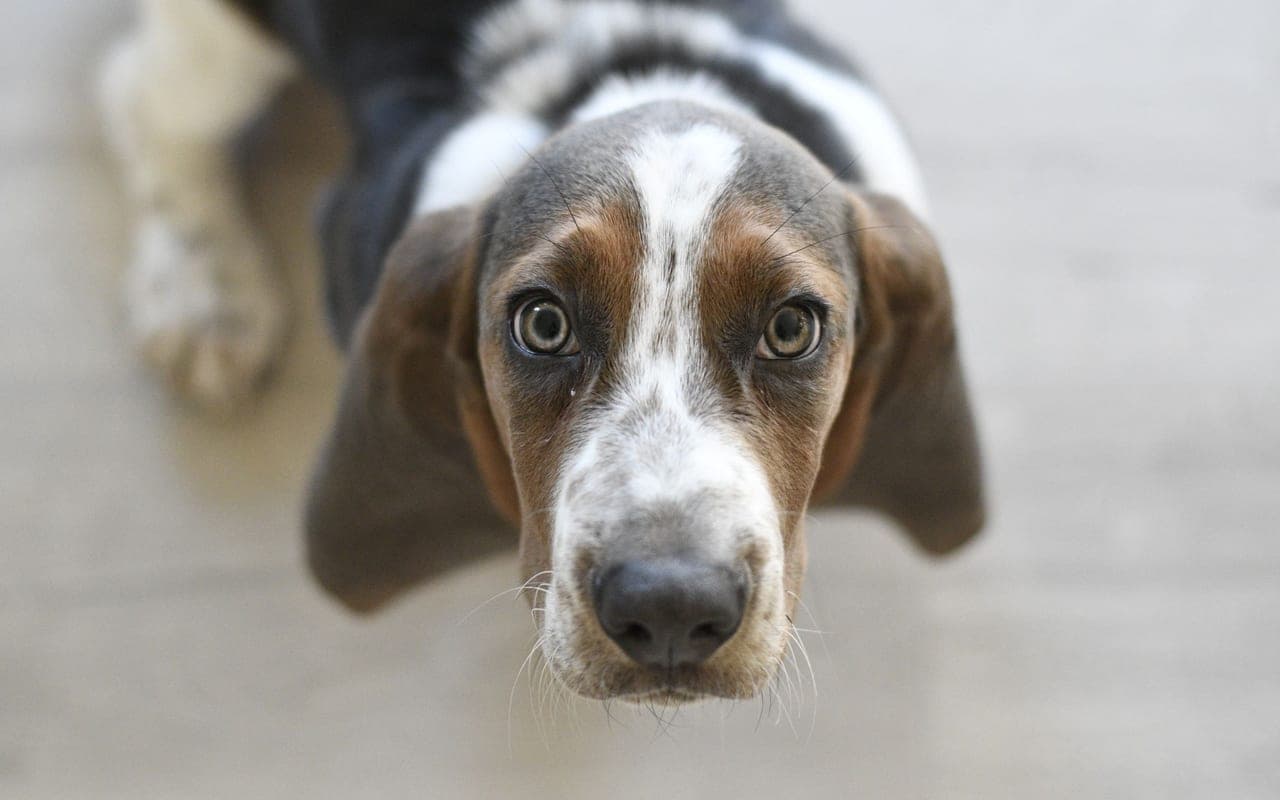
Basset Hound
Also in the Hound group, with different care and temperament tradeoffs.
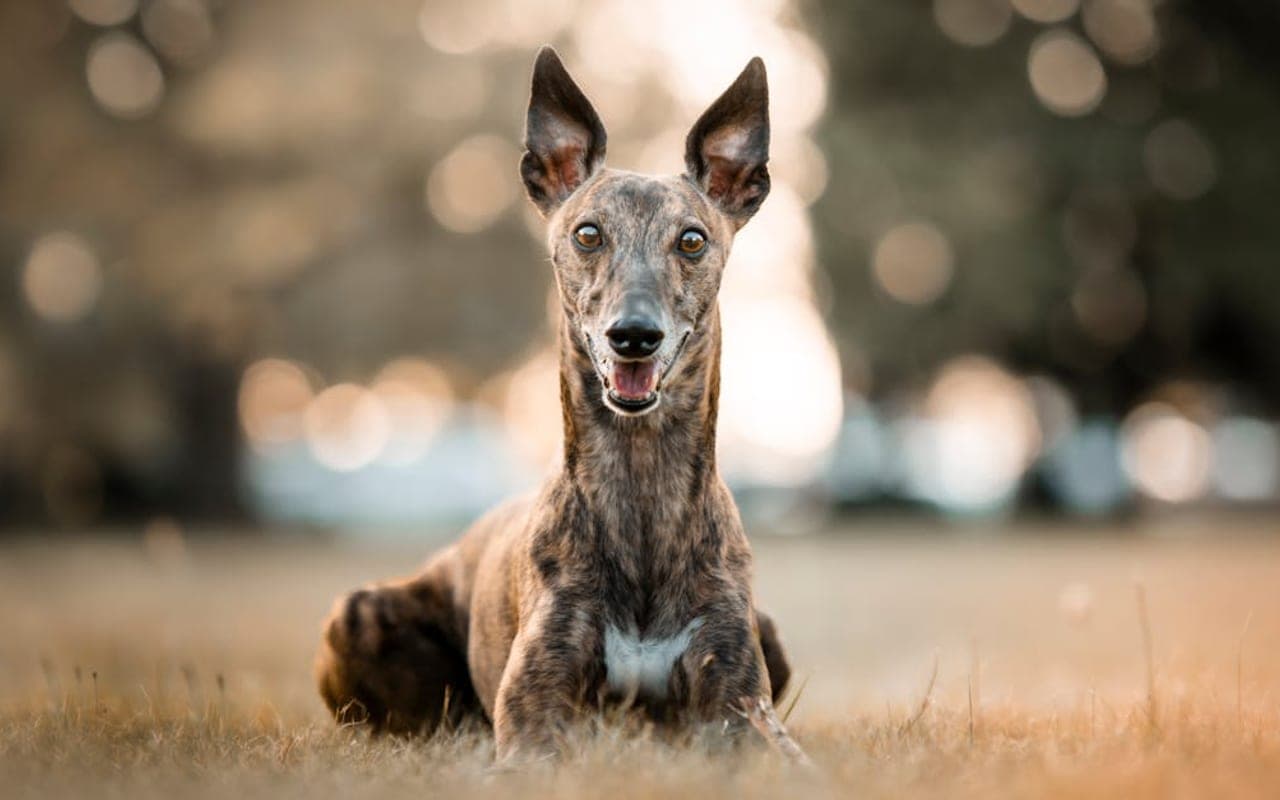
Greyhound
Also in the Hound group, with different care and temperament tradeoffs.
Explore More About Basenji
Dive deeper into everything Basenji — costs, care, and expert insights.
Considering a cat instead?
Browse Cats