
Hound group
Basset Fauve de Bretagne
The Basset Fauve de Bretagne — the fawn-colored Brittany basset — is a small, stocky, rough-coated French scenthound, and the key thing to understand before buying one is that 'basset' here means short-legged hound, not couch potato.
Size
22-40 lb
Lifespan
12 years
Exercise
30-60 minutes
Shedding
Moderate
Experience
Match to owner routine
Decision first
Is a Basset Fauve de Bretagne right for you?
Start with fit before history or trivia. These are ownership signals, not guarantees about any individual dog.
Best suited for
- Households with children.
- Apartment homes with a consistent routine.
- Owners seeking a manageable daily exercise routine.
Think carefully if
- You need a dog with almost no daily routine.
- You cannot keep up with grooming and preventive care.
- The dog will spend most days alone without support.
Conditional fit
Apartment fit depends on exercise, enrichment, noise management, and outdoor access.
Daily reality
Basset Fauve de Bretagne commitment snapshot
Daily exercise
30-60 minutes
Match activity to age, health, weather, and training goals.
Coat care
Moderate
Grooming needs vary by coat, shedding, and lifestyle.
Time alone
Needs planning
Most dogs need gradual alone-time conditioning and support.
Structured facts
Basset Fauve de Bretagne at a glance
The measurements and traits that most affect day-to-day life with this breed.
Group
Hound
Weight
22-40 lb
Height
13-15 in
Lifespan
12 years
Temperament
Smart | Cheerful | Determined
View all characteristics and methodology
Lifestyle fit
- Apartment suitability
- Likely fit
- Child friendliness
- Often good, with socialisation and supervision
Owner commitment
- Exercise
- 30-60 minutes
- Grooming
- Moderate
- Shedding
- Moderate
- Training
- Moderate
Environment and health
- Health risk
- Needs planning
Ratings combine structured breed data, visible breed fields, and editorial context. They are planning aids, not predictions for an individual dog.
Daily life
Basset Fauve de Bretagne temperament and behavior
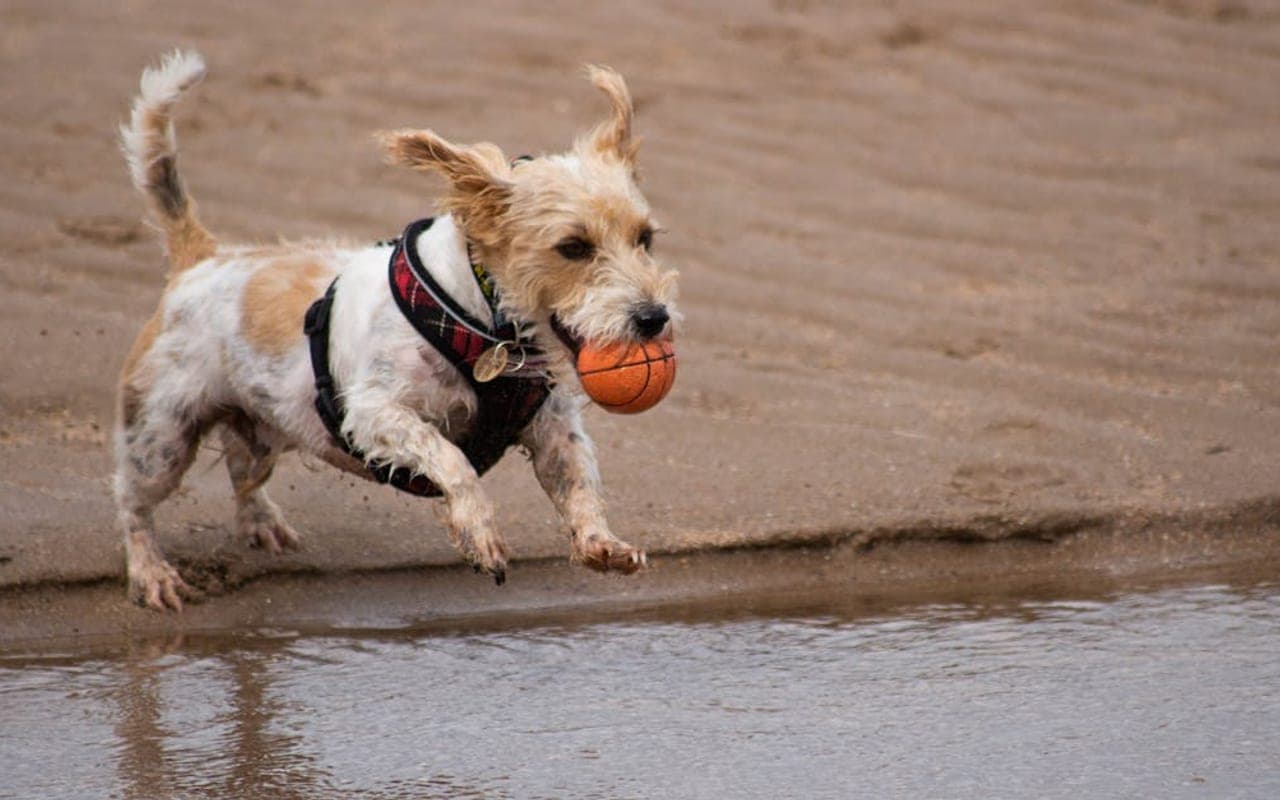
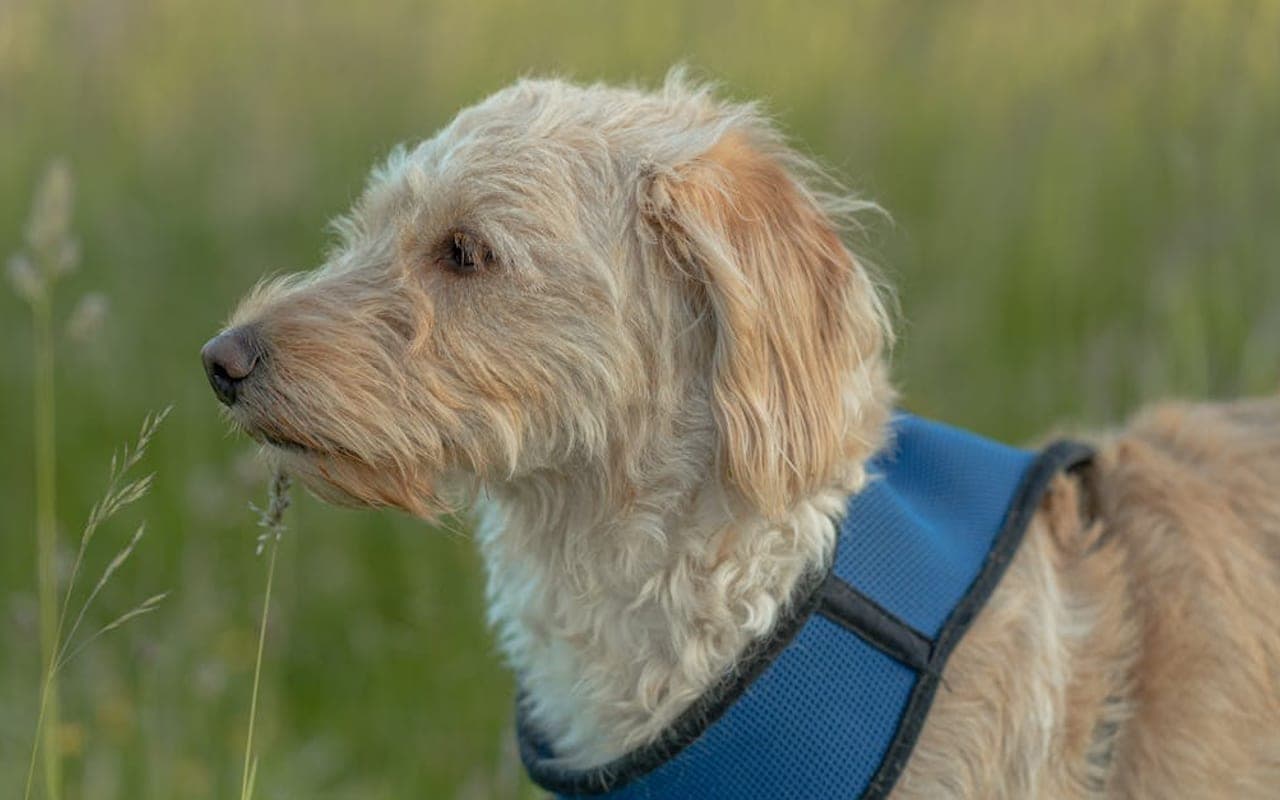
The Basset Fauve de Bretagne — the fawn-colored Brittany basset — is a small, stocky, rough-coated French scenthound, and the key thing to understand before buying one is that 'basset' here means short-legged hound, not couch potato. This is a hardy, fast, surprisingly athletic working hound with a serious nose and an independent hunting brain. People who pick it expecting a placid lapdog get a determined, scent-driven dog that will follow a rabbit trail straight through the recall they thought they had trained. Physically the Fauve is compact and dense — roughly 22-35 pounds and 12.5-15.5 inches at the shoulder — with a harsh, wiry fawn-to-red coat that is weather-resistant and relatively low-shedding. It is built low and tough for working dense Breton cover, not bred down for looks, which is why it is more agile and energetic than most short-legged breeds. Temperament: cheerful, courageous, determined, affectionate with family, and generally good with children and other dogs. The flip side of that determination is independence and selective hearing on a scent — this is a hound that thinks for itself. They are not nuisance barkers, but they will give loud hound 'voice' and chase when prey crosses the yard. Early training and socialization are essential or the breed's cleverness turns into mischief. Who the Fauve is right for: an owner who wants a robust, friendly, manageable-sized hound, will provide secure fencing and consistent positive training, and is amused rather than frustrated by an independent nose. Who it is wrong for: anyone needing reliable off-leash recall by default, a quiet dog with zero prey drive, or a hands-off pet that trains itself.
Smart | Cheerful | Determined
Smart
A common Basset Fauve de Bretagne temperament descriptor that should be interpreted alongside training, exercise, and household fit.
Cheerful
A common Basset Fauve de Bretagne temperament descriptor that should be interpreted alongside training, exercise, and household fit.
Determined
A common Basset Fauve de Bretagne temperament descriptor that should be interpreted alongside training, exercise, and household fit.
Owner note
Temperament labels are starting points, not guarantees. Meet the individual dog and ask about behavior history whenever possible.
Care essentials
How to care for a Basset Fauve de Bretagne
What looking after one actually involves: exercise, grooming, food, training, and routine health.
ExerciseAs needed
- Moderately active breed needing 30-60 minutes of daily exercise through walks, play, and mental stimulation.
GroomingAs needed
- Regular grooming needed — brush 2-3 times per week and bathe monthly.
TrainingAs needed
- Moderately trainable — consistent, patient training with positive methods works best.
NutritionAs needed
- Feed a high-quality dog food appropriate for their age, size, and activity level. Monitor portions to prevent obesity.
Veterinary CareAs needed
- Annual wellness exams, core vaccinations, dental care, and parasite prevention. Breed-specific health screenings as recommended by your vet.
Health planning
Basset Fauve de Bretagne health risks and screening
Every breed has individual health variation. Use this profile for planning and discuss medical decisions with a veterinarian.
Responsible ownership
Finding a Basset Fauve de Bretagne responsibly
What to ask a breeder or rescue is the same conversation for every breed, so we keep it in one place and keep it current.
Health documentation, meeting the parents or foster, contracts and return support, and the warning signs worth walking away from.
Original purpose
Basset Fauve de Bretagne history
History is useful when it explains today's behavior, coat, exercise needs, and training style.
Read the breed history
The Basset Fauve de Bretagne originates in Brittany, in north-western France, where it was developed as a short-legged scenthound to hunt rabbit, hare, and other small game through the region's dense, rough cover. It descends from the larger Grand Fauve de Bretagne, a now-rare French hunting hound, and was bred down in leg length while keeping the harsh, weatherproof fawn coat and the determined working temperament suited to thick Breton terrain. Because it was bred strictly as a functional hunting dog rather than a show or companion animal, its modern character — the powerful nose, the independence, the hound 'voice', the toughness, and the high prey drive — is a direct inheritance from that working past. The breed remains relatively uncommon outside France and parts of Europe; parent clubs in the US and Europe report only a limited set of health concerns, which makes honest, specific health information especially valuable to the small number of prospective owners.
Gallery
Basset Fauve de Bretagne photos
Images are cropped consistently and loaded progressively to keep the page responsive.
Lower-page context
Basset Fauve de Bretagnes in culture
Where the breed shows up in film, sport, work and folklore — the enjoyable part, once the practical questions are answered.
Fun facts
- The Basset Fauve de Bretagne belongs to the Foundation Stock Service.
- The average lifespan of a Basset Fauve de Bretagne is 12 to 12 years.
- Basset Fauve de Bretagne dogs are valued for their smart, cheerful, determined nature.
Basset Fauve de Bretagne FAQs
How long do Basset Fauve de Bretagne dogs live?
A healthy Basset Fauve de Bretagne typically lives around 12 to 14 years. The breed is comparatively hardy with a relatively short list of inherited concerns, so the factors that most influence lifespan are practical ones: keeping the dog lean to protect its long back, staying ahead of the ear infections its drop ears predispose it to, and addressing eye problems like glaucoma promptly. A fit, well-maintained Fauve from a breeder who screens eyes commonly reaches the upper end of that range.
Are Basset Fauve de Bretagne dogs easy to train?
They are intelligent and capable but independent — this is a scenthound that was bred to make its own decisions on a trail, so it is not as instantly biddable as a herding or sporting breed. Training works well with early start, consistency, food motivation, and patience, and they genuinely want to please their family. The realistic caveat is recall: once a Fauve locks onto a scent it is effectively deaf to commands, so reliable off-leash control may never be fully achievable and secure containment is essential.
Are Basset Fauve de Bretagne dogs good with children and other pets?
Generally yes. The breed is cheerful, affectionate, and sturdy, and typically does well with respectful children and with other dogs, partly thanks to its pack-hound background. The honest caveats are prey drive and voice: small running pets can trigger the chase instinct, and the dog will give loud hound 'voice' when excited or trailing. With early socialization and supervision around small animals and young kids, the Fauve is a friendly family dog, but it is not a quiet, prey-neutral one.
How much exercise and grooming does a Basset Fauve de Bretagne need?
Exercise: more than its short legs suggest — around 45 to 60 minutes of daily activity, including scent-rich walks and play, since this is an energetic working hound rather than a sedentary basset. Grooming: comparatively easy — the harsh wiry coat needs only a weekly brush and occasional hand-stripping or tidying a few times a year. The real recurring grooming task is the ears: weekly checking and drying of the long drop ears is the single most cost-effective preventive habit in this breed.
Do Basset Fauve de Bretagne dogs bark a lot?
They are not nuisance barkers in the everyday sense — they do not typically bark for attention all day. However, they are scenthounds with a distinctive loud, baying hound 'voice' that they will use enthusiastically when they catch an interesting scent, see prey, or get excited, and that sound carries. For most homes this is occasional rather than constant, but in close-quarters or noise-sensitive housing it is a genuine consideration to weigh before choosing the breed.
How much does a Basset Fauve de Bretagne cost?
Expect roughly $1,500 to $3,000 for a well-bred Basset Fauve de Bretagne puppy from a reputable breeder, with price elevated by the breed's rarity outside France and Europe. The recurring cost buyers most often underestimate is chronic ear care: a Fauve whose drop ears are neglected can run up repeated veterinary bills for ear infections over its life, while routine weekly cleaning at home costs almost nothing. Budget for a health-screened puppy and build the ear-maintenance habit from day one.
Sources
These are the published sources this page draws on. Each opens in a new tab so you can check it yourself.
American Kennel Club
Basset Fauve de Bretagne — breed standard and profile(opens in a new tab)Supports: Breed standard and recognition details.
Similar breeds to consider
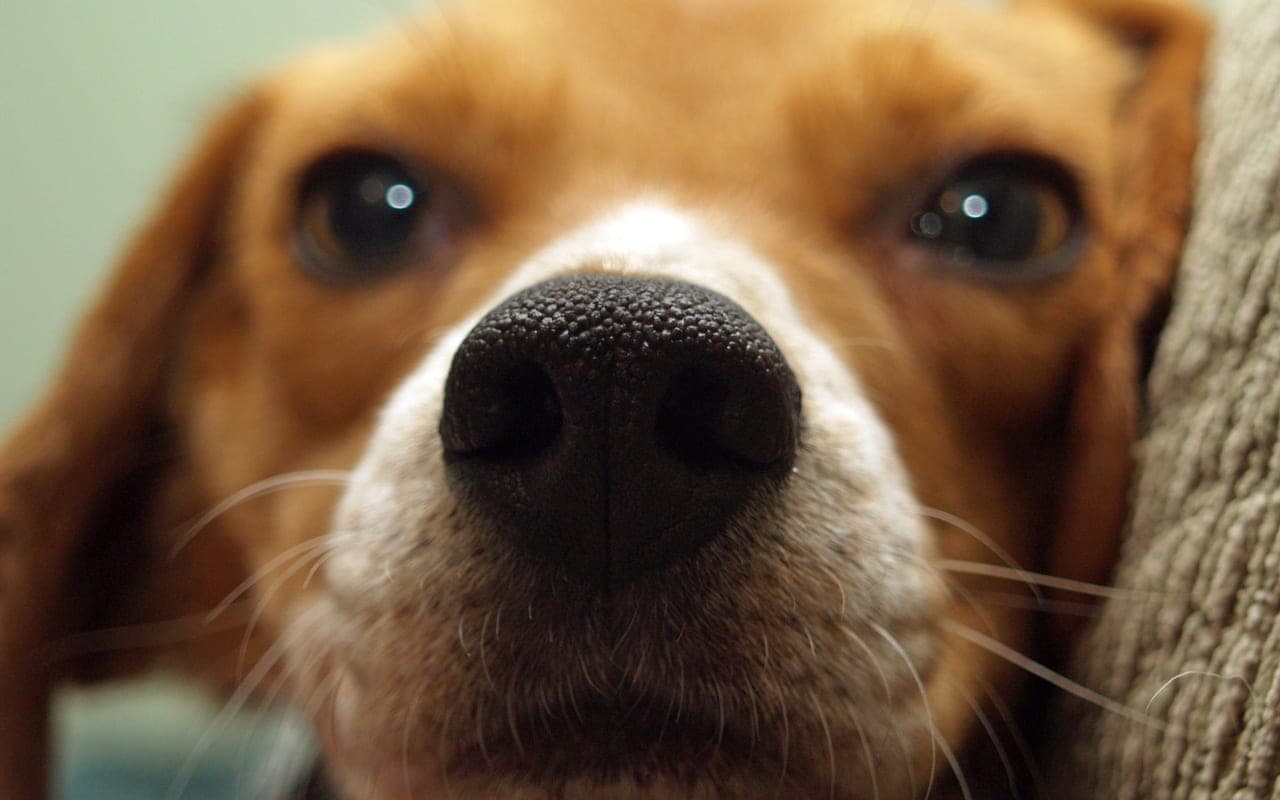
Beagle
Also in the Hound group, with different care and temperament tradeoffs.
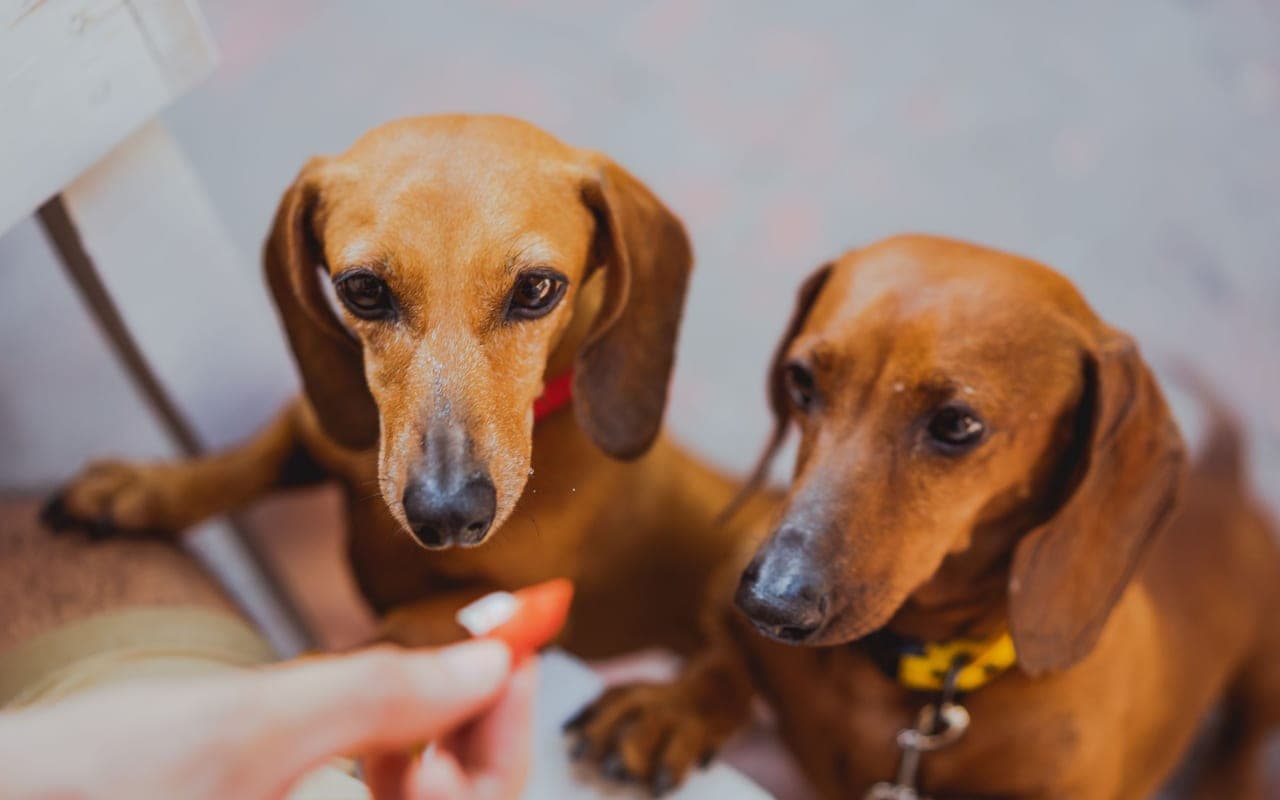
Dachshund
Also in the Hound group, with different care and temperament tradeoffs.
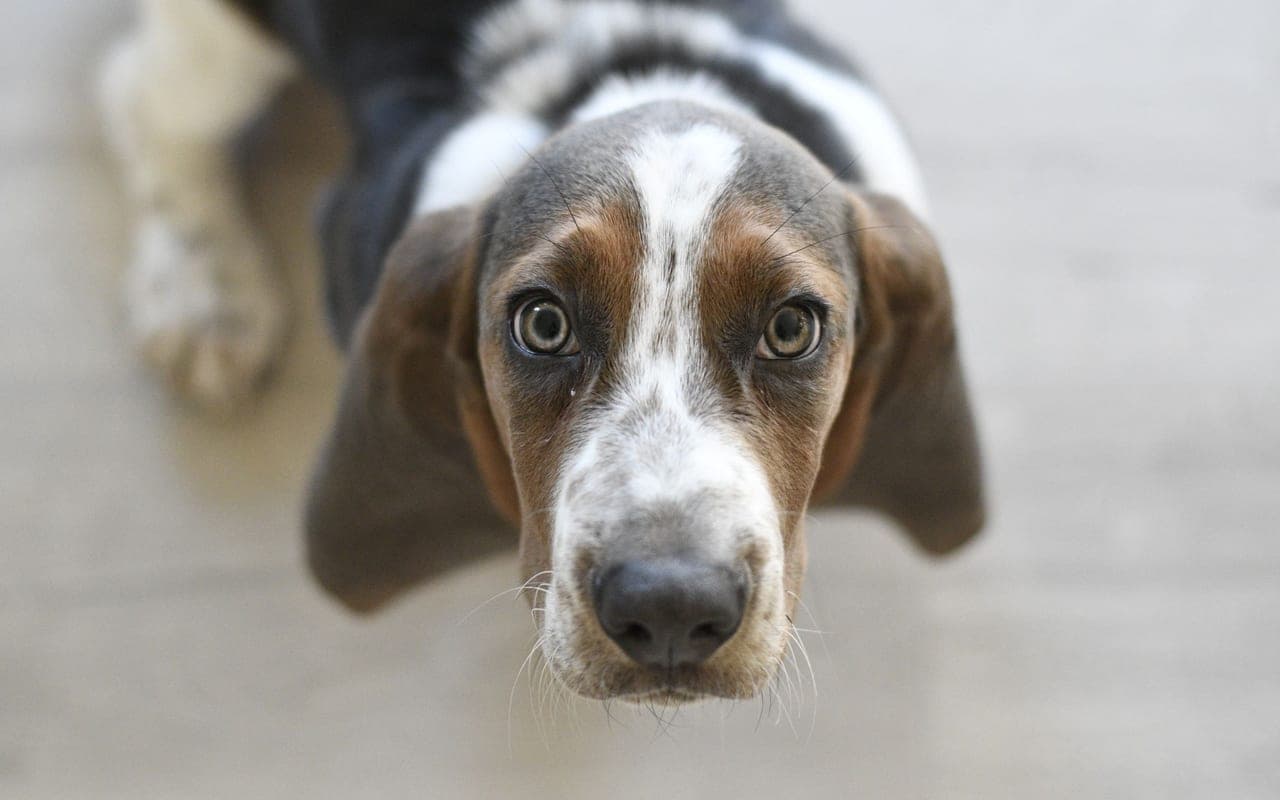
Basset Hound
Also in the Hound group, with different care and temperament tradeoffs.
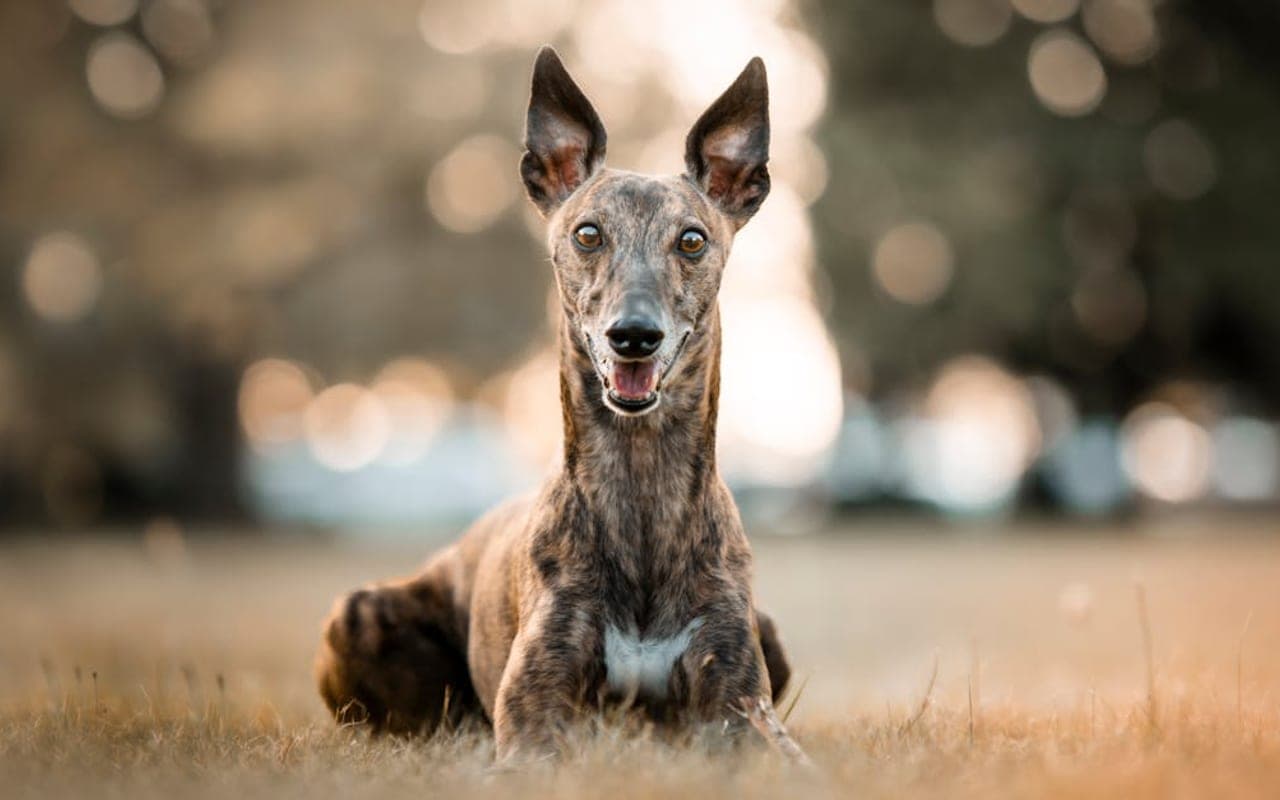
Greyhound
Also in the Hound group, with different care and temperament tradeoffs.
Explore More About Basset Fauve de Bretagne
Dive deeper into everything Basset Fauve de Bretagne — costs, care, and expert insights.
Large Dog Care Guide: Everything Over 50 lbs
Owning a large or giant breed dog means accepting one of biology's...
Puppy Teething & Biting: Timeline and What Actually Works
A puppy has all 28 deciduous ("baby") teeth by roughly eight weeks of age, and...
Considering a cat instead?
Browse Cats