
Hound group
Basset Hound
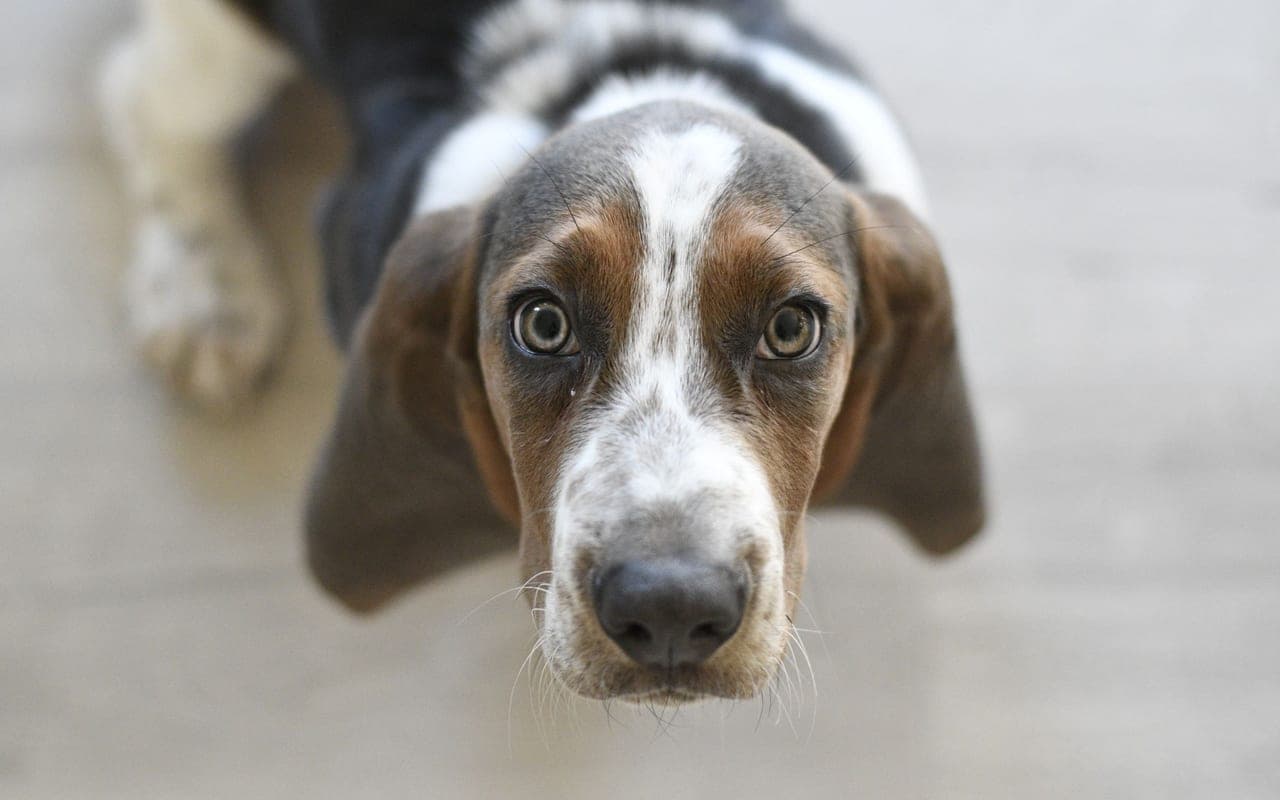
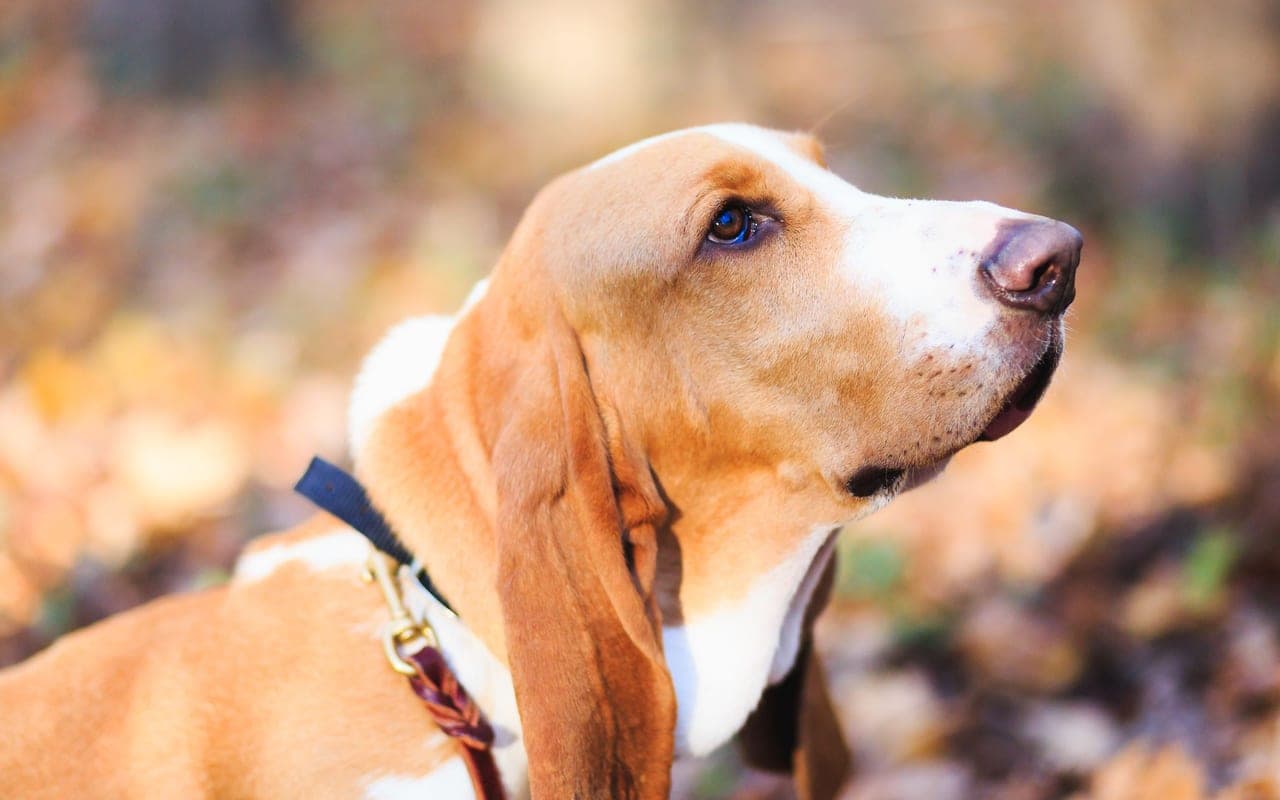
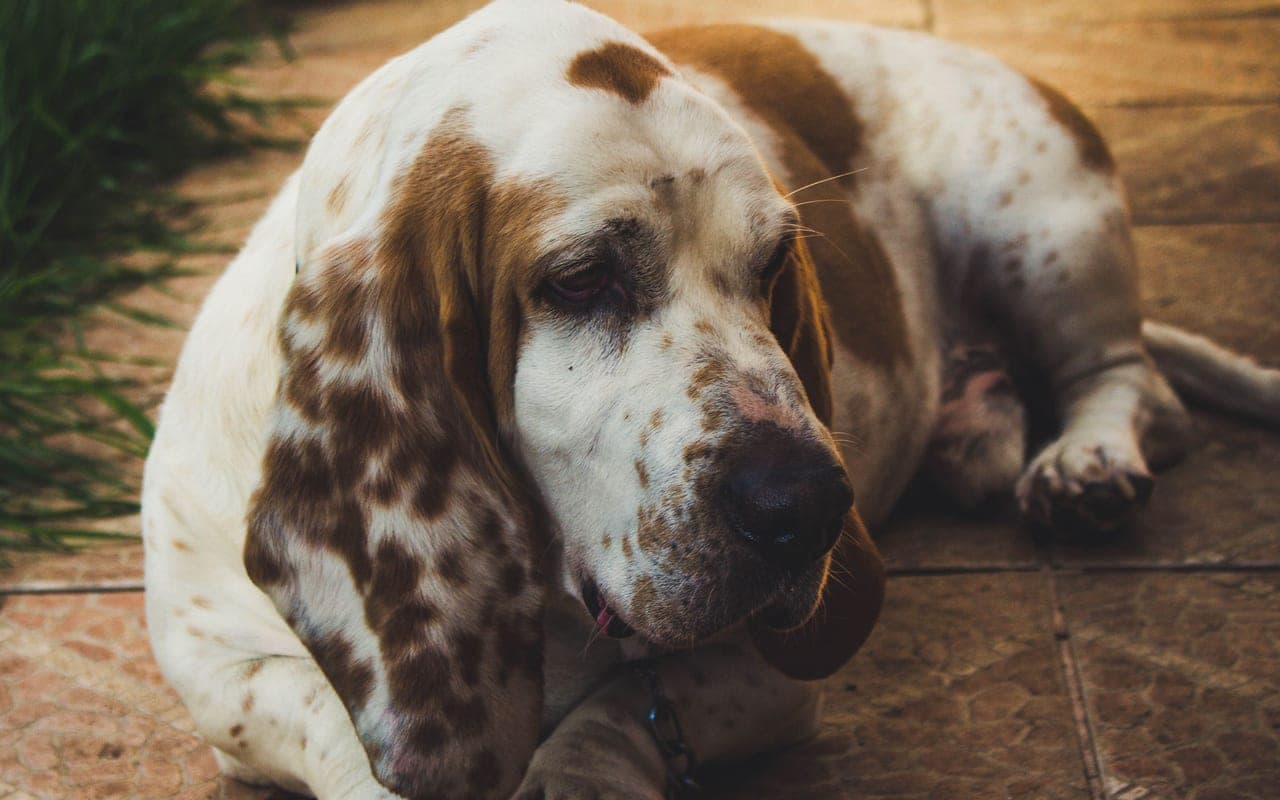
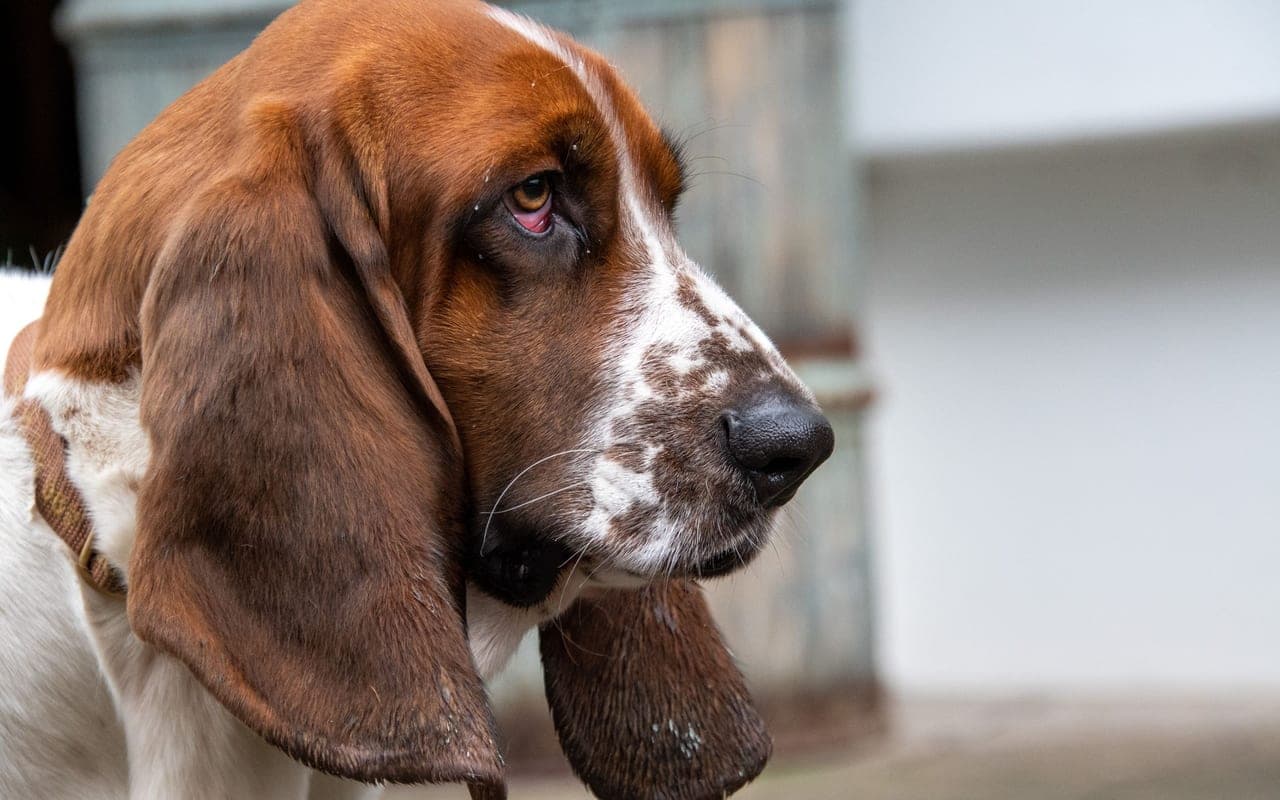
The Basset Hound is a French-origin scent hound — typically 40 to 65 pounds standing only about 14 inches at the shoulder — and that combination of a heavy, long body on short, dwarfed legs is the key to understanding the entire breed.
Size
40-65 lb
Lifespan
10-12 years
Exercise
20-40 minutes
Shedding
Moderate
Experience
Match to owner routine
Decision first
Is a Basset Hound right for you?
Start with fit before history or trivia. These are ownership signals, not guarantees about any individual dog.
Best suited for
- Households with children.
- Homes with other compatible pets.
- Apartment homes with a consistent routine.
- Owners seeking a manageable daily exercise routine.
Think carefully if
- You need a dog with almost no daily routine.
- You cannot keep up with grooming and preventive care.
- The dog will spend most days alone without support.
Conditional fit
Apartment fit depends on exercise, enrichment, noise management, and outdoor access.
Daily reality
Basset Hound commitment snapshot
Daily exercise
20-40 minutes
Match activity to age, health, weather, and training goals.
Coat care
Moderate
Grooming needs vary by coat, shedding, and lifestyle.
Time alone
Needs planning
Most dogs need gradual alone-time conditioning and support.
Structured facts
Basset Hound at a glance
The measurements and traits that most affect day-to-day life with this breed.
Origin
France
Group
Hound
Weight
40-65 lb
Height
13-15 in
Lifespan
10-12 years
Temperament
Patient | low-key | and charming
View all characteristics and methodology
Lifestyle fit
- Apartment suitability
- Likely fit
- Child friendliness
- Often good, with socialisation and supervision
- Other-pet fit
- Often compatible with careful introductions
Owner commitment
- Exercise
- 20-40 minutes
- Grooming
- Moderate
- Shedding
- Moderate
- Training
- Low-moderate
Environment and health
- Health risk
- Needs planning
Ratings combine structured breed data, visible breed fields, and editorial context. They are planning aids, not predictions for an individual dog.
Daily life
Basset Hound temperament and behavior
The Basset Hound is a French-origin scent hound — typically 40 to 65 pounds standing only about 14 inches at the shoulder — and that combination of a heavy, long body on short, dwarfed legs is the key to understanding the entire breed. The Basset is a chondrodysplastic (achondroplastic dwarf) breed: the short legs are a deliberate genetic dwarfism, and that conformation, plus the long back, long ears, droopy eyes, and loose skin, is the source of nearly every breed-specific health and care issue. This is a calm, affectionate, famously good-natured family dog with one of the most powerful noses in the canine world — second only to the Bloodhound — but the nose, the back, the ears, and the appetite each carry a predictable cost. Temperament is the easy part. Bassets are patient, low-key indoors, tolerant, and excellent with children and other dogs. They are pack hounds, so they generally like company and dislike being alone. They are also stubborn and scent-driven: a Basset on a trail is effectively deaf to recall, which is why off-leash freedom is rarely safe and a securely fenced yard is close to a requirement. Many are vocal, with a deep bay and a tendency to 'talk.' The trade-offs follow the body. The long spine and dwarfed frame make them prone to disc disease, so jumping off furniture and stair-running must be limited for life. The long ears trap moisture and cause chronic ear infections that need lifelong weekly maintenance. The deep chest creates a real bloat risk. And the breed's enormous food motivation makes obesity the default outcome without strict portion control — and obesity worsens the back, joint, and bloat problems all at once. Who the Basset is right for: a patient owner who wants a gentle, low-energy, sociable hound and will commit to weight discipline, weekly ear care, back protection, and a fenced yard. Who it is wrong for: anyone wanting a trainable off-leash companion, a tidy non-drooling dog, or a breed that self-regulates its eating.
Patient | low-key | and charming
Patient
A common Basset Hound temperament descriptor that should be interpreted alongside training, exercise, and household fit.
low-key
A common Basset Hound temperament descriptor that should be interpreted alongside training, exercise, and household fit.
and charming
A common Basset Hound temperament descriptor that should be interpreted alongside training, exercise, and household fit.
Owner note
Temperament labels are starting points, not guarantees. Meet the individual dog and ask about behavior history whenever possible.
Care essentials
How to care for a Basset Hound
What looking after one actually involves: exercise, grooming, food, training, and routine health.
HealthAs needed
- Basset Hounds generally live 10-12 years and have several breed-specific health considerations. Their most common health issues relate to their distinctive physical structure—the long back and short legs make them prone to intervertebral disc disease (IVDD), while their heavy bone structure and weight can lead to joint problems including hip and elbow dysplasia, particularly if they become overweight. Their droopy eyes are susceptible to various conditions including cherry eye, ectropion, entropion, and glaucoma, while their long ears are prone to infections and their loose skin can develop dermatitis in the folds if not kept clean and dry. Basset Hounds may also suffer from bloat (gastric dilatation-volvulus), a life-threatening emergency condition, as well as various bleeding disorders including von Willebrand's disease. The breed can be prone to hypothyroidism and may develop certain cardiac issues. Obesity dramatically increases the risk and severity of many of these conditions, making weight management a health priority. Responsible breeders screen for these conditions, and regular veterinary check-ups can help catch and address issues early. Despite these concerns, many Basset Hounds live healthy lives when properly cared for.
ExerciseAs needed
- Despite their hunting heritage, Basset Hounds require only moderate exercise compared to many other breeds. Daily walks of 30-60 minutes combined with some playtime or yard exploration typically suffice to keep them physically and mentally healthy. Their exercise needs should be balanced with their physical limitations—their short legs and long backs make them unsuited for intense activities like jumping, rough play, or navigating steep stairs, particularly during puppyhood when joints and bones are still developing. Basset Hounds can be prone to obesity, which exacerbates back and joint issues, so consistent, appropriate exercise is important. They excel at nose work, tracking, and scent games that engage their remarkable olfactory abilities. Due to their scent-driven nature, Basset Hounds should always be exercised in secure areas or on leash, as they can become oblivious to everything else when following an interesting scent trail. Be mindful that their pendulous ears can trap moisture during water play, potentially leading to ear infections.
GroomingAs needed
- The Basset Hound's short, dense coat is relatively easy to maintain with weekly brushing to remove loose hair and distribute skin oils. However, other aspects of their grooming require more attention due to their distinctive physical characteristics. Their long, pendulous ears need regular cleaning (at least weekly) to prevent infection, while the deep facial wrinkles should be cleaned and thoroughly dried several times weekly to prevent skin fold dermatitis. The droopy eyes may collect debris and should be gently wiped as needed. Basset Hounds are moderate shedders year-round with some seasonal increases, and they have a distinctive hound odor that regular brushing helps control—bathing should be done only when necessary (every 4-6 weeks) to avoid stripping natural oils that protect their skin. Their nails grow quickly and should be trimmed regularly, as the sound of long nails clicking on hard floors can be a sign they need attention. Teeth should be brushed several times weekly, and many Bassets drool, particularly after eating or drinking, so keeping a drool towel handy is advisable for home cleanliness.
TrainingAs needed
- Training a Basset Hound requires patience, consistency, and understanding of their unique temperament. While intelligent, these dogs are independent thinkers bred to work without constant human direction, making them somewhat challenging to train. They're often described as stubborn, though this trait reflects their breeding as scent hounds who needed to focus single-mindedly on a trail. Bassets respond best to positive reinforcement methods, particularly food rewards given their food motivation, though training sessions should be kept short (5-10 minutes) as they can lose interest quickly. Early and consistent house training is important, though it may take longer than with some breeds. Basic obedience should be established early, with realistic expectations—a Basset may never have perfect recall when competing with interesting scents. Their natural tracking abilities provide excellent opportunities for engaging their minds through nose work, tracking activities, or scent games. Socialization should begin early to ensure they develop into well-adjusted adults. Harsh methods or punishments are counterproductive with this sensitive breed. Consistency is crucial in establishing and maintaining rules and boundaries, as Bassets will quickly determine which rules can be ignored.
NutritionAs needed
- Basset Hounds require carefully monitored nutrition as they're highly prone to obesity, which can severely impact their joint health and exacerbate back problems. High-quality dog food appropriate for their age, size, and activity level is essential, with particular attention to caloric intake. Adult Bassets typically require 1.5-2.5 cups of quality dry food daily, divided into two meals, though this varies based on the individual dog's metabolism and activity level. Their food should have appropriate protein levels (18-25%) and moderate fat content. These dogs often have hearty appetites and can be persistent beggars, so owners must be firm about not overfeeding or providing excessive treats. Portion control is crucial—use a measuring cup rather than estimating portions, and factor treats used for training into the daily caloric allowance. Fresh water should always be available, though water bowls may need frequent cleaning due to the breed's drooling tendency. Slow-feed bowls can help if your Basset eats too quickly, which can contribute to bloat, a serious condition they're prone to. Consult with a veterinarian for specific feeding recommendations tailored to your dog's needs, particularly if weight management becomes necessary.
Health planning
Basset Hound health risks and screening
Every breed has individual health variation. Use this profile for planning and discuss medical decisions with a veterinarian.
Ownership cost
How much does a Basset Hound cost?
Cost figures are structured so first-year and lifetime estimates do not conflict with the underlying line items.
| Acquisition | $600-$2,000 |
|---|---|
| Routine monthly | About $100/month |
| Routine annual | About $1,200/year |
| First-year estimate | $1,800-$3,200 |
| Lifetime routine estimate | $12,000-$14,400 routine costs |
Currency: USD. Region: United States. Typical ranges for this breed. Equipment, insurance, emergency veterinary care, boarding and training are NOT included: we hold no sourced figures for them, and estimating them would be a guess presented as data.
Responsible ownership
Finding a Basset Hound responsibly
What to ask a breeder or rescue is the same conversation for every breed, so we keep it in one place and keep it current.
Health documentation, meeting the parents or foster, contracts and return support, and the warning signs worth walking away from.
Original purpose
Basset Hound history
History is useful when it explains today's behavior, coat, exercise needs, and training style.
Read the breed history
The Basset Hound was developed in France — 'bas' meaning low — where short-legged scent hounds were bred from at least the 1500s to trail rabbit and hare on foot, letting hunters follow without horses. The breed descends from French scent hounds, including ancestors linked to the St. Hubert Hound (the Bloodhound's forerunner), with the short, dwarfed legs deliberately selected so the dog moved slowly and methodically and kept its nose close to the ground. Bassets gained popularity in 19th-century France and England; the breed was refined by English breeders and entered British and American show circles in the late 1800s. The American Kennel Club recognized the Basset Hound in 1885. Built for endurance trailing rather than speed, the Basset retains an exceptional scenting ability — among the keenest of any dog — and a deep, carrying bay. Its long, soulful look later made it one of the most recognizable advertising and pop-culture dogs, but underneath the famous face is a serious, purpose-built working scent hound.
Gallery
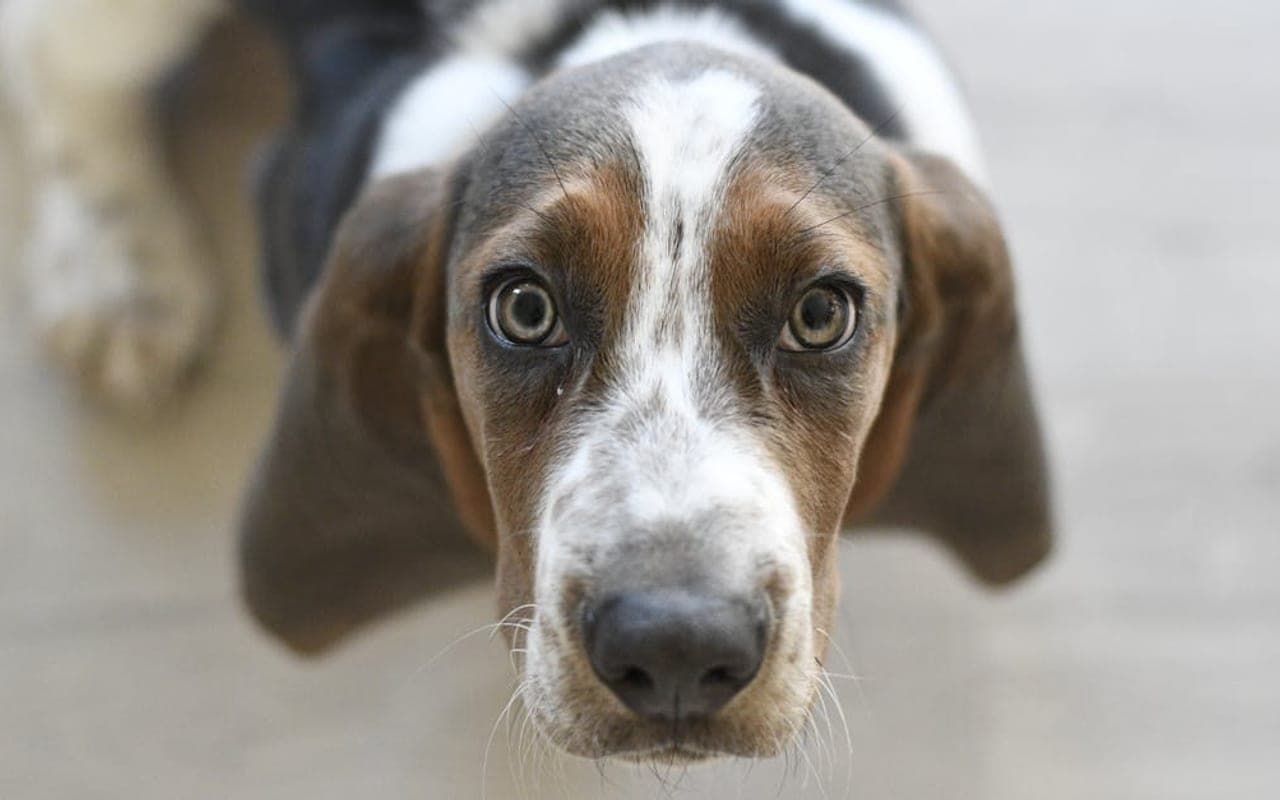
Basset Hound photos
Images are cropped consistently and loaded progressively to keep the page responsive.
Lower-page context
Basset Hounds in culture
Where the breed shows up in film, sport, work and folklore — the enjoyable part, once the practical questions are answered.
Movies and TV
- The Dukes of Hazzard (1979)
Television series featuring Flash, Sheriff Rosco P. Coltrane's lazy Basset Hound.
- Fred Basset (1963)
Long-running comic strip featuring a Basset Hound named Fred and his daily adventures.
- Hush Puppies (1958)
The Basset Hound became the iconic mascot for Hush Puppies shoes, appearing in their advertising for decades.
Fun facts
- Basset Hounds have over 220 million scent receptors, second only to the Bloodhound among dog breeds.
- Their long ears actually serve a purpose—they help sweep scent particles from the ground toward their nose.
- Despite their short stature, Basset Hounds are surprisingly heavy, weighing up to 65 pounds due to their dense bone structure.
- The Basset Hound became the first breed to serve as a commercial mascot when it was chosen for Hush Puppies shoes in 1958.
- Their howl is remarkably loud and resonant for their size, carrying for long distances—a trait valued during hunting to help handlers locate them.
Basset Hound FAQs
Why do Basset Hounds have so many back problems?
Because the breed is a deliberate dwarf: the short legs are chondrodysplasia, and that long spine on a heavy body makes intervertebral disc disease (IVDD) a real lifelong risk. The practical defenses are concrete — keep the dog lean (extra weight is the biggest aggravator), block jumping off sofas and beds with ramps, limit stair-running, and support the rear when lifting. Treat any sudden back pain, wobbling, or dragging leg as a same-day emergency, because early IVDD treatment outcomes are far better.
How much do Basset Hound ear infections actually cost over a lifetime?
Expect this to be a recurring line item, not a one-off. The long, heavy, poorly ventilated ears trap moisture and cause chronic otitis in many Bassets, with vet visits for flares typically running $80-$200 each and some dogs needing several per year. The cost-control move is prevention: weekly ear checks and cleaning with a vet-recommended solution, drying ears after baths and swims, and treating odor or head-shaking early before it becomes a deep, expensive infection.
Are Basset Hounds easy to train and can they be off-leash?
They are intelligent but stubborn and intensely scent-driven, so they are not a quick-obedience breed and are rarely reliable off-leash. A Basset locked onto a scent trail will effectively ignore recall and walk into traffic following its nose. Plan for patient, food-motivated training, leash walks, and a securely fenced yard rather than off-leash freedom. This is a temperament trade-off to accept up front, not a training failure to feel guilty about.
How long do Basset Hounds live and are they generally healthy?
Bassets typically live 10 to 12 years. They are sturdy in temperament but carry predictable conformation-driven risks: IVDD and elbow problems from the dwarf build, chronic ear infections from the long ears, bloat from the deep chest, glaucoma, and a breed-specific bleeding disorder (thrombopathia). Most are manageable with weight control, ear maintenance, back protection, and buying from a breeder who screens elbows, eyes, and thrombopathia. Obesity is the single biggest avoidable life-shortener.
Do Basset Hounds need a lot of exercise?
No — they are low-energy and content to lounge, which is part of their charm and part of their problem. They need only about 30-45 minutes of moderate, low-impact walking a day, but they genuinely require it: without enforced exercise and strict portion control, their strong appetite makes obesity nearly inevitable, and obesity directly worsens their back, joint, and bloat risks. The exercise is less about energy burn and more about weight discipline for a breed that won't self-regulate.
Are Basset Hounds good family dogs?
Yes — temperament is the breed's strongest asset. Bassets are patient, gentle, tolerant, and good with children and other dogs, and as pack hounds they generally enjoy company. The honest caveats are practical: they drool and can be loud with a deep bay, they dislike being left alone for long stretches, and they are stubborn. For a family that wants a calm, affectionate, low-energy dog and can manage weight and ears, the Basset is an excellent fit.
Sources
These are the published sources this page draws on. Each opens in a new tab so you can check it yourself.
American Kennel Club
Basset Hound — breed standard and profile(opens in a new tab)Supports: Breed standard and recognition details.
Similar breeds to consider
Beagle
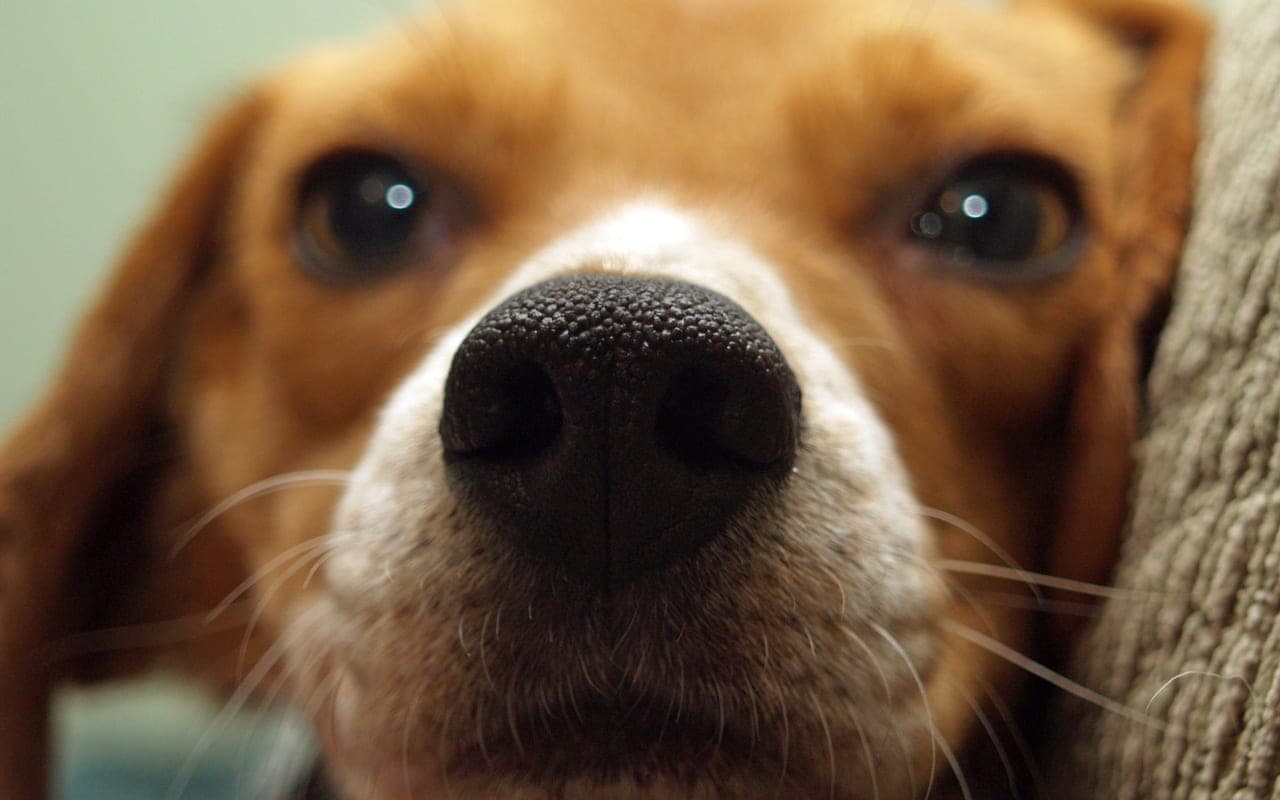
Also in the Hound group, with different care and temperament tradeoffs.
Dachshund
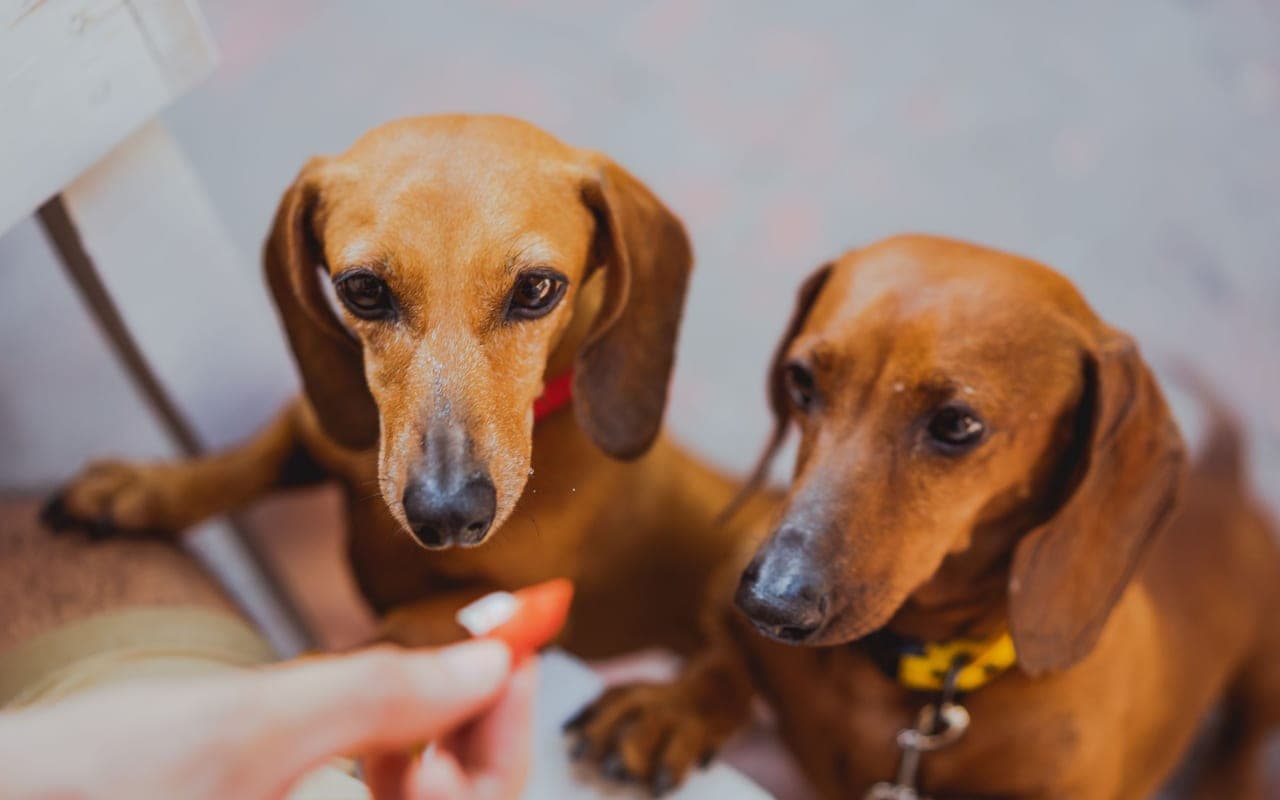
Also in the Hound group, with different care and temperament tradeoffs.
Greyhound
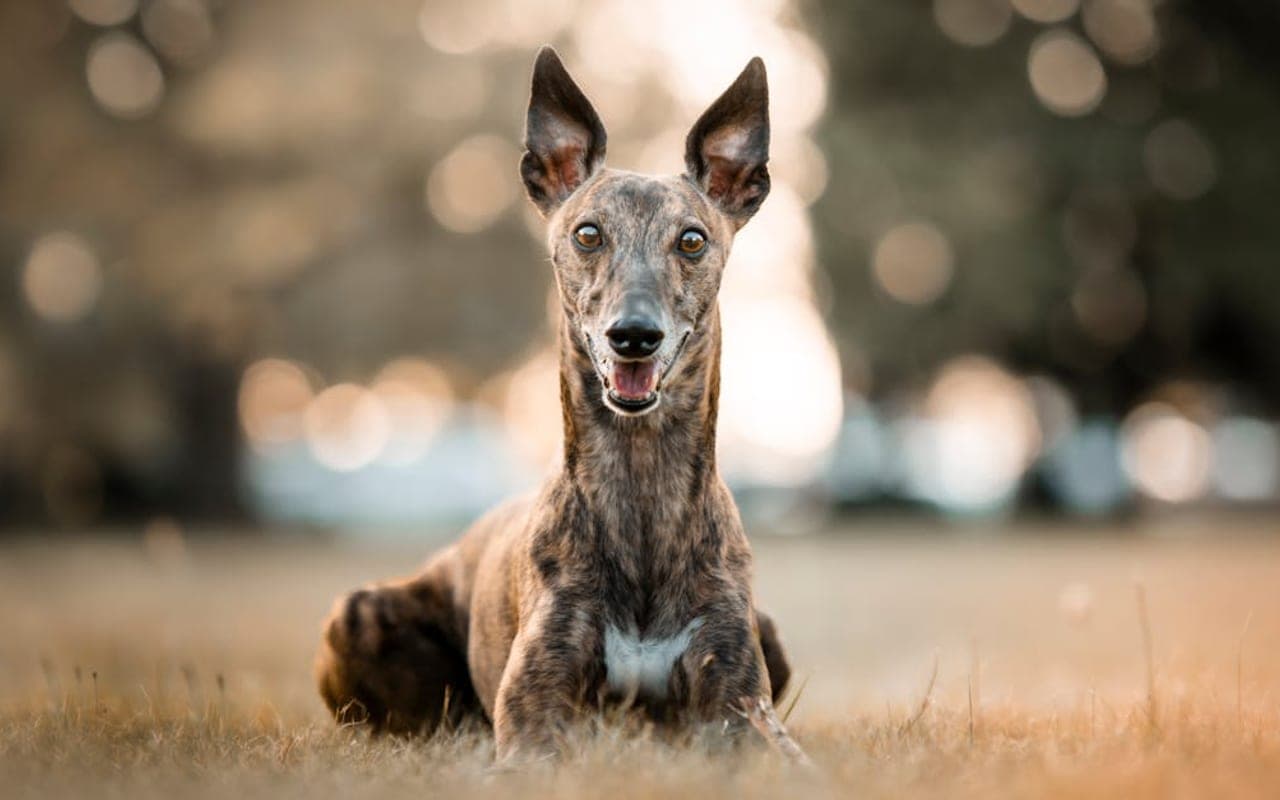
Also in the Hound group, with different care and temperament tradeoffs.
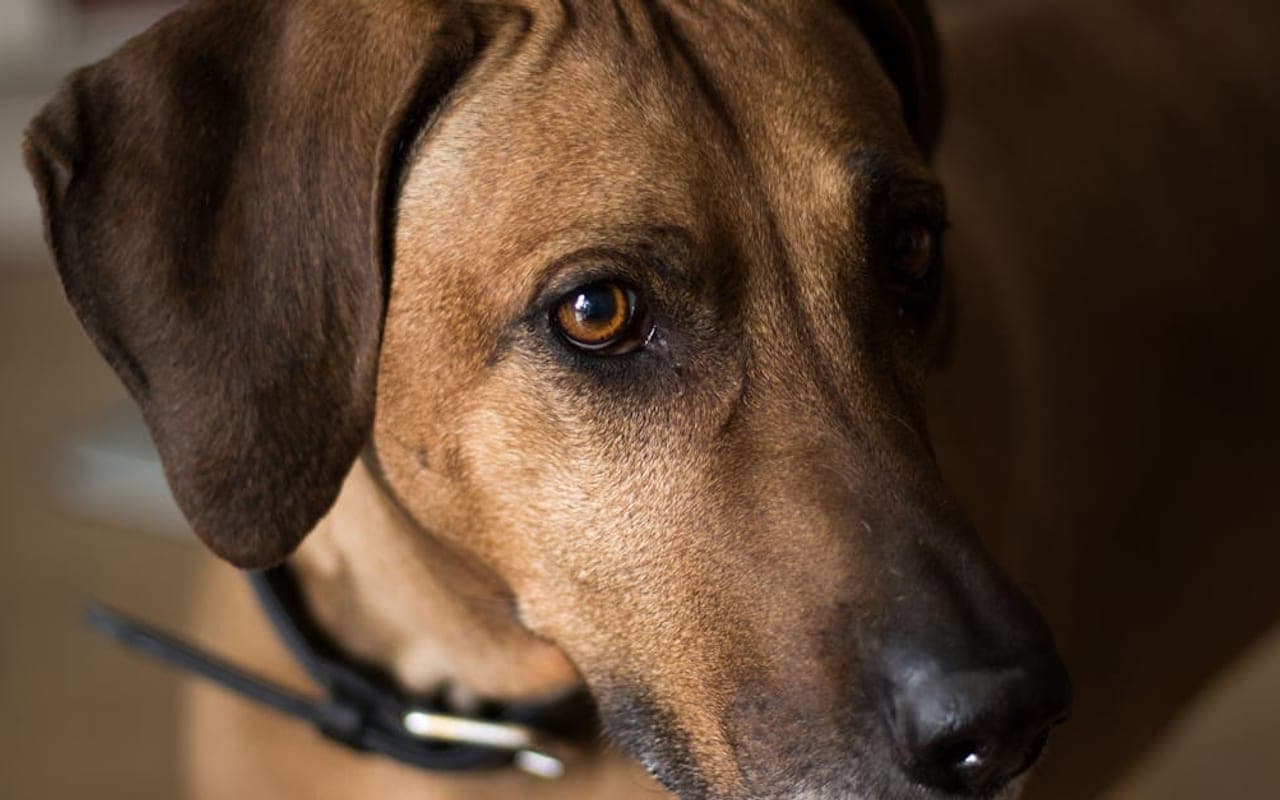
Rhodesian Ridgeback
Also in the Hound group, with different care and temperament tradeoffs.
Explore More About Basset Hound
Dive deeper into everything Basset Hound — costs, care, and expert insights.
How Much Does a Basset Hound Cost?
Purchase price, monthly costs, and lifetime expenses
Basset Hound Care Guide
This Basset Hound care guide gives owners a practical plan for daily...
Considering a cat instead?
Browse Cats