
Foundation Stock Service group
Bavarian Mountain Scent Hound
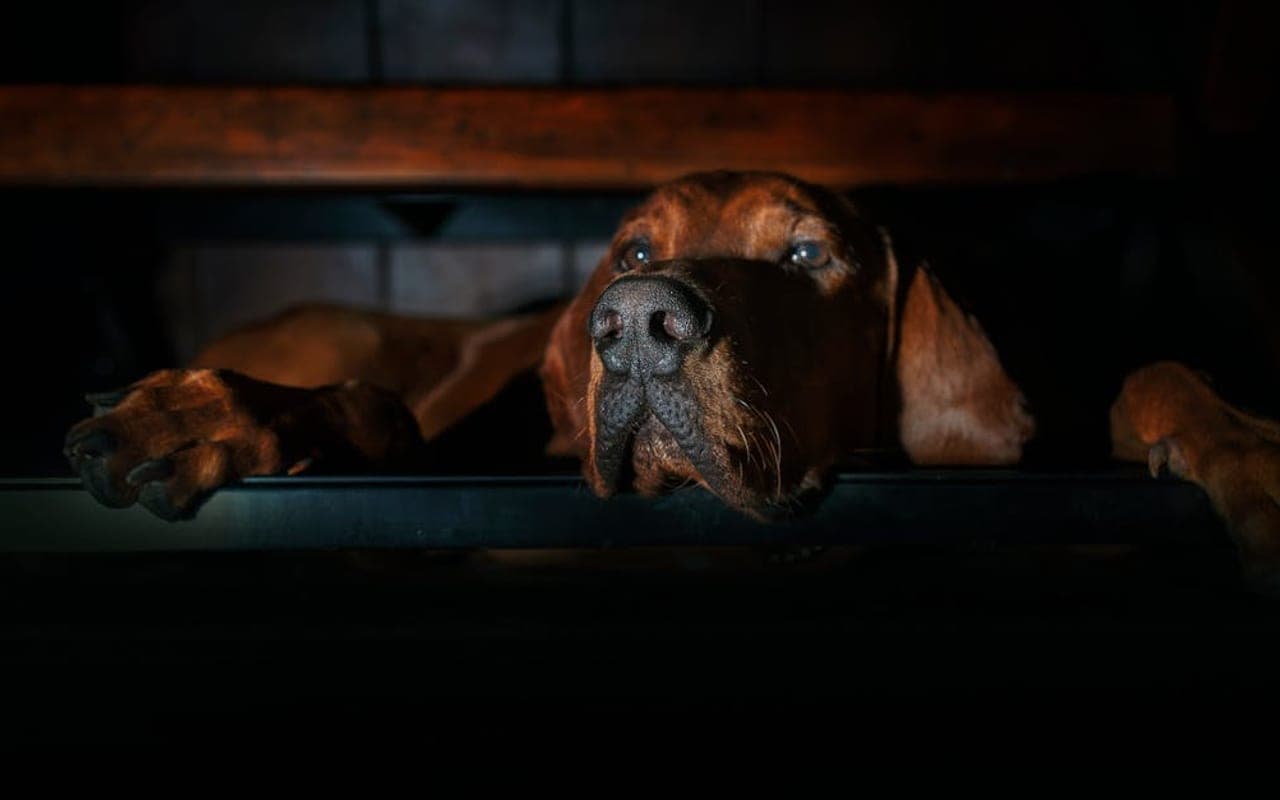
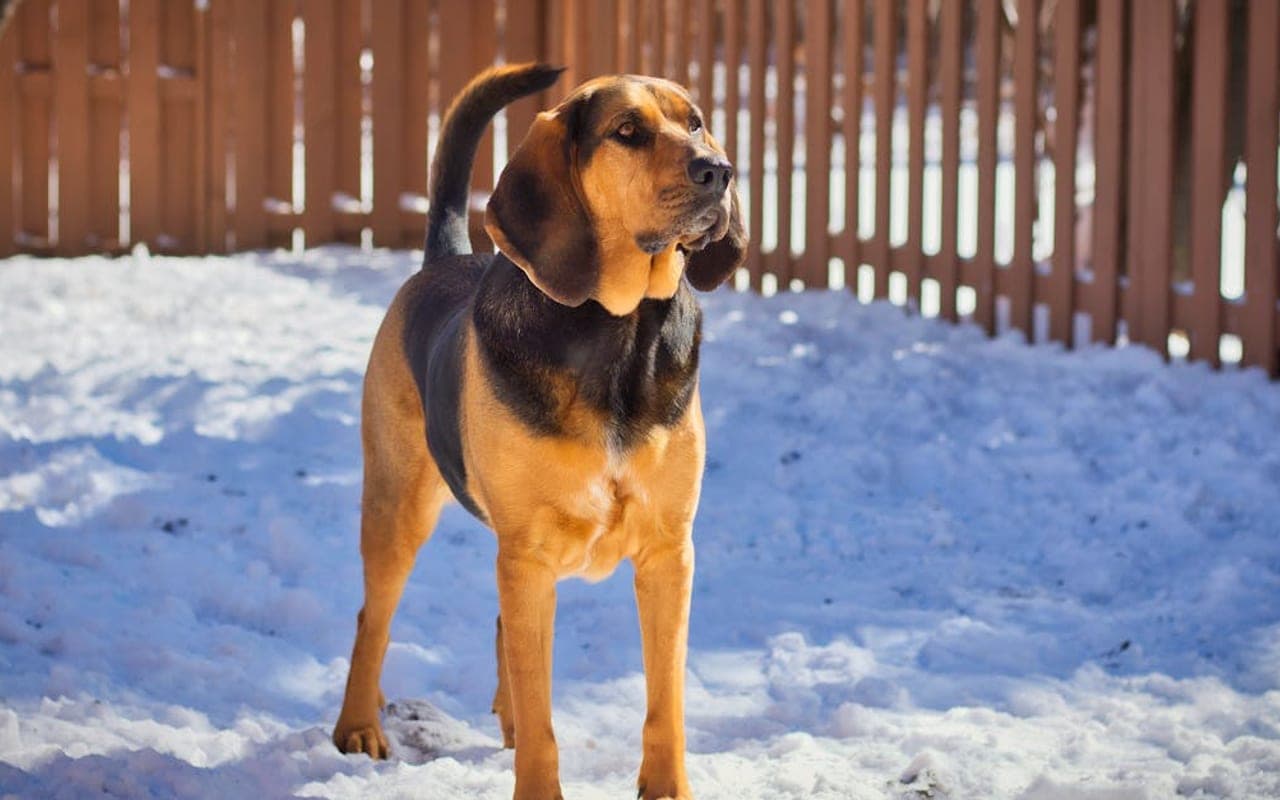
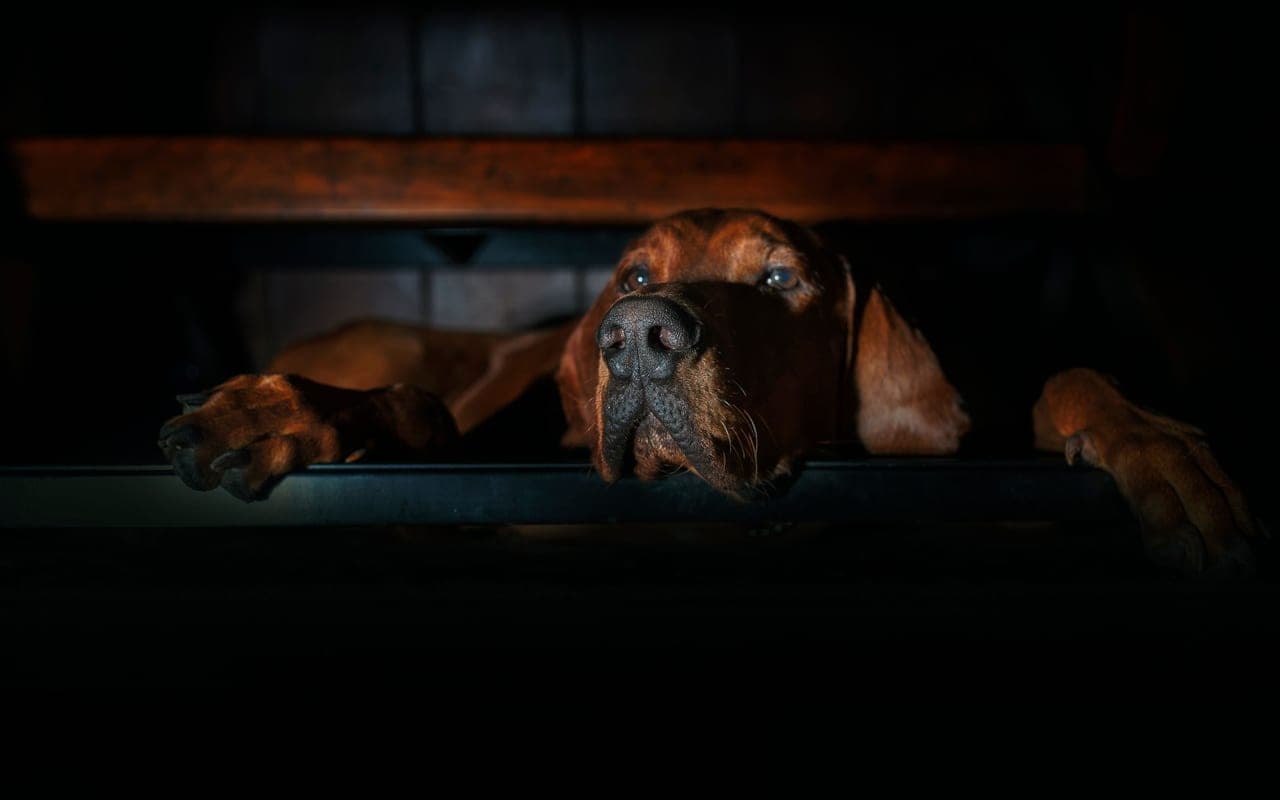
The Bavarian Mountain Scent Hound (Bayerischer Gebirgsschweisshund) is a German tracking specialist, not a pet that happens to have a good nose.
Size
40-66 lb
Lifespan
12-15 years
Exercise
30-60 minutes
Shedding
Moderate
Experience
Match to owner routine
Decision first
Is a Bavarian Mountain Scent Hound right for you?
Start with fit before history or trivia. These are ownership signals, not guarantees about any individual dog.
Best suited for
- Households with children.
- Homes with other compatible pets.
- Apartment homes with a consistent routine.
- Owners seeking a manageable daily exercise routine.
Think carefully if
- You need a dog with almost no daily routine.
- You cannot keep up with grooming and preventive care.
- The dog will spend most days alone without support.
Conditional fit
Apartment fit depends on exercise, enrichment, noise management, and outdoor access.
Daily reality
Bavarian Mountain Scent Hound commitment snapshot
Daily exercise
30-60 minutes
Match activity to age, health, weather, and training goals.
Coat care
Moderate
Grooming needs vary by coat, shedding, and lifestyle.
Time alone
Needs planning
Most dogs need gradual alone-time conditioning and support.
Structured facts
Bavarian Mountain Scent Hound at a glance
The measurements and traits that most affect day-to-day life with this breed.
Group
Foundation Stock Service
Weight
40-66 lb
Height
17-20 in
Lifespan
12-15 years
Temperament
Loyal | Versatile | Reserved with Strangers
View all characteristics and methodology
Lifestyle fit
- Apartment suitability
- Likely fit
- Child friendliness
- Often good, with socialisation and supervision
- Other-pet fit
- Often compatible with careful introductions
Owner commitment
- Exercise
- 30-60 minutes
- Grooming
- Moderate
- Shedding
- Moderate
- Training
- Moderate
Environment and health
- Health risk
- Needs planning
Ratings combine structured breed data, visible breed fields, and editorial context. They are planning aids, not predictions for an individual dog.
Daily life
Bavarian Mountain Scent Hound temperament and behavior
The Bavarian Mountain Scent Hound (Bayerischer Gebirgsschweisshund) is a German tracking specialist, not a pet that happens to have a good nose. It was bred for one demanding job: follow the hours-old, faint blood trail of wounded game over steep alpine terrain until it finds the animal. Everything about the breed — the obsessive nose, the deep stamina, the close bond with one handler, the reserve toward strangers — exists because hunters in Bavaria selected for it. Buy this dog and you are buying that purpose, whether or not you ever hunt. This is the trade-off that defines the breed. The Bavarian is calm, quiet and devoted in the house — genuinely low-key indoors, deeply attached to its person, not a barker or a fence-runner. That makes it sound like an easy companion. But the same nose that makes it a world-class tracker makes it a liability off-leash: a Bavarian on a scent is effectively deaf to recall, and it will work a trail across a road or for kilometers without looking back. This is not a training failure to be drilled out; it is the breed doing exactly what it was built to do. Physically it is a medium dog — roughly 17-30 lb, lean and athletic, with a short low-maintenance coat. It is reserved with strangers without being aggressive: a one-family dog that bonds hard and does not warm up to everyone. It needs a job. A Bavarian given walks but no scent work, tracking games or real mental challenge becomes frustrated and, often, destructive — boredom is the breed's most common behavior problem, not any inherited temperament fault. Who it is right for: an active owner — ideally one who tracks, does scent sports, or hikes serious terrain — who will keep the dog leashed or long-lined and give it work. Who it is wrong for: a sedentary household, an owner who wants reliable off-leash freedom, or anyone expecting a generically biddable family dog.
Loyal | Versatile | Reserved with Strangers
Loyal
A common Bavarian Mountain Scent Hound temperament descriptor that should be interpreted alongside training, exercise, and household fit.
Versatile
A common Bavarian Mountain Scent Hound temperament descriptor that should be interpreted alongside training, exercise, and household fit.
Reserved with Strangers
A common Bavarian Mountain Scent Hound temperament descriptor that should be interpreted alongside training, exercise, and household fit.
Owner note
Temperament labels are starting points, not guarantees. Meet the individual dog and ask about behavior history whenever possible.
Care essentials
How to care for a Bavarian Mountain Scent Hound
What looking after one actually involves: exercise, grooming, food, training, and routine health.
ExerciseAs needed
- Moderately active breed needing 30-60 minutes of daily exercise through walks, play, and mental stimulation.
GroomingAs needed
- Regular grooming needed — brush 2-3 times per week and bathe monthly.
TrainingAs needed
- Moderately trainable — consistent, patient training with positive methods works best.
NutritionAs needed
- Feed a high-quality dog food appropriate for their age, size, and activity level. Monitor portions to prevent obesity.
Veterinary CareAs needed
- Annual wellness exams, core vaccinations, dental care, and parasite prevention. Breed-specific health screenings as recommended by your vet.
Health planning
Bavarian Mountain Scent Hound health risks and screening
Every breed has individual health variation. Use this profile for planning and discuss medical decisions with a veterinarian.
Responsible ownership
Finding a Bavarian Mountain Scent Hound responsibly
What to ask a breeder or rescue is the same conversation for every breed, so we keep it in one place and keep it current.
Health documentation, meeting the parents or foster, contracts and return support, and the warning signs worth walking away from.
Original purpose
Bavarian Mountain Scent Hound history
History is useful when it explains today's behavior, coat, exercise needs, and training style.
Read the breed history
The Bavarian Mountain Scent Hound was developed in 19th-century Bavaria for a precise need: tracking wounded large game through the steep, forested Alps. As rifle hunting replaced driven hunts, hunters needed a lighter, more agile cold-trailing hound than the heavier Hanoverian Scent Hound used on flatter ground. Breeders crossed the Hanoverian Scent Hound with lighter Bavarian hound stock to produce a dog that could work a difficult mountain blood trail and stay closely bonded to a single handler. That working origin explains the modern dog completely: the relentless cold nose, the alpine stamina, the one-person devotion and the reserve toward strangers are all selected traits, not accidents of personality. The breed remains predominantly a working tracking dog in Europe, used by foresters and hunters, and is recognized in the AKC Foundation Stock Service. It is still uncommon as a pet — a fact that matters, because its needs are those of a specialist, not a generalist companion.
Gallery
Bavarian Mountain Scent Hound photos
Images are cropped consistently and loaded progressively to keep the page responsive.
Lower-page context
Bavarian Mountain Scent Hounds in culture
Where the breed shows up in film, sport, work and folklore — the enjoyable part, once the practical questions are answered.
Fun facts
- The Bavarian Mountain Scent Hound belongs to the Foundation Stock Service.
- With proper care, Bavarian Mountain Scent Hound dogs can live up to 15 years or more.
- Bavarian Mountain Scent Hound dogs are valued for their loyal, versatile, reserved with strangers nature.
Bavarian Mountain Scent Hound FAQs
How long do Bavarian Mountain Scent Hounds live?
A Bavarian Mountain Scent Hound typically lives about 12-15 years, which is a healthy span for a medium working breed. The breed is genuinely robust by hunting-dog standards, but that lifespan assumes the dog stays lean to protect its hip and elbow joints, gets regular ear care to prevent chronic infections, and comes from parents screened for hip and eye disease. Working ability and longevity in this breed track closely with joint health.
Can a Bavarian Mountain Scent Hound be trusted off-leash?
Honestly, no — and treating that as a training problem is the classic mistake. This breed was bred for centuries to lock onto a faint scent trail and follow it for kilometers regardless of recall. A Bavarian on a scent is effectively deaf. The correct management is a long-line or leash in any unfenced area and a secure fenced yard. This is not a poorly trained dog; it is a specialist doing exactly what it was built to do.
Are Bavarian Mountain Scent Hounds good family dogs?
They can be excellent with their own family — calm, quiet and deeply bonded indoors — but they are reserved with strangers and they are not low-needs. The deciding factor is whether the household can supply real mental work and serious daily exercise. A Bavarian that gets walks but no scent work or job becomes frustrated and often destructive. They suit active, outdoorsy homes far better than busy sedentary ones.
What health problems should I screen for before buying one?
Ask the breeder for documented hip and elbow evaluations (OFA or equivalent) and a current eye examination, because hip and elbow dysplasia plus inherited eye conditions — entropion, ectropion, progressive retinal atrophy and retinal dysplasia — are the breed's main hereditary risks. Epilepsy is also reported. A breeder who cannot produce these clearances is selling you unscreened risk in a breed where the orthopedic and eye problems are expensive and, for the eye conditions, progressive.
Why does this breed get so many ear infections?
The Bavarian has heavy pendant ears with poor airflow, and as a tracking dog it works in wet undergrowth, water and mud. Trapped moisture plus a warm, dark canal is ideal for infection. The fix is cheap and preventive: check and wipe the ears weekly, and actively dry them after any wet work or swimming. Owners who skip this routine end up managing recurrent, chronic otitis that is far more costly than two minutes a week.
How much exercise does a Bavarian Mountain Scent Hound need?
Plan on 45-60 minutes of real physical activity daily plus deliberate mental work — tracking lines, scent games, or food puzzles. Physical exercise alone does not satisfy this breed; the nose has to work. An under-stimulated Bavarian is the single most common behavior problem owners report, and it presents as destructiveness and frustration rather than any inherited temperament flaw. Diagnose boredom before anything else if a well-exercised Bavarian acts out.
Sources
These are the published sources this page draws on. Each opens in a new tab so you can check it yourself.
American Kennel Club
Bavarian Mountain Scent Hound — breed standard and profile(opens in a new tab)Supports: Breed standard and recognition details.
Similar breeds to consider
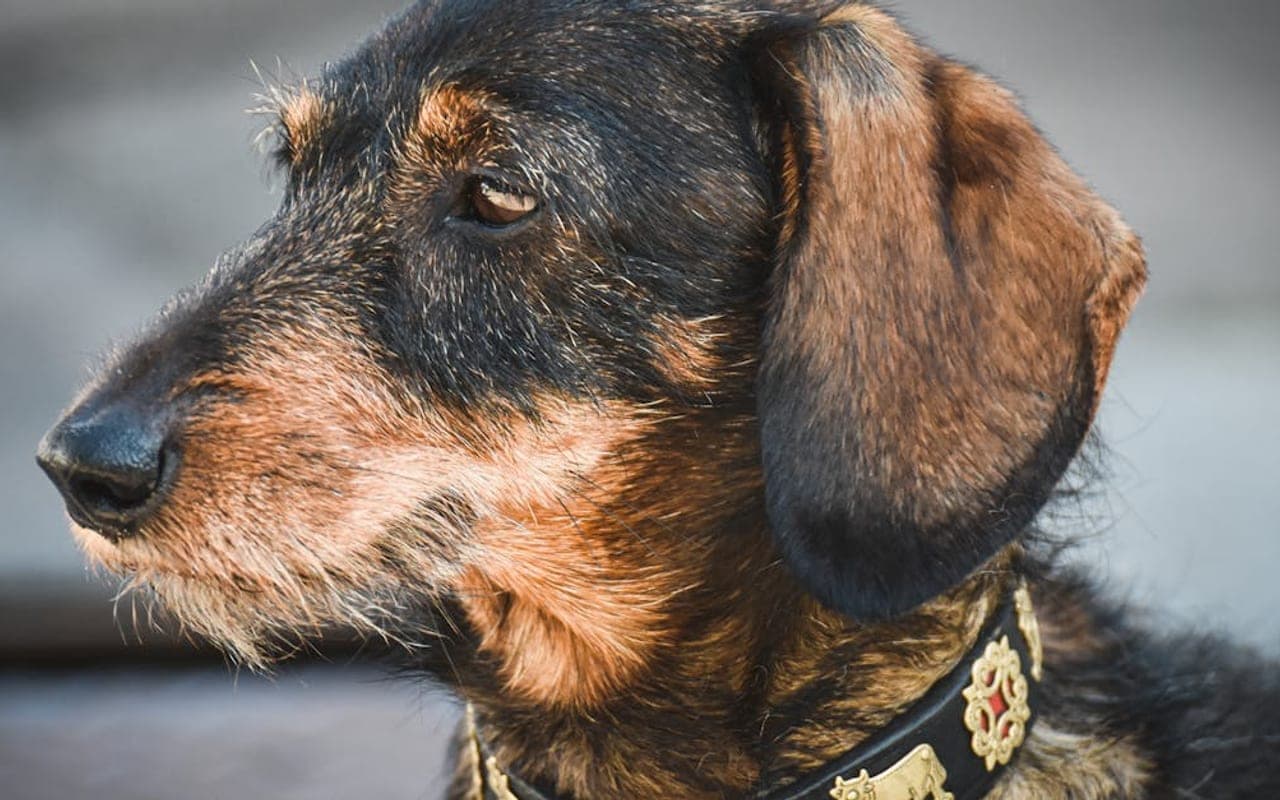
Jagdterrier
Also in the Foundation Stock Service group, with different care and temperament tradeoffs.
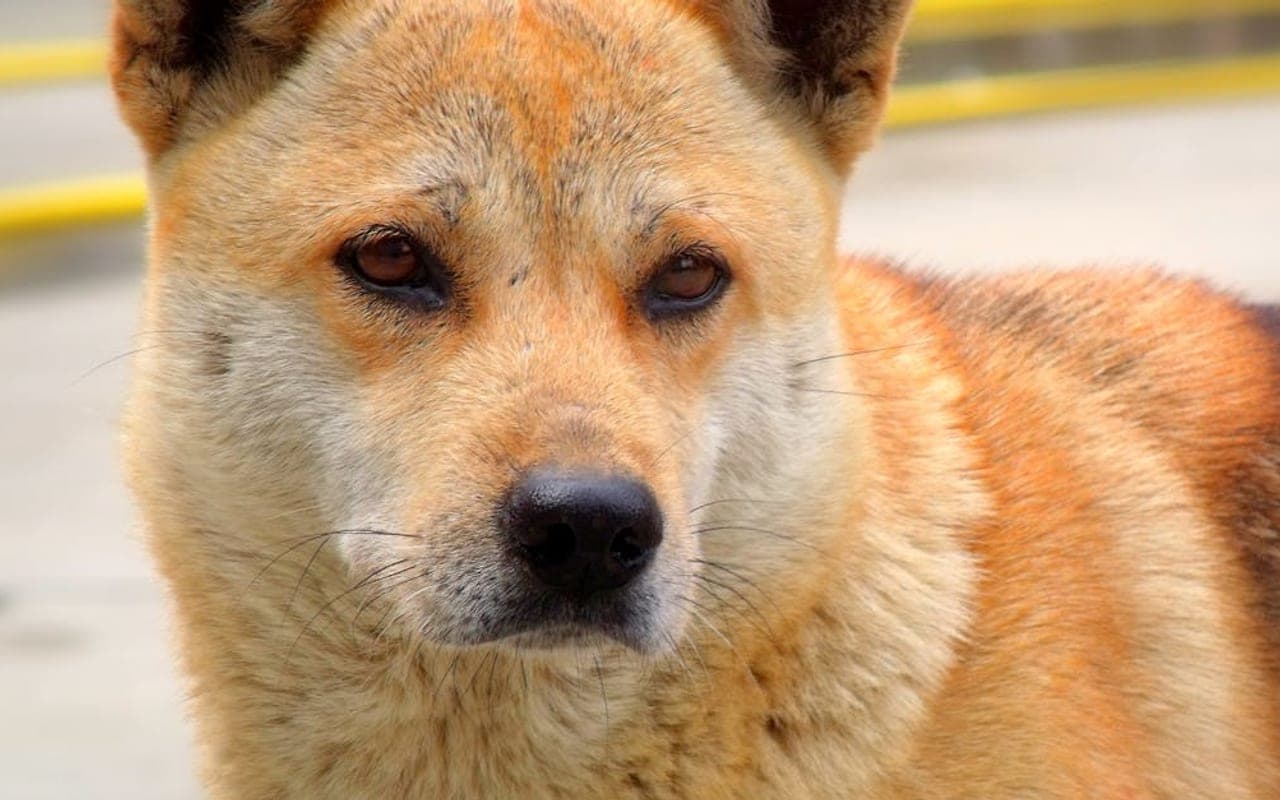
Jindo
Also in the Foundation Stock Service group, with different care and temperament tradeoffs.
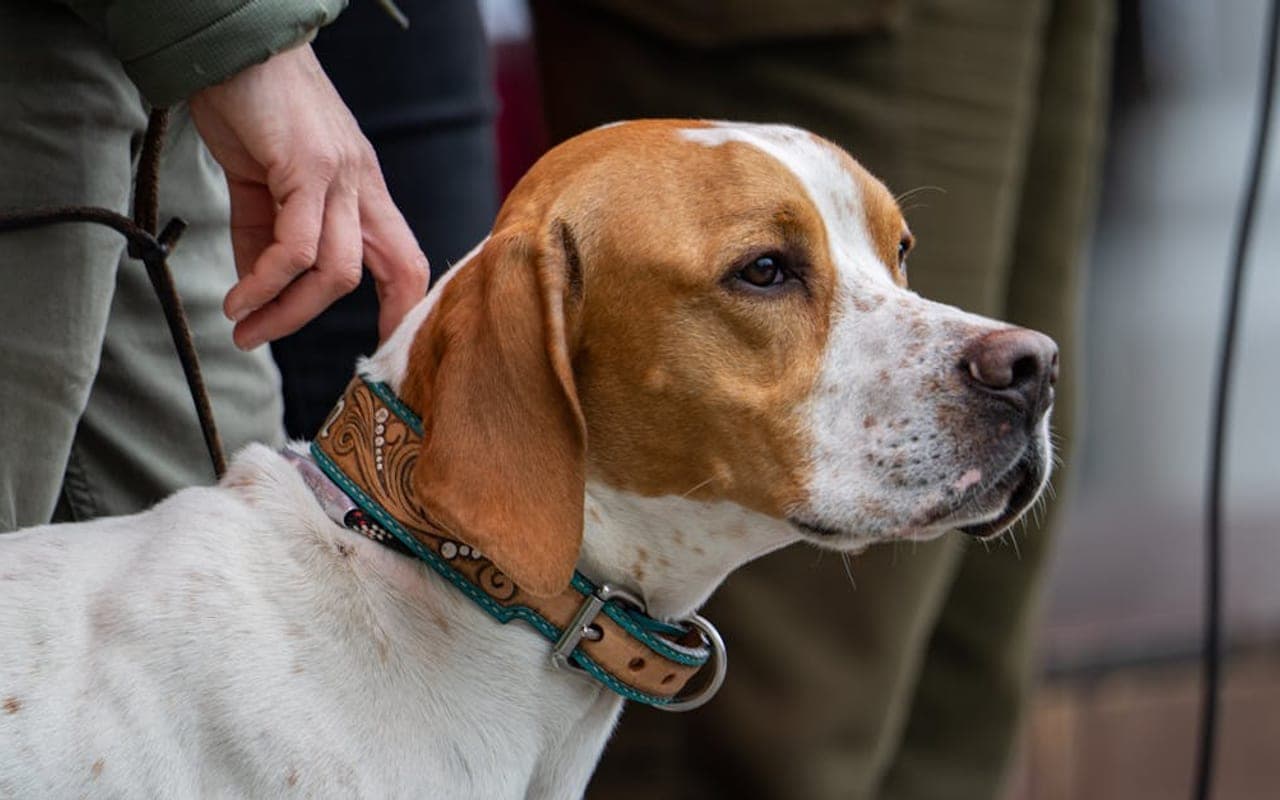
Portuguese Pointer
Also in the Foundation Stock Service group, with different care and temperament tradeoffs.
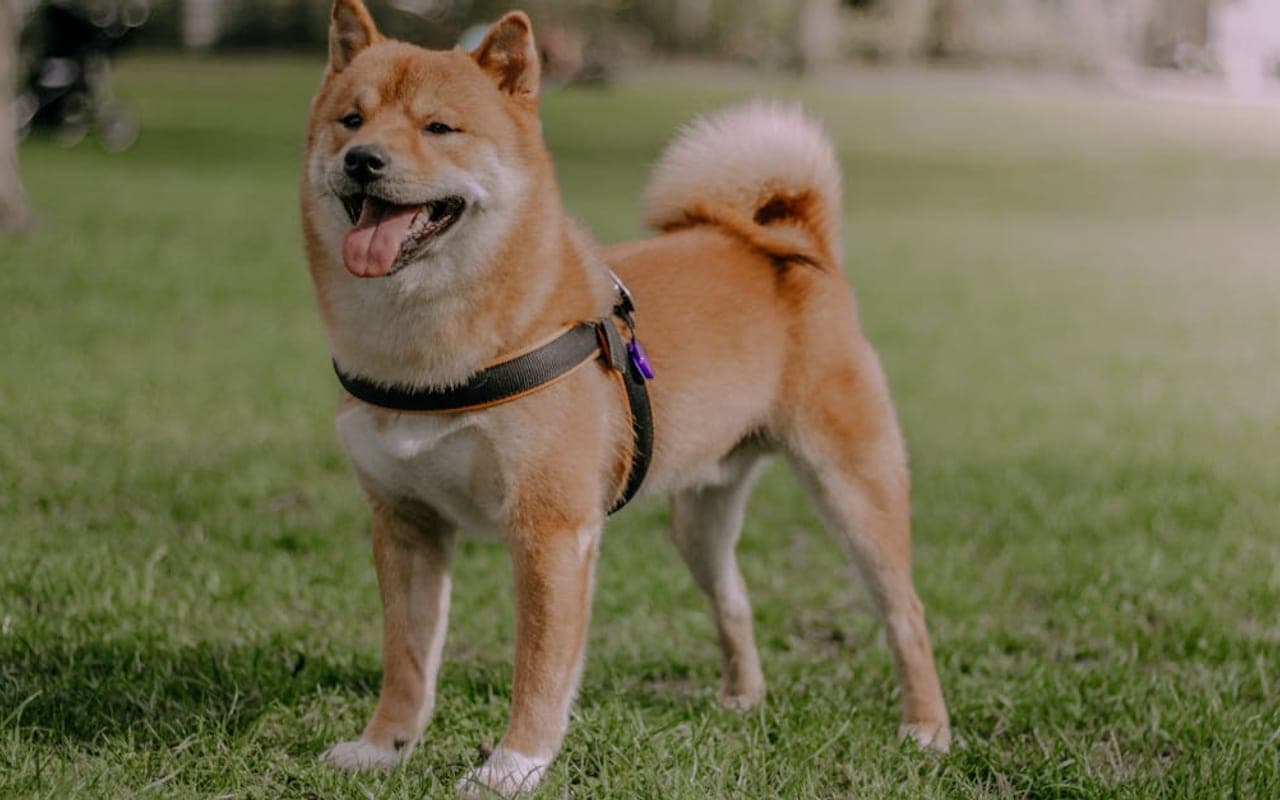
Kishu Ken
Also in the Foundation Stock Service group, with different care and temperament tradeoffs.
Explore More About Bavarian Mountain Scent Hound
Dive deeper into everything Bavarian Mountain Scent Hound — costs, care, and expert insights.
Considering a cat instead?
Browse Cats