
Herding group
Bearded Collie
The Bearded Collie is a shaggy Scottish droving dog — bred to move cattle and sheep over open hill country in foul weather, often working independently out of sight of the shepherd.
Size
40-60 lb
Lifespan
12-14 years
Exercise
30-60 minutes
Shedding
Moderate
Experience
Match to owner routine
Decision first
Is a Bearded Collie right for you?
Start with fit before history or trivia. These are ownership signals, not guarantees about any individual dog.
Best suited for
- Apartment homes with a consistent routine.
- Owners seeking a manageable daily exercise routine.
Think carefully if
- You need a dog with almost no daily routine.
- You cannot keep up with grooming and preventive care.
- The dog will spend most days alone without support.
Conditional fit
Apartment fit depends on exercise, enrichment, noise management, and outdoor access.
Daily reality
Bearded Collie commitment snapshot
Daily exercise
30-60 minutes
Match activity to age, health, weather, and training goals.
Coat care
Moderate
Grooming needs vary by coat, shedding, and lifestyle.
Time alone
Needs planning
Most dogs need gradual alone-time conditioning and support.
Structured facts
Bearded Collie at a glance
The measurements and traits that most affect day-to-day life with this breed.
Group
Herding
Weight
40-60 lb
Height
20-22 in
Lifespan
12-14 years
Temperament
Smart | Bouncy | Charismatic
View all characteristics and methodology
Lifestyle fit
- Apartment suitability
- Likely fit
Owner commitment
- Exercise
- 30-60 minutes
- Grooming
- Moderate
- Shedding
- Moderate
- Training
- Moderate
Environment and health
- Health risk
- Needs planning
Ratings combine structured breed data, visible breed fields, and editorial context. They are planning aids, not predictions for an individual dog.
Daily life
Bearded Collie temperament and behavior
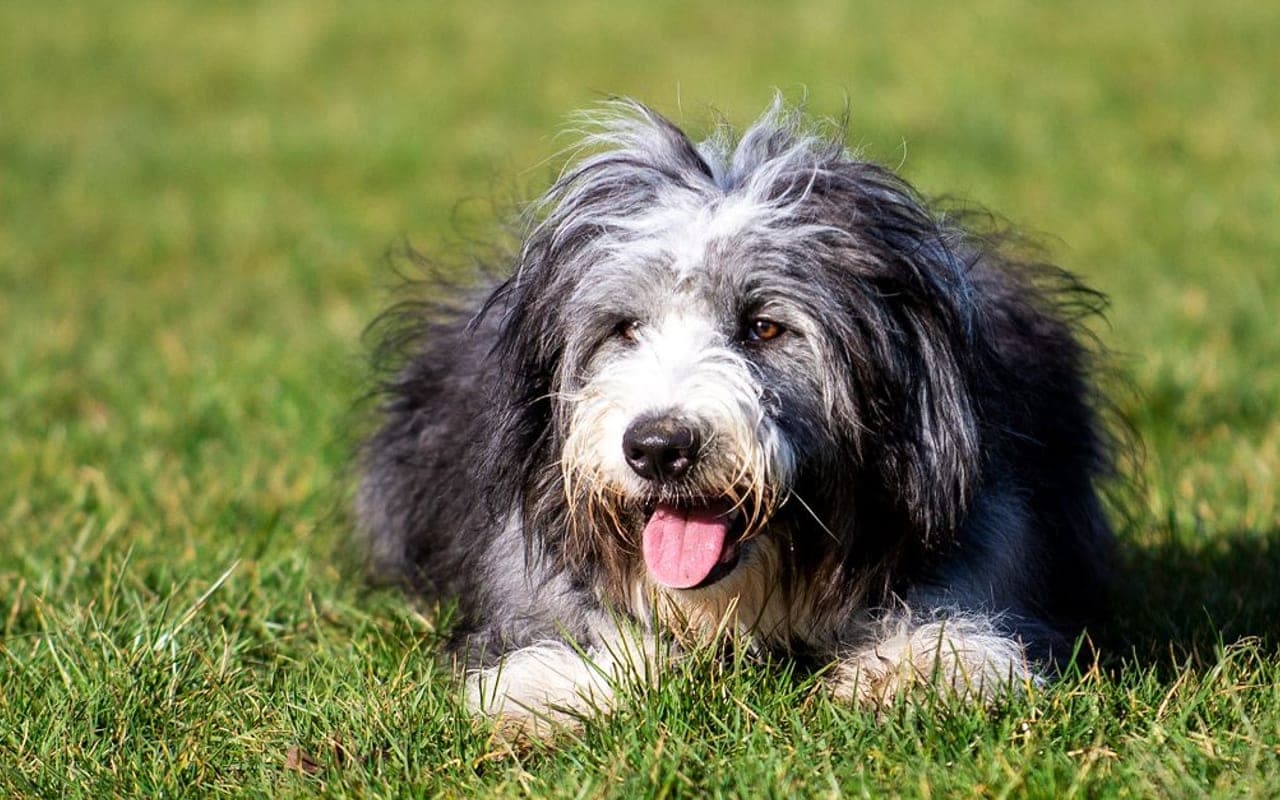
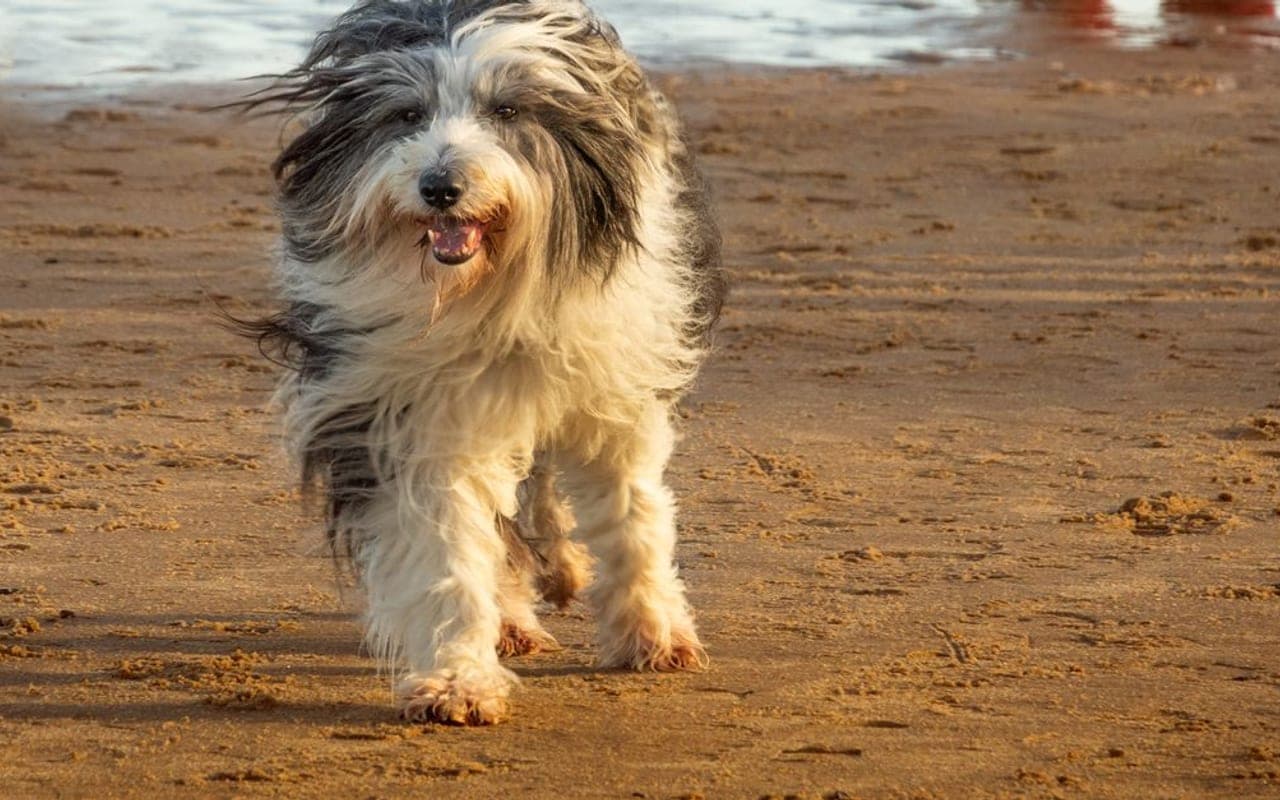
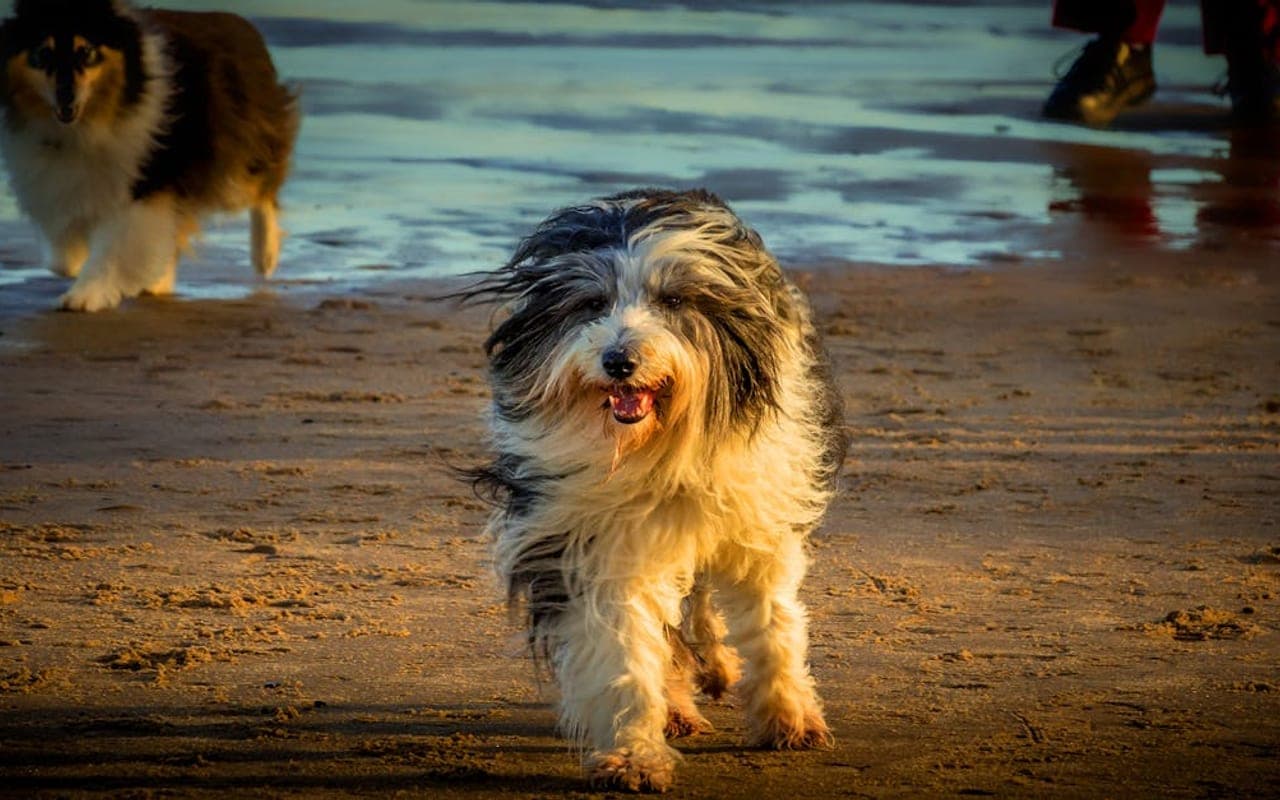
The Bearded Collie is a shaggy Scottish droving dog — bred to move cattle and sheep over open hill country in foul weather, often working independently out of sight of the shepherd. Everything that frustrates the wrong owner traces back to that job: the bounce, the stamina, the opinionated independence, and the coat. At 20-22 inches and roughly 45-55 pounds under all that hair, the 'Beardie' looks like an Old English Sheepdog but is leaner, lighter, and considerably more athletic underneath. This is a high-energy, high-engagement breed with a famous 'Beardie bounce' — they spring on their forelegs when excited, and they are excited a lot. They are smart and trainable but were bred to make their own decisions on a hillside, so they are not robotically obedient; training has to stay interesting or they will tune out and improvise. They are friendly, exuberant, and clownish well into adulthood, generally excellent with children and other animals when socialized, and not natural guard dogs — they're greeters, not protectors. The coat is the deciding factor for most households. It is a long, harsh, weatherproof double coat that mats fast and sheds, and it requires a serious, non-negotiable grooming commitment. Who the Bearded Collie is right for: an active, outdoorsy owner or family who wants an athletic, joyful companion for hiking, dog sports, or farm work, and who genuinely will brush a large dog several times a week for its whole life. Who it is wrong for: anyone wanting a calm, low-maintenance, or low-shedding dog, a first-time owner expecting easy obedience, or a sedentary household. A bored, under-exercised, matted Beardie is a different and much harder dog than a worked, well-groomed one. Decide on the coat and the energy honestly.
Smart | Bouncy | Charismatic
Smart
A common Bearded Collie temperament descriptor that should be interpreted alongside training, exercise, and household fit.
Bouncy
A common Bearded Collie temperament descriptor that should be interpreted alongside training, exercise, and household fit.
Charismatic
A common Bearded Collie temperament descriptor that should be interpreted alongside training, exercise, and household fit.
Owner note
Temperament labels are starting points, not guarantees. Meet the individual dog and ask about behavior history whenever possible.
Care essentials
How to care for a Bearded Collie
What looking after one actually involves: exercise, grooming, food, training, and routine health.
ExerciseAs needed
- Moderately active breed needing 30-60 minutes of daily exercise through walks, play, and mental stimulation.
GroomingAs needed
- Regular grooming needed — brush 2-3 times per week and bathe monthly.
TrainingAs needed
- Moderately trainable — consistent, patient training with positive methods works best.
NutritionAs needed
- Feed a high-quality dog food appropriate for their age, size, and activity level. Monitor portions to prevent obesity.
Veterinary CareAs needed
- Annual wellness exams, core vaccinations, dental care, and parasite prevention. Breed-specific health screenings as recommended by your vet.
Health planning
Bearded Collie health risks and screening
Every breed has individual health variation. Use this profile for planning and discuss medical decisions with a veterinarian.
Responsible ownership
Finding a Bearded Collie responsibly
What to ask a breeder or rescue is the same conversation for every breed, so we keep it in one place and keep it current.
Health documentation, meeting the parents or foster, contracts and return support, and the warning signs worth walking away from.
Original purpose
Bearded Collie history
History is useful when it explains today's behavior, coat, exercise needs, and training style.
Read the breed history
The Bearded Collie is an old Scottish working breed developed to drove and herd sheep and cattle across the rough, wet uplands of Scotland — a 'drover's dog' that moved stock to market and worked hill flocks largely on its own initiative. Its long, harsh, weatherproof double coat is a direct adaptation to Scottish weather, and its independent, decision-making temperament reflects work done out of voice and sight range of the shepherd. The modern breed was effectively rebuilt in the mid-20th century. After the working population thinned, Mrs. G. Olive Willison is widely credited with re-establishing the show and companion Bearded Collie in Britain from the 1940s onward, founding the line behind most pedigrees today. The breed was recognized by the UK Kennel Club and later by the American Kennel Club (1976). Understanding the droving origin matters for owners: the stamina, the bounce, the herding nip toward moving feet, and the 'I have my own opinion' streak are not flaws — they are the job showing through.
Gallery
Bearded Collie photos
Images are cropped consistently and loaded progressively to keep the page responsive.
Lower-page context
Bearded Collies in culture
Where the breed shows up in film, sport, work and folklore — the enjoyable part, once the practical questions are answered.
Fun facts
- The Bearded Collie belongs to the Herding Group.
- The average lifespan of a Bearded Collie is 12 to 14 years.
- Bearded Collie dogs are valued for their smart, bouncy, charismatic nature.
Bearded Collie FAQs
How long do Bearded Collies live?
A healthy Bearded Collie typically lives 12-14 years. The factor most likely to shorten that is undiagnosed Addison's disease, which is over-represented in the breed and easy to mistake for a sensitive stomach or 'getting older.' Beardies from lines with documented health screening and owners who investigate vague chronic illness early tend to reach the upper end of that range in good condition.
Are Bearded Collies good with children?
Yes — they are friendly, playful, sturdy, and tolerant, and generally do well in active families with children. The one caveat is herding instinct: a Beardie may nip or body-bump running, shrieking children the way it would move stock. This is manageable with early training and by teaching the dog an 'off' for the behavior, but families should expect to address it rather than be surprised by it. Supervise young children with any large, bouncy dog.
How much grooming does a Bearded Collie need?
A lot, and it is the single biggest reason people regret the breed. The harsh double coat must be brushed and combed all the way to the skin 3-4 times a week; surface brushing leaves mats forming underneath that become painful and require shave-downs. The juvenile coat change around 9-18 months is especially demanding. Budget 30-45 minutes per thorough session plus a professional groom every 6-10 weeks if keeping the full coat. This is a years-long, non-negotiable commitment.
How much exercise does a Bearded Collie need?
Plan on 60-90 minutes of active daily exercise plus mental work. This is a stamina-built herding dog; leashed neighborhood walks alone will not satisfy it, and an under-exercised Beardie redirects that energy into barking, digging, and nipping. The best owners add a job — agility, herding, rally, long hikes, or structured fetch — which tires the mind as well as the body. They thrive in cold and wet; in summer, shift hard exercise to cooler parts of the day.
What is Addison's disease and why does it matter for this breed?
Addison's disease (hypoadrenocorticism) is failure of the adrenal glands to produce enough cortisol and aldosterone, usually from autoimmune destruction. It matters because Bearded Collies have a notably elevated breed risk. The danger is the symptoms — intermittent vomiting, weakness, lethargy, poor appetite, collapse during stress — look like many minor problems, so it is often caught only in a life-threatening crisis. Diagnosed early via an ACTH-stimulation test, it is controlled for life with hormone replacement and a normal lifespan. Knowing the breed risk is what gets it tested for in time.
How much does a Bearded Collie cost?
Expect roughly $1,500-$3,500 for a well-bred Bearded Collie puppy from a breeder doing CHIC health testing (hips, thyroid, eyes) and tracking autoimmune history in their lines. The hidden costs are two: lifelong professional grooming (often $80-$150 every 6-10 weeks if you keep the full coat) and, if Addison's develops, ongoing medication and monitoring that can run $700-$1,500+ per year. A health-screened lineage is the most cost-effective decision you can make in this breed.
Sources
These are the published sources this page draws on. Each opens in a new tab so you can check it yourself.
American Kennel Club
Bearded Collie — breed standard and profile(opens in a new tab)Supports: Breed standard and recognition details.
Similar breeds to consider
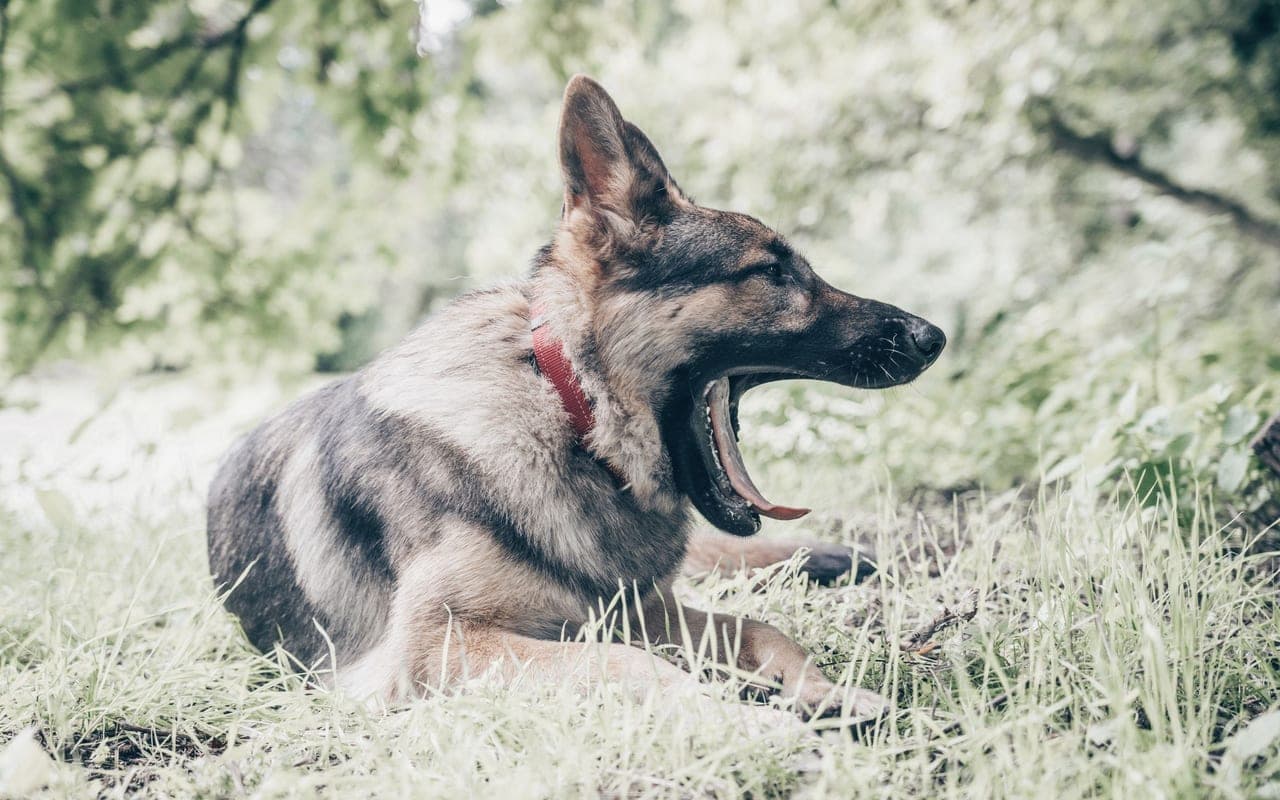
German Shepherd
Also in the Herding group, with different care and temperament tradeoffs.
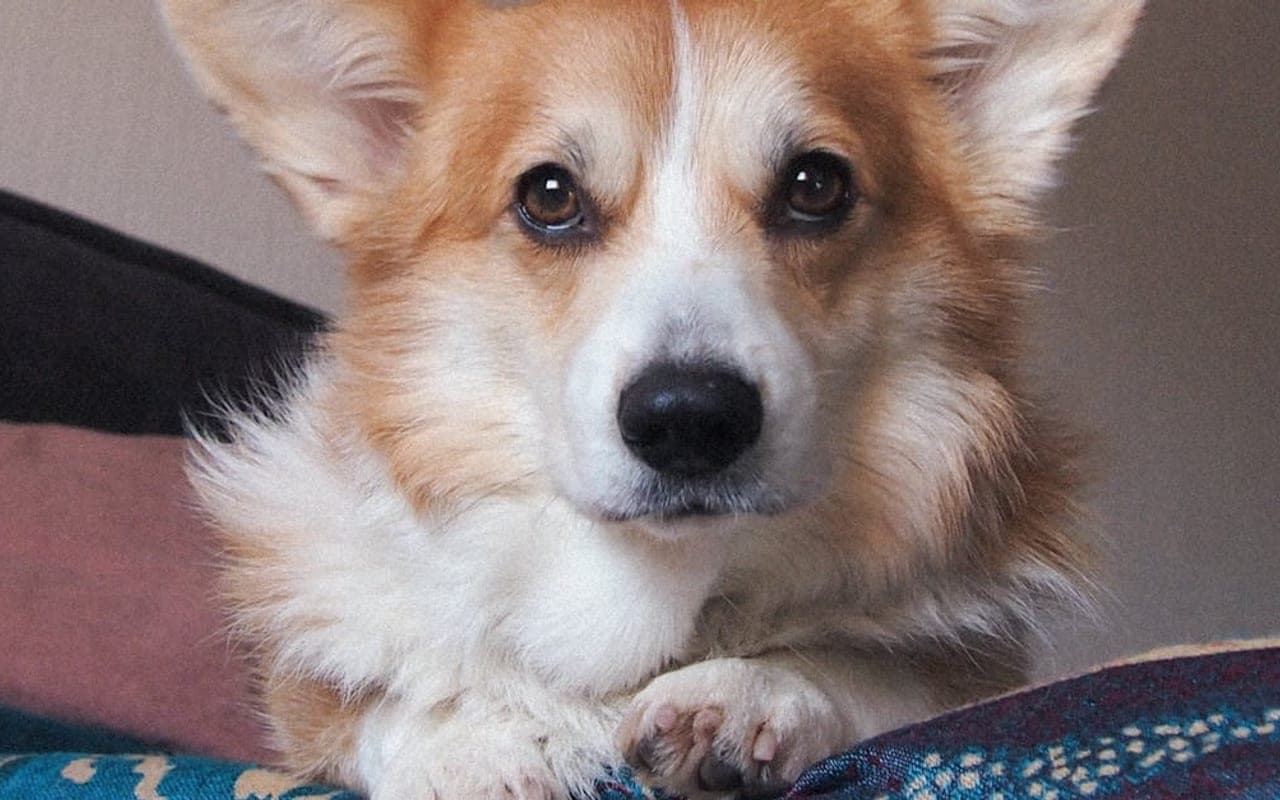
Pembroke Welsh Corgi
Also in the Herding group, with different care and temperament tradeoffs.
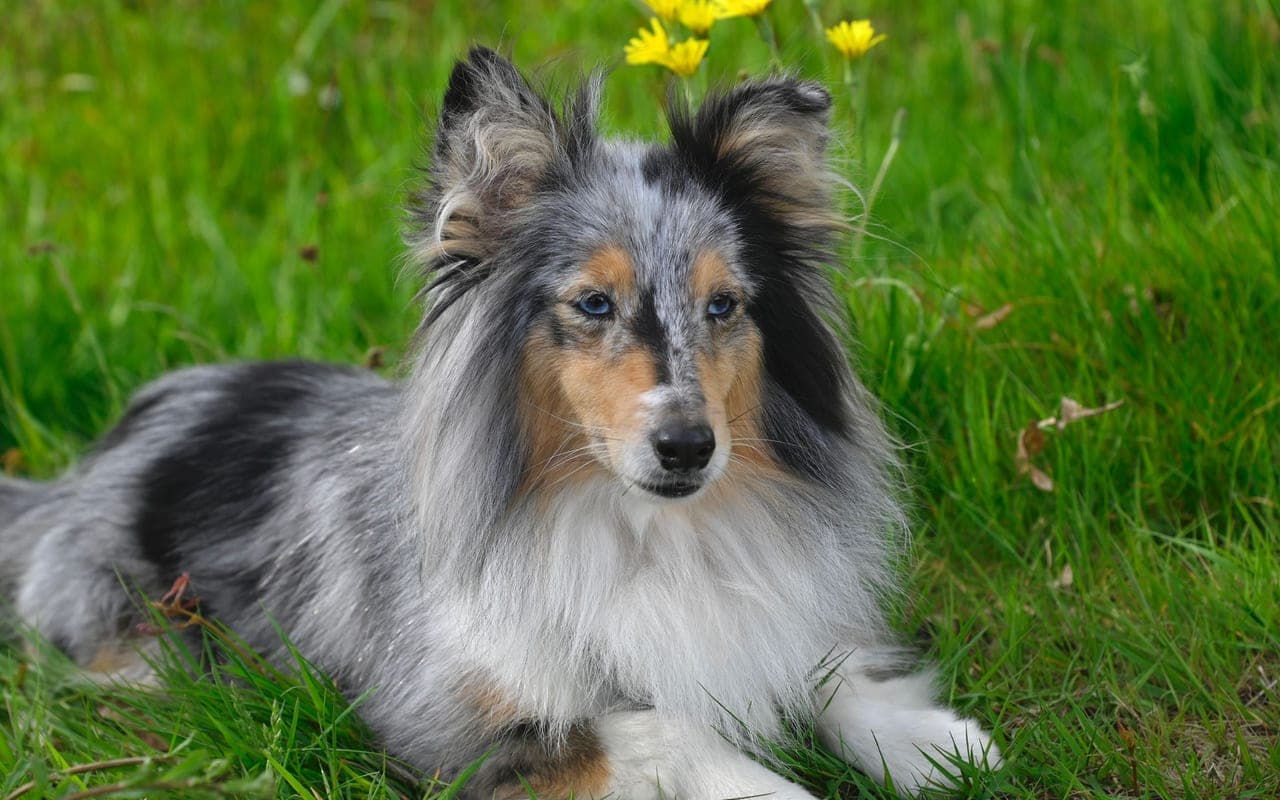
Shetland Sheepdog
Also in the Herding group, with different care and temperament tradeoffs.
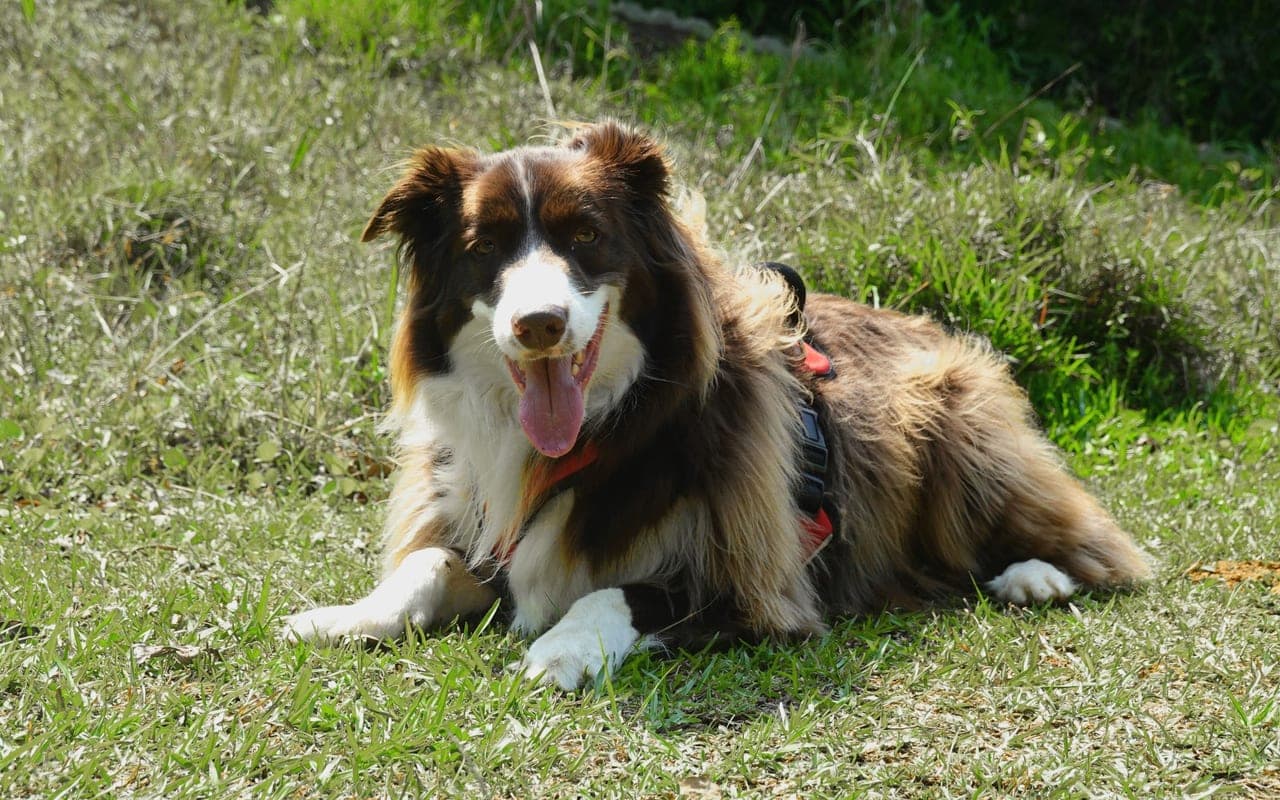
Border Collie
Also in the Herding group, with different care and temperament tradeoffs.
Explore More About Bearded Collie
Dive deeper into everything Bearded Collie — costs, care, and expert insights.
Large Dog Care Guide: Everything Over 50 lbs
Owning a large or giant breed dog means accepting one of biology's...
Puppy Teething & Biting: Timeline and What Actually Works
A puppy has all 28 deciduous ("baby") teeth by roughly eight weeks of age, and...
Considering a cat instead?
Browse Cats