
Herding group
Beauceron
The Beauceron is a large French herding and guardian breed — historically the all-purpose farm dog of the plains around Paris, used to move and protect flocks and later as a military and police dog.
Size
71-110 lb
Lifespan
10-12 years
Exercise
20-40 minutes
Shedding
Low
Experience
Match to owner routine
Decision first
Is a Beauceron right for you?
Start with fit before history or trivia. These are ownership signals, not guarantees about any individual dog.
Best suited for
- Households with children.
- Homes with other compatible pets.
- Apartment homes with a consistent routine.
- Owners seeking a manageable daily exercise routine.
Think carefully if
- You need a dog with almost no daily routine.
- You cannot keep up with grooming and preventive care.
- The dog will spend most days alone without support.
Conditional fit
Apartment fit depends on exercise, enrichment, noise management, and outdoor access.
Daily reality
Beauceron commitment snapshot
Daily exercise
20-40 minutes
Match activity to age, health, weather, and training goals.
Coat care
Moderate
Grooming needs vary by coat, shedding, and lifestyle.
Time alone
Needs planning
Most dogs need gradual alone-time conditioning and support.
Structured facts
Beauceron at a glance
The measurements and traits that most affect day-to-day life with this breed.
Group
Herding
Weight
71-110 lb
Height
24-28 in
Lifespan
10-12 years
Temperament
Gentle | Faithful | Obedient
View all characteristics and methodology
Lifestyle fit
- Apartment suitability
- Likely fit
- Child friendliness
- Often good, with socialisation and supervision
- Other-pet fit
- Often compatible with careful introductions
Owner commitment
- Exercise
- 20-40 minutes
- Grooming
- Moderate
- Shedding
- Low
- Training
- Moderate
Environment and health
- Health risk
- Needs planning
Ratings combine structured breed data, visible breed fields, and editorial context. They are planning aids, not predictions for an individual dog.
Daily life
Beauceron temperament and behavior
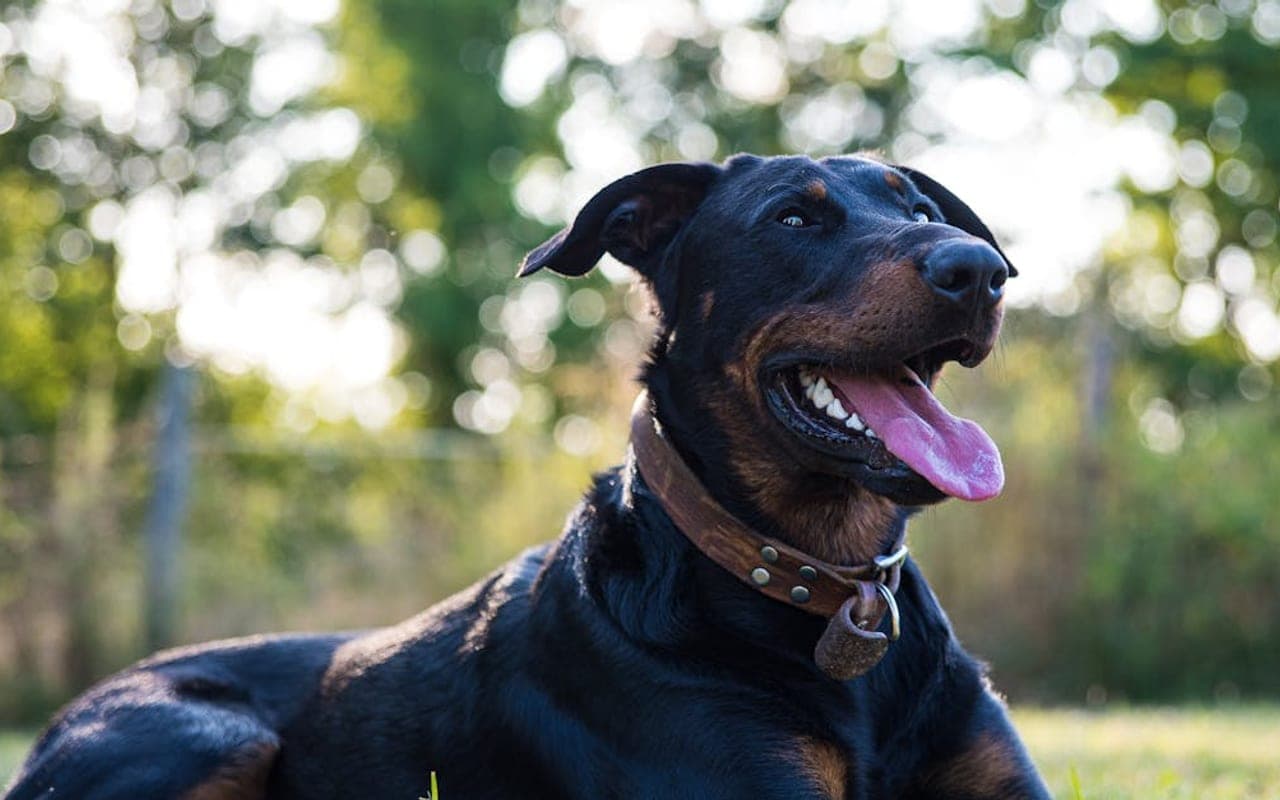
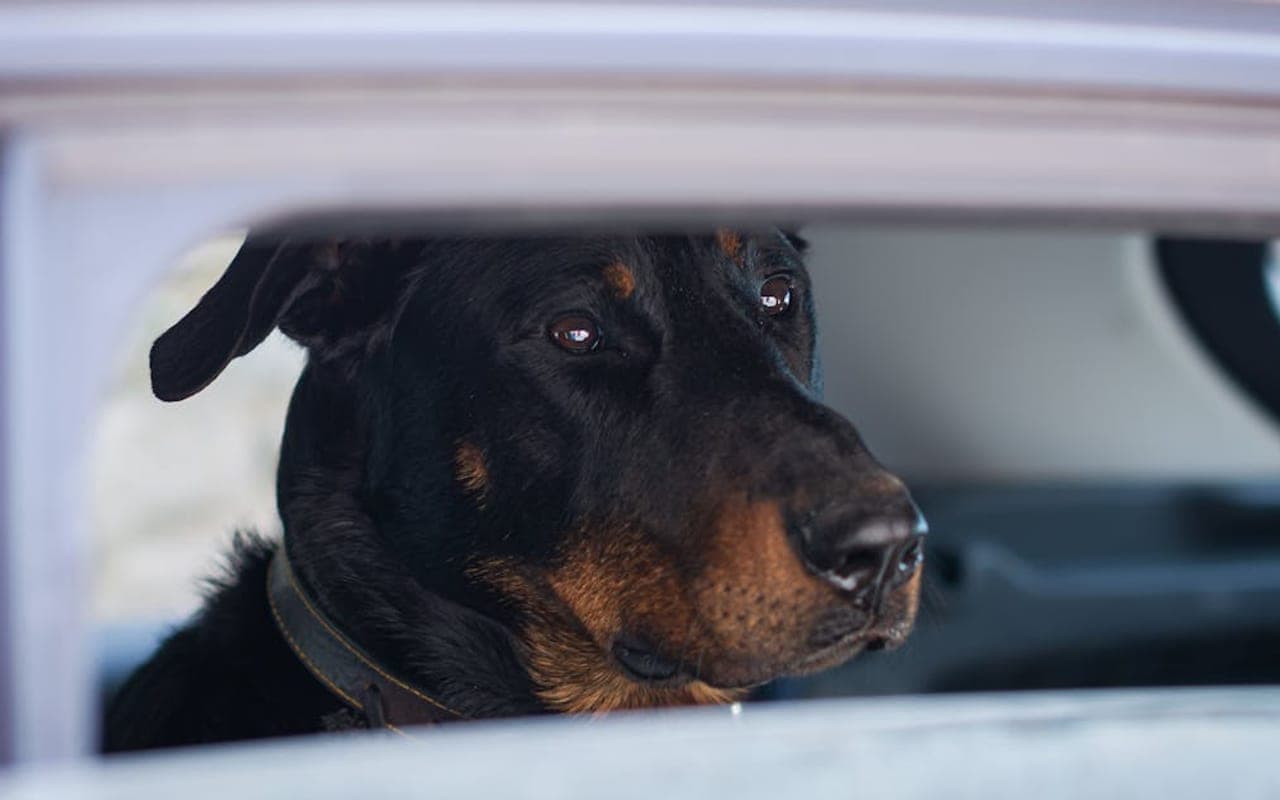
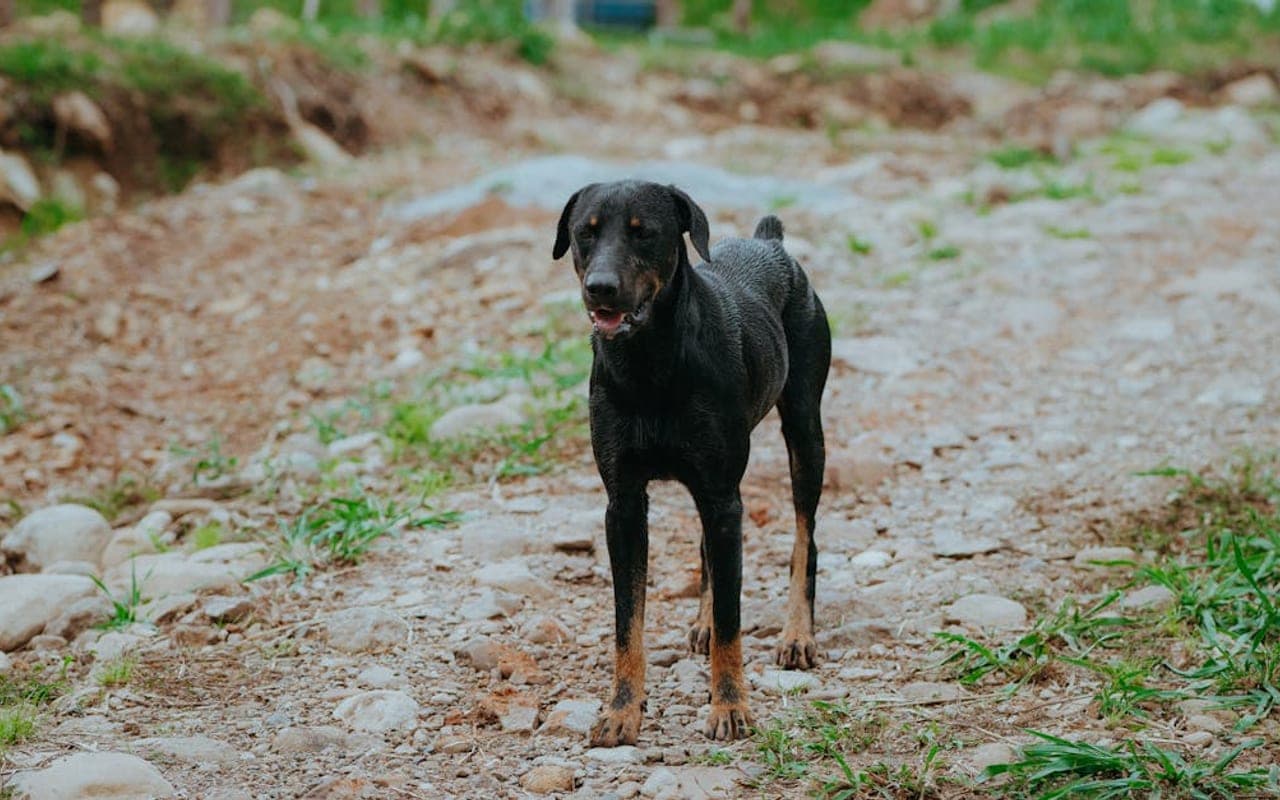
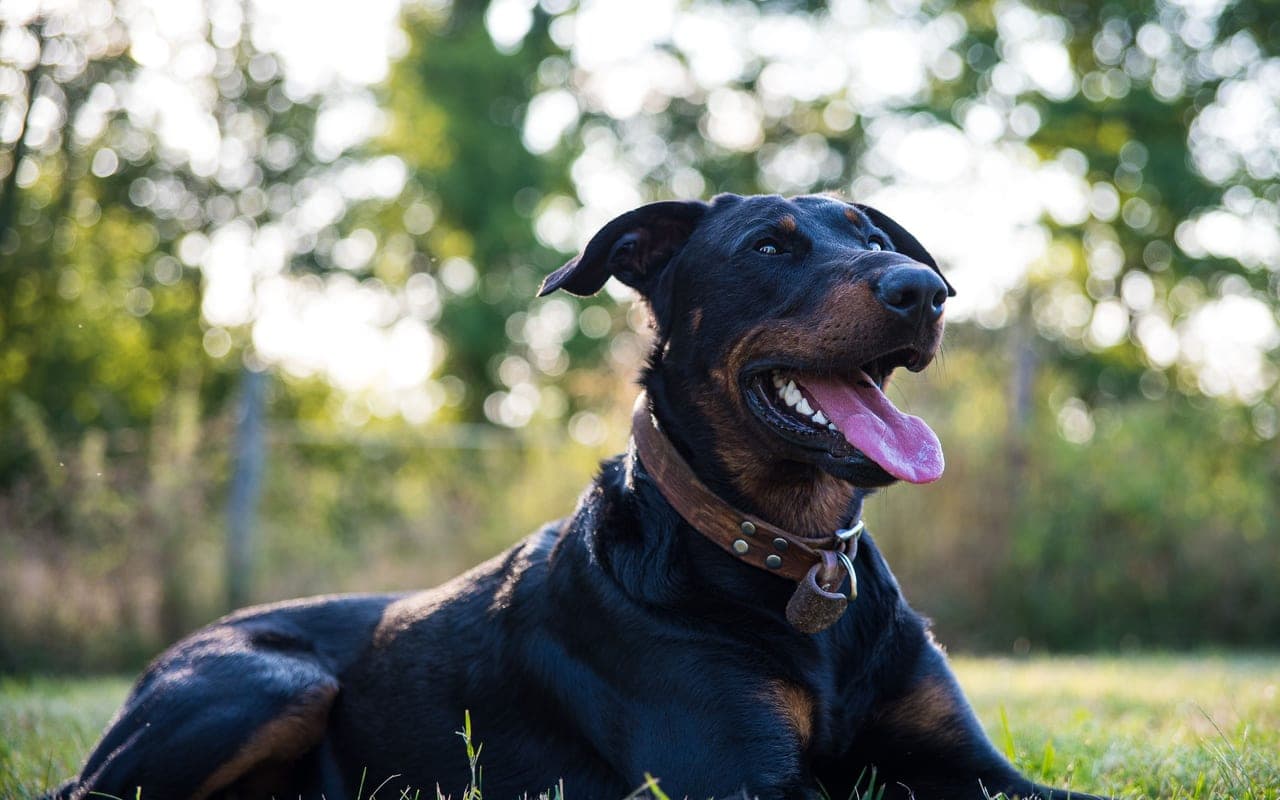
The Beauceron is a large French herding and guardian breed — historically the all-purpose farm dog of the plains around Paris, used to move and protect flocks and later as a military and police dog. The common shorthand is accurate: a Border Collie's working brain in a 70-110 lb body. A Beauceron stands roughly 24-27.5 inches at the shoulder and weighs about 70-110 lb (32-50 kg), with a short black-and-tan or harlequin coat, the distinctive 'red stockings' (Bas-Rouge) feet, and the breed's hallmark double dewclaws on the hind legs. The Beauceron is right for you if you are an experienced owner who wants a powerful, intensely intelligent, biddable working partner, can deliver daily physical and mental work for the dog's whole life, will commit to early structured socialization, and wants a protective dog you can actually control. With that owner the Beauceron is confident, level-headed, deeply loyal, and supremely versatile in herding, protection, and sport. The Beauceron is wrong for you if this is a first dog, if your lifestyle is sedentary, or if you want an instantly friendly, hands-off pet. This is a slow-maturing breed (mentally adolescent until ~3 years) that is naturally reserved with strangers and will become dominant, destructive, or pushy without firm, fair, consistent leadership and a real outlet for its drive. An under-worked, under-socialized Beauceron is not a lazy dog — it is a 100-lb dog with a busy brain and no job, which is a serious problem. Choose this breed for partnership and work, never for ornament.
Gentle | Faithful | Obedient
Gentle
A common Beauceron temperament descriptor that should be interpreted alongside training, exercise, and household fit.
Faithful
A common Beauceron temperament descriptor that should be interpreted alongside training, exercise, and household fit.
Obedient
A common Beauceron temperament descriptor that should be interpreted alongside training, exercise, and household fit.
Owner note
Temperament labels are starting points, not guarantees. Meet the individual dog and ask about behavior history whenever possible.
Care essentials
How to care for a Beauceron
What looking after one actually involves: exercise, grooming, food, training, and routine health.
ExerciseAs needed
- Lower-energy breed that is content with daily walks and moderate play. Avoid over-exercising.
GroomingAs needed
- Regular grooming needed — brush 2-3 times per week and bathe monthly.
TrainingAs needed
- Moderately trainable — consistent, patient training with positive methods works best.
NutritionAs needed
- Feed a high-quality dog food appropriate for their age, size, and activity level. Monitor portions to prevent obesity.
Veterinary CareAs needed
- Annual wellness exams, core vaccinations, dental care, and parasite prevention. Breed-specific health screenings as recommended by your vet.
Health planning
Beauceron health risks and screening
Every breed has individual health variation. Use this profile for planning and discuss medical decisions with a veterinarian.
Responsible ownership
Finding a Beauceron responsibly
What to ask a breeder or rescue is the same conversation for every breed, so we keep it in one place and keep it current.
Health documentation, meeting the parents or foster, contracts and return support, and the warning signs worth walking away from.
Original purpose
Beauceron history
History is useful when it explains today's behavior, coat, exercise needs, and training style.
Read the breed history
The Beauceron is an old French breed developed on the agricultural plains of the Beauce region around Paris, where it served as the versatile farm dog of the lowland flocks — driving and guarding large herds of sheep and cattle and protecting the homestead. It is one of two regional French herding breeds documented in the late 19th century, the smooth-coated Beauceron of the plains and the rough-coated Briard of the same era, formally distinguished and standardized in the 1890s. The breed's signature double hind dewclaws were retained as a working-type marker. Beyond herding, the Beauceron proved highly trainable and was used extensively by the French military and police, including as a messenger, mine-detection, and patrol dog in both World Wars, which both demonstrated and reinforced its intelligence, biddability, and protective drive. The American Kennel Club recognized it in the Herding Group in 2007. The modern Beauceron's intelligence, slow maturation, protectiveness, and need for work are direct inheritances from that combined herding, guardian, and military history.
Gallery
Beauceron photos
Images are cropped consistently and loaded progressively to keep the page responsive.
Lower-page context
Beaucerons in culture
Where the breed shows up in film, sport, work and folklore — the enjoyable part, once the practical questions are answered.
Fun facts
- The Beauceron belongs to the Herding Group.
- The average lifespan of a Beauceron is 10 to 12 years.
- Beauceron dogs are valued for their gentle, faithful, obedient nature.
Beauceron FAQs
How long do Beaucerons live?
A Beauceron typically lives 10-12 years, which is normal for a large working breed. What shortens it is rarely slow general aging — it is usually a bloat episode that is not caught in time, dilated cardiomyopathy causing sudden cardiac death, or progressive hip or copper-related liver disease eroding quality of life. The levers that genuinely move lifespan are screened parents (CHIC requires hips, cardiac echo, and eyes), strict bloat-prevention feeding practices, lean body weight, and protecting the joints during the long puppyhood.
Is a Beauceron a good first dog?
No. This is a 70-110 lb, high-drive, slow-maturing herding and protection breed that stays mentally adolescent until around three years and is naturally reserved with strangers. In experienced hands it is a brilliant, controllable partner; for a first-time owner the typical outcome is a powerful, under-socialized, pushy dog whose protective instincts were never properly shaped — a serious management and liability problem. Anyone considering a Beauceron as a first dog should reconsider, or commit upfront to a working-breed-experienced trainer and a mentor from week one.
How much exercise does a Beauceron really need?
An adult needs roughly 1.5-2 hours a day of genuine activity — not just walks, but running, training, herding, protection sport, or scent work that engages the working brain. Despite some breed listings rating its energy as moderate, this is a high-drive dog bred for all-day farm work, and under-exercising one produces destructiveness, pushiness, and anxiety. The important exception is the puppy: avoid forced running, repetitive jumping, and stairs before about 18 months, because high-impact exercise on this slow-maturing frame worsens hip dysplasia and OCD.
Are Beaucerons good with children?
A well-bred, well-socialized Beauceron is typically loyal, level-headed, and protective of its family's children, and the breed has a reputation as a careful guardian of the young. The realistic caveats are size, herding instinct, and maturity: a powerful dog may attempt to herd running children by bumping or nipping at heels, can knock a small child over by accident, and is reserved with visiting children until properly introduced. Supervise interactions, channel the herding drive into training, and never leave young kids unsupervised with any large working breed.
What health tests should a Beauceron breeder have done?
Look for CHIC certification through the American Beauceron Club, which requires three tests on breeding stock: an OFA hip evaluation, an OFA echocardiogram by a board-certified cardiologist (for dilated cardiomyopathy), and an annual ACVO ophthalmologist eye exam from age two. Ask additionally about elbow evaluation, thyroid testing, and any line history of copper-associated hepatitis. A breeder who can show written hip, cardiac, and eye clearances is the cheapest insurance you can buy — DCM and hip surgery costs run into the thousands and are largely preventable through screening.
Why does a Beauceron have double dewclaws on its back legs?
The double rear dewclaws are a required breed-standard trait retained from the Beauceron's working farm history as a type marker, not a defect to be removed. They are fully formed digits with their own bone structure on each hind leg. Practically, owners should keep these nails trimmed like any other nail, since dewclaws do not wear down on the ground and can overgrow, curl into the pad, or catch and tear. They do not impair the dog and should not be amputated for cosmetic reasons in this breed.
Sources
These are the published sources this page draws on. Each opens in a new tab so you can check it yourself.
American Kennel Club
Beauceron — breed standard and profile(opens in a new tab)Supports: Breed standard and recognition details.
Similar breeds to consider
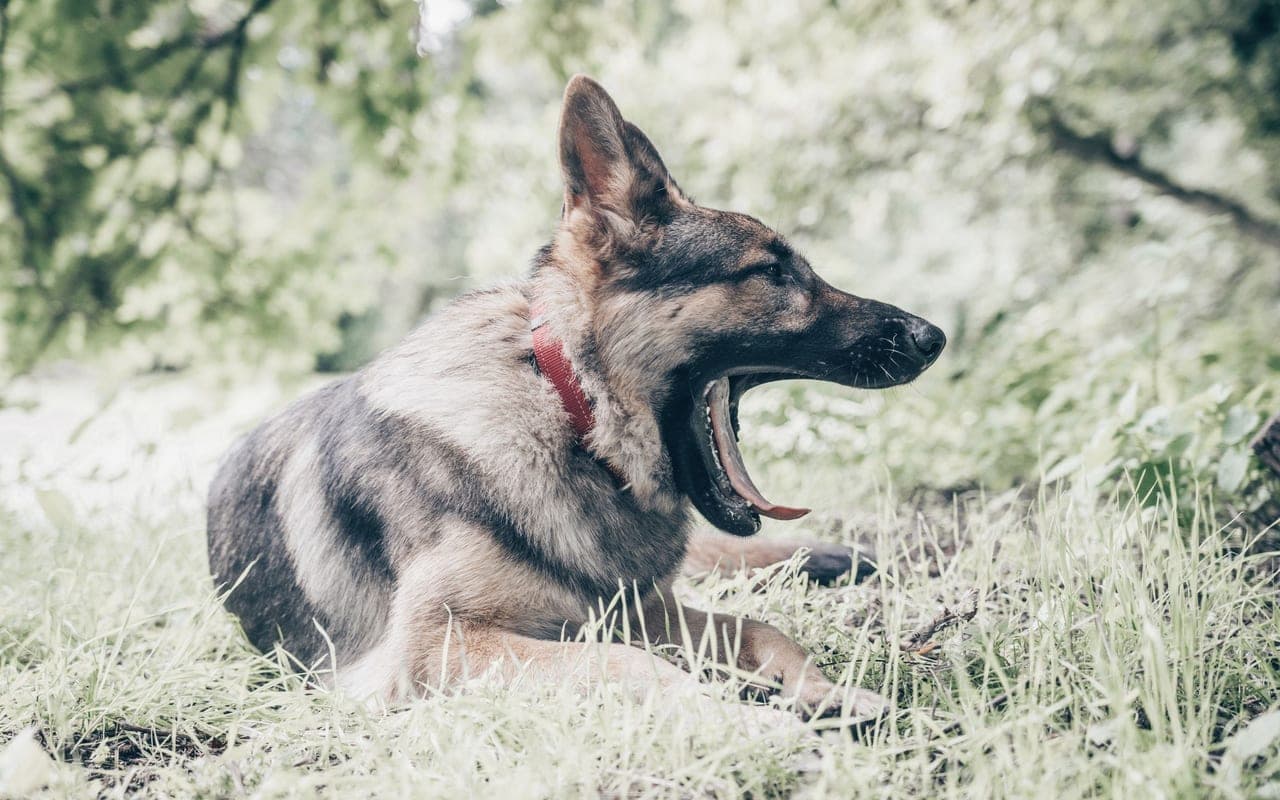
German Shepherd
Also in the Herding group, with different care and temperament tradeoffs.
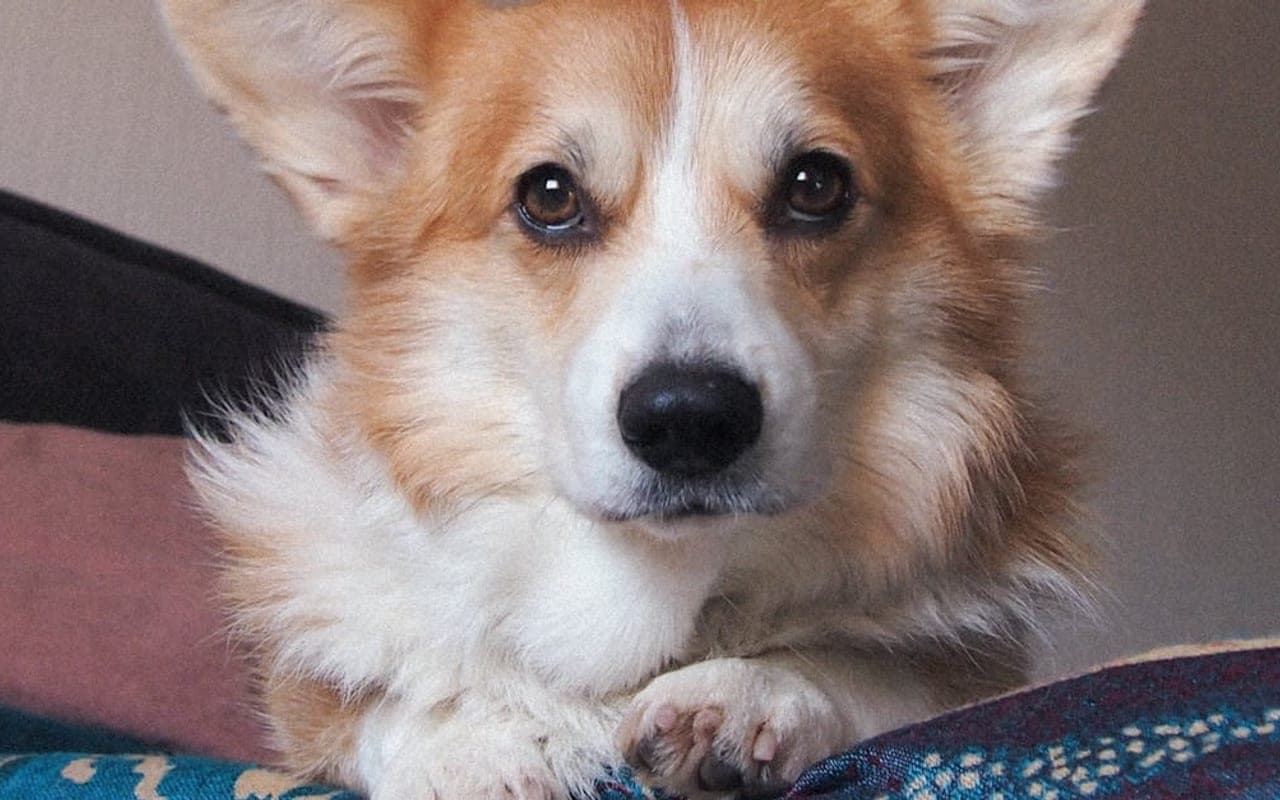
Pembroke Welsh Corgi
Also in the Herding group, with different care and temperament tradeoffs.
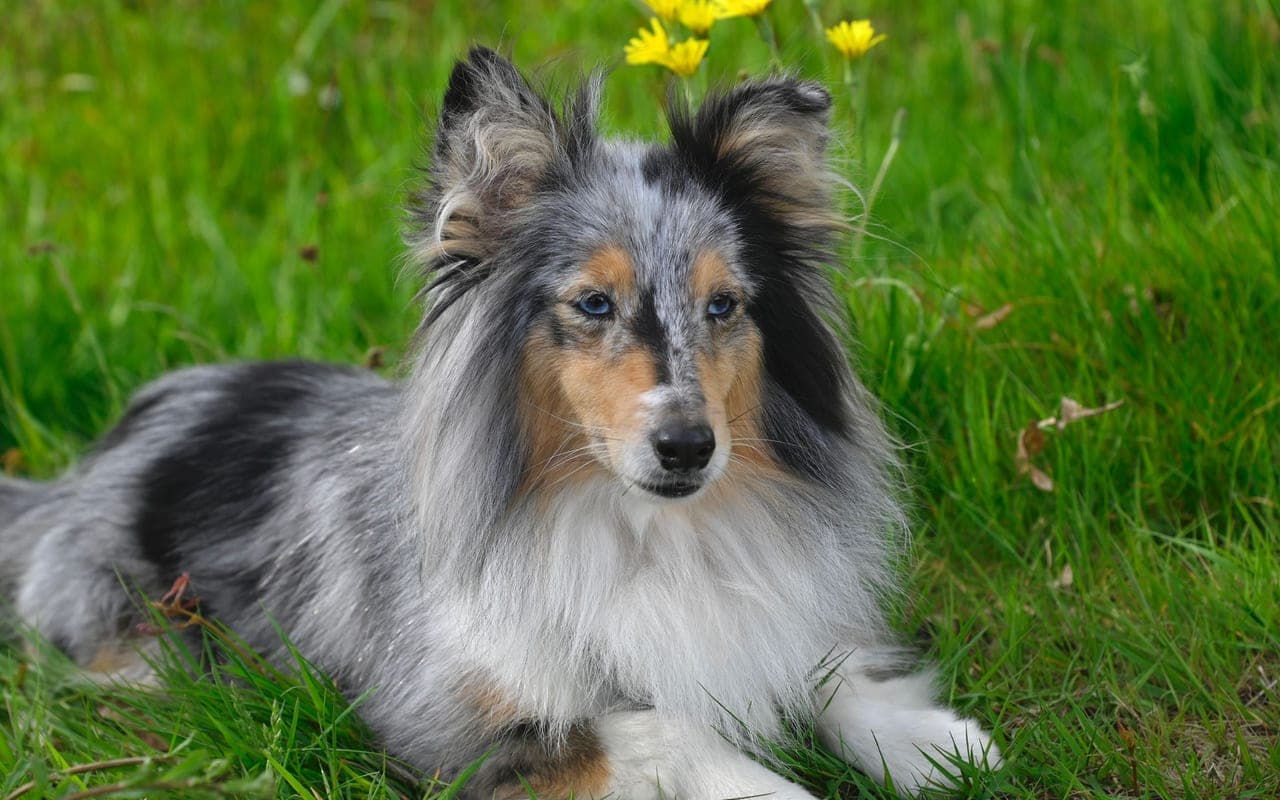
Shetland Sheepdog
Also in the Herding group, with different care and temperament tradeoffs.
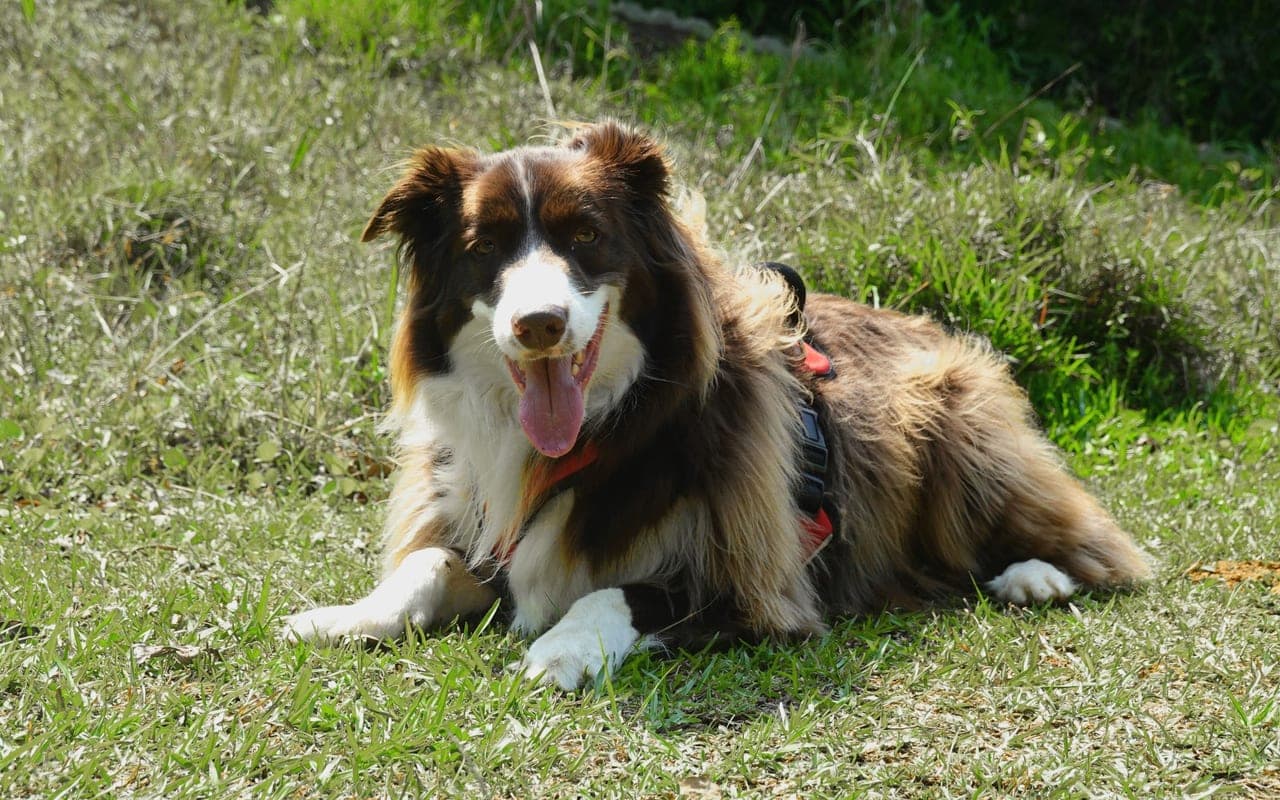
Border Collie
Also in the Herding group, with different care and temperament tradeoffs.
Explore More About Beauceron
Dive deeper into everything Beauceron — costs, care, and expert insights.
Large Dog Care Guide: Everything Over 50 lbs
Owning a large or giant breed dog means accepting one of biology's...
Puppy Teething & Biting: Timeline and What Actually Works
A puppy has all 28 deciduous ("baby") teeth by roughly eight weeks of age, and...
Considering a cat instead?
Browse Cats