
Herding group
Belgian Sheepdog
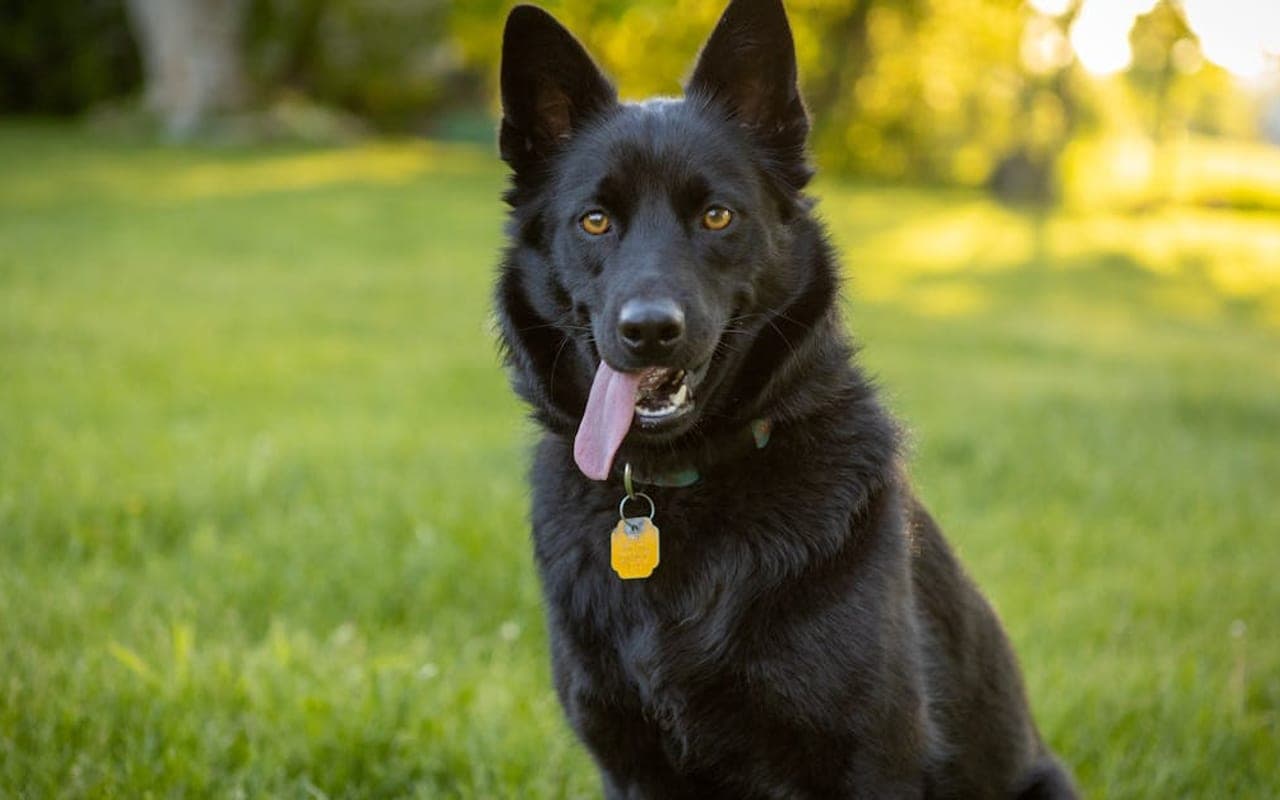
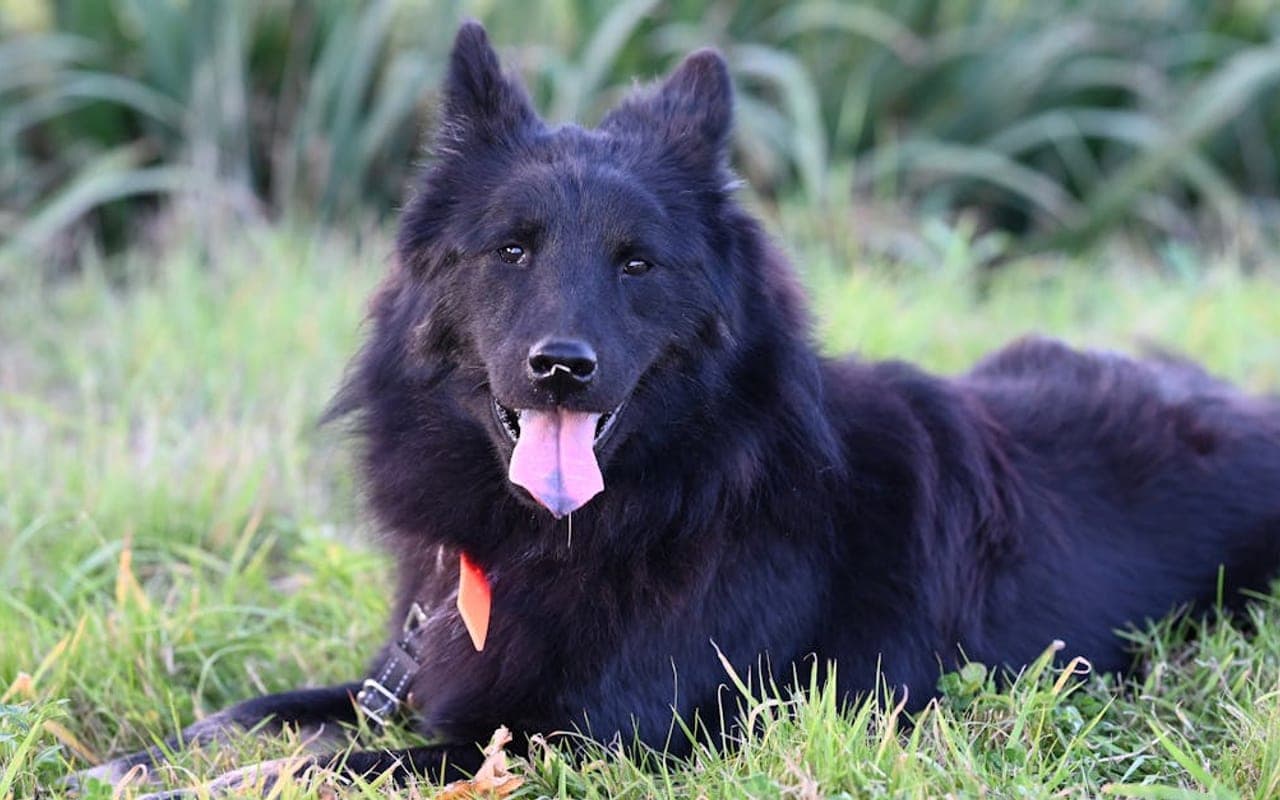
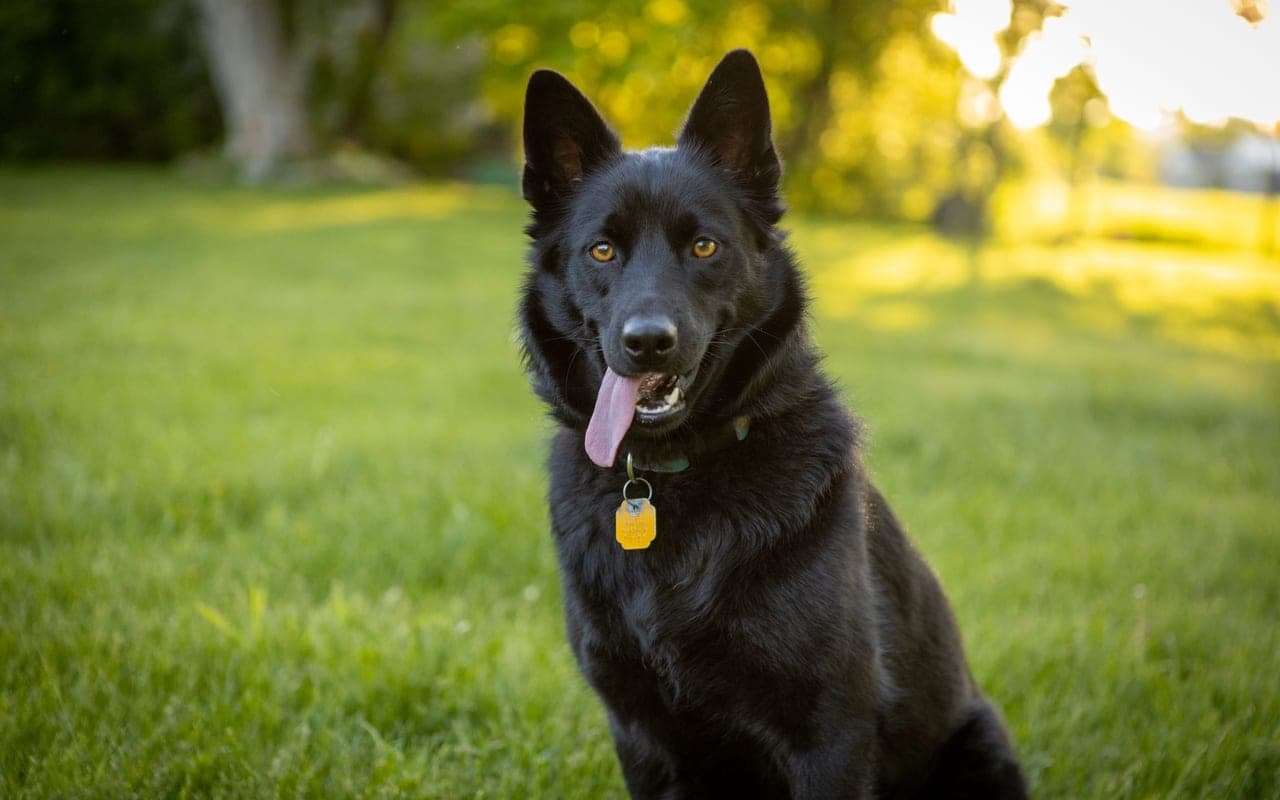
The Belgian Sheepdog — the long-haired black variety known in Europe as the Groenendael — is one of four Belgian shepherd types developed in 1890s Belgium as a versatile herding and farm-working dog, later proven as a police, military, and service dog.
Size
44-75 lb
Lifespan
12-14 years
Exercise
30-60 minutes
Shedding
Moderate
Experience
Match to owner routine
Decision first
Is a Belgian Sheepdog right for you?
Start with fit before history or trivia. These are ownership signals, not guarantees about any individual dog.
Best suited for
- Households with children.
- Homes with other compatible pets.
- Apartment homes with a consistent routine.
- Owners seeking a manageable daily exercise routine.
Think carefully if
- You need a dog with almost no daily routine.
- You cannot keep up with grooming and preventive care.
- The dog will spend most days alone without support.
Conditional fit
Apartment fit depends on exercise, enrichment, noise management, and outdoor access.
Daily reality
Belgian Sheepdog commitment snapshot
Daily exercise
30-60 minutes
Match activity to age, health, weather, and training goals.
Coat care
Moderate
Grooming needs vary by coat, shedding, and lifestyle.
Time alone
Needs planning
Most dogs need gradual alone-time conditioning and support.
Structured facts
Belgian Sheepdog at a glance
The measurements and traits that most affect day-to-day life with this breed.
Group
Herding
Weight
44-75 lb
Height
22-26 in
Lifespan
12-14 years
Temperament
Bright | Watchful | Serious-Minded
View all characteristics and methodology
Lifestyle fit
- Apartment suitability
- Likely fit
- Child friendliness
- Often good, with socialisation and supervision
- Other-pet fit
- Often compatible with careful introductions
Owner commitment
- Exercise
- 30-60 minutes
- Grooming
- Moderate
- Shedding
- Moderate
- Training
- Moderate
Environment and health
- Health risk
- Needs planning
Ratings combine structured breed data, visible breed fields, and editorial context. They are planning aids, not predictions for an individual dog.
Daily life
Belgian Sheepdog temperament and behavior
The Belgian Sheepdog — the long-haired black variety known in Europe as the Groenendael — is one of four Belgian shepherd types developed in 1890s Belgium as a versatile herding and farm-working dog, later proven as a police, military, and service dog. It is a medium-large, elegant, square-built herder standing roughly 22-26 inches at the shoulder and weighing about 45-75 lb (20-34 kg), with a long, abundant black double coat, a heavy collarette around the neck, and a sharply intelligent, watchful expression. The Belgian Sheepdog is right for you if you want an intensely intelligent, hard-working, deeply bonded partner, you can deliver substantial daily physical and mental work for the dog's life, you will commit to early and ongoing socialization, and you want a sensitive dog that thrives on being included in everything. Properly engaged, the Groenendael is brilliant in obedience, agility, herding, tracking, and protection sport, and forms an unusually intense loyalty to its people. The Belgian Sheepdog is wrong for you if you want a calm, independent, low-maintenance, hands-off dog, or this is a first dog. The breed is workaholic, vigilant, reserved with strangers, and emotionally sensitive — it does not tolerate harsh handling, isolation, or boredom, and it responds to all three with anxiety, hypervigilance, reactivity, and destruction. The same trait that makes it 'live and love with great passion' makes neglect genuinely damaging to it. This is a dog for an active, dog-experienced owner who wants a working partner woven into daily life, not an ornament or a yard dog. Match the commitment to the dog's intensity, or choose a different breed.
Bright | Watchful | Serious-Minded
Bright
A common Belgian Sheepdog temperament descriptor that should be interpreted alongside training, exercise, and household fit.
Watchful
A common Belgian Sheepdog temperament descriptor that should be interpreted alongside training, exercise, and household fit.
Serious-Minded
A common Belgian Sheepdog temperament descriptor that should be interpreted alongside training, exercise, and household fit.
Owner note
Temperament labels are starting points, not guarantees. Meet the individual dog and ask about behavior history whenever possible.
Care essentials
How to care for a Belgian Sheepdog
What looking after one actually involves: exercise, grooming, food, training, and routine health.
ExerciseAs needed
- Moderately active breed needing 30-60 minutes of daily exercise through walks, play, and mental stimulation.
GroomingAs needed
- Regular grooming needed — brush 2-3 times per week and bathe monthly.
TrainingAs needed
- Moderately trainable — consistent, patient training with positive methods works best.
NutritionAs needed
- Feed a high-quality dog food appropriate for their age, size, and activity level. Monitor portions to prevent obesity.
Veterinary CareAs needed
- Annual wellness exams, core vaccinations, dental care, and parasite prevention. Breed-specific health screenings as recommended by your vet.
Health planning
Belgian Sheepdog health risks and screening
Every breed has individual health variation. Use this profile for planning and discuss medical decisions with a veterinarian.
Responsible ownership
Finding a Belgian Sheepdog responsibly
What to ask a breeder or rescue is the same conversation for every breed, so we keep it in one place and keep it current.
Health documentation, meeting the parents or foster, contracts and return support, and the warning signs worth walking away from.
Original purpose
Belgian Sheepdog history
History is useful when it explains today's behavior, coat, exercise needs, and training style.
Read the breed history
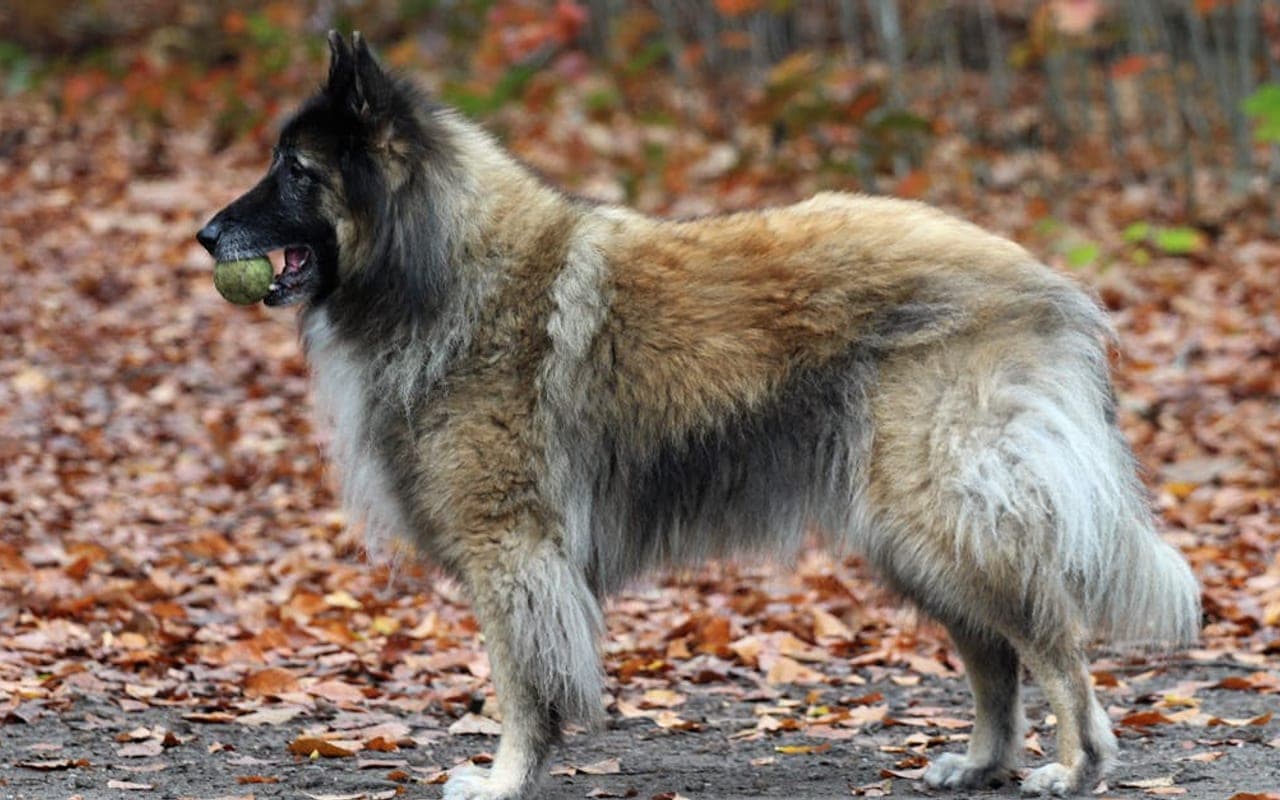
The Belgian Sheepdog is one of four varieties of the Belgian Shepherd, all developed in Belgium in the 1890s when breeders and a veterinary professor set out to standardize the working herding dogs of the region. The four varieties — Groenendael (long-haired black, the Belgian Sheepdog in AKC terms), Tervuren (long-haired fawn), Malinois (short-haired fawn), and Laekenois (rough-haired) — share origin and structure but differ in coat. The Groenendael was named for the kennel and estate where its long black coat was fixed as a type. Originally herding and general farm dogs, Belgian shepherds proved exceptionally trainable and were adopted early and widely for police and military work — among the first breeds used in formal police service in Europe and used as messenger and ambulance dogs in both World Wars. The American Kennel Club recognizes the Belgian Sheepdog in the Herding Group. The modern breed's intelligence, work drive, vigilance, sensitivity, and need for partnership are direct inheritances from that herding-and-service history.
Gallery
Belgian Sheepdog photos
Images are cropped consistently and loaded progressively to keep the page responsive.
Lower-page context
Belgian Sheepdogs in culture
Where the breed shows up in film, sport, work and folklore — the enjoyable part, once the practical questions are answered.
Fun facts
- The Belgian Sheepdog belongs to the Herding Group.
- The average lifespan of a Belgian Sheepdog is 12 to 14 years.
- Belgian Sheepdog dogs are valued for their bright, watchful, serious-minded nature.
Belgian Sheepdog FAQs
How long do Belgian Sheepdogs live?
A Belgian Sheepdog typically lives 12-14 years, which is good for a medium-large working breed. What tends to compromise those years is specific rather than general decline: inherited epilepsy emerging in young adulthood, orthopedic disease (hip or elbow dysplasia) limiting an active dog, PRA taking vision, or an untreated bloat episode. Screened parents (hips, elbows, eyes, thyroid, and a known epilepsy-free background), lean body weight, and bloat-aware feeding are the levers that actually protect the lifespan.
Is a Belgian Sheepdog a good first dog?
Rarely. This is an intensely intelligent, high-drive, emotionally sensitive working breed that needs 1.5-2 hours of real daily work, constant mental engagement, careful socialization, and reward-based handling. A first-time owner often cannot meet that load or read the breed's sensitivity, and the result is a hypervigilant, reactive, anxious, destructive dog — not because the dog is bad but because its needs went unmet. If you are set on the breed as a first dog, commit upfront to a positive-methods trainer, structured socialization, and a genuinely active lifestyle, or choose something more forgiving.
How much exercise does a Belgian Sheepdog need?
An adult needs roughly 1.5-2 hours a day of genuine activity — running, herding, agility, obedience, tracking — not just leashed walks. This is a working dog bred for all-day herding and adopted for police and military service precisely because of its drive and stamina. Under-exercising one is the single most common cause of the reactivity, hypervigilance, and destructiveness the breed gets blamed for. Puppies are the exception: avoid forced running, repetitive jumping, and stairs before about 18 months to protect developing hips and elbows.
Are Belgian Sheepdogs good with children?
A well-socialized Belgian Sheepdog raised with children is typically devoted and gentle with its own family's kids, but there are real, breed-specific caveats. The strong herding instinct can lead it to circle, bump, or nip at the heels of running children, which needs early management; the breed is reserved with unfamiliar children until properly introduced; and its sensitivity means a chaotic, loud household can overwhelm it. Supervise interactions, channel the herding drive through training, teach children calm handling, and give the dog a quiet retreat.
Do Belgian Sheepdogs have epilepsy?
The breed has a strongly suspected inherited predisposition to idiopathic epilepsy, typically first showing seizures between roughly 2 and 3 years of age. There is no DNA test to screen carriers, so the only real protection is pedigree transparency: responsible breeders wait until a dog is at least three before breeding and disclose any seizure history in the line. Ask directly whether either parent or close relatives have been diagnosed. An affected dog can often live well on lifelong anticonvulsant medication, but it is a serious, ongoing commitment and cost.
How much grooming does a Belgian Sheepdog need?
Substantial and ongoing. The long, abundant black double coat needs thorough brushing 2-3 times a week — 15-20 minutes, worked down to the skin in the heavy collarette around the neck and the breeches on the hindquarters where mats form — rising to daily during the heavy twice-yearly coat blow, when shedding is significant. Never shave the double coat to reduce shedding; it damages regrowth and removes temperature regulation. Bathe only as needed and dry fully. Anyone unwilling to commit to this routine should not choose a long-coated black shepherd.
Sources
These are the published sources this page draws on. Each opens in a new tab so you can check it yourself.
American Kennel Club
Belgian Sheepdog — breed standard and profile(opens in a new tab)Supports: Breed standard and recognition details.
Similar breeds to consider
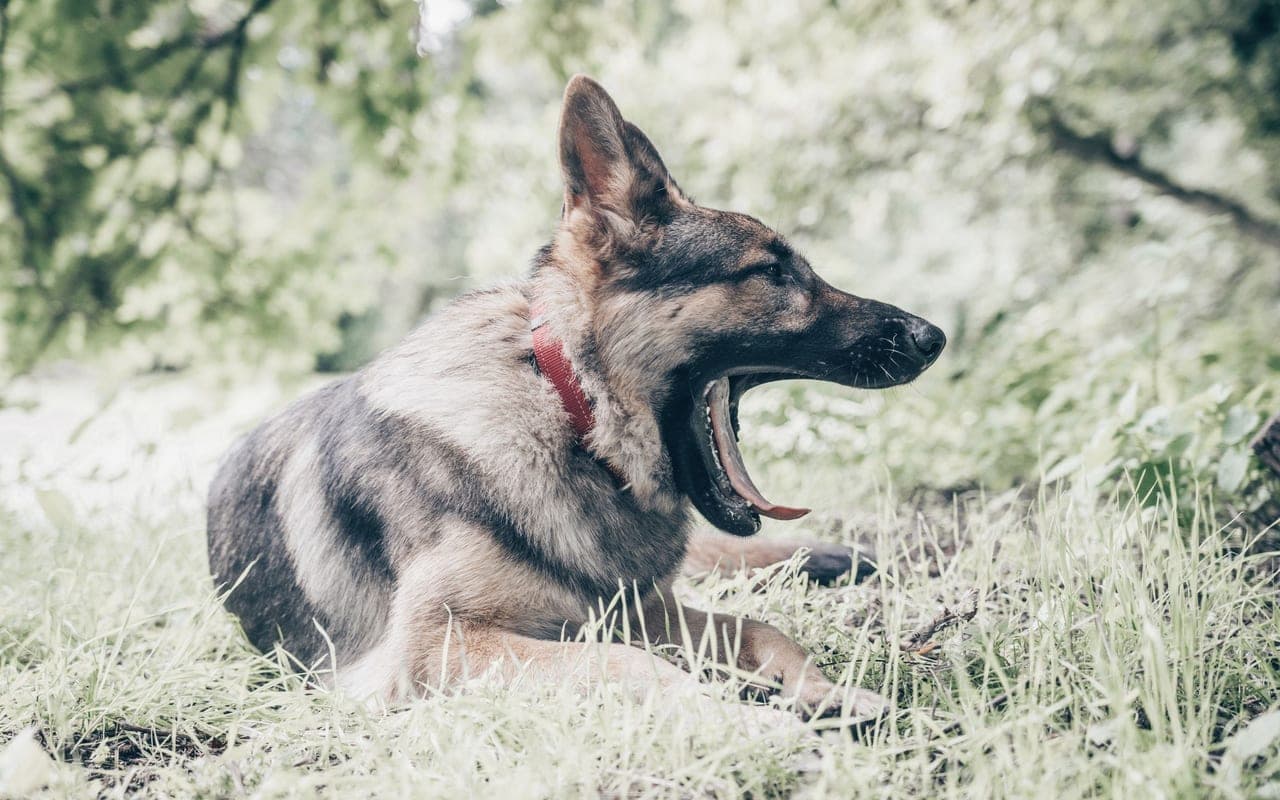
German Shepherd
Also in the Herding group, with different care and temperament tradeoffs.
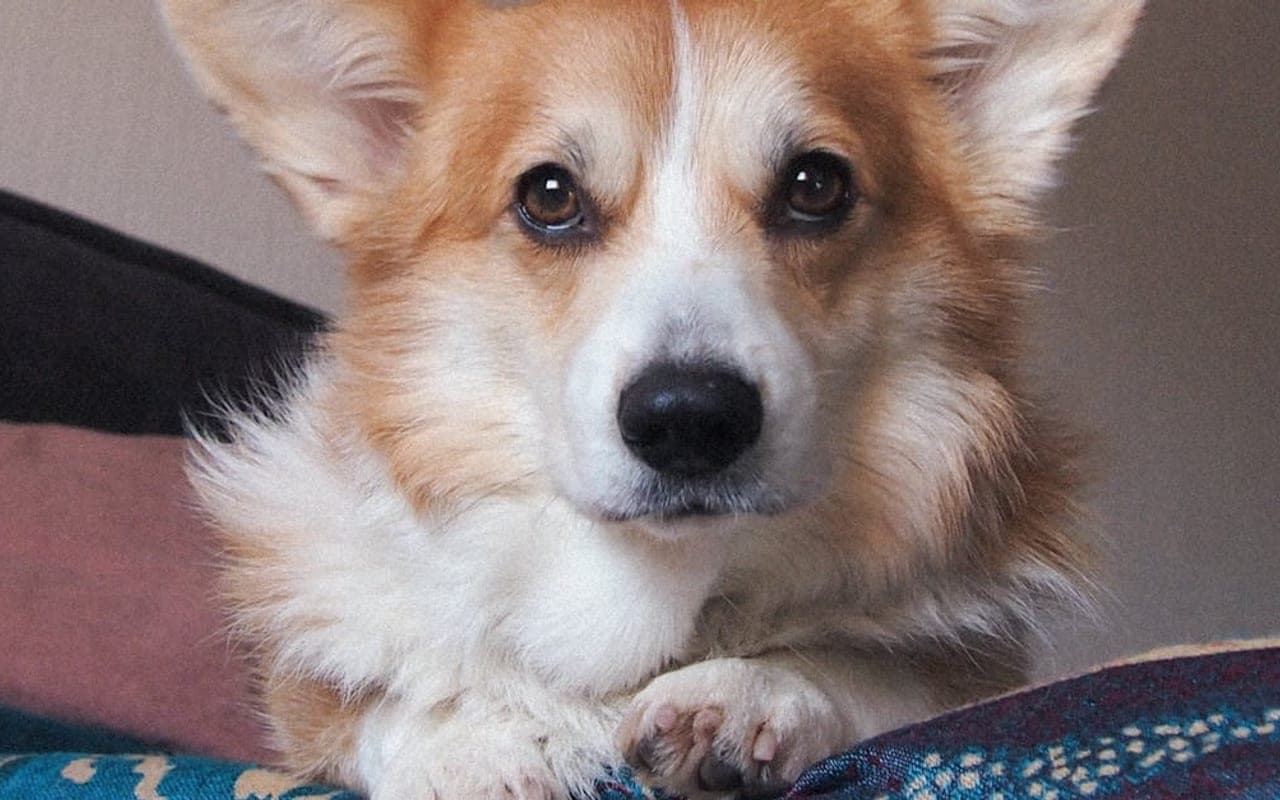
Pembroke Welsh Corgi
Also in the Herding group, with different care and temperament tradeoffs.
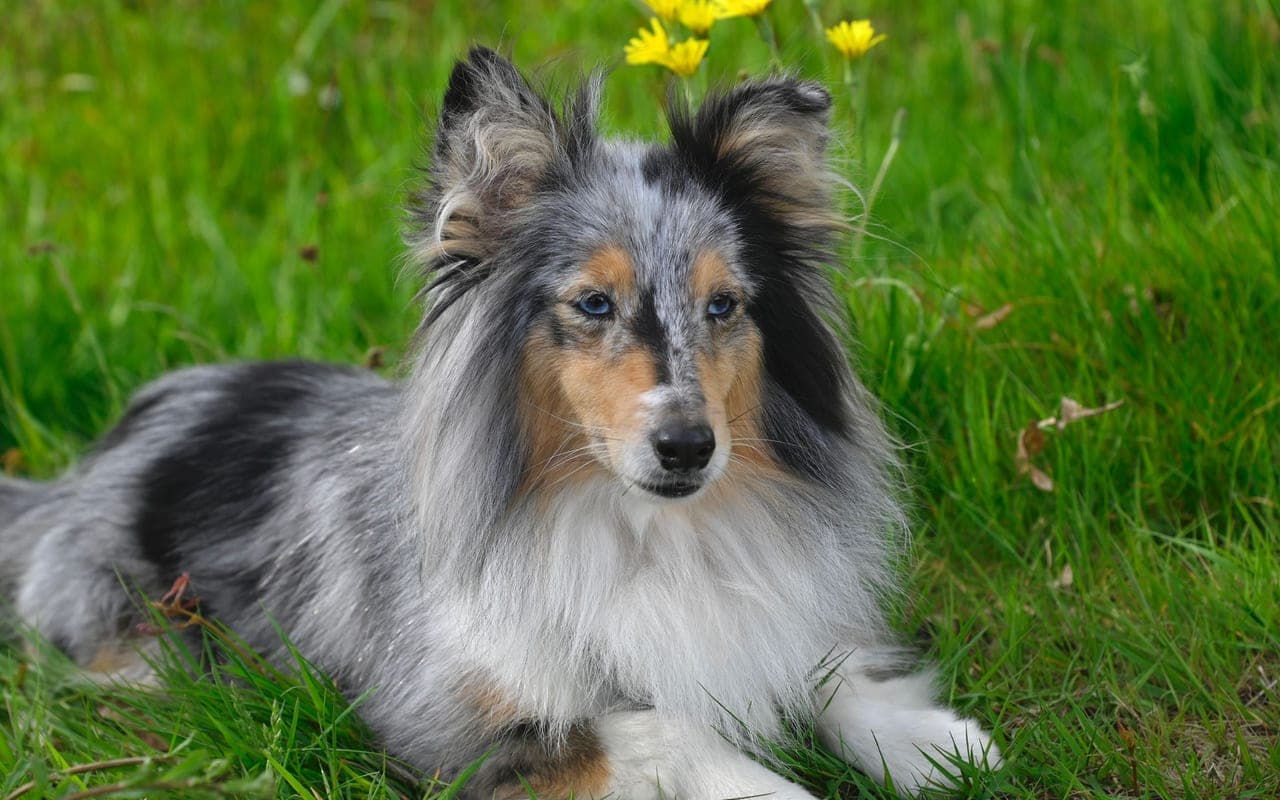
Shetland Sheepdog
Also in the Herding group, with different care and temperament tradeoffs.
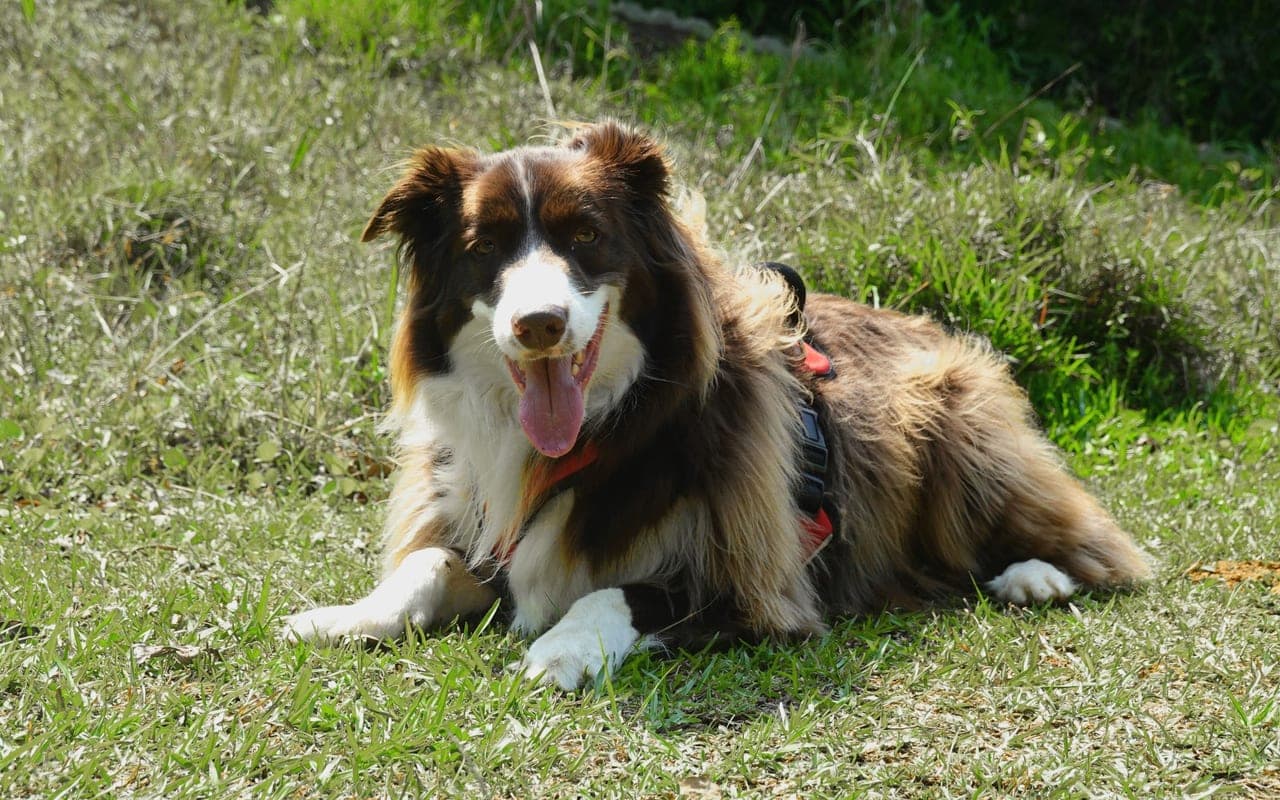
Border Collie
Also in the Herding group, with different care and temperament tradeoffs.
Explore More About Belgian Sheepdog
Dive deeper into everything Belgian Sheepdog — costs, care, and expert insights.
Considering a cat instead?
Browse Cats