
Herding group
Belgian Tervuren
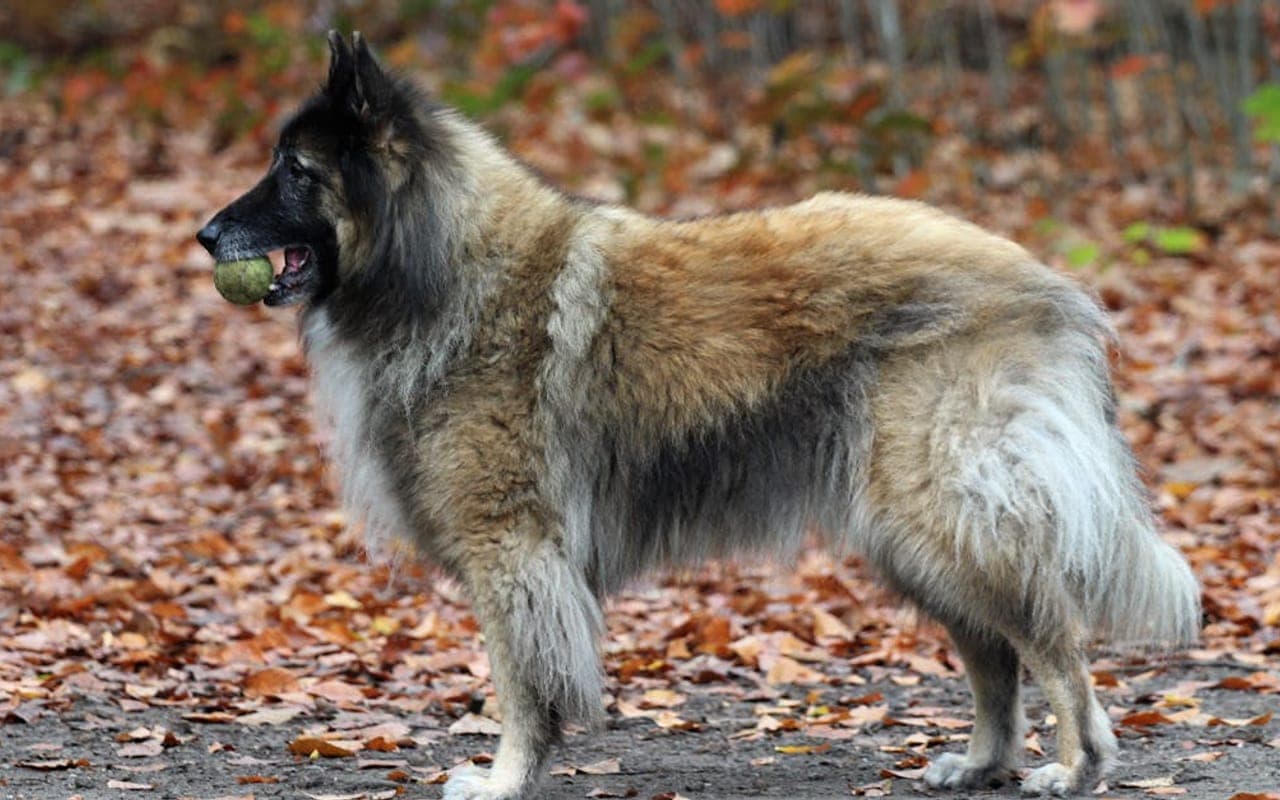
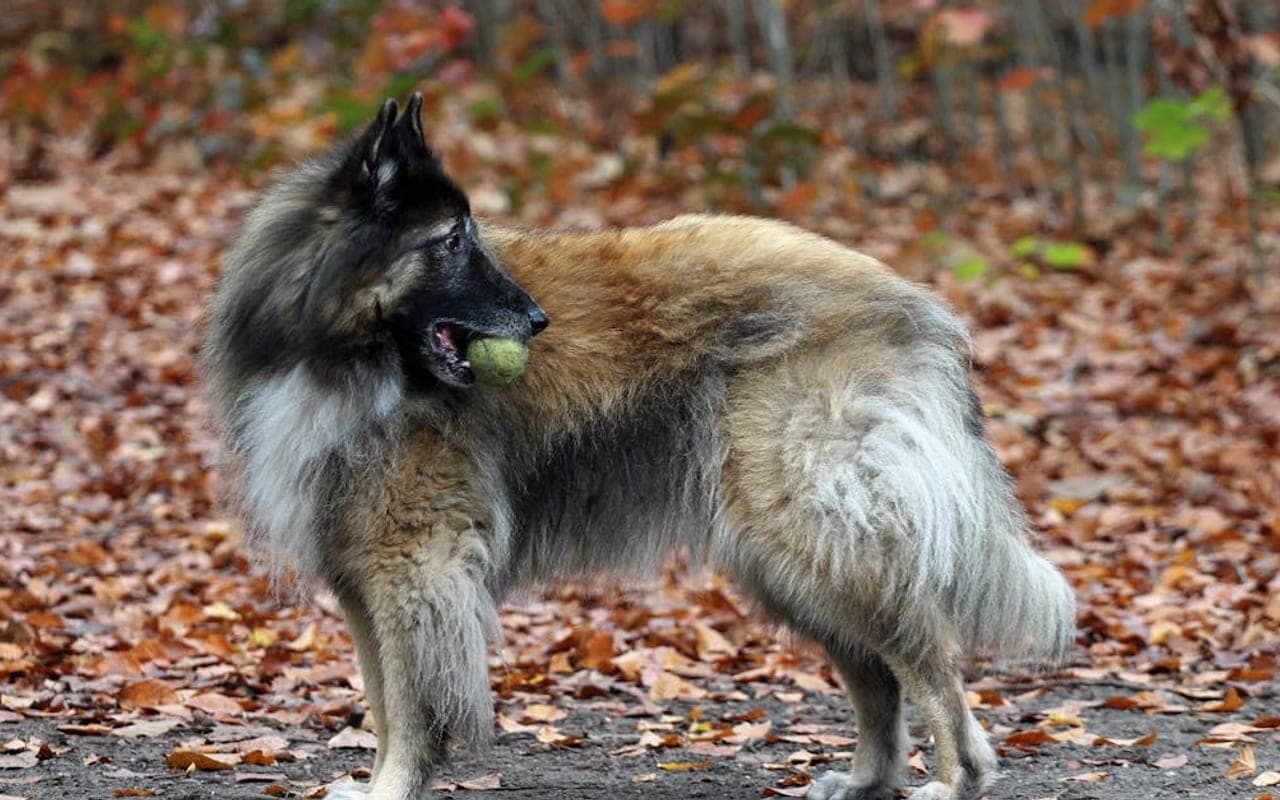
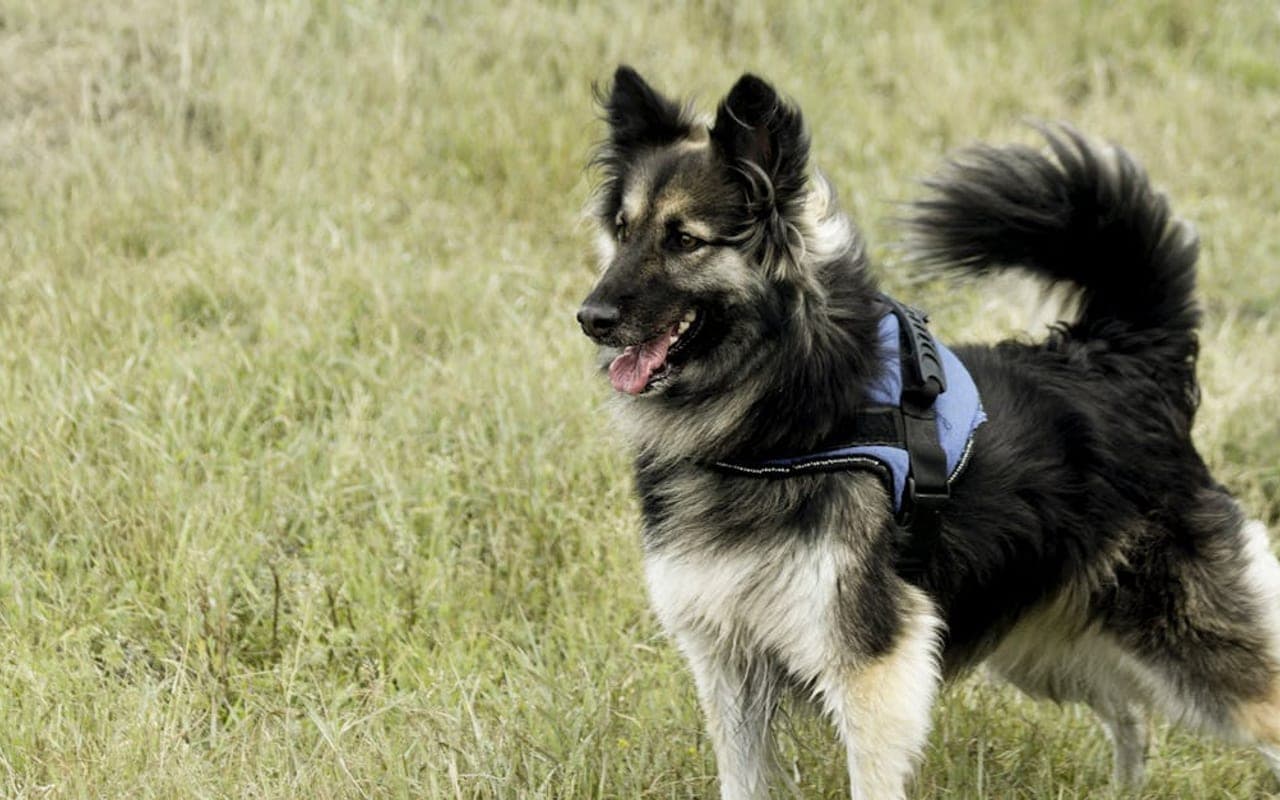
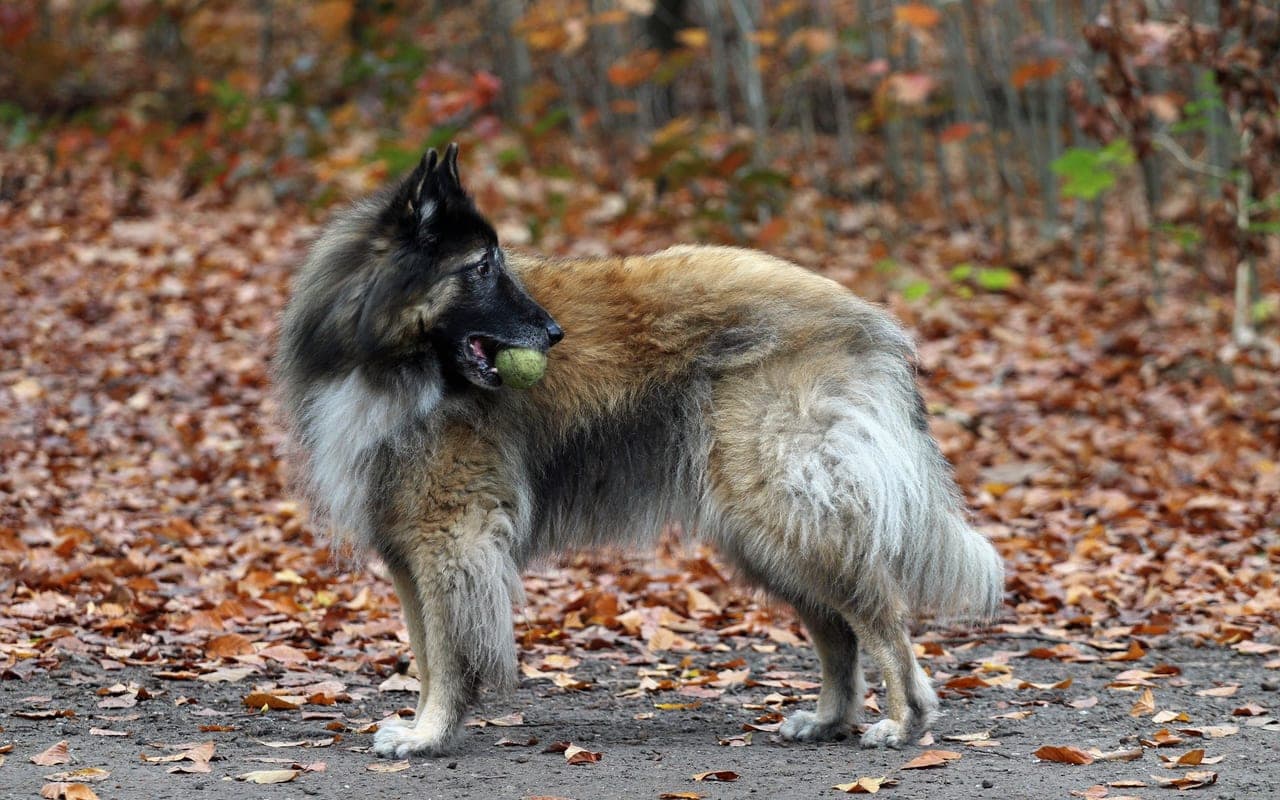
The Belgian Tervuren is the long-coated, fawn-to-mahogany variety of Belgium's herding sheepdogs, and it is one of the most demanding companion dogs a typical owner can buy.
Size
44-75 lb
Lifespan
12-14 years
Exercise
30-60 minutes
Shedding
Moderate
Experience
Match to owner routine
Decision first
Is a Belgian Tervuren right for you?
Start with fit before history or trivia. These are ownership signals, not guarantees about any individual dog.
Best suited for
- Households with children.
- Homes with other compatible pets.
- Apartment homes with a consistent routine.
- Owners seeking a manageable daily exercise routine.
Think carefully if
- You need a dog with almost no daily routine.
- You cannot keep up with grooming and preventive care.
- The dog will spend most days alone without support.
Conditional fit
Apartment fit depends on exercise, enrichment, noise management, and outdoor access.
Daily reality
Belgian Tervuren commitment snapshot
Daily exercise
30-60 minutes
Match activity to age, health, weather, and training goals.
Coat care
Moderate
Grooming needs vary by coat, shedding, and lifestyle.
Time alone
Needs planning
Most dogs need gradual alone-time conditioning and support.
Structured facts
Belgian Tervuren at a glance
The measurements and traits that most affect day-to-day life with this breed.
Group
Herding
Weight
44-75 lb
Height
22-26 in
Lifespan
12-14 years
Temperament
Courageous | Alert | Intelligent
View all characteristics and methodology
Lifestyle fit
- Apartment suitability
- Likely fit
- Child friendliness
- Often good, with socialisation and supervision
- Other-pet fit
- Often compatible with careful introductions
Owner commitment
- Exercise
- 30-60 minutes
- Grooming
- Moderate
- Shedding
- Moderate
- Training
- Moderate
Environment and health
- Health risk
- Needs planning
Ratings combine structured breed data, visible breed fields, and editorial context. They are planning aids, not predictions for an individual dog.
Daily life
Belgian Tervuren temperament and behavior
The Belgian Tervuren is the long-coated, fawn-to-mahogany variety of Belgium's herding sheepdogs, and it is one of the most demanding companion dogs a typical owner can buy. People are drawn to the elegant double coat, the dark mask, and the dignified outline. What they take home is a 45-65 pound (males) working dog with a herding brain that never switches off, watches everything, and forms an intense, possessive bond with its family. This is not a breed you own casually around the edges of a busy life. It is a breed that has to be a project. The Tervuren needs both hard physical exercise and structured mental work, every day, for its whole life — not a puppy phase you wait out. Plan on 60-90 minutes of real activity (running, fetch, herding, agility, scent work, obedience) plus daily training. Skip it and you do not get a calm dog; you get a hyper-vigilant one that paces, barks, spins, herds the children, or fixates on movement. Tervurens are brilliant and eager to work, which is exactly why an under-stimulated one becomes a behavior problem so fast. Temperament is affectionate and intensely loyal to its people, but naturally aloof or wary with strangers and reactive to novelty without heavy early socialization. They are sensitive dogs that fold under harsh handling and shine with consistent, reward-based training. They guard, they alert-bark, and they notice everything. Who the Tervuren is right for: an experienced, active owner or family willing to do daily training and a real dog sport, who wants a velcro-loyal partner and is genuinely interested in working the dog. Who it is wrong for: first-time owners, low-activity households, people who want an aloof low-maintenance pet, and anyone who cannot commit to lifelong structured exercise. The Tervuren rewards the right owner enormously and punishes the wrong one with a decade of difficulty. Choose honestly.
Courageous | Alert | Intelligent
Courageous
A common Belgian Tervuren temperament descriptor that should be interpreted alongside training, exercise, and household fit.
Alert
A common Belgian Tervuren temperament descriptor that should be interpreted alongside training, exercise, and household fit.
Intelligent
A common Belgian Tervuren temperament descriptor that should be interpreted alongside training, exercise, and household fit.
Owner note
Temperament labels are starting points, not guarantees. Meet the individual dog and ask about behavior history whenever possible.
Care essentials
How to care for a Belgian Tervuren
What looking after one actually involves: exercise, grooming, food, training, and routine health.
ExerciseAs needed
- Moderately active breed needing 30-60 minutes of daily exercise through walks, play, and mental stimulation.
GroomingAs needed
- Regular grooming needed — brush 2-3 times per week and bathe monthly.
TrainingAs needed
- Moderately trainable — consistent, patient training with positive methods works best.
NutritionAs needed
- Feed a high-quality dog food appropriate for their age, size, and activity level. Monitor portions to prevent obesity.
Veterinary CareAs needed
- Annual wellness exams, core vaccinations, dental care, and parasite prevention. Breed-specific health screenings as recommended by your vet.
Health planning
Belgian Tervuren health risks and screening
Every breed has individual health variation. Use this profile for planning and discuss medical decisions with a veterinarian.
Responsible ownership
Finding a Belgian Tervuren responsibly
What to ask a breeder or rescue is the same conversation for every breed, so we keep it in one place and keep it current.
Health documentation, meeting the parents or foster, contracts and return support, and the warning signs worth walking away from.
Original purpose
Belgian Tervuren history
History is useful when it explains today's behavior, coat, exercise needs, and training style.
Read the breed history
The Belgian Tervuren is one of four closely related Belgian herding breeds (with the Malinois, the Groenendael/Belgian Sheepdog, and the Laekenois) developed in the late 1800s by Belgian shepherds and standardized through the work of veterinarian Adolphe Reul, who classified the regional sheepdogs by coat in the 1890s. The Tervuren takes its name from the Belgian village of Tervuren and is distinguished as the long-haired fawn-to-mahogany variety with a black overlay and mask. It was bred to herd and guard flocks — work that demanded stamina, independent decision-making, intense handler focus, and territorial alertness. During both World Wars the Belgian sheepdogs served as messenger and ambulance dogs. The American Belgian Tervuren Club is the breed's AKC parent club and participates in the CHIC health-screening program. The breed's modern profile — high drive, sharp intelligence, deep handler bond, wariness of strangers — is a direct legacy of its original livestock-herding and property-guarding function, not an accident of temperament.
Gallery
Belgian Tervuren photos
Images are cropped consistently and loaded progressively to keep the page responsive.
Lower-page context
Belgian Tervurens in culture
Where the breed shows up in film, sport, work and folklore — the enjoyable part, once the practical questions are answered.
Fun facts
- The Belgian Tervuren belongs to the Herding Group.
- The average lifespan of a Belgian Tervuren is 12 to 14 years.
- Belgian Tervuren dogs are valued for their courageous, alert, intelligent nature.
Belgian Tervuren FAQs
Is a Belgian Tervuren a good first dog?
Honestly, no. The Tervuren is a high-drive herding dog that needs 60-90 minutes of structured exercise plus daily training and heavy early socialization for its entire life, and it becomes reactive or obsessive when those needs are unmet. It is sensitive to handling errors and quick to develop problem behaviors with an inexperienced owner. It is an outstanding dog for an active, experienced handler committed to a dog sport — and a difficult decade for someone expecting an easygoing family pet.
How much exercise does a Belgian Tervuren need?
Plan on 60-90 minutes of genuine physical activity a day plus daily mental work — not a single neighborhood stroll. This breed was built to herd all day and needs running, problem-solving, and ideally a job such as agility, herding, obedience, or scent work. Under-exercised Tervurens do not just get bored; they get hyper-vigilant, pace, spin, bark, and fixate on movement. The exercise requirement is lifelong, not a puppy phase.
Are Belgian Tervurens good with children?
They can be excellent with their own family's children when raised with them, but two cautions matter. First, the herding instinct can make them nip at or circle running kids — this needs management and training. Second, they are naturally wary of strangers and novelty, so a Tervuren around visiting children needs heavy early socialization and supervision. They are loyal and protective of their family, not an indiscriminately friendly breed, so visiting-child situations require active management.
How long do Belgian Tervurens live?
A healthy Tervuren from screened lines typically lives 12-14 years, which is good for a medium-large breed. The conditions most likely to shorten or complicate that lifespan are bloat (GDV) — an acute emergency in this deep-chested breed — and idiopathic epilepsy, which has a recognized higher prevalence in the breed. Buying from CHIC-screened parents and knowing the signs of bloat are the two highest-leverage things an owner can do for longevity.
How much grooming does a Belgian Tervuren need?
Moderate but real. The long double coat with its thick collarette needs brushing 2-3 times a week to prevent mats, and the breed sheds heavily year-round with a major undercoat blow twice a year over 2-4 weeks, when you brush every other day. Bathe every 6-10 weeks. Do not shave the double coat to reduce shedding — it regulates temperature and the regrowth is damaged by clipping. Budget for hair on everything; this is not a low-shed breed.
What health tests should a Belgian Tervuren breeder have done?
For CHIC certification the breed requires OFA hip evaluation, OFA elbow evaluation, an annual ophthalmologist (CAER) eye exam, and thyroid screening. Many responsible breeders also test for von Willebrand disease and track epilepsy and bloat history in their lines. Because epilepsy and bloat are the breed's most serious concerns and have no single clearance test, ask the breeder directly about seizure history and gastropexy/feeding practices in addition to reviewing the CHIC paperwork.
Sources
These are the published sources this page draws on. Each opens in a new tab so you can check it yourself.
American Kennel Club
Belgian Tervuren — breed standard and profile(opens in a new tab)Supports: Breed standard and recognition details.
Similar breeds to consider
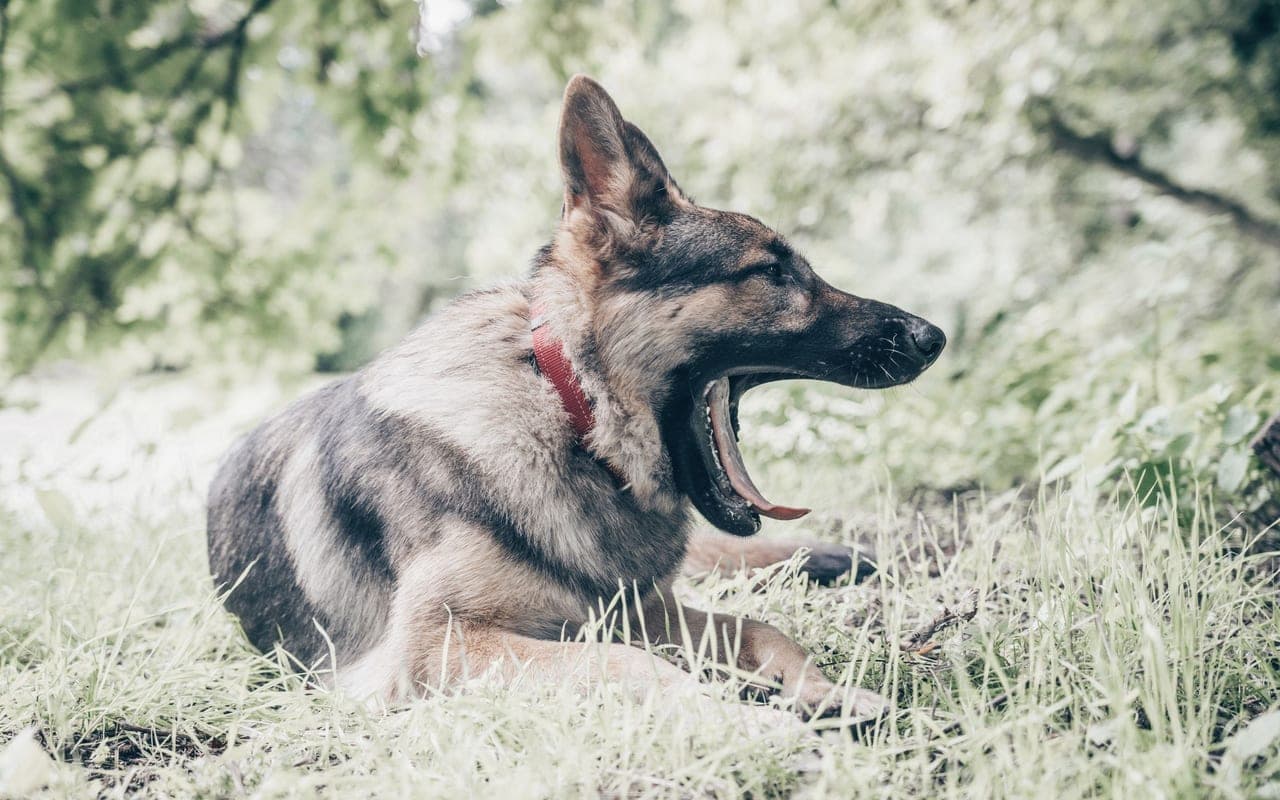
German Shepherd
Also in the Herding group, with different care and temperament tradeoffs.
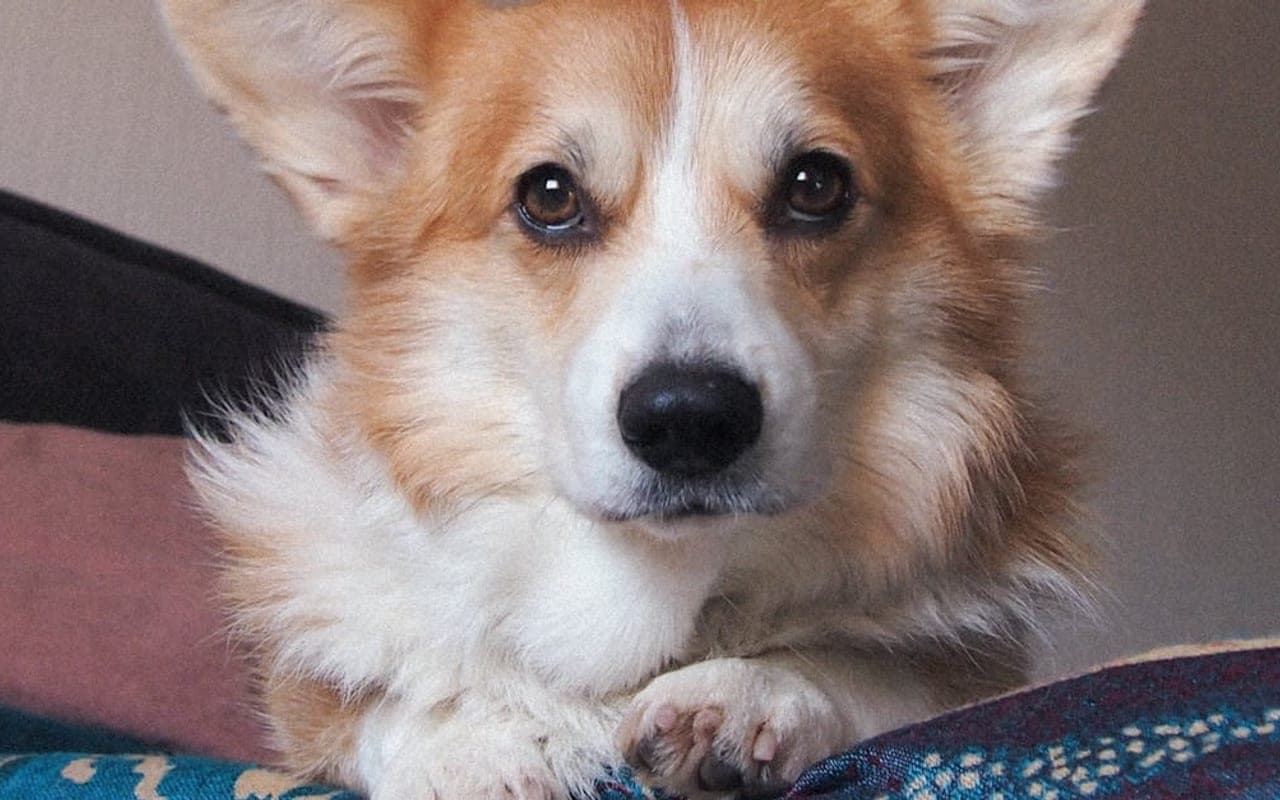
Pembroke Welsh Corgi
Also in the Herding group, with different care and temperament tradeoffs.
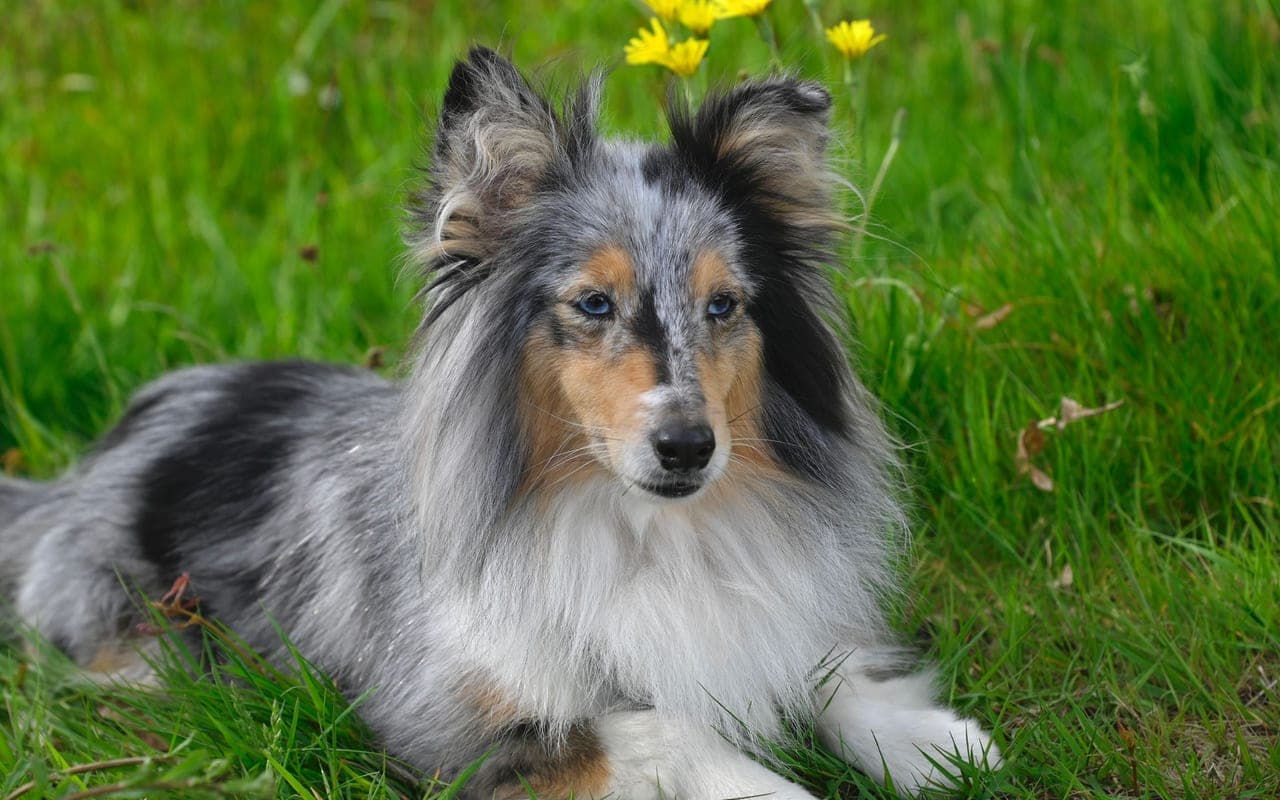
Shetland Sheepdog
Also in the Herding group, with different care and temperament tradeoffs.
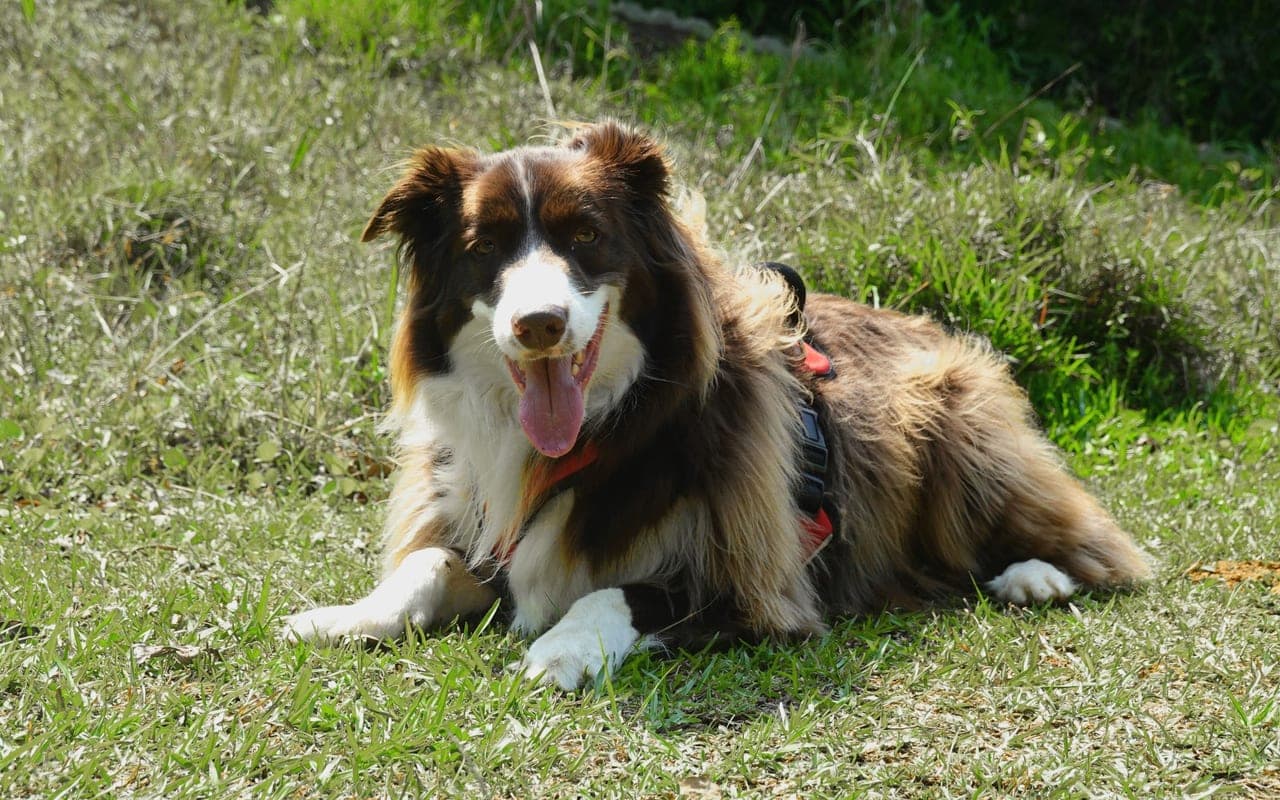
Border Collie
Also in the Herding group, with different care and temperament tradeoffs.
Explore More About Belgian Tervuren
Dive deeper into everything Belgian Tervuren — costs, care, and expert insights.
Considering a cat instead?
Browse Cats