
Herding group
Bergamasco Sheepdog
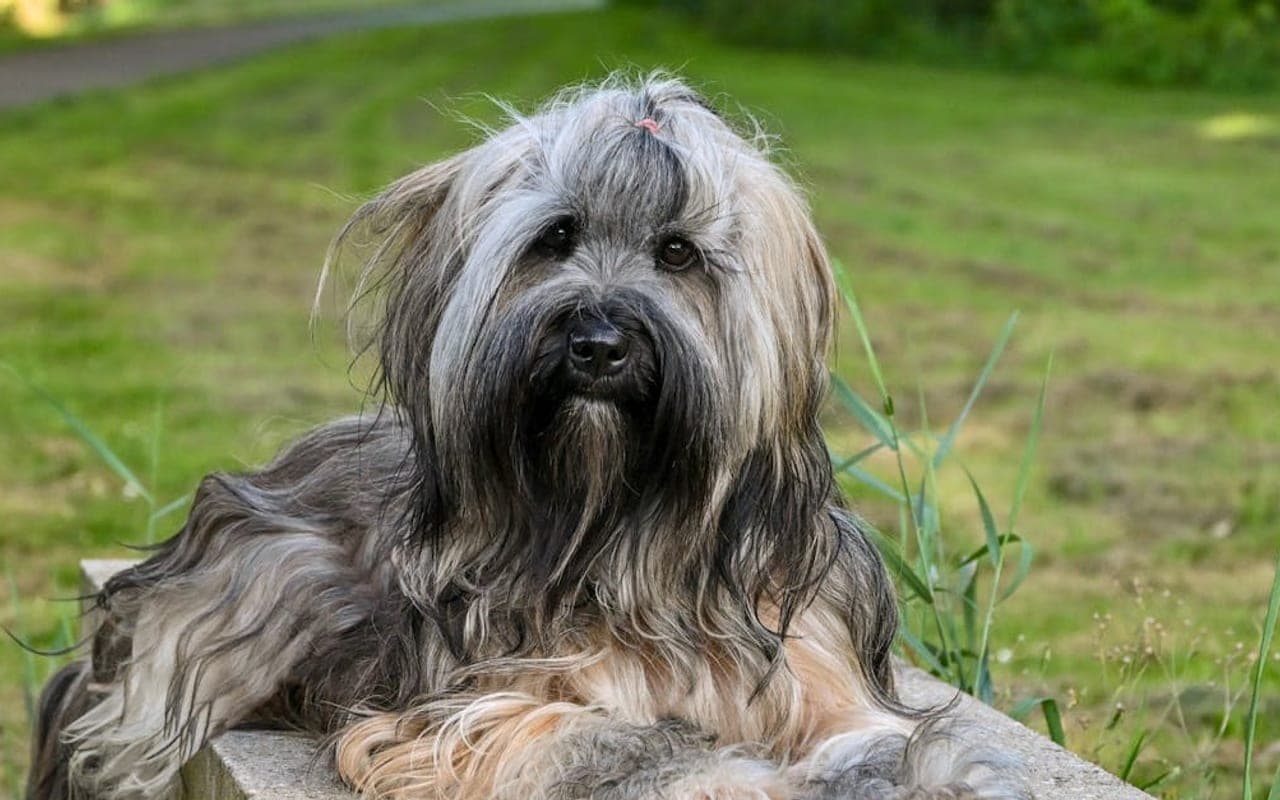
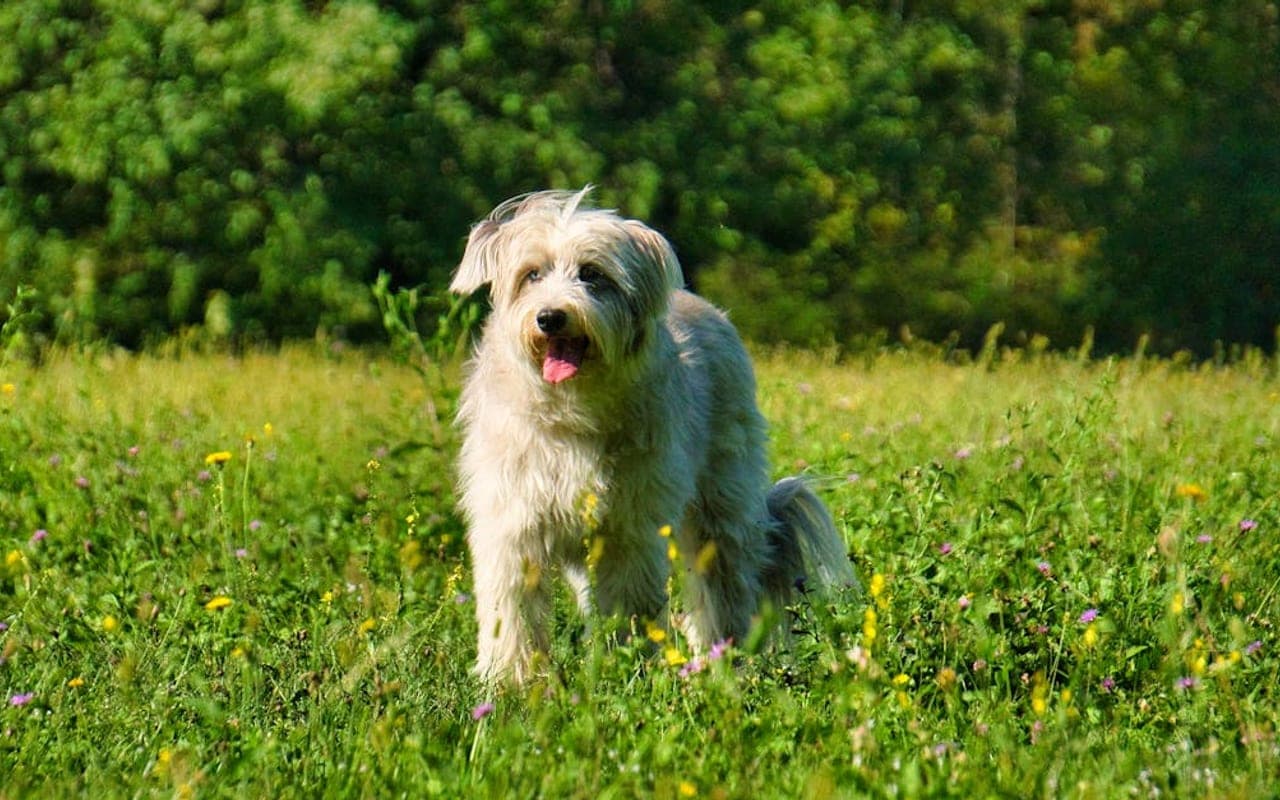
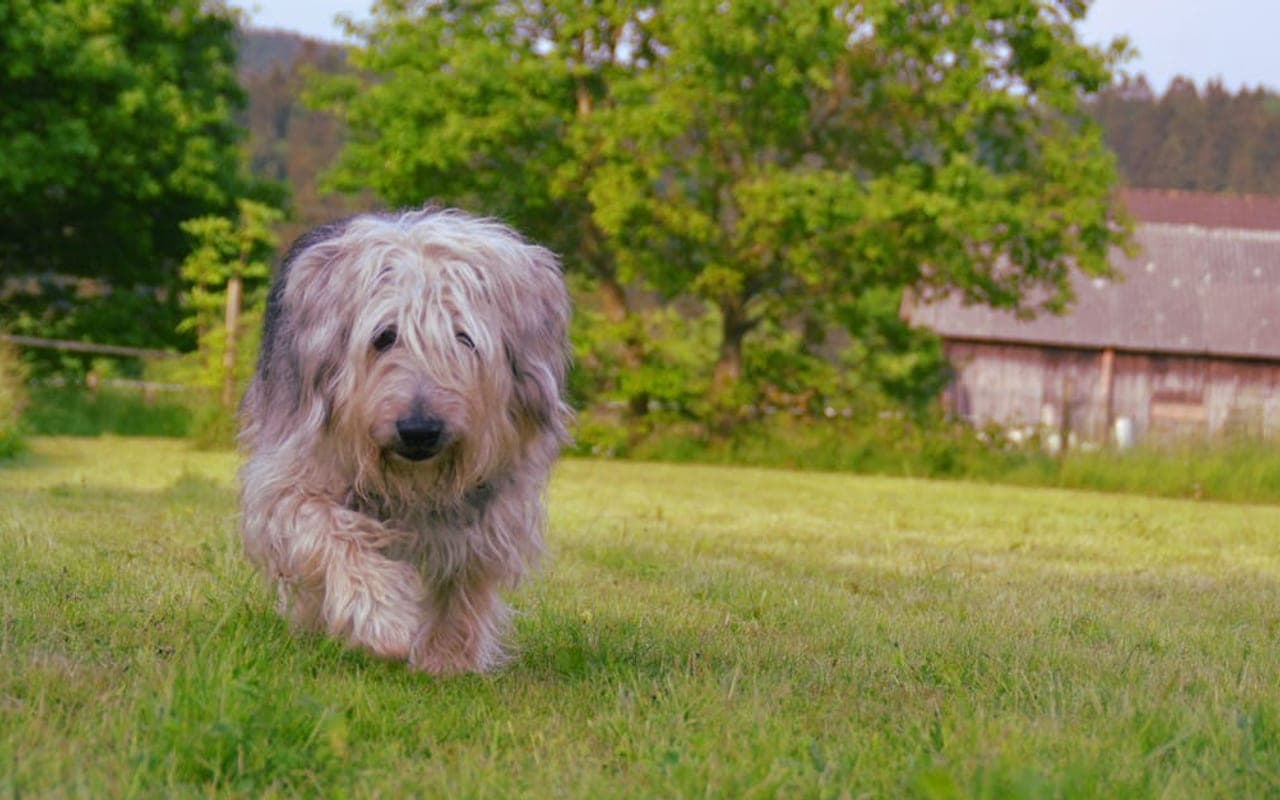
The Bergamasco Sheepdog is an ancient Italian flock-guarding and herding breed from the Alps near Bergamo, and the entire breed is organized around one extraordinary feature: its coat.
Size
57-84 lb
Lifespan
13-15 years
Exercise
30-60 minutes
Shedding
Moderate
Experience
Match to owner routine
Decision first
Is a Bergamasco Sheepdog right for you?
Start with fit before history or trivia. These are ownership signals, not guarantees about any individual dog.
Best suited for
- Households with children.
- Homes with other compatible pets.
- Apartment homes with a consistent routine.
- Owners seeking a manageable daily exercise routine.
Think carefully if
- You need a dog with almost no daily routine.
- You cannot keep up with grooming and preventive care.
- The dog will spend most days alone without support.
Conditional fit
Apartment fit depends on exercise, enrichment, noise management, and outdoor access.
Daily reality
Bergamasco Sheepdog commitment snapshot
Daily exercise
30-60 minutes
Match activity to age, health, weather, and training goals.
Coat care
Moderate
Grooming needs vary by coat, shedding, and lifestyle.
Time alone
Needs planning
Most dogs need gradual alone-time conditioning and support.
Structured facts
Bergamasco Sheepdog at a glance
The measurements and traits that most affect day-to-day life with this breed.
Group
Herding
Weight
57-84 lb
Height
21-25 in
Lifespan
13-15 years
Temperament
Independent | Sociable | Intelligent
View all characteristics and methodology
Lifestyle fit
- Apartment suitability
- Likely fit
- Child friendliness
- Often good, with socialisation and supervision
- Other-pet fit
- Often compatible with careful introductions
Owner commitment
- Exercise
- 30-60 minutes
- Grooming
- Moderate
- Shedding
- Moderate
- Training
- Moderate
Environment and health
- Health risk
- Needs planning
Ratings combine structured breed data, visible breed fields, and editorial context. They are planning aids, not predictions for an individual dog.
Daily life
Bergamasco Sheepdog temperament and behavior
The Bergamasco Sheepdog is an ancient Italian flock-guarding and herding breed from the Alps near Bergamo, and the entire breed is organized around one extraordinary feature: its coat. The Bergamasco grows hair in three distinct textures that naturally weave together into flat felted mats called 'flocks' covering the body and legs — a living suit of armor that protected the dog from alpine cold and predators. It is a large, substantial dog of roughly 57-84 lbs standing 22-24 inches, but the coat makes it look bigger than it is. The coat is the deciding factor for any prospective owner, and it is widely misunderstood in both directions. It is not high-maintenance like a Poodle — a mature flocked coat is largely wash-and-air-dry and does not need brushing. But the flocks must be hand-separated ('ripped') by the owner over many hours during the first 1-2 years as the coat forms, and a wet Bergamasco takes a very long time to dry. Get this wrong and the coat mats into a solid pelt. Temperament is excellent and steady: intelligent, independent, sociable, deeply devoted to family, calm indoors, and patient. As a guardian-herder it is watchful and wary of strangers until introduced, problem-solving rather than blindly obedient, and gentle with children and other animals it knows. It is aggressive only as a last resort. Who the Bergamasco is right for: an owner who understands and wants the flocked coat, can give a large dog moderate daily exercise and a job for its mind, and values a calm, loyal, independent guardian over a snappy-obedient sport dog. Who it is wrong for: anyone expecting a low-effort or fast-drying coat, novice owners wanting instant biddability, or anyone unprepared for the deep-chested bloat risk and the scarcity (waitlists are common). Decide on the coat first; the temperament is the easy part.
Independent | Sociable | Intelligent
Independent
A common Bergamasco Sheepdog temperament descriptor that should be interpreted alongside training, exercise, and household fit.
Sociable
A common Bergamasco Sheepdog temperament descriptor that should be interpreted alongside training, exercise, and household fit.
Intelligent
A common Bergamasco Sheepdog temperament descriptor that should be interpreted alongside training, exercise, and household fit.
Owner note
Temperament labels are starting points, not guarantees. Meet the individual dog and ask about behavior history whenever possible.
Care essentials
How to care for a Bergamasco Sheepdog
What looking after one actually involves: exercise, grooming, food, training, and routine health.
ExerciseAs needed
- Moderately active breed needing 30-60 minutes of daily exercise through walks, play, and mental stimulation.
GroomingAs needed
- Regular grooming needed — brush 2-3 times per week and bathe monthly.
TrainingAs needed
- Moderately trainable — consistent, patient training with positive methods works best.
NutritionAs needed
- Feed a high-quality dog food appropriate for their age, size, and activity level. Monitor portions to prevent obesity.
Veterinary CareAs needed
- Annual wellness exams, core vaccinations, dental care, and parasite prevention. Breed-specific health screenings as recommended by your vet.
Health planning
Bergamasco Sheepdog health risks and screening
Every breed has individual health variation. Use this profile for planning and discuss medical decisions with a veterinarian.
Responsible ownership
Finding a Bergamasco Sheepdog responsibly
What to ask a breeder or rescue is the same conversation for every breed, so we keep it in one place and keep it current.
Health documentation, meeting the parents or foster, contracts and return support, and the warning signs worth walking away from.
Original purpose
Bergamasco Sheepdog history
History is useful when it explains today's behavior, coat, exercise needs, and training style.
Read the breed history
The Bergamasco Sheepdog is one of the ancient European flock dogs, developed over roughly 2,000 years in the Italian Alps around the city of Bergamo, where shepherds needed a dog that could both herd and guard large flocks of sheep across harsh mountain terrain through brutal winters. The breed's defining flocked coat is a direct functional adaptation: the felted layers insulated the dog against alpine cold and gave physical protection against wolves and other predators during guarding work. The Bergamasco worked alongside shepherds for centuries as an independent decision-maker — herding when needed, guarding when threatened, and otherwise managing the flock with minimal direction, which is why the modern dog is intelligent, watchful, and biddable on its own terms rather than blindly obedient. The breed nearly disappeared after the decline of wool production and alpine shepherding in the mid-20th century and was preserved largely through the dedicated effort of a single Italian breeder. It remains rare worldwide, which is why acquiring one typically means a waitlist and limited choice of litters.
Gallery
Bergamasco Sheepdog photos
Images are cropped consistently and loaded progressively to keep the page responsive.
Lower-page context
Bergamasco Sheepdogs in culture
Where the breed shows up in film, sport, work and folklore — the enjoyable part, once the practical questions are answered.
Fun facts
- The Bergamasco Sheepdog belongs to the Herding Group.
- With proper care, Bergamasco Sheepdog dogs can live up to 15 years or more.
- Bergamasco Sheepdog dogs are valued for their independent, sociable, intelligent nature.
Bergamasco Sheepdog FAQs
Is the Bergamasco coat really low-maintenance?
Once mature, mostly yes — a set flocked coat needs no routine brushing and only occasional baths. But there are two big caveats owners underestimate. First, you must hand-separate the forming mats into flocks over many hours during the dog's first 1-2 years, or the coat fuses into a solid pelt. Second, a washed Bergamasco can take 24-48 hours to fully air-dry, and trapped damp causes skin problems. It is low-effort long-term but high-attention while the coat forms.
How long do Bergamasco Sheepdogs live and what should I screen for?
They typically live 13-15 years, which is long for a dog this size, and the breed is reasonably robust. The conditions worth checking are hip and elbow dysplasia (ask for the parents' OFA/CHIC results), progressive retinal atrophy via annual eye exams, and hypothyroidism. Because the North American population is small, formal CHIC participation is less widespread than in common breeds, so request whatever hip, eye, and cardiac screening records the breeder has directly.
Are Bergamascos good family dogs?
Yes — they are calm, patient, deeply devoted, and generally gentle with children and other animals they are raised with, and they bond strongly to the whole family rather than one person. As guardian-herders they are watchful and reserved with strangers until properly introduced, and aggressive only as a genuine last resort. They suit families who want a steady, protective companion and can provide a large dog with daily exercise, mental work, and the coat care the breed requires.
Why should I worry about bloat with this breed?
The Bergamasco is a large, deep-chested dog, and that conformation is the main risk factor for gastric dilatation-volvulus (GDV), where the stomach fills with gas and twists, cutting off blood supply. It can kill a healthy dog within hours and is a true emergency. Reduce risk with two smaller meals instead of one large one, no hard exercise for an hour around meals, and a conversation with your vet about a preventive gastropexy — for many large deep-chested breeds it is worth considering.
Are Bergamascos easy to train?
They are highly intelligent but independent thinkers, bred to make decisions alone while herding and guarding flocks. They learn quickly and want to please people they respect, but they question repetitive or pointless drilling and do not respond to harsh handling. Use early socialization, consistency, and reward-based training with a real purpose. They are biddable on their own terms — excellent for an owner who wants a thinking partner, frustrating for one expecting instant, mechanical obedience.
Why is the Bergamasco so hard to find?
The breed nearly died out when alpine shepherding declined in the mid-20th century, was rebuilt from a very small base, and remains rare worldwide. Practically, that means waitlists, limited choice of litters, and likely travel to acquire one. Use the wait to verify health screening: ask directly for the parents' hip, elbow, eye, and cardiac results, and make sure the breeder will coach you through the critical first-year coat-flocking process, because getting the coat wrong early is hard to undo.
Sources
These are the published sources this page draws on. Each opens in a new tab so you can check it yourself.
American Kennel Club
Bergamasco Sheepdog — breed standard and profile(opens in a new tab)Supports: Breed standard and recognition details.
Similar breeds to consider
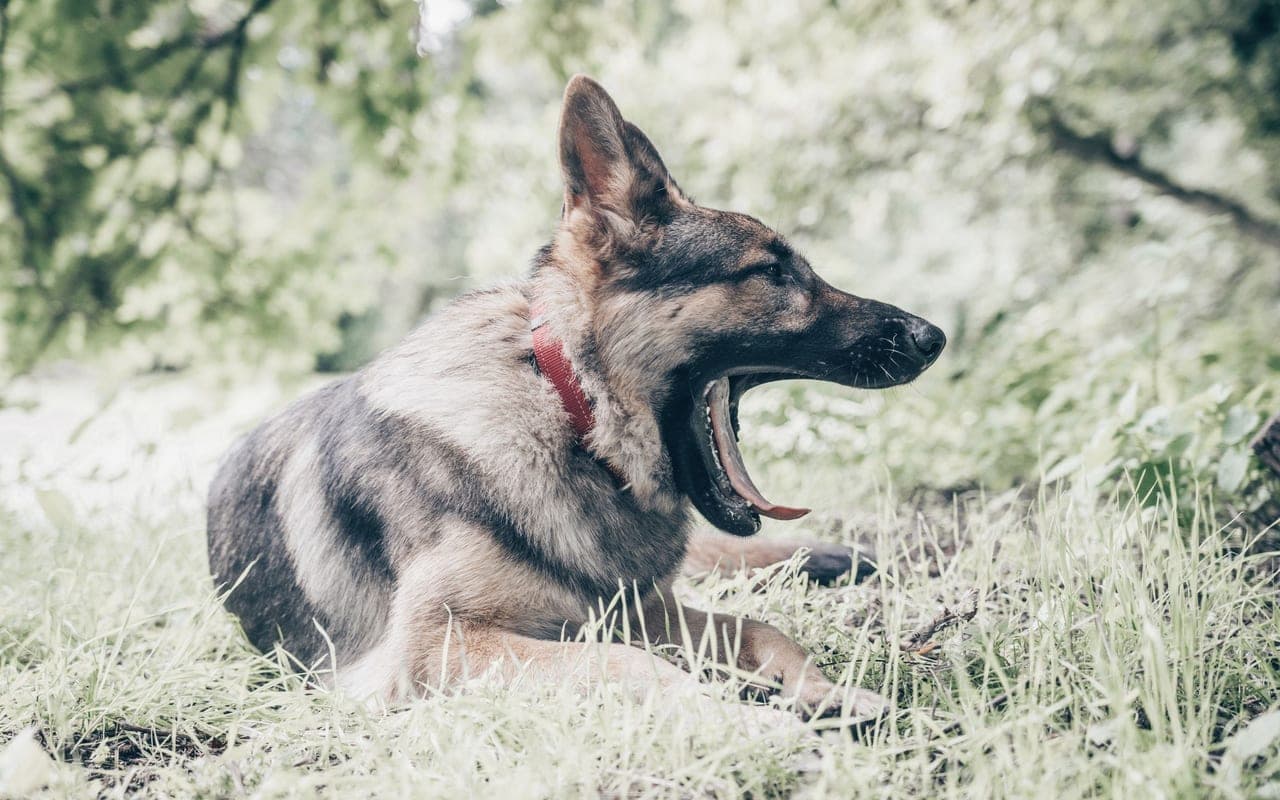
German Shepherd
Also in the Herding group, with different care and temperament tradeoffs.
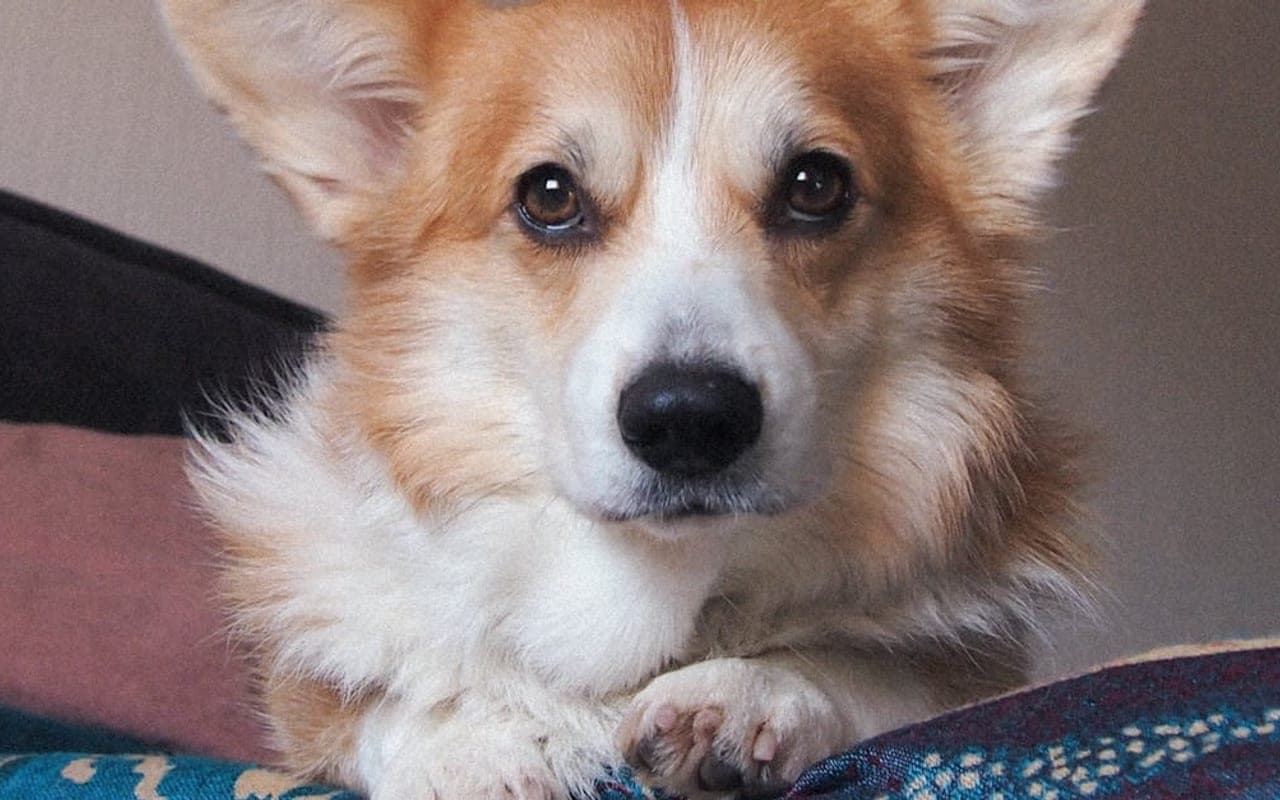
Pembroke Welsh Corgi
Also in the Herding group, with different care and temperament tradeoffs.
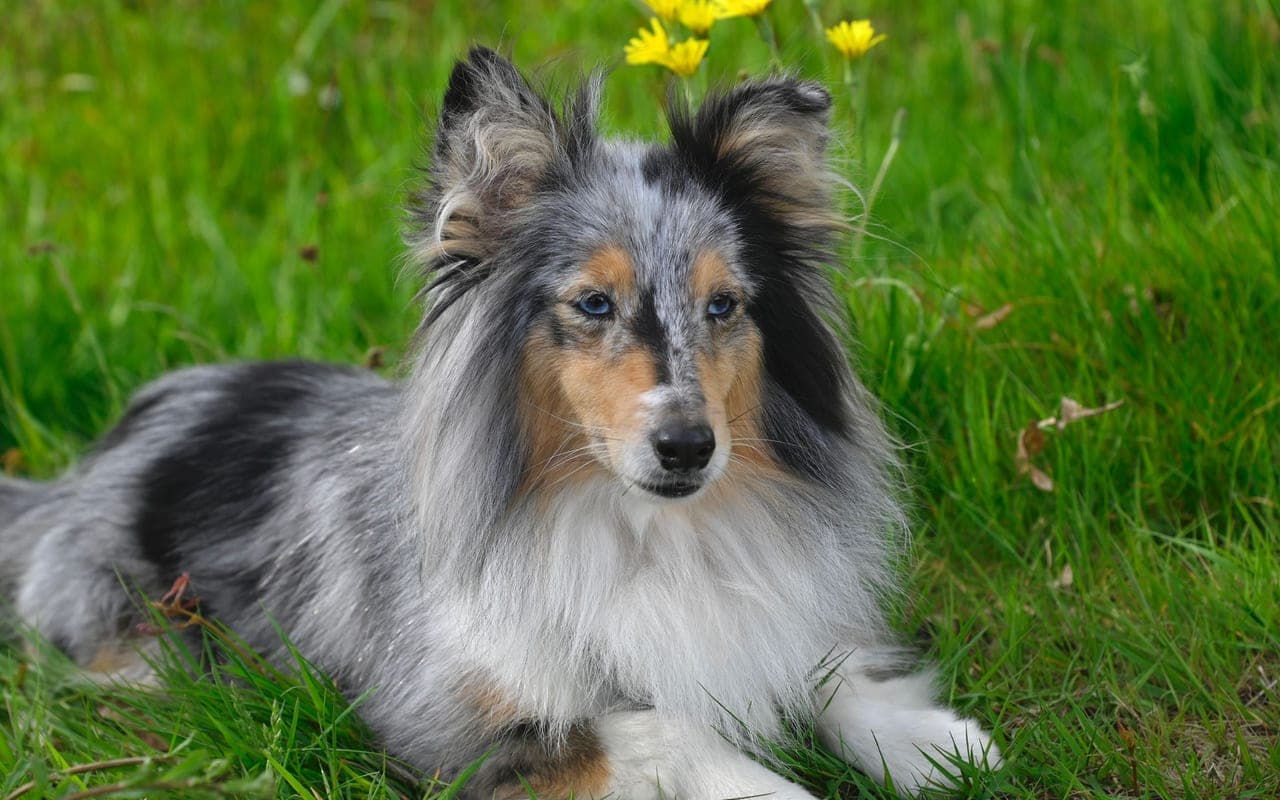
Shetland Sheepdog
Also in the Herding group, with different care and temperament tradeoffs.
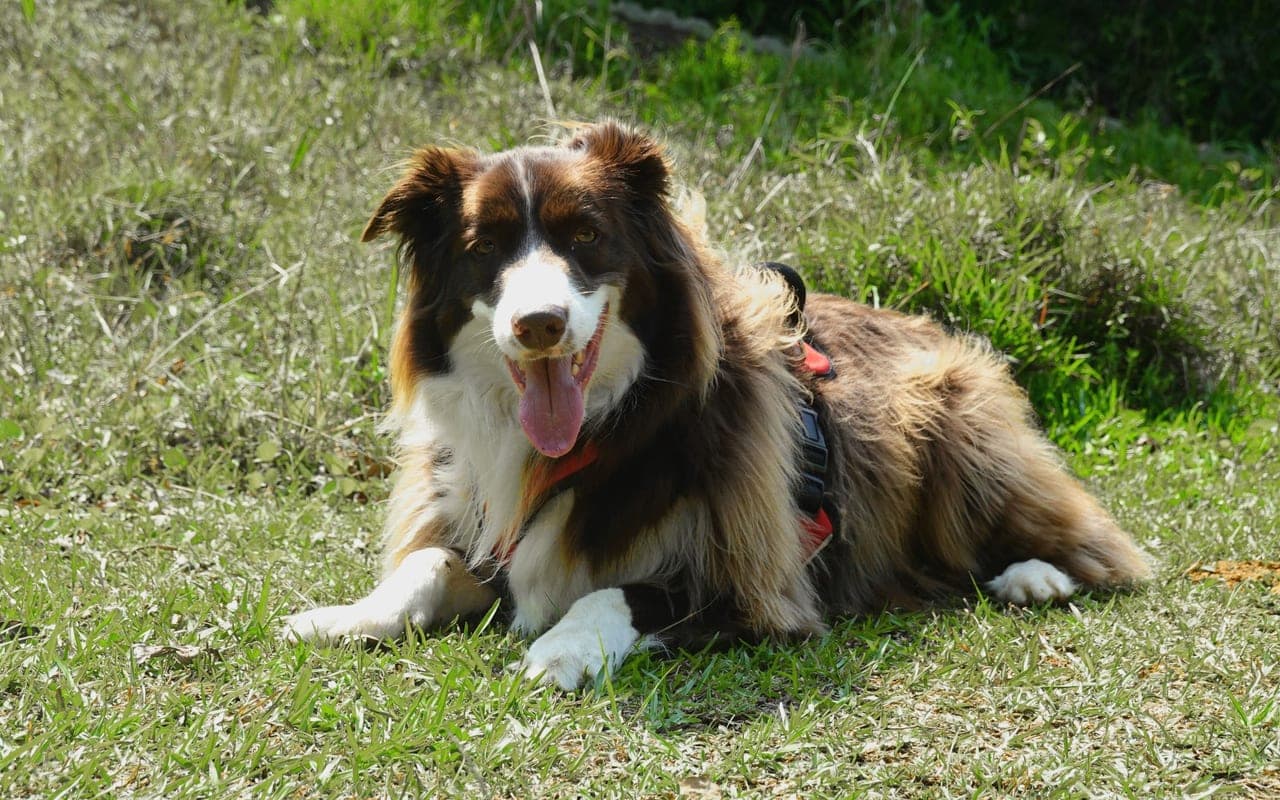
Border Collie
Also in the Herding group, with different care and temperament tradeoffs.
Explore More About Bergamasco Sheepdog
Dive deeper into everything Bergamasco Sheepdog — costs, care, and expert insights.
Considering a cat instead?
Browse Cats