
Herding group
Berger Picard
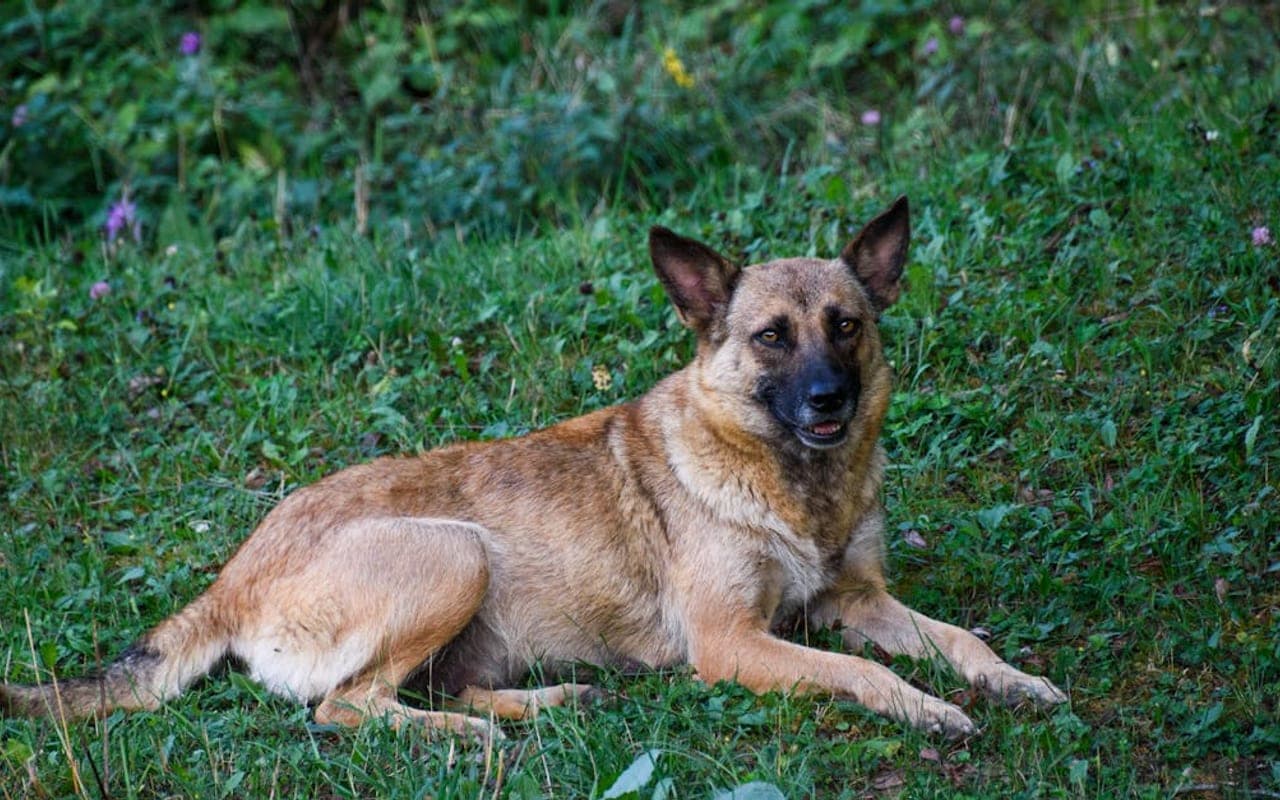
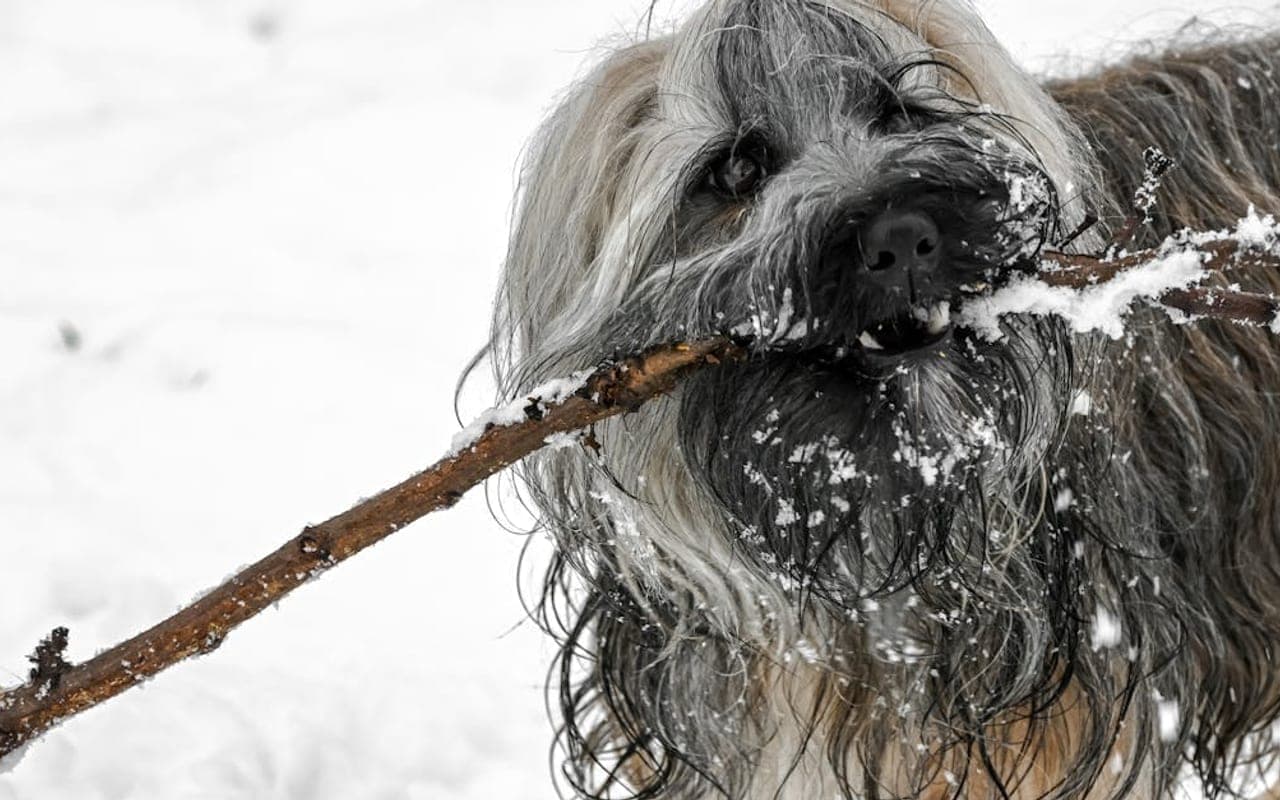
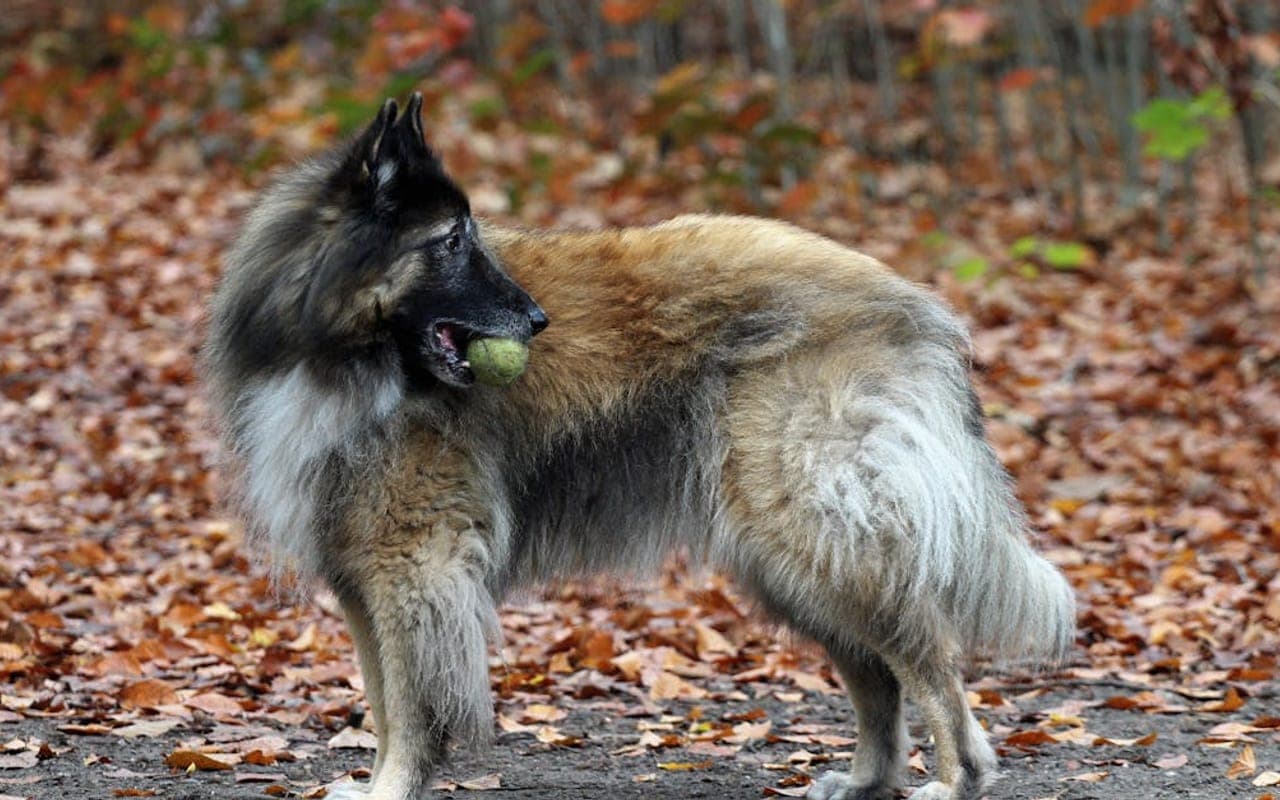
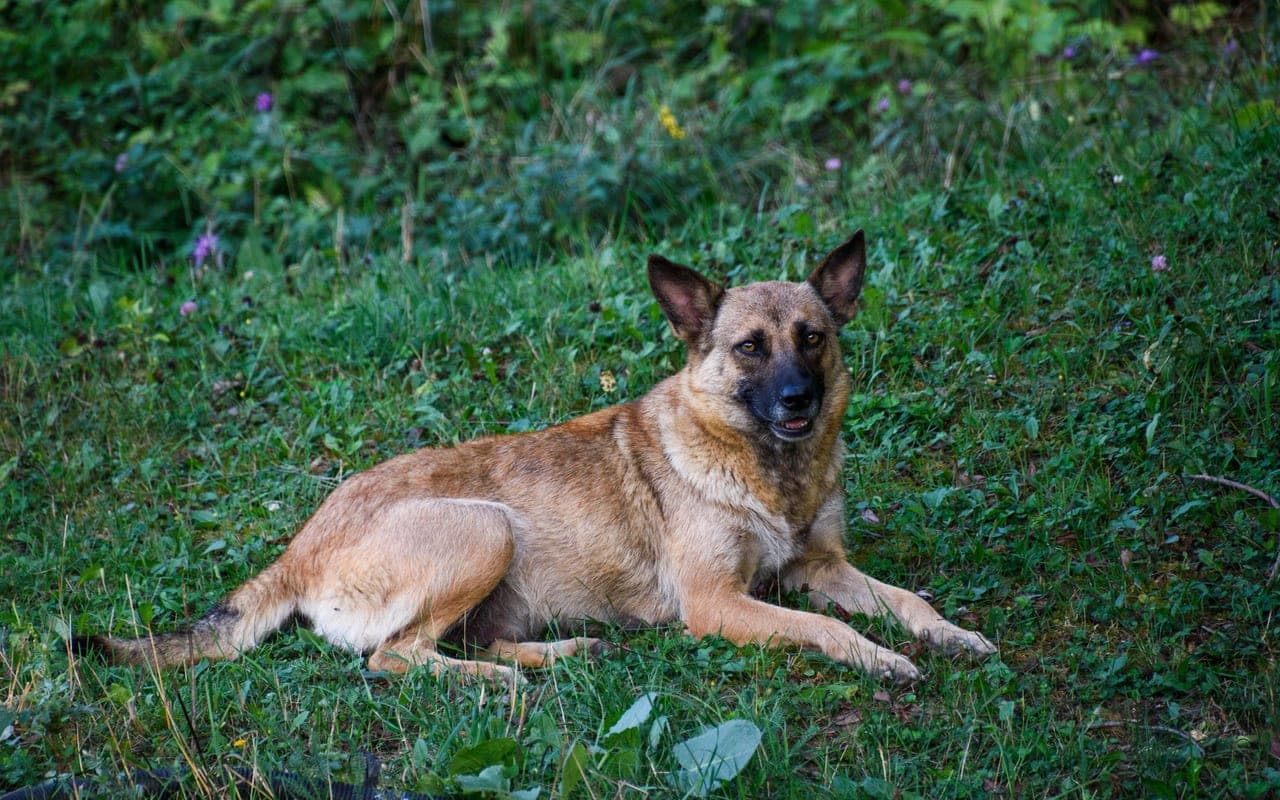
The Berger Picard (pronounced bare-ZHAY pee-CARR) is a rustic French herding dog of roughly 23 to 32 kg standing 53 to 65 cm at the shoulder, instantly identified by tall naturally erect ears, a tousled fawn or brindle weatherproof coat, shaggy eyebrows and beard, and a J-hook to the tail.
Size
51-71 lb
Lifespan
12-13 years
Exercise
20-40 minutes
Shedding
Moderate
Experience
Match to owner routine
Decision first
Is a Berger Picard right for you?
Start with fit before history or trivia. These are ownership signals, not guarantees about any individual dog.
Best suited for
- Households with children.
- Homes with other compatible pets.
- Apartment homes with a consistent routine.
- Owners seeking a manageable daily exercise routine.
Think carefully if
- You need a dog with almost no daily routine.
- You cannot keep up with grooming and preventive care.
- The dog will spend most days alone without support.
Conditional fit
Apartment fit depends on exercise, enrichment, noise management, and outdoor access.
Daily reality
Berger Picard commitment snapshot
Daily exercise
20-40 minutes
Match activity to age, health, weather, and training goals.
Coat care
Moderate
Grooming needs vary by coat, shedding, and lifestyle.
Time alone
Needs planning
Most dogs need gradual alone-time conditioning and support.
Structured facts
Berger Picard at a glance
The measurements and traits that most affect day-to-day life with this breed.
Group
Herding
Weight
51-71 lb
Height
22-26 in
Lifespan
12-13 years
Temperament
Loyal | Good-Natured | Observant
View all characteristics and methodology
Lifestyle fit
- Apartment suitability
- Likely fit
- Child friendliness
- Often good, with socialisation and supervision
- Other-pet fit
- Often compatible with careful introductions
Owner commitment
- Exercise
- 20-40 minutes
- Grooming
- Moderate
- Shedding
- Moderate
- Training
- Moderate
Environment and health
- Health risk
- Needs planning
Ratings combine structured breed data, visible breed fields, and editorial context. They are planning aids, not predictions for an individual dog.
Daily life
Berger Picard temperament and behavior
The Berger Picard (pronounced bare-ZHAY pee-CARR) is a rustic French herding dog of roughly 23 to 32 kg standing 53 to 65 cm at the shoulder, instantly identified by tall naturally erect ears, a tousled fawn or brindle weatherproof coat, shaggy eyebrows and beard, and a J-hook to the tail. It is a lean, lanky, sturdy working sheepdog — built for endurance and independent decision-making in open French farmland, not for the show ring — and that working heritage drives everything about living with one. The defining traits are intelligence, sensitivity, and independence. Picards are smart and capable but were bred to think and solve problems on their own while moving stock, so they are not a robotically obedient breed; they question, they have a stubborn streak, and they read their handler's mood acutely. They are deeply loyal and bond hard to their family, good-natured and observant, often reserved with strangers, and they need genuine daily exercise and mental work — a bored or under-exercised Picard becomes destructive, and that is the single most common reason these dogs end up rehomed. They are generally a moderate, manageable energy level for an active owner rather than a hyperactive breed, but the requirement for engagement is non-negotiable. The Berger Picard is right for an experienced, active owner who wants an intelligent, devoted, lower-shedding companion, will commit to early socialization and patient positive training, and can provide structured daily exercise plus a job to think about. It is the wrong dog for a first-time owner wanting an easy, biddable pet, for a sedentary household, or for anyone who will leave it isolated and unstimulated — its sensitivity and independence punish harsh or absentee handling. Decide on the training commitment and engagement budget first; this is a thinking dog that needs a thinking owner.
Loyal | Good-Natured | Observant
Loyal
A common Berger Picard temperament descriptor that should be interpreted alongside training, exercise, and household fit.
Good-Natured
A common Berger Picard temperament descriptor that should be interpreted alongside training, exercise, and household fit.
Observant
A common Berger Picard temperament descriptor that should be interpreted alongside training, exercise, and household fit.
Owner note
Temperament labels are starting points, not guarantees. Meet the individual dog and ask about behavior history whenever possible.
Care essentials
How to care for a Berger Picard
What looking after one actually involves: exercise, grooming, food, training, and routine health.
ExerciseAs needed
- Lower-energy breed that is content with daily walks and moderate play. Avoid over-exercising.
GroomingAs needed
- Regular grooming needed — brush 2-3 times per week and bathe monthly.
TrainingAs needed
- Moderately trainable — consistent, patient training with positive methods works best.
NutritionAs needed
- Feed a high-quality dog food appropriate for their age, size, and activity level. Monitor portions to prevent obesity.
Veterinary CareAs needed
- Annual wellness exams, core vaccinations, dental care, and parasite prevention. Breed-specific health screenings as recommended by your vet.
Health planning
Berger Picard health risks and screening
Every breed has individual health variation. Use this profile for planning and discuss medical decisions with a veterinarian.
Responsible ownership
Finding a Berger Picard responsibly
What to ask a breeder or rescue is the same conversation for every breed, so we keep it in one place and keep it current.
Health documentation, meeting the parents or foster, contracts and return support, and the warning signs worth walking away from.
Original purpose
Berger Picard history
History is useful when it explains today's behavior, coat, exercise needs, and training style.
Read the breed history
The Berger Picard (Picardy Shepherd) is one of France's oldest and rarest sheepdogs, taking its name from the Picardy region of northern France where it worked as a farm and herding dog for centuries, moving and guarding sheep and cattle. Its exact origins are undocumented, but it is generally considered an old continental herding type related in background to other northern French and Belgian shepherds, shaped by the practical demands of farm work rather than by the show fancy. The breed was nearly wiped out by the devastation of the two World Wars across its northern French heartland and survived only through the efforts of a small number of dedicated breeders rebuilding from limited stock. It remains uncommon worldwide; it gained wider public recognition partly through film appearances and was recognized by the American Kennel Club in 2015. Its long history as an independent, weather-hardy working farm sheepdog directly explains the modern dog's intelligence, problem-solving independence, sensitivity, strong family bond, watchful reserve with strangers, and genuine need for daily physical and mental work.
Gallery
Berger Picard photos
Images are cropped consistently and loaded progressively to keep the page responsive.
Lower-page context
Berger Picards in culture
Where the breed shows up in film, sport, work and folklore — the enjoyable part, once the practical questions are answered.
Fun facts
- The Berger Picard belongs to the Herding Group.
- The average lifespan of a Berger Picard is 12 to 13 years.
- Berger Picard dogs are valued for their loyal, good-natured, observant nature.
Berger Picard FAQs
How long do Berger Picard dogs live?
A healthy Berger Picard typically lives 12 to 13 years, a reasonable span for a medium-large herding breed. The factors most under an owner's control are joint health through lean body weight and screened parents for hip dysplasia, and eye health awareness given the breed's progressive retinal atrophy risk. A well-exercised, lean Picard from health-tested lines tends to stay sound and active well into its senior years.
Is the Berger Picard a good first dog?
Usually not. The Picard is intelligent but independent, sensitive, and stubborn — it questions instructions, disengages from repetitive drilling, and reacts badly to harsh handling. It needs an owner who can deliver consistent, patient, reward-based training, early broad socialization, and substantial daily mental and physical work. Experienced, active owners find it a deeply rewarding companion; first-time owners expecting an easy, biddable pet are frequently overwhelmed.
How much exercise does a Berger Picard need?
Plan on at least 60 minutes a day of real activity plus mental work — herding, hiking, jogging, agility, scent or trick training. The Picard is a working sheepdog whose herding brain needs a job; physical exercise alone without mental challenge is insufficient. An under-stimulated Picard reliably becomes destructive, and unmet exercise and engagement needs are the most common reason these dogs are surrendered.
Are Berger Picards good with children and other pets?
Generally yes with proper socialization — Picards are loyal, good-natured, and family-bonded, and well-raised individuals do well with respectful children and animals they grow up with. The realistic cautions are a herding instinct that can lead to nipping or circling moving children, and natural reserve with strangers. Early socialization, supervision around young kids, and redirecting herding behavior onto appropriate outlets keep interactions positive.
Do Berger Picards shed, and how much grooming do they need?
Grooming is genuinely low: the harsh, weatherproof double coat needs only a weekly brush (more during seasonal shed) and should not be trimmed or over-bathed, which would damage its protective texture. Shedding is modest rather than heavy, which suits owners wanting a relatively low-hair, wash-and-wear coat. The real maintenance budget for this breed is exercise and mental engagement time, not grooming.
What is the most important health issue to screen for in a Berger Picard?
Progressive retinal atrophy, an inherited eye disease the breed is prone to that causes gradual blindness starting with night-vision loss. Buy from a breeder whose stock has documented eye screening and, where available, DNA testing. Also confirm hip evaluations given the breed's hip dysplasia risk. Watching your own dog for early reluctance in dim light and seeking a veterinary ophthalmology exam promptly lets you adapt its environment before vision loss becomes dangerous.
Sources
These are the published sources this page draws on. Each opens in a new tab so you can check it yourself.
American Kennel Club
Berger Picard — breed standard and profile(opens in a new tab)Supports: Breed standard and recognition details.
Similar breeds to consider
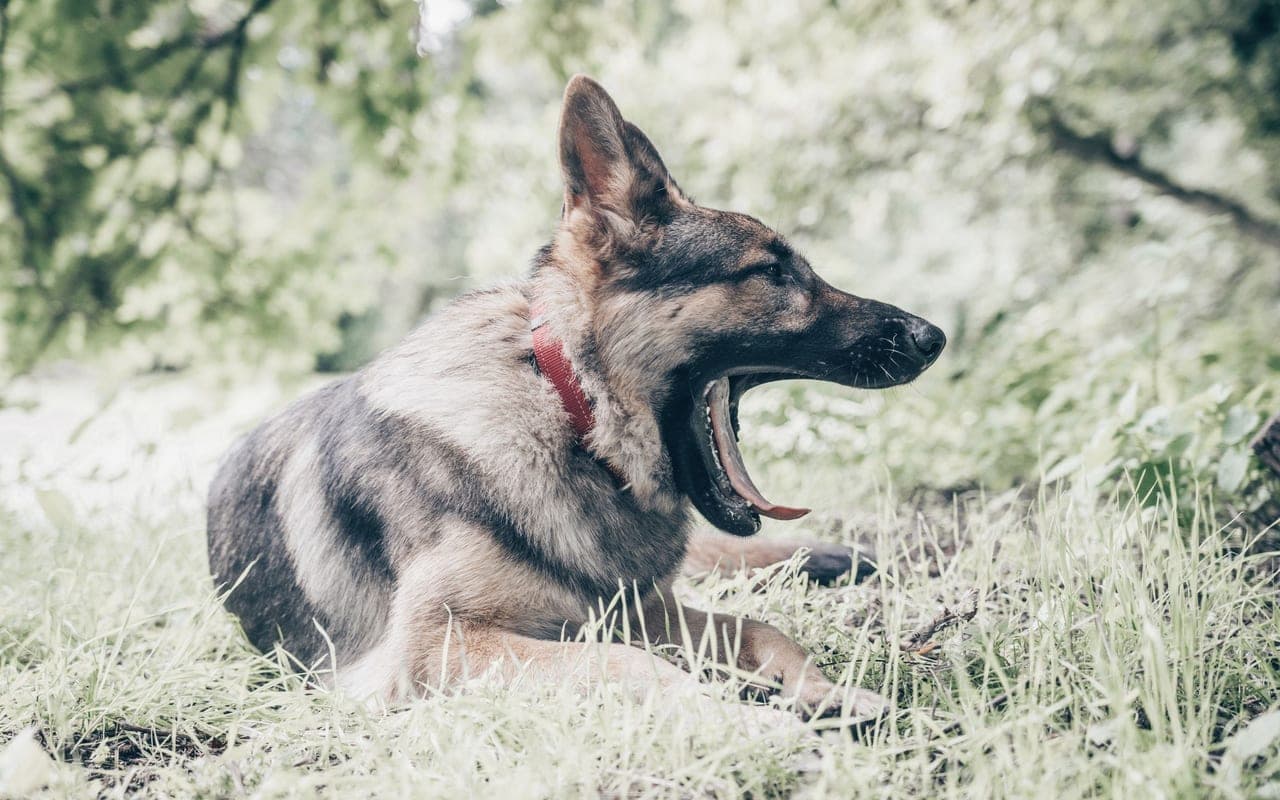
German Shepherd
Also in the Herding group, with different care and temperament tradeoffs.
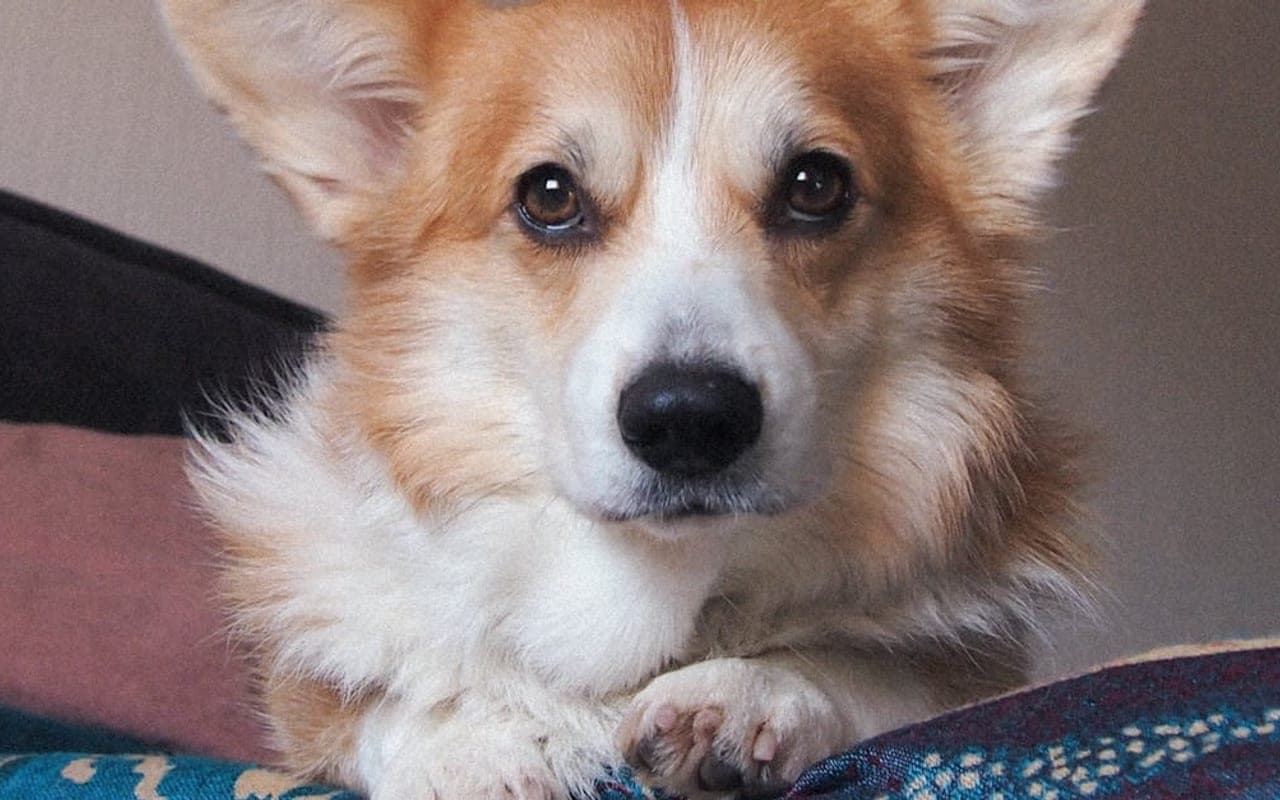
Pembroke Welsh Corgi
Also in the Herding group, with different care and temperament tradeoffs.
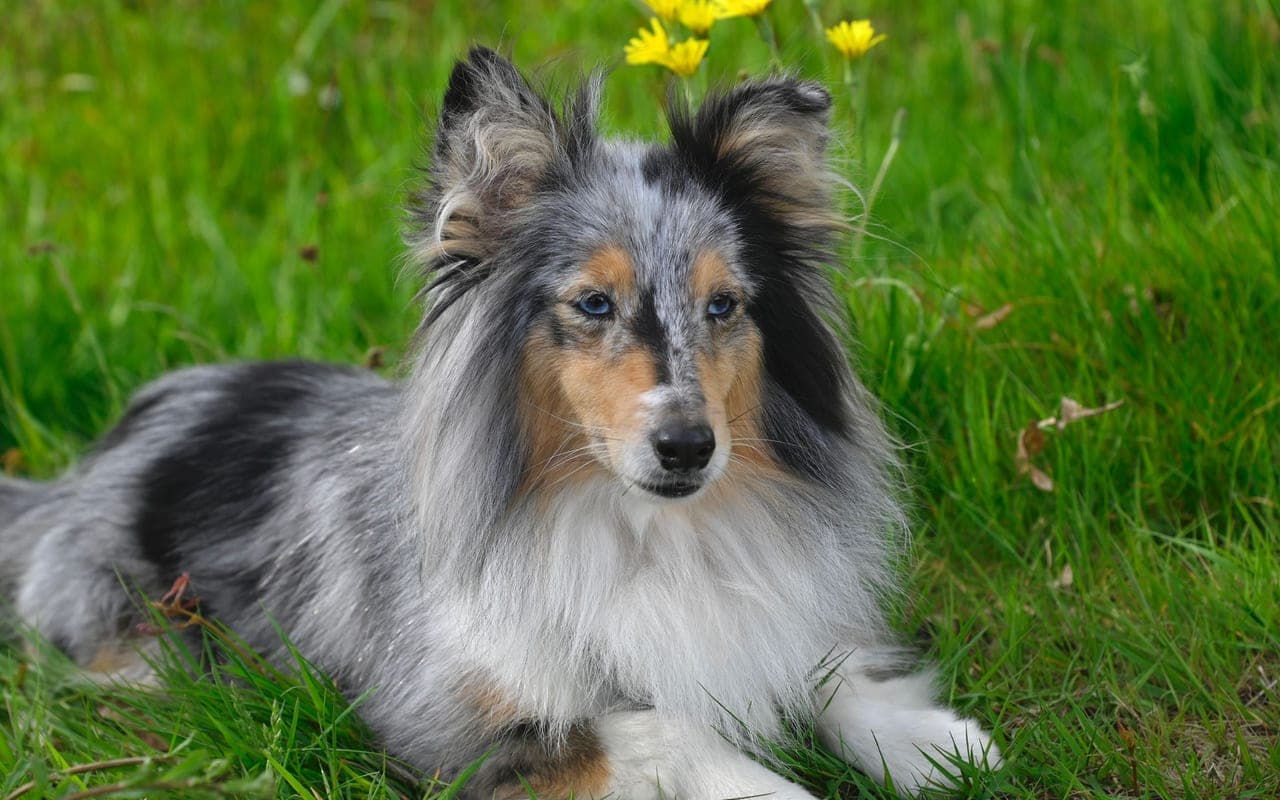
Shetland Sheepdog
Also in the Herding group, with different care and temperament tradeoffs.
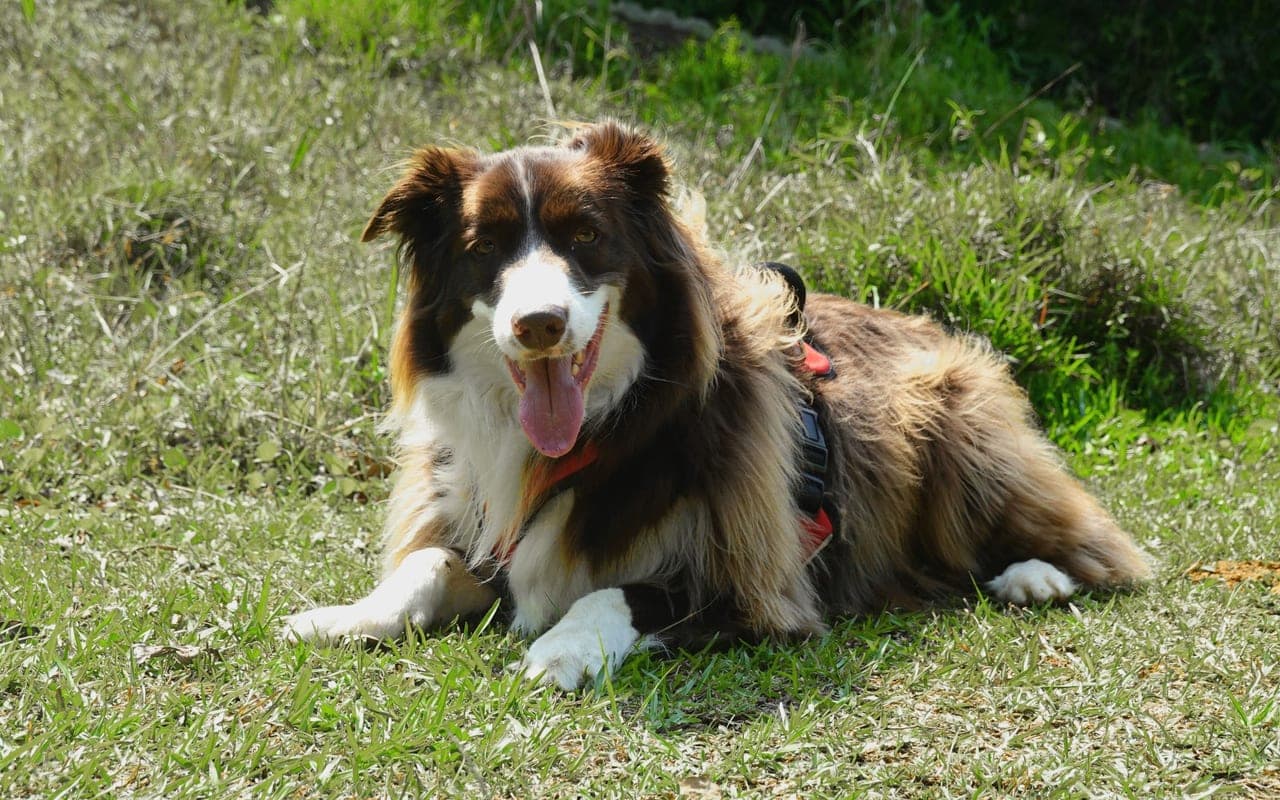
Border Collie
Also in the Herding group, with different care and temperament tradeoffs.
Explore More About Berger Picard
Dive deeper into everything Berger Picard — costs, care, and expert insights.
Considering a cat instead?
Browse Cats