
Toy group
Biewer Terrier
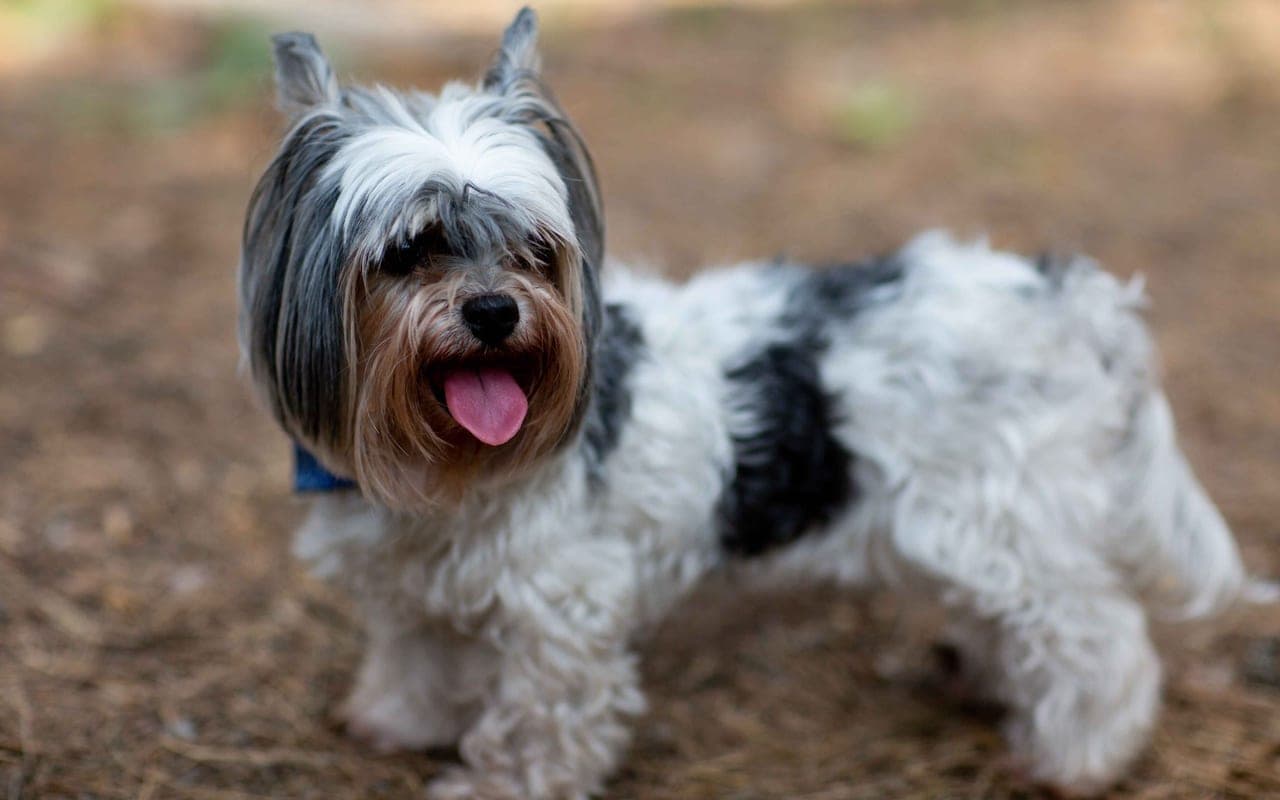
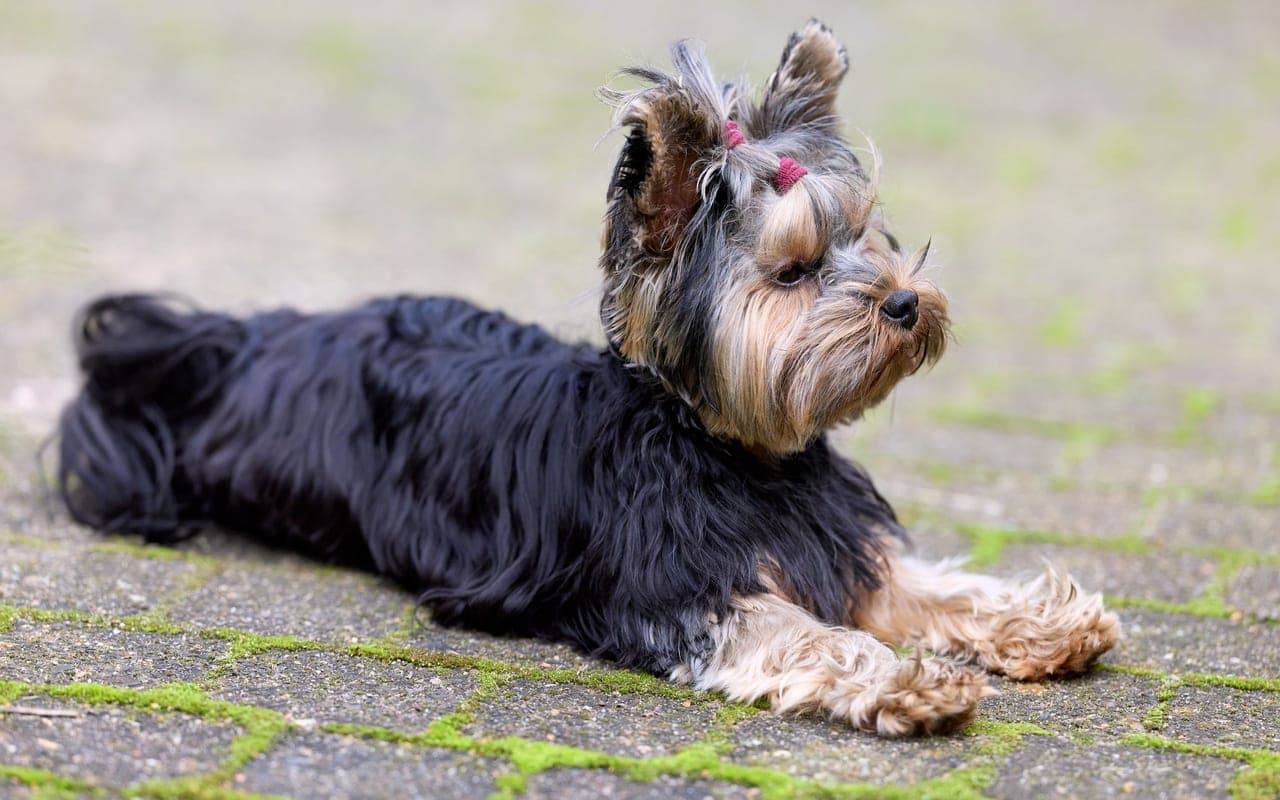
The Biewer Terrier (pronounced 'beaver') is a tiny tricolor toy terrier — typically 4-8 lb — that originated as a piebald color variation within Yorkshire Terriers and was developed into a distinct breed.


Size
4-8 lb
Lifespan
16 years
Exercise
30-60 minutes
Shedding
Moderate
Experience
Match to owner routine
Decision first
Is a Biewer Terrier right for you?
Start with fit before history or trivia. These are ownership signals, not guarantees about any individual dog.
Best suited for
- Apartment homes with a consistent routine.
- Owners seeking a manageable daily exercise routine.
Think carefully if
- You need a dog with almost no daily routine.
- You cannot keep up with grooming and preventive care.
- The dog will spend most days alone without support.
Conditional fit
Apartment fit depends on exercise, enrichment, noise management, and outdoor access.
Daily reality
Biewer Terrier commitment snapshot
Daily exercise
30-60 minutes
Match activity to age, health, weather, and training goals.
Coat care
Moderate
Grooming needs vary by coat, shedding, and lifestyle.
Time alone
Needs planning
Most dogs need gradual alone-time conditioning and support.
Structured facts
Biewer Terrier at a glance
The measurements and traits that most affect day-to-day life with this breed.
Group
Toy
Weight
4-8 lb
Height
7-11 in
Lifespan
16 years
Temperament
Intelligent | Devoted | Amusing
View all characteristics and methodology
Lifestyle fit
- Apartment suitability
- Likely fit
Owner commitment
- Exercise
- 30-60 minutes
- Grooming
- Moderate
- Shedding
- Moderate
- Training
- Low
Environment and health
- Health risk
- Needs planning
Ratings combine structured breed data, visible breed fields, and editorial context. They are planning aids, not predictions for an individual dog.
Daily life
Biewer Terrier temperament and behavior
The Biewer Terrier (pronounced 'beaver') is a tiny tricolor toy terrier — typically 4-8 lb — that originated as a piebald color variation within Yorkshire Terriers and was developed into a distinct breed. For a prospective owner, the honest framing is this: it is a long-coated lap companion with a terrier engine and a small-dog medical profile. It is not a fragile ornament and it is not a low-maintenance dog; it is a healthy-for-a-toy breed that comes with a very specific, manageable set of small-dog risks you should price in before you commit. Physically it is elegant and small, with a long, silky, single coat in white, black/blue, and tan/gold. That coat is the breed's signature and its biggest ongoing cost in time: kept long it tangles and mats and needs near-daily attention; many owners keep it in a short 'puppy cut' instead. A 16-year lifespan is realistic — toy breeds from sound lines are long-lived, and the Biewer is generally a robust small dog. Temperament is the appeal. The Biewer is bright, devoted, playful, and notably good-natured for a terrier — described as a friend to everyone it meets, lighthearted, and whimsically childlike well into adulthood, while still being a useful little alarm-barker. It is athletic for its size and keeps up on real walks and even agility. The trade-offs of small size are real: housebreaking can be slow, it can be injured by rough handling or a fall, and it is genuinely people-oriented and dislikes being left alone. Who the Biewer is right for: someone who wants an affectionate, portable, people-focused companion and will commit to the grooming, the dental care, and the supervision a 5-lb dog requires. Who it is wrong for: homes with very young or rough children, owners wanting a wash-and-go dog, and anyone away from home long hours.
Intelligent | Devoted | Amusing
Intelligent
A common Biewer Terrier temperament descriptor that should be interpreted alongside training, exercise, and household fit.
Devoted
A common Biewer Terrier temperament descriptor that should be interpreted alongside training, exercise, and household fit.
Amusing
A common Biewer Terrier temperament descriptor that should be interpreted alongside training, exercise, and household fit.
Owner note
Temperament labels are starting points, not guarantees. Meet the individual dog and ask about behavior history whenever possible.
Care essentials
How to care for a Biewer Terrier
What looking after one actually involves: exercise, grooming, food, training, and routine health.
ExerciseAs needed
- Moderately active breed needing 30-60 minutes of daily exercise through walks, play, and mental stimulation.
GroomingAs needed
- Regular grooming needed — brush 2-3 times per week and bathe monthly.
TrainingAs needed
- Independent-minded breed that may require extra patience in training. Short, engaging sessions recommended.
NutritionAs needed
- Feed a high-quality dog food appropriate for their age, size, and activity level. Monitor portions to prevent obesity.
Veterinary CareAs needed
- Annual wellness exams, core vaccinations, dental care, and parasite prevention. Breed-specific health screenings as recommended by your vet.
Health planning
Biewer Terrier health risks and screening
Every breed has individual health variation. Use this profile for planning and discuss medical decisions with a veterinarian.
Responsible ownership
Finding a Biewer Terrier responsibly
What to ask a breeder or rescue is the same conversation for every breed, so we keep it in one place and keep it current.
Health documentation, meeting the parents or foster, contracts and return support, and the warning signs worth walking away from.
Original purpose
Biewer Terrier history
History is useful when it explains today's behavior, coat, exercise needs, and training style.
Read the breed history
The Biewer Terrier traces to a single, documented origin: in 1984, German Yorkshire Terrier breeders Werner and Gertrud Biewer produced a puppy with a distinctive piebald (white-spotted) tricolor pattern, the result of a recessive gene present in their Yorkshire Terrier lines. They named the variation after themselves and worked to establish it as a separate type rather than a disqualified Yorkshire color. The breed developed a following in Germany, then in the United States, where dedicated breeders and the Biewer Terrier Club of America worked to standardize it and pursue formal recognition as a distinct breed rather than a Yorkshire variant. DNA studies were used to support its status as a separate breed. The American Kennel Club admitted the Biewer Terrier to the Foundation Stock Service and then to full recognition in the Toy Group. That recent, well-documented, club-driven history matters to a buyer in a practical way: because the breed is young and was built by health-conscious clubs, there is a clear, published health-testing protocol (the OFA/CHIC program endorsed by the parent club) covering eyes, patellas, and several DNA-tested conditions. Unlike old landrace breeds where 'health testing' is vague, with a Biewer you can and should ask a breeder for specific, verifiable CHIC results before you buy.
Gallery
Biewer Terrier photos
Images are cropped consistently and loaded progressively to keep the page responsive.
Lower-page context
Biewer Terriers in culture
Where the breed shows up in film, sport, work and folklore — the enjoyable part, once the practical questions are answered.
Fun facts
- The Biewer Terrier belongs to the Miscellaneous Class.
- With proper care, Biewer Terrier dogs can live up to 16 years or more.
- Biewer Terrier dogs are valued for their intelligent, devoted, amusing nature.
Biewer Terrier FAQs
How long do Biewer Terrier dogs live?
A Biewer Terrier typically lives around 16 years, which is long even for a toy breed and reflects a generally robust small dog from a young, health-screened gene pool. Lifespan is driven mostly by preventable factors: lifelong dental care (neglected periodontal disease genuinely shortens small-dog lives), keeping the dog lean, protecting it from fall and trauma injuries, and buying from a breeder with verifiable CHIC eye, patella, and DNA results. Well cared for, this is a long-lived companion.
Are Biewer Terrier dogs good with children?
Better with older, gentle children than with toddlers, and the reason is size, not temperament. The Biewer is friendly, playful, and good-natured — genuinely sociable for a terrier. But at 4-8 lb it can be seriously injured by being dropped, squeezed, fallen on, or stepped on, and rough handling can also make a small dog defensive. Families with calm, dog-savvy older kids do well; homes with very young children should supervise every interaction and teach safe handling first.
How much grooming does a Biewer Terrier need?
High if you keep the long coat, moderate if you don't. The full-length single coat tangles and mats and needs near-daily brushing and combing to the skin plus a bath every 1-2 weeks. Most pet owners instead use a professional 'puppy cut' every 6-8 weeks, which drops home brushing to a few times a week. Either way, factor in recurring professional grooming cost and a weekly check of ears, nails, and the long facial hair around the eyes.
How much exercise does a Biewer Terrier need?
Modest but real. Two short daily walks plus indoor play generally meet the need — roughly 20-40 minutes total. The Biewer is surprisingly athletic for its size and can enjoy longer walks, hikes at its own pace, and even agility, so it does not have to be sedentary. The practical caution is the opposite of most breeds: a small dog can overheat or tire on a route an owner considers short, so scale outings to the dog, not to your stride.
Are Biewer Terrier dogs easy to train and housebreak?
Training is moderate — they are intelligent and devoted and respond well to short, consistent, reward-based sessions, but they have a terrier independent streak. The realistic challenge is housebreaking: like most toy breeds, Biewers have small bladders and can be slow to house-train, so expect a longer timeline, a consistent schedule, and consider indoor pad training as a backup. Early socialization is important to keep the breed's natural friendliness and prevent small-dog reactivity.
Can a Biewer Terrier be left alone during the day?
Not comfortably for long stretches. The Biewer is strongly people-oriented and bonds closely with its family; left alone for full workdays it is prone to anxiety, nuisance barking, and stress behaviors. It is best suited to a household where someone is home much of the day or where a midday visit, walker, or daycare is arranged. Building independence and crate comfort from puppyhood helps, but this is not a breed that thrives on its own for nine hours.
Sources
These are the published sources this page draws on. Each opens in a new tab so you can check it yourself.
American Kennel Club
Biewer Terrier — breed standard and profile(opens in a new tab)Supports: Breed standard and recognition details.
Similar breeds to consider
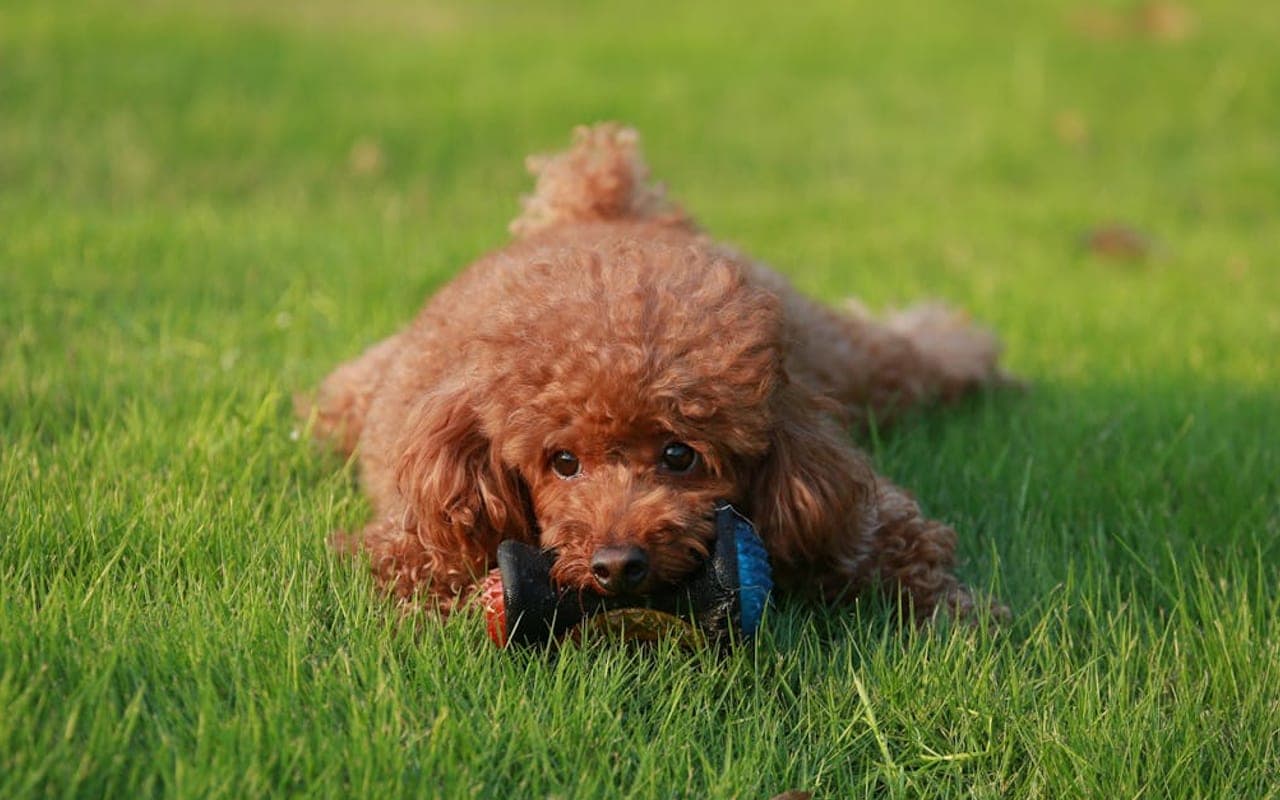
Poodle (Toy)
Also in the Toy group, with different care and temperament tradeoffs.

Yorkshire Terrier
Also in the Toy group, with different care and temperament tradeoffs.
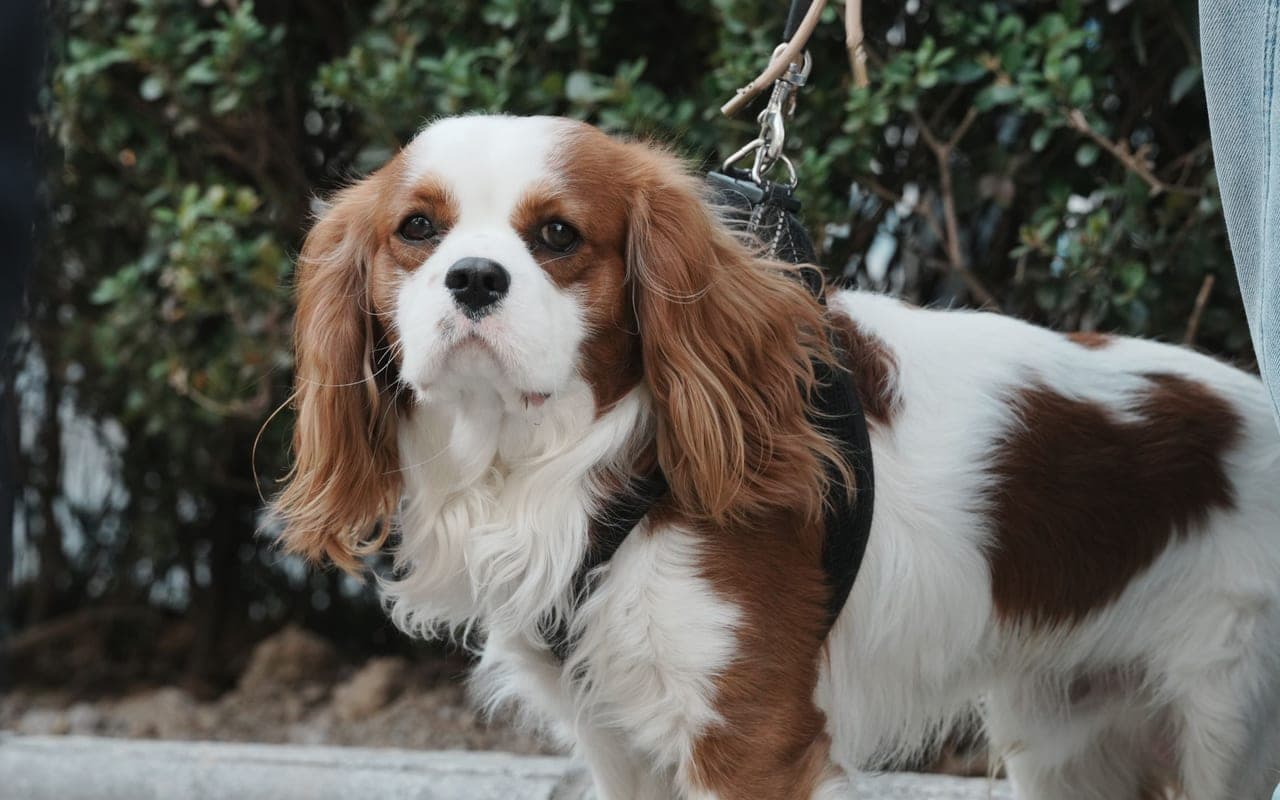
Cavalier King Charles Spaniel
Also in the Toy group, with different care and temperament tradeoffs.

Havanese
Also in the Toy group, with different care and temperament tradeoffs.
Explore More About Biewer Terrier
Dive deeper into everything Biewer Terrier — costs, care, and expert insights.
Considering a cat instead?
Browse Cats