
Working group
Black Russian Terrier
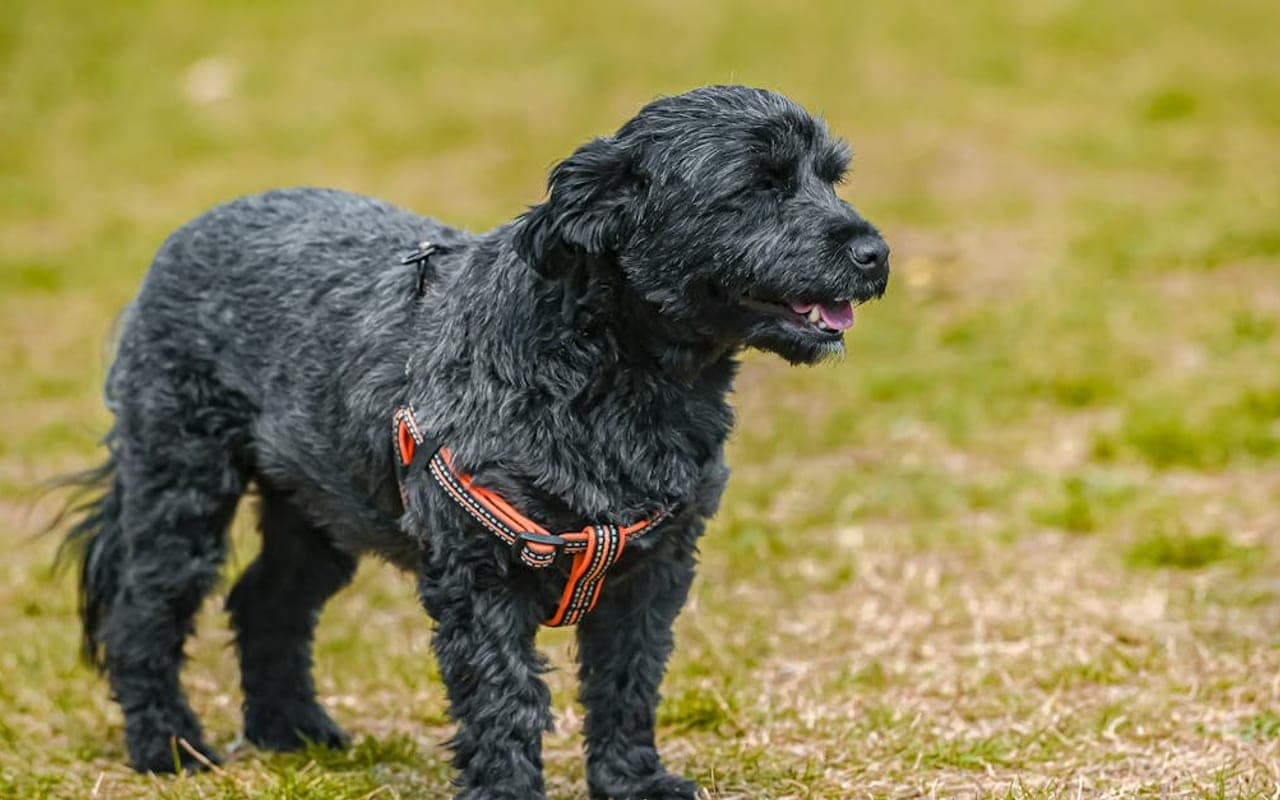
The Black Russian Terrier (BRT) is a large, powerful working guardian — despite the 'terrier' in the name it is not an earthdog at all, and the most consequential buyer mistake is treating it as a big terrier rather than as the serious protection breed it actually is.
Size
79-150 lb
Lifespan
10-12 years
Exercise
30-60 minutes
Shedding
Moderate
Experience
Match to owner routine
Decision first
Is a Black Russian Terrier right for you?
Start with fit before history or trivia. These are ownership signals, not guarantees about any individual dog.
Best suited for
- Households with children.
- Homes with other compatible pets.
- Apartment homes with a consistent routine.
- Owners seeking a manageable daily exercise routine.
Think carefully if
- You need a dog with almost no daily routine.
- You cannot keep up with grooming and preventive care.
- The dog will spend most days alone without support.
Conditional fit
Apartment fit depends on exercise, enrichment, noise management, and outdoor access.
Daily reality
Black Russian Terrier commitment snapshot
Daily exercise
30-60 minutes
Match activity to age, health, weather, and training goals.
Coat care
Moderate
Grooming needs vary by coat, shedding, and lifestyle.
Time alone
Needs planning
Most dogs need gradual alone-time conditioning and support.
Structured facts
Black Russian Terrier at a glance
The measurements and traits that most affect day-to-day life with this breed.
Group
Working
Weight
79-150 lb
Height
26-30 in
Lifespan
10-12 years
Temperament
Intelligent | Calm | Powerful
View all characteristics and methodology
Lifestyle fit
- Apartment suitability
- Likely fit
- Child friendliness
- Often good, with socialisation and supervision
- Other-pet fit
- Often compatible with careful introductions
Owner commitment
- Exercise
- 30-60 minutes
- Grooming
- Moderate
- Shedding
- Moderate
- Training
- Moderate
Environment and health
- Health risk
- Needs planning
Ratings combine structured breed data, visible breed fields, and editorial context. They are planning aids, not predictions for an individual dog.
Daily life
Black Russian Terrier temperament and behavior
The Black Russian Terrier (BRT) is a large, powerful working guardian — despite the 'terrier' in the name it is not an earthdog at all, and the most consequential buyer mistake is treating it as a big terrier rather than as the serious protection breed it actually is. Developed by the Soviet military, the BRT was engineered to be a robust, weather-hardy, intelligent guard dog, and that purpose drives everything about it: the size, the wariness with strangers, the strong bond to its handler, and the need for firm, knowledgeable leadership. Physically the BRT is imposing: males stand about 27-30 inches and can weigh 80-130+ pounds, with heavy bone, a large brick-shaped head, and a coarse, tousled, all-black double coat designed to withstand severe cold. The coat is low-shedding but high-maintenance, requiring regular brushing and professional trimming. The build is athletic and surprisingly nimble for the mass. Temperament is confident, calm, courageous, intelligent, and intensely loyal to its family, paired with natural aloofness and protective wariness toward strangers. A well-bred, well-socialized BRT is stable and discerning, not nervy or indiscriminately aggressive — but this is a guardian breed with real protective instinct that demands early, extensive socialization and consistent training to channel correctly. Who the Black Russian Terrier is right for: an experienced large-breed owner who wants a devoted family guardian, will commit to early socialization, ongoing training, substantial grooming, and the cost of a giant breed, and has the physical and financial capacity to manage a 100-pound protective dog responsibly. Who it is wrong for: first-time dog owners, passive or absentee households, people unprepared for grooming and giant-breed health costs, and anyone wanting a soft, universally friendly family pet. This is a powerful working dog first.
Intelligent | Calm | Powerful
Intelligent
A common Black Russian Terrier temperament descriptor that should be interpreted alongside training, exercise, and household fit.
Calm
A common Black Russian Terrier temperament descriptor that should be interpreted alongside training, exercise, and household fit.
Powerful
A common Black Russian Terrier temperament descriptor that should be interpreted alongside training, exercise, and household fit.
Owner note
Temperament labels are starting points, not guarantees. Meet the individual dog and ask about behavior history whenever possible.
Care essentials
How to care for a Black Russian Terrier
What looking after one actually involves: exercise, grooming, food, training, and routine health.
ExerciseAs needed
- Moderately active breed needing 30-60 minutes of daily exercise through walks, play, and mental stimulation.
GroomingAs needed
- Regular grooming needed — brush 2-3 times per week and bathe monthly.
TrainingAs needed
- Moderately trainable — consistent, patient training with positive methods works best.
NutritionAs needed
- Feed a high-quality dog food appropriate for their age, size, and activity level. Monitor portions to prevent obesity.
Veterinary CareAs needed
- Annual wellness exams, core vaccinations, dental care, and parasite prevention. Breed-specific health screenings as recommended by your vet.
Health planning
Black Russian Terrier health risks and screening
Every breed has individual health variation. Use this profile for planning and discuss medical decisions with a veterinarian.
Responsible ownership
Finding a Black Russian Terrier responsibly
What to ask a breeder or rescue is the same conversation for every breed, so we keep it in one place and keep it current.
Health documentation, meeting the parents or foster, contracts and return support, and the warning signs worth walking away from.
Original purpose
Black Russian Terrier history
History is useful when it explains today's behavior, coat, exercise needs, and training style.
Read the breed history
The Black Russian Terrier was created in the Soviet Union in the mid-20th century at the state-run Red Star Kennel, established by the military to develop a hardy working dog suited to harsh Russian conditions. Starting largely after World War II, breeders crossed roughly a dozen-plus breeds — including the Giant Schnauzer, Airedale Terrier, Rottweiler, Newfoundland, and Caucasian Shepherd among others — selecting for size, strength, cold tolerance, trainability, and a stable but protective temperament for guard and military duty. The goal was a single robust dog that could patrol, guard, and work in extreme climates. The breed was refined and stabilized over following decades, and as dogs entered civilian ownership it transitioned into a family guardian and companion while retaining its protective instincts. International and AKC recognition followed (AKC recognition in 2004). Its deliberate engineering as a military guardian is exactly why the modern BRT is large, weatherproof, intensely loyal, and naturally wary of strangers.
Gallery
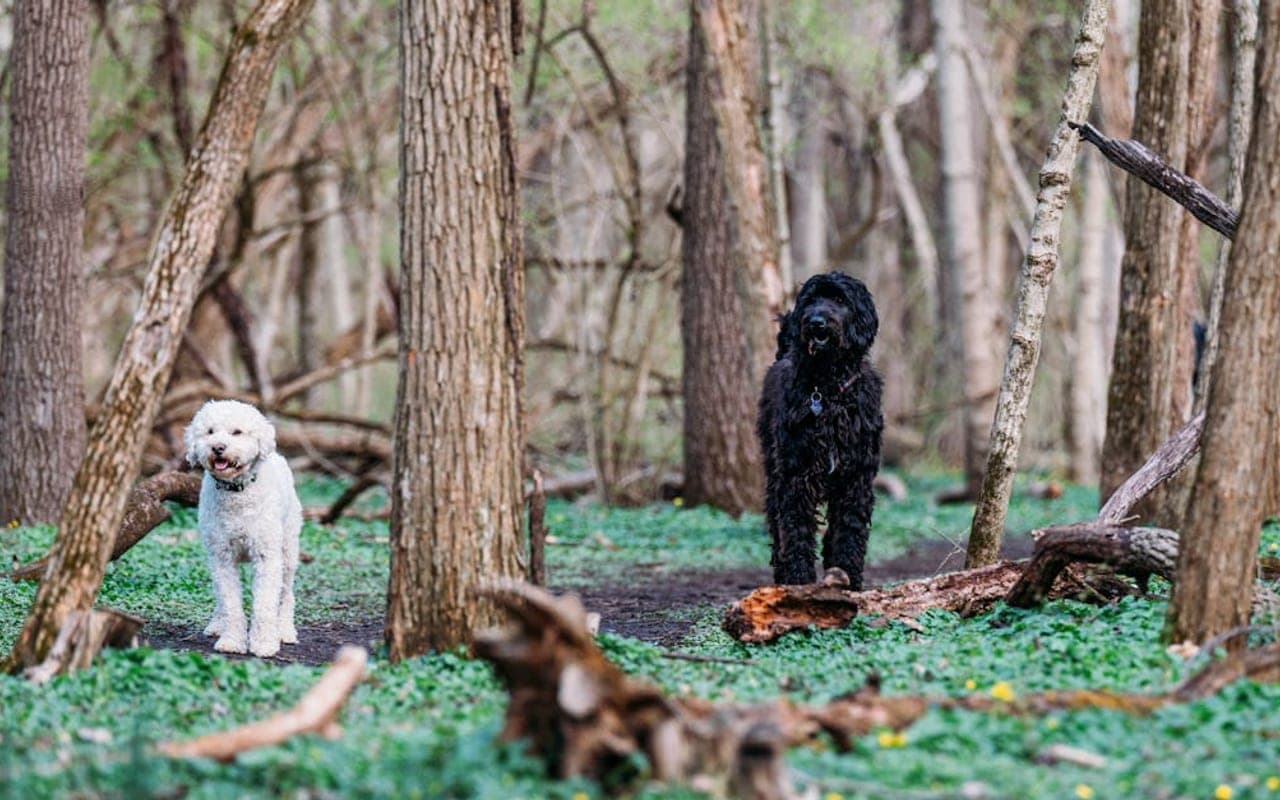
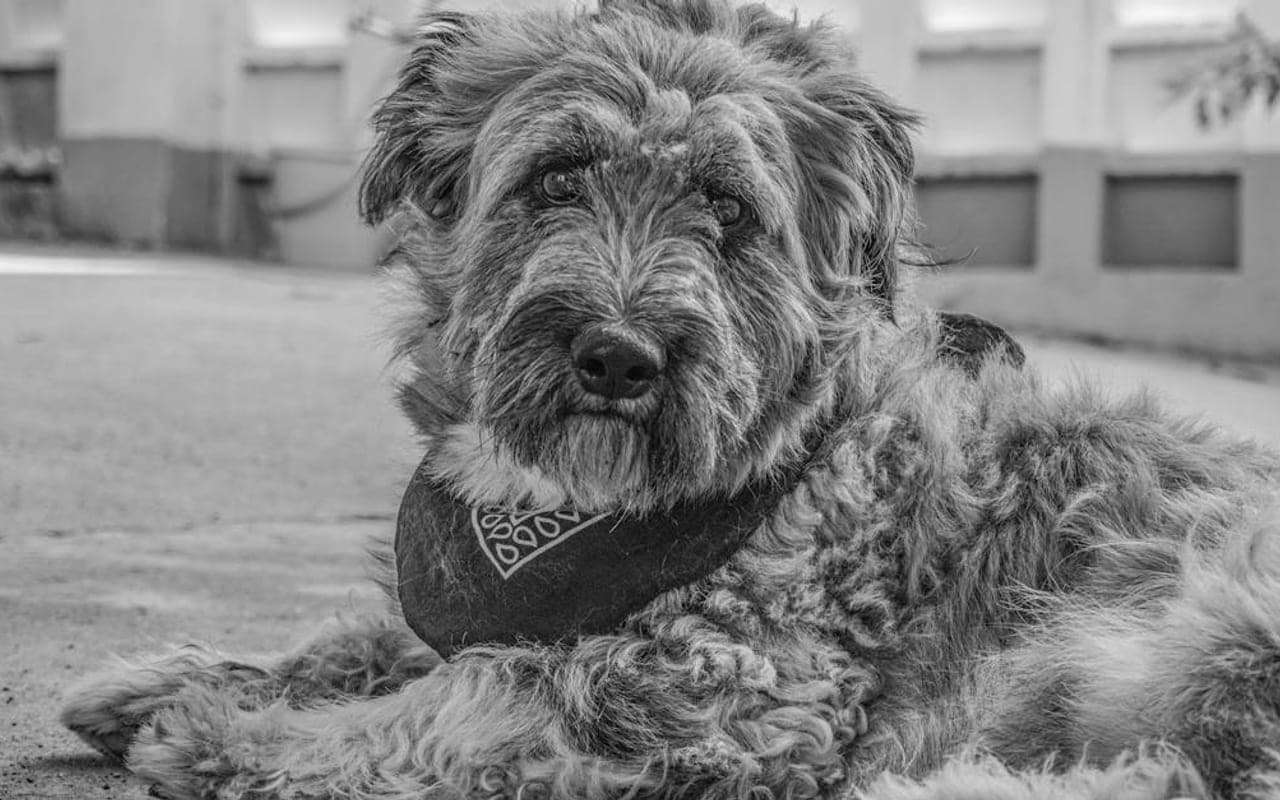
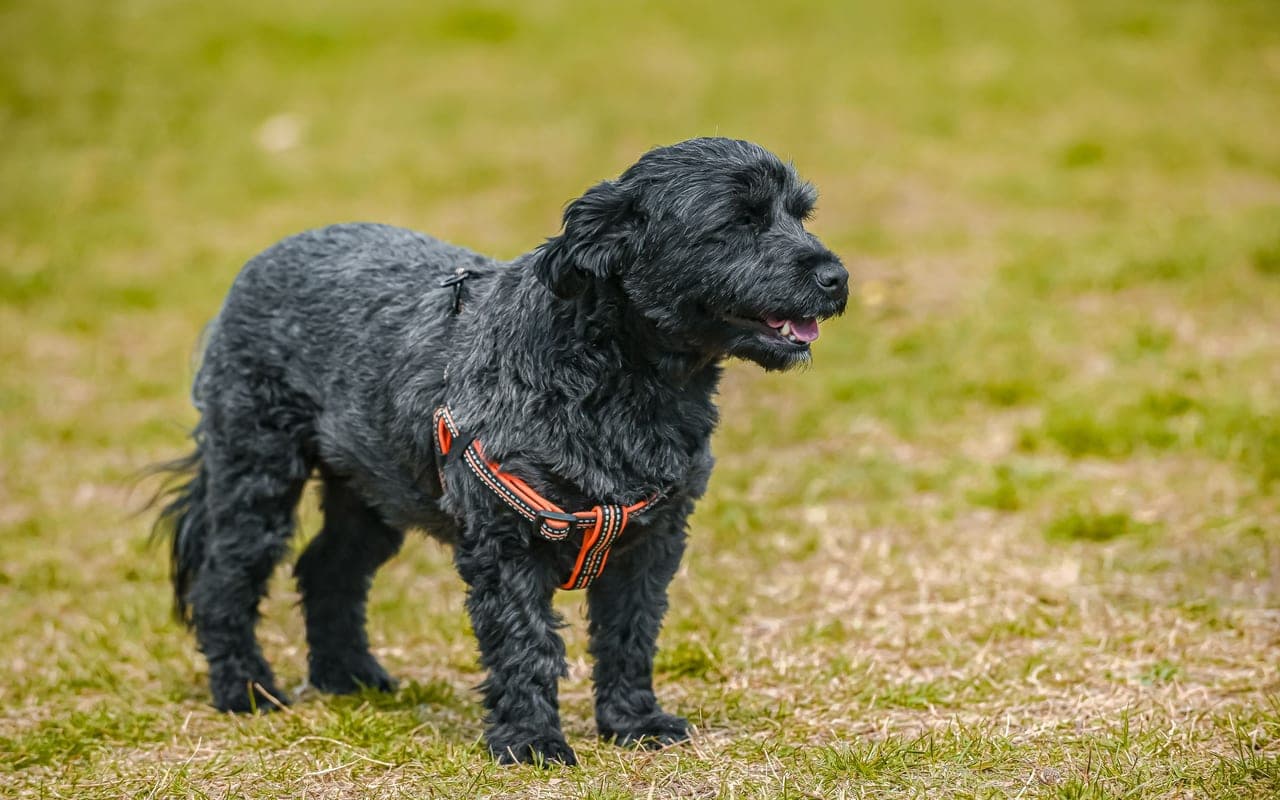
Black Russian Terrier photos
Images are cropped consistently and loaded progressively to keep the page responsive.
Lower-page context
Black Russian Terriers in culture
Where the breed shows up in film, sport, work and folklore — the enjoyable part, once the practical questions are answered.
Fun facts
- The Black Russian Terrier belongs to the Working Group.
- The average lifespan of a Black Russian Terrier is 10 to 12 years.
- Black Russian Terrier dogs are valued for their intelligent, calm, powerful nature.
Black Russian Terrier FAQs
How long do Black Russian Terriers live?
A Black Russian Terrier typically lives 10-12 years, which is normal for a giant breed — big dogs generally live shorter lives than small ones. The factors that most affect whether a BRT reaches the upper end are the deep-chested breed's bloat risk and inherited disease load (hips, elbows, JLPP, hyperuricosuria). Buying from a breeder who DNA-tests for JLPP and HUU and OFA-screens hips and elbows, feeding split meals to reduce bloat risk, and keeping the dog lean are the practical levers that matter most for longevity here.
Are Black Russian Terriers good with children?
With their own family's children a well-socialized BRT is typically calm, loyal, and protective, and the breed can be a devoted family guardian. The real considerations are size and protective instinct: a 100-pound dog can unintentionally knock over a small child, and the breed's natural wariness means visiting children and their friends must be introduced carefully and supervised. This is not a dog to leave unsupervised with toddlers, and its suitability depends heavily on early socialization and a household that can manage a large protective breed responsibly.
Are Black Russian Terriers good for first-time owners?
Generally no. The BRT is a large, powerful guardian breed with real protective drive, strong handler bonding, and a need for extensive early socialization and consistent, knowledgeable training. In experienced hands it is stable and discerning; in inexperienced or passive hands an under-socialized, under-trained 100-pound protection dog becomes a serious liability. Add demanding grooming and giant-breed health costs, and the breed is best matched to owners who have already managed a large working or guardian dog and know what that commitment actually requires.
How much grooming does a Black Russian Terrier need?
Substantial — this is a frequently underestimated cost. The coarse, dense, all-black double coat sheds little, which appeals to buyers, but it mats readily and needs brushing 2-3 or more times a week with particular attention to the beard, leg furnishings, and behind the ears, plus professional trimming roughly every 6-8 weeks. The low shedding does not mean low maintenance; it means the dead coat stays in and must be brushed and trimmed out instead of falling out. Budget the recurring grooming time or professional cost before committing.
How much exercise does a Black Russian Terrier need?
Plan on 1-2 hours of moderate, varied daily activity — long walks, hiking, structured play, and training or a working task. The BRT is athletic and needs real exercise but is not a frantic, high-octane breed like a working terrier; it is a steady worker that also needs mental engagement to stay balanced. Under-exercised and under-stimulated BRTs can become bored, frustrated, and harder to manage given their size. With growing puppies, keep exercise controlled and avoid forced repetitive impact to protect developing joints in this giant breed.
Are Black Russian Terriers aggressive?
A well-bred, well-socialized BRT is not indiscriminately aggressive — it is meant to be calm, confident, and discerning, aloof with strangers but stable, not nervy or reactive. However, it is a genuine guardian breed with real protective instinct, and that instinct can become a problem if the dog is poorly bred, under-socialized, or handled harshly. The correct temperament is produced, not assumed: extensive early socialization, consistent fair training, and a competent owner are what separate a trustworthy family guardian from a dangerous, poorly-managed protection dog.
Sources
These are the published sources this page draws on. Each opens in a new tab so you can check it yourself.
American Kennel Club
Black Russian Terrier — breed standard and profile(opens in a new tab)Supports: Breed standard and recognition details.
Similar breeds to consider
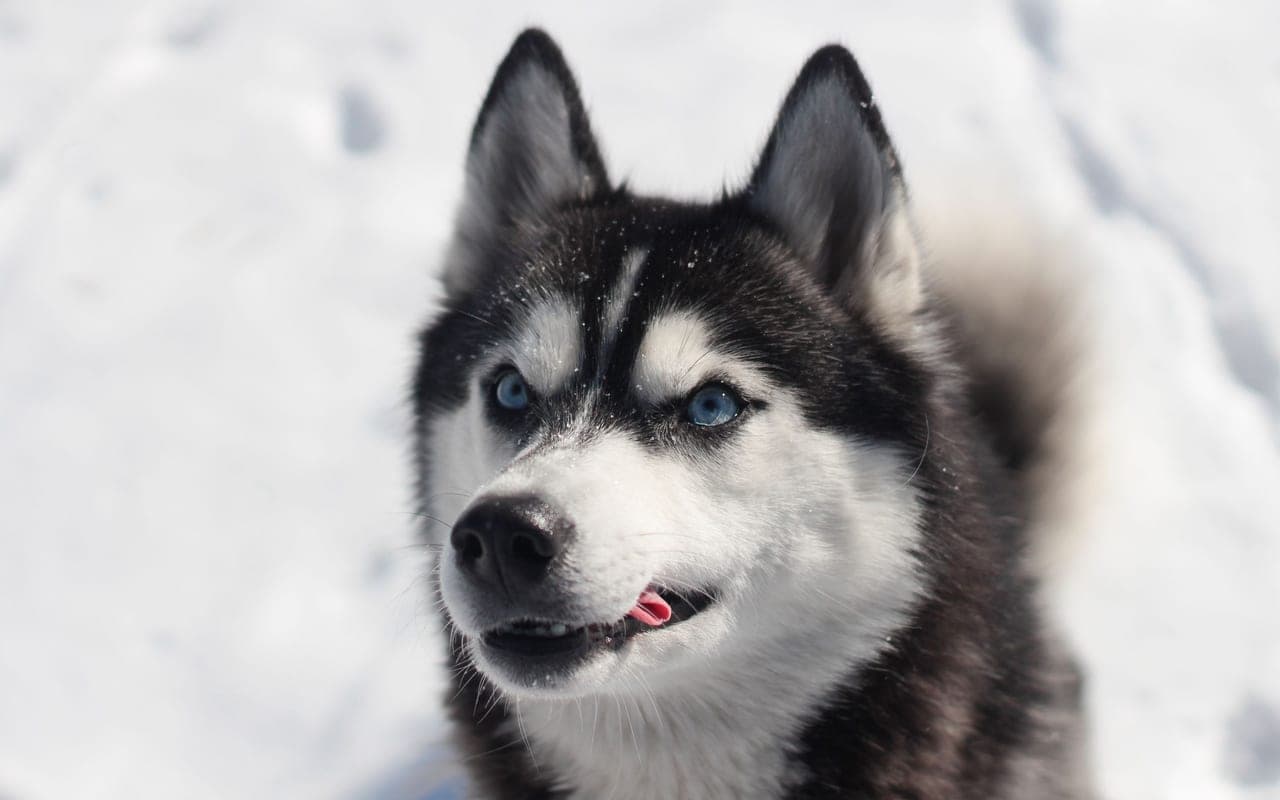
Siberian Husky
Also in the Working group, with different care and temperament tradeoffs.
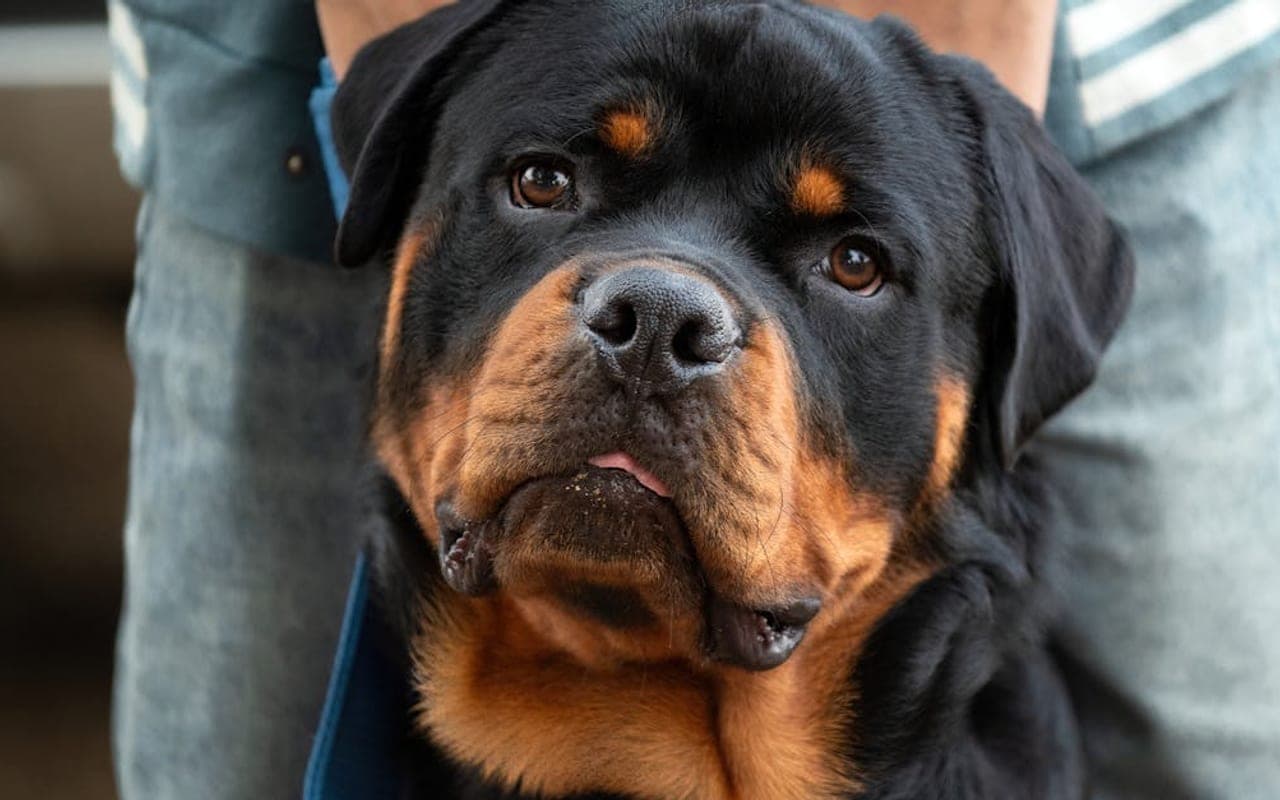
Rottweiler
Also in the Working group, with different care and temperament tradeoffs.

Boxer
Also in the Working group, with different care and temperament tradeoffs.
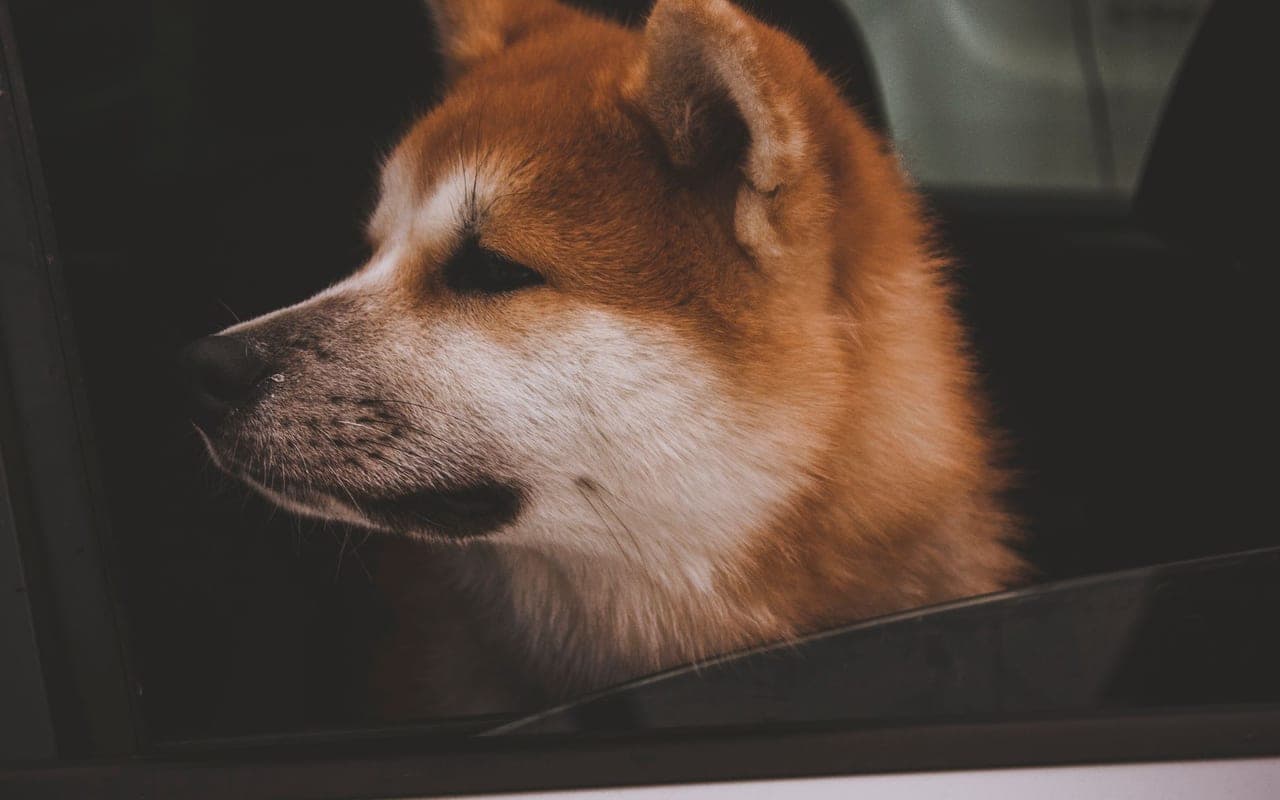
Akita
Also in the Working group, with different care and temperament tradeoffs.
Explore More About Black Russian Terrier
Dive deeper into everything Black Russian Terrier — costs, care, and expert insights.
Large Dog Care Guide: Everything Over 50 lbs
Owning a large or giant breed dog means accepting one of biology's...
Puppy Teething & Biting: Timeline and What Actually Works
A puppy has all 28 deciduous ("baby") teeth by roughly eight weeks of age, and...
Considering a cat instead?
Browse Cats