
Hound group
Bloodhound
The Bloodhound is an 80-to-110-pound scent hound built around a single overpowering instinct: follow a trail, ignore everything else.
Size
80-110 lb
Lifespan
10-12 years
Exercise
60-90 minutes
Shedding
Moderate
Experience
Match to owner routine
Decision first
Is a Bloodhound right for you?
Start with fit before history or trivia. These are ownership signals, not guarantees about any individual dog.
Best suited for
- Households with children.
- Homes with other compatible pets.
- Active owners who enjoy daily outdoor exercise.
Think carefully if
- You cannot provide substantial daily exercise.
- You cannot keep up with grooming and preventive care.
- The dog will spend most days alone without support.
Conditional fit
Apartment living may be difficult unless the owner can meet the breed's exercise, training, and space needs.
Daily reality
Bloodhound commitment snapshot
Daily exercise
60-90 minutes
Match activity to age, health, weather, and training goals.
Coat care
Moderate
Grooming needs vary by coat, shedding, and lifestyle.
Time alone
Needs planning
Most dogs need gradual alone-time conditioning and support.
Structured facts
Bloodhound at a glance
The measurements and traits that most affect day-to-day life with this breed.
Origin
Belgium/France
Group
Hound
Weight
80-110 lb
Height
23-27 in
Lifespan
10-12 years
Temperament
Gentle | Affectionate | Stubborn | Even-tempered | Determined | Friendly
View all characteristics and methodology
Lifestyle fit
- Apartment suitability
- Needs caution
- Child friendliness
- Often good, with socialisation and supervision
- Other-pet fit
- Often compatible with careful introductions
Owner commitment
- Exercise
- 60-90 minutes
- Grooming
- Moderate
- Shedding
- Moderate
- Training
- Moderate
Environment and health
- Health risk
- Needs planning
Ratings combine structured breed data, visible breed fields, and editorial context. They are planning aids, not predictions for an individual dog.
Daily life
Bloodhound temperament and behavior
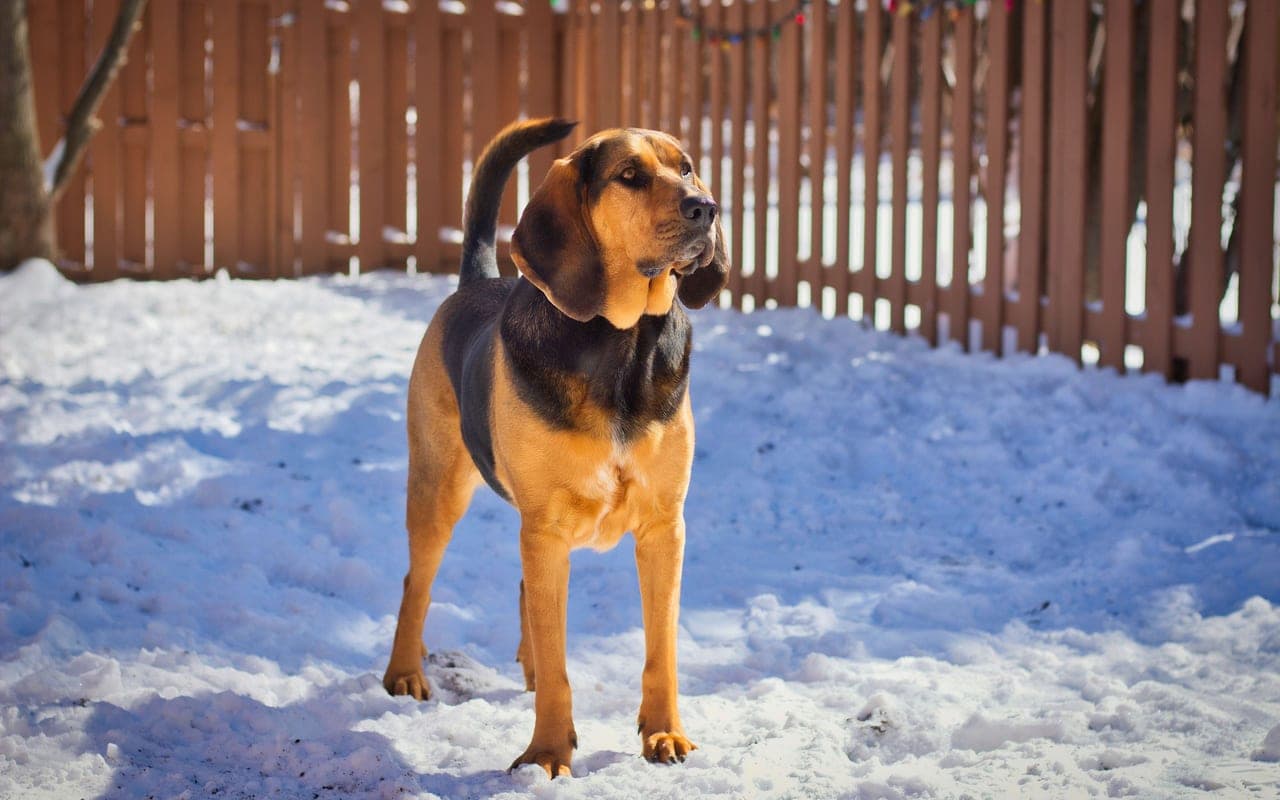
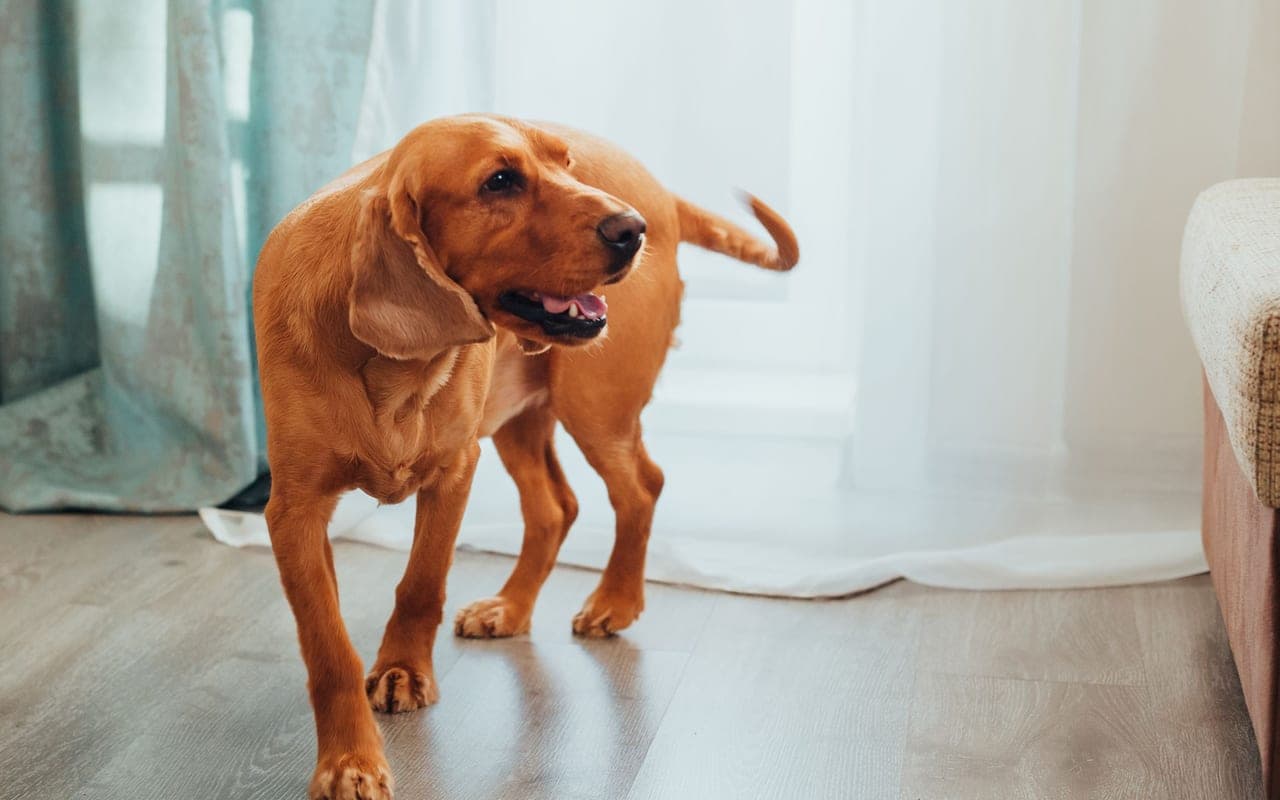
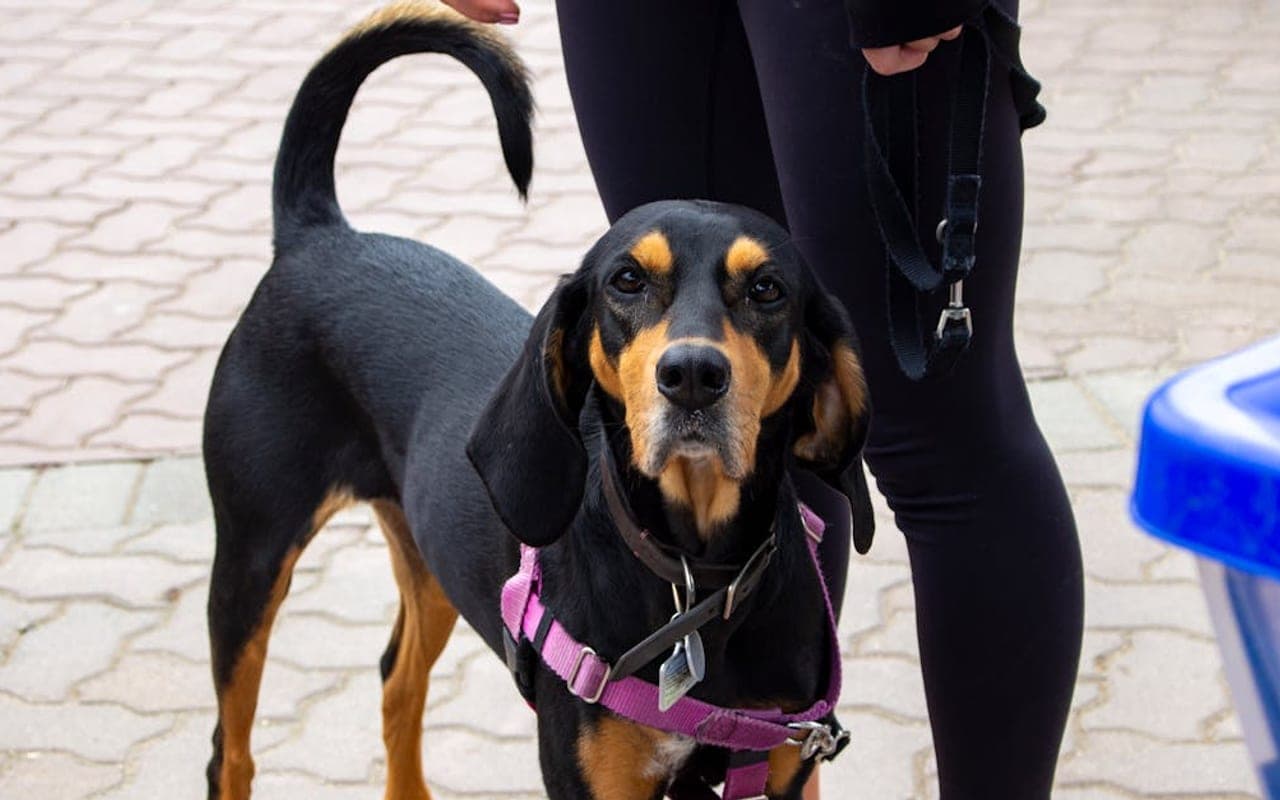
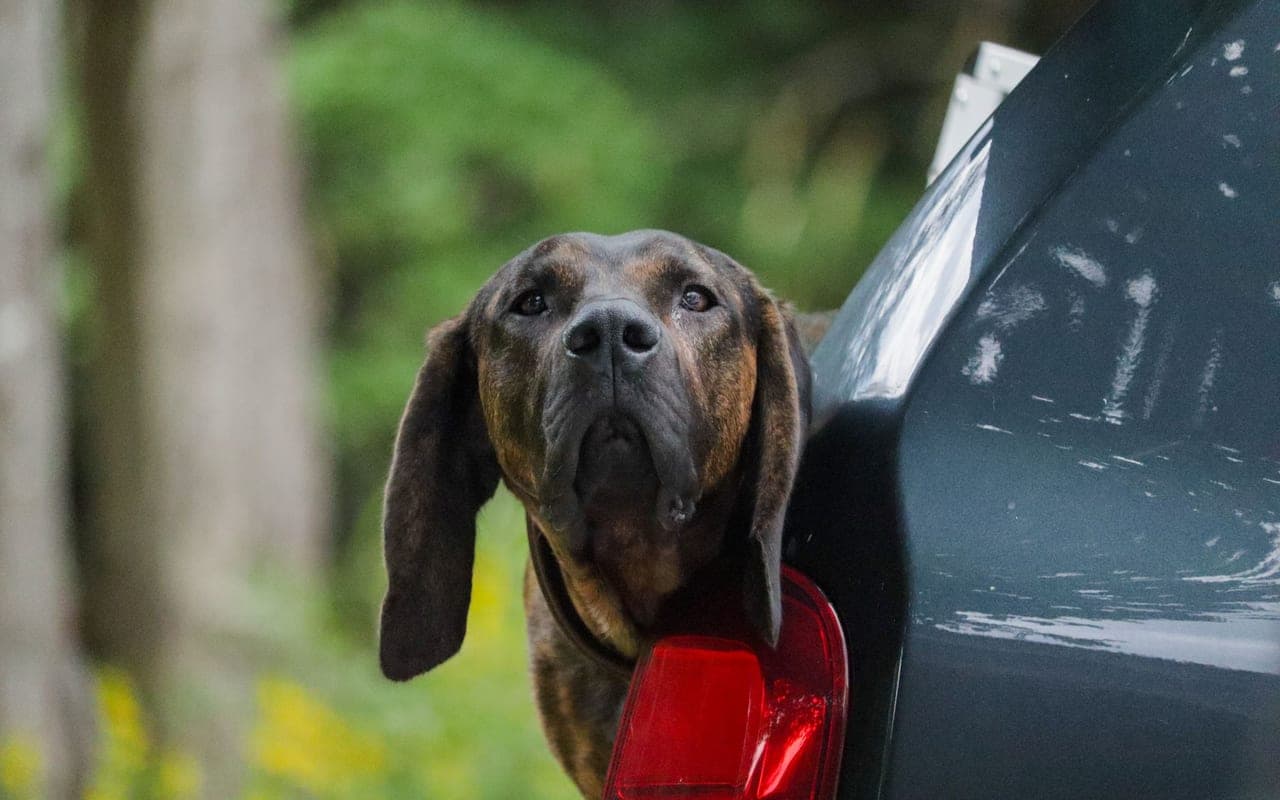
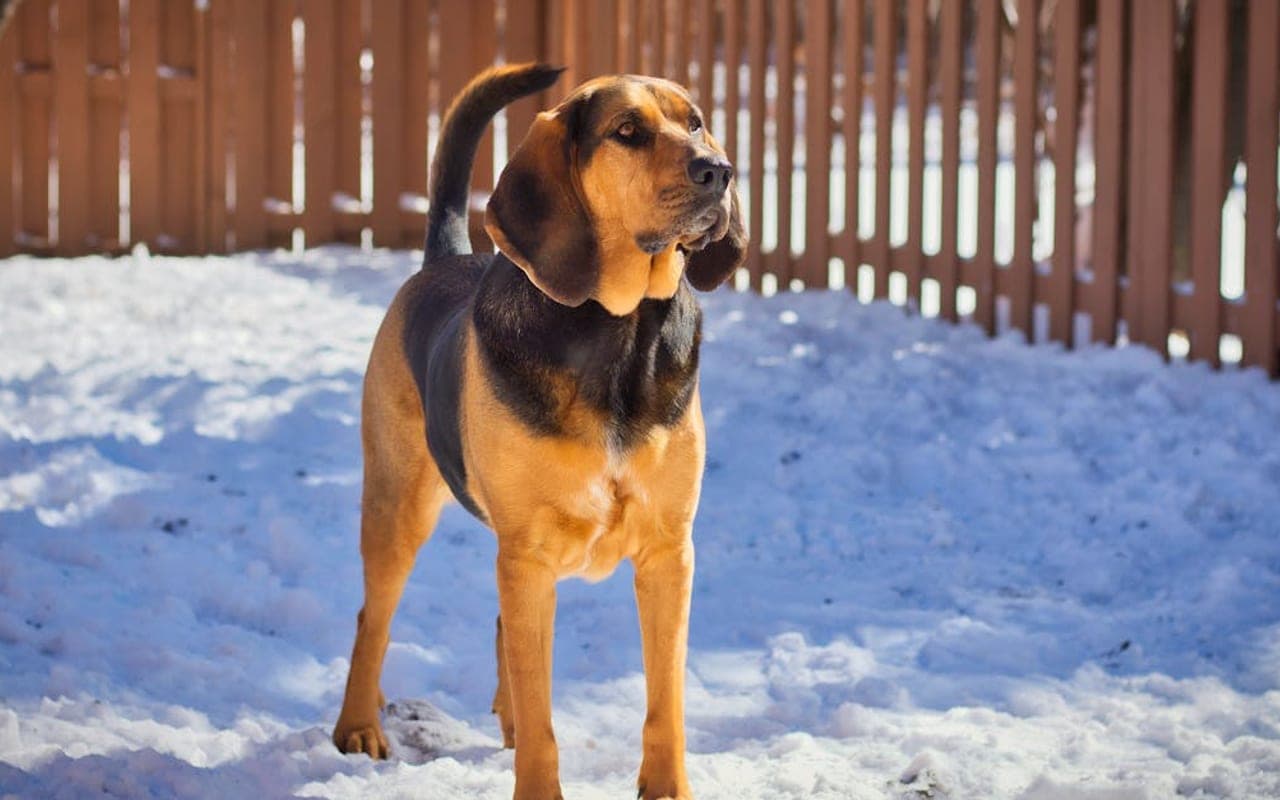
The Bloodhound is an 80-to-110-pound scent hound built around a single overpowering instinct: follow a trail, ignore everything else. It is one of the most affectionate, gentle, and tolerant breeds with people and children — and one of the most physically demanding to live with because of what that nose, that drool, and that stubborn independence actually cost day to day. People fall for the soulful face and droopy ears and underestimate the management. This profile leads with the realities, because they decide whether the breed fits your household. Physically the Bloodhound is a large, loose-skinned, powerful dog with the deep facial folds and long ears that funnel scent. It is a heavy drooler — owners genuinely keep towels in every room and on the car — and carries a strong natural hound odor that bathing reduces only briefly and over-bathing worsens. Coat colors are black-and-tan, liver-and-tan, and red. Temperament is gentle and patient indoors and single-minded outdoors. Bloodhounds are excellent with children and other dogs, rarely aggressive, and poor guard dogs despite their size. They are intelligent but trained for centuries to make independent decisions on a trail, which reads in the home as stubbornness: recall is unreliable once a scent is locked in, and a Bloodhound on a trail will walk for miles oblivious to your calls and to traffic. Who the Bloodhound is right for: a patient owner with a securely fenced yard, tolerance for drool and odor, time for 1-2 hours of daily leashed scent-rich exercise, and realistic training expectations. Who it is wrong for: house-proud owners, anyone needing reliable off-leash recall, apartment dwellers, or people wanting a quick-to-obey dog. The nose runs this breed, not you.
Gentle | Affectionate | Stubborn | Even-tempered | Determined | Friendly
Gentle
A common Bloodhound temperament descriptor that should be interpreted alongside training, exercise, and household fit.
Affectionate
A common Bloodhound temperament descriptor that should be interpreted alongside training, exercise, and household fit.
Stubborn
A common Bloodhound temperament descriptor that should be interpreted alongside training, exercise, and household fit.
Even-tempered
A common Bloodhound temperament descriptor that should be interpreted alongside training, exercise, and household fit.
Owner note
Temperament labels are starting points, not guarantees. Meet the individual dog and ask about behavior history whenever possible.
Care essentials
How to care for a Bloodhound
What looking after one actually involves: exercise, grooming, food, training, and routine health.
HealthAs needed
- Bloodhounds generally live 10-12 years and have several breed-specific health considerations. Their most common health issues relate to their anatomical features, particularly the loose skin and droopy eyes. These dogs are prone to various eye conditions including ectropion (outward rolling of the eyelid), entropion (inward rolling), cherry eye (prolapse of the third eyelid gland), and dry eye. Skin fold dermatitis can develop in their facial wrinkles and requires vigilant cleaning. Their pendulous ears are susceptible to chronic infections if not properly maintained. Orthopedic concerns include hip and elbow dysplasia, which can lead to arthritis, and these large dogs can also suffer from bloat (gastric dilatation-volvulus), a life-threatening emergency requiring immediate veterinary attention. Bloodhounds are also predisposed to hypothyroidism and may develop certain cardiac issues. Obesity can exacerbate many of these health problems, making weight management crucial. Responsible breeders screen for these conditions, and regular veterinary check-ups can help catch and address issues early. Despite these concerns, many Bloodhounds live healthy lives into their senior years when properly cared for.
ExerciseAs needed
- Bloodhounds require regular, moderate exercise to stay healthy both physically and mentally. Plan for at least 1-2 hours of activity daily, ideally including opportunities to use their remarkable scenting abilities. Long, leisurely walks where they can sniff and explore are perfect, as they tend to move at a deliberate pace when following interesting scents. While not typically high-energy dogs at home, they need sufficient outdoor time and can become destructive if their exercise needs aren't met. Their exercise regimen should be consistent, though avoid strenuous activity in hot weather as they can overheat easily due to their heavy build. Young Bloodhounds (under 18 months) should avoid excessive running or jumping until their growth plates close fully. Off-leash exercise should only occur in securely fenced areas, as these dogs will follow scent trails single-mindedly, ignoring recalls when on an interesting track.
GroomingAs needed
- Despite their relatively short coat, Bloodhounds require regular grooming attention due to their distinctive physical characteristics. Their coat sheds moderately year-round and should be brushed weekly with a rubber curry brush or hound glove to remove loose hair and distribute skin oils. The breed's most notable grooming needs stem from their facial wrinkles, drooping lips, and long ears, which create warm, moist environments prone to bacterial and yeast growth. The deep facial folds should be cleaned and thoroughly dried daily to prevent skin infections, with particular attention to the area under the lower lip where food and moisture collect. Their pendulous ears require weekly cleaning to prevent ear infections, using a veterinarian-recommended solution. Bloodhounds are prolific droolers, especially after eating, drinking, or during warm weather, necessitating strategic placement of 'drool towels' around the home. Nails should be trimmed regularly, and teeth brushed several times weekly for overall health.
TrainingAs needed
- Training a Bloodhound requires patience, consistency, and understanding of their unique temperament. While intelligent, these dogs are independent thinkers bred to work without constant human direction, making them somewhat challenging to train. They respond best to positive reinforcement methods using high-value food rewards, praise, and gentle guidance, as they're sensitive to harsh corrections. Early socialization is essential to ensure they develop into well-mannered adults, particularly given their size. Basic obedience training should begin early, though owners should set realistic expectations—a Bloodhound may never have the snap-to attention of some working breeds. Their remarkable scenting abilities provide excellent opportunities for engaging their minds through tracking activities, nose work, or scent games. Bloodhounds are notorious for their stubbornness, and training sessions should be kept short (5-10 minutes) and interesting to maintain their attention. Consistency is crucial, as these dogs will quickly learn which rules are firmly enforced and which can be ignored. House training may take longer than with some breeds, requiring vigilance and patience.
NutritionAs needed
- The Bloodhound's nutritional needs must be carefully managed to maintain proper weight and support their large frame and active lifestyle. These dogs thrive on high-quality dog food appropriate for their age, size, and activity level, with protein content between 18-26%. Portion control is crucial as the breed can be prone to obesity, which exacerbates joint issues they may already be predisposed to. Adult Bloodhounds typically require 4-8 cups of quality food daily, divided into two meals to help prevent bloat (gastric dilatation-volvulus), a life-threatening condition they're at risk for. Slow-feed bowls can help reduce rapid eating, another bloat risk factor. The feeding schedule should be consistent, and exercise should be avoided for at least an hour before and after meals. Fresh water should always be available, though water bowls may need frequent cleaning due to the breed's slobbering tendencies. Treats should be factored into daily caloric intake, with healthy options preferred for training rewards.
Health planning
Bloodhound health risks and screening
Every breed has individual health variation. Use this profile for planning and discuss medical decisions with a veterinarian.
Ownership cost
How much does a Bloodhound cost?
Cost figures are structured so first-year and lifetime estimates do not conflict with the underlying line items.
| Acquisition | $700-$2,500 |
|---|---|
| Routine monthly | About $130/month |
| Routine annual | About $1,560/year |
| First-year estimate | $2,260-$4,060 |
| Lifetime routine estimate | $15,600-$18,720 routine costs |
Currency: USD. Region: United States. Typical ranges for this breed. Equipment, insurance, emergency veterinary care, boarding and training are NOT included: we hold no sourced figures for them, and estimating them would be a guess presented as data.
Responsible ownership
Finding a Bloodhound responsibly
What to ask a breeder or rescue is the same conversation for every breed, so we keep it in one place and keep it current.
Health documentation, meeting the parents or foster, contracts and return support, and the warning signs worth walking away from.
Original purpose
Bloodhound history
History is useful when it explains today's behavior, coat, exercise needs, and training style.
Read the breed history
The Bloodhound descends from scent hounds refined by monks at the Abbey of Saint-Hubert in present-day Belgium from around the 7th-8th centuries, where it was known as the St. Hubert Hound. Brought to England after the Norman Conquest, the breed was perfected for trailing — first game, then people. The name most likely refers to its status as a 'blooded' (pedigreed, aristocratic) hound rather than to tracking blood. Centuries of selection produced an animal whose scenting ability is unmatched: Bloodhounds can follow trails several days old over many miles, and a trained Bloodhound's identification of a trailed person has been accepted as evidence in courts of law. They were brought to America and used to trail escaped people, criminals, and the lost, and remain the gold-standard mantrailing dog for search-and-rescue and law enforcement. That working history — bred to commit utterly to a scent and decide for itself — directly explains the breed's stubborn, low-recall, nose-driven behavior in the modern home.
Gallery
Bloodhound photos
Images are cropped consistently and loaded progressively to keep the page responsive.
Lower-page context
Bloodhounds in culture
Where the breed shows up in film, sport, work and folklore — the enjoyable part, once the practical questions are answered.
Movies and TV
- The Fox and the Hound (1981)
Disney animated film featuring Chief, a Bloodhound character.
- Lady and the Tramp (1955)
Disney animated film featuring Trusty, an old Bloodhound with a fading sense of smell.
- The Beverly Hillbillies (1962)
Television series featuring Duke, a Bloodhound belonging to the Clampett family.
Fun facts
- Bloodhounds have over 300 million scent receptors, more than any other dog breed (humans have only about 5 million).
- Their tracking evidence is legally admissible in court in many jurisdictions—the only dog breed with this distinction.
- Bloodhounds can follow trails that are over 300 hours old and have been known to track a person's scent for more than 100 miles.
- The long, droopy ears of the Bloodhound actually serve a purpose—they help stir up scent particles from the ground and keep them near the dog's nose.
- Despite their common portrayal as manhunters, Bloodhounds are actually very gentle and make wonderful family pets.
Bloodhound FAQs
Do Bloodhounds really drool that much?
Yes — heavily and constantly. The loose lips and jowls mean drool flings onto walls, furniture, ceilings, and you, especially after eating, drinking, and exercise. Experienced owners keep cloths in every room and in the car. This cannot be trained or bred away; it is structural. Honestly assess your tolerance before getting one — drool is the single most common reason house-proud owners regret the breed despite loving the dog itself.
Can a Bloodhound be let off-leash?
Realistically, no. Once a Bloodhound locks onto a scent it is effectively deaf to recall and will trail for miles, including across roads — this is hardwired, not disobedience. Exercise on a harness and long line, and provide a securely fenced (5-6 foot, dig-proofed) yard. Off-leash freedom is only safe in fully enclosed spaces. A microchip and ID tags are essential because trailing-off-and-lost is the breed's classic emergency.
How long do Bloodhounds live, and why is it shorter than other breeds?
Typically only about 10-12 years, relatively short for a dog. Gastric bloat is the leading cause of premature death — many owners elect preventive gastropexy surgery for that reason — alongside cancer and joint disease in this large, deep-chested frame. Feeding two or three smaller measured meals with rest afterward, keeping the dog lean, and treating bloat signs as an immediate emergency are the highest-impact ways to protect the lifespan.
Are Bloodhounds good with children?
Yes — they are among the most gentle, patient, and tolerant breeds with children and other dogs, and rarely aggressive. The real cautions are physical, not temperamental: an 80-110 pound dog can easily knock a small child over in play, and the drool, hound odor, and shedding are constant household realities. Supervise toddlers around the dog's size and bulk, and teach children to respect the dog rather than fearing its temperament.
Are Bloodhounds hard to train?
Yes, by general-obedience standards — not from low intelligence but because they were bred for centuries to make independent decisions on a trail and are motivated by scent over pleasing you. Recall is the weakest point and may never be reliable around scent. Use short, high-value, positive sessions, set realistic goals for basic manners, and channel the nose into legitimate tracking or scent games. Expect a polite companion, not a precision obedience dog.
Do Bloodhounds need a lot of grooming despite the short coat?
The short coat itself is easy — a weekly hound-glove brush handles shedding. The grooming burden is elsewhere: the deep facial and lip folds need cleaning and drying several times a week to prevent skin infection, the long heavy ears need weekly cleaning to prevent chronic otitis, and the breed carries a strong natural odor that over-bathing makes worse. Budget grooming time for folds and ears, not for the coat.
Sources
These are the published sources this page draws on. Each opens in a new tab so you can check it yourself.
American Kennel Club
Bloodhound — breed standard and profile(opens in a new tab)Supports: Breed standard and recognition details.
Similar breeds to consider
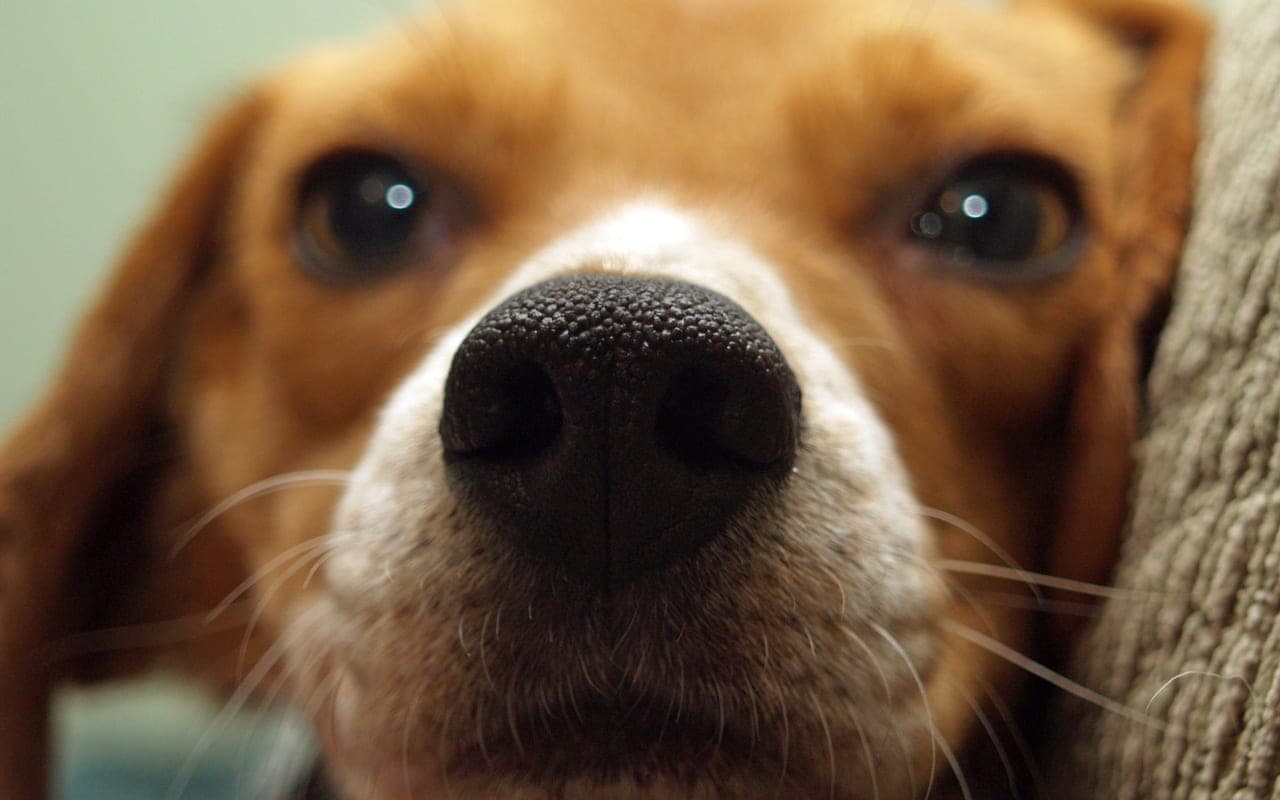
Beagle
Also in the Hound group, with different care and temperament tradeoffs.
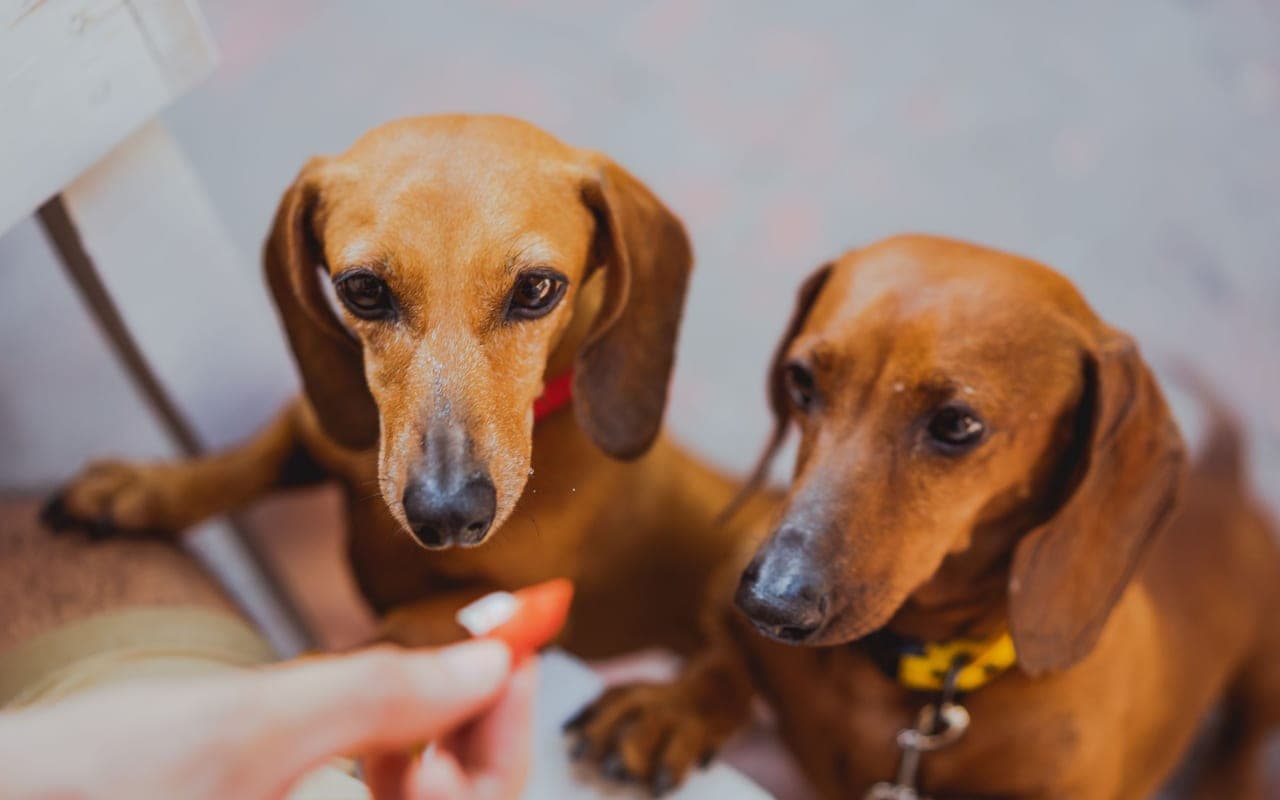
Dachshund
Also in the Hound group, with different care and temperament tradeoffs.
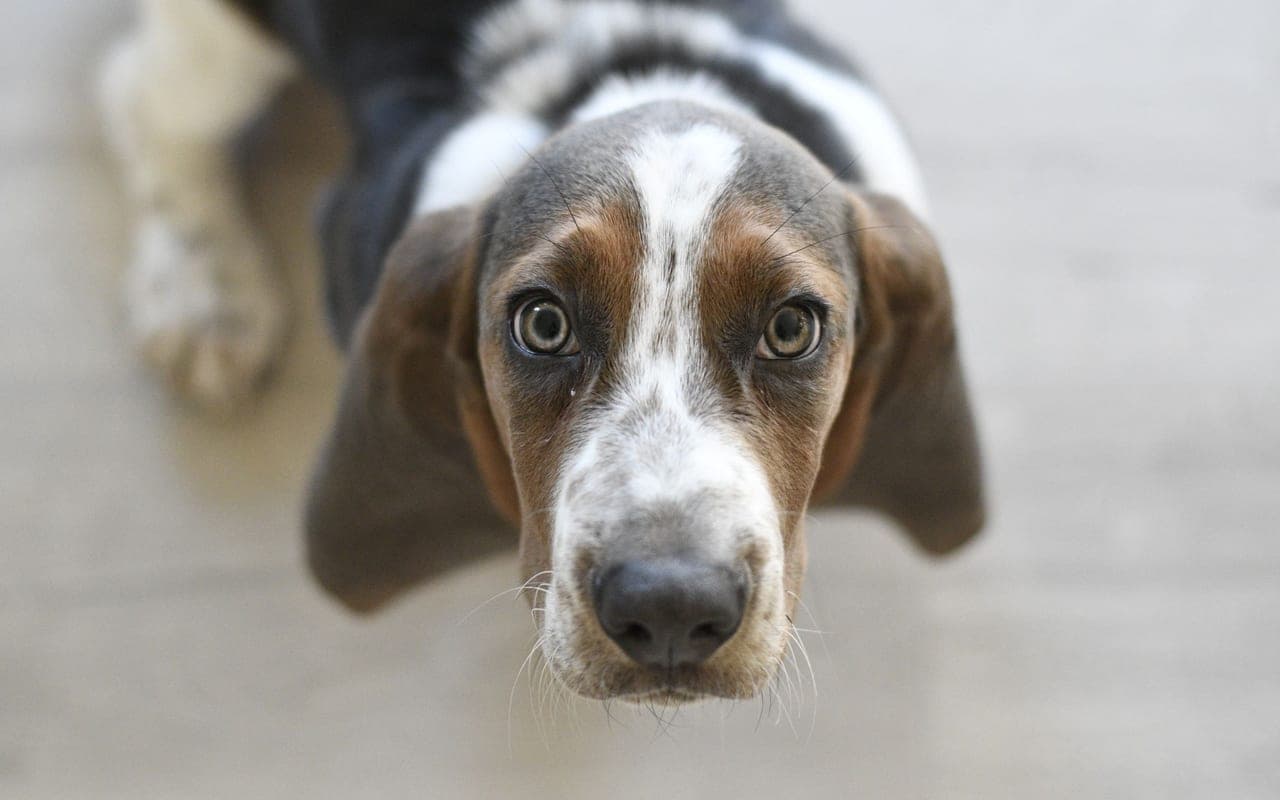
Basset Hound
Also in the Hound group, with different care and temperament tradeoffs.
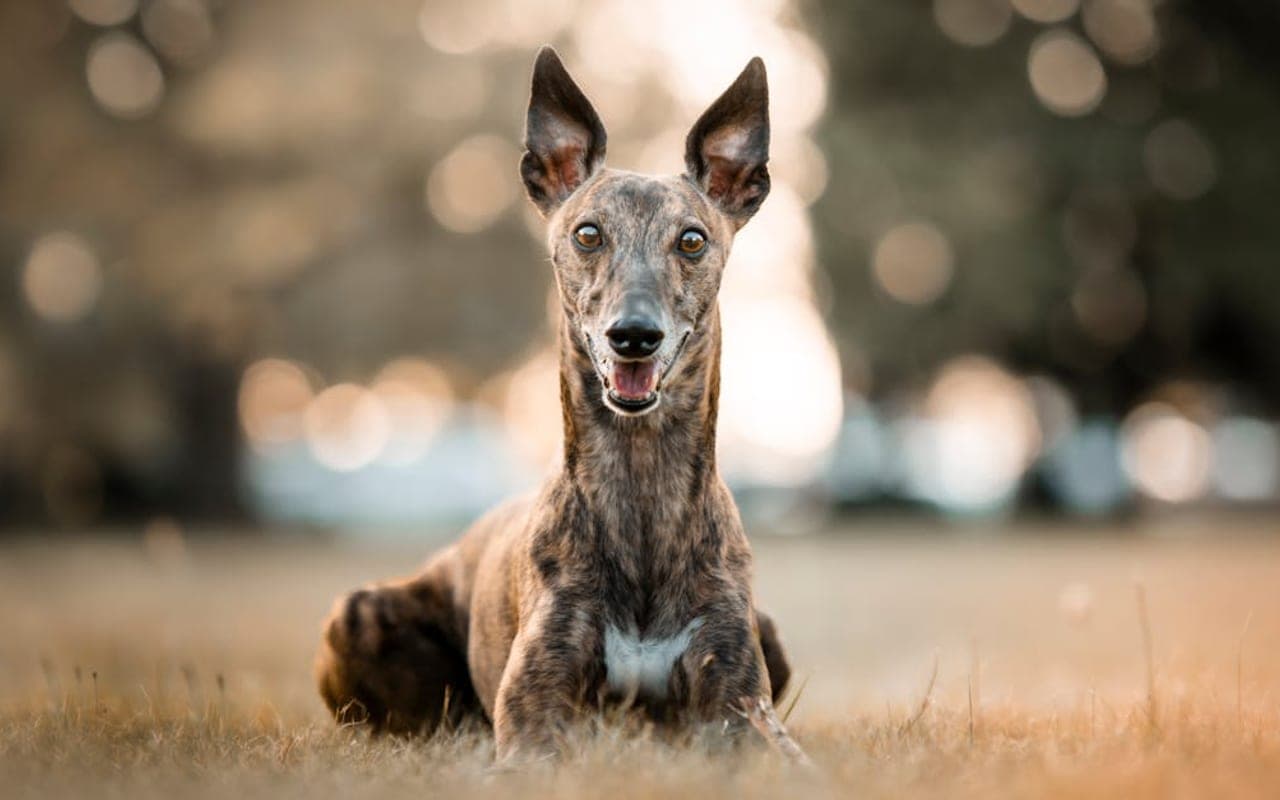
Greyhound
Also in the Hound group, with different care and temperament tradeoffs.
Explore More About Bloodhound
Dive deeper into everything Bloodhound — costs, care, and expert insights.
How Much Does a Bloodhound Cost?
Purchase price, monthly costs, and lifetime expenses
Large Dog Care Guide: Everything Over 50 lbs
Owning a large or giant breed dog means accepting one of biology's...
Puppy Teething & Biting: Timeline and What Actually Works
A puppy has all 28 deciduous ("baby") teeth by roughly eight weeks of age, and...
Considering a cat instead?
Browse Cats