
Miscellaneous Class group
Bolognese
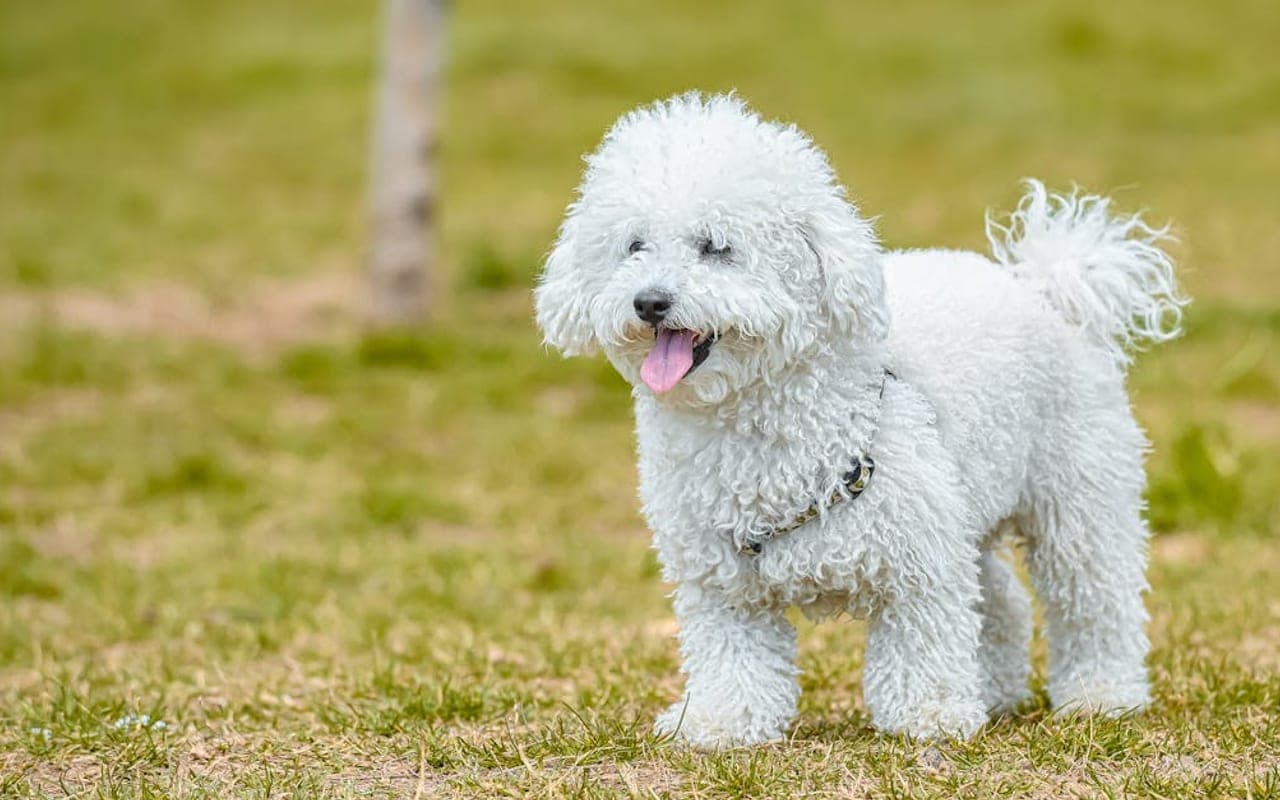
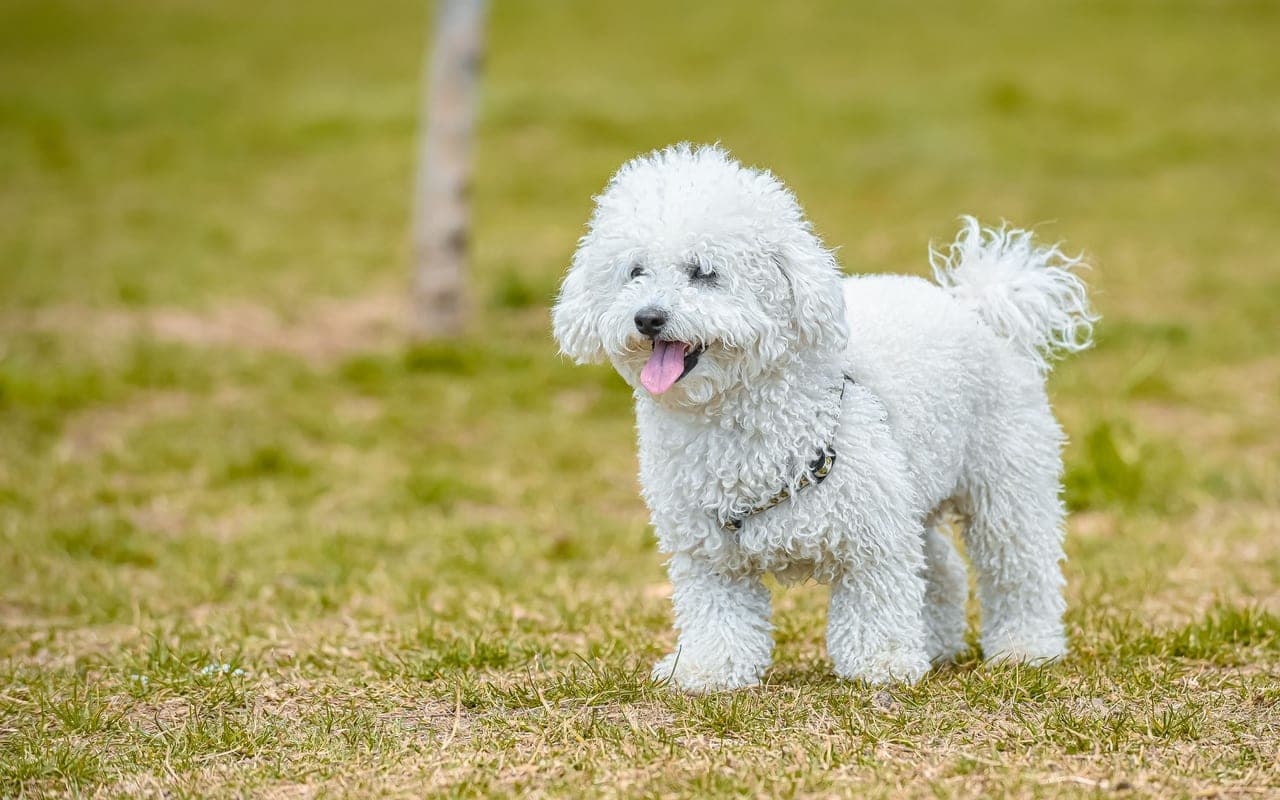
The Bolognese is a small white companion dog of the Bichon family — related to the Maltese, Havanese, and Bichon Frise — built for one purpose for over five hundred years: being a constant human companion.
Size
6-9 lb
Lifespan
12-14 years
Exercise
30-60 minutes
Shedding
Moderate
Experience
Match to owner routine
Decision first
Is a Bolognese right for you?
Start with fit before history or trivia. These are ownership signals, not guarantees about any individual dog.
Best suited for
- Households with children.
- Homes with other compatible pets.
- Apartment homes with a consistent routine.
- Owners seeking a manageable daily exercise routine.
Think carefully if
- You need a dog with almost no daily routine.
- You cannot keep up with grooming and preventive care.
- The dog will spend most days alone without support.
Conditional fit
Apartment fit depends on exercise, enrichment, noise management, and outdoor access.
Daily reality
Bolognese commitment snapshot
Daily exercise
30-60 minutes
Match activity to age, health, weather, and training goals.
Coat care
Moderate
Grooming needs vary by coat, shedding, and lifestyle.
Time alone
Needs planning
Most dogs need gradual alone-time conditioning and support.
Structured facts
Bolognese at a glance
The measurements and traits that most affect day-to-day life with this breed.
Group
Miscellaneous Class
Weight
6-9 lb
Height
10-12 in
Lifespan
12-14 years
Temperament
Playful | Easy-Going | Devoted
View all characteristics and methodology
Lifestyle fit
- Apartment suitability
- Likely fit
- Child friendliness
- Often good, with socialisation and supervision
- Other-pet fit
- Often compatible with careful introductions
Owner commitment
- Exercise
- 30-60 minutes
- Grooming
- Moderate
- Shedding
- Moderate
- Training
- Moderate
Environment and health
- Health risk
- Needs planning
Ratings combine structured breed data, visible breed fields, and editorial context. They are planning aids, not predictions for an individual dog.
Daily life
Bolognese temperament and behavior
The Bolognese is a small white companion dog of the Bichon family — related to the Maltese, Havanese, and Bichon Frise — built for one purpose for over five hundred years: being a constant human companion. Adults are small and squarely built, roughly 2.5-4 kg (5.5-9 lb) and 25-30 cm at the shoulder, under a single, non-shedding, pure-white coat that falls in loose flocks rather than curls. The looks are not the story. The temperament is, and it carries a hard trade-off most prospective owners do not price in. The Bolognese is serene, undemanding of exercise, devoted, and quietly intelligent — but it was bred to be in constant company and it is strongly predisposed to separation anxiety. This is not a dog you leave alone for a 9-to-5 workday. An isolated Bolognese is not merely sad; it commonly develops destructive behavior, house-soiling, and chronic stress. The defining decision for this breed is not 'do I like the look' but 'is someone home most of the day, or can I structure the dog's life so it is rarely alone.' The coat is the second commitment. The single coat does not shed much, which appeals to allergy-sensitive owners, but for exactly that reason it does not drop dead hair — it mats. Without near-daily brushing or a maintenance clip it forms tight pelts against the skin. Who the Bolognese is right for: a person at home most of the day (retired, remote-working, family with rotating presence) who wants a calm, low-exercise, deeply attached companion and will brush daily or clip regularly. Who it is wrong for: a household out of the home full-time, anyone wanting an independent or low-grooming dog, or anyone who reads 'low exercise' as 'low needs.' This breed's needs are emotional and grooming-based, not athletic.
Playful | Easy-Going | Devoted
Playful
A common Bolognese temperament descriptor that should be interpreted alongside training, exercise, and household fit.
Easy-Going
A common Bolognese temperament descriptor that should be interpreted alongside training, exercise, and household fit.
Devoted
A common Bolognese temperament descriptor that should be interpreted alongside training, exercise, and household fit.
Owner note
Temperament labels are starting points, not guarantees. Meet the individual dog and ask about behavior history whenever possible.
Care essentials
How to care for a Bolognese
What looking after one actually involves: exercise, grooming, food, training, and routine health.
ExerciseAs needed
- Moderately active breed needing 30-60 minutes of daily exercise through walks, play, and mental stimulation.
GroomingAs needed
- Regular grooming needed — brush 2-3 times per week and bathe monthly.
TrainingAs needed
- Moderately trainable — consistent, patient training with positive methods works best.
NutritionAs needed
- Feed a high-quality dog food appropriate for their age, size, and activity level. Monitor portions to prevent obesity.
Veterinary CareAs needed
- Annual wellness exams, core vaccinations, dental care, and parasite prevention. Breed-specific health screenings as recommended by your vet.
Health planning
Bolognese health risks and screening
Every breed has individual health variation. Use this profile for planning and discuss medical decisions with a veterinarian.
Responsible ownership
Finding a Bolognese responsibly
What to ask a breeder or rescue is the same conversation for every breed, so we keep it in one place and keep it current.
Health documentation, meeting the parents or foster, contracts and return support, and the warning signs worth walking away from.
Original purpose
Bolognese history
History is useful when it explains today's behavior, coat, exercise needs, and training style.
Read the breed history
The Bolognese takes its name from Bologna, Italy, and is one of the oldest of the Bichon-type companion dogs, documented in Italian art and court records from at least the Renaissance and very likely earlier. Unlike breeds shaped by a working task, the Bolognese was selected purely as an elite companion: it was a treasured possession of the nobility and a prestige gift exchanged among the wealthy and powerful across Italian, French, and other European courts. Figures associated with the breed's patronage span the Medici and other ruling houses, and the dog appears in period portraiture as a status companion. That history explains the modern temperament with unusual precision. Centuries of selection solely for closeness to people — never for independence, guarding, or work — produced a dog that is calm, intensely bonded, and constitutionally poorly suited to being alone. The breed declined sharply in the 20th century and survived through dedicated European recovery breeding. It is recognized by the Fédération Cynologique Internationale and is in the American Kennel Club Foundation Stock Service; the small gene pool makes breeder health screening particularly important.
Gallery
Bolognese photos
Images are cropped consistently and loaded progressively to keep the page responsive.
Lower-page context
Bologneses in culture
Where the breed shows up in film, sport, work and folklore — the enjoyable part, once the practical questions are answered.
Fun facts
- The Bolognese belongs to the Foundation Stock Service.
- The average lifespan of a Bolognese is 12 to 14 years.
- Bolognese dogs are valued for their playful, easy-going, devoted nature.
Bolognese FAQs
Can a Bolognese be left alone during a workday?
No — and ignoring this is the most common and most damaging owner mistake with the breed. The Bolognese was bred for five centuries purely as a constant companion and is strongly predisposed to separation anxiety; left alone for a full workday it commonly develops destructive behavior, house-soiling, and chronic stress. This breed realistically requires someone home most of the day, or a structured plan (dog walker, daycare, rotating household presence). If your home is empty 9-to-5, choose a different breed.
How long do Bolognese dogs live?
The Bolognese typically lives 12 to 14 years, and it is generally a healthy breed with few major problems. Where an individual dog lands is driven mostly by joint health and weight: a lean dog from patella- and eye-screened lines, kept dentally maintained, reliably reaches the upper end. The conditions that shorten quality of life — patellar luxation, Legg-Calvé-Perthes, progressive retinal atrophy — are largely screenable in the parents, so breeder selection materially affects the outcome.
Does the Bolognese shed, and is it hypoallergenic?
The Bolognese has a single, low-shedding white coat and is often chosen by allergy-sensitive owners, though no dog is truly 100% hypoallergenic. The trade-off is direct: because it does not shed out dead hair, that hair stays in the coat and mats tightly against the skin. Expect daily-to-every-other-day brushing to the skin, or a maintenance clip with professional grooming every 4-6 weeks. 'Low-shedding' here means 'high-grooming,' not 'low-maintenance.'
How much exercise does a Bolognese need?
Modest — this is one of the genuinely low-exercise companion breeds. Two 20-30 minute walks plus some indoor play meets its physical needs; it is serene and not athletic. The important reframe is that low exercise does not mean low needs: the breed's demands are emotional (constant company, separation-anxiety prevention) and grooming-based. Owners who pick it for the easy exercise and then underestimate the companionship and coat workload are the ones who struggle.
Are Bolognese dogs good with children and other pets?
Generally yes, with supervision. The Bolognese is calm, easy-going, and devoted, and warms to other pets and to children once properly socialized, though it can be shy with strangers initially. Because it is small and fine-boned, interactions with young children must be supervised to prevent accidental injury to the dog, and children should be taught gentle handling. Its attachment is to people over territory, so it integrates into family life well — provided it is not routinely left alone.
What does a Bolognese cost to own?
The breed is uncommon and the gene pool small, so well-bred screened puppies are scarce and priced accordingly, with regional variation. The recurring costs that matter more than purchase price are grooming and joints: professional grooming every 4-6 weeks is a realistic ongoing expense, and patellar luxation or Legg-Calvé-Perthes surgery can run into the thousands. Buying from a breeder who OFA-screens patellas and DNA-tests for prcd-PRA, plus keeping the dog lean, is the cheapest long-term insurance.
Sources
These are the published sources this page draws on. Each opens in a new tab so you can check it yourself.
American Kennel Club
Bolognese — breed standard and profile(opens in a new tab)Supports: Breed standard and recognition details.
Similar breeds to consider
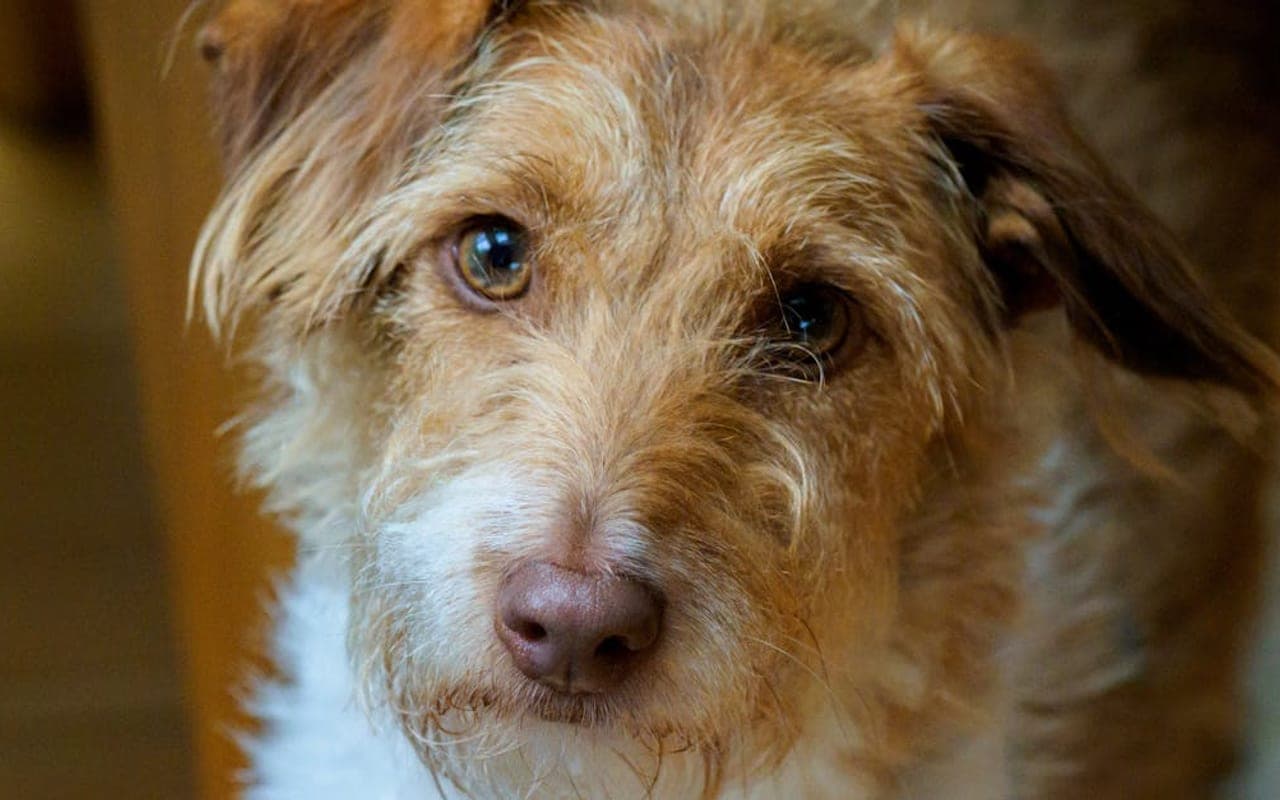
Portuguese Podengo
Also in the Miscellaneous Class group, with different care and temperament tradeoffs.
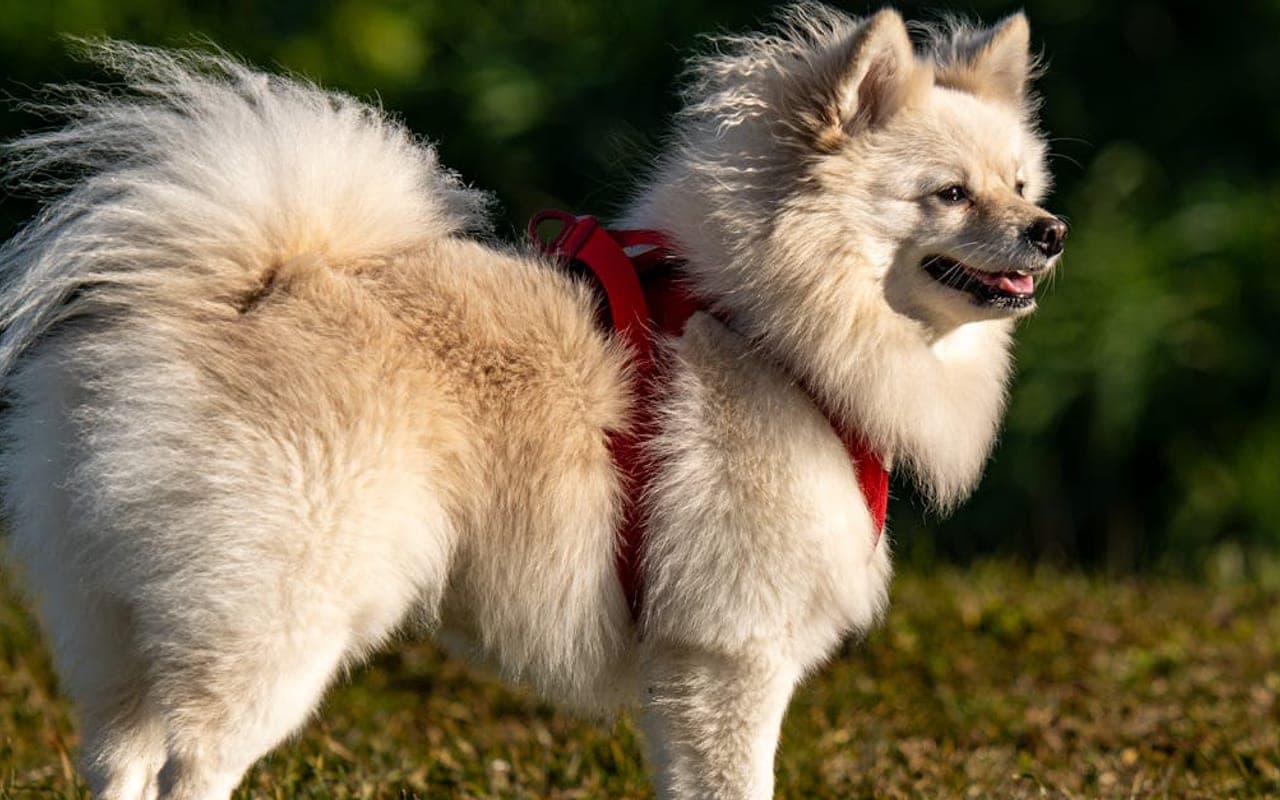
German Spitz
Also in the Miscellaneous Class group, with different care and temperament tradeoffs.
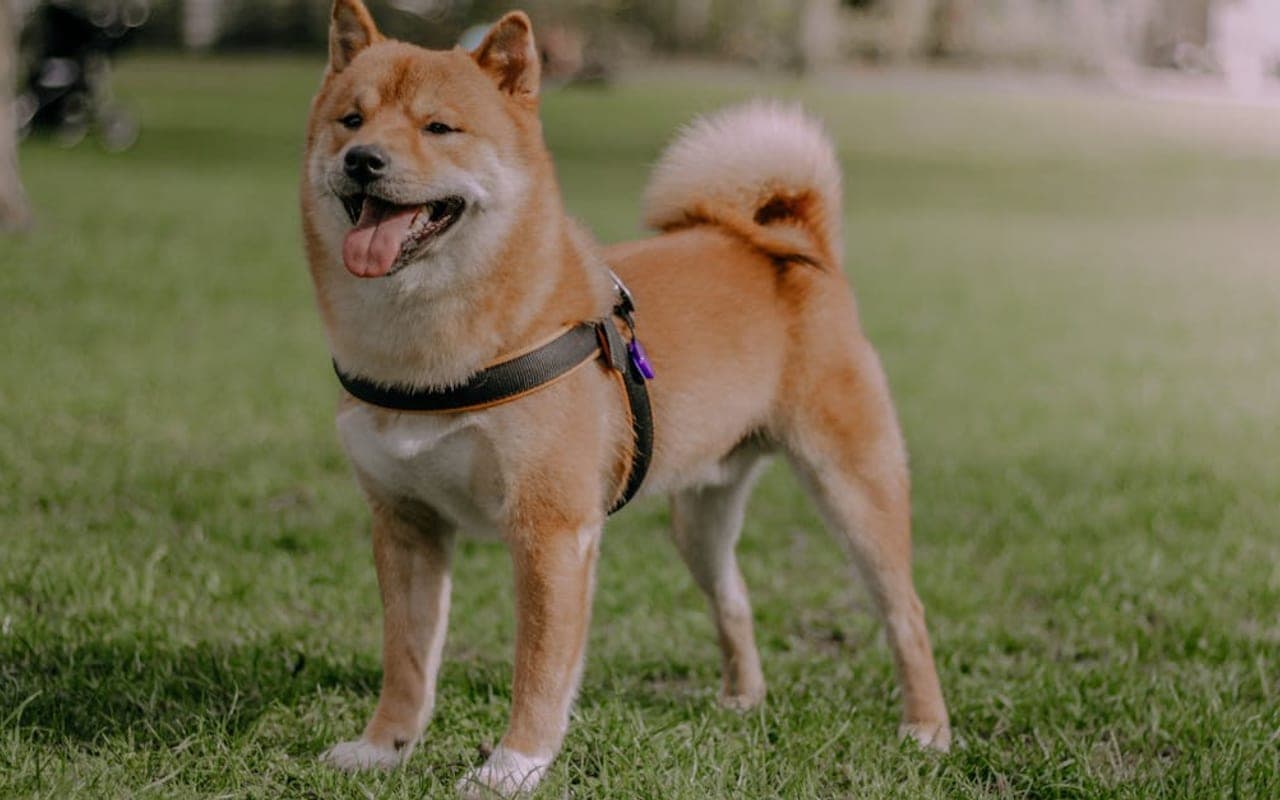
Kai Ken
Also in the Miscellaneous Class group, with different care and temperament tradeoffs.
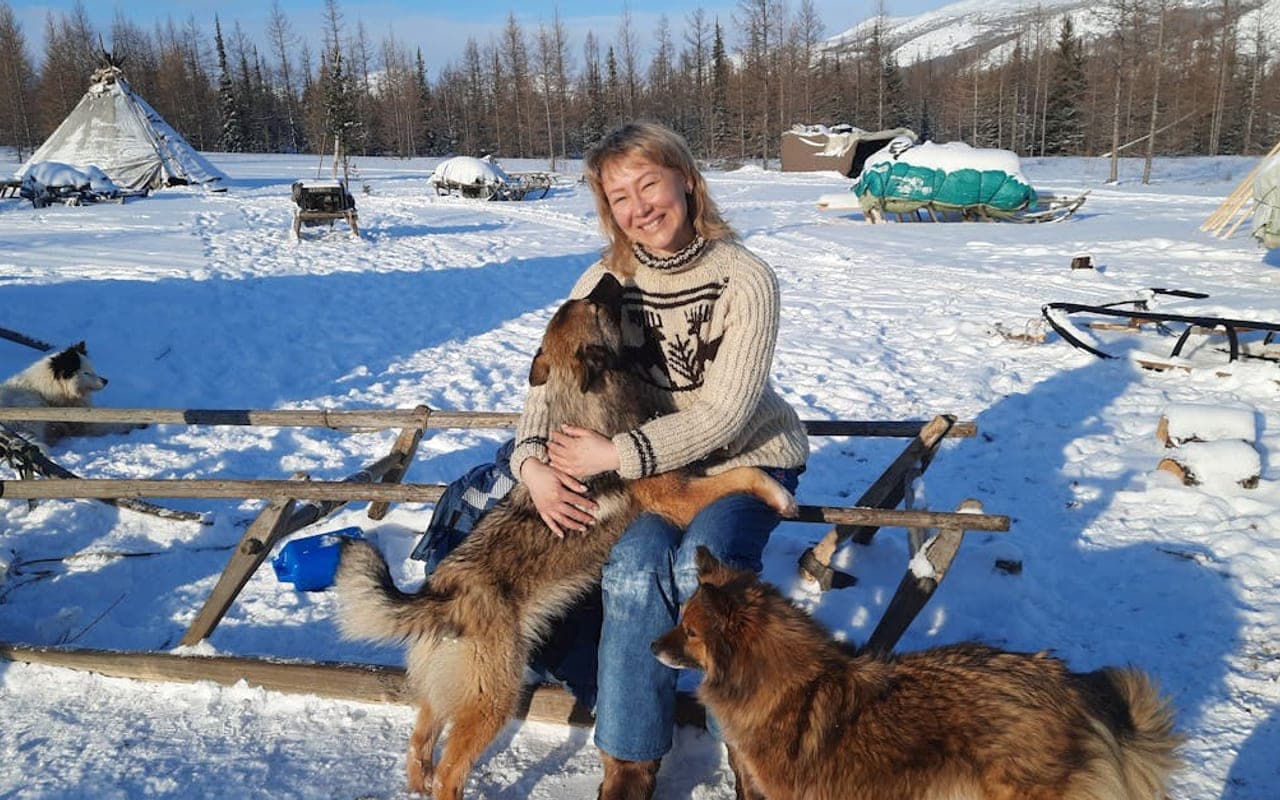
Yakutian Laika
Also in the Miscellaneous Class group, with different care and temperament tradeoffs.
Explore More About Bolognese
Dive deeper into everything Bolognese — costs, care, and expert insights.
Large Dog Care Guide: Everything Over 50 lbs
Owning a large or giant breed dog means accepting one of biology's...
Puppy Teething & Biting: Timeline and What Actually Works
A puppy has all 28 deciduous ("baby") teeth by roughly eight weeks of age, and...
Considering a cat instead?
Browse Cats