
Terrier group
Border Terrier
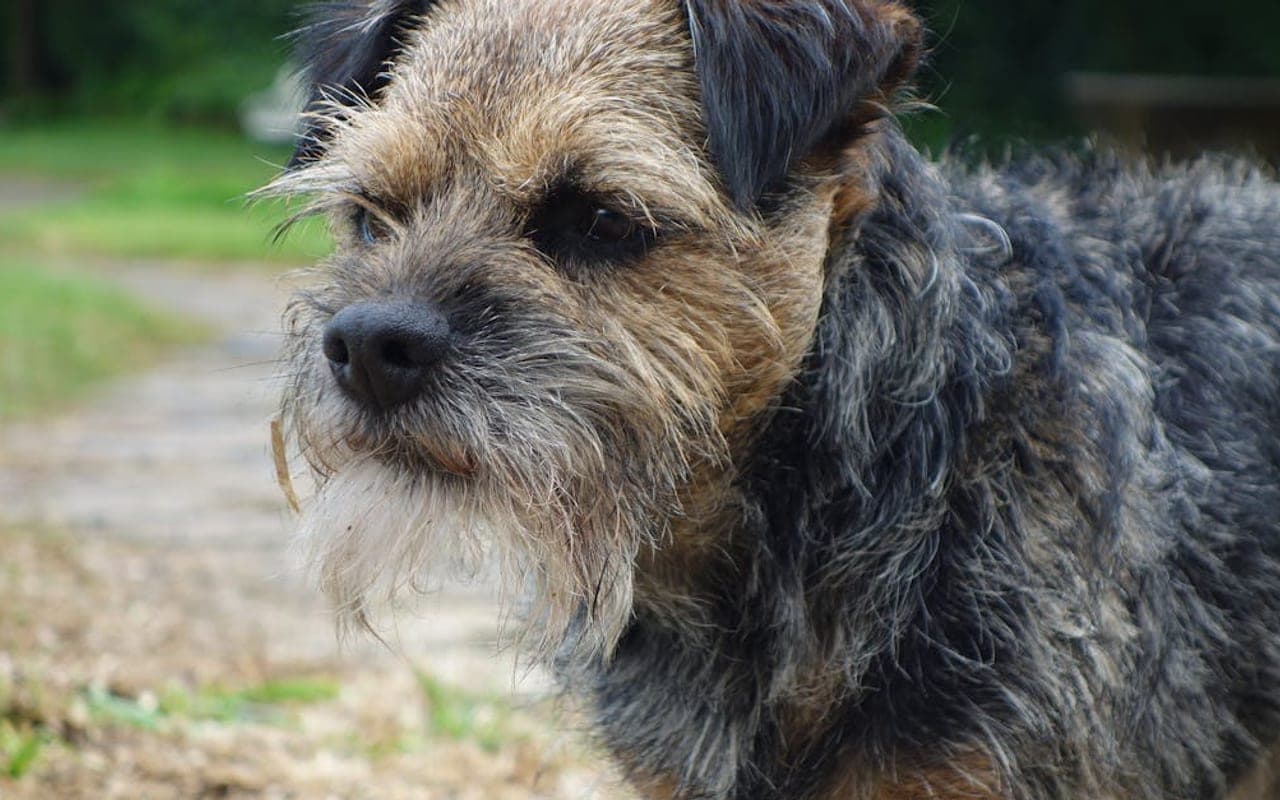
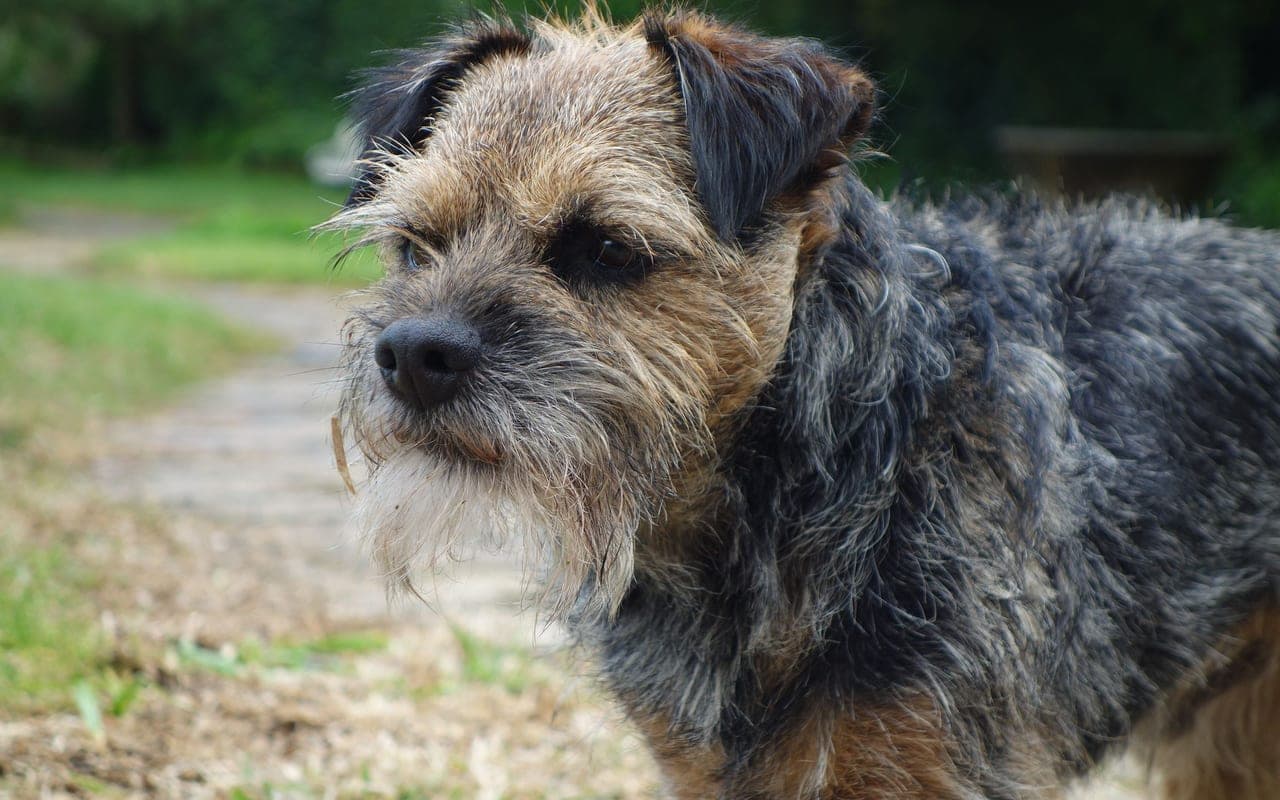
The Border Terrier is a small working terrier from the Anglo-Scottish border country, bred to be tough enough to follow a fox to ground yet leggy enough to keep up with hounds and horses on a hunt.

Size
11-15 lb
Lifespan
12-15 years
Exercise
30-60 minutes
Shedding
Moderate
Experience
Match to owner routine
Decision first
Is a Border Terrier right for you?
Start with fit before history or trivia. These are ownership signals, not guarantees about any individual dog.
Best suited for
- Households with children.
- Homes with other compatible pets.
- Apartment homes with a consistent routine.
- Owners seeking a manageable daily exercise routine.
Think carefully if
- You need a dog with almost no daily routine.
- You cannot keep up with grooming and preventive care.
- The dog will spend most days alone without support.
Conditional fit
Apartment fit depends on exercise, enrichment, noise management, and outdoor access.
Daily reality
Border Terrier commitment snapshot
Daily exercise
30-60 minutes
Match activity to age, health, weather, and training goals.
Coat care
Moderate
Grooming needs vary by coat, shedding, and lifestyle.
Time alone
Needs planning
Most dogs need gradual alone-time conditioning and support.
Structured facts
Border Terrier at a glance
The measurements and traits that most affect day-to-day life with this breed.
Group
Terrier
Weight
11-15 lb
Height
11-16 in
Lifespan
12-15 years
Temperament
Affectionate | Happy | Plucky
View all characteristics and methodology
Lifestyle fit
- Apartment suitability
- Likely fit
- Child friendliness
- Often good, with socialisation and supervision
- Other-pet fit
- Often compatible with careful introductions
Owner commitment
- Exercise
- 30-60 minutes
- Grooming
- Moderate
- Shedding
- Moderate
- Training
- Moderate
Environment and health
- Health risk
- Needs planning
Ratings combine structured breed data, visible breed fields, and editorial context. They are planning aids, not predictions for an individual dog.
Daily life
Border Terrier temperament and behavior
The Border Terrier is a small working terrier from the Anglo-Scottish border country, bred to be tough enough to follow a fox to ground yet leggy enough to keep up with hounds and horses on a hunt. It stands 11-16 inches and weighs 11.5-15.5 pounds, recognizable by its distinctive 'otter-shaped' head and a harsh, wiry weatherproof coat. The buying decision rests on a contradiction owners must accept: this is one of the most affectionate, easygoing, people-friendly terriers — and it still has a full-strength terrier prey drive that never switches off. Physically the Border is built for stamina, not flash: narrow, racy, and longer in the leg than most small terriers, with a double coat — harsh wiry topcoat over a soft undercoat — that needs hand-stripping a couple of times a year rather than clipping. Properly stripped it sheds little; clipped, the coat softens and sheds more. Temperament is the breed's selling point and its caution. Borders are good-tempered, adaptable, trainable, and genuinely fond of people and children — they were bred to live amicably in kennels and around horses and other dogs. But the prey drive is real: they will chase cats, rodents, and wildlife with single-minded focus, dig enthusiastically, and follow a scent over a fence. They are active, food-motivated, and dislike being left alone for long. Who the Border Terrier is right for: an active owner or family wanting a sturdy, friendly, low-grooming-effort companion who will provide daily exercise, a secure yard, and company, and who can manage a prey drive around small pets. Who it is wrong for: a household with free-roaming small animals the dog won't accept, an owner away long hours, or anyone expecting a small dog to mean a low-energy one.
Affectionate | Happy | Plucky
Affectionate
A common Border Terrier temperament descriptor that should be interpreted alongside training, exercise, and household fit.
Happy
A common Border Terrier temperament descriptor that should be interpreted alongside training, exercise, and household fit.
Plucky
A common Border Terrier temperament descriptor that should be interpreted alongside training, exercise, and household fit.
Owner note
Temperament labels are starting points, not guarantees. Meet the individual dog and ask about behavior history whenever possible.
Care essentials
How to care for a Border Terrier
What looking after one actually involves: exercise, grooming, food, training, and routine health.
ExerciseAs needed
- Moderately active breed needing 30-60 minutes of daily exercise through walks, play, and mental stimulation.
GroomingAs needed
- Regular grooming needed — brush 2-3 times per week and bathe monthly.
TrainingAs needed
- Moderately trainable — consistent, patient training with positive methods works best.
NutritionAs needed
- Feed a high-quality dog food appropriate for their age, size, and activity level. Monitor portions to prevent obesity.
Veterinary CareAs needed
- Annual wellness exams, core vaccinations, dental care, and parasite prevention. Breed-specific health screenings as recommended by your vet.
Health planning
Border Terrier health risks and screening
Every breed has individual health variation. Use this profile for planning and discuss medical decisions with a veterinarian.
Responsible ownership
Finding a Border Terrier responsibly
What to ask a breeder or rescue is the same conversation for every breed, so we keep it in one place and keep it current.
Health documentation, meeting the parents or foster, contracts and return support, and the warning signs worth walking away from.
Original purpose
Border Terrier history
History is useful when it explains today's behavior, coat, exercise needs, and training style.
Read the breed history
The Border Terrier originated in the rugged border region between England and Scotland — the Cheviot Hills and surrounding farmland — where hill farmers needed a terrier that could run with the foxhounds and horses of the local hunts, then go to ground and bolt or face a fox that was killing lambs. That dual job shaped the breed: enough leg and stamina to keep up over hard country, a body narrow enough to follow a fox into its earth, a weatherproof coat for cold wet hills, and a tractable temperament so it could live and work alongside hounds and other dogs without conflict. It is closely related to the Dandie Dinmont and Bedlington Terriers from the same area. The breed was used and refined by hill farmers for generations before the Kennel Club (UK) recognized it in 1920; the AKC followed in 1930, placing it in the Terrier Group. That working history explains the modern dog precisely: friendly and biddable by design, but with an undimmed prey drive and real physical stamina.
Gallery
Border Terrier photos
Images are cropped consistently and loaded progressively to keep the page responsive.
Lower-page context
Border Terriers in culture
Where the breed shows up in film, sport, work and folklore — the enjoyable part, once the practical questions are answered.
Fun facts
- The Border Terrier belongs to the Terrier Group.
- With proper care, Border Terrier dogs can live up to 15 years or more.
- Border Terrier dogs are valued for their affectionate, happy, plucky nature.
Border Terrier FAQs
Are Border Terriers good family dogs?
Yes — Borders are among the most family-friendly terriers, being good-tempered, affectionate, sturdy enough for active children, and generally sociable with people and other dogs by design. The honest caveats are that they have a strong prey drive toward cats and small pets, dislike being left alone for long hours and may develop separation distress, and need real daily exercise. For an active household that provides company and activity, they are an excellent family dog.
Do Border Terriers get along with cats?
It depends on management and individual dog, and honestly the prey drive makes it a real risk. A Border raised from puppyhood with a specific cat often coexists with that cat, but they were bred to hunt and will chase unfamiliar cats and small animals with intensity. Plan on supervision and gradual managed introductions rather than assuming the dog will simply adjust, and never leave a Border unsupervised with small caged pets.
How much grooming does a Border Terrier need?
Moderate, with a specific technique. The harsh double coat should be hand-stripped about twice a year — you can learn to do it or pay a groomer roughly $50-$90 a session — plus a weekly brush. Hand-stripped coats stay weatherproof and shed very little; clipping the coat is easier but softens the texture and increases shedding. Deciding which trade-off you want is a real pre-purchase choice many owners overlook.
How much exercise does a Border Terrier need?
Plan on 45-60 minutes of daily activity plus mental work. Borders are working terriers with genuine stamina, and an under-exercised one becomes a barking, digging problem. Walks, fetch, scent games, and dog sports like earthdog or agility all suit them well. They are not high-strung but they are not low-energy either — the small size misleads buyers who expect a sedentary lapdog and get a tireless little hunting terrier instead.
What is Spike's disease in Border Terriers?
Spike's disease is the common name for canine epileptoid cramping syndrome (CECS), a paroxysmal movement disorder strongly associated with this breed. The dog stays fully conscious during episodes of muscle cramping, tremor, and sometimes gut upset, distinguishing it from true epileptic seizures. Research links it to gluten sensitivity, and a strict gluten-free diet resolves or greatly reduces episodes in many affected dogs — so filming an episode and trialing a gluten-free diet with your vet is the practical first step.
Sources
These are the published sources this page draws on. Each opens in a new tab so you can check it yourself.
American Kennel Club
Border Terrier — breed standard and profile(opens in a new tab)Supports: Breed standard and recognition details.
Similar breeds to consider
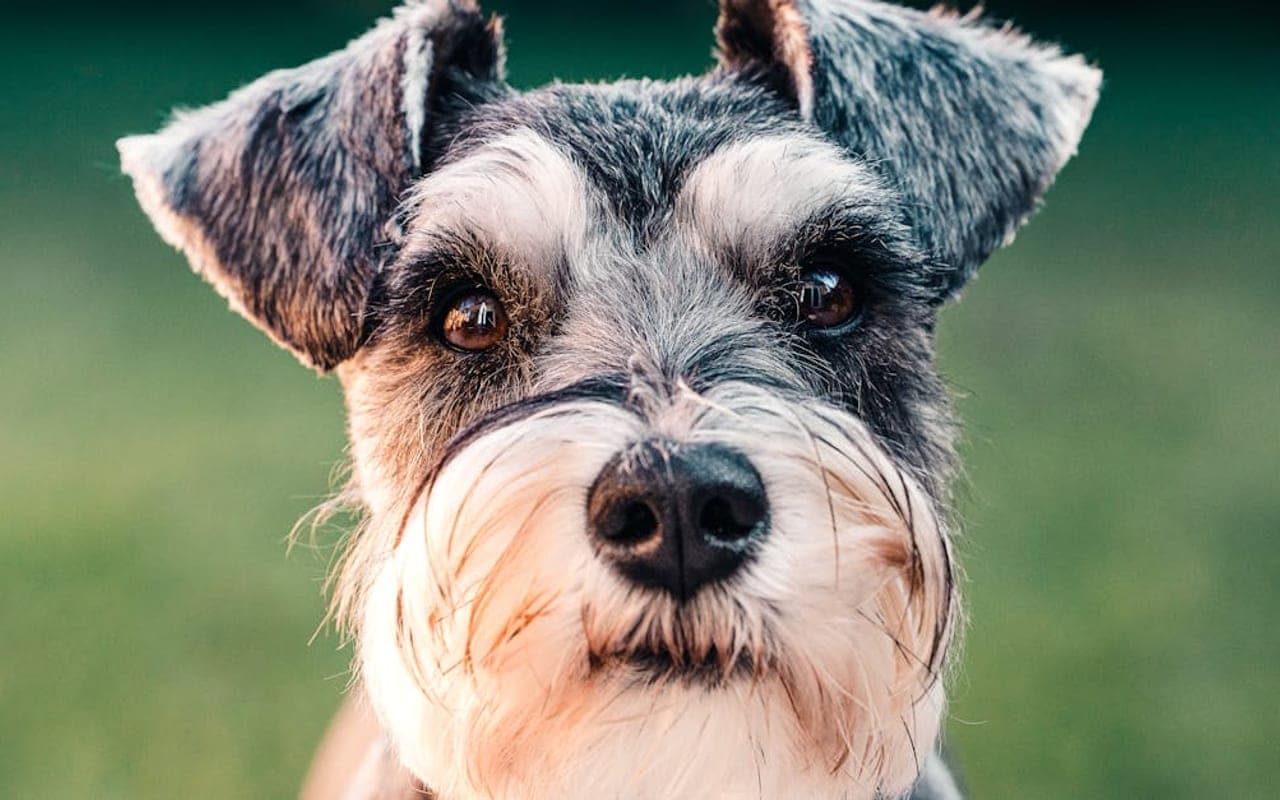
Miniature Schnauzer
Also in the Terrier group, with different care and temperament tradeoffs.
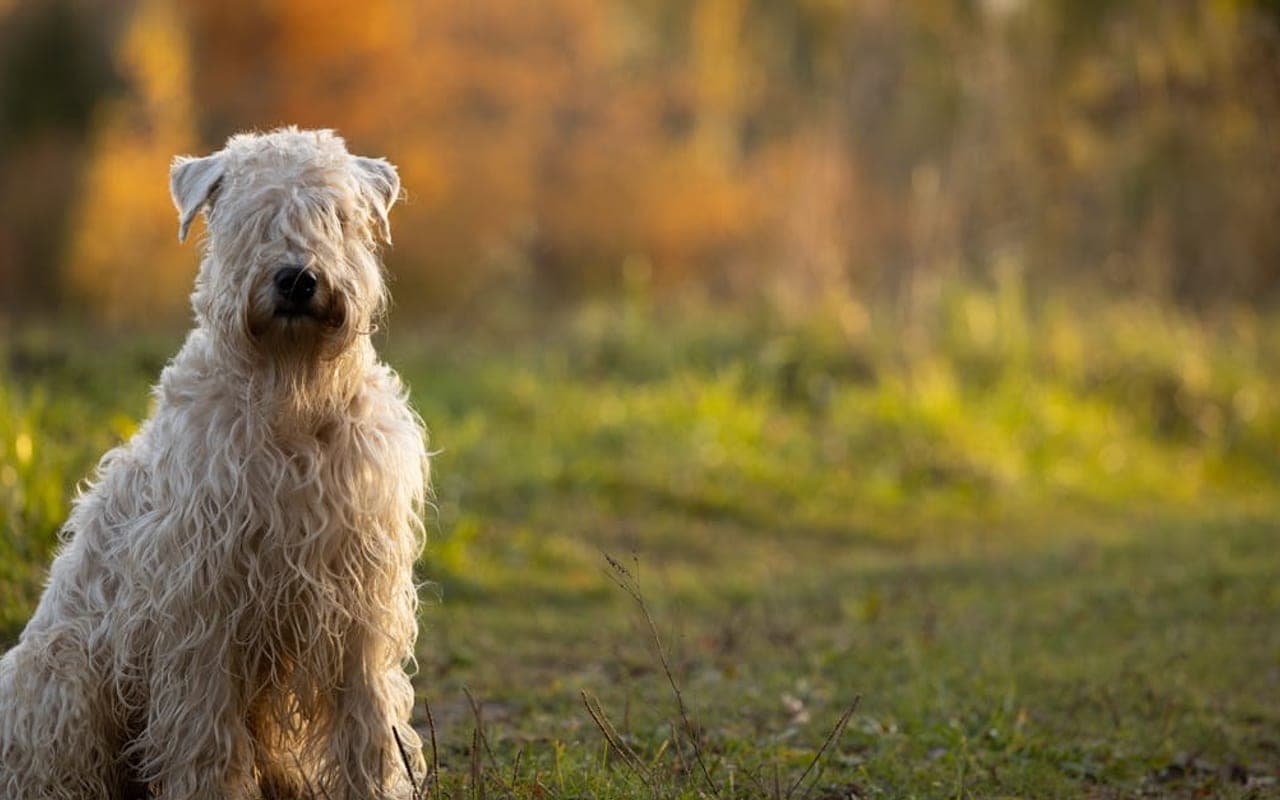
Soft Coated Wheaten Terrier
Also in the Terrier group, with different care and temperament tradeoffs.
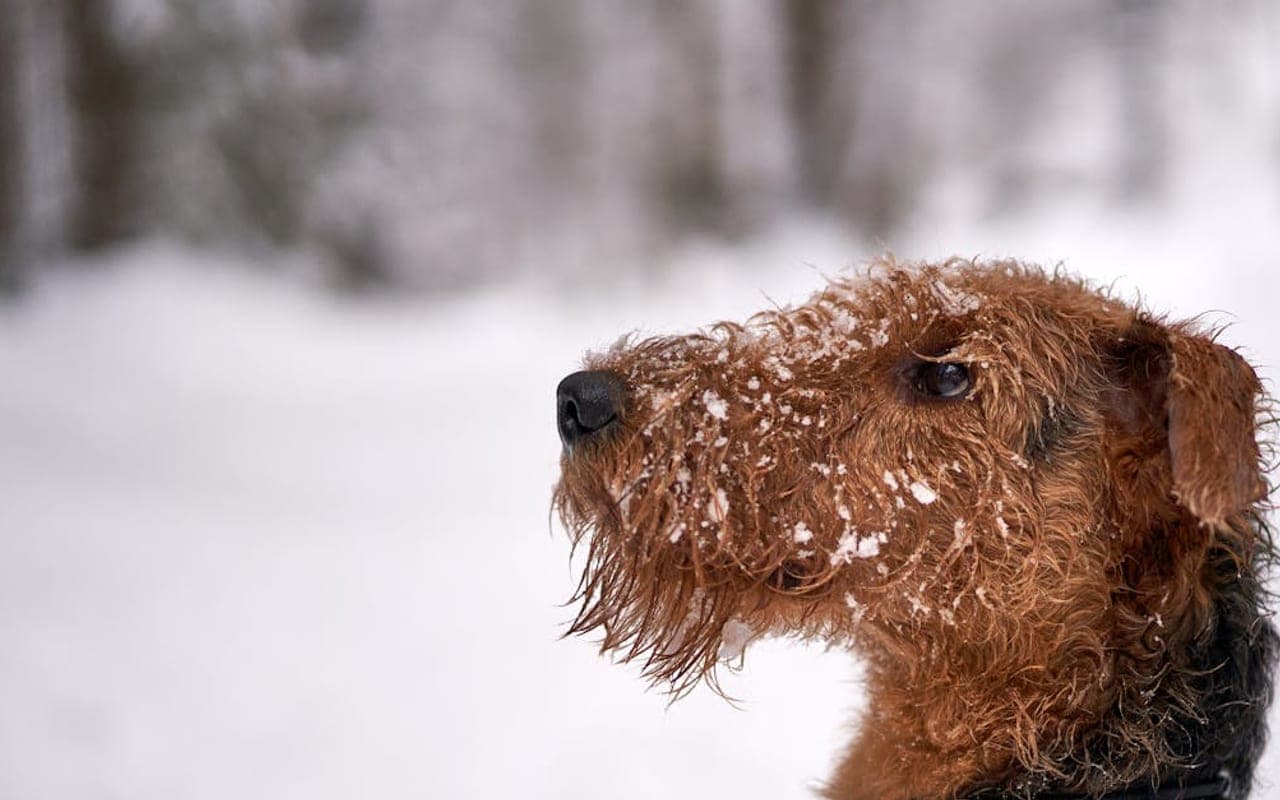
Airedale Terrier
Also in the Terrier group, with different care and temperament tradeoffs.
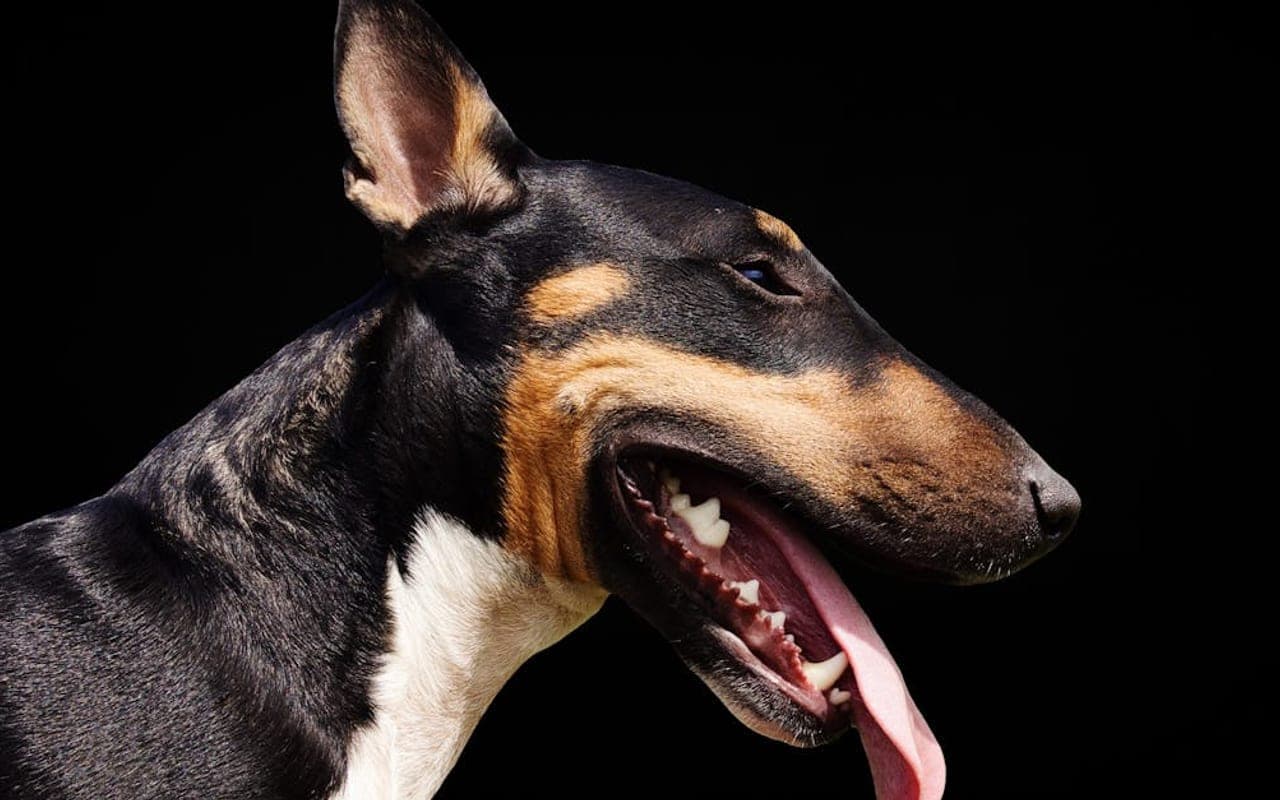
Bull Terrier
Also in the Terrier group, with different care and temperament tradeoffs.
Explore More About Border Terrier
Dive deeper into everything Border Terrier — costs, care, and expert insights.
Large Dog Care Guide: Everything Over 50 lbs
Owning a large or giant breed dog means accepting one of biology's...
Puppy Teething & Biting: Timeline and What Actually Works
A puppy has all 28 deciduous ("baby") teeth by roughly eight weeks of age, and...
Considering a cat instead?
Browse Cats