
Non-Sporting group
Boston Terrier
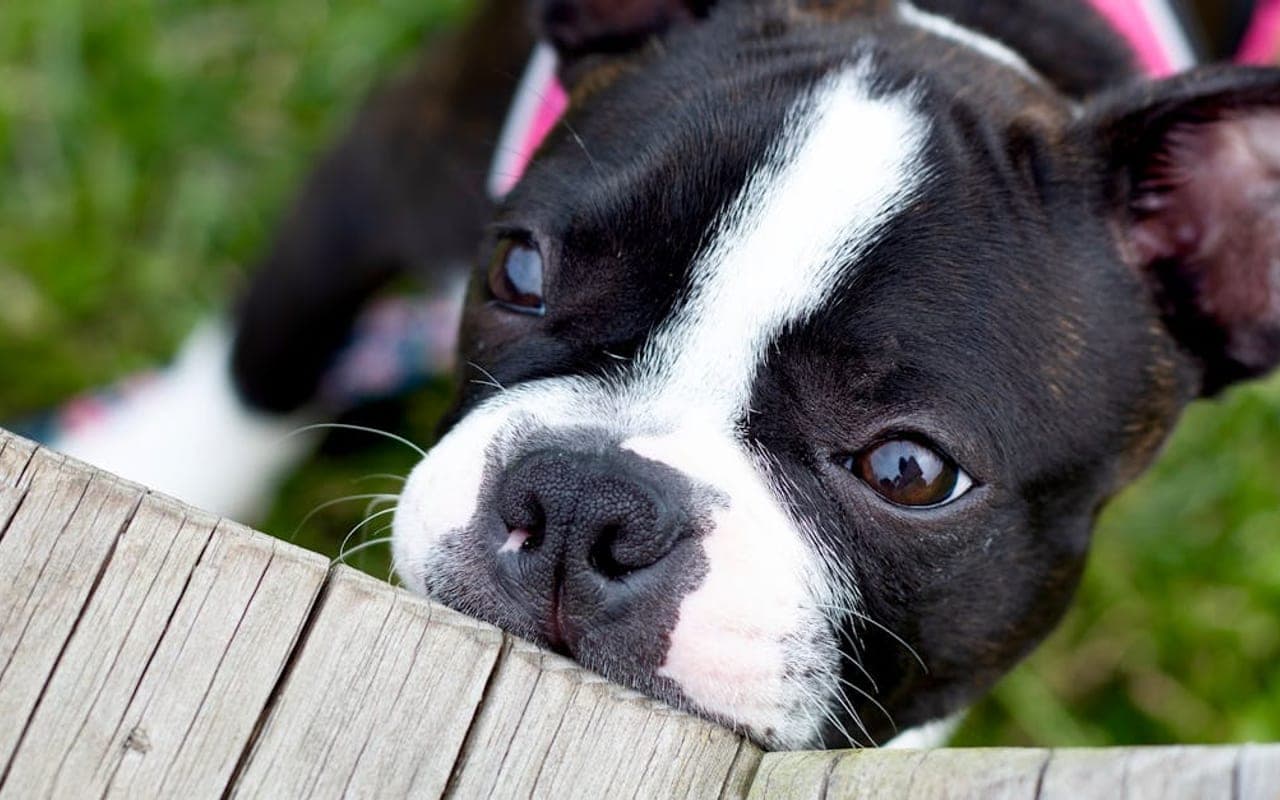
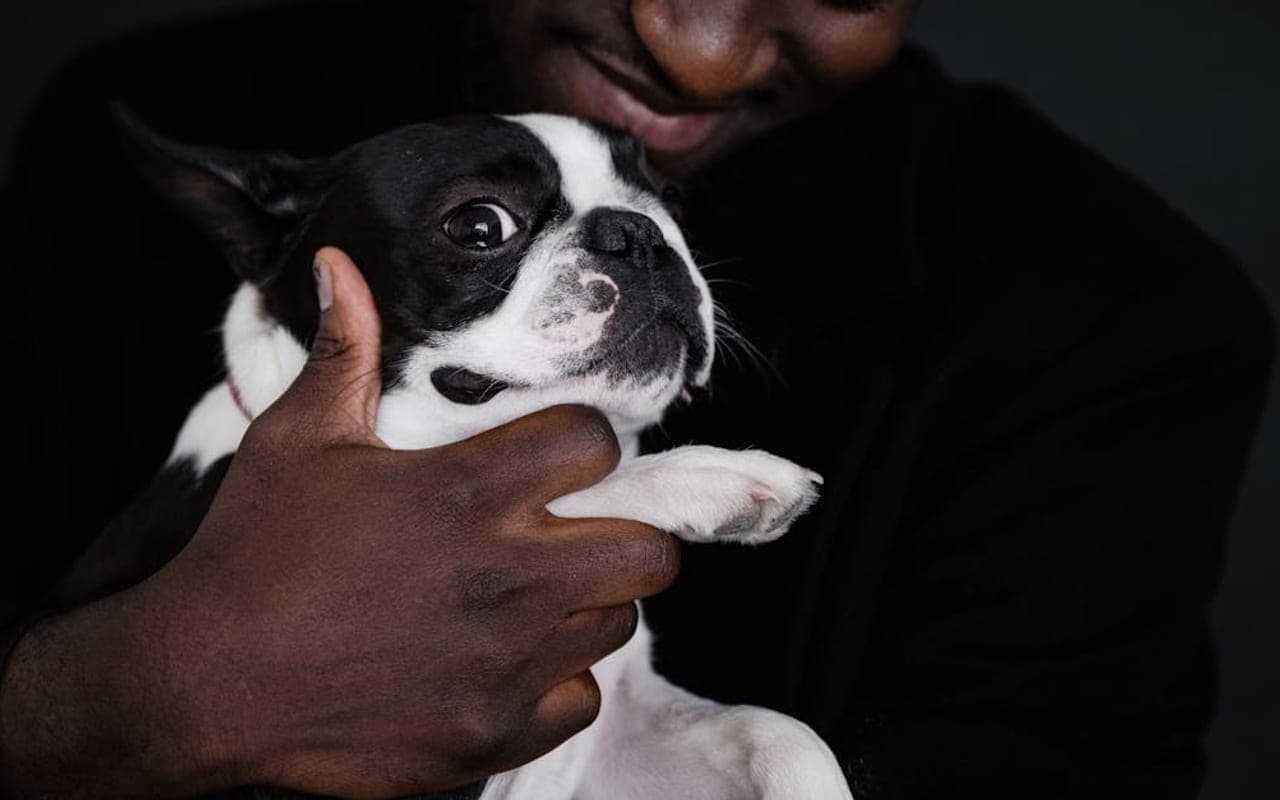
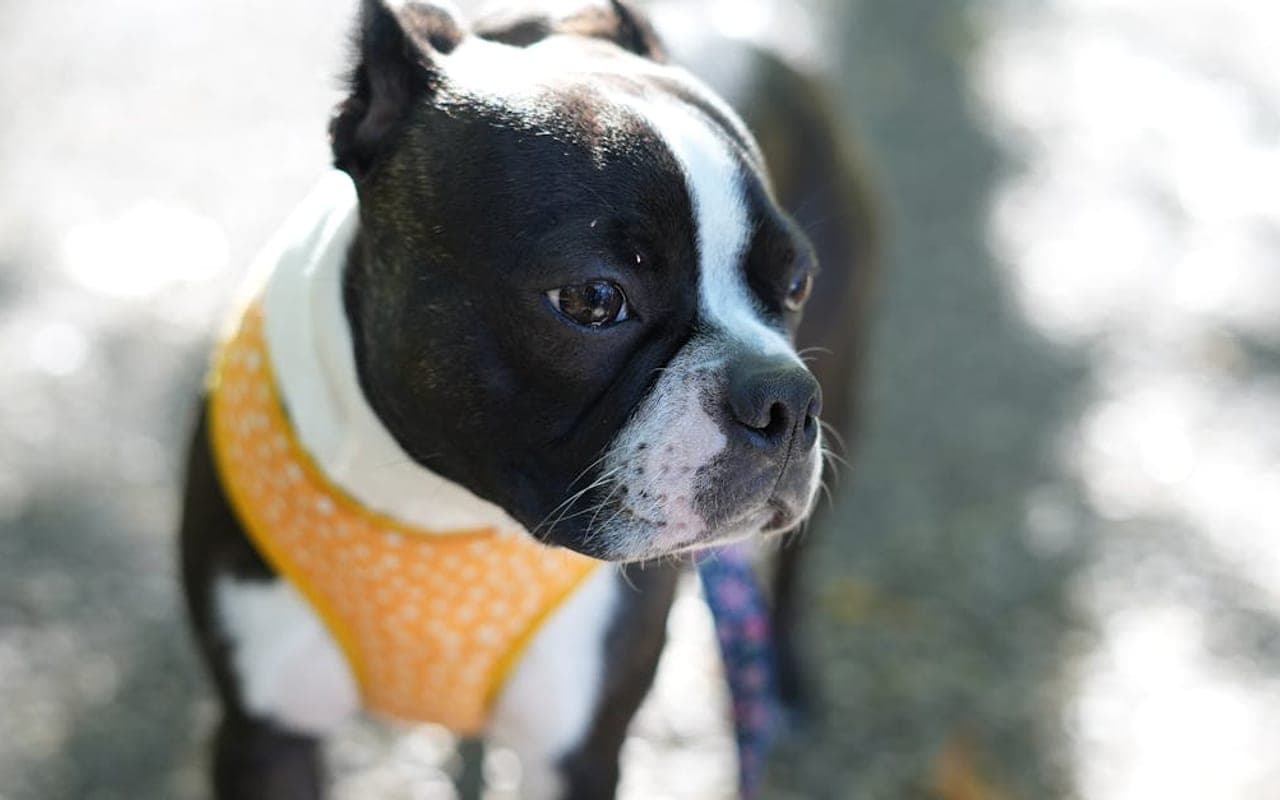
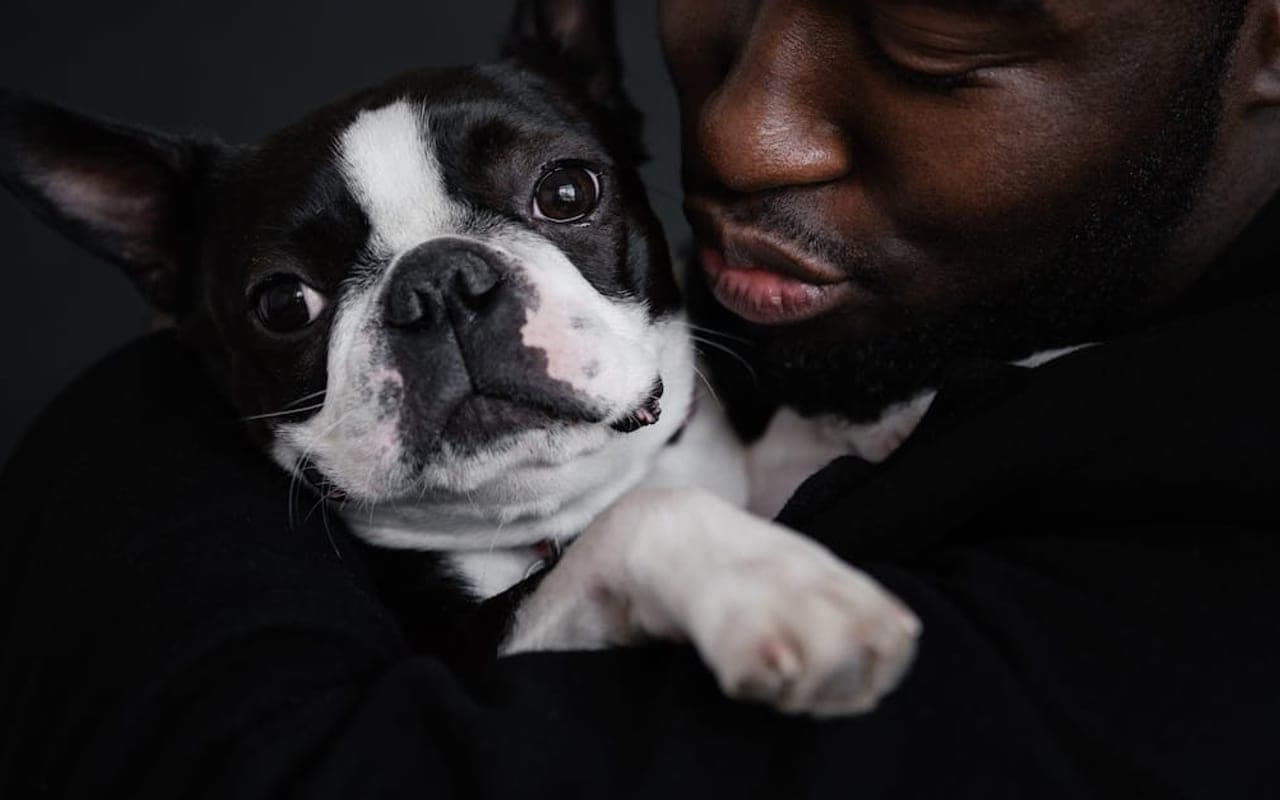
The Boston Terrier is a compact, tuxedo-marked companion dog — typically 12 to 25 pounds and 15 to 17 inches at the shoulder — and the single most important thing to understand before you buy one is that the flat face you find charming is also a medical liability.
Size
10-24 lb
Lifespan
11-13 years
Exercise
30-60 minutes
Shedding
Moderate
Experience
Match to owner routine
Decision first
Is a Boston Terrier right for you?
Start with fit before history or trivia. These are ownership signals, not guarantees about any individual dog.
Best suited for
- Apartment homes with a consistent routine.
- Owners seeking a manageable daily exercise routine.
Think carefully if
- You need a dog with almost no daily routine.
- You cannot keep up with grooming and preventive care.
- The dog will spend most days alone without support.
Conditional fit
Apartment fit depends on exercise, enrichment, noise management, and outdoor access.
Daily reality
Boston Terrier commitment snapshot
Daily exercise
30-60 minutes
Match activity to age, health, weather, and training goals.
Coat care
Moderate
Grooming needs vary by coat, shedding, and lifestyle.
Time alone
Needs planning
Most dogs need gradual alone-time conditioning and support.
Structured facts
Boston Terrier at a glance
The measurements and traits that most affect day-to-day life with this breed.
Group
Non-Sporting
Weight
10-24 lb
Height
15-17 in
Lifespan
11-13 years
Temperament
Friendly | Bright | Amusing
View all characteristics and methodology
Lifestyle fit
- Apartment suitability
- Likely fit
Owner commitment
- Exercise
- 30-60 minutes
- Grooming
- Moderate
- Shedding
- Moderate
- Training
- Low
Environment and health
- Health risk
- Needs planning
Ratings combine structured breed data, visible breed fields, and editorial context. They are planning aids, not predictions for an individual dog.
Daily life
Boston Terrier temperament and behavior
The Boston Terrier is a compact, tuxedo-marked companion dog — typically 12 to 25 pounds and 15 to 17 inches at the shoulder — and the single most important thing to understand before you buy one is that the flat face you find charming is also a medical liability. The Boston is brachycephalic. That short muzzle, those large round prominent eyes, and the screwed or short tail are not just breed-standard cosmetics; each one maps directly to a health risk you will manage and pay for over the dog's 11-to-13-year life. Temperament is the breed's genuine strength. Bostons are people-oriented, quick to read a room, low-aggression, and well-suited to apartments and first-time owners. They are moderate-energy — two 20-to-30-minute walks and some play satisfy a healthy adult — and they shed a short coat that needs almost no grooming. They are good with children and other pets and rarely bark excessively. This is a dog bred for human company, not work, and it shows. The trade-offs are real and predictable. Brachycephalic dogs overheat fast and tolerate heat poorly; a Boston in 80°F-plus humidity is a heatstroke candidate, not a jogging partner. Many snore, snort, and have some degree of airway noise that is normal for them but masks when breathing trouble is actually escalating. The prominent eyes injure and ulcerate easily. And the breed's blocky head and narrow pelvis mean a high rate of cesarean deliveries, which is why breeding Bostons is expensive and ethically fraught. Who the Boston is right for: an apartment or family owner who wants an affectionate, comic, low-grooming companion and who will keep the dog lean, climate-controlled, and out of brachycephalic-stress situations. Who it is wrong for: anyone wanting a running or hiking dog, anyone in a consistently hot climate without air conditioning, or anyone who cannot budget for the eye and airway care this face requires.
Friendly | Bright | Amusing
Friendly
A common Boston Terrier temperament descriptor that should be interpreted alongside training, exercise, and household fit.
Bright
A common Boston Terrier temperament descriptor that should be interpreted alongside training, exercise, and household fit.
Amusing
A common Boston Terrier temperament descriptor that should be interpreted alongside training, exercise, and household fit.
Owner note
Temperament labels are starting points, not guarantees. Meet the individual dog and ask about behavior history whenever possible.
Care essentials
How to care for a Boston Terrier
What looking after one actually involves: exercise, grooming, food, training, and routine health.
ExerciseAs needed
- Moderately active breed needing 30-60 minutes of daily exercise through walks, play, and mental stimulation.
GroomingAs needed
- Regular grooming needed — brush 2-3 times per week and bathe monthly.
TrainingAs needed
- Independent-minded breed that may require extra patience in training. Short, engaging sessions recommended.
NutritionAs needed
- Feed a high-quality dog food appropriate for their age, size, and activity level. Monitor portions to prevent obesity.
Veterinary CareAs needed
- Annual wellness exams, core vaccinations, dental care, and parasite prevention. Breed-specific health screenings as recommended by your vet.
Health planning
Boston Terrier health risks and screening
Every breed has individual health variation. Use this profile for planning and discuss medical decisions with a veterinarian.
Responsible ownership
Finding a Boston Terrier responsibly
What to ask a breeder or rescue is the same conversation for every breed, so we keep it in one place and keep it current.
Health documentation, meeting the parents or foster, contracts and return support, and the warning signs worth walking away from.
Original purpose
Boston Terrier history
History is useful when it explains today's behavior, coat, exercise needs, and training style.
Read the breed history
The Boston Terrier is one of the few breeds developed in the United States. It traces to 1870s Boston, Massachusetts, where a dog named Judge — a cross of English Bulldog and the now-extinct white English Terrier — was imported and bred down in size. Early specimens were heavier, pit-fighting-type dogs, but breeders deliberately selected for a smaller, gentler, companion temperament and the distinctive tuxedo markings. The American Kennel Club recognized the breed in 1893, making it one of the first AKC-registered breeds and the first of American origin. The Boston quickly became a national favorite and remains the official state dog of Massachusetts. Its nickname, 'the American Gentleman,' references both the formal-looking coat pattern and the deliberately bred-for amiable disposition — a rare case of a fighting ancestry successfully redirected into a pure companion role within a few decades.
Gallery
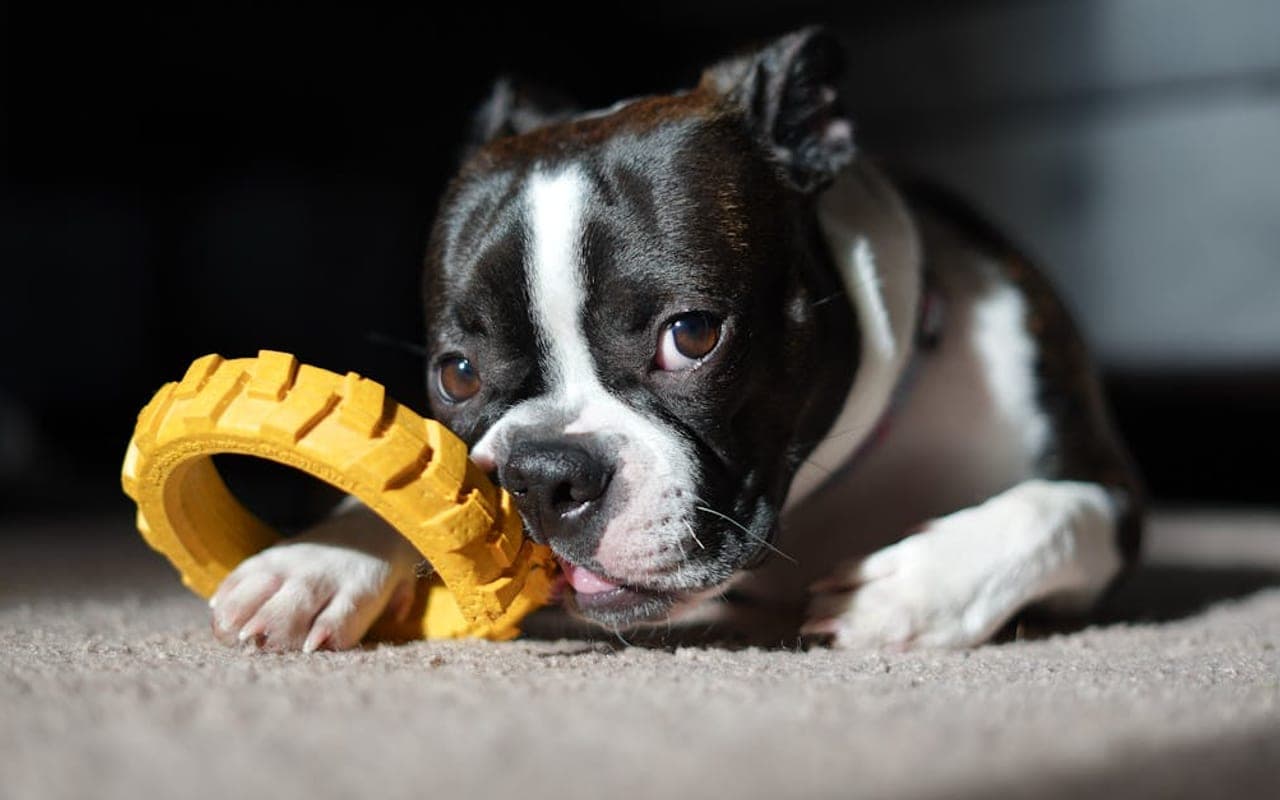
Boston Terrier photos
Images are cropped consistently and loaded progressively to keep the page responsive.
Lower-page context
Boston Terriers in culture
Where the breed shows up in film, sport, work and folklore — the enjoyable part, once the practical questions are answered.
Fun facts
- The Boston Terrier belongs to the Non-Sporting Group.
- The average lifespan of a Boston Terrier is 11 to 13 years.
- Boston Terrier dogs are valued for their friendly, bright, amusing nature.
Boston Terrier FAQs
How long do Boston Terriers live?
A healthy Boston typically lives 11 to 13 years. The biggest levers on that range are airway health and weight: a lean Boston with mild or surgically managed BOAS, protected eyes, and an indoor climate-controlled life reliably hits the top of the range, while an overweight dog with untreated airway disease loses years and quality of life. This is a breed where owner management measurably changes the outcome.
Can Boston Terriers handle hot weather or exercise hard?
No to both extremes. As a brachycephalic breed, the Boston cannot cool itself efficiently by panting and is a genuine heatstroke risk above roughly 80°F, especially with humidity. Walk at dawn or dusk in summer and keep the dog in air conditioning. They are companion-pace dogs: two 20-to-30-minute walks and play are ideal. They are not running, hiking, or hot-climate-yard dogs, and pushing one in heat can be fatal within minutes.
Are Boston Terriers good for first-time owners and apartments?
Yes — this is one of the better first-dog and apartment breeds. They are 12-25 pounds, low-grooming, moderate-energy, people-oriented, rarely excessive barkers, and adaptable to small spaces. The caveats a first-time owner must accept are non-negotiable, though: budget for potential eye and airway care, never leave them in heat, and treat noisy breathing or a squinting eye as urgent rather than normal.
Why are Boston Terrier puppies expensive?
Expect roughly $1,200-$2,500 from a health-testing breeder. The price reflects a real cost, not markup: the breed's blocky head and narrow pelvis make natural birth risky, so most litters are delivered by planned cesarean section that can run $1,500-$3,000 per litter, on top of OFA eye, patella, and BAER hearing clearances. Paying for screened lines is the cheapest insurance against juvenile cataracts, deafness, and severe airway disease.
Do Boston Terriers have a lot of health problems?
They have a predictable cluster, not random bad luck. Almost all of it traces to two design features: the flat face (airway disease, heat intolerance, corneal ulcers, cataracts) and the screw tail (hemivertebrae). Patellar luxation and pigment-linked deafness round it out. The practical takeaway: buy from a breeder who screens eyes, patellas, and hearing, keep the dog lean and cool, and you have managed most of the breed's risk before it starts.
How much grooming does a Boston Terrier need?
Very little coat work — a 5-minute brush once a week handles the short single coat and the modest year-round shedding. The grooming that actually matters in this breed is the face: wipe any facial folds, check the prominent eyes daily for redness or cloudiness, clean ears weekly, and trim nails every 3-4 weeks. Budget your grooming time for eye monitoring, not brushing.
Sources
These are the published sources this page draws on. Each opens in a new tab so you can check it yourself.
American Kennel Club
Boston Terrier — breed standard and profile(opens in a new tab)Supports: Breed standard and recognition details.
Similar breeds to consider
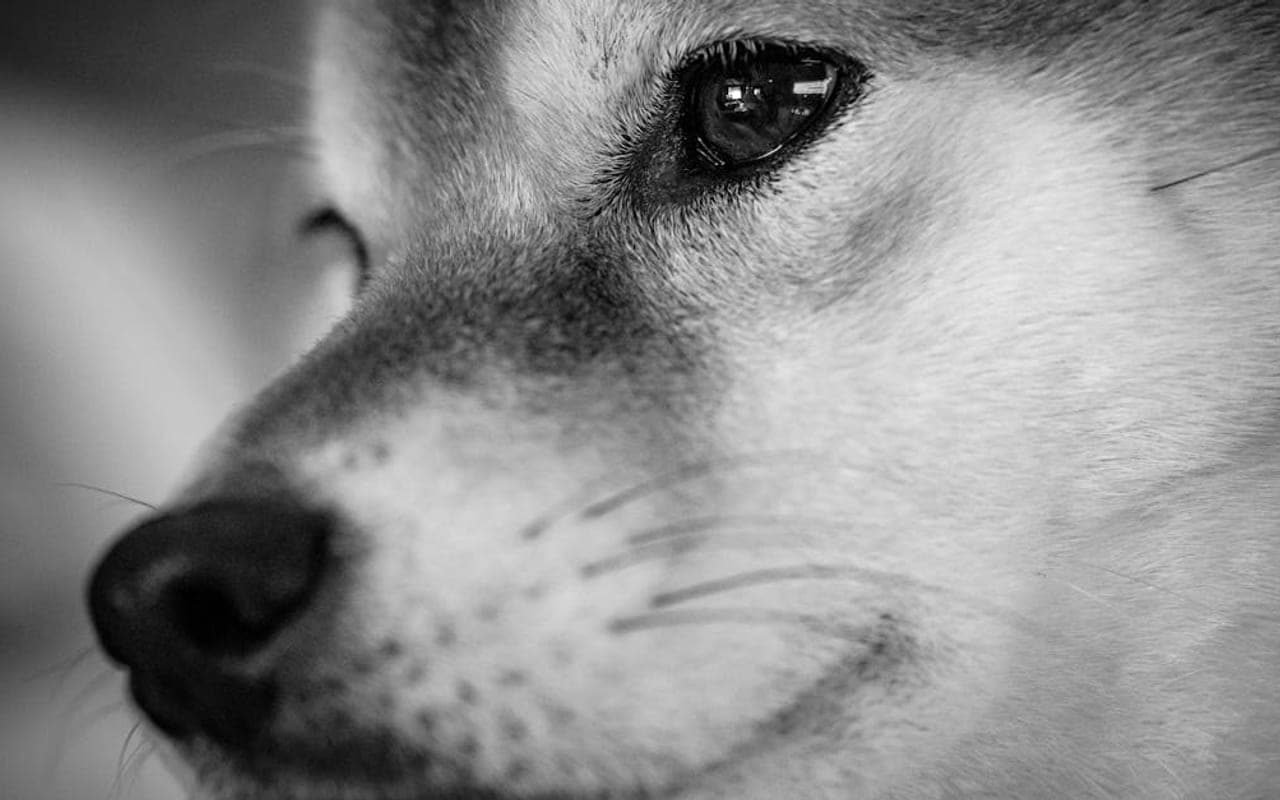
Shiba Inu
Also in the Non-Sporting group, with different care and temperament tradeoffs.
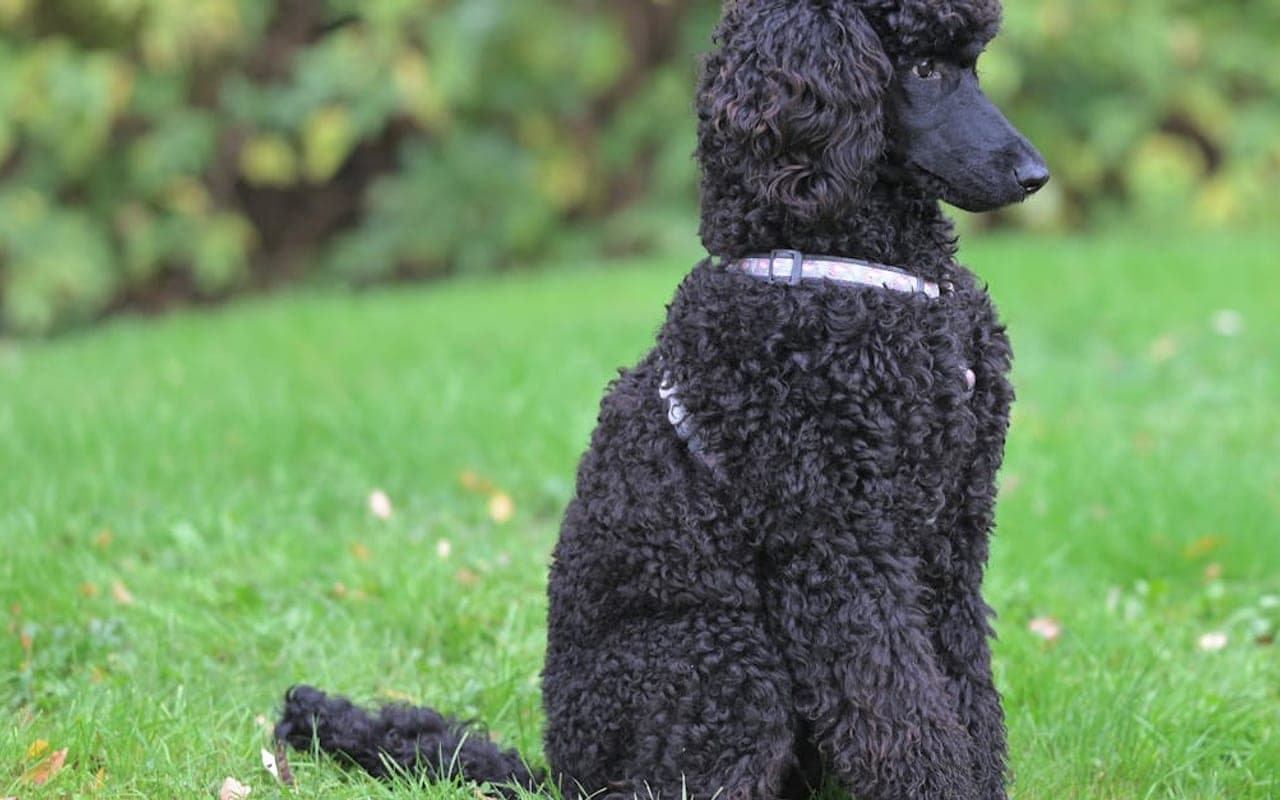
Poodle
Also in the Non-Sporting group, with different care and temperament tradeoffs.
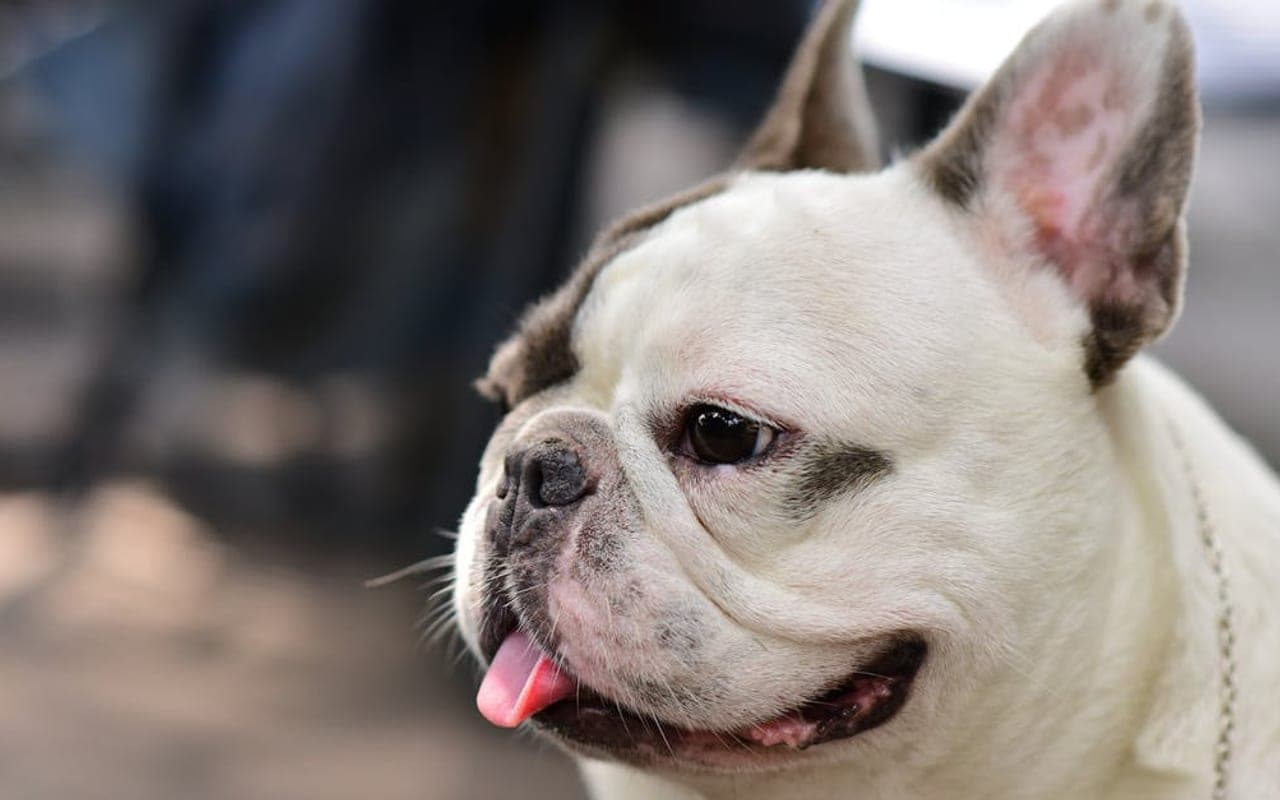
Bulldog
Also in the Non-Sporting group, with different care and temperament tradeoffs.
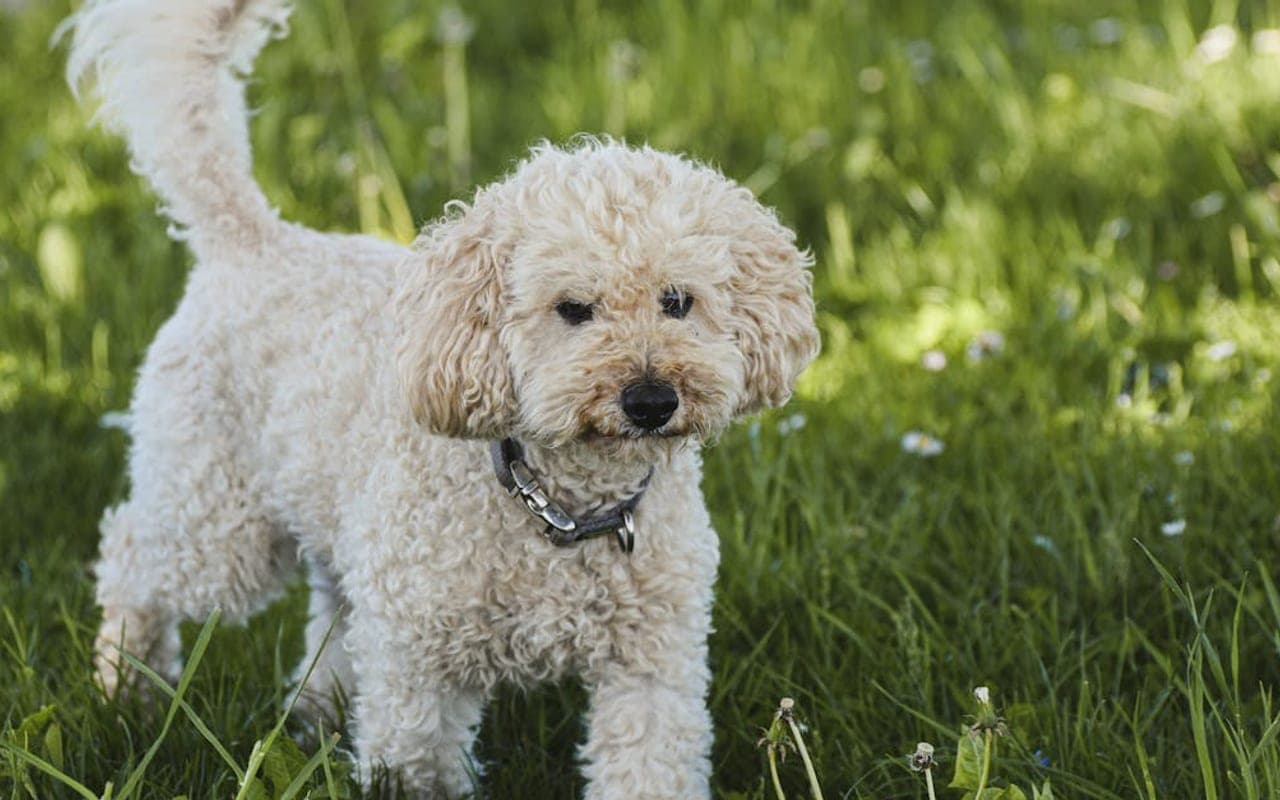
Poodle (Miniature)
Also in the Non-Sporting group, with different care and temperament tradeoffs.
Explore More About Boston Terrier
Dive deeper into everything Boston Terrier — costs, care, and expert insights.
Large Dog Care Guide: Everything Over 50 lbs
Owning a large or giant breed dog means accepting one of biology's...
Puppy Teething & Biting: Timeline and What Actually Works
A puppy has all 28 deciduous ("baby") teeth by roughly eight weeks of age, and...
Considering a cat instead?
Browse Cats