
Sporting group
Boykin Spaniel
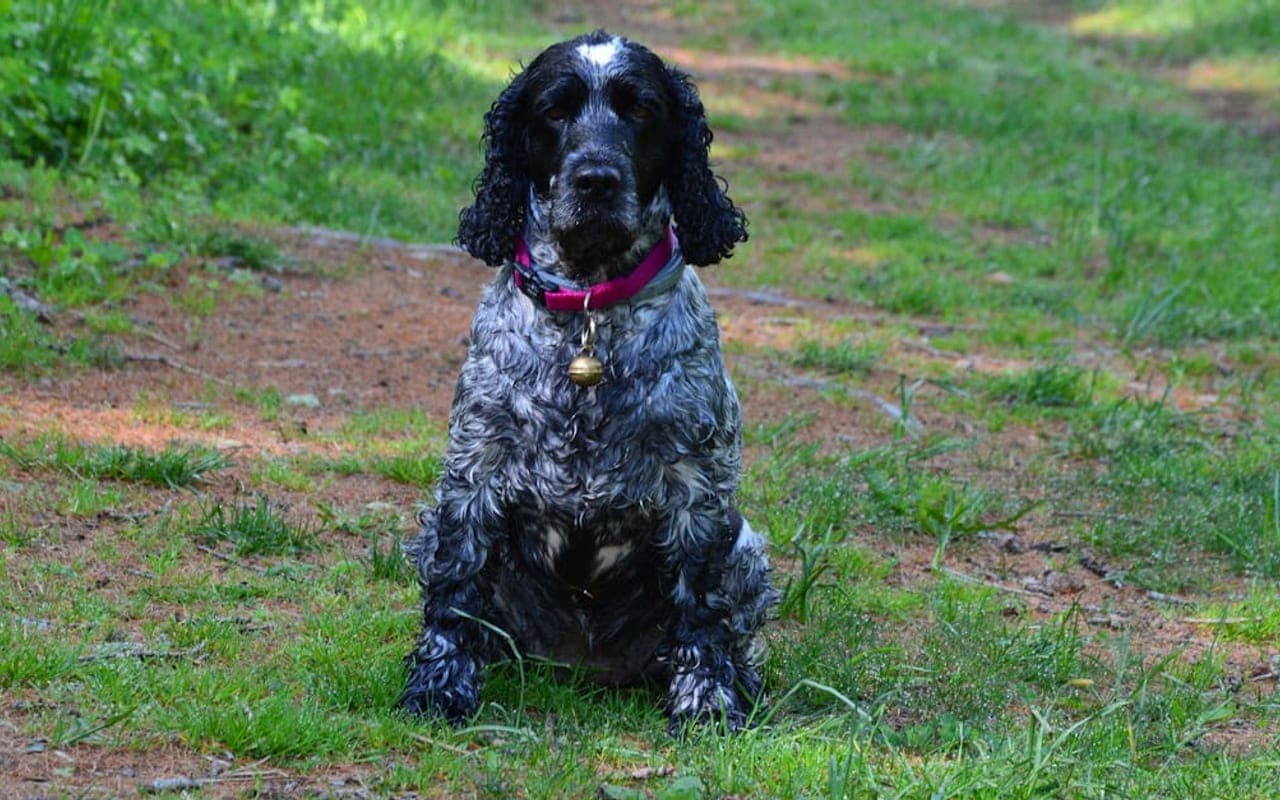
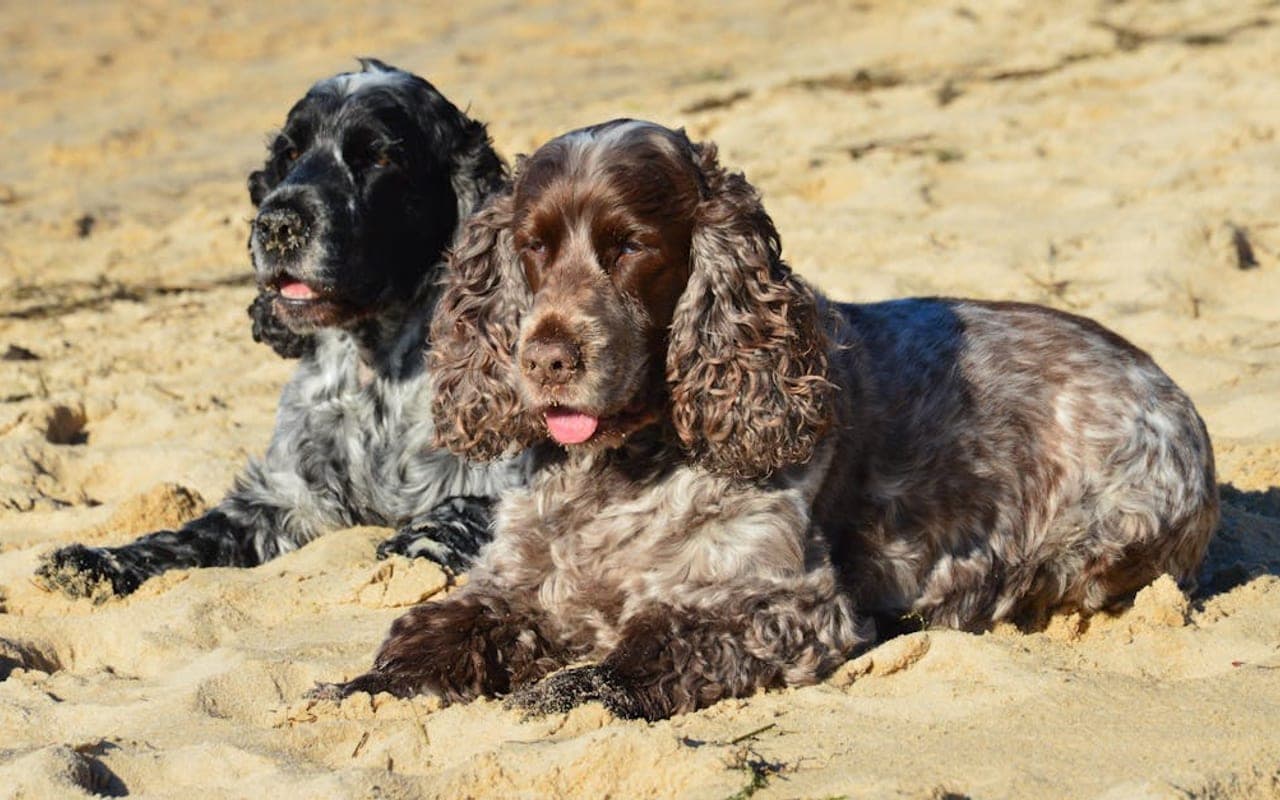
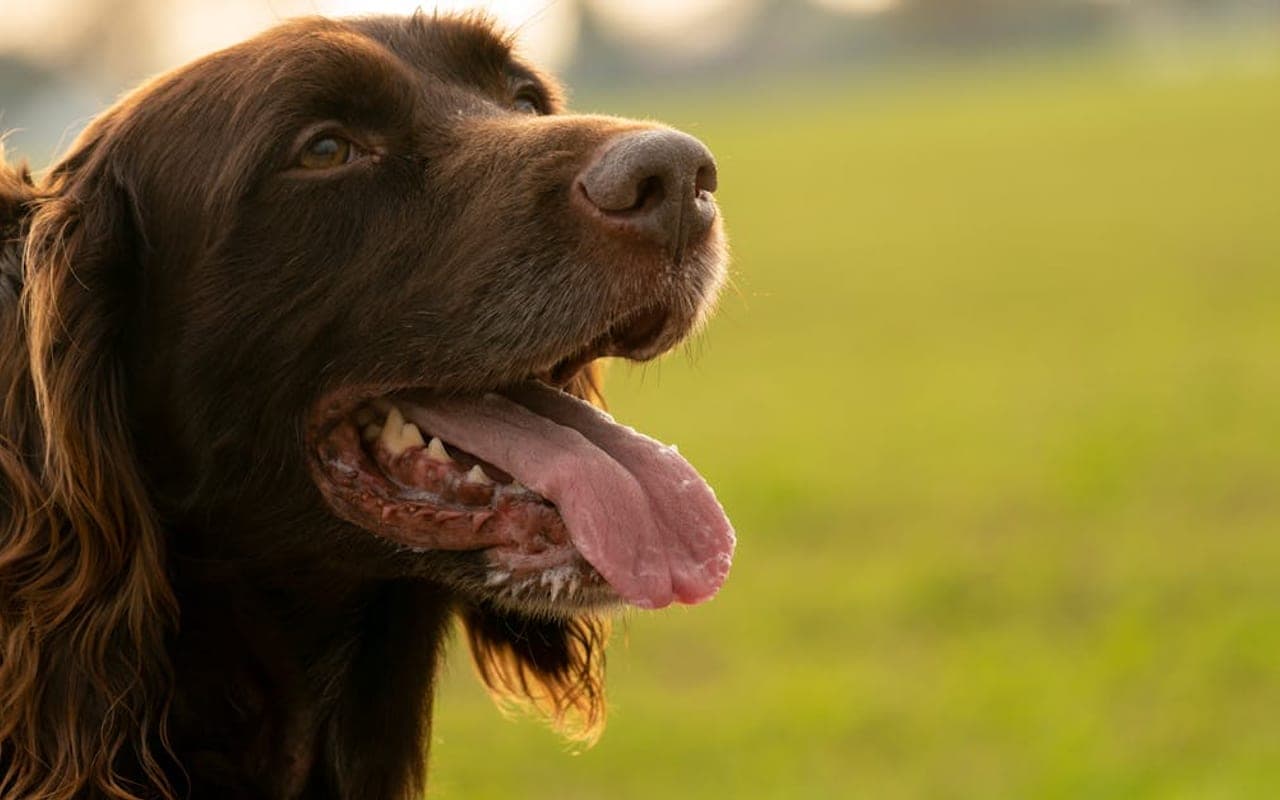
The Boykin Spaniel is a 25-to-40-pound solid-brown flushing and retrieving spaniel developed in South Carolina, and it is first and foremost a hunting dog that happens to also be a good house dog — not the other way around.
Size
24-40 lb
Lifespan
10-15 years
Exercise
30-60 minutes
Shedding
Moderate
Experience
Match to owner routine
Decision first
Is a Boykin Spaniel right for you?
Start with fit before history or trivia. These are ownership signals, not guarantees about any individual dog.
Best suited for
- Households with children.
- Homes with other compatible pets.
- Apartment homes with a consistent routine.
- Owners seeking a manageable daily exercise routine.
Think carefully if
- You need a dog with almost no daily routine.
- You cannot keep up with grooming and preventive care.
- The dog will spend most days alone without support.
Conditional fit
Apartment fit depends on exercise, enrichment, noise management, and outdoor access.
Daily reality
Boykin Spaniel commitment snapshot
Daily exercise
30-60 minutes
Match activity to age, health, weather, and training goals.
Coat care
Moderate
Grooming needs vary by coat, shedding, and lifestyle.
Time alone
Needs planning
Most dogs need gradual alone-time conditioning and support.
Structured facts
Boykin Spaniel at a glance
The measurements and traits that most affect day-to-day life with this breed.
Group
Sporting
Weight
24-40 lb
Height
14-18 in
Lifespan
10-15 years
Temperament
Friendly | Eager | Lovable
View all characteristics and methodology
Lifestyle fit
- Apartment suitability
- Likely fit
- Child friendliness
- Often good, with socialisation and supervision
- Other-pet fit
- Often compatible with careful introductions
Owner commitment
- Exercise
- 30-60 minutes
- Grooming
- Moderate
- Shedding
- Moderate
- Training
- Low
Environment and health
- Health risk
- Needs planning
Ratings combine structured breed data, visible breed fields, and editorial context. They are planning aids, not predictions for an individual dog.
Daily life
Boykin Spaniel temperament and behavior
The Boykin Spaniel is a 25-to-40-pound solid-brown flushing and retrieving spaniel developed in South Carolina, and it is first and foremost a hunting dog that happens to also be a good house dog — not the other way around. Buyers who meet a calm, affectionate adult Boykin on a couch can be misled: the breed's own enthusiasts describe it as "a doorbell at home and a tiger in the field," and the field drive does not switch off because the dog lives in a suburb. This is a high-energy bird dog. Under-exercised, it becomes destructive, vocal, and anxious. That single fact decides whether the breed fits a given household more than anything about its looks. Physically the Boykin is rangier than a Cocker and more compact than a Springer, with a rich liver-to-chocolate coat, long feathered ears, and webbed toes built for swimming the swamps and lakes of its home range. The coat is medium-length and feathered, which means routine brushing and ear care rather than heavy grooming. Temperament is friendly, eager to please, and people-oriented — Boykins are biddable and trainable for owners who give them structure, but they are also sensitive and bond hard, disliking isolation. They are generally good with children and other dogs when socialized, and their merry nature makes them poor guard dogs. Who the Boykin is right for: an active owner or hunting household that can give 60-plus minutes of vigorous daily exercise (ideally including swimming or retrieving), wants a trainable companion, and will buy only from a breeder who screens hips, eyes, heart, and exercise-induced collapse. Who it is wrong for: a sedentary or frequently-absent household — that owner gets a frustrated, noisy, anxious dog, not a mellow lapdog.
Friendly | Eager | Lovable
Friendly
A common Boykin Spaniel temperament descriptor that should be interpreted alongside training, exercise, and household fit.
Eager
A common Boykin Spaniel temperament descriptor that should be interpreted alongside training, exercise, and household fit.
Lovable
A common Boykin Spaniel temperament descriptor that should be interpreted alongside training, exercise, and household fit.
Owner note
Temperament labels are starting points, not guarantees. Meet the individual dog and ask about behavior history whenever possible.
Care essentials
How to care for a Boykin Spaniel
What looking after one actually involves: exercise, grooming, food, training, and routine health.
ExerciseAs needed
- Moderately active breed needing 30-60 minutes of daily exercise through walks, play, and mental stimulation.
GroomingAs needed
- Regular grooming needed — brush 2-3 times per week and bathe monthly.
TrainingAs needed
- Independent-minded breed that may require extra patience in training. Short, engaging sessions recommended.
NutritionAs needed
- Feed a high-quality dog food appropriate for their age, size, and activity level. Monitor portions to prevent obesity.
Veterinary CareAs needed
- Annual wellness exams, core vaccinations, dental care, and parasite prevention. Breed-specific health screenings as recommended by your vet.
Health planning
Boykin Spaniel health risks and screening
Every breed has individual health variation. Use this profile for planning and discuss medical decisions with a veterinarian.
Responsible ownership
Finding a Boykin Spaniel responsibly
What to ask a breeder or rescue is the same conversation for every breed, so we keep it in one place and keep it current.
Health documentation, meeting the parents or foster, contracts and return support, and the warning signs worth walking away from.
Original purpose
Boykin Spaniel history
History is useful when it explains today's behavior, coat, exercise needs, and training style.
Read the breed history
The Boykin Spaniel originated in the early 20th century around Camden, South Carolina, and is the official state dog of South Carolina. The breed traces to a small brown stray spaniel — remembered as "Dumpy" — found near a church around 1905 and given to hunter Whit Boykin, who recognized an exceptional retrieving and turkey-dog aptitude and developed a line around him. To suit the small boats used on the Wateree River swamps, the breed was bred compact enough to ride in a section boat yet tough enough to retrieve waterfowl and flush wild turkey in dense, wet terrain. Breeds believed to be in the foundation include the American Water Spaniel, Chesapeake Bay Retriever, Springer and Cocker Spaniels, and possibly the Pointer for nose. For decades the Boykin was a regional secret known mainly to Carolina hunters; the Boykin Spaniel Society formed in 1977, and the AKC granted full recognition in 2009. The webbed feet and water-loving temperament are direct legacies of a dog built for swamp retrieving.
Gallery
Boykin Spaniel photos
Images are cropped consistently and loaded progressively to keep the page responsive.
Lower-page context
Boykin Spaniels in culture
Where the breed shows up in film, sport, work and folklore — the enjoyable part, once the practical questions are answered.
Fun facts
- The Boykin Spaniel belongs to the Sporting Group.
- With proper care, Boykin Spaniel dogs can live up to 15 years or more.
- Boykin Spaniel dogs are valued for their friendly, eager, lovable nature.
Boykin Spaniel FAQs
How long do Boykin Spaniels live?
A Boykin Spaniel typically lives 10 to 15 years. Where a dog lands in that fairly wide range is heavily influenced by joint health and weight: a Boykin kept lean, exercised appropriately, and bought from hip-screened parents tends toward the upper end, while obesity and untreated hip dysplasia shorten both lifespan and quality of life. Buying from a breeder who OFA-screens hips and eyes and DNA-tests for exercise-induced collapse is the most reliable lever an owner has on that number before the puppy ever comes home.
Are Boykin Spaniels good family dogs and good with children?
Yes, for an active family. Boykins are friendly, eager to please, and people-oriented, and they are generally good with children and other dogs when socialized early. The real qualifier is energy, not temperament: this is a hunting breed that needs 60 to 90 minutes of vigorous daily exercise, and a Boykin that does not get it becomes destructive and vocal — which families misread as a behavior problem. A household that can meet the exercise demand gets an affectionate, biddable companion; a sedentary one gets a frustrated dog.
How much exercise does a Boykin Spaniel need?
Plan on 60 to 90 minutes of real activity every day — brisk walking plus retrieving, field work, or swimming, which this webbed-footed breed excels at and loves. A walk around the block is not enough for a bird dog; under-exercised Boykins chew, bark, and develop anxiety. One important caution: some Boykins carry the exercise-induced collapse gene, so with a susceptible or untested dog, avoid prolonged maximal exertion in heat, keep the dog hydrated, and stop at the first sign of a weak, dragging rear gait.
What is exercise-induced collapse and how do I manage it in a Boykin?
Exercise-induced collapse (EIC) is an inherited disorder in which the rear legs weaken or give out during or right after intense exercise, typically in heat and excitement. It is identified by a DNA test, so the first step is knowing the parents' status before you buy. For an affected or untested dog, management is practical: avoid sustained high-intensity activity in hot weather, keep the dog hydrated and cool, and the moment you see a wobbly or dragging rear, stop, cool, and rest the dog. Recurrent episodes warrant a veterinary workup; never push a collapsing dog through it.
How much grooming does a Boykin Spaniel need, and why the focus on ears?
Grooming is moderate: the medium feathered coat needs brushing two to three times a week to stop mats forming behind the ears and on the legs and belly, with light trimming of feathering as needed. The ears are the part that costs owners money if ignored. The long pendulous ear flaps plus a breed that swims constantly trap moisture, making chronic ear infections the single most common avoidable Boykin vet visit. Dry the ears after every swim and clean them weekly; that routine prevents most of those infections and their recurring cost.
How much does a Boykin Spaniel cost to buy and own?
A puppy from a breeder who OFA-screens hips and eyes and DNA-tests for exercise-induced collapse and Collie Eye Anomaly typically runs $1,200 to $2,500; breed-rescue adoption costs far less. Ownership cost is driven mainly by two predictable items: routine ear care and the realistic possibility of hip-dysplasia management in a breed predisposed to it, which together can add $2,000 to $6,000 over the dog's life. As with most breeds, paying for screened parents up front is cheaper than treating an inherited problem later.
Sources
These are the published sources this page draws on. Each opens in a new tab so you can check it yourself.
American Kennel Club
Boykin Spaniel — breed standard and profile(opens in a new tab)Supports: Breed standard and recognition details.
Similar breeds to consider
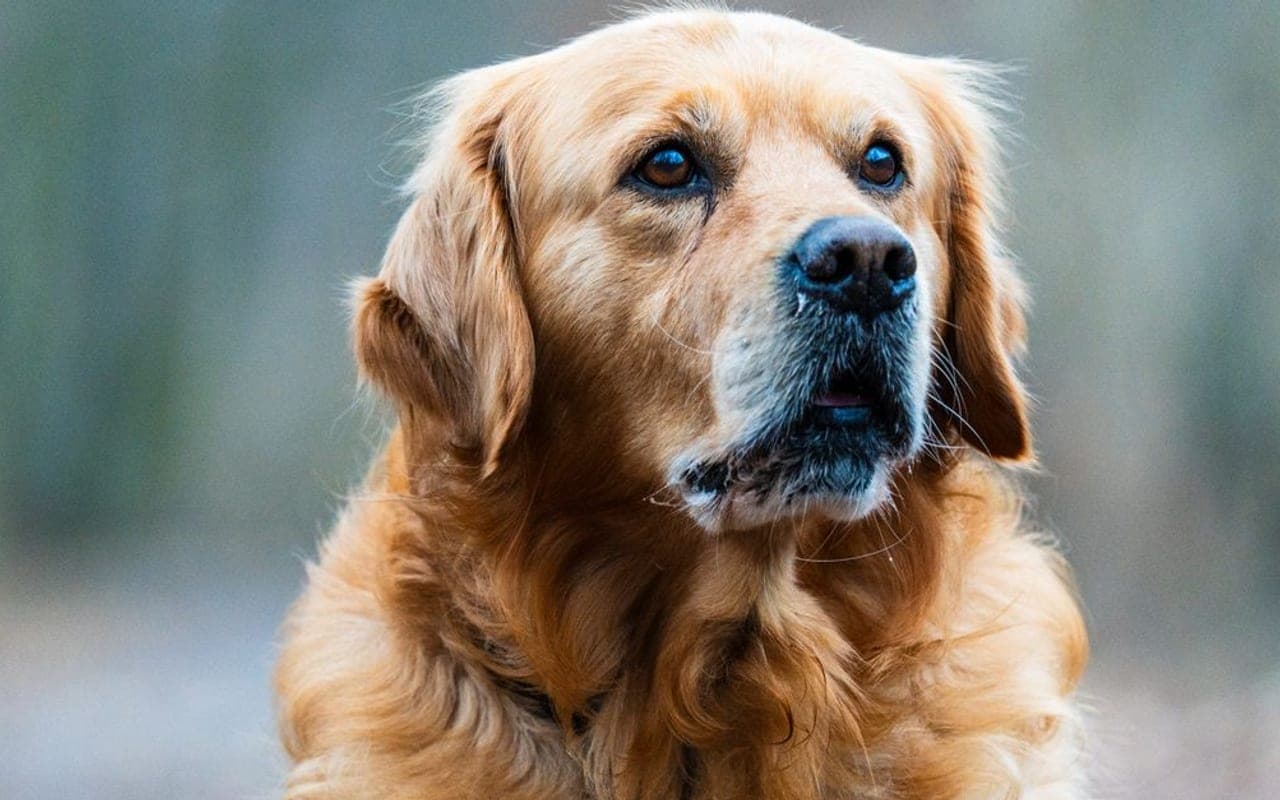
Golden Retriever
Also in the Sporting group, with different care and temperament tradeoffs.
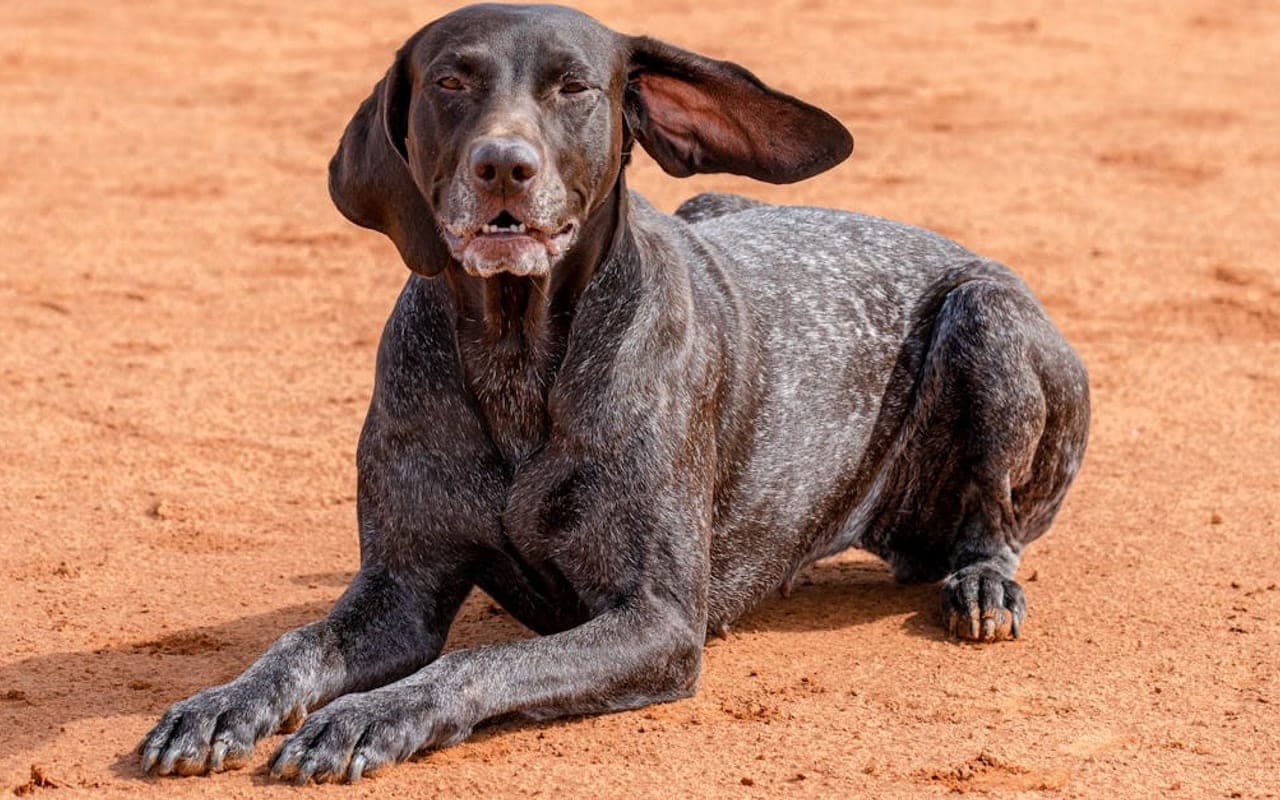
German Shorthaired Pointer
Also in the Sporting group, with different care and temperament tradeoffs.
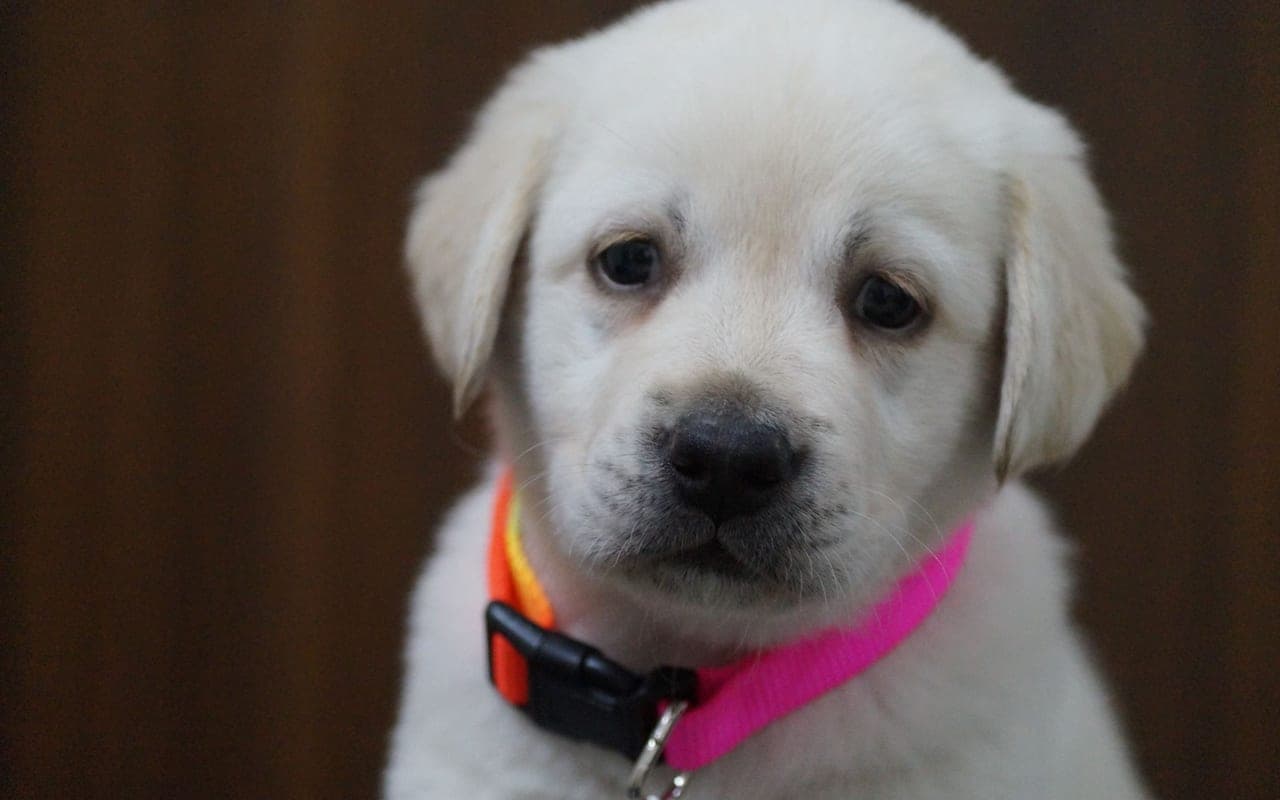
Labrador Retriever
Also in the Sporting group, with different care and temperament tradeoffs.
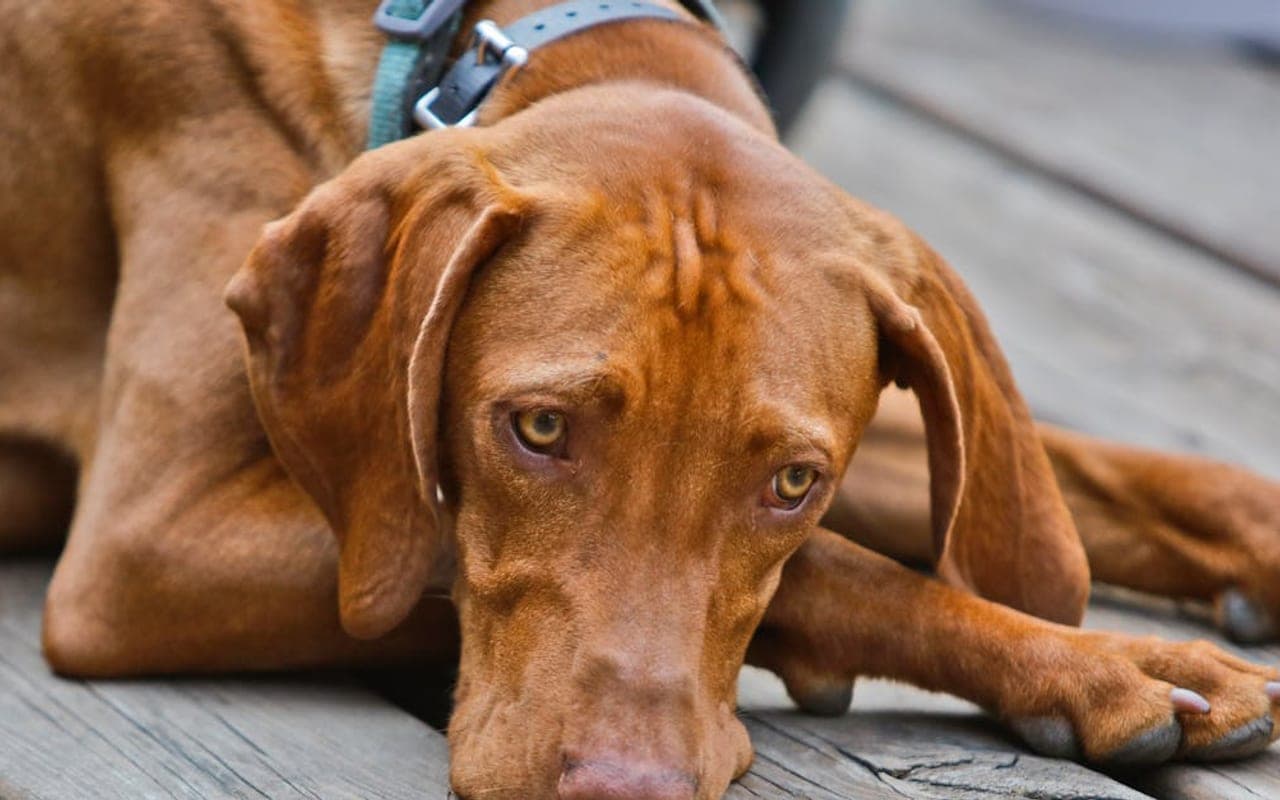
Vizsla
Also in the Sporting group, with different care and temperament tradeoffs.
Explore More About Boykin Spaniel
Dive deeper into everything Boykin Spaniel — costs, care, and expert insights.
Considering a cat instead?
Browse Cats