
Foundation Stock Service group
Braque du Bourbonnais
The Braque du Bourbonnais is a compact, naturally short-tailed French pointer built for one job: hunting on foot, all day, within shotgun range of a walking handler.
Size
35-55 lb
Lifespan
10-12 years
Exercise
30-60 minutes
Shedding
Moderate
Experience
Match to owner routine
Decision first
Is a Braque du Bourbonnais right for you?
Start with fit before history or trivia. These are ownership signals, not guarantees about any individual dog.
Best suited for
- Households with children.
- Homes with other compatible pets.
- Apartment homes with a consistent routine.
- Owners seeking a manageable daily exercise routine.
Think carefully if
- You need a dog with almost no daily routine.
- You cannot keep up with grooming and preventive care.
- The dog will spend most days alone without support.
Conditional fit
Apartment fit depends on exercise, enrichment, noise management, and outdoor access.
Daily reality
Braque du Bourbonnais commitment snapshot
Daily exercise
30-60 minutes
Match activity to age, health, weather, and training goals.
Coat care
Moderate
Grooming needs vary by coat, shedding, and lifestyle.
Time alone
Needs planning
Most dogs need gradual alone-time conditioning and support.
Structured facts
Braque du Bourbonnais at a glance
The measurements and traits that most affect day-to-day life with this breed.
Group
Foundation Stock Service
Weight
35-55 lb
Height
19-22 in
Lifespan
10-12 years
Temperament
Affectionate | Adaptable | Gentle
View all characteristics and methodology
Lifestyle fit
- Apartment suitability
- Likely fit
- Child friendliness
- Often good, with socialisation and supervision
- Other-pet fit
- Often compatible with careful introductions
Owner commitment
- Exercise
- 30-60 minutes
- Grooming
- Moderate
- Shedding
- Moderate
- Training
- Low
Environment and health
- Health risk
- Needs planning
Ratings combine structured breed data, visible breed fields, and editorial context. They are planning aids, not predictions for an individual dog.
Daily life
Braque du Bourbonnais temperament and behavior
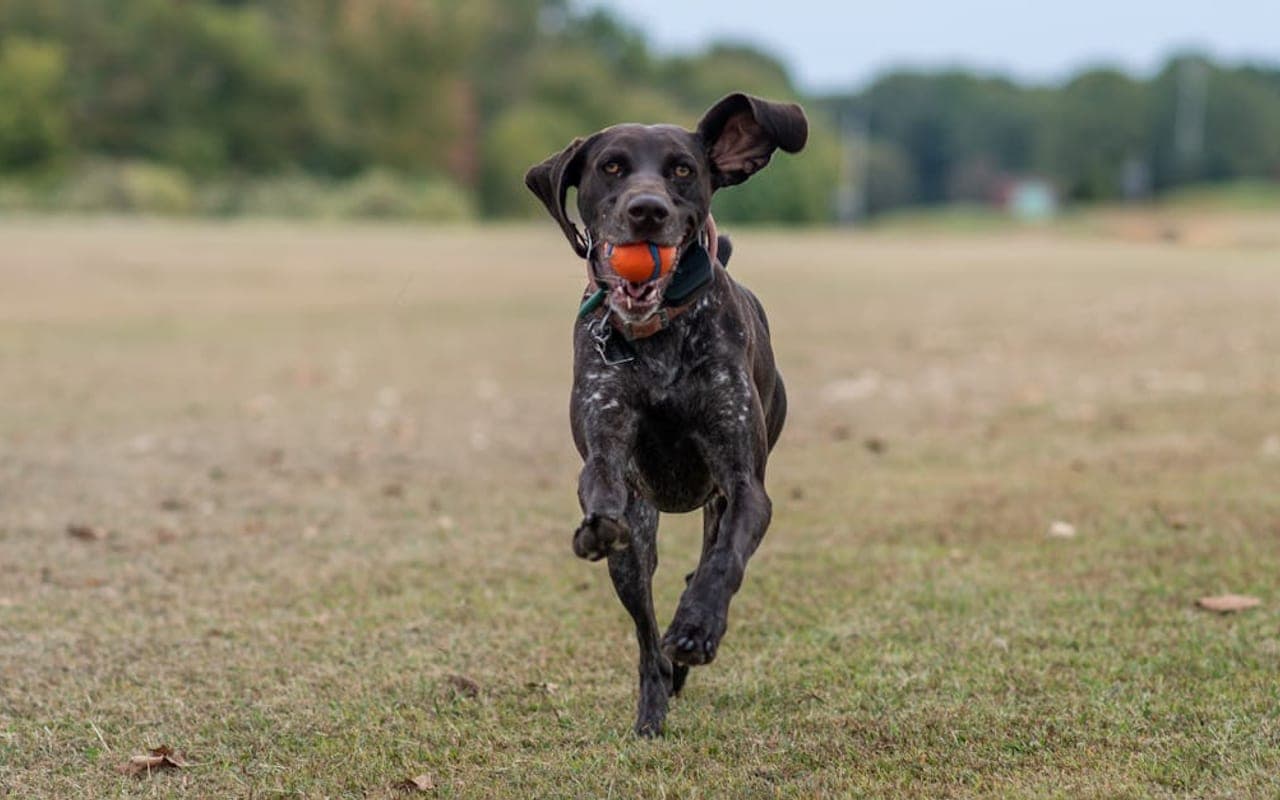
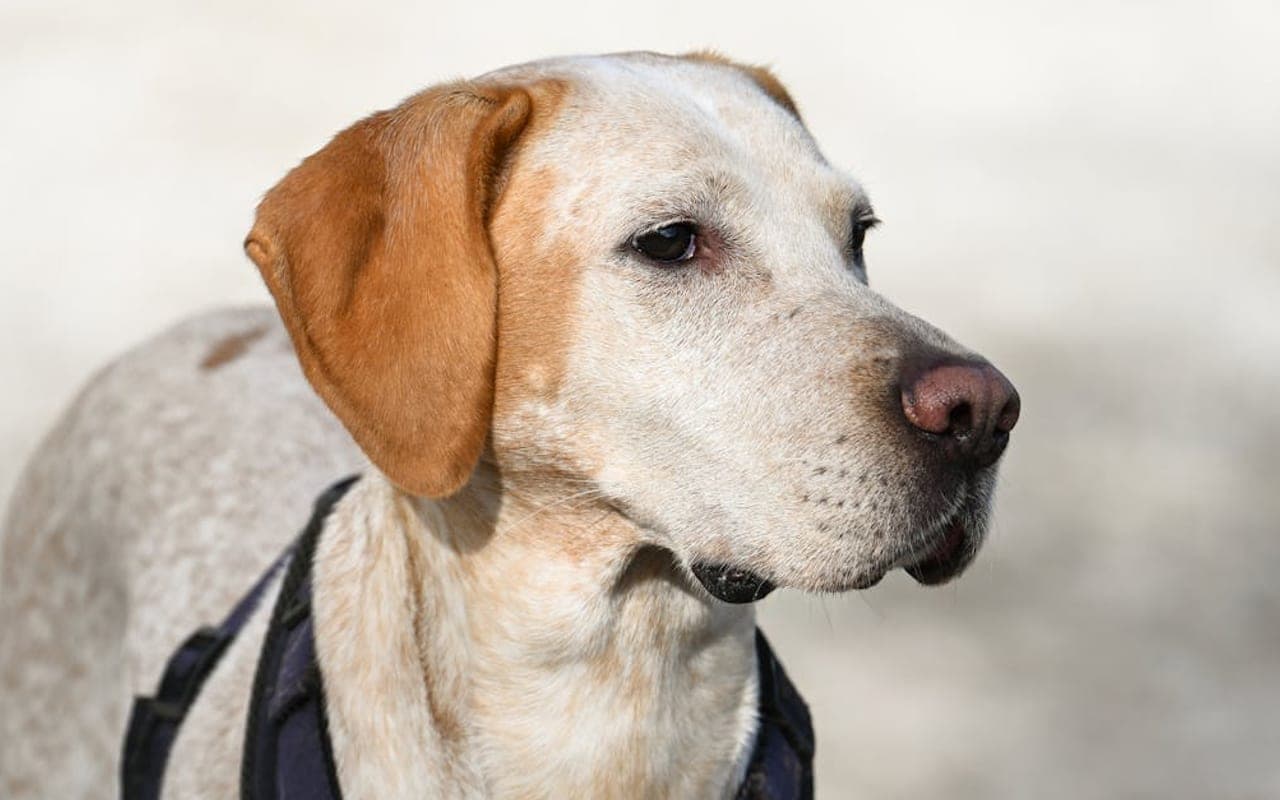
The Braque du Bourbonnais is a compact, naturally short-tailed French pointer built for one job: hunting on foot, all day, within shotgun range of a walking handler. If you picture a pointer as a wide-ranging, hard-charging field dog, recalibrate — the Bourbonnais was bred for the foot hunter who walks fields and woods, not the horseback or ATV handler who needs a dog that runs the horizon. That close-working instinct is the single most important thing to understand before buying one. Physically this is a medium dog — roughly 16-24 kg for males, slightly less for females — with a dense, short, easy-care coat in fawn or liver ticking ('faded lilac' and 'peach' are the traditional color names). Many are born with a natural bobtail or no tail at all; this is a heritable trait, not a docking artifact, and it is part of the breed standard. Temperament is the selling point and the catch. In the home a well-exercised Bourbonnais is genuinely gentle, affectionate, and bonded hard to its family — it is often described as Velcro. In the field it is a serious, methodical hunter with a strong point and natural retrieve. The catch: this is a sensitive, soft breed that does not tolerate harsh handling, and one that needs real daily aerobic work plus a job for its nose. A bored, under-exercised Bourbonnais becomes anxious and destructive, not lazy. Who it is right for: an active hunting household, or a non-hunting owner committed to 60-90 minutes of daily exercise plus scent enrichment, who will train with positive methods. Who it is wrong for: anyone wanting a low-energy companion, a kennel dog, or a dog they can correct into shape — this breed shuts down under pressure and unravels under boredom.
Affectionate | Adaptable | Gentle
Affectionate
A common Braque du Bourbonnais temperament descriptor that should be interpreted alongside training, exercise, and household fit.
Adaptable
A common Braque du Bourbonnais temperament descriptor that should be interpreted alongside training, exercise, and household fit.
Gentle
A common Braque du Bourbonnais temperament descriptor that should be interpreted alongside training, exercise, and household fit.
Owner note
Temperament labels are starting points, not guarantees. Meet the individual dog and ask about behavior history whenever possible.
Care essentials
How to care for a Braque du Bourbonnais
What looking after one actually involves: exercise, grooming, food, training, and routine health.
ExerciseAs needed
- Moderately active breed needing 30-60 minutes of daily exercise through walks, play, and mental stimulation.
GroomingAs needed
- Regular grooming needed — brush 2-3 times per week and bathe monthly.
TrainingAs needed
- Independent-minded breed that may require extra patience in training. Short, engaging sessions recommended.
NutritionAs needed
- Feed a high-quality dog food appropriate for their age, size, and activity level. Monitor portions to prevent obesity.
Veterinary CareAs needed
- Annual wellness exams, core vaccinations, dental care, and parasite prevention. Breed-specific health screenings as recommended by your vet.
Health planning
Braque du Bourbonnais health risks and screening
Every breed has individual health variation. Use this profile for planning and discuss medical decisions with a veterinarian.
Responsible ownership
Finding a Braque du Bourbonnais responsibly
What to ask a breeder or rescue is the same conversation for every breed, so we keep it in one place and keep it current.
Health documentation, meeting the parents or foster, contracts and return support, and the warning signs worth walking away from.
Original purpose
Braque du Bourbonnais history
History is useful when it explains today's behavior, coat, exercise needs, and training style.
Read the breed history
The Braque du Bourbonnais takes its name from the historic Bourbonnais province of central France, where it was developed as a foot-hunting pointer — descriptions of a fawn-ticked, short-tailed pointing dog from the region date to the 16th century, making it one of the older continental pointing breeds. It was prized by walking hunters for close, methodical work and a natural retrieve. The breed nearly vanished. Strict early standards (rigid color and tail-length requirements) shrank the gene pool, and by the mid-20th century registrations had effectively collapsed — no Bourbonnais were registered in France for roughly two decades. The breed was reconstructed beginning in 1970 under breeder Michel Comte, who relaxed the cosmetic standards and rebuilt from surviving dogs and outcrosses, founding the Club du Braque du Bourbonnais in 1982. It reached North America in the late 1980s; the Braque du Bourbonnais Club of America now stewards the breed there, and in some years U.S. registrations exceed those in France.
Gallery
Braque du Bourbonnais photos
Images are cropped consistently and loaded progressively to keep the page responsive.
Lower-page context
Braque du Bourbonnais dogs in culture
Where the breed shows up in film, sport, work and folklore — the enjoyable part, once the practical questions are answered.
Fun facts
- The Braque du Bourbonnais belongs to the Foundation Stock Service.
- The average lifespan of a Braque du Bourbonnais is 10 to 12 years.
- Braque du Bourbonnais dogs are valued for their affectionate, adaptable, gentle nature.
Braque du Bourbonnais FAQs
How long do Braque du Bourbonnais dogs live?
A healthy Braque du Bourbonnais from health-screened lines typically lives 10-12 years. Lifespan in this breed is most affected by joint health and body condition: a lean dog with screened hips and managed weight tends toward the upper end, while an overweight dog with untreated hip dysplasia faces earlier mobility loss. The single biggest lever an owner controls is keeping the dog lean for life — it is the cheapest joint insurance available.
Are Braque du Bourbonnais dogs good with children?
Generally yes — a well-exercised Bourbonnais is gentle, patient, and strongly family-bonded, which suits households with children. The real caveat is energy management, not temperament: an under-exercised dog becomes anxious and mouthy, which reads as 'bad with kids' but is actually unmet exercise need. Supervise interactions with toddlers as you would any medium hunting dog, and teach children not to disturb the dog while it rests.
How much exercise does a Braque du Bourbonnais need?
Plan on 60-90 minutes of genuine aerobic exercise every day — off-leash running, fetch, swimming, or fieldwork — plus 15-20 minutes of nosework or scent games to satisfy the hunting drive. A neighborhood leash walk alone is not enough. This is the breed's defining requirement: owners who under-exercise a Bourbonnais consistently report destructiveness and anxiety, which resolve when the exercise volume goes up rather than down.
Are Braque du Bourbonnais dogs easy to train?
They are intelligent and willing but soft and handler-sensitive, so 'easy' depends on method. Positive reinforcement works very well and the breed learns fieldwork and obedience quickly. Harsh corrections backfire badly — this breed shuts down and the bond suffers. Prioritize early recall training: the strong hunting instinct makes a reliable recall a genuine safety issue near roads and livestock.
How much grooming does a Braque du Bourbonnais need?
Very little coat-wise. The short dense coat needs a weekly rubber-curry or hound-glove pass to manage shedding, and a bath only every 6-10 weeks or when dirty. The grooming task that actually matters is weekly ear checks: the drop ear traps moisture and chronic ear infections are the most common avoidable vet expense in this breed, especially for dogs that swim. Budget two minutes a week for ears, not the coat.
Is a Braque du Bourbonnais a good first dog or apartment dog?
It can be a good first dog only for an active, home-often owner who treats the exercise requirement as non-negotiable — its gentleness and trainability help, but its energy and separation sensitivity punish the under-committed. As an apartment dog it works if, and only if, the owner delivers the full 60-90 minutes of daily aerobic work plus scent enrichment and is not gone for long workdays; the breed bonds intensely and deteriorates with isolation, so the building matters far less than the daily schedule and the hours the dog spends alone.
Sources
These are the published sources this page draws on. Each opens in a new tab so you can check it yourself.
American Kennel Club
Braque du Bourbonnais — breed standard and profile(opens in a new tab)Supports: Breed standard and recognition details.
Similar breeds to consider
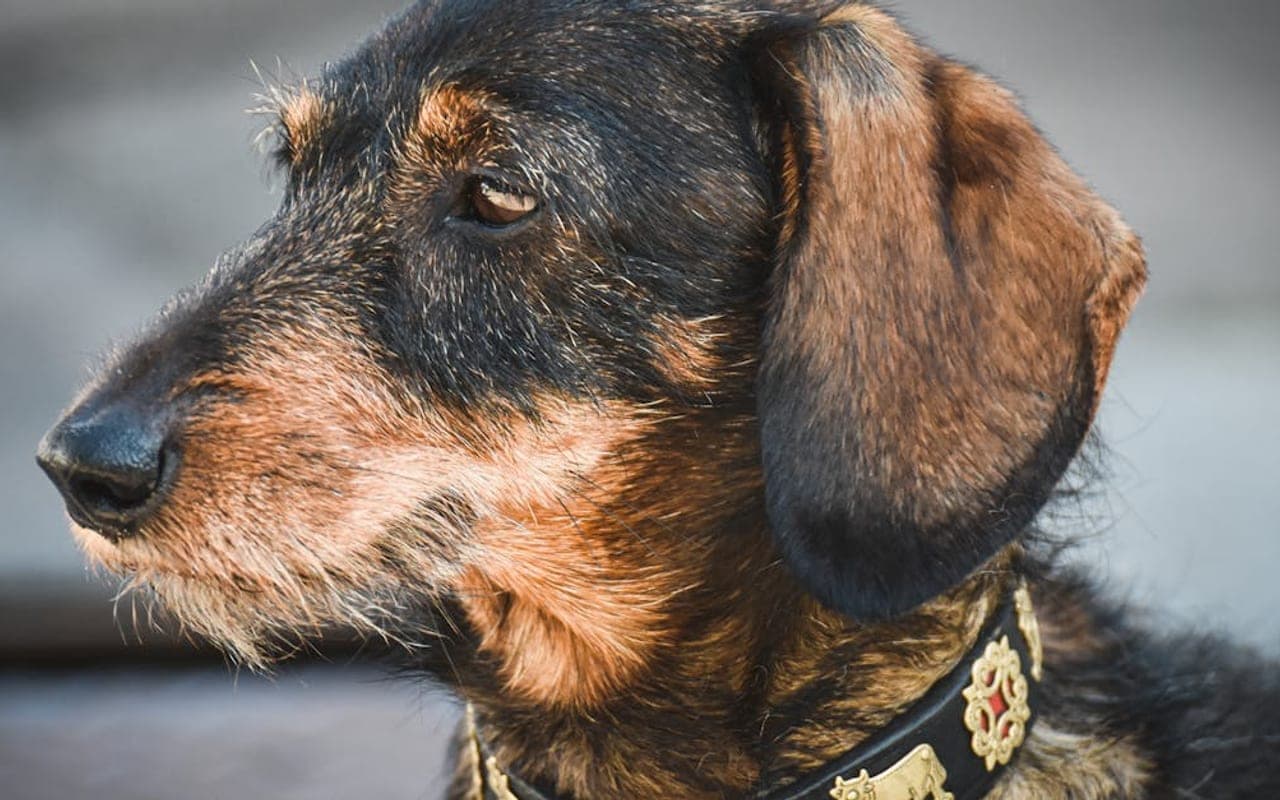
Jagdterrier
Also in the Foundation Stock Service group, with different care and temperament tradeoffs.
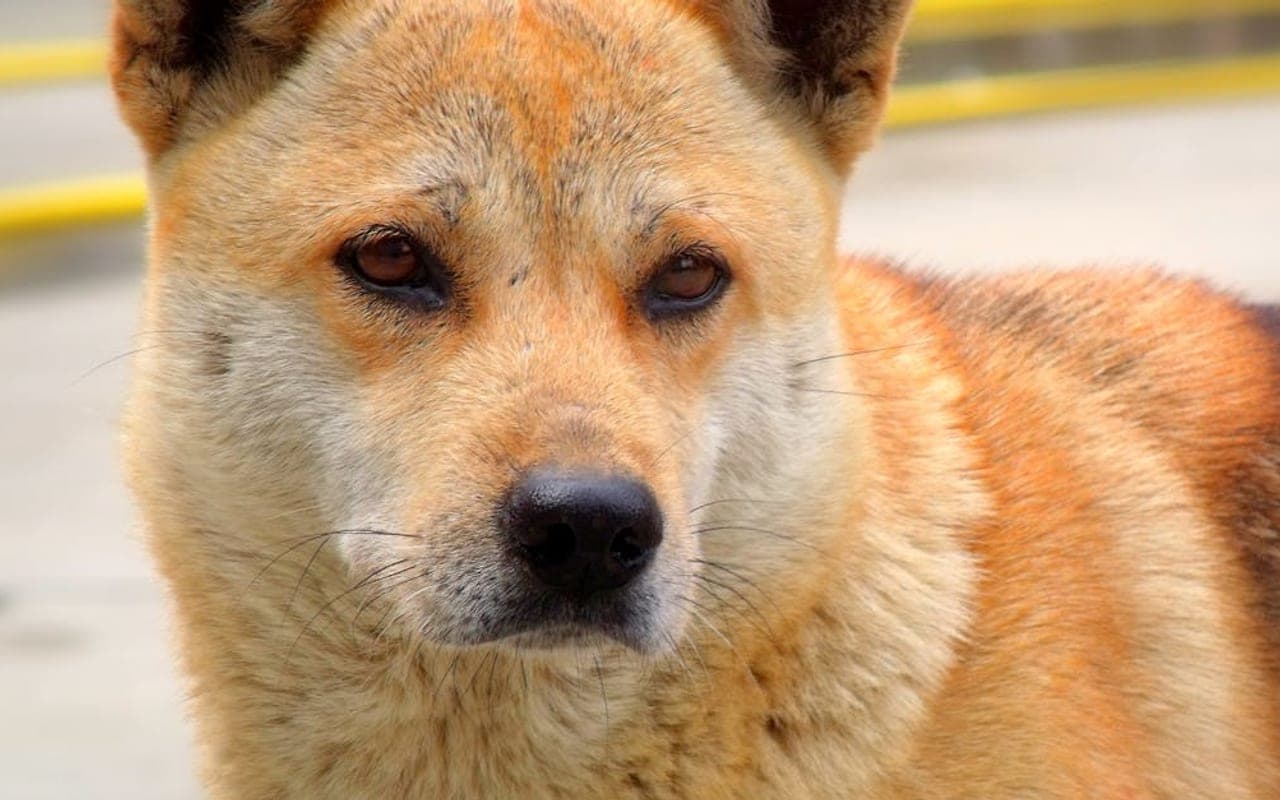
Jindo
Also in the Foundation Stock Service group, with different care and temperament tradeoffs.
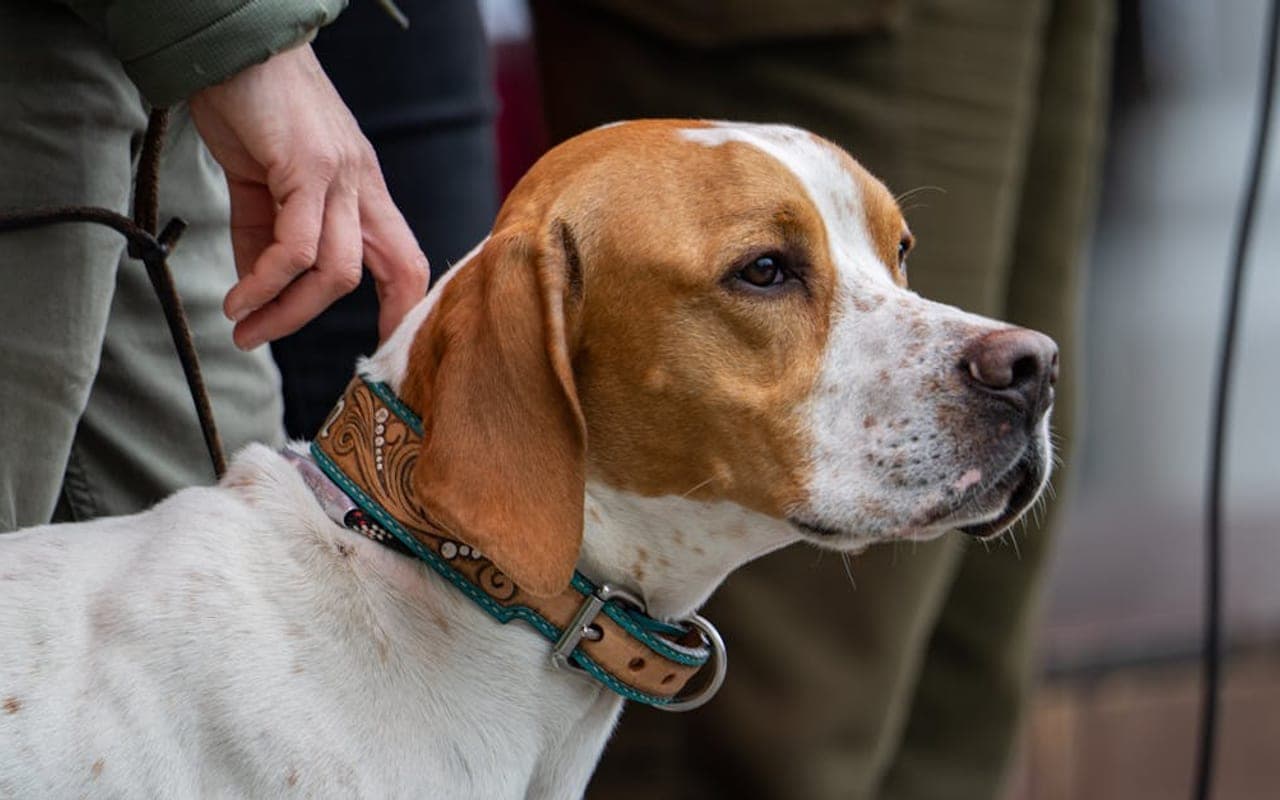
Portuguese Pointer
Also in the Foundation Stock Service group, with different care and temperament tradeoffs.
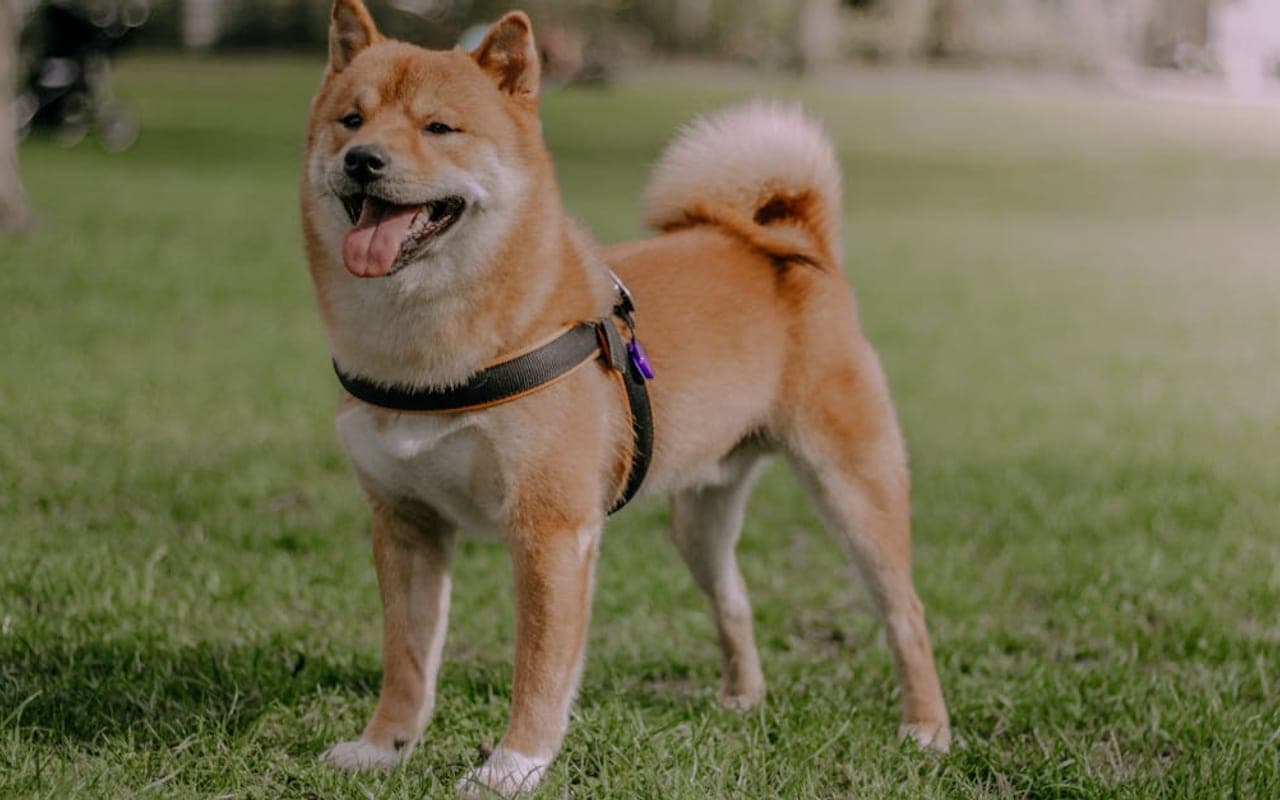
Kishu Ken
Also in the Foundation Stock Service group, with different care and temperament tradeoffs.
Explore More About Braque du Bourbonnais
Dive deeper into everything Braque du Bourbonnais — costs, care, and expert insights.
Considering a cat instead?
Browse Cats