
Foundation Stock Service group
Braque Francais Pyrenean
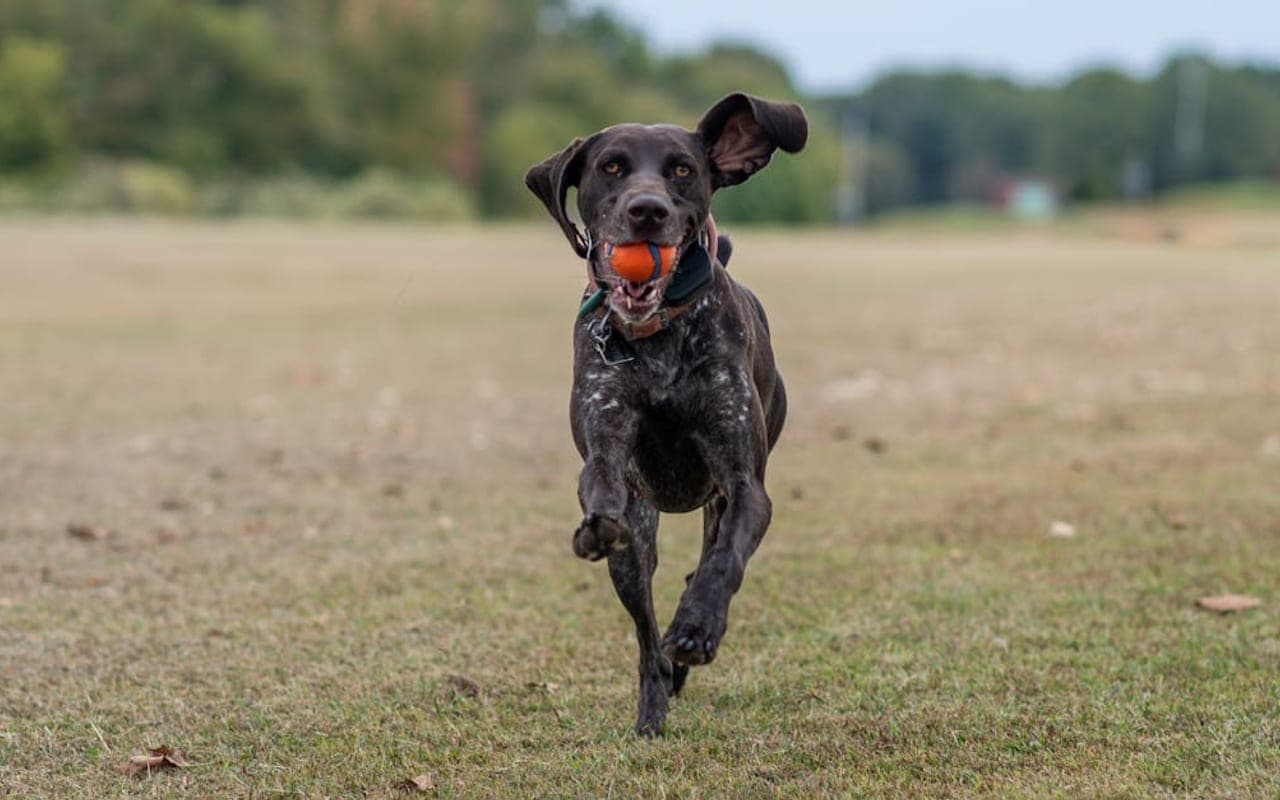
The Braque Francais Pyrenean is the smaller, more popular of the two Braque Francais types (the other being the larger Gascogne type), a rustic French pointing dog bred to hunt the harsh, arid terrain of the Pyrenees on the France-Spain border.
Size
37-55 lb
Lifespan
12-14 years
Exercise
20-40 minutes
Shedding
Moderate
Experience
Match to owner routine
Decision first
Is a Braque Francais Pyrenean right for you?
Start with fit before history or trivia. These are ownership signals, not guarantees about any individual dog.
Best suited for
- Households with children.
- Homes with other compatible pets.
- Apartment homes with a consistent routine.
- Owners seeking a manageable daily exercise routine.
Think carefully if
- You need a dog with almost no daily routine.
- You cannot keep up with grooming and preventive care.
- The dog will spend most days alone without support.
Conditional fit
Apartment fit depends on exercise, enrichment, noise management, and outdoor access.
Daily reality
Braque Francais Pyrenean commitment snapshot
Daily exercise
20-40 minutes
Match activity to age, health, weather, and training goals.
Coat care
Moderate
Grooming needs vary by coat, shedding, and lifestyle.
Time alone
Needs planning
Most dogs need gradual alone-time conditioning and support.
Structured facts
Braque Francais Pyrenean at a glance
The measurements and traits that most affect day-to-day life with this breed.
Group
Foundation Stock Service
Weight
37-55 lb
Height
19-23 in
Lifespan
12-14 years
Temperament
Friendly | Smart | Willing to Please
View all characteristics and methodology
Lifestyle fit
- Apartment suitability
- Likely fit
- Child friendliness
- Often good, with socialisation and supervision
- Other-pet fit
- Often compatible with careful introductions
Owner commitment
- Exercise
- 20-40 minutes
- Grooming
- Moderate
- Shedding
- Moderate
- Training
- Moderate
Environment and health
- Health risk
- Needs planning
Ratings combine structured breed data, visible breed fields, and editorial context. They are planning aids, not predictions for an individual dog.
Daily life
Braque Francais Pyrenean temperament and behavior
The Braque Francais Pyrenean is the smaller, more popular of the two Braque Francais types (the other being the larger Gascogne type), a rustic French pointing dog bred to hunt the harsh, arid terrain of the Pyrenees on the France-Spain border. It is widely cited as a foundational ancestor of modern shorthaired pointing breeds — meaning when you bring one home you are getting a relatively unmodified, working-type gundog, not a softened show line. Expect a medium dog, roughly 17-25 kg, with a short, fine, low-maintenance coat in chestnut-brown and white, often heavily ticked or roan. The build is athletic and balanced rather than racy; this is a close-working foot-hunter's dog with a strong natural point and a pronounced natural retrieve, and many are notably drawn to water. Temperament is the breed's headline. The Pyrenean type is gentle, sociable, biddable, and described in classic accounts as 'submissive' — it wants to work with you, not independently of you. In the home a well-exercised one is calm and deeply affectionate; it is a poor kennel dog and a poor solo-yard dog because it bonds intensely and suffers when isolated. The trade-off owners must price in: this is a hunting breed with hunting energy and a hunting nose. The prep characteristics rate energy as low, which is misleading — a Braque Francais that does not get sustained daily aerobic work and scent enrichment becomes anxious and destructive. Who it is right for: an active or hunting household able to commit to real daily exercise and a dog that lives indoors with the family. Who it is wrong for: anyone wanting a sedentary companion, an outdoor-only dog, or a dog comfortable being left alone for long workdays.
Friendly | Smart | Willing to Please
Friendly
A common Braque Francais Pyrenean temperament descriptor that should be interpreted alongside training, exercise, and household fit.
Smart
A common Braque Francais Pyrenean temperament descriptor that should be interpreted alongside training, exercise, and household fit.
Willing to Please
A common Braque Francais Pyrenean temperament descriptor that should be interpreted alongside training, exercise, and household fit.
Owner note
Temperament labels are starting points, not guarantees. Meet the individual dog and ask about behavior history whenever possible.
Care essentials
How to care for a Braque Francais Pyrenean
What looking after one actually involves: exercise, grooming, food, training, and routine health.
ExerciseAs needed
- Lower-energy breed that is content with daily walks and moderate play. Avoid over-exercising.
GroomingAs needed
- Regular grooming needed — brush 2-3 times per week and bathe monthly.
TrainingAs needed
- Moderately trainable — consistent, patient training with positive methods works best.
NutritionAs needed
- Feed a high-quality dog food appropriate for their age, size, and activity level. Monitor portions to prevent obesity.
Veterinary CareAs needed
- Annual wellness exams, core vaccinations, dental care, and parasite prevention. Breed-specific health screenings as recommended by your vet.
Health planning
Braque Francais Pyrenean health risks and screening
Every breed has individual health variation. Use this profile for planning and discuss medical decisions with a veterinarian.
Responsible ownership
Finding a Braque Francais Pyrenean responsibly
What to ask a breeder or rescue is the same conversation for every breed, so we keep it in one place and keep it current.
Health documentation, meeting the parents or foster, contracts and return support, and the warning signs worth walking away from.
Original purpose
Braque Francais Pyrenean history
History is useful when it explains today's behavior, coat, exercise needs, and training style.
Read the breed history
The Braque Francais (French Pointing Dog) is one of the oldest continental pointing breeds, with documented references to chestnut-and-white French pointers reaching back to the 17th century and roots arguably older. It is frequently described as a common ancestor of many modern shorthaired pointing breeds, including the German Shorthaired Pointer lineage. Two regional types developed and diverged enough to be recognized separately: the larger Braque Francais Gascogne (Gascony type) and the smaller, more agile Braque Francais Pyrenean (Pyrenean type), bred down in size to work the steep, arid Pyrenees efficiently for the walking hunter. By the early 20th century the breed had declined sharply and was rebuilt by French breeders focused almost exclusively on hunting function rather than appearance — which is why it remains genetically robust and working-typed today. It is recognized through the AKC Foundation Stock Service in the United States, where it remains rare.
Gallery
Braque Francais Pyrenean photos
Images are cropped consistently and loaded progressively to keep the page responsive.
Lower-page context
Braque Francais Pyreneans in culture
Where the breed shows up in film, sport, work and folklore — the enjoyable part, once the practical questions are answered.
Fun facts
- The Braque Francais Pyrenean belongs to the Foundation Stock Service.
- The average lifespan of a Braque Francais Pyrenean is 12 to 14 years.
- Braque Francais Pyrenean dogs are valued for their friendly, smart, willing to please nature.
Braque Francais Pyrenean FAQs
How long do Braque Francais Pyrenean dogs live?
A healthy Braque Francais Pyrenean from screened lines typically lives 12-14 years — toward the long end for a medium gundog, helped by the breed's function-first breeding history. The biggest owner-controlled lever is lifelong lean body condition: an overweight dog with untreated hip changes loses mobility years earlier than a lean, well-exercised one. Keeping ribs palpable is cheaper and kinder than late-life joint management.
Are Braque Francais Pyrenean dogs good with children?
Yes — this is a gentle, sociable, biddable breed that bonds hard to its whole family and generally does well with children. The practical caveat is exercise, not temperament: an under-exercised Braque Francais becomes anxious and mouthy, which is often misread as poor child-tolerance. Supervise toddlers as with any medium hunting dog and teach children to leave the dog alone while it rests.
How much exercise does a Braque Francais Pyrenean need?
Despite breed summaries that label it low-energy, plan on 60-90 minutes of real aerobic exercise daily — off-leash running, retrieving, or swimming — plus 15-20 minutes of scent or nosework. This is a working pointer with a working dog's drive. Owners who treat it as a low-exercise companion consistently report anxiety and destructiveness; the reliable fix is more structured physical and scent work, not crate time.
Are Braque Francais Pyrenean dogs easy to train?
Yes, with the right method. This is one of the more biddable pointing breeds — intelligent, eager to please, and quick to learn fieldwork and obedience with positive reinforcement. It is also soft and sensitive, so harsh corrections cause shutdown and damage the working relationship. Prioritize early recall: the strong hunting and retrieving drive makes a poor recall a genuine safety hazard near roads and game.
How much grooming does a Braque Francais Pyrenean need?
Minimal coat care: the short fine coat needs only a weekly hound-glove pass for loose hair and a bath every 8-10 weeks or when dirty. The grooming task that genuinely matters is the ears — the drop ear plus this breed's love of water makes recurrent ear infections the most common avoidable vet expense. Budget a weekly two-minute ear check and always dry the ears after swimming.
Can a Braque Francais Pyrenean live happily in a non-hunting home?
Yes, but only if the non-hunting owner replaces the missing fieldwork with equivalent structure. The breed does not require live game; it requires sustained daily aerobic exercise and a job for its nose. Dog sports, tracking, retrieving games, and structured nosework substitute well for hunting. Where non-hunting homes fail this breed is in treating it as a low-energy companion because a breed summary said so — the dog then becomes anxious and destructive, and the fix is always more structured work, not crate time.
Sources
These are the published sources this page draws on. Each opens in a new tab so you can check it yourself.
American Kennel Club
Braque Francais Pyrenean — breed standard and profile(opens in a new tab)Supports: Breed standard and recognition details.
Similar breeds to consider
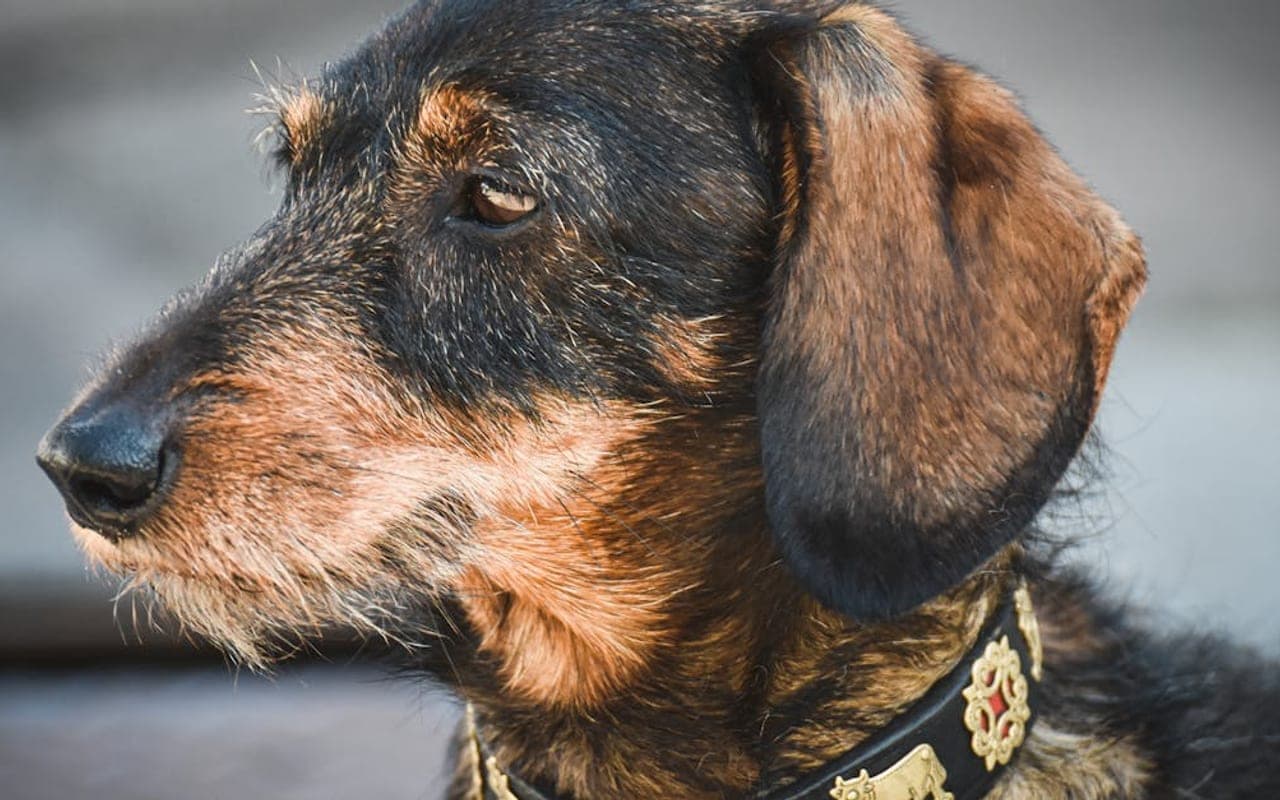
Jagdterrier
Also in the Foundation Stock Service group, with different care and temperament tradeoffs.
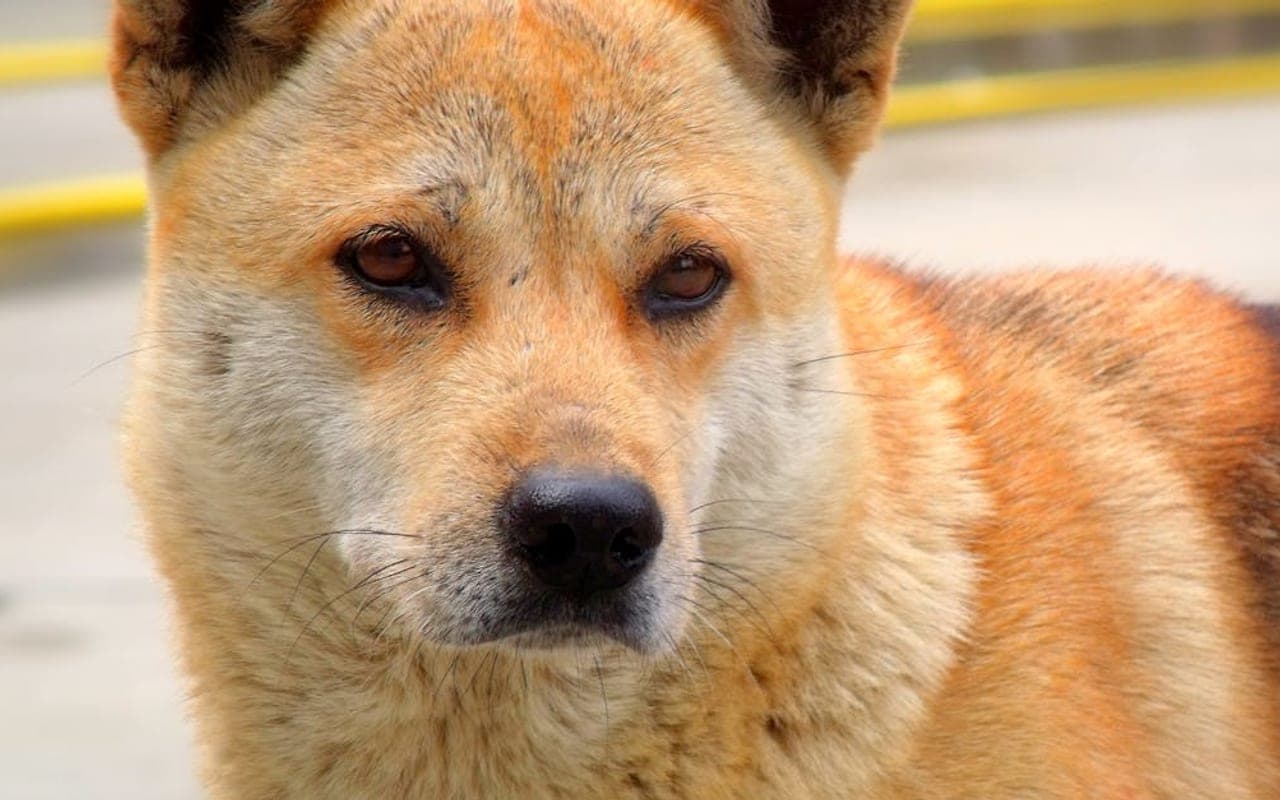
Jindo
Also in the Foundation Stock Service group, with different care and temperament tradeoffs.
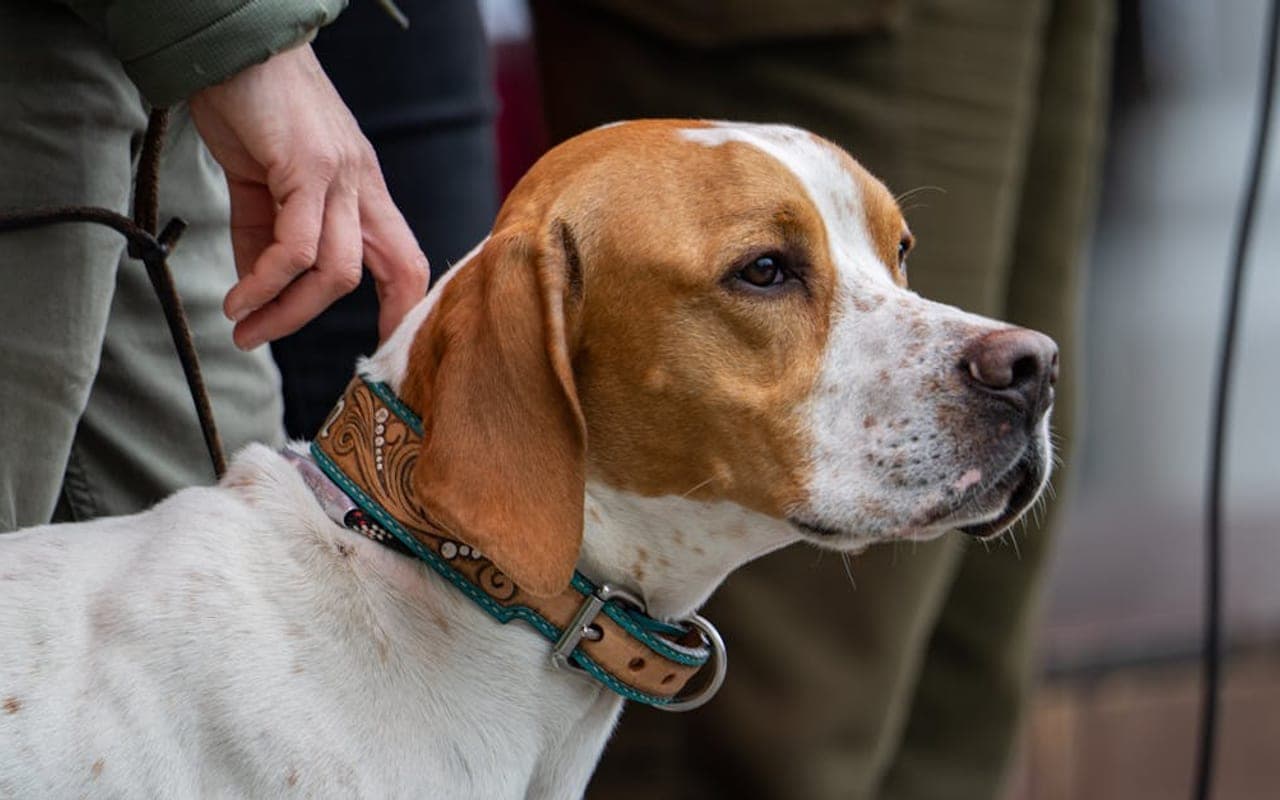
Portuguese Pointer
Also in the Foundation Stock Service group, with different care and temperament tradeoffs.
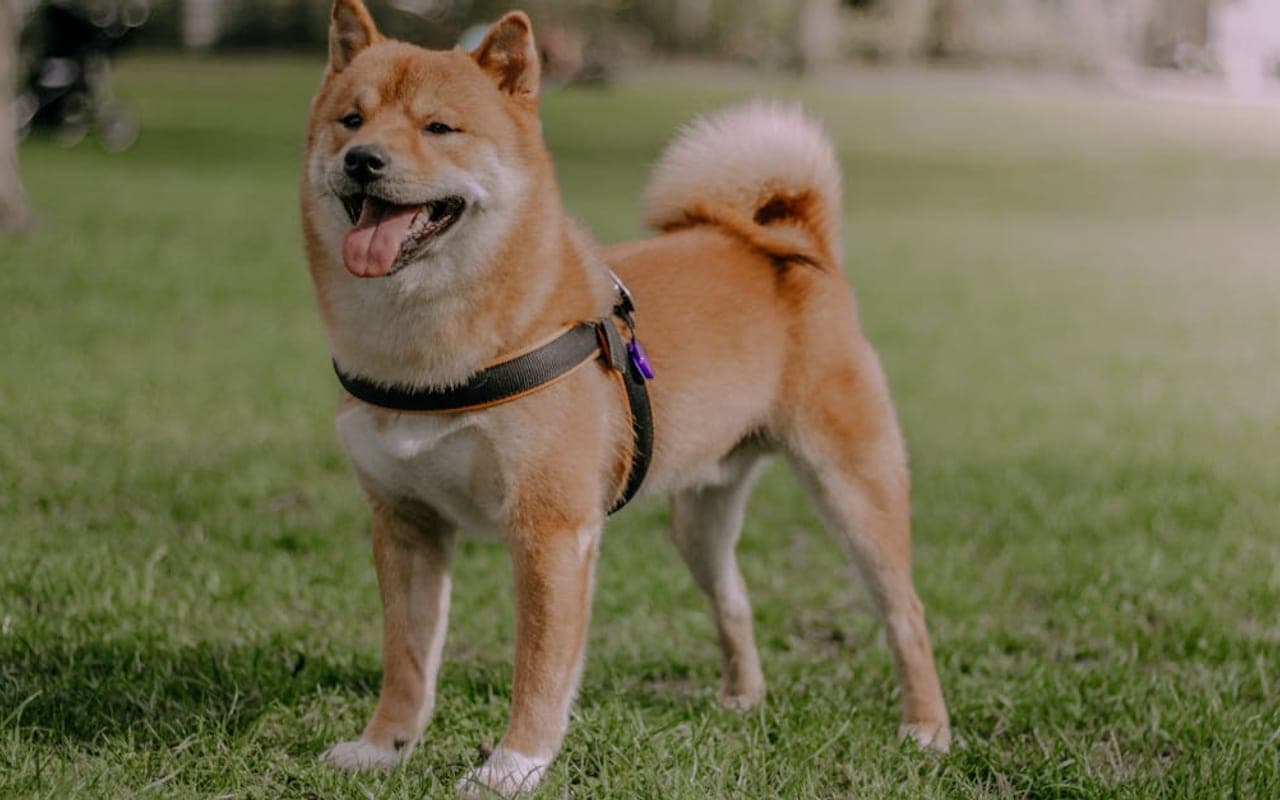
Kishu Ken
Also in the Foundation Stock Service group, with different care and temperament tradeoffs.
Explore More About Braque Francais Pyrenean
Dive deeper into everything Braque Francais Pyrenean — costs, care, and expert insights.
Considering a cat instead?
Browse Cats