
Herding group
Briard
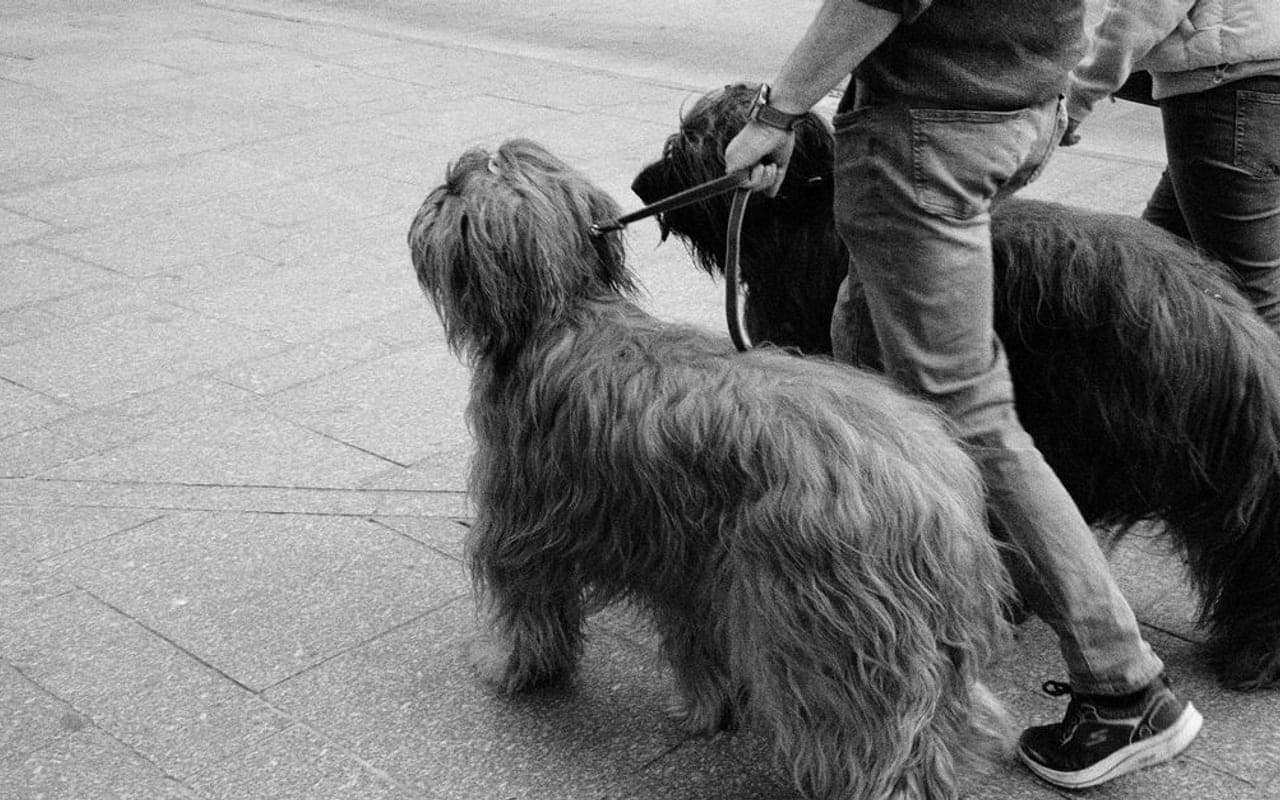
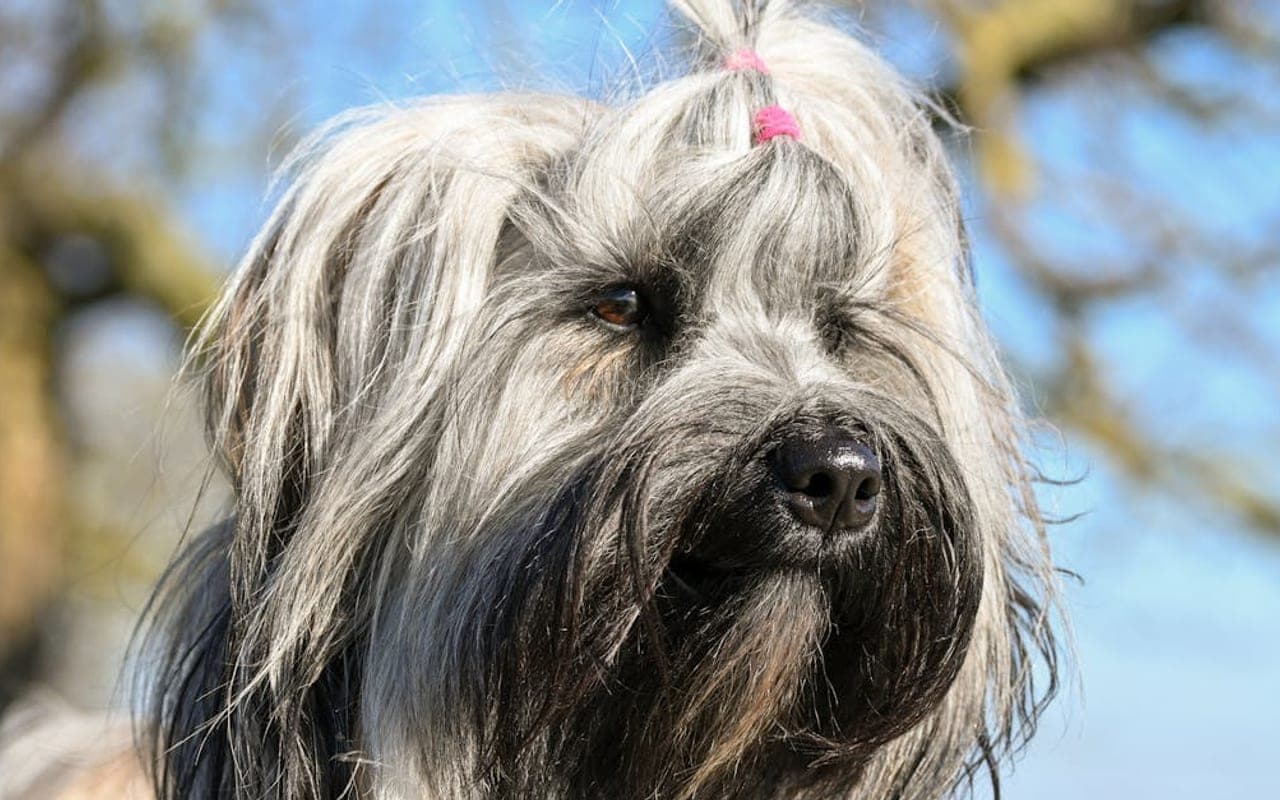
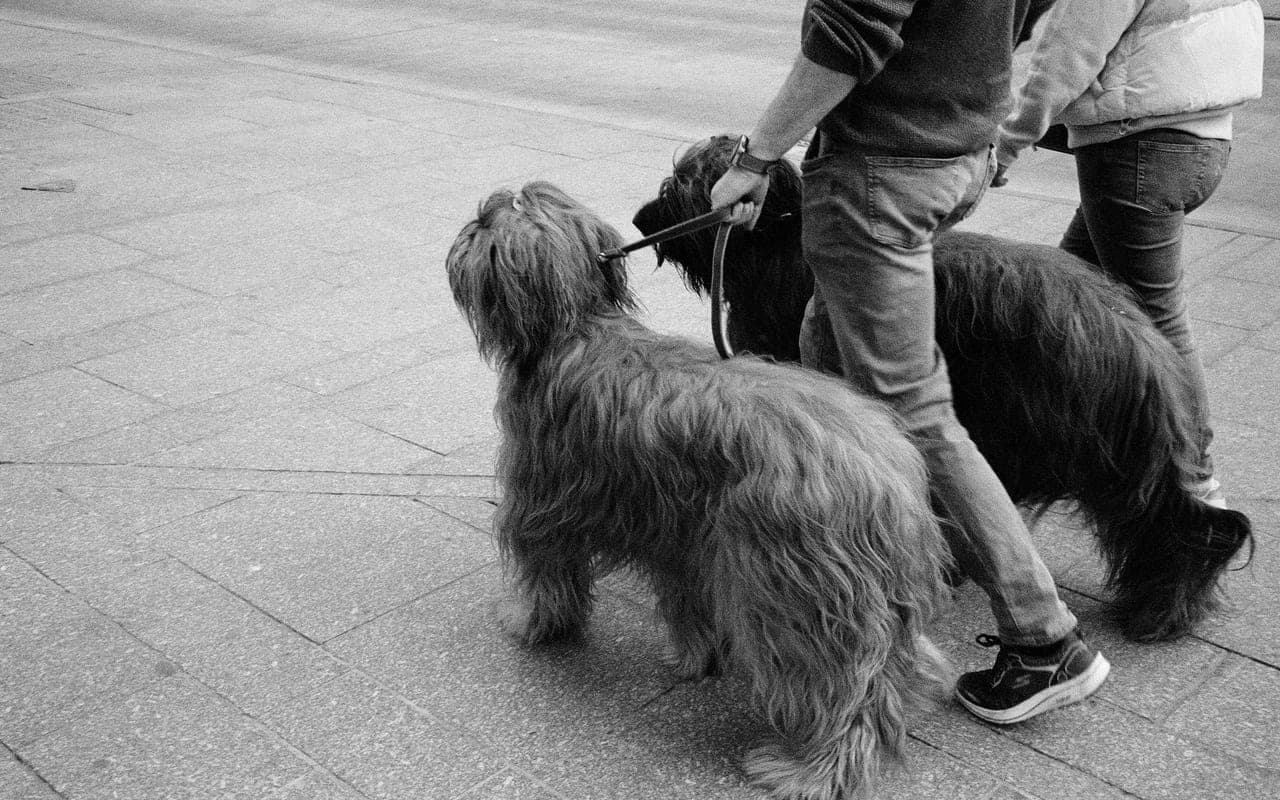
The Briard (Berger de Brie) is an old French herding and flock-guarding dog — a large, powerful, double-purpose breed that both moved sheep and defended them from predators and thieves.

Size
55-99 lb
Lifespan
12 years
Exercise
30-60 minutes
Shedding
Moderate
Experience
Match to owner routine
Decision first
Is a Briard right for you?
Start with fit before history or trivia. These are ownership signals, not guarantees about any individual dog.
Best suited for
- Households with children.
- Homes with other compatible pets.
- Apartment homes with a consistent routine.
- Owners seeking a manageable daily exercise routine.
Think carefully if
- You need a dog with almost no daily routine.
- You cannot keep up with grooming and preventive care.
- The dog will spend most days alone without support.
Conditional fit
Apartment fit depends on exercise, enrichment, noise management, and outdoor access.
Daily reality
Briard commitment snapshot
Daily exercise
30-60 minutes
Match activity to age, health, weather, and training goals.
Coat care
Moderate
Grooming needs vary by coat, shedding, and lifestyle.
Time alone
Needs planning
Most dogs need gradual alone-time conditioning and support.
Structured facts
Briard at a glance
The measurements and traits that most affect day-to-day life with this breed.
Group
Herding
Weight
55-99 lb
Height
22-27 in
Lifespan
12 years
Temperament
Confident | Smart | Faithful
View all characteristics and methodology
Lifestyle fit
- Apartment suitability
- Likely fit
- Child friendliness
- Often good, with socialisation and supervision
- Other-pet fit
- Often compatible with careful introductions
Owner commitment
- Exercise
- 30-60 minutes
- Grooming
- Moderate
- Shedding
- Moderate
- Training
- Moderate
Environment and health
- Health risk
- Needs planning
Ratings combine structured breed data, visible breed fields, and editorial context. They are planning aids, not predictions for an individual dog.
Daily life
Briard temperament and behavior
The Briard (Berger de Brie) is an old French herding and flock-guarding dog — a large, powerful, double-purpose breed that both moved sheep and defended them from predators and thieves. That dual job is the key to the temperament: the Briard has a herder's intelligence and biddability and a guardian's protectiveness, wariness of strangers, and strong territorial sense. Standing 22-27 inches and roughly 55-100 pounds under a long, coarse, goat-textured coat with its trademark beard and brow, this is a substantial working dog, not a shaggy decoration. What owners need to understand: the Briard is confident, smart, and intensely loyal — often called 'a heart wrapped in fur' — but it is also a thinking, opinionated dog that bonds hard to family and treats the household, especially children, as its flock to watch over. It is reserved and protective with outsiders, has herding instincts that can include nipping at moving feet, and a long memory for unfair handling. It needs a job and serious daily engagement; an under-stimulated Briard becomes anxious, vocal, and destructive. Who the Briard is right for: an active, experienced owner or family who wants a devoted, protective, working-minded companion, will commit to early heavy socialization, reward-based training, real exercise, and a demanding grooming routine. Who it is wrong for: a first-time owner, a hands-off household, anyone wanting a low-maintenance coat or an immediately stranger-friendly dog. The protectiveness and the coat are the breed's two defining trade-offs — assets in the right home, liabilities in the wrong one. Decide on both before the fluffy puppy decides for you.
Confident | Smart | Faithful
Confident
A common Briard temperament descriptor that should be interpreted alongside training, exercise, and household fit.
Smart
A common Briard temperament descriptor that should be interpreted alongside training, exercise, and household fit.
Faithful
A common Briard temperament descriptor that should be interpreted alongside training, exercise, and household fit.
Owner note
Temperament labels are starting points, not guarantees. Meet the individual dog and ask about behavior history whenever possible.
Care essentials
How to care for a Briard
What looking after one actually involves: exercise, grooming, food, training, and routine health.
ExerciseAs needed
- Moderately active breed needing 30-60 minutes of daily exercise through walks, play, and mental stimulation.
GroomingAs needed
- Regular grooming needed — brush 2-3 times per week and bathe monthly.
TrainingAs needed
- Moderately trainable — consistent, patient training with positive methods works best.
NutritionAs needed
- Feed a high-quality dog food appropriate for their age, size, and activity level. Monitor portions to prevent obesity.
Veterinary CareAs needed
- Annual wellness exams, core vaccinations, dental care, and parasite prevention. Breed-specific health screenings as recommended by your vet.
Health planning
Briard health risks and screening
Every breed has individual health variation. Use this profile for planning and discuss medical decisions with a veterinarian.
Responsible ownership
Finding a Briard responsibly
What to ask a breeder or rescue is the same conversation for every breed, so we keep it in one place and keep it current.
Health documentation, meeting the parents or foster, contracts and return support, and the warning signs worth walking away from.
Original purpose
Briard history
History is useful when it explains today's behavior, coat, exercise needs, and training style.
Read the breed history
The Briard is one of France's oldest sheepdogs, taking its name from the Brie region and documented in French agricultural life for centuries. It was a true dual-purpose farm dog: by day it herded and moved the flock, and at night it guarded the sheep — and the farm — against wolves and poachers. That combined herder-and-guardian role is why the modern Briard pairs trainable herding intelligence with a protective, territorial, stranger-wary streak; both halves were deliberately selected. The breed served notably as a French military dog in World War I — carrying messages, running supplies, locating wounded soldiers — work that nearly drove its population to collapse from wartime losses. It was rebuilt afterward by dedicated French breeders. The Briard was recognized in France's early breed registries and by the American Kennel Club (1928), where it sits in the Herding Group. Understanding the dual farm role explains the dog directly: the loyalty, the work drive, and the 'guards the family like a flock' protectiveness are the job showing through, not invented quirks.
Gallery
Briard photos
Images are cropped consistently and loaded progressively to keep the page responsive.
Lower-page context
Briards in culture
Where the breed shows up in film, sport, work and folklore — the enjoyable part, once the practical questions are answered.
Fun facts
- The Briard belongs to the Herding Group.
- The average lifespan of a Briard is 12 to 12 years.
- Briard dogs are valued for their confident, smart, faithful nature.
Briard FAQs
How long do Briards live?
A Briard typically lives around 12 years, normal for a large working breed. The factors that most affect those years are giant-of-the-medium-large orthopedics (hip dysplasia, kept in check by screened parents and a lean body), bloat risk from the deep chest, and vision: CSNB does not shorten lifespan but defines quality of life if undiagnosed. A health-screened, lean, well-exercised Briard from CSNB-clear lines is the version that reaches a full, sound 12-plus years.
Are Briards good with children?
Yes, with their own family — Briards are devoted and famously protective of household children, often treating them as a flock to watch over. That same instinct is the caveat: they may herd-nip running, shrieking children, and their protectiveness can misread rough play between a family child and a visiting child. They suit experienced, active families with older children, need early socialization so the guarding instinct is shaped, and require supervision with young or unfamiliar children. This is a protective working dog, not a casually tolerant one.
How much grooming does a Briard need?
A great deal — it is one of the two reasons people regret the breed. The long, coarse double coat mats aggressively and must be brushed and combed to the skin 2-3+ times a week; surface brushing leaves hidden mats that become painful and require shave-downs. Plan 30-45 minutes per thorough session and a professional groom every 6-8 weeks if keeping the coat long. There is no low-maintenance Briard coat. Budget the time or roughly $80-$150 per professional groom for the dog's life.
How much exercise does a Briard need?
Plan on 60-90 minutes of vigorous daily activity plus a mental job. This is a stamina-built herding-and-guarding dog; leashed strolls alone will not satisfy it. Herding, agility, obedience, tracking, long hikes, or structured work channel the drive that farm work used to occupy. An under-exercised Briard does not just get restless — it tends toward anxiety, nuisance barking, herding-nipping the family, and destructive behavior. Exercise plus engagement is a welfare requirement for this breed, not an extra.
What is congenital stationary night blindness and can it be avoided?
CSNB is an inherited retinal disease in Briards caused by a recessive RPE65 gene mutation. Affected dogs are night-blind from about 5-6 weeks of age, and some have impaired or progressively worsening day vision. It is incurable but, importantly, fully avoidable at the population level: a DNA test identifies carriers, carriers themselves are healthy, and the disease only appears when two carriers are bred together. The practical rule is non-negotiable — buy only from a breeder who DNA-tests both parents for CSNB and shares the results.
How much does a Briard cost?
Expect roughly $1,500-$3,500 for a well-bred Briard puppy from a breeder doing CSNB DNA testing plus hip, eye, and thyroid screening — it is an uncommon breed, so litters and waitlists are limited. The recurring hidden cost is grooming (often $80-$150 every 6-8 weeks, easily $700-$1,500+ a year), and a bloat surgery in this deep-chested breed can run $3,000-$7,000+. Parental CSNB clearance and hip screening are the cheapest insurance against the breed's most consequential problems.
Sources
These are the published sources this page draws on. Each opens in a new tab so you can check it yourself.
American Kennel Club
Briard — breed standard and profile(opens in a new tab)Supports: Breed standard and recognition details.
Similar breeds to consider

German Shepherd
Also in the Herding group, with different care and temperament tradeoffs.
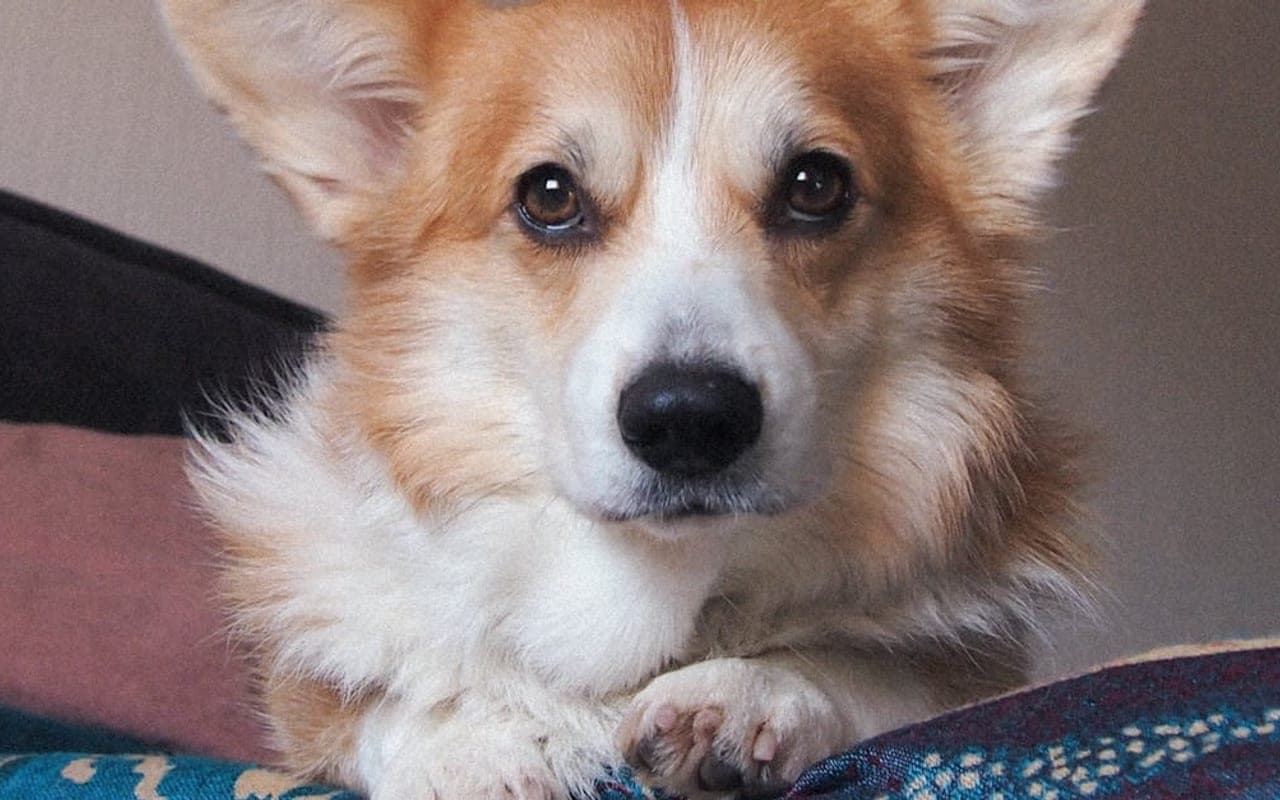
Pembroke Welsh Corgi
Also in the Herding group, with different care and temperament tradeoffs.
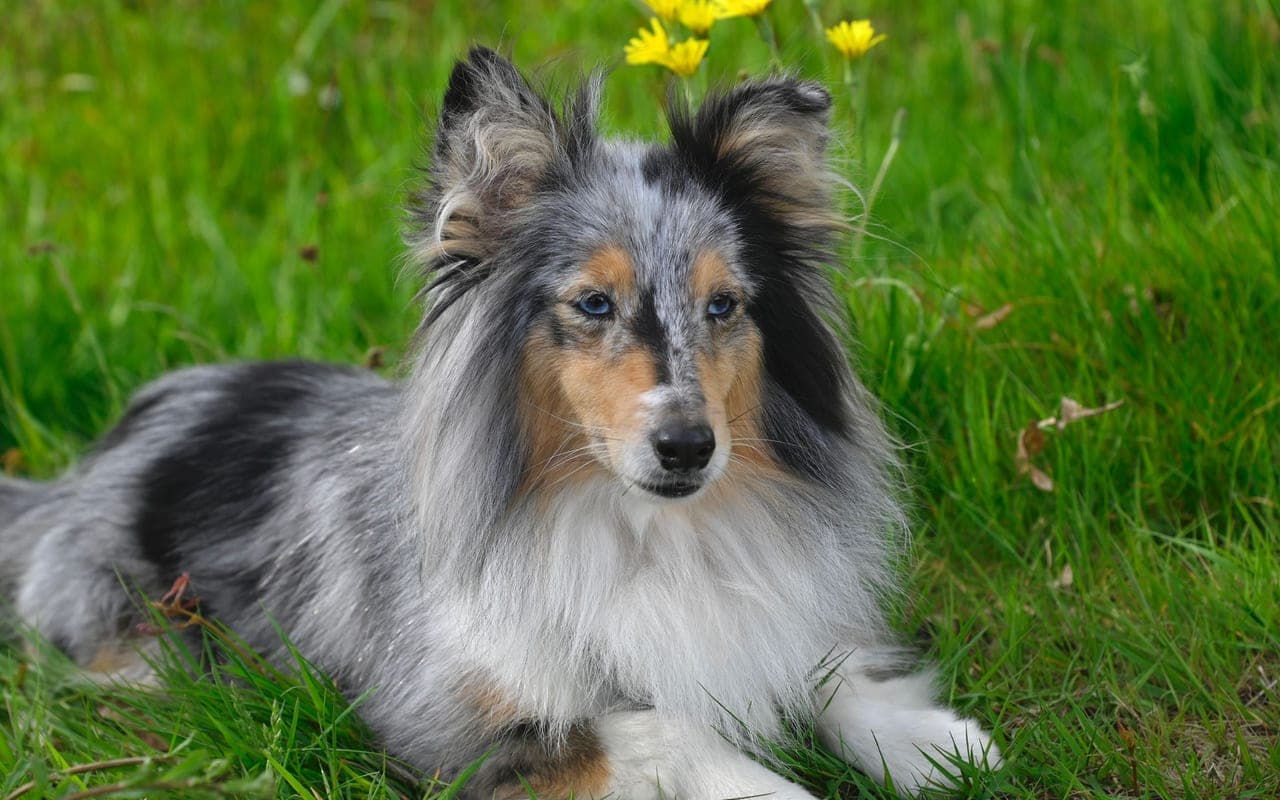
Shetland Sheepdog
Also in the Herding group, with different care and temperament tradeoffs.
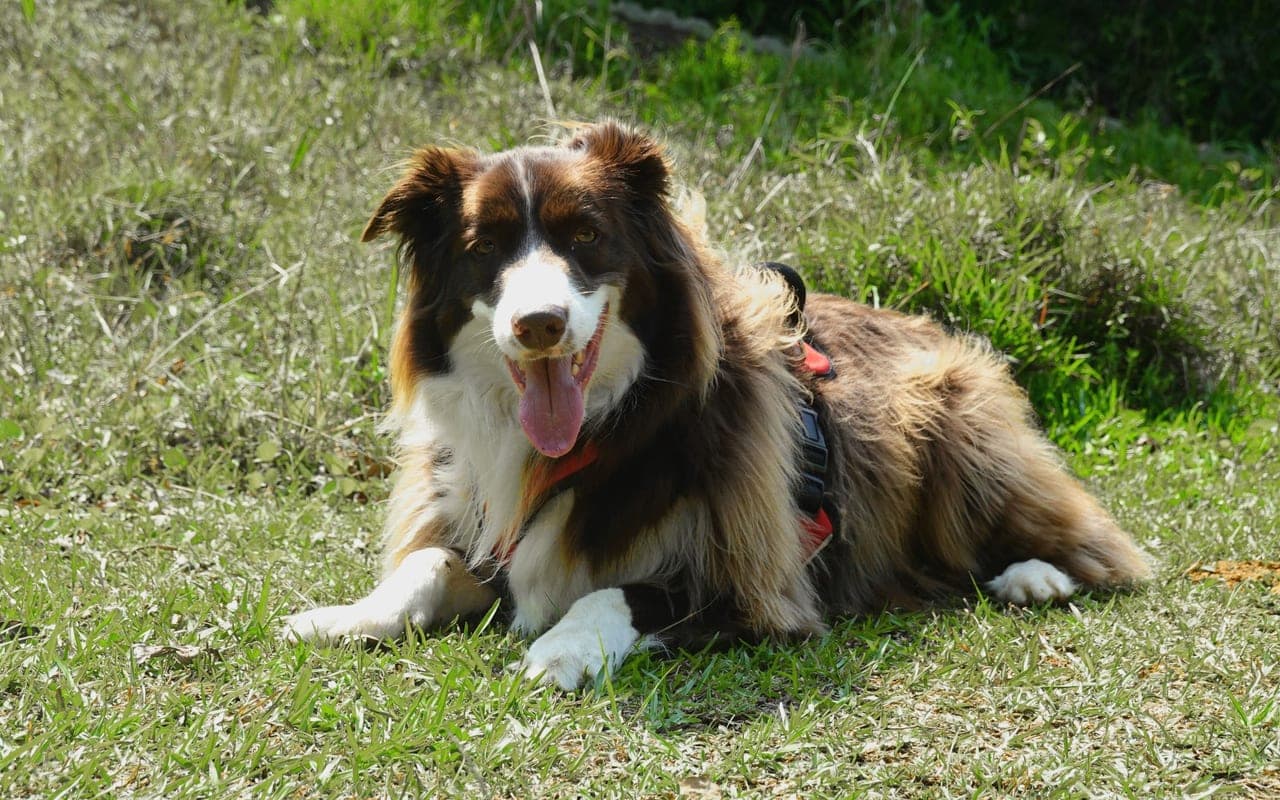
Border Collie
Also in the Herding group, with different care and temperament tradeoffs.
Explore More About Briard
Dive deeper into everything Briard — costs, care, and expert insights.
Considering a cat instead?
Browse Cats