
Sporting group
Brittany
The Brittany is a medium-sized French gundog — typically 30 to 40 pounds and 17.
Size
30-40 lb
Lifespan
12-14 years
Exercise
20-40 minutes
Shedding
Moderate
Experience
Match to owner routine
Decision first
Is a Brittany right for you?
Start with fit before history or trivia. These are ownership signals, not guarantees about any individual dog.
Best suited for
- Households with children.
- Homes with other compatible pets.
- Apartment homes with a consistent routine.
- Owners seeking a manageable daily exercise routine.
Think carefully if
- You need a dog with almost no daily routine.
- You cannot keep up with grooming and preventive care.
- The dog will spend most days alone without support.
Conditional fit
Apartment fit depends on exercise, enrichment, noise management, and outdoor access.
Daily reality
Brittany commitment snapshot
Daily exercise
20-40 minutes
Match activity to age, health, weather, and training goals.
Coat care
Moderate
Grooming needs vary by coat, shedding, and lifestyle.
Time alone
Needs planning
Most dogs need gradual alone-time conditioning and support.
Structured facts
Brittany at a glance
The measurements and traits that most affect day-to-day life with this breed.
Group
Sporting
Weight
30-40 lb
Height
17-21 in
Lifespan
12-14 years
Temperament
Bright | Fun-Loving | Upbeat
View all characteristics and methodology
Lifestyle fit
- Apartment suitability
- Likely fit
- Child friendliness
- Often good, with socialisation and supervision
- Other-pet fit
- Often compatible with careful introductions
Owner commitment
- Exercise
- 20-40 minutes
- Grooming
- Moderate
- Shedding
- Moderate
- Training
- Low
Environment and health
- Health risk
- Needs planning
Ratings combine structured breed data, visible breed fields, and editorial context. They are planning aids, not predictions for an individual dog.
Daily life
Brittany temperament and behavior
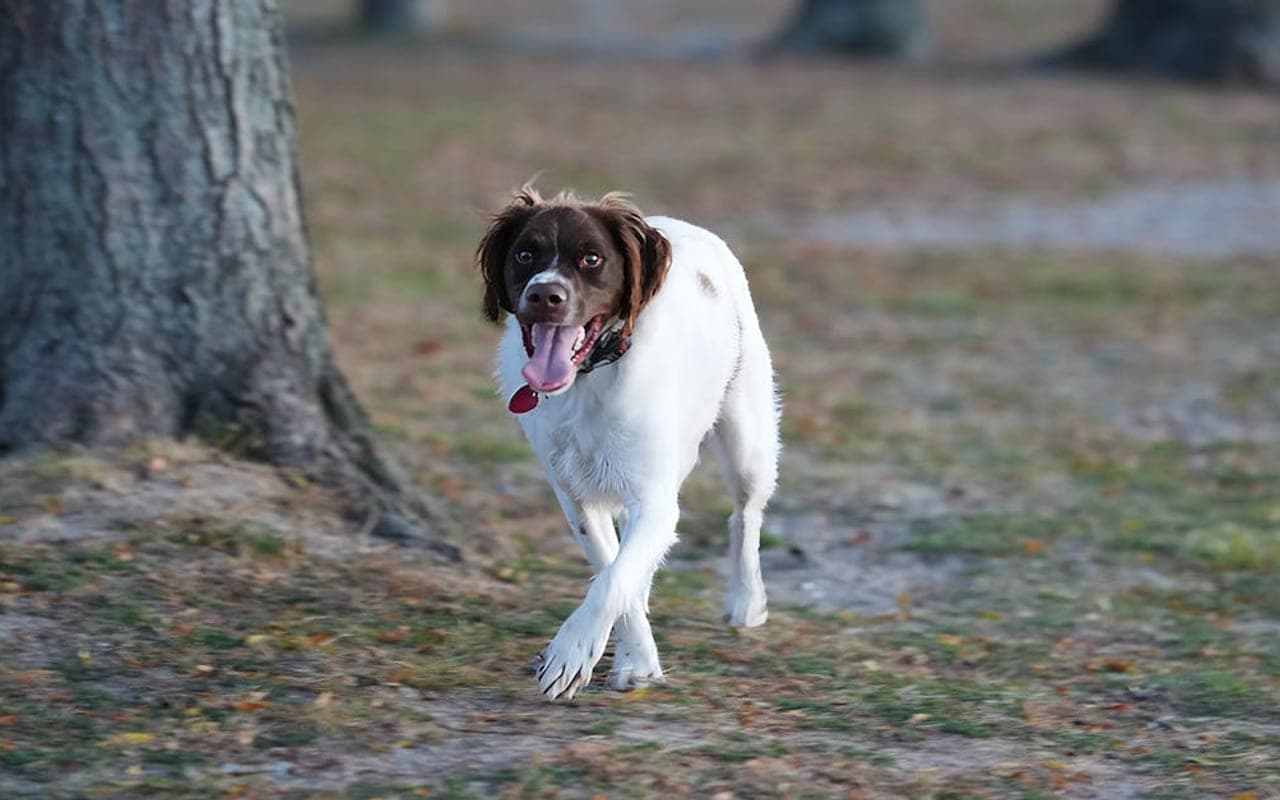
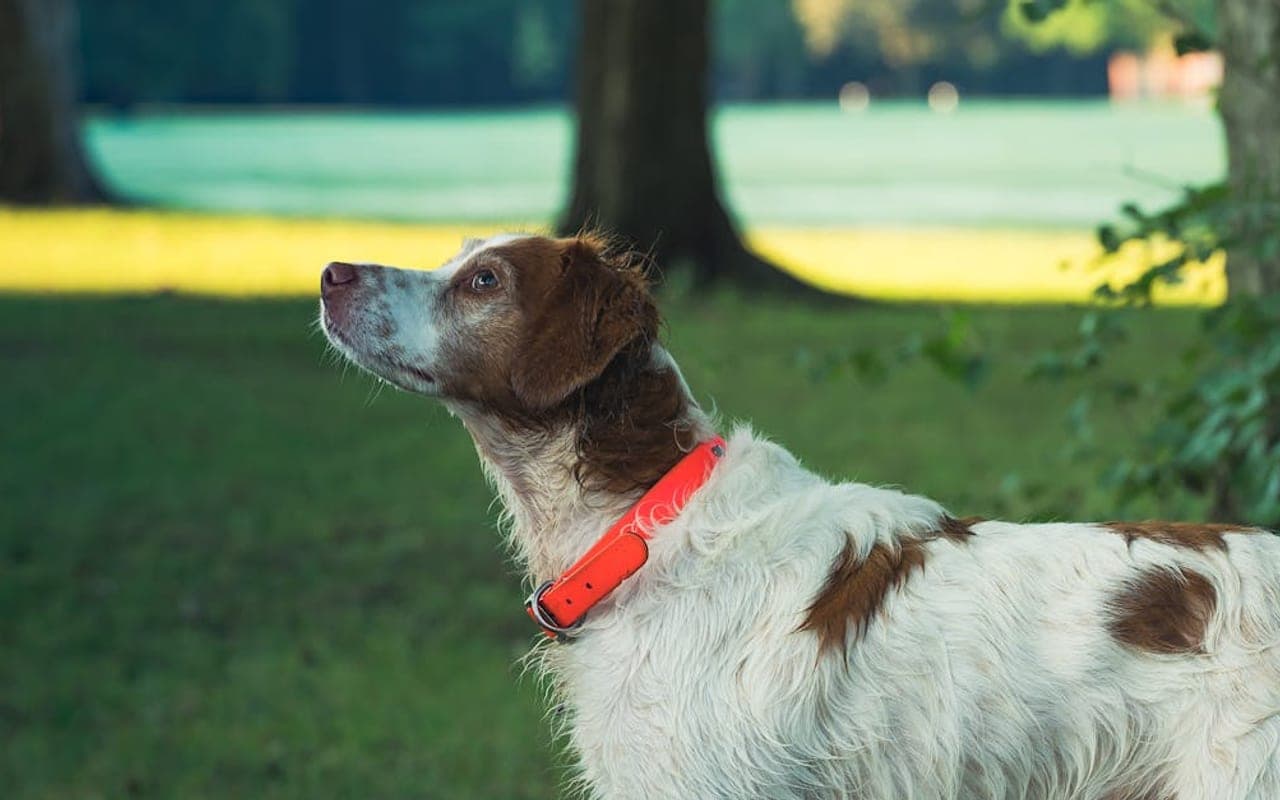
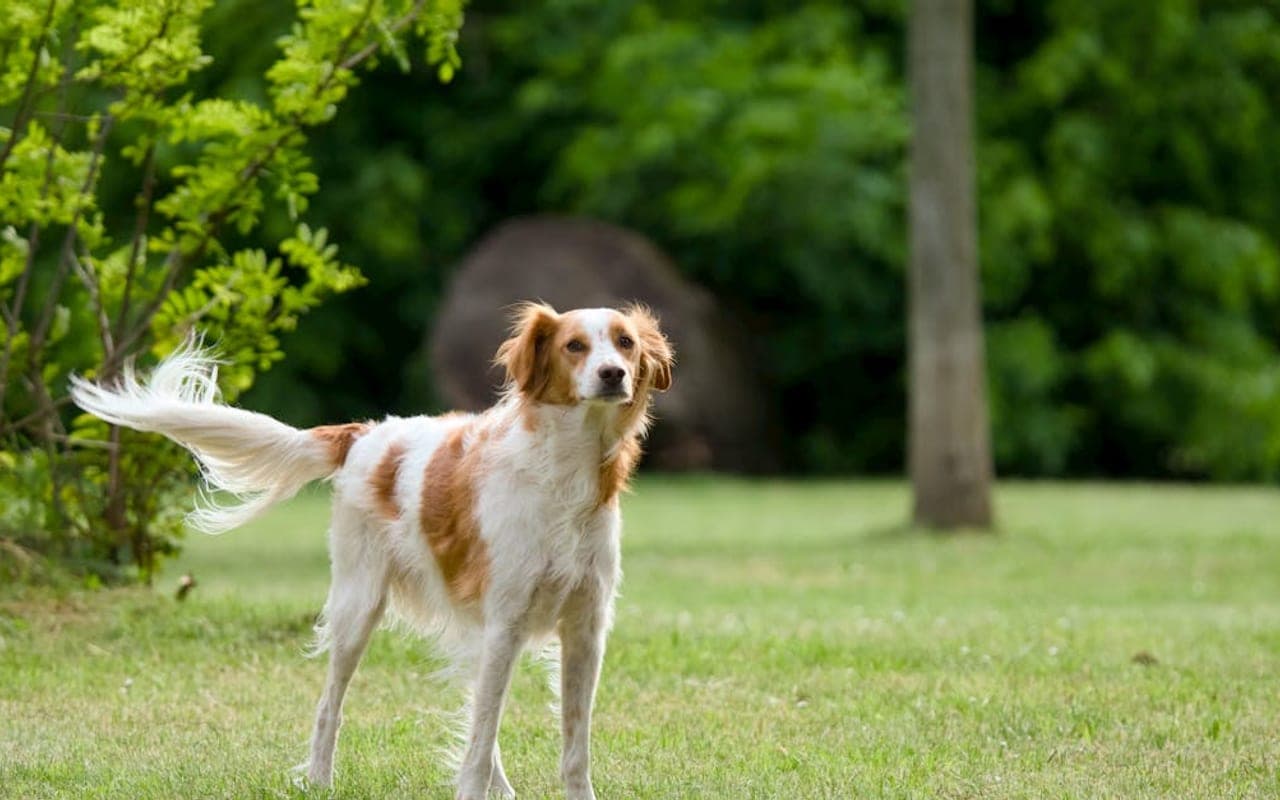
The Brittany is a medium-sized French gundog — typically 30 to 40 pounds and 17.5 to 20.5 inches tall — built to point and retrieve birds on long days afield. It is one of the most athletic, high-drive breeds in the sporting group, and the single most important thing a prospective owner must internalize is that this is an exercise-and-purpose breed first and a companion second. A Brittany without a real outlet for its energy and intelligence does not become a calm house dog; it becomes anxious, destructive, and hard to live with. The agreeable temperament everyone praises is conditional on its needs being met. When those needs are met, the Brittany is excellent. They are bright, eager to please, highly trainable, affectionate, and good with children and other dogs. They are not heavy shedders, are relatively easy to groom, and are healthy and long-lived for a sporting dog (commonly 12 to 14 years). They make superb hunting partners and excel in field trials, agility, and dog sports. The trade-offs are energy and sensitivity. Plan on 60-plus minutes of vigorous daily exercise — running, fetch, hiking, or field work — plus training and mental engagement. A leashed neighborhood stroll does not satisfy a Brittany. They are also a soft, sensitive breed: harsh corrections, yelling, or heavy-handed training backfires and can produce a fearful, shut-down dog. Many are sensitive to chaotic or harsh households and need confident, positive handling and early socialization to prevent timidity. Who the Brittany is right for: an active owner — a hunter, runner, hiker, or dog-sport competitor — who wants a trainable, affectionate, medium-sized partner and will provide daily hard exercise and gentle training. Who it is wrong for: a sedentary household, an owner gone long hours with no exercise plan, or anyone who relies on harsh discipline.
Bright | Fun-Loving | Upbeat
Bright
A common Brittany temperament descriptor that should be interpreted alongside training, exercise, and household fit.
Fun-Loving
A common Brittany temperament descriptor that should be interpreted alongside training, exercise, and household fit.
Upbeat
A common Brittany temperament descriptor that should be interpreted alongside training, exercise, and household fit.
Owner note
Temperament labels are starting points, not guarantees. Meet the individual dog and ask about behavior history whenever possible.
Care essentials
How to care for a Brittany
What looking after one actually involves: exercise, grooming, food, training, and routine health.
ExerciseAs needed
- Lower-energy breed that is content with daily walks and moderate play. Avoid over-exercising.
GroomingAs needed
- Regular grooming needed — brush 2-3 times per week and bathe monthly.
TrainingAs needed
- Independent-minded breed that may require extra patience in training. Short, engaging sessions recommended.
NutritionAs needed
- Feed a high-quality dog food appropriate for their age, size, and activity level. Monitor portions to prevent obesity.
Veterinary CareAs needed
- Annual wellness exams, core vaccinations, dental care, and parasite prevention. Breed-specific health screenings as recommended by your vet.
Health planning
Brittany health risks and screening
Every breed has individual health variation. Use this profile for planning and discuss medical decisions with a veterinarian.
Responsible ownership
Finding a Brittany responsibly
What to ask a breeder or rescue is the same conversation for every breed, so we keep it in one place and keep it current.
Health documentation, meeting the parents or foster, contracts and return support, and the warning signs worth walking away from.
Original purpose
Brittany history
History is useful when it explains today's behavior, coat, exercise needs, and training style.
Read the breed history
The Brittany takes its name from the Brittany region of northwestern France, where it was developed as a versatile bird dog for peasant hunters who needed one affordable, foot-hunting dog that could both point and retrieve game. The breed was refined in the 1800s, likely from local French spaniel-type dogs crossed with English pointing and setter breeds brought by visiting hunters, producing a compact, fast, close-working gundog. It was first recognized in France in the early 1900s; the American Kennel Club registered it in 1934, originally as the 'Brittany Spaniel,' but the 'Spaniel' was officially dropped in 1982 in the United States to reflect that the breed points and ranges like a setter rather than working as a flushing spaniel. The Brittany has remained a working-first breed: it is one of the few breeds where the same dogs commonly succeed in both the field and the show ring, and its enduring popularity among hunters reflects the all-around bird-dog purpose it was built for.
Gallery
Brittany photos
Images are cropped consistently and loaded progressively to keep the page responsive.
Lower-page context
Brittanys in culture
Where the breed shows up in film, sport, work and folklore — the enjoyable part, once the practical questions are answered.
Fun facts
- The Brittany belongs to the Sporting Group.
- The average lifespan of a Brittany is 12 to 14 years.
- Brittany dogs are valued for their bright, fun-loving, upbeat nature.
Brittany FAQs
How much exercise does a Brittany really need?
A genuine 60-plus minutes of vigorous activity every day — running off-leash in a safe area, fetch, swimming, hiking, or bird work — plus training and mental engagement. A leashed neighborhood walk does not come close. This is the defining ownership fact: a Brittany whose exercise needs go unmet becomes anxious, destructive, and an escape artist, and that mismatch is the leading reason the breed is surrendered. Match the dog to an active lifestyle or choose a different breed.
Are Brittanys good family dogs?
Yes, for active families. They are affectionate, bright, eager to please, and generally good with children and other dogs, and they bond closely with their people. The two honest caveats: they need substantial daily exercise to be the calm, pleasant dog people picture, and they are sensitive and soft, so they do best in positive, non-chaotic households. An active family that exercises and trains kindly gets an excellent companion; a sedentary one gets a frustrated, difficult dog.
How long do Brittanys live and are they healthy?
Brittanys are healthy and long-lived for a sporting breed, commonly 12 to 14 years. The conditions worth knowing are hip dysplasia, inherited epilepsy, hypothyroidism, progressive retinal atrophy, and breed-specific immune disorders (complement deficiency and lupoid skin disease). Most orthopedic and eye risks are reduced by buying from a breeder who screens hips and eyes, while epilepsy and thyroid issues, if they appear, are typically manageable long-term with medication and monitoring.
Can I leave a Brittany alone while I work?
Only with a serious exercise and enrichment plan, and ideally not for very long stretches. Brittanys are high-energy, people-oriented dogs that do poorly with boredom and isolation; left under-exercised and alone, they bark, dig, chew, and try to escape. If you work full days, you need a hard morning workout before leaving, midday exercise via a walker or daycare, and more activity after work. They suit people whose routine has real time for the dog, not a 10-hour empty house.
Are Brittanys easy to train?
Yes, with the right approach. They are highly intelligent, eager to please, and quick learners, which makes them stars in obedience, agility, and fieldwork. The critical condition is method: this is a soft, sensitive breed, so positive, reward-based training works and harsh corrections or yelling backfire, producing a timid, shut-down dog rather than a compliant one. Early, broad socialization is also important because the breed can lean toward shyness without it.
Do Brittanys shed and need much grooming?
Grooming is one of the breed's easy areas. The flat, dense coat with light feathering sheds only moderately and needs just a weekly brush to stay in good shape, plus occasional baths. The practical extras are field-related: check and clear the feathered legs and ears of burrs and debris after outdoor work, and dry the drop ears after swimming or wet fieldwork to prevent ear infections. Overall this is a low-maintenance coat compared with most companion breeds.
Sources
These are the published sources this page draws on. Each opens in a new tab so you can check it yourself.
American Kennel Club
Brittany — breed standard and profile(opens in a new tab)Supports: Breed standard and recognition details.
Similar breeds to consider
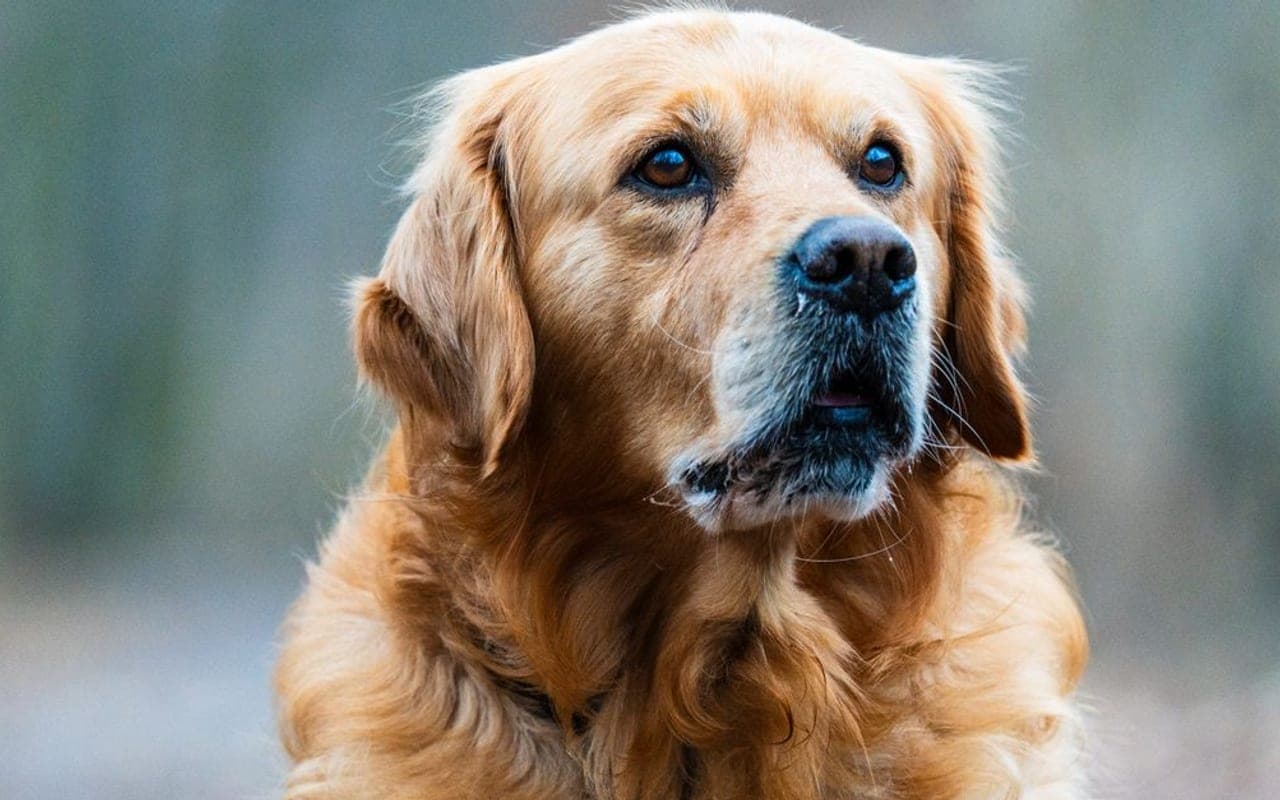
Golden Retriever
Also in the Sporting group, with different care and temperament tradeoffs.
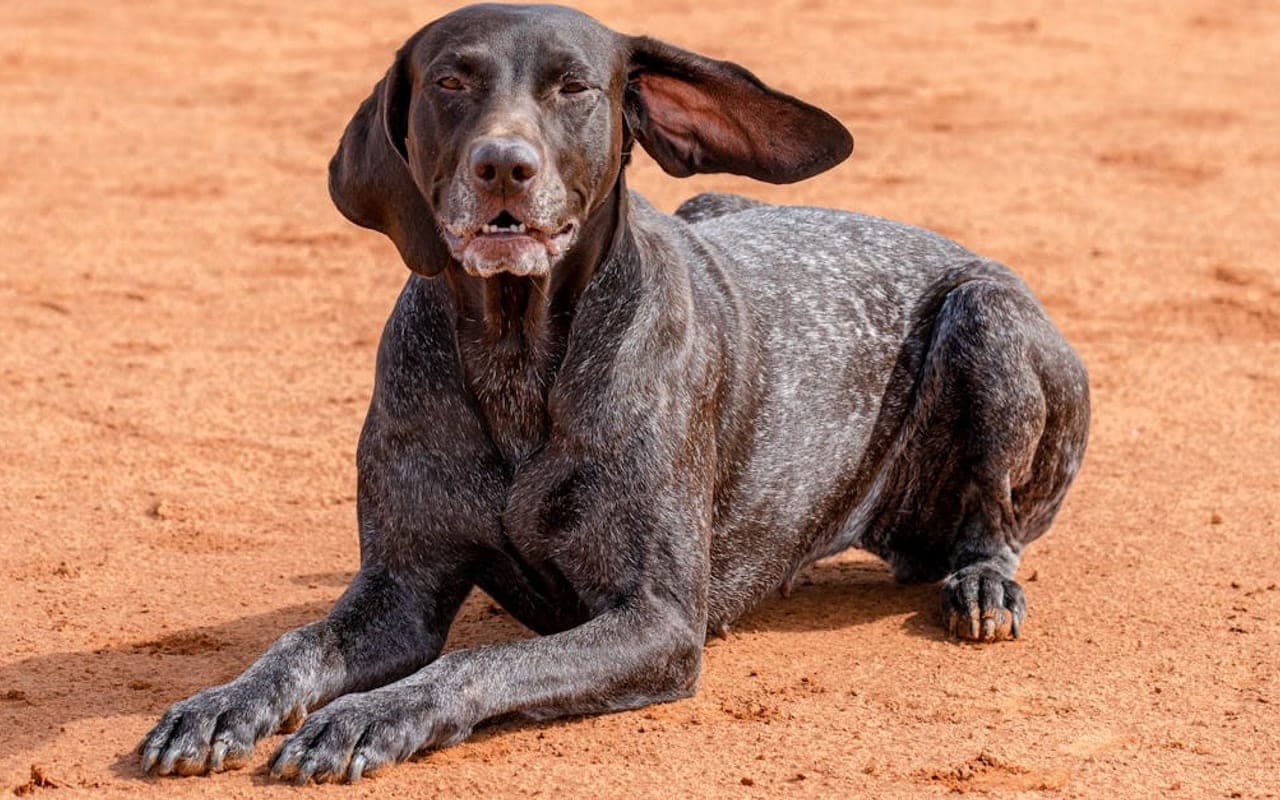
German Shorthaired Pointer
Also in the Sporting group, with different care and temperament tradeoffs.
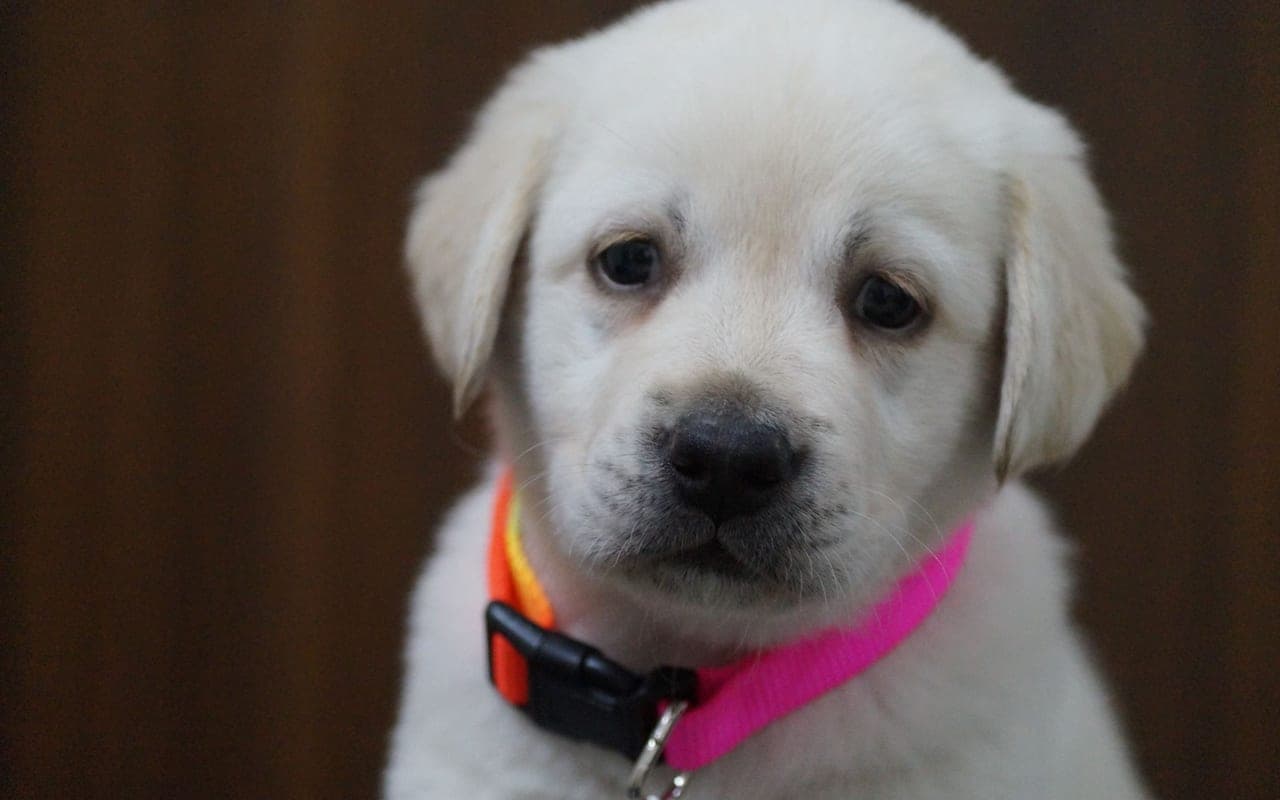
Labrador Retriever
Also in the Sporting group, with different care and temperament tradeoffs.
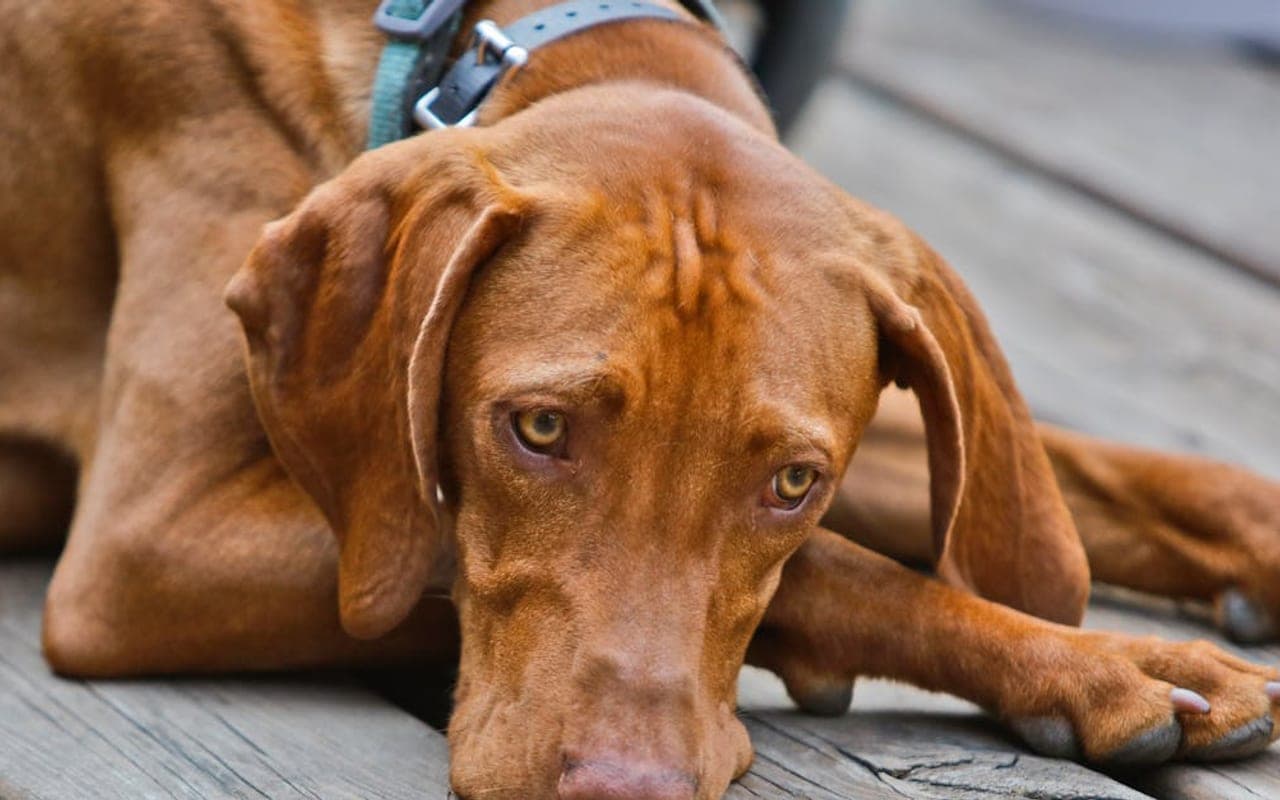
Vizsla
Also in the Sporting group, with different care and temperament tradeoffs.
Explore More About Brittany
Dive deeper into everything Brittany — costs, care, and expert insights.
Large Dog Care Guide: Everything Over 50 lbs
Owning a large or giant breed dog means accepting one of biology's...
Puppy Teething & Biting: Timeline and What Actually Works
A puppy has all 28 deciduous ("baby") teeth by roughly eight weeks of age, and...
Considering a cat instead?
Browse Cats