
Toy group
Brussels Griffon
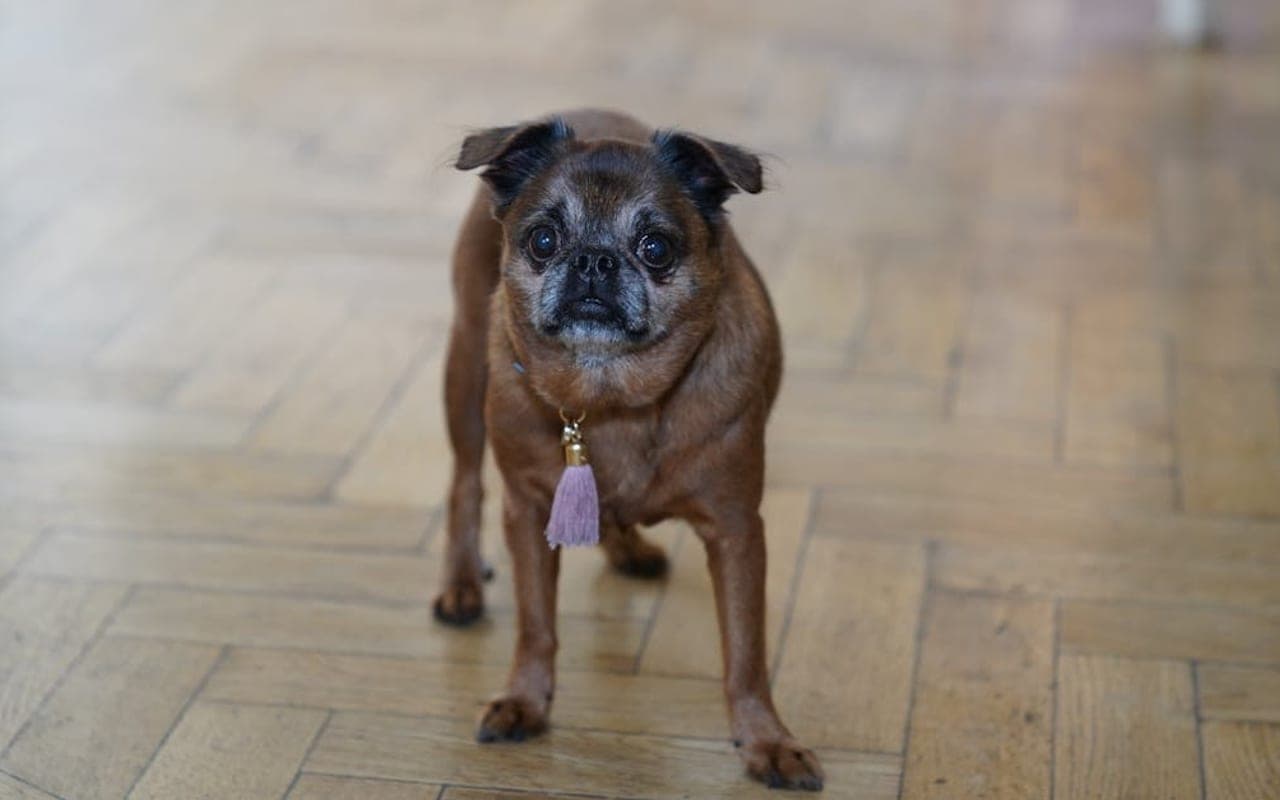
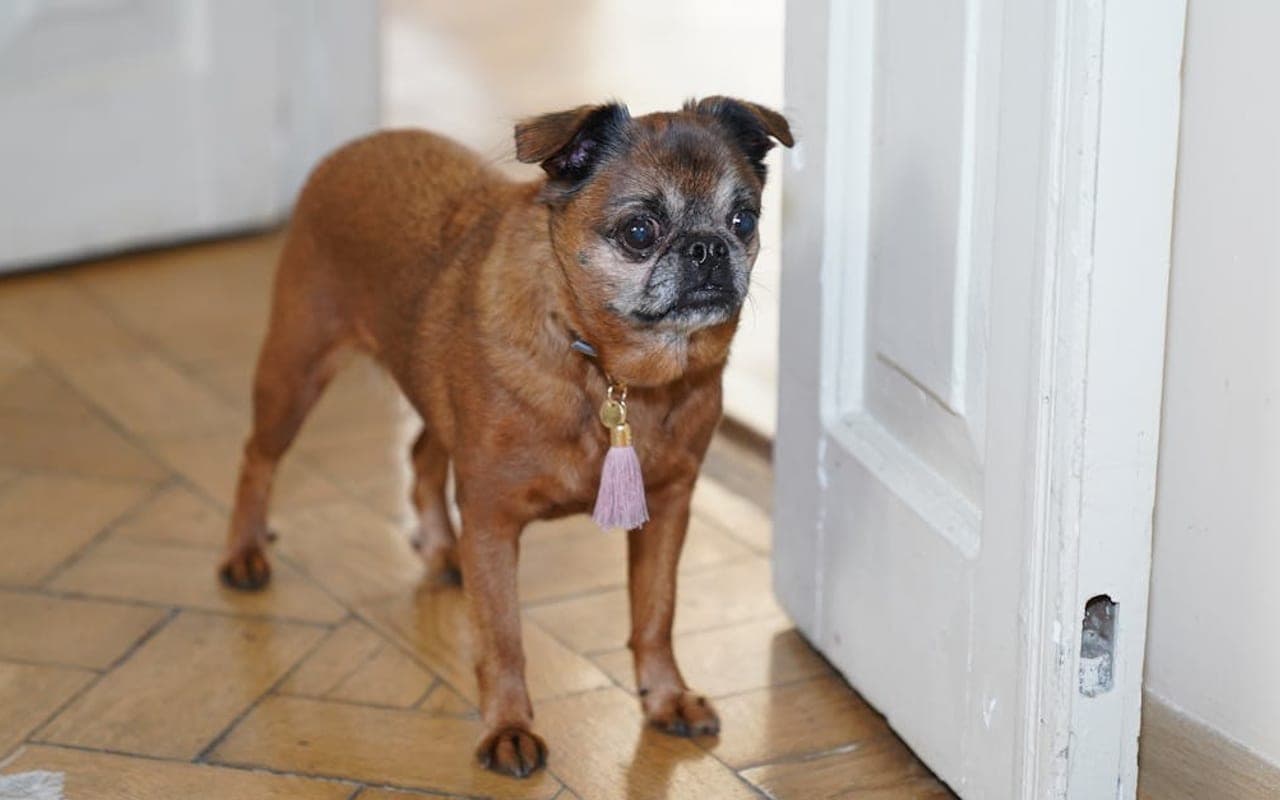
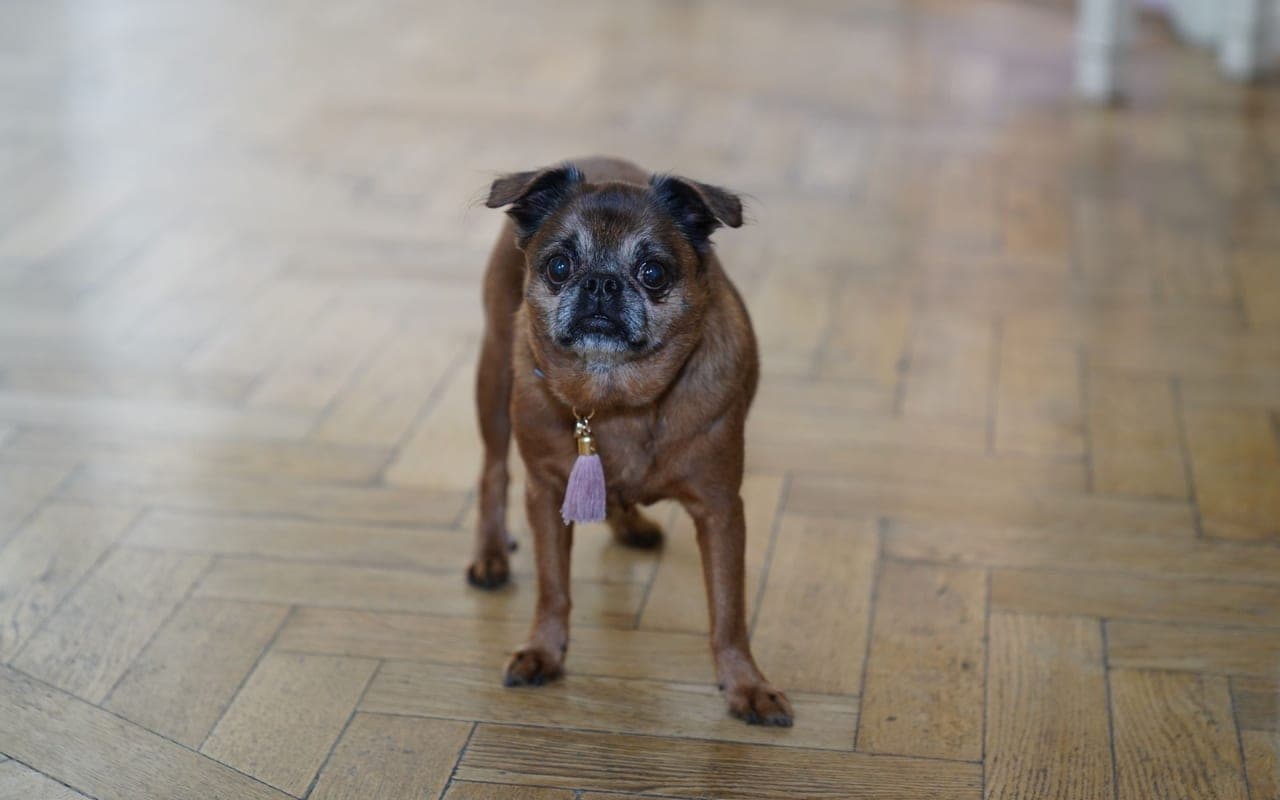
The Brussels Griffon is a 7-to-12-pound toy dog with a flat, bearded, almost human face and a personality far larger than its frame.
Size
8-12 lb
Lifespan
12-15 years
Exercise
30-60 minutes
Shedding
Moderate
Experience
Match to owner routine
Decision first
Is a Brussels Griffon right for you?
Start with fit before history or trivia. These are ownership signals, not guarantees about any individual dog.
Best suited for
- Households with children.
- Homes with other compatible pets.
- Apartment homes with a consistent routine.
- Owners seeking a manageable daily exercise routine.
Think carefully if
- You need a dog with almost no daily routine.
- You cannot keep up with grooming and preventive care.
- The dog will spend most days alone without support.
Conditional fit
Apartment fit depends on exercise, enrichment, noise management, and outdoor access.
Daily reality
Brussels Griffon commitment snapshot
Daily exercise
30-60 minutes
Match activity to age, health, weather, and training goals.
Coat care
Moderate
Grooming needs vary by coat, shedding, and lifestyle.
Time alone
Needs planning
Most dogs need gradual alone-time conditioning and support.
Structured facts
Brussels Griffon at a glance
The measurements and traits that most affect day-to-day life with this breed.
Group
Toy
Weight
8-12 lb
Height
7-10 in
Lifespan
12-15 years
Temperament
Loyal | Alert | Curious
View all characteristics and methodology
Lifestyle fit
- Apartment suitability
- Likely fit
- Child friendliness
- Often good, with socialisation and supervision
- Other-pet fit
- Often compatible with careful introductions
Owner commitment
- Exercise
- 30-60 minutes
- Grooming
- Moderate
- Shedding
- Moderate
- Training
- Moderate
Environment and health
- Health risk
- Needs planning
Ratings combine structured breed data, visible breed fields, and editorial context. They are planning aids, not predictions for an individual dog.
Daily life
Brussels Griffon temperament and behavior
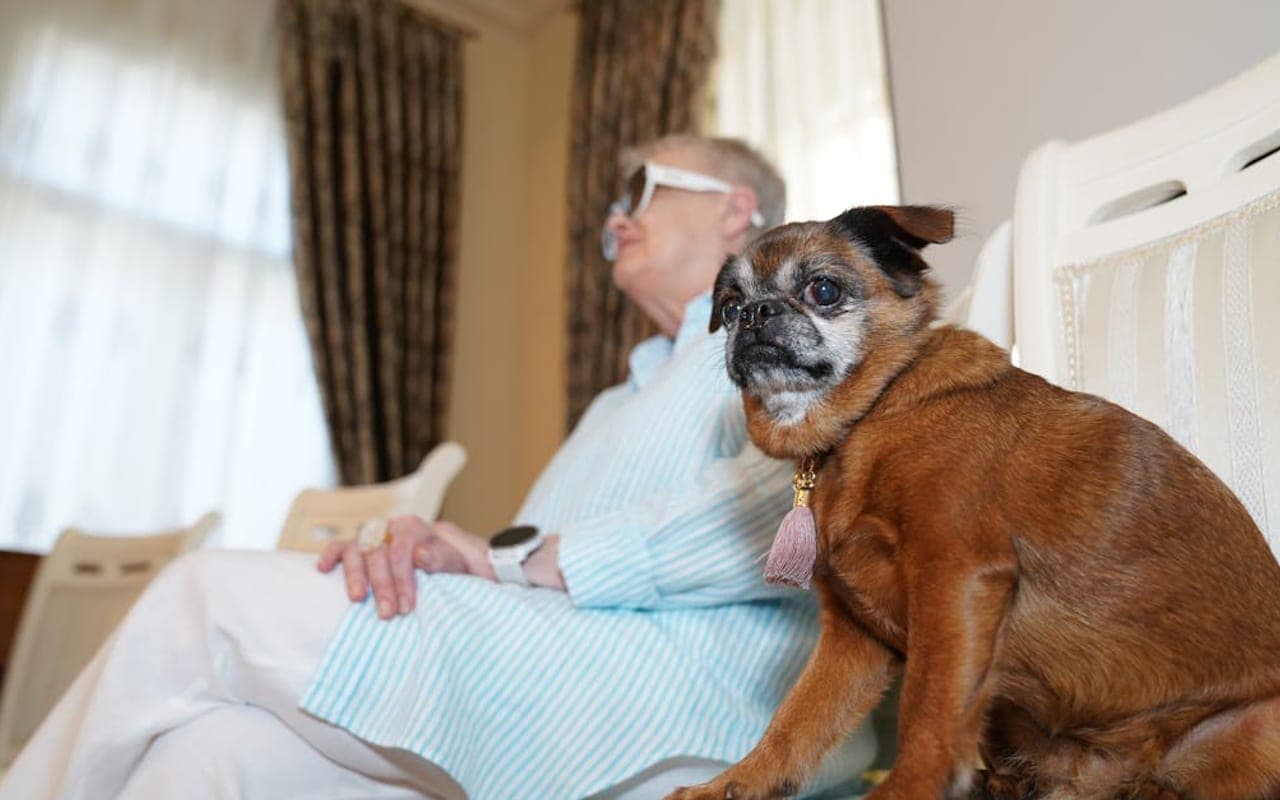
The Brussels Griffon is a 7-to-12-pound toy dog with a flat, bearded, almost human face and a personality far larger than its frame. Owners are usually drawn in by the expression — the big dark eyes and pushed-in muzzle that make the breed look perpetually astonished — but the trait that actually defines living with a Griff is its emotional intensity. This is a velcro dog. It chooses one or two people, follows them room to room, and does not cope well with being left alone. If you work long hours away from home and want a self-contained pet, the Brussels Griffon is the wrong breed; you will come home to separation distress, barking complaints, and a dog that has unraveled in your absence. Griffs come in two coats — rough (wiry, terrier-like, low-shedding, requires hand-stripping or clipping) and smooth (short, Pug-like, sheds more). Colors are red, belge (black and reddish-brown), black and tan, and solid black. The flat brachycephalic face is the source of both the charm and the breed's biggest health liabilities, so a buyer must look at this face and understand they are also looking at a lifetime of airway, dental, and eye monitoring. Temperament is sensitive, comic, and self-important. Griffs are bright and trainable but emotionally thin-skinned — harsh corrections shut them down, and they read household tension acutely. They are poor playmates for toddlers, not from aggression but from fragility: a 9-pound dog with prominent eyes is genuinely injured by rough handling. Who the Griff is right for: an adult or older-child household that wants an interactive, devoted, indoor companion and accepts brachycephalic-breed veterinary reality. Who it is wrong for: anyone wanting a low-maintenance dog, a rough-and-tumble family dog, or a breed that tolerates solitude. Buy this dog for the bond, and budget for the face.
Loyal | Alert | Curious
Loyal
A common Brussels Griffon temperament descriptor that should be interpreted alongside training, exercise, and household fit.
Alert
A common Brussels Griffon temperament descriptor that should be interpreted alongside training, exercise, and household fit.
Curious
A common Brussels Griffon temperament descriptor that should be interpreted alongside training, exercise, and household fit.
Owner note
Temperament labels are starting points, not guarantees. Meet the individual dog and ask about behavior history whenever possible.
Care essentials
How to care for a Brussels Griffon
What looking after one actually involves: exercise, grooming, food, training, and routine health.
ExerciseAs needed
- Moderately active breed needing 30-60 minutes of daily exercise through walks, play, and mental stimulation.
GroomingAs needed
- Regular grooming needed — brush 2-3 times per week and bathe monthly.
TrainingAs needed
- Moderately trainable — consistent, patient training with positive methods works best.
NutritionAs needed
- Feed a high-quality dog food appropriate for their age, size, and activity level. Monitor portions to prevent obesity.
Veterinary CareAs needed
- Annual wellness exams, core vaccinations, dental care, and parasite prevention. Breed-specific health screenings as recommended by your vet.
Health planning
Brussels Griffon health risks and screening
Every breed has individual health variation. Use this profile for planning and discuss medical decisions with a veterinarian.
Responsible ownership
Finding a Brussels Griffon responsibly
What to ask a breeder or rescue is the same conversation for every breed, so we keep it in one place and keep it current.
Health documentation, meeting the parents or foster, contracts and return support, and the warning signs worth walking away from.
Original purpose
Brussels Griffon history
History is useful when it explains today's behavior, coat, exercise needs, and training style.
Read the breed history
The Brussels Griffon was developed in 19th-century Belgium from the Griffon d'Ecurie, a scruffy stable dog kept around Brussels coachyards to kill rats. To refine the type into a companion, breeders crossed in the Pug (which contributed the smooth coat, the flat face, and the brachycephalic skull), the English Toy Spaniel, and the Affenpinscher (the source of the wiry rough coat and the monkeyish, bearded expression). The breed became fashionable among Belgian nobility — Queen Astrid kept Griffs — which lifted it from working ratter to drawing-room dog. Numbers were nearly wiped out twice by the two World Wars, and the modern population descends from a small surviving gene pool, which is part of why hereditary conditions concentrate in the breed today. Recognized by the AKC in 1910, the Griff remains uncommon, prized more for personality than utility — a working ratter's grit folded into a lapdog's body.
Gallery
Brussels Griffon photos
Images are cropped consistently and loaded progressively to keep the page responsive.
Lower-page context
Brussels Griffons in culture
Where the breed shows up in film, sport, work and folklore — the enjoyable part, once the practical questions are answered.
Fun facts
- The Brussels Griffon belongs to the Toy Group.
- With proper care, Brussels Griffon dogs can live up to 15 years or more.
- Brussels Griffon dogs are valued for their loyal, alert, curious nature.
Brussels Griffon FAQs
How long do Brussels Griffons live?
A Brussels Griffon from health-screened lines typically lives 12 to 15 years, which is good longevity for any dog. The realistic caveat is quality of life rather than length: brachycephalic airway disease, dental problems, and in some lines syringomyelia mean those years come with more veterinary management than an average toy breed. Lifespan in this breed is strongly tied to whether the parents were MRI- and OFA-screened, so the breeder's testing record predicts your dog's later years more than the age range alone.
Are Brussels Griffons good with children?
They are better suited to homes with older, gentle children or adults only. A Griff weighs 7 to 12 pounds and has prominent eyes that are genuinely vulnerable to injury from rough handling, and the breed is emotionally sensitive — it does not enjoy being grabbed, chased, or roughhoused. With calm school-age or older children who understand how to handle a small dog, a Griff can be an affectionate companion, but it is the wrong choice as a toddler's playmate. Always supervise interactions and never let a child lift the dog by the body.
How much grooming does a Brussels Griffon need?
It depends on the coat, and this is a real cost difference. The rough (wiry) coat needs professional hand-stripping or clipping every 8 to 12 weeks at roughly $50 to $90 a visit, plus weekly home brushing. The smooth coat needs only weekly brushing but sheds noticeably more. Both coats require the facial fold to be wiped two to three times a week to prevent skin-fold dermatitis, and the eyes checked daily. Budget the rough coat's grooming bill before you buy if cost matters.
Why does my Brussels Griffon snort, snore, and tire in the heat?
Those are signs of brachycephalic obstructive airway syndrome, caused by the breed's flat face: narrowed nostrils, a long soft palate, and a small windpipe restrict airflow. Mild snoring and snorting are common; the warning signs that need a veterinarian are noisy breathing at rest, blue-tinged gums, collapse, or rapid exhaustion in mild heat. Practical management is a body harness instead of a neck collar, walks only in cool hours, weight control, and avoiding any exertion above about 24°C — and a surgical airway assessment if symptoms are more than mild.
How much does a Brussels Griffon cost to buy and own?
Expect $2,000 to $4,000 for a pet-quality puppy from a breeder who MRI-screens for syringomyelia and OFA-certifies patellas, hips, and eyes; rescue adoption runs far less. The hidden cost is the lifetime, not the purchase. Brachycephalic dental care, fold and eye monitoring, and the realistic possibility of airway surgery ($1,500-$4,000) or patella surgery ($1,500-$3,000) mean budgeting another $3,000 to $8,000-plus over the dog's life. Paying for screened parents up front is the cheapest insurance against the worst of these bills.
What is syringomyelia and can I avoid it in a Brussels Griffon?
Syringomyelia is a condition where fluid-filled cavities form in the spinal cord because a Chiari-like skull malformation crowds the brain — research found it in over half of Griffons examined. Signs include neck pain, scratching at the air near the neck without touching it, and yelping when picked up. You cannot test an individual puppy to zero risk, but you substantially lower it by buying only from a breeder who MRI-scans their breeding dogs (ideally before 3 years of age) and shares the results. If your dog shows air-scratching or unexplained neck pain, that warrants an MRI referral, not a wait-and-see.
Sources
These are the published sources this page draws on. Each opens in a new tab so you can check it yourself.
American Kennel Club
Brussels Griffon — breed standard and profile(opens in a new tab)Supports: Breed standard and recognition details.
Similar breeds to consider
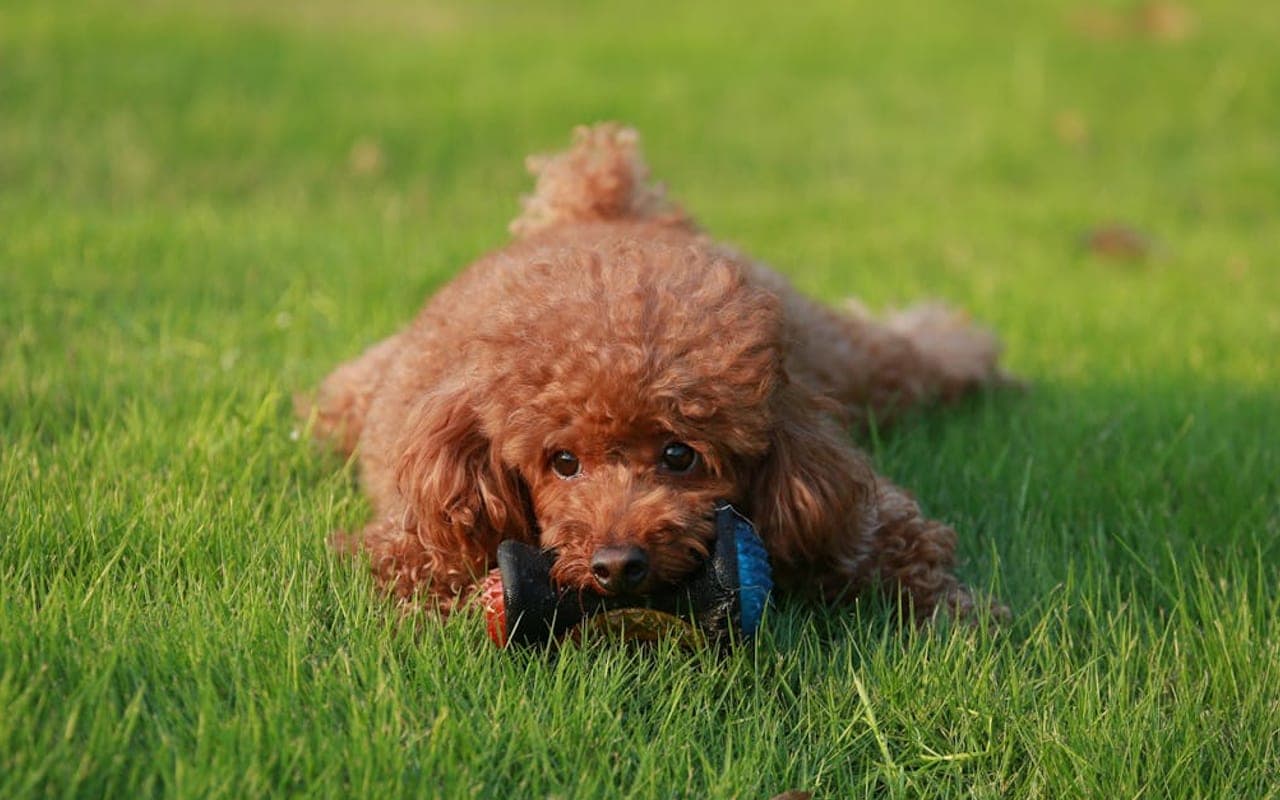
Poodle (Toy)
Also in the Toy group, with different care and temperament tradeoffs.
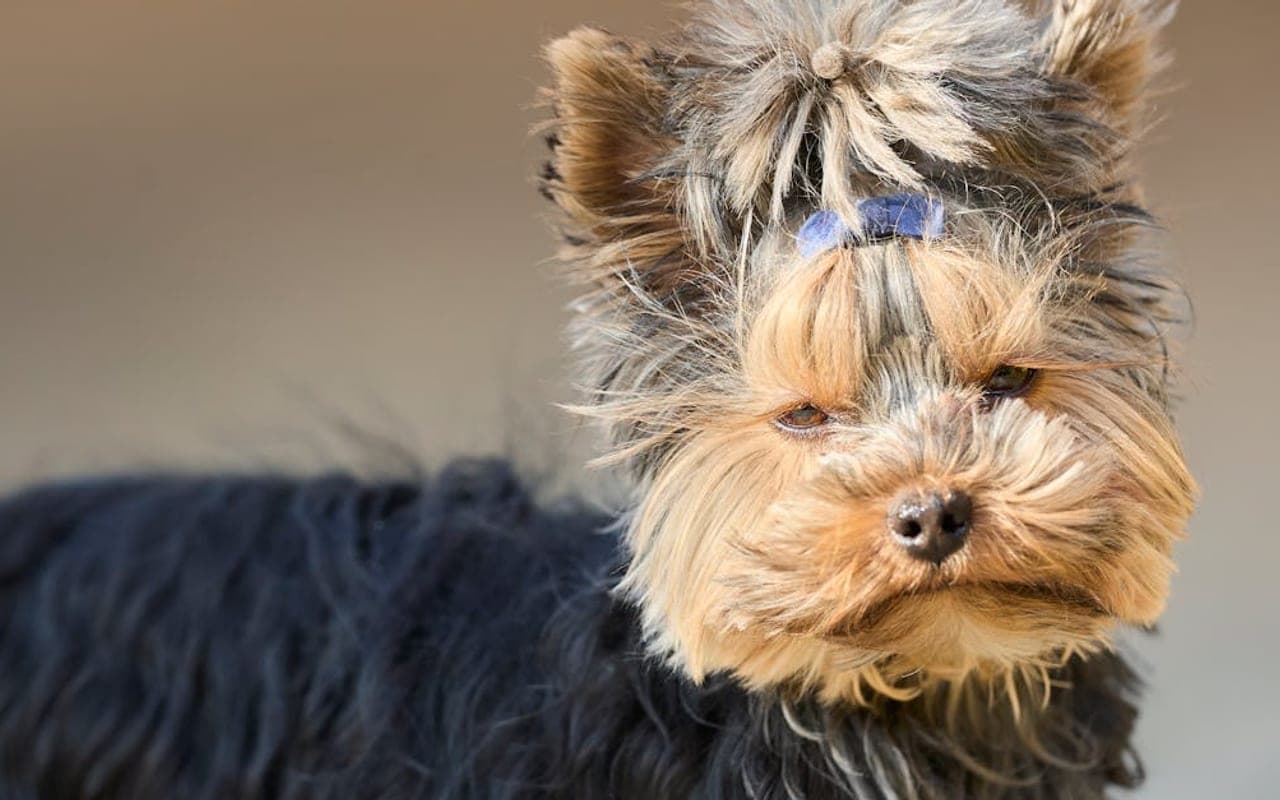
Yorkshire Terrier
Also in the Toy group, with different care and temperament tradeoffs.
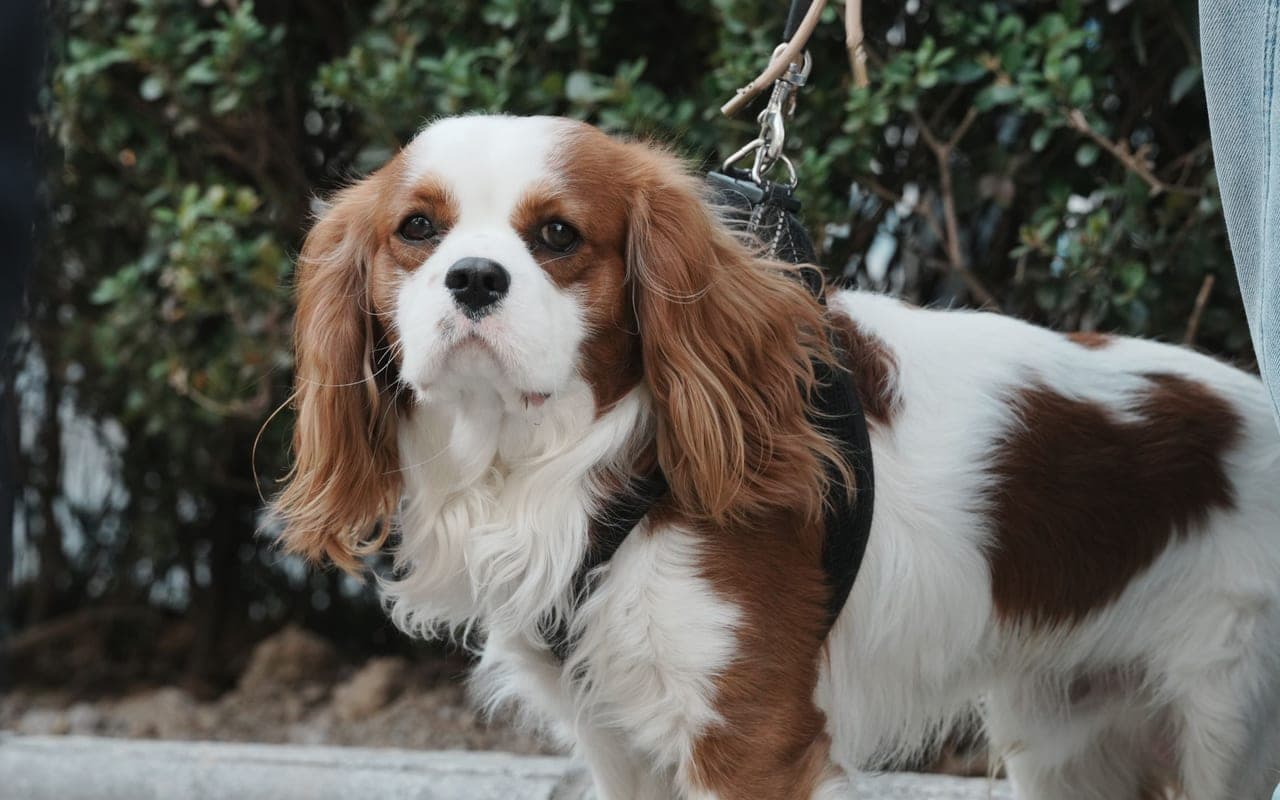
Cavalier King Charles Spaniel
Also in the Toy group, with different care and temperament tradeoffs.
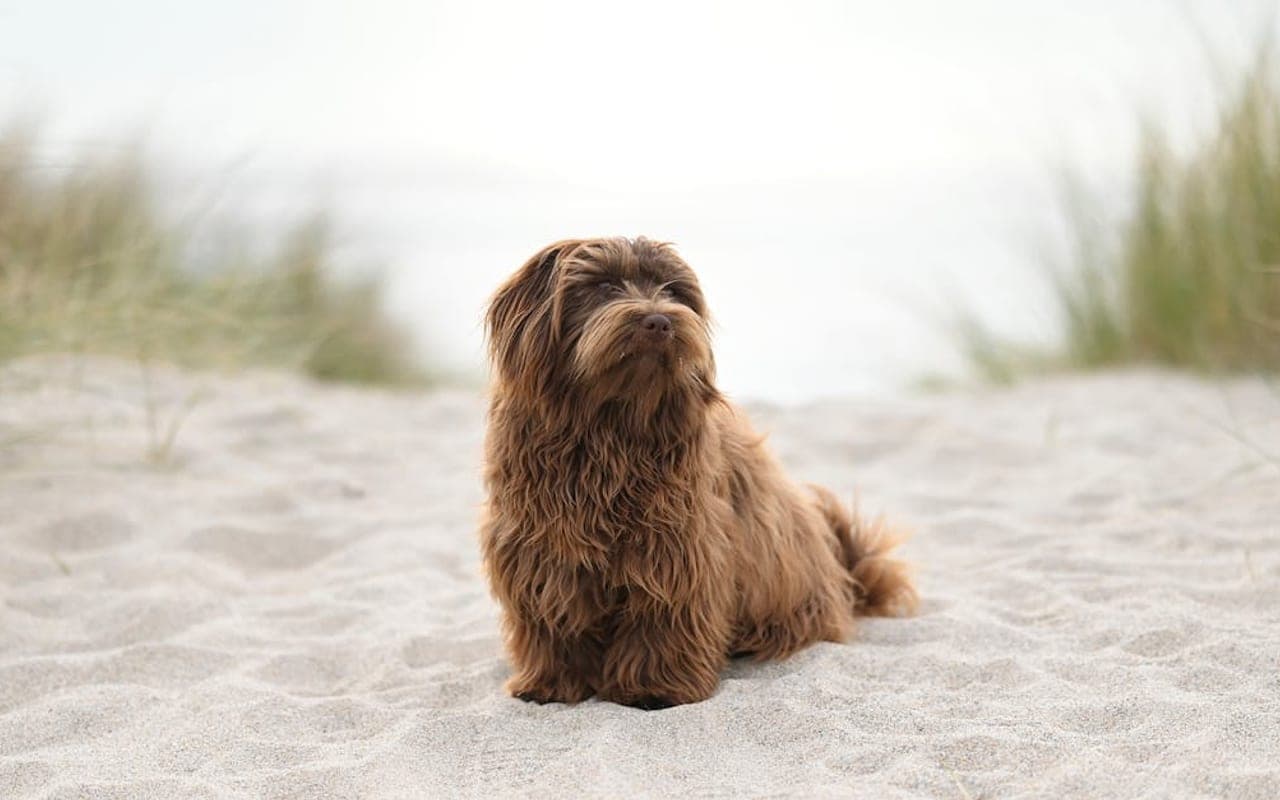
Havanese
Also in the Toy group, with different care and temperament tradeoffs.
Explore More About Brussels Griffon
Dive deeper into everything Brussels Griffon — costs, care, and expert insights.
Considering a cat instead?
Browse Cats