
Working group
Bullmastiff
The Bullmastiff is a 100-to-130-pound guarding dog bred to silently pin and hold a poacher without mauling him — and the two facts that should drive any adoption decision are its short lifespan and its physical power.
Size
100-130 lb
Lifespan
7-9 years
Exercise
30-60 minutes
Shedding
Moderate
Experience
Match to owner routine
Decision first
Is a Bullmastiff right for you?
Start with fit before history or trivia. These are ownership signals, not guarantees about any individual dog.
Best suited for
- Households with children.
- Homes with other compatible pets.
- Apartment homes with a consistent routine.
- Owners seeking a manageable daily exercise routine.
Think carefully if
- You need a dog with almost no daily routine.
- You cannot keep up with grooming and preventive care.
- The dog will spend most days alone without support.
Conditional fit
Apartment fit depends on exercise, enrichment, noise management, and outdoor access.
Daily reality
Bullmastiff commitment snapshot
Daily exercise
30-60 minutes
Match activity to age, health, weather, and training goals.
Coat care
Moderate
Grooming needs vary by coat, shedding, and lifestyle.
Time alone
Needs planning
Most dogs need gradual alone-time conditioning and support.
Structured facts
Bullmastiff at a glance
The measurements and traits that most affect day-to-day life with this breed.
Group
Working
Weight
100-130 lb
Height
24-27 in
Lifespan
7-9 years
Temperament
Affectionate | Loyal | Brave
View all characteristics and methodology
Lifestyle fit
- Apartment suitability
- Likely fit
- Child friendliness
- Often good, with socialisation and supervision
- Other-pet fit
- Often compatible with careful introductions
Owner commitment
- Exercise
- 30-60 minutes
- Grooming
- Moderate
- Shedding
- Moderate
- Training
- Moderate
Environment and health
- Health risk
- Needs planning
Ratings combine structured breed data, visible breed fields, and editorial context. They are planning aids, not predictions for an individual dog.
Daily life
Bullmastiff temperament and behavior
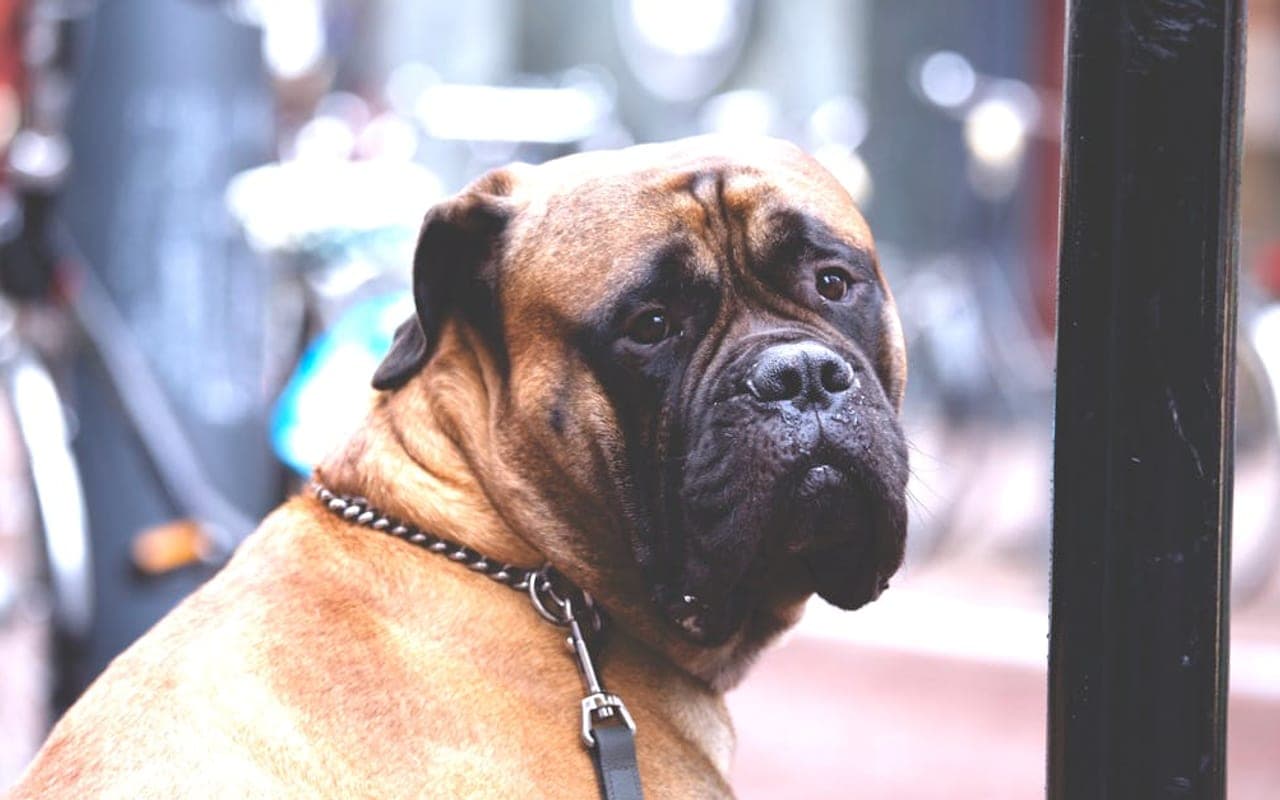
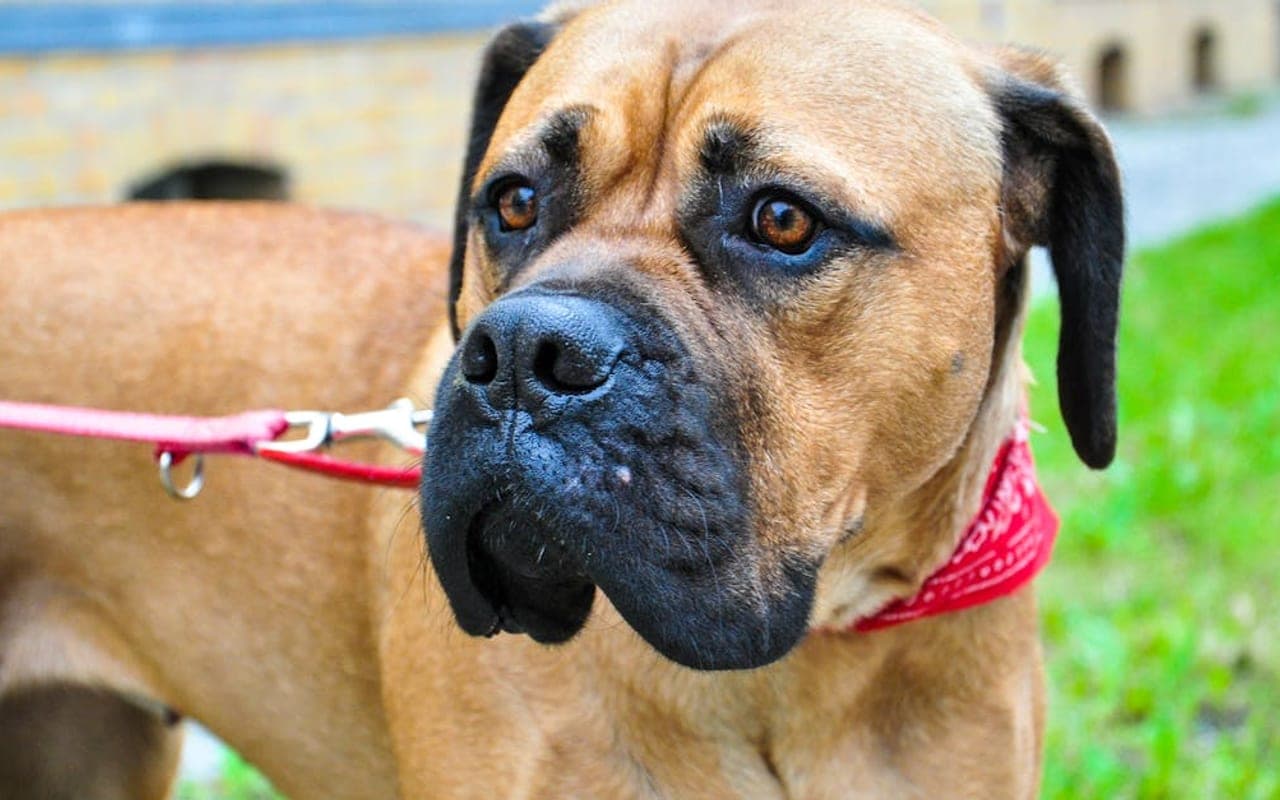
The Bullmastiff is a 100-to-130-pound guarding dog bred to silently pin and hold a poacher without mauling him — and the two facts that should drive any adoption decision are its short lifespan and its physical power. This breed typically lives only 7-9 years and is strong enough that an untrained adult can pull a person off their feet without trying. If you are not prepared to start serious training while the dog is a manageable puppy, and not prepared for a relatively brief life with a real cancer burden, the Bullmastiff is the wrong breed — however much you love the calm, devoted temperament, which is genuinely excellent. Physically the Bullmastiff is a broad, muscular, deep-chested dog with a large square head and a short coat in fawn, red, or brindle, always with a dark mask. It drools, snores, and is sensitive to heat — the brachycephalic-leaning head means it overheats fast and tolerates exertion in warm weather poorly. Temperament is the breed's best feature: calm, confident, deeply devoted to family, naturally protective without training to be, and typically gentle and patient with children it is raised with. It is not hyperactive — adults are couch-companions with moderate exercise needs. The flip side is independence and a strong guarding instinct: Bullmastiffs can be dog-aggressive (especially same-sex), wary of strangers, and stubborn, and their size makes any of these traits a serious problem if not shaped early. Who the Bullmastiff is right for: an owner who wants a calm, devoted, lower-energy guardian, will commit to early training and socialization while the dog is small, and accepts a short life with significant veterinary costs. Who it is wrong for: first-time owners, anyone unable to physically manage a powerful dog, hot climates without climate control, or those not ready for the breed's brief lifespan.
Affectionate | Loyal | Brave
Affectionate
A common Bullmastiff temperament descriptor that should be interpreted alongside training, exercise, and household fit.
Loyal
A common Bullmastiff temperament descriptor that should be interpreted alongside training, exercise, and household fit.
Brave
A common Bullmastiff temperament descriptor that should be interpreted alongside training, exercise, and household fit.
Owner note
Temperament labels are starting points, not guarantees. Meet the individual dog and ask about behavior history whenever possible.
Care essentials
How to care for a Bullmastiff
What looking after one actually involves: exercise, grooming, food, training, and routine health.
ExerciseAs needed
- Moderately active breed needing 30-60 minutes of daily exercise through walks, play, and mental stimulation.
GroomingAs needed
- Regular grooming needed — brush 2-3 times per week and bathe monthly.
TrainingAs needed
- Moderately trainable — consistent, patient training with positive methods works best.
NutritionAs needed
- Feed a high-quality dog food appropriate for their age, size, and activity level. Monitor portions to prevent obesity.
Veterinary CareAs needed
- Annual wellness exams, core vaccinations, dental care, and parasite prevention. Breed-specific health screenings as recommended by your vet.
Health planning
Bullmastiff health risks and screening
Every breed has individual health variation. Use this profile for planning and discuss medical decisions with a veterinarian.
Responsible ownership
Finding a Bullmastiff responsibly
What to ask a breeder or rescue is the same conversation for every breed, so we keep it in one place and keep it current.
Health documentation, meeting the parents or foster, contracts and return support, and the warning signs worth walking away from.
Original purpose
Bullmastiff history
History is useful when it explains today's behavior, coat, exercise needs, and training style.
Read the breed history
The Bullmastiff was developed in 19th-century England by gamekeepers who needed a dog to protect estates from poachers. Crossing roughly 60% Mastiff for size and steadiness with about 40% Old English Bulldog for tenacity and courage, they produced the 'Gamekeeper's Night Dog': fast and quiet enough to track a poacher in the dark, powerful enough to knock him down and hold him, and biddable enough not to maul. The breed was bred for a dark coat to work unseen at night and later, as fawn and brindle gained popularity, for the now-standard dark mask. It was recognized as a distinct breed in the early 20th century and transitioned from working guardian to family protection dog and companion. That origin explains the modern dog exactly: the calm-but-protective temperament, the silent-guardian instinct, the physical power, and the independence are all deliberately selected working traits, which is why early training of that power is the central ownership task.
Gallery
Bullmastiff photos
Images are cropped consistently and loaded progressively to keep the page responsive.
Lower-page context
Bullmastiffs in culture
Where the breed shows up in film, sport, work and folklore — the enjoyable part, once the practical questions are answered.
Fun facts
- The Bullmastiff belongs to the Working Group.
- The average lifespan of a Bullmastiff is 7 to 9 years.
- Bullmastiff dogs are valued for their affectionate, loyal, brave nature.
Bullmastiff FAQs
How long do Bullmastiffs live, and why so short?
Typically only 7-9 years, short even for a giant breed. The dominant reason is a high cancer rate — osteosarcoma, lymphoma, hemangiosarcoma, and mast cell tumors are all common — compounded by bloat and joint disease in this heavy frame. Prospective owners should go in clear-eyed: this is a relatively brief commitment with significant likely veterinary costs. Buying from health-screened lines, keeping the dog lean, and acting fast on lumps or lameness maximize the time you get.
Are Bullmastiffs good family dogs?
Yes for the right family — they are calm, deeply devoted, naturally protective, and typically gentle and patient with children they are raised with, and they are lower-energy than most large breeds. The serious caveats: their size means an excited or untrained dog can knock over a child, they can be same-sex dog-aggressive and wary of strangers, and they must be trained and socialized while still a controllable puppy. Best for experienced owners, not first-timers.
How much exercise does a Bullmastiff need?
Moderate — roughly two 20-30 minute walks plus light play daily for an adult; this is not a high-stamina breed and adults are largely couch companions. Two hard rules: protect growing puppies' joints by avoiding stairs, slick floors, and forced exercise until about 18 months, and never exercise a Bullmastiff hard in heat — the flat-ish face causes rapid, dangerous overheating. Exercise in the cool of the day with shade and water.
Are Bullmastiffs aggressive or dangerous?
They are not indiscriminately aggressive — the breed standard is calm and confident — but they are powerful natural guardians that can be wary of strangers and aggressive toward same-sex dogs, and a 120-pound dog acting on instinct is inherently high-stakes. The deciding factor is early, broad socialization and obedience training while the dog is a small puppy. A trained, socialized Bullmastiff is steady and safe; an untrained one is genuinely difficult to manage.
Do Bullmastiffs drool and have other 'big dog' downsides?
Yes — they drool (keep towels handy), snore, can be flatulent, shed moderately year-round despite the short coat, and have deep facial folds that need cleaning and drying to prevent skin infection. They are also heat-intolerant and need climate control in hot weather. None of this is a dealbreaker for prepared owners, but house-proud buyers and those without summer air conditioning should weigh these realities before committing.
What should I ask a Bullmastiff breeder about health?
Ask for OFA hip and elbow clearances on both parents, a cardiac evaluation by a veterinary cardiologist (for subaortic stenosis), eye examination results, and thyroid testing. Also ask about longevity and causes of death in their lines, given the breed's cancer burden. There is no DNA test that removes the cancer risk, so line health history and screened parents are the best available signal — a breeder who cannot provide these is one to avoid.
Sources
These are the published sources this page draws on. Each opens in a new tab so you can check it yourself.
American Kennel Club
Bullmastiff — breed standard and profile(opens in a new tab)Supports: Breed standard and recognition details.
Similar breeds to consider
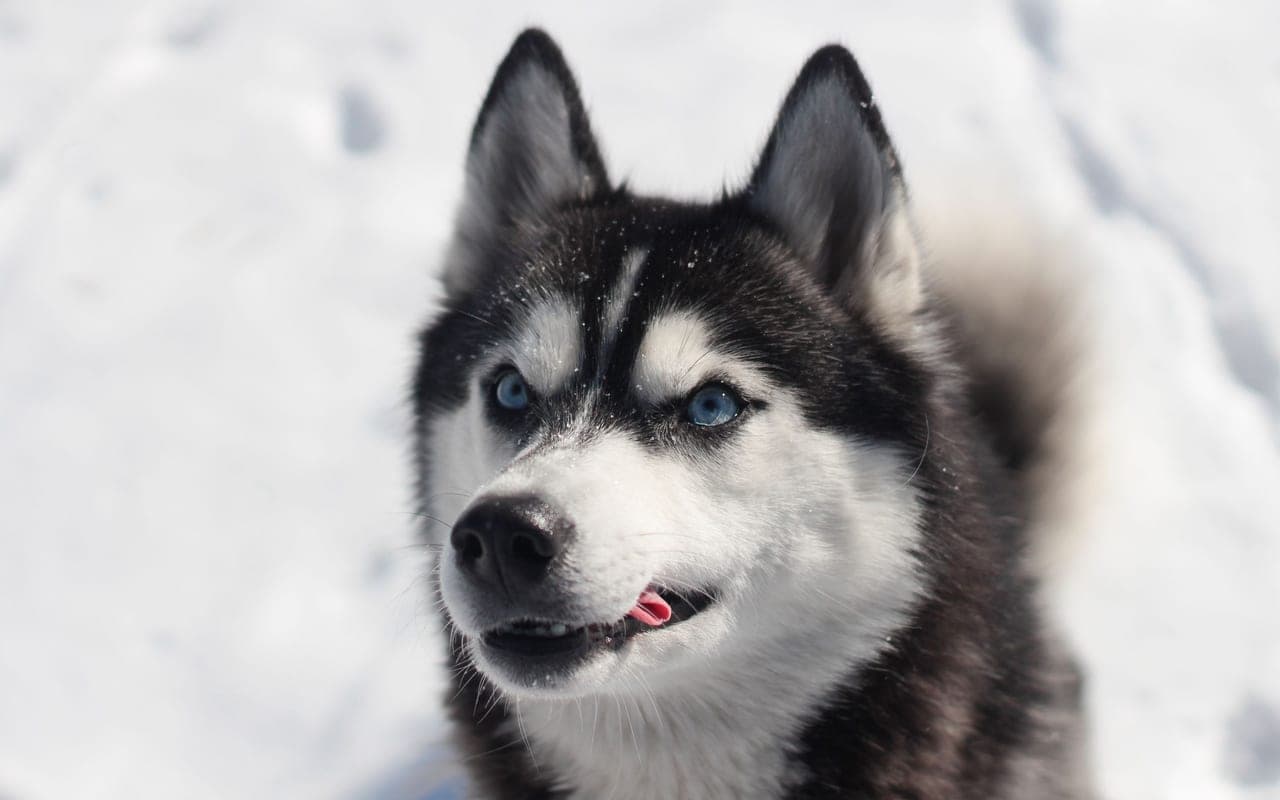
Siberian Husky
Also in the Working group, with different care and temperament tradeoffs.
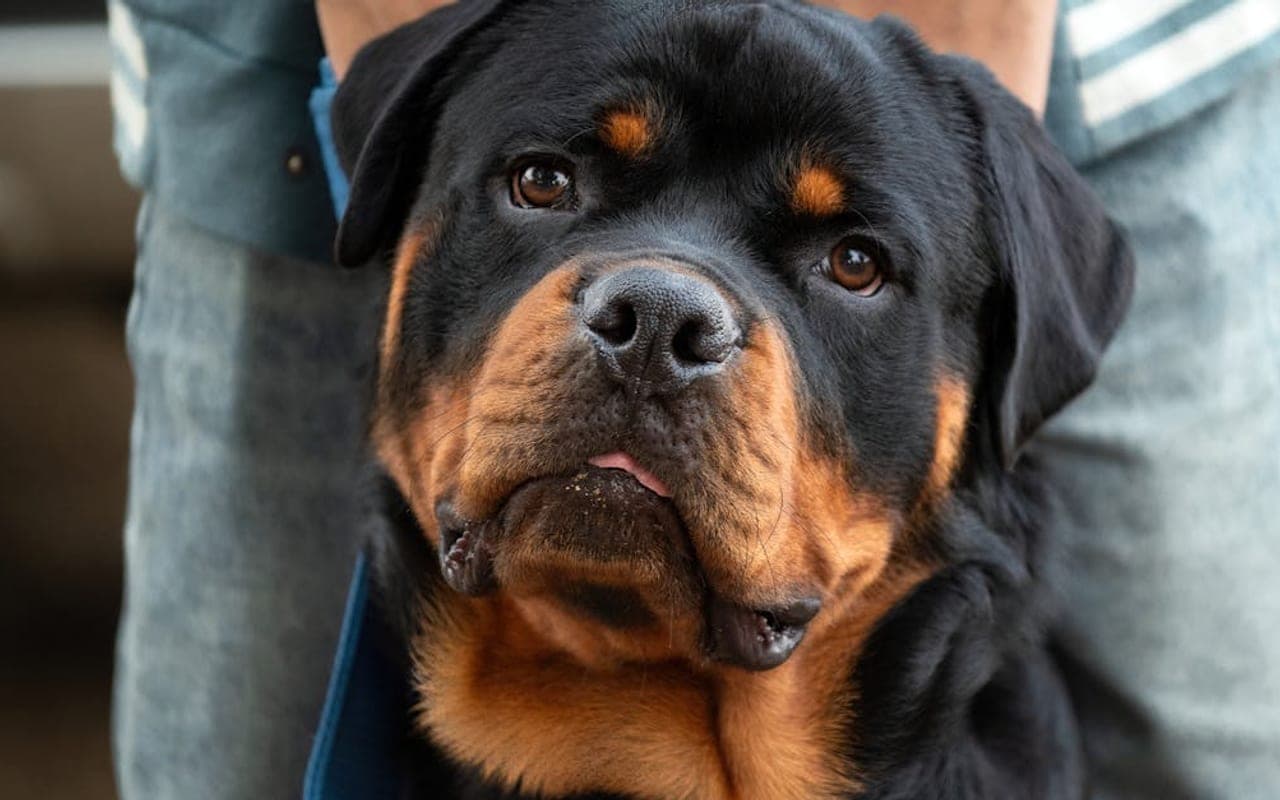
Rottweiler
Also in the Working group, with different care and temperament tradeoffs.
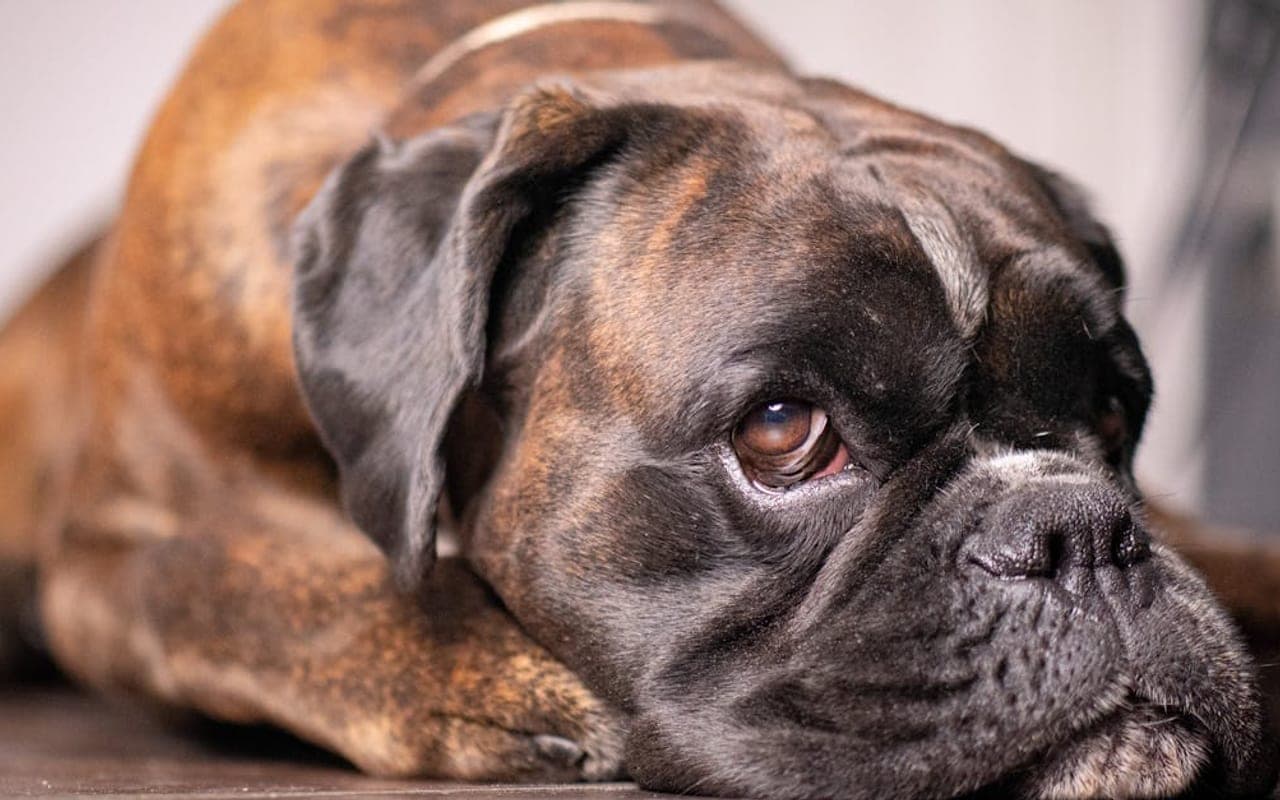
Boxer
Also in the Working group, with different care and temperament tradeoffs.
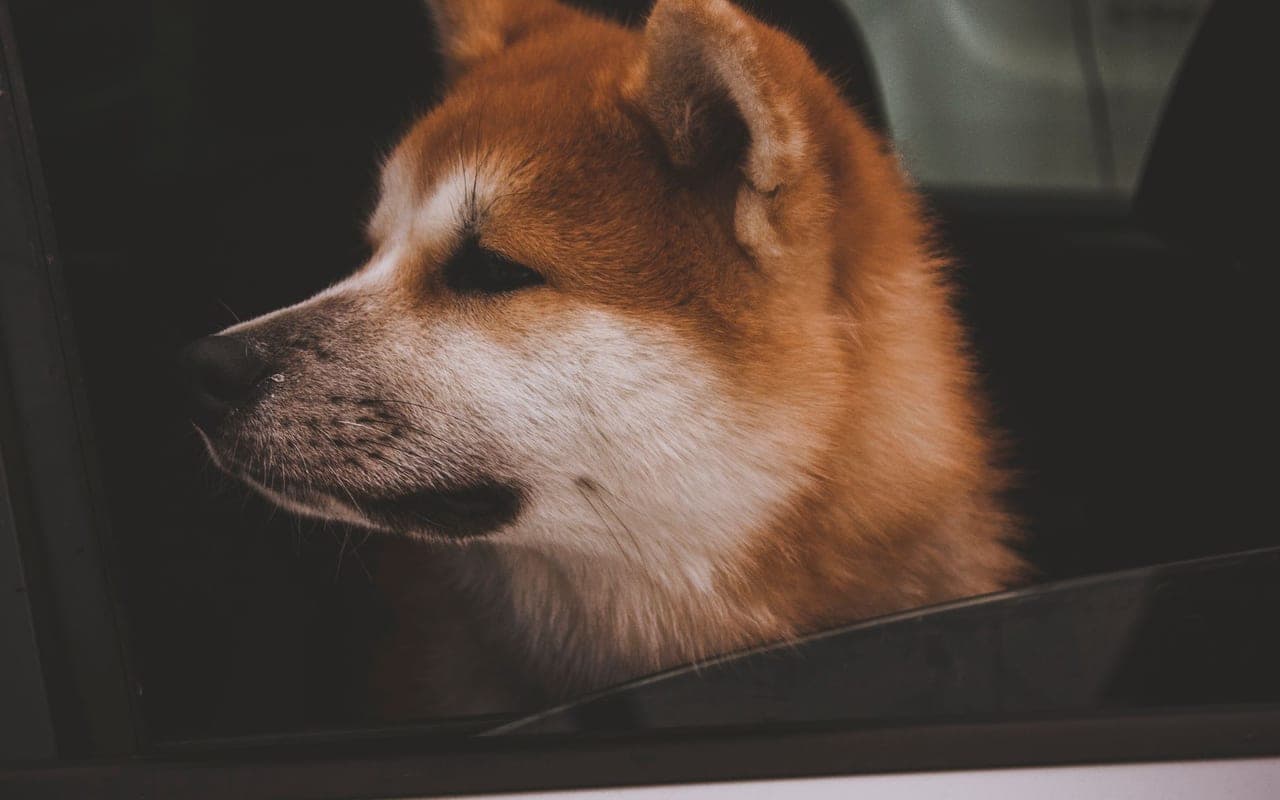
Akita
Also in the Working group, with different care and temperament tradeoffs.
Explore More About Bullmastiff
Dive deeper into everything Bullmastiff — costs, care, and expert insights.
Large Dog Care Guide: Everything Over 50 lbs
Owning a large or giant breed dog means accepting one of biology's...
Puppy Teething & Biting: Timeline and What Actually Works
A puppy has all 28 deciduous ("baby") teeth by roughly eight weeks of age, and...
Considering a cat instead?
Browse Cats