
Terrier group
Cairn Terrier
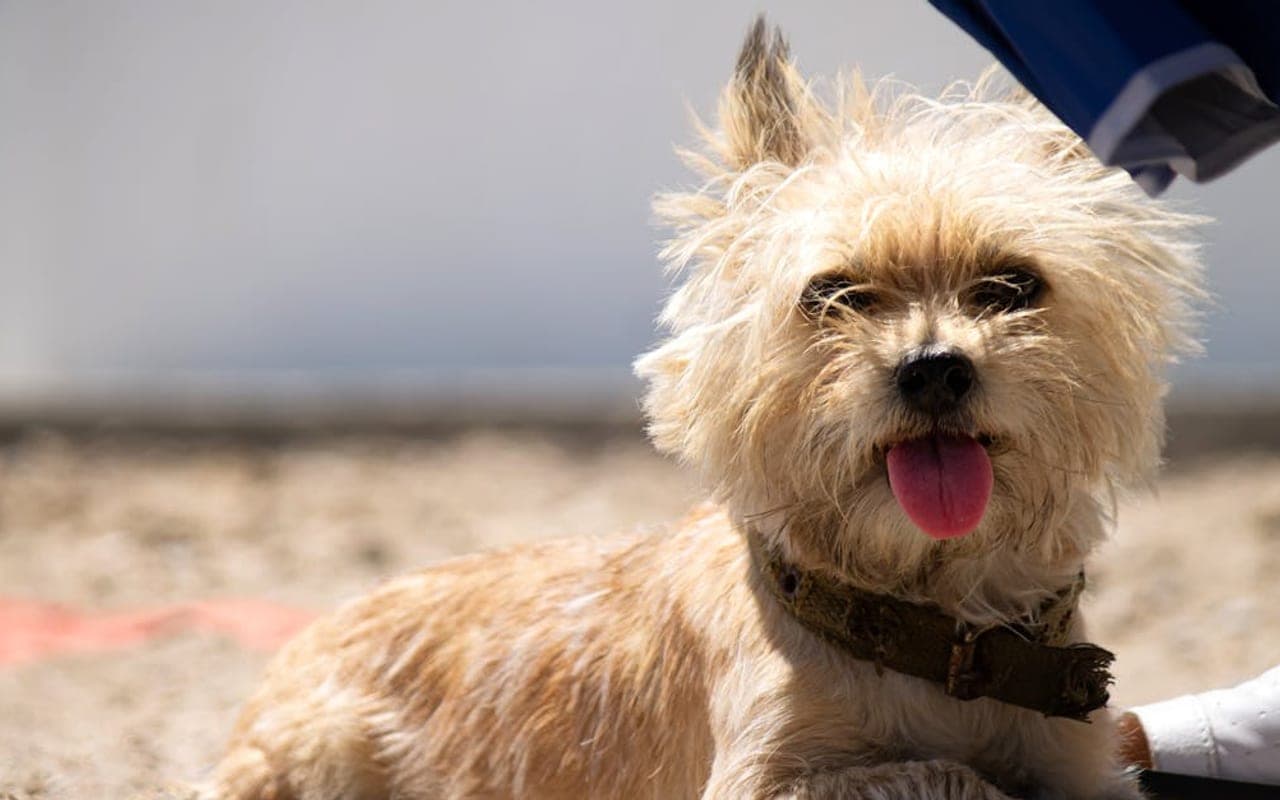
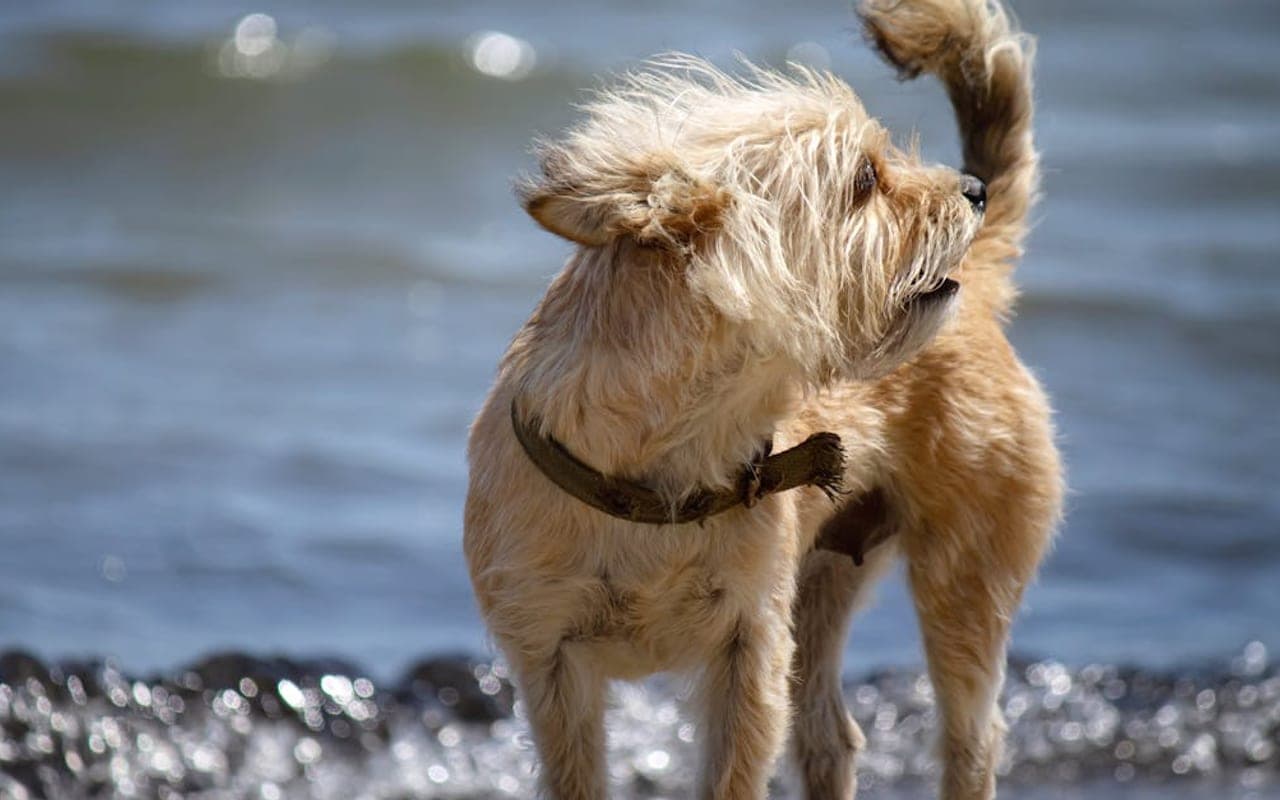
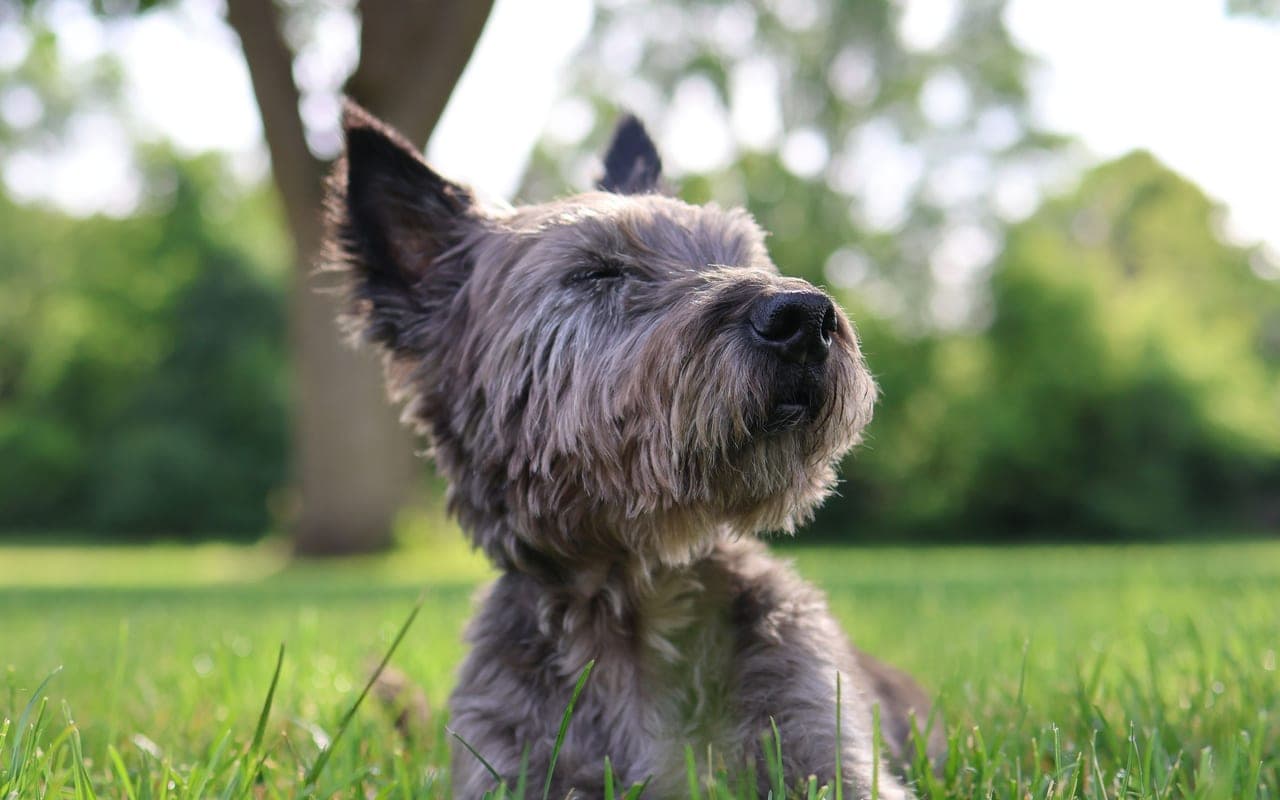
The Cairn Terrier is a small, hard-working Scottish earthdog — about 9.

Size
13-16 lb
Lifespan
13-15 years
Exercise
30-60 minutes
Shedding
Moderate
Experience
Match to owner routine
Decision first
Is a Cairn Terrier right for you?
Start with fit before history or trivia. These are ownership signals, not guarantees about any individual dog.
Best suited for
- Households with children.
- Homes with other compatible pets.
- Apartment homes with a consistent routine.
- Owners seeking a manageable daily exercise routine.
Think carefully if
- You need a dog with almost no daily routine.
- You cannot keep up with grooming and preventive care.
- The dog will spend most days alone without support.
Conditional fit
Apartment fit depends on exercise, enrichment, noise management, and outdoor access.
Daily reality
Cairn Terrier commitment snapshot
Daily exercise
30-60 minutes
Match activity to age, health, weather, and training goals.
Coat care
Moderate
Grooming needs vary by coat, shedding, and lifestyle.
Time alone
Needs planning
Most dogs need gradual alone-time conditioning and support.
Structured facts
Cairn Terrier at a glance
The measurements and traits that most affect day-to-day life with this breed.
Group
Terrier
Weight
13-16 lb
Height
9-10 in
Lifespan
13-15 years
Temperament
Alert | Cheerful | Busy
View all characteristics and methodology
Lifestyle fit
- Apartment suitability
- Likely fit
- Child friendliness
- Often good, with socialisation and supervision
- Other-pet fit
- Often compatible with careful introductions
Owner commitment
- Exercise
- 30-60 minutes
- Grooming
- Moderate
- Shedding
- Moderate
- Training
- Moderate
Environment and health
- Health risk
- Needs planning
Ratings combine structured breed data, visible breed fields, and editorial context. They are planning aids, not predictions for an individual dog.
Daily life
Cairn Terrier temperament and behavior
The Cairn Terrier is a small, hard-working Scottish earthdog — about 9.5-10 inches at the shoulder and 13-16 pounds — built to bolt foxes and vermin out of rock piles (cairns) in the Highlands. That working history is not trivia; it is the whole owner's manual. A Cairn is a 14-pound dog with the drive, prey instinct, and self-reliance of a much larger working terrier, and people who buy it expecting a low-maintenance lap dog are buying the wrong dog. Expect a confident, busy, opinionated companion that wants a job, will dig your garden into a minefield if bored, and will chase a squirrel, cat, or fast-moving object across a road without a backward glance. Recall is genuinely unreliable in this breed once a scent or movement triggers the chase drive — a securely fenced yard and on-leash walks are not optional. The harsh, weather-resistant double coat is low-shed and hand-stripped (not clipped) for show, but pet owners can hand-strip or clip every 8-12 weeks; clipping softens the coat over time but is fine for a companion. The Cairn is genuinely good with children old enough not to grab and chase, learns fast but bores fast (short, varied sessions win), and barks — at the door, the mail, the squirrel, the neighbor. It is alert, not yappy by default, but a bored under-exercised Cairn becomes a nuisance barker. Who the Cairn is right for: an active household that wants a sturdy, funny, portable terrier and will commit to 45-60 minutes of daily exercise plus mental work, secure fencing, and consistent training. Who it is wrong for: anyone wanting an off-leash dog, a quiet apartment dog with no outlet, a non-digger, or a first-time owner unprepared for terrier independence.
Alert | Cheerful | Busy
Alert
A common Cairn Terrier temperament descriptor that should be interpreted alongside training, exercise, and household fit.
Cheerful
A common Cairn Terrier temperament descriptor that should be interpreted alongside training, exercise, and household fit.
Busy
A common Cairn Terrier temperament descriptor that should be interpreted alongside training, exercise, and household fit.
Owner note
Temperament labels are starting points, not guarantees. Meet the individual dog and ask about behavior history whenever possible.
Care essentials
How to care for a Cairn Terrier
What looking after one actually involves: exercise, grooming, food, training, and routine health.
ExerciseAs needed
- Moderately active breed needing 30-60 minutes of daily exercise through walks, play, and mental stimulation.
GroomingAs needed
- Regular grooming needed — brush 2-3 times per week and bathe monthly.
TrainingAs needed
- Moderately trainable — consistent, patient training with positive methods works best.
NutritionAs needed
- Feed a high-quality dog food appropriate for their age, size, and activity level. Monitor portions to prevent obesity.
Veterinary CareAs needed
- Annual wellness exams, core vaccinations, dental care, and parasite prevention. Breed-specific health screenings as recommended by your vet.
Health planning
Cairn Terrier health risks and screening
Every breed has individual health variation. Use this profile for planning and discuss medical decisions with a veterinarian.
Responsible ownership
Finding a Cairn Terrier responsibly
What to ask a breeder or rescue is the same conversation for every breed, so we keep it in one place and keep it current.
Health documentation, meeting the parents or foster, contracts and return support, and the warning signs worth walking away from.
Original purpose
Cairn Terrier history
History is useful when it explains today's behavior, coat, exercise needs, and training style.
Read the breed history
The Cairn Terrier is one of Scotland's oldest working terriers, developed in the Western Highlands and on the Isle of Skye to hunt foxes, badgers, and vermin among the cairns — the rock piles that gave the breed its name. Working farmers and lairds prized small, game, weatherproof terriers that could go to ground in rocky dens, and the Cairn, Scottish, West Highland White, and Skye Terriers all share these common Highland roots; for decades they were bred and shown together before being separated into distinct breeds. The Cairn was recognized as a distinct breed by The Kennel Club in 1912 and by the American Kennel Club in 1913. Its enduring cultural fame came in 1939 when a brindle Cairn named Terry played Toto in The Wizard of Oz. That working origin still defines the modern dog: the prey drive, digging, independence, and toughness are features bred in over centuries, not trainable quirks — which is exactly why a Cairn needs secure containment and a job.
Gallery
Cairn Terrier photos
Images are cropped consistently and loaded progressively to keep the page responsive.
Lower-page context
Cairn Terriers in culture
Where the breed shows up in film, sport, work and folklore — the enjoyable part, once the practical questions are answered.
Fun facts
- The Cairn Terrier belongs to the Terrier Group.
- With proper care, Cairn Terrier dogs can live up to 15 years or more.
- Cairn Terrier dogs are valued for their alert, cheerful, busy nature.
Cairn Terrier FAQs
How long do Cairn Terriers live, and what usually shortens it?
A healthy Cairn typically lives 13-15 years, which is long for any breed. The two things that most often shorten it are a congenital portosystemic liver shunt in puppies (caught early, many do well; missed, it is fatal) and, in adults, the cumulative effects of obesity on the joints and heart. Buying from a breeder who DNA-tests for the breed's recessive diseases and keeping the dog lean are the two biggest levers you control.
Can a Cairn Terrier be trusted off-leash?
Honestly, no — not reliably. The Cairn was bred for centuries to chase prey into rock dens, and that drive overrides training the moment a squirrel, cat, or fast-moving object appears. Many owners achieve good obedience and even strong recall in calm settings, but near prey the instinct wins. Plan for on-leash walks and a securely fenced (and dig-proofed) yard for the dog's whole life rather than betting its safety on recall near a road.
How much grooming does a Cairn Terrier really need?
Moderate, but specific. The harsh double coat sheds very little and needs brushing 2-3 times weekly to prevent mats behind the ears and on the legs, plus hand-stripping or a strip/clip groom every 8-12 weeks. Bathe only every 6-8 weeks — frequent bathing and clipping both soften the protective coat and increase shedding. Budget roughly $50-$80 per professional grooming session if you don't strip the coat yourself.
Are Cairn Terriers good with children and other pets?
Cairns are sturdy and genuinely good with respectful children old enough not to grab, corner, or chase them — they tolerate normal household activity well. With other dogs they are usually fine when socialized. The real caution is small pets: a Cairn was bred to kill vermin, so cats, rabbits, hamsters, and birds can trigger prey drive. Cat coexistence is possible if the dog is raised with the cat, but never assume it with small caged animals.
Is a Cairn Terrier a good apartment dog?
It can be, with conditions. The Cairn is small and adaptable, but it is a high-drive working terrier, not a sedentary lap dog. In an apartment it needs 45-60 minutes of real daily exercise plus mental work, or it becomes a destructive, nuisance-barking digger. It also alert-barks at hallway noise, which can be a problem in thin-walled buildings. An active owner who exercises it properly can absolutely make apartment life work; a busy owner who can't will not.
Sources
These are the published sources this page draws on. Each opens in a new tab so you can check it yourself.
American Kennel Club
Cairn Terrier — breed standard and profile(opens in a new tab)Supports: Breed standard and recognition details.
Similar breeds to consider

Miniature Schnauzer
Also in the Terrier group, with different care and temperament tradeoffs.
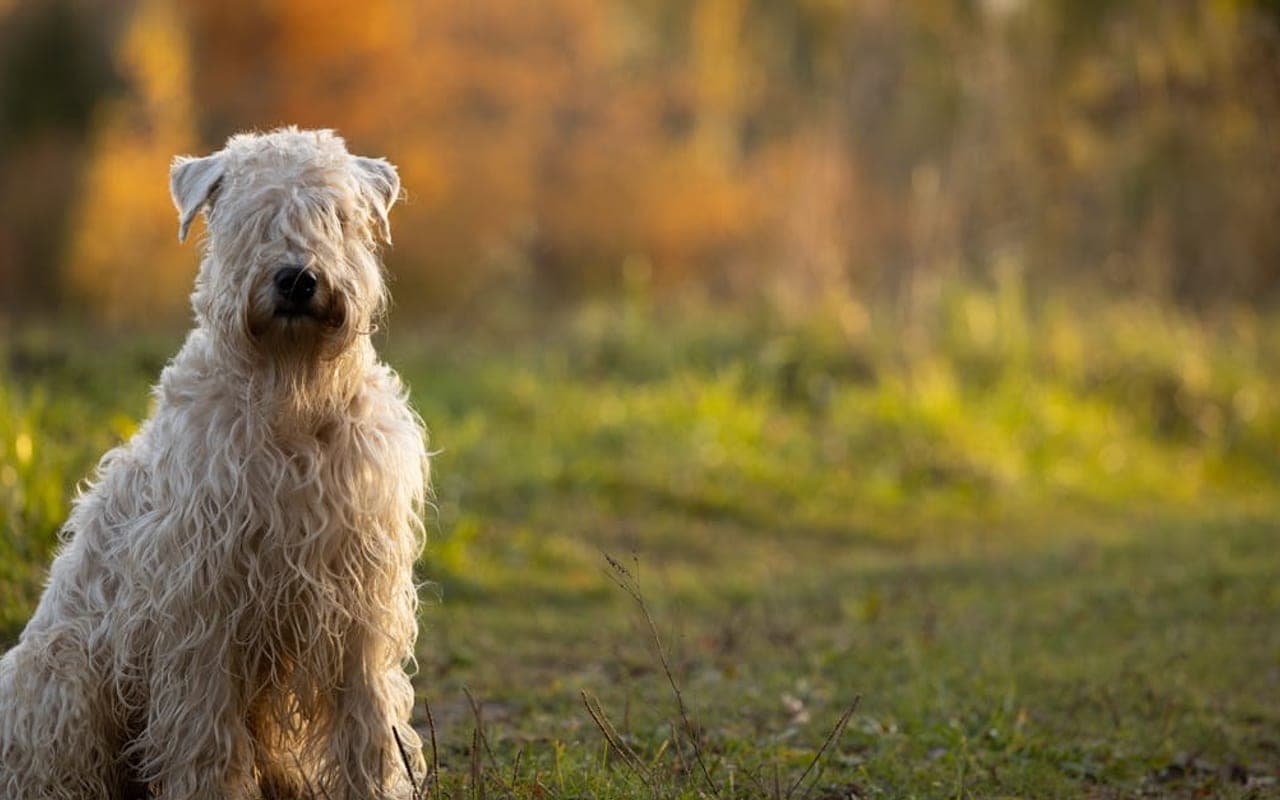
Soft Coated Wheaten Terrier
Also in the Terrier group, with different care and temperament tradeoffs.

Airedale Terrier
Also in the Terrier group, with different care and temperament tradeoffs.

Bull Terrier
Also in the Terrier group, with different care and temperament tradeoffs.
Explore More About Cairn Terrier
Dive deeper into everything Cairn Terrier — costs, care, and expert insights.
Large Dog Care Guide: Everything Over 50 lbs
Owning a large or giant breed dog means accepting one of biology's...
Puppy Teething & Biting: Timeline and What Actually Works
A puppy has all 28 deciduous ("baby") teeth by roughly eight weeks of age, and...
Considering a cat instead?
Browse Cats