
Working group
Cane Corso
The Cane Corso is an 88-110+ lb (40-50 kg) Italian mastiff bred to guard property and family and to bay large game — a powerful, athletic, intensely loyal guardian, not a gentle giant you can wing.


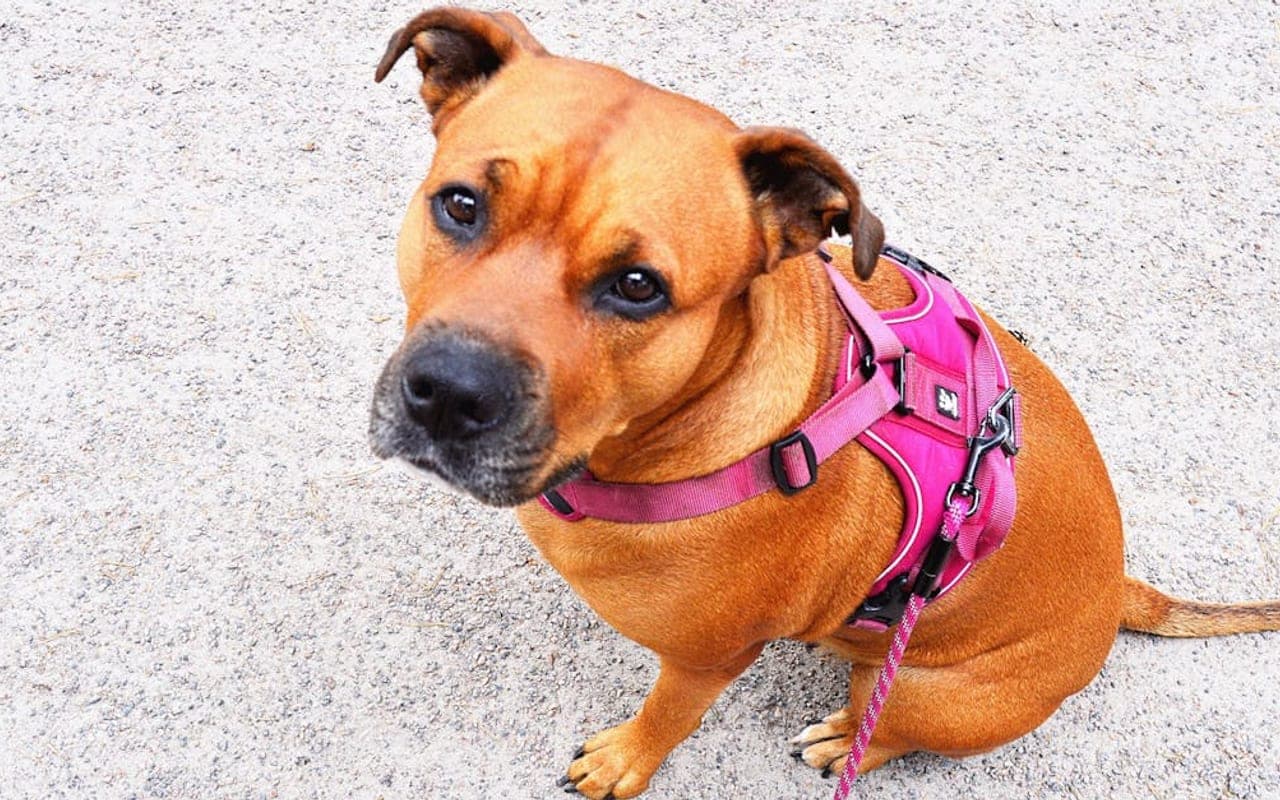

Size
88-110 lb
Lifespan
10-12 years
Exercise
60-90 minutes
Shedding
Moderate
Experience
Match to owner routine
Decision first
Is a Cane Corso right for you?
Start with fit before history or trivia. These are ownership signals, not guarantees about any individual dog.
Best suited for
- Active owners who enjoy daily outdoor exercise.
Think carefully if
- You cannot provide substantial daily exercise.
- You cannot keep up with grooming and preventive care.
- The dog will spend most days alone without support.
Conditional fit
Apartment living may be difficult unless the owner can meet the breed's exercise, training, and space needs.
Daily reality
Cane Corso commitment snapshot
Daily exercise
60-90 minutes
Match activity to age, health, weather, and training goals.
Coat care
Moderate
Grooming needs vary by coat, shedding, and lifestyle.
Time alone
Needs planning
Most dogs need gradual alone-time conditioning and support.
Structured facts
Cane Corso at a glance
The measurements and traits that most affect day-to-day life with this breed.
Origin
Italy
Group
Working
Weight
88-110 lb
Height
23-28 in
Lifespan
10-12 years
Temperament
Assertive | Loyal | Protective | Intelligent | Steady | Reserved
View all characteristics and methodology
Lifestyle fit
- Apartment suitability
- Needs caution
Owner commitment
- Exercise
- 60-90 minutes
- Grooming
- Moderate
- Shedding
- Moderate
- Training
- High
Environment and health
- Health risk
- Needs planning
Ratings combine structured breed data, visible breed fields, and editorial context. They are planning aids, not predictions for an individual dog.
Daily life
Cane Corso temperament and behavior
The Cane Corso is an 88-110+ lb (40-50 kg) Italian mastiff bred to guard property and family and to bay large game — a powerful, athletic, intensely loyal guardian, not a gentle giant you can wing. This is the most consequential decision on this page: a well-bred, well-raised Corso is a steady, discerning protector that's affectionate and biddable with its own people; a poorly bred or poorly socialized one is a 100-pound liability. Owning this breed is a structured, multi-year commitment, and pretending otherwise is how Corsos end up in rescue or worse. Get it right and you have a confident, intelligent, deeply bonded dog that's calm in the house, naturally protective without being trigger-happy, and trainable for an experienced handler. The trade-offs are serious and non-optional. They are dominant and willful: they need consistent leadership and structured obedience from puppyhood, not corrections started at adolescence. They are reserved-to-suspicious with strangers by design — extensive, lifelong, positive socialization is mandatory, not a nice-to-have. They are powerful enough that a behavior problem becomes a safety problem and possibly a legal/insurance one; many homeowner policies restrict the breed. And they are not low-cost: large-breed food, vet care, training, and the hereditary health risks below all scale with size. The Cane Corso is right for an experienced large/guardian-breed owner with the time, physical capability, secure property, and commitment to professional training and daily socialization for the dog's 10-12 year life. It is wrong for first-time owners, families without time for structured training, homes with constant unfamiliar foot traffic and no management plan, or anyone who wants an off-the-shelf family pet. Buy only from a breeder who health-tests hips, elbows, heart, and eyes and breeds for stable temperament — temperament is the safety feature here, and it is heritable.
Assertive | Loyal | Protective | Intelligent | Steady | Reserved
Assertive
A common Cane Corso temperament descriptor that should be interpreted alongside training, exercise, and household fit.
Loyal
A common Cane Corso temperament descriptor that should be interpreted alongside training, exercise, and household fit.
Protective
A common Cane Corso temperament descriptor that should be interpreted alongside training, exercise, and household fit.
Intelligent
A common Cane Corso temperament descriptor that should be interpreted alongside training, exercise, and household fit.
Owner note
Temperament labels are starting points, not guarantees. Meet the individual dog and ask about behavior history whenever possible.
Care essentials
How to care for a Cane Corso
What looking after one actually involves: exercise, grooming, food, training, and routine health.
ExerciseAs needed
- The Cane Corso requires moderate to high exercise daily to maintain physical and mental health. Plan for at least 60 minutes of activity each day, which can include brisk walks, jogging (once fully grown), play sessions, and training exercises. They particularly enjoy having a job to do and excel in activities like tracking, protection work, and obedience competitions. Keep in mind that puppies should have limited exercise to protect developing joints, with the amount gradually increasing as they mature. Mental stimulation through training and puzzle toys is equally important for this intelligent breed.
GroomingAs needed
- Despite their imposing size, Cane Corsos have relatively modest grooming needs. Their short, dense coat sheds moderately and requires weekly brushing to remove loose hair and distribute natural oils. During seasonal shedding periods (typically spring and fall), more frequent brushing will help manage shedding. Bathe only when necessary, approximately every 6-8 weeks, as over-bathing can strip the coat of protective oils. Regular nail trimming, ear cleaning, and dental care should be part of their routine maintenance. Pay particular attention to facial wrinkles in more jowly individuals, which may need gentle cleaning to prevent irritation.
TrainingAs needed
- Early, consistent training is essential for the Cane Corso. Socialization should begin in puppyhood and continue throughout life to ensure they can distinguish between normal situations and genuine threats. Corsos respond best to clear, confident leadership and positive reinforcement methods. Harsh corrections are counterproductive and can damage the trust relationship. This breed is intelligent and eager to please its family, making them highly trainable, but they may show independence or stubbornness at times. Focus on establishing boundaries, teaching impulse control, and reinforcing calm behavior. Basic obedience should be mastered before they reach their full size and strength.
NutritionAs needed
- The Cane Corso thrives on high-quality dog food formulated for large, active breeds. Adult Corsos typically require 4-5 cups of quality dry food daily, divided into two meals to help prevent bloat. Growing puppies should be fed a large-breed puppy formula to support proper development while controlling growth rate to protect joints. Monitor weight carefully, as obesity can exacerbate joint problems and reduce lifespan. Adjust portions based on activity level, age, and individual metabolism. Clean, fresh water should be available at all times. As with all large, deep-chested breeds, avoid exercise immediately before and after meals to reduce the risk of bloat.
Health planning
Cane Corso health risks and screening
Every breed has individual health variation. Use this profile for planning and discuss medical decisions with a veterinarian.
Ownership cost
How much does a Cane Corso cost?
Cost figures are structured so first-year and lifetime estimates do not conflict with the underlying line items.
| Acquisition | $1,000-$4,000 |
|---|---|
| Routine monthly | About $170/month |
| Routine annual | About $2,040/year |
| First-year estimate | $3,040-$6,040 |
| Lifetime routine estimate | $20,400-$24,480 routine costs |
Currency: USD. Region: United States. Typical ranges for this breed. Equipment, insurance, emergency veterinary care, boarding and training are NOT included: we hold no sourced figures for them, and estimating them would be a guess presented as data.
Responsible ownership
Finding a Cane Corso responsibly
What to ask a breeder or rescue is the same conversation for every breed, so we keep it in one place and keep it current.
Health documentation, meeting the parents or foster, contracts and return support, and the warning signs worth walking away from.
Original purpose
Cane Corso history
History is useful when it explains today's behavior, coat, exercise needs, and training style.
Read the breed history
The Cane Corso descends from Roman war and working dogs of the Italian peninsula, most likely from the broad mastiff/molosser stock once used by Roman armies. As that era ended, the dogs transitioned into rural Italian life as a versatile farm guardian and hunter: protecting property and livestock, driving cattle and pigs to market, and gripping and holding large game such as wild boar. The name reflects the role — derived from Latin roots tied to a guardian or 'protector' dog. The breed nearly disappeared after the World Wars and the mechanization of Italian agriculture eliminated its traditional jobs. A deliberate recovery effort in southern Italy in the 1970s, drawing on the remaining rural working stock, brought the Cane Corso back from the edge. It was recognized in Italy in the 1990s and admitted to the American Kennel Club's Working Group in 2010. Its modern temperament — bonded and protective toward its family, naturally wary of strangers, and physically powerful — is a direct, intact inheritance from centuries as a property-and-livestock guardian, which is why responsible ownership treats those traits as the breed's defining reality rather than a flaw to be ignored.
Gallery
Cane Corso photos
Images are cropped consistently and loaded progressively to keep the page responsive.
Lower-page context
Cane Corsos in culture
Where the breed shows up in film, sport, work and folklore — the enjoyable part, once the practical questions are answered.
Fun facts
- The Cane Corso's name has ancient roots - 'Cane' means dog in Italian, while 'Corso' derives from the Latin 'cohors,' meaning protector or guardian.
- Despite their imposing appearance, they were traditionally called 'soft-mouth dogs' for their ability to hold prey without damaging it.
- Cane Corsos have a distinctive feature called a 'hippopotamus muzzle,' which is broad and square, unlike other mastiff breeds.
- They were skilled cattle drivers, able to work with minimal direction to move herds along Italy's cattle trails to market.
- Traditional Italian farmers valued the breed not just for protection but for their ability to work alongside humans in multiple farm tasks.
Cane Corso FAQs
Is a Cane Corso a good first dog or family dog?
It is not a good first dog. The Cane Corso is a 90-110 lb guardian breed that is dominant, willful, and naturally suspicious of strangers, and it needs experienced handling plus professional training and lifelong socialization to be safe and reliable. It can be an excellent family dog for the right experienced household — bonded, protective, calm indoors — but only when the owner has the time, capability, and commitment to do that work. For most first-time owners, the honest answer is a different breed.
How much exercise and training does a Cane Corso actually need?
Exercise is moderate: about 45-60 minutes a day of structured activity plus mental work — this is a job-oriented guardian, not an endurance runner. Training is the heavy lift: structured obedience from 8 weeks, broad positive socialization to people and situations as a multi-year program, and a professional trainer experienced with guardian breeds engaged early. Under-trained, a dog this powerful becomes a safety and liability problem, so budget training time and cost as core care, not an extra.
What does it really cost to own a Cane Corso?
Plan on roughly $1,200-$2,500+ a year for large-breed food, routine veterinary care, and training. On top of that, the breed's hereditary risks — hip and elbow dysplasia, dilated cardiomyopathy, bloat surgery, eyelid surgery — can each add four-figure costs, and many homeowner/renter insurance policies restrict or surcharge the breed. Budget pet insurance and an emergency fund before you bring the dog home, because the expensive problems in this breed are common, not rare.
Why is socialization so emphasized for this breed?
Because the Cane Corso was bred for centuries to be wary of and protective against strangers — that suspicion is heritable and normal, not a defect. Without extensive, ongoing, positive exposure to people, dogs, and situations starting in puppyhood, that instinct can tip into fear-based or territorial aggression in a dog strong enough to do serious harm. Socialization is the safety mechanism for this breed; treat it as a lifelong requirement, and choose a breeder who selects for stable temperament.
How long do Cane Corsos live and what shortens it?
Typically 10-12 years, on the shorter side for any dog because of size. The biggest lifespan threats are dilated cardiomyopathy (a leading cause of death and often silent until advanced), bloat (rapidly fatal without emergency surgery), and orthopedic decline from hip/elbow dysplasia worsened by excess weight. Keeping the dog lean, managing meals to reduce bloat risk, and buying from a breeder who heart-, hip-, and elbow-tests are the levers that most extend a Corso's life.
What health testing should a Cane Corso breeder have done?
Look for OFA (or PennHIP) hip and elbow evaluations on both parents, a cardiologist cardiac evaluation screening for dilated cardiomyopathy, and an ophthalmologist eye exam given the breed's eyelid disorders. Equally important, ask how they select for temperament and meet the parent dogs, because stability is heritable and is the breed's true safety feature. Choose a reputable breeder who health- and temperament-tests or a breed-specific rescue; an untested 'bargain' Corso routinely costs far more in vet bills and behavior risk.
Sources
These are the published sources this page draws on. Each opens in a new tab so you can check it yourself.
American Kennel Club
Cane Corso — breed standard and profile(opens in a new tab)Supports: Breed standard and recognition details.
Similar breeds to consider

Siberian Husky
Also in the Working group, with different care and temperament tradeoffs.

Rottweiler
Also in the Working group, with different care and temperament tradeoffs.

Boxer
Also in the Working group, with different care and temperament tradeoffs.

Akita
Also in the Working group, with different care and temperament tradeoffs.
Explore More About Cane Corso
Dive deeper into everything Cane Corso — costs, care, and expert insights.
How Much Does a Cane Corso Cost?
Purchase price, monthly costs, and lifetime expenses
Cane Corso Care Guide
This Cane Corso care guide gives owners a practical plan for daily...
Considering a cat instead?
Browse Cats