
Herding group
Cardigan Welsh Corgi
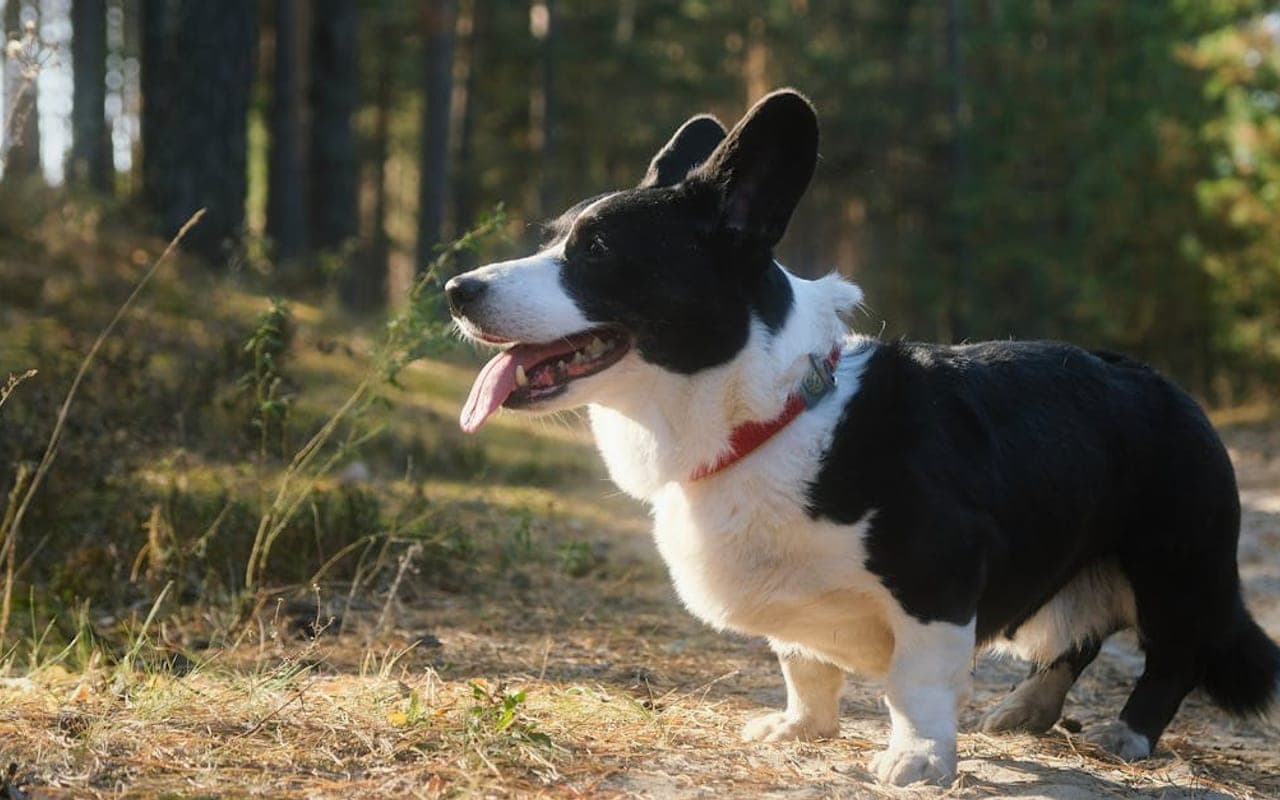
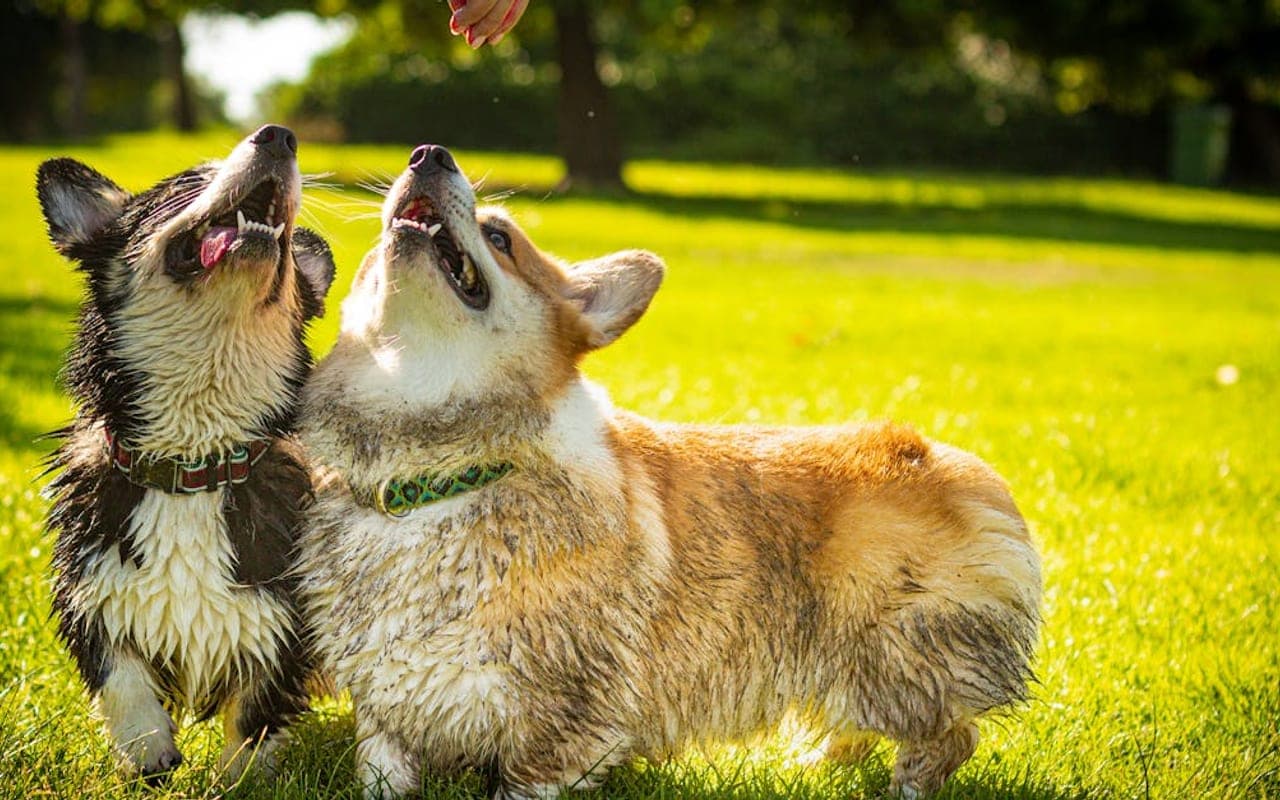
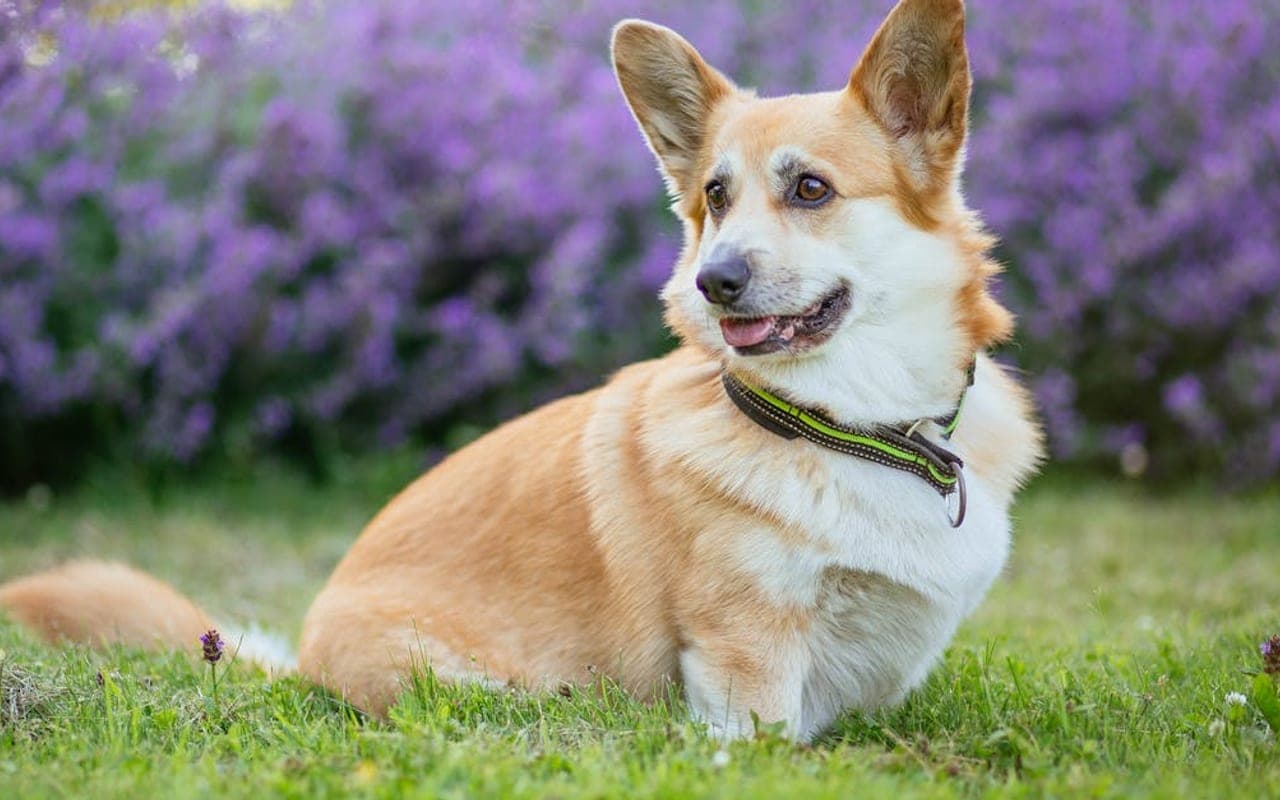
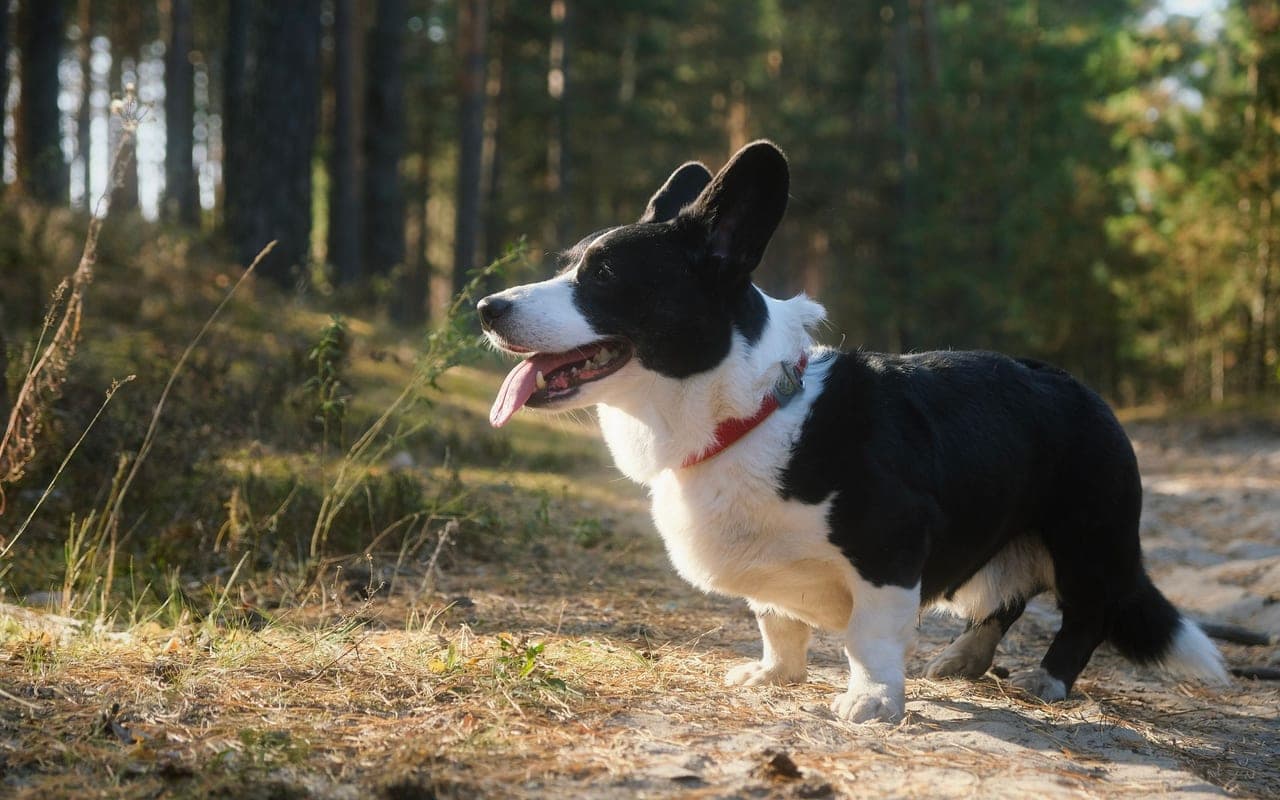
The Cardigan Welsh Corgi is the older, tailed, slightly larger of the two Welsh corgi breeds — a 25-38 pound, long-and-low cattle-driving dog with big bone, a deep chest, and a true brush tail (the quickest way to tell it from the tailless Pembroke).
Size
25-38 lb
Lifespan
12-15 years
Exercise
30-60 minutes
Shedding
Moderate
Experience
Match to owner routine
Decision first
Is a Cardigan Welsh Corgi right for you?
Start with fit before history or trivia. These are ownership signals, not guarantees about any individual dog.
Best suited for
- Households with children.
- Homes with other compatible pets.
- Apartment homes with a consistent routine.
- Owners seeking a manageable daily exercise routine.
Think carefully if
- You need a dog with almost no daily routine.
- You cannot keep up with grooming and preventive care.
- The dog will spend most days alone without support.
Conditional fit
Apartment fit depends on exercise, enrichment, noise management, and outdoor access.
Daily reality
Cardigan Welsh Corgi commitment snapshot
Daily exercise
30-60 minutes
Match activity to age, health, weather, and training goals.
Coat care
Moderate
Grooming needs vary by coat, shedding, and lifestyle.
Time alone
Needs planning
Most dogs need gradual alone-time conditioning and support.
Structured facts
Cardigan Welsh Corgi at a glance
The measurements and traits that most affect day-to-day life with this breed.
Group
Herding
Weight
25-38 lb
Height
11-13 in
Lifespan
12-15 years
Temperament
Affectionate | Loyal | Smart
View all characteristics and methodology
Lifestyle fit
- Apartment suitability
- Likely fit
- Child friendliness
- Often good, with socialisation and supervision
- Other-pet fit
- Often compatible with careful introductions
Owner commitment
- Exercise
- 30-60 minutes
- Grooming
- Moderate
- Shedding
- Moderate
- Training
- Moderate
Environment and health
- Health risk
- Needs planning
Ratings combine structured breed data, visible breed fields, and editorial context. They are planning aids, not predictions for an individual dog.
Daily life
Cardigan Welsh Corgi temperament and behavior
The Cardigan Welsh Corgi is the older, tailed, slightly larger of the two Welsh corgi breeds — a 25-38 pound, long-and-low cattle-driving dog with big bone, a deep chest, and a true brush tail (the quickest way to tell it from the tailless Pembroke). It is one of the oldest herding breeds in Britain, built to nip at the heels of cattle and dodge the kick. That working build is the whole story: a long spine on short legs gives the Cardigan its charm and its single biggest health liability, intervertebral disc disease. Temperament-wise the Cardi is steadier and more reserved than the outgoing Pembroke. It is intelligent, deeply loyal, watchful, and bonded to its family, with a 'big dog' bark and a guardian streak that makes it a natural alert dog. It is affectionate with its people and good with children and other pets when well socialized, but naturally aloof with strangers — this is a herding dog with opinions, not a wiggly greeter. Smart and trainable, it also has the independence and stubbornness of a stockdog and the heeling instinct to chase and nip moving things, including ankles and children, without direction. Who the Cardigan Welsh Corgi is right for: an owner who wants a clever, devoted, watchful medium-small dog, will provide real daily exercise and training, will manage weight obsessively to protect the back, and accepts heavy shedding and a vocal alert dog. Who it is wrong for: people wanting a low-energy lap dog, a silent dog, an instant-friend-to-strangers dog, or anyone who lets a corgi get fat. The shape that makes it adorable is the shape you must protect — decide accordingly.
Affectionate | Loyal | Smart
Affectionate
A common Cardigan Welsh Corgi temperament descriptor that should be interpreted alongside training, exercise, and household fit.
Loyal
A common Cardigan Welsh Corgi temperament descriptor that should be interpreted alongside training, exercise, and household fit.
Smart
A common Cardigan Welsh Corgi temperament descriptor that should be interpreted alongside training, exercise, and household fit.
Owner note
Temperament labels are starting points, not guarantees. Meet the individual dog and ask about behavior history whenever possible.
Care essentials
How to care for a Cardigan Welsh Corgi
What looking after one actually involves: exercise, grooming, food, training, and routine health.
ExerciseAs needed
- Moderately active breed needing 30-60 minutes of daily exercise through walks, play, and mental stimulation.
GroomingAs needed
- Regular grooming needed — brush 2-3 times per week and bathe monthly.
TrainingAs needed
- Moderately trainable — consistent, patient training with positive methods works best.
NutritionAs needed
- Feed a high-quality dog food appropriate for their age, size, and activity level. Monitor portions to prevent obesity.
Veterinary CareAs needed
- Annual wellness exams, core vaccinations, dental care, and parasite prevention. Breed-specific health screenings as recommended by your vet.
Health planning
Cardigan Welsh Corgi health risks and screening
Every breed has individual health variation. Use this profile for planning and discuss medical decisions with a veterinarian.
Responsible ownership
Finding a Cardigan Welsh Corgi responsibly
What to ask a breeder or rescue is the same conversation for every breed, so we keep it in one place and keep it current.
Health documentation, meeting the parents or foster, contracts and return support, and the warning signs worth walking away from.
Original purpose
Cardigan Welsh Corgi history
History is useful when it explains today's behavior, coat, exercise needs, and training style.
Read the breed history
The Cardigan Welsh Corgi takes its name from Cardiganshire (Ceredigion) in Wales and is one of the oldest herding breeds in the British Isles, with roots often traced back over a thousand years to dogs brought by Celtic and possibly earlier settlers. Welsh hill farmers used the Cardigan as an all-purpose drover's dog: a 'heeler' that nipped at the heels of cattle to move them to common grazing and along roads, then dropped low to avoid the retaliatory kick — the long, low body and quick reflexes were functional, not cosmetic. It also guarded the smallholding and dispatched vermin. For much of its history the Cardigan and the Pembroke Welsh Corgi were interbred and shown together; the Kennel Club separated them into distinct breeds in 1934, after which the tailed, slightly larger Cardigan with its rounded ears and longer body was bred to its own standard. The American Kennel Club recognized the breed in 1935. Its long working past as an independent driving dog directly explains the modern Cardi's heeling instinct, watchfulness, stamina, and stubborn intelligence.
Gallery
Cardigan Welsh Corgi photos
Images are cropped consistently and loaded progressively to keep the page responsive.
Lower-page context
Cardigan Welsh Corgis in culture
Where the breed shows up in film, sport, work and folklore — the enjoyable part, once the practical questions are answered.
Fun facts
- The Cardigan Welsh Corgi belongs to the Herding Group.
- With proper care, Cardigan Welsh Corgi dogs can live up to 15 years or more.
- Cardigan Welsh Corgi dogs are valued for their affectionate, loyal, smart nature.
Cardigan Welsh Corgi FAQs
How long do Cardigan Welsh Corgis live?
A healthy Cardigan typically lives 12-15 years, which is good for the breed. The biggest factors in reaching the upper end are lifelong lean body weight and protecting the back from disc injury. Dogs from parents with hip and eye (PRA) clearances, kept slim and not allowed to repeatedly jump from heights, do well. Obesity and untreated disc disease are the main avoidable threats to both length and quality of life.
What is the difference between a Cardigan and a Pembroke Welsh Corgi?
They are two separate breeds, formally split in 1934. The Cardigan is older, slightly larger and longer, has a full brush tail, large rounded ears, and a more reserved, watchful temperament. The Pembroke is typically tailless (naturally bobbed or docked), a bit smaller, more outgoing and people-eager. Health profiles overlap (both are long-backed, so both are IVDD-prone), but the tail and the steadier Cardigan temperament are the clearest distinguishers.
Are Cardigan Welsh Corgis good with children and other pets?
Generally yes, when well socialized. The Cardi is loyal, sturdy, and patient with family children and usually fine with other household pets it is raised with. The caveat is the herding instinct: corgis may chase and nip at the heels of running children or animals, because that is literally what they were bred to do. Early training to redirect that drive, plus supervision with young kids, makes them excellent family dogs; ignoring the instinct leads to nipping problems.
How much exercise and grooming does a Cardigan Welsh Corgi need?
Exercise is moderate but real: about 45-60 minutes daily of walks, fetch, and training, plus 10-15 minutes of mental work, since a bored Cardi becomes vocal and nippy. Limit repetitive jumping and stairs to protect the back. Grooming is straightforward but heavy on shedding — the double coat needs brushing 2-3 times weekly and daily during seasonal 'blows' in spring and fall. Plan for year-round hair and a good vacuum.
Why is back health such a big deal for this breed?
Because the Cardigan is chondrodystrophic — its appealing long body on short legs comes with discs that degenerate and herniate more readily, causing intervertebral disc disease that ranges from painful to paralyzing. You materially reduce the risk by keeping the dog lean, discouraging jumping on and off furniture and stairs, using a ramp for the car, and supporting the body (not dangling the legs) when lifting. Sudden back pain or wobbly hind legs is a veterinary emergency where speed affects recovery.
What does a Cardigan Welsh Corgi cost to own?
A health-tested puppy from a responsible breeder typically runs $1,500-$3,000. Routine costs are moderate, but budget for the breed-specific risk: IVDD imaging and surgery can run $3,000-$8,000+ for a serious episode, and ongoing weight-management and joint care add up. The highest-value spends are buying from parents with hip and PRA clearances, maintaining a strict healthy weight, and pricing pet insurance before any back issue is on record.
Sources
These are the published sources this page draws on. Each opens in a new tab so you can check it yourself.
American Kennel Club
Cardigan Welsh Corgi — breed standard and profile(opens in a new tab)Supports: Breed standard and recognition details.
Similar breeds to consider

German Shepherd
Also in the Herding group, with different care and temperament tradeoffs.
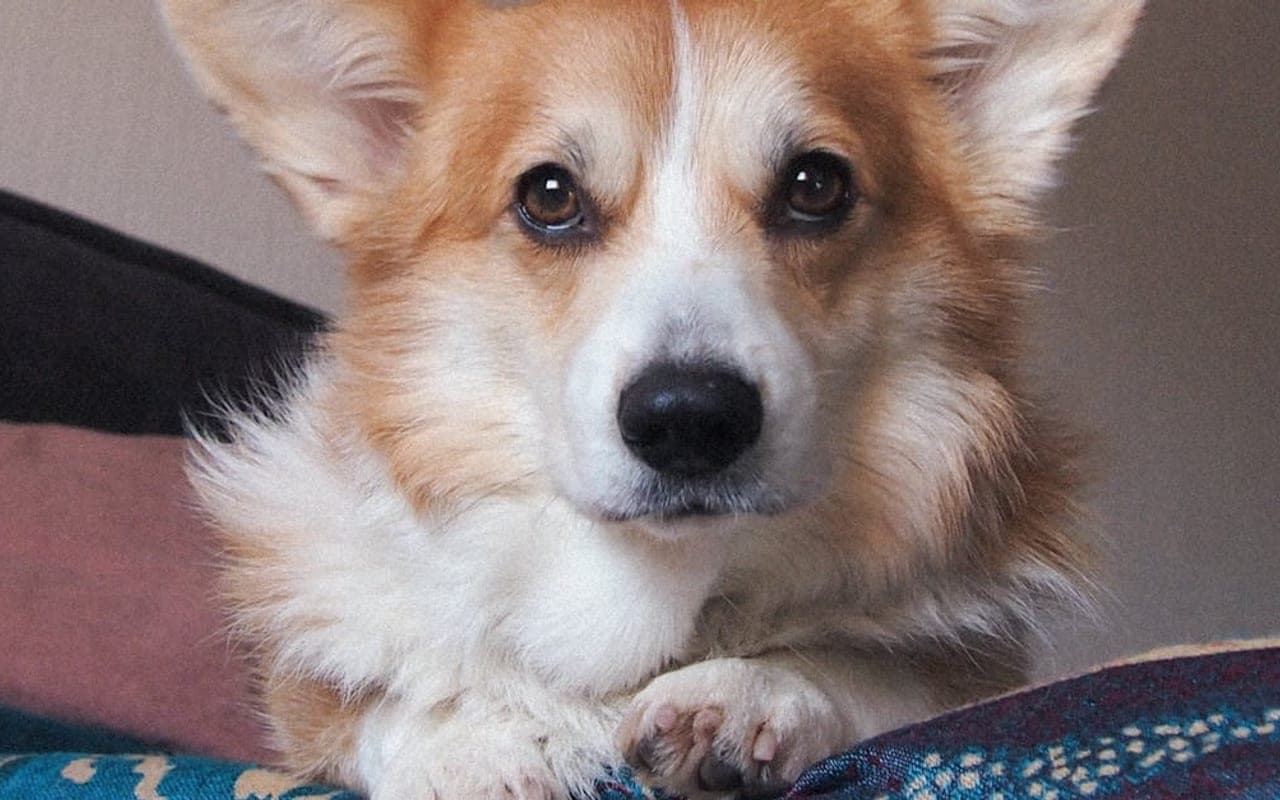
Pembroke Welsh Corgi
Also in the Herding group, with different care and temperament tradeoffs.
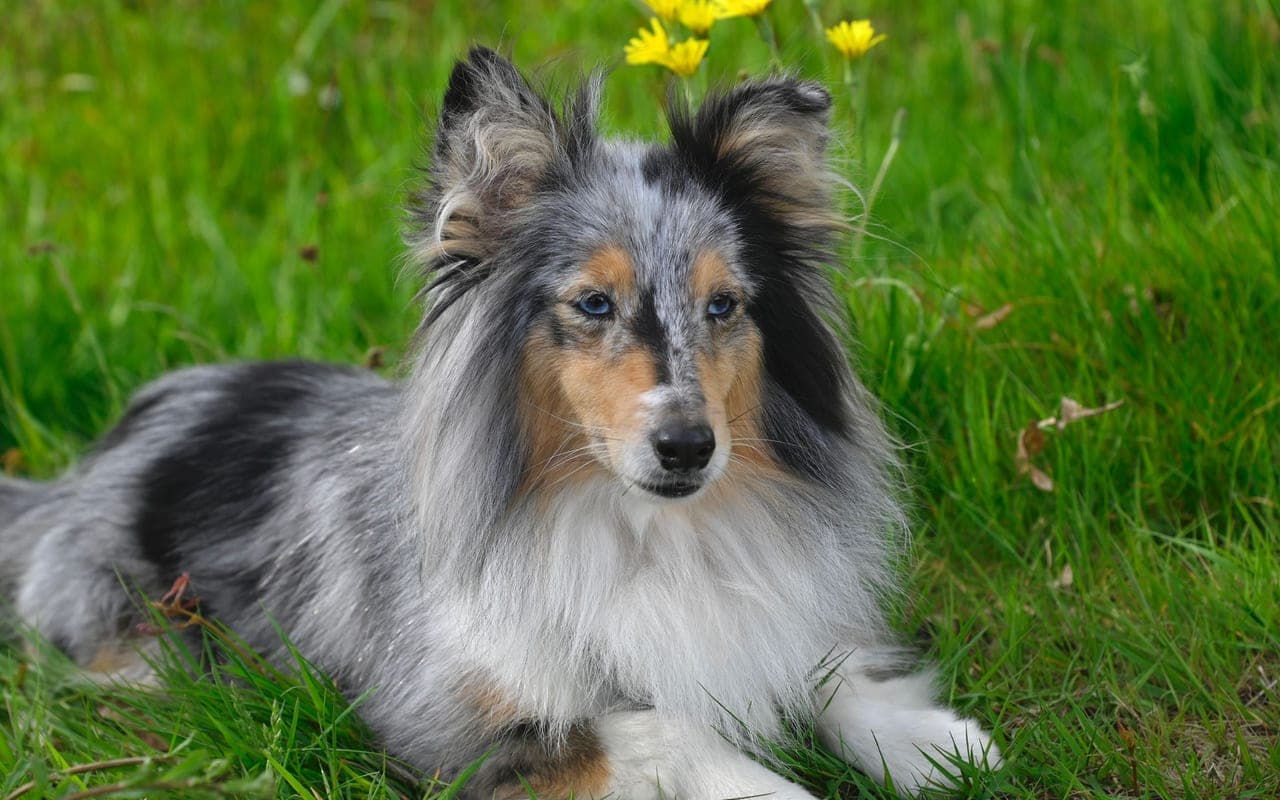
Shetland Sheepdog
Also in the Herding group, with different care and temperament tradeoffs.
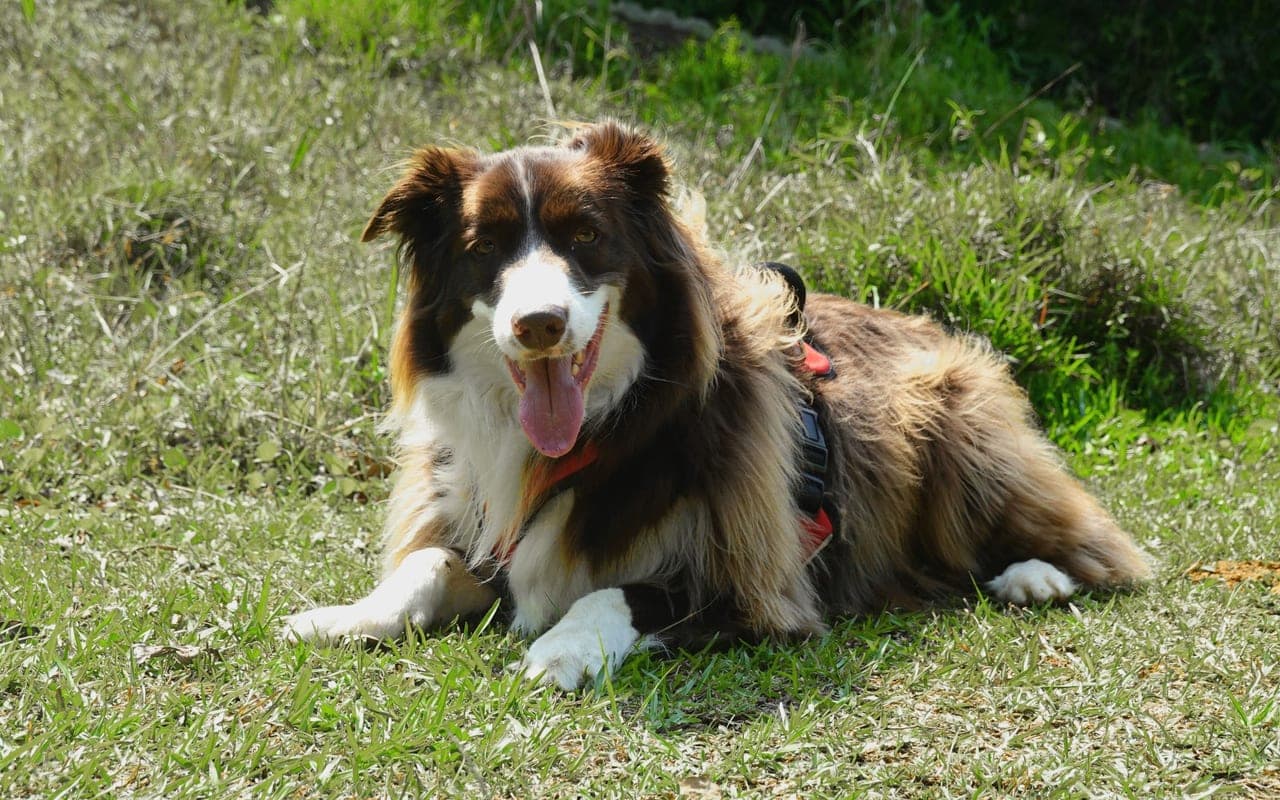
Border Collie
Also in the Herding group, with different care and temperament tradeoffs.
Explore More About Cardigan Welsh Corgi
Dive deeper into everything Cardigan Welsh Corgi — costs, care, and expert insights.
Large Dog Care Guide: Everything Over 50 lbs
Owning a large or giant breed dog means accepting one of biology's...
Puppy Teething & Biting: Timeline and What Actually Works
A puppy has all 28 deciduous ("baby") teeth by roughly eight weeks of age, and...
Considering a cat instead?
Browse Cats