
Foundation Stock Service group
Carolina Dog
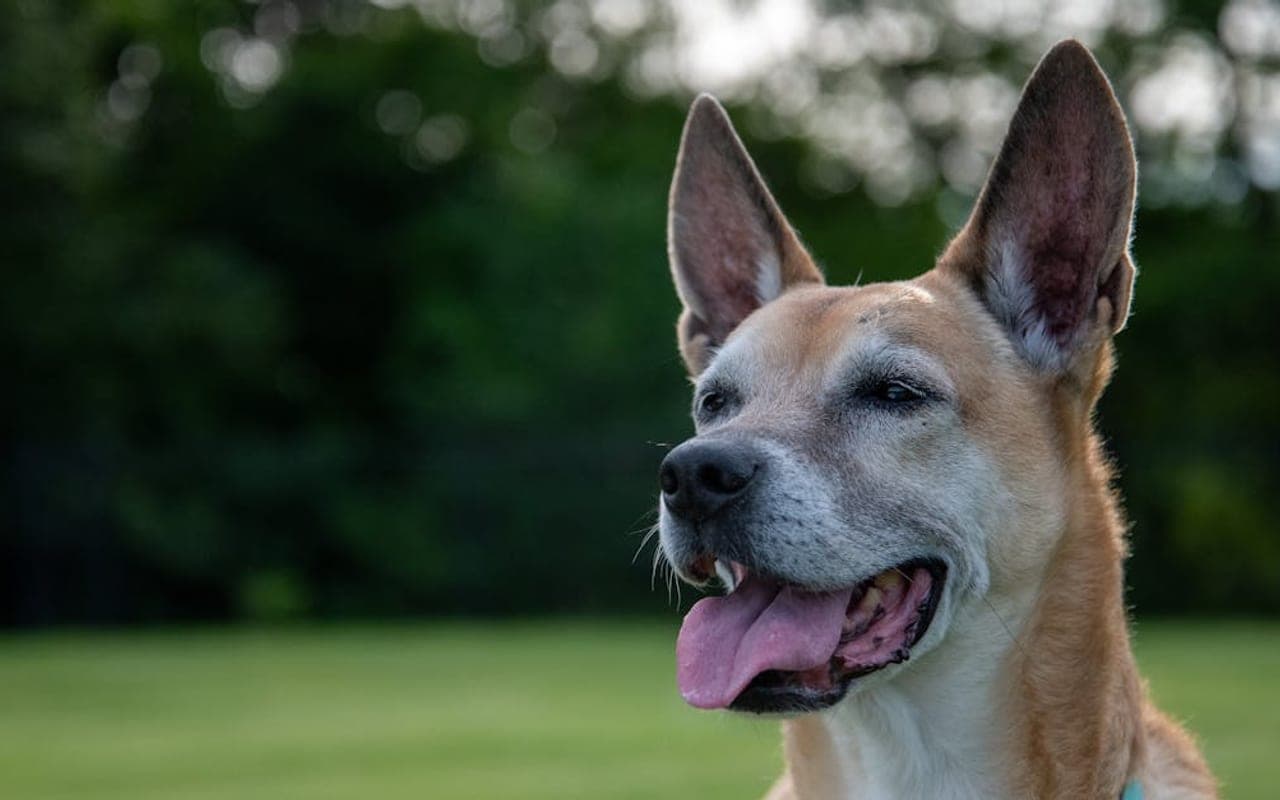
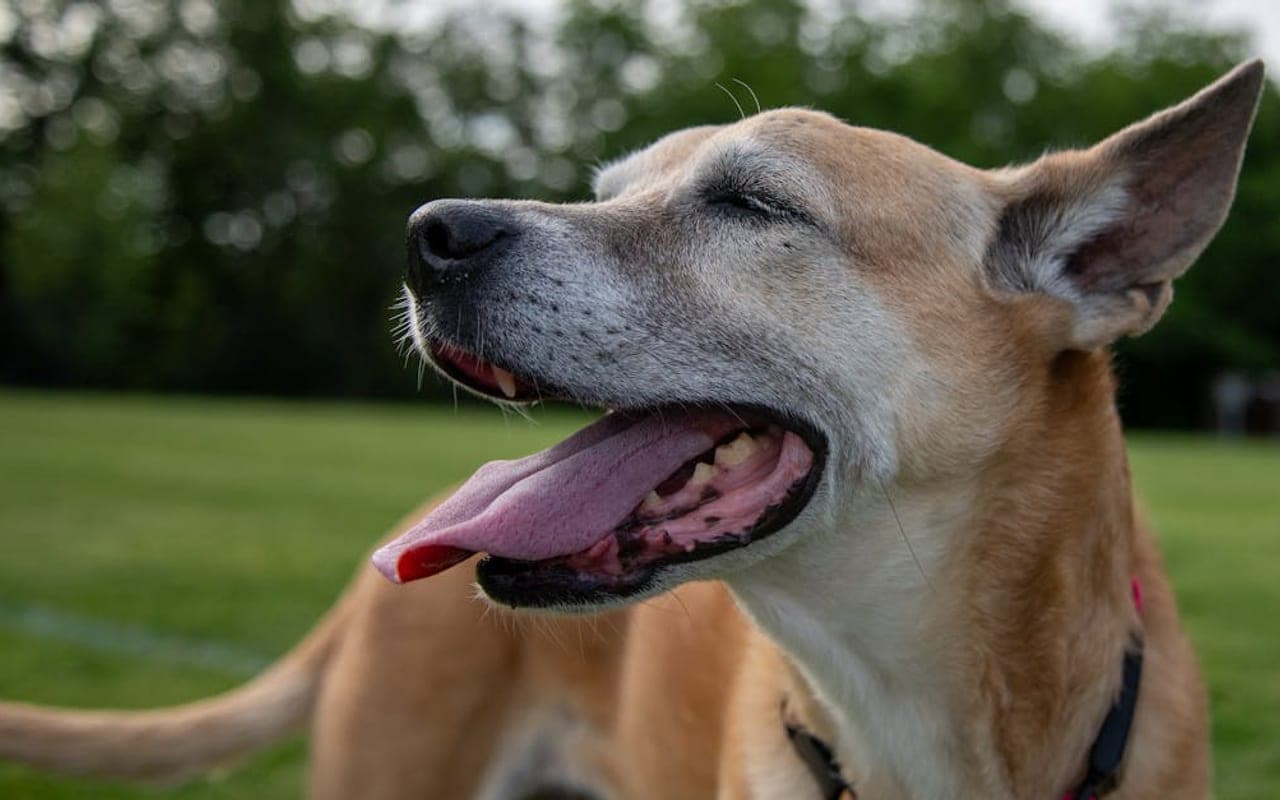
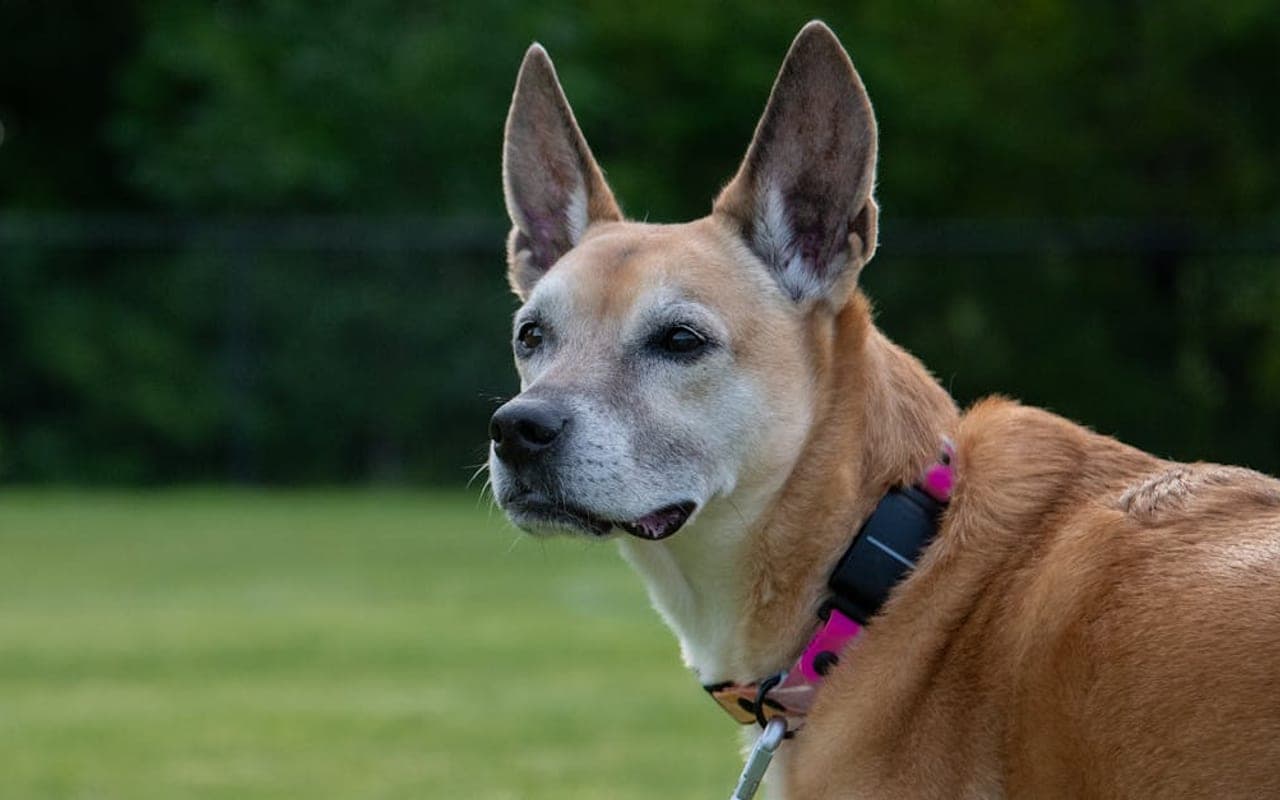
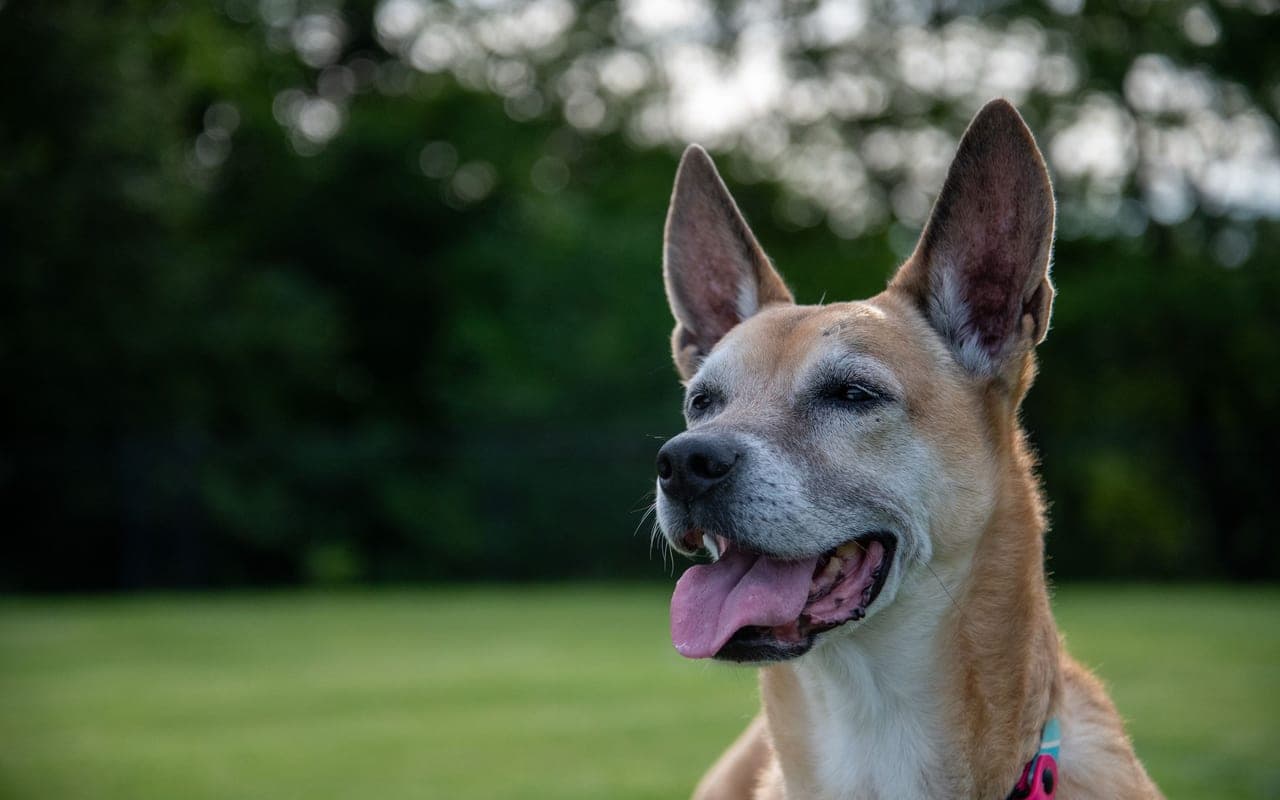
The Carolina Dog — also called the American Dingo, Yellow Dog or Dixie Dingo — is a landrace, not a constructed breed, and that single fact reframes everything an owner should expect.
Size
33-44 lb
Lifespan
12-14 years
Exercise
30-60 minutes
Shedding
Moderate
Experience
Match to owner routine
Decision first
Is a Carolina Dog right for you?
Start with fit before history or trivia. These are ownership signals, not guarantees about any individual dog.
Best suited for
- Households with children.
- Homes with other compatible pets.
- Apartment homes with a consistent routine.
- Owners seeking a manageable daily exercise routine.
Think carefully if
- You need a dog with almost no daily routine.
- You cannot keep up with grooming and preventive care.
- The dog will spend most days alone without support.
Conditional fit
Apartment fit depends on exercise, enrichment, noise management, and outdoor access.
Daily reality
Carolina Dog commitment snapshot
Daily exercise
30-60 minutes
Match activity to age, health, weather, and training goals.
Coat care
Moderate
Grooming needs vary by coat, shedding, and lifestyle.
Time alone
Needs planning
Most dogs need gradual alone-time conditioning and support.
Structured facts
Carolina Dog at a glance
The measurements and traits that most affect day-to-day life with this breed.
Group
Foundation Stock Service
Weight
33-44 lb
Height
18-24 in
Lifespan
12-14 years
Temperament
Loyal | Independent | Reserved with Strangers
View all characteristics and methodology
Lifestyle fit
- Apartment suitability
- Likely fit
- Child friendliness
- Often good, with socialisation and supervision
- Other-pet fit
- Often compatible with careful introductions
Owner commitment
- Exercise
- 30-60 minutes
- Grooming
- Moderate
- Shedding
- Moderate
- Training
- Low
Environment and health
- Health risk
- Needs planning
Ratings combine structured breed data, visible breed fields, and editorial context. They are planning aids, not predictions for an individual dog.
Daily life
Carolina Dog temperament and behavior
The Carolina Dog — also called the American Dingo, Yellow Dog or Dixie Dingo — is a landrace, not a constructed breed, and that single fact reframes everything an owner should expect. It was not designed by people for a job; it survived for centuries as a free-roaming population in the swamps and pine woods of the American Southeast, shaped by natural selection rather than a breed standard. The medium build (roughly 30-55 lb), the fox-like muzzle, pricked ears, and the distinctive fishhook tail are what survival selected for, not what a club chose. That origin produces the breed's headline advantage: the Carolina Dog is one of the genuinely healthiest dogs available, with a long 12-15 year lifespan and a low incidence of the exaggerated-conformation diseases that plague purpose-bred breeds — because nature, not aesthetics, did the selecting. An honest profile leads with that and does not pad a hereditary-disease list to look thorough. There are real, documented concerns, but they are few and worth naming precisely rather than inflating. The trade-off is behavioral and it is significant. A primitive, recently-wild dog comes with primitive instincts: a strong prey drive, real wariness of strangers, an intense pack orientation, and independent problem-solving that makes it less biddable than a purpose-bred companion. Carolina Dogs are devoted and quiet within their family but slow to trust outsiders, and many dig, escape, and hunt small animals on instinct. These are not training failures — they are the same survival traits that make the breed so healthy. You cannot separate the robustness from the wildness; they came from the same process. Who the Carolina Dog is right for: an experienced owner who wants a healthy, low-grooming, naturally sound dog and will respect strong instincts with secure fencing, early socialization and patient training. Who it is wrong for: a first-time owner expecting an easily handled, stranger-friendly family pet.
Loyal | Independent | Reserved with Strangers
Loyal
A common Carolina Dog temperament descriptor that should be interpreted alongside training, exercise, and household fit.
Independent
A common Carolina Dog temperament descriptor that should be interpreted alongside training, exercise, and household fit.
Reserved with Strangers
A common Carolina Dog temperament descriptor that should be interpreted alongside training, exercise, and household fit.
Owner note
Temperament labels are starting points, not guarantees. Meet the individual dog and ask about behavior history whenever possible.
Care essentials
How to care for a Carolina Dog
What looking after one actually involves: exercise, grooming, food, training, and routine health.
ExerciseAs needed
- Moderately active breed needing 30-60 minutes of daily exercise through walks, play, and mental stimulation.
GroomingAs needed
- Regular grooming needed — brush 2-3 times per week and bathe monthly.
TrainingAs needed
- Independent-minded breed that may require extra patience in training. Short, engaging sessions recommended.
NutritionAs needed
- Feed a high-quality dog food appropriate for their age, size, and activity level. Monitor portions to prevent obesity.
Veterinary CareAs needed
- Annual wellness exams, core vaccinations, dental care, and parasite prevention. Breed-specific health screenings as recommended by your vet.
Health planning
Carolina Dog health risks and screening
Every breed has individual health variation. Use this profile for planning and discuss medical decisions with a veterinarian.
Responsible ownership
Finding a Carolina Dog responsibly
What to ask a breeder or rescue is the same conversation for every breed, so we keep it in one place and keep it current.
Health documentation, meeting the parents or foster, contracts and return support, and the warning signs worth walking away from.
Original purpose
Carolina Dog history
History is useful when it explains today's behavior, coat, exercise needs, and training style.
Read the breed history
The Carolina Dog is one of the few American landrace dogs — a population that descended from the dogs that accompanied the earliest peoples into North America and then survived, largely without human management, as free-roaming animals in the isolated swamps and longleaf-pine forests of the Southeast, particularly along the Georgia-South Carolina border. It was "rediscovered" rather than created: in the latter 20th century, ecologist I. Lehr Brisbin Jr. documented these wild-living dogs and noted their consistent dingo-like type, primitive behaviors and remarkable health. Genetic studies have since supported an ancient, distinct lineage. The United Kennel Club places the breed among pariah dogs, and it is recognized in the AKC Foundation Stock Service. This history is not background color — it is the explanation for the breed's traits. The robustness owners prize and the strong instincts they must manage both come from the same source: thousands of years of natural selection under genuinely demanding conditions, with almost no selection for human-pleasing biddability.
Gallery
Carolina Dog photos
Images are cropped consistently and loaded progressively to keep the page responsive.
Lower-page context
Carolina Dogs in culture
Where the breed shows up in film, sport, work and folklore — the enjoyable part, once the practical questions are answered.
Fun facts
- The Carolina Dog belongs to the Foundation Stock Service.
- The average lifespan of a Carolina Dog is 12 to 14 years.
- Carolina Dog dogs are valued for their loyal, independent, reserved with strangers nature.
Carolina Dog FAQs
How long do Carolina Dogs live?
A Carolina Dog typically lives about 12-15 years, putting it among the longer-lived medium dogs. That longevity is not luck — it is the product of thousands of years of natural selection rather than breeding for exaggerated looks, so the breed largely escapes the conformation diseases that shorten many purpose-bred dogs' lives. Keeping the dog lean and confirming its MDR1 drug-sensitivity status are the two highest-value things an owner controls.
Is the Carolina Dog a healthy breed?
Yes, genuinely — and the honest reason is that it is a landrace shaped by survival, not a constructed breed shaped by a standard. It has a low incidence of hereditary conformation disease and a long lifespan. The real concerns are few and specific: a possible MDR1 drug-sensitivity variant (the most important), minor hip dysplasia in larger individuals, and some risk of allergies and thyroid issues. An accurate profile names those rather than padding the list.
What is MDR1 and why does it matter for this breed?
MDR1 is a gene variant that some Carolina Dogs carry which makes them dangerously sensitive to standard doses of certain common drugs — including some antiparasitics, sedatives and anesthetics. In affected dogs a routine dose can cause severe neurological reactions or death. A simple genetic test (around $60) tells you your dog's status. Always state the result to any vet before medication or surgery; this single precaution is the most important health action a Carolina Dog owner can take.
Are Carolina Dogs good family pets?
They can be devoted, quiet family dogs — but with honest caveats. As a recently free-roaming primitive breed they are wary of strangers, strongly pack-oriented, high in prey drive, and independent rather than eagerly biddable. They suit experienced owners who provide early socialization, secure fencing and patient training. They are generally good with their own family and known dogs, but the wariness and prey drive are instincts to manage, not flaws to train away.
Why is a Carolina Dog so hard to keep contained?
Because containment runs against its instincts. This breed survived for centuries by roaming, hunting small prey, and digging dens. Many Carolina Dogs are skilled escape artists and will not reliably recall once a scent or prey triggers the chase. The practical answer is infrastructure, not correction: a tall, dig-proofed, secure fence and a leash or long-line in open areas. Treating escape as a training problem instead of an instinct-management problem is the classic owner mistake.
How much grooming and exercise does a Carolina Dog need?
Grooming is minimal — a short coat that needs a weekly brush and more during seasonal sheds. Exercise needs are moderate to high: this is an athletic, alert dog that needs substantial daily activity plus mental engagement to stay settled. An under-exercised Carolina Dog channels its energy into digging, escaping and destructive behavior. The grooming is the easy part of this breed; the instinct-driven exercise and containment requirements are the demanding part.
Sources
These are the published sources this page draws on. Each opens in a new tab so you can check it yourself.
American Kennel Club
Carolina Dog — breed standard and profile(opens in a new tab)Supports: Breed standard and recognition details.
Similar breeds to consider
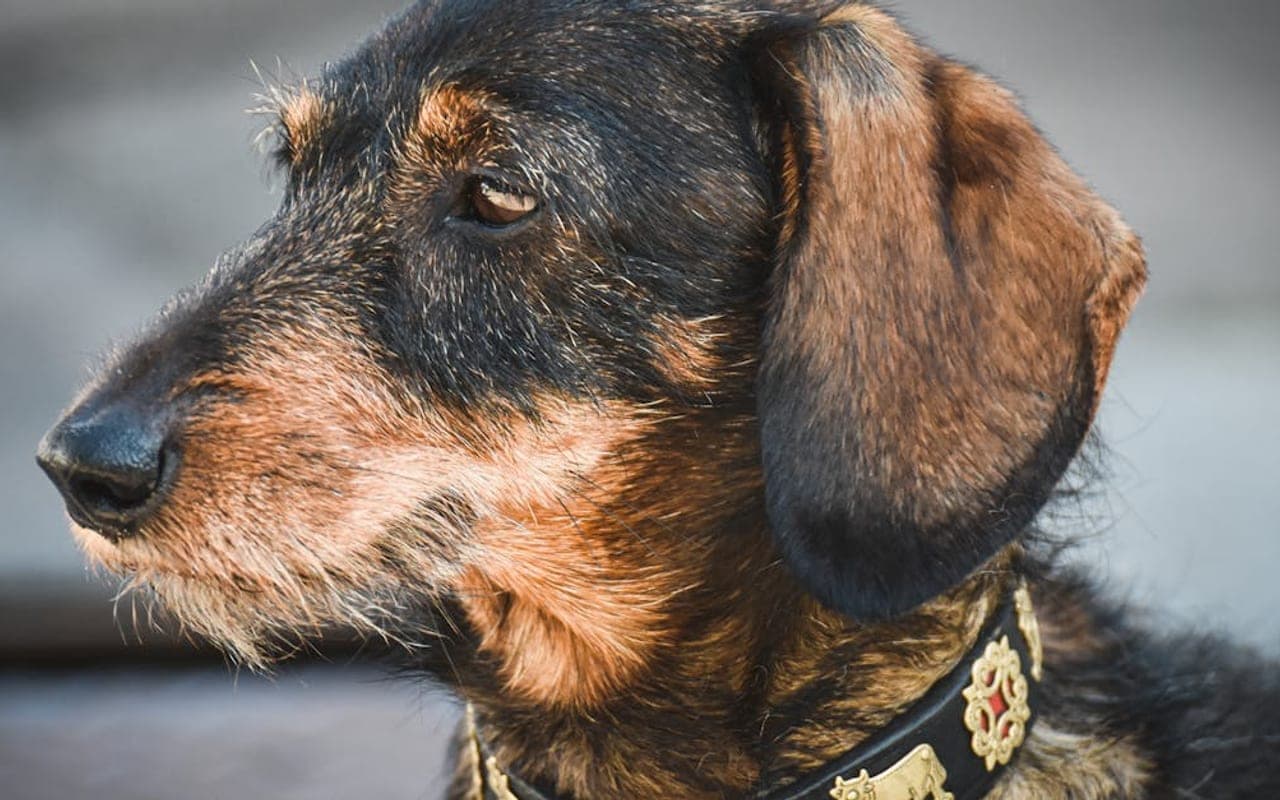
Jagdterrier
Also in the Foundation Stock Service group, with different care and temperament tradeoffs.
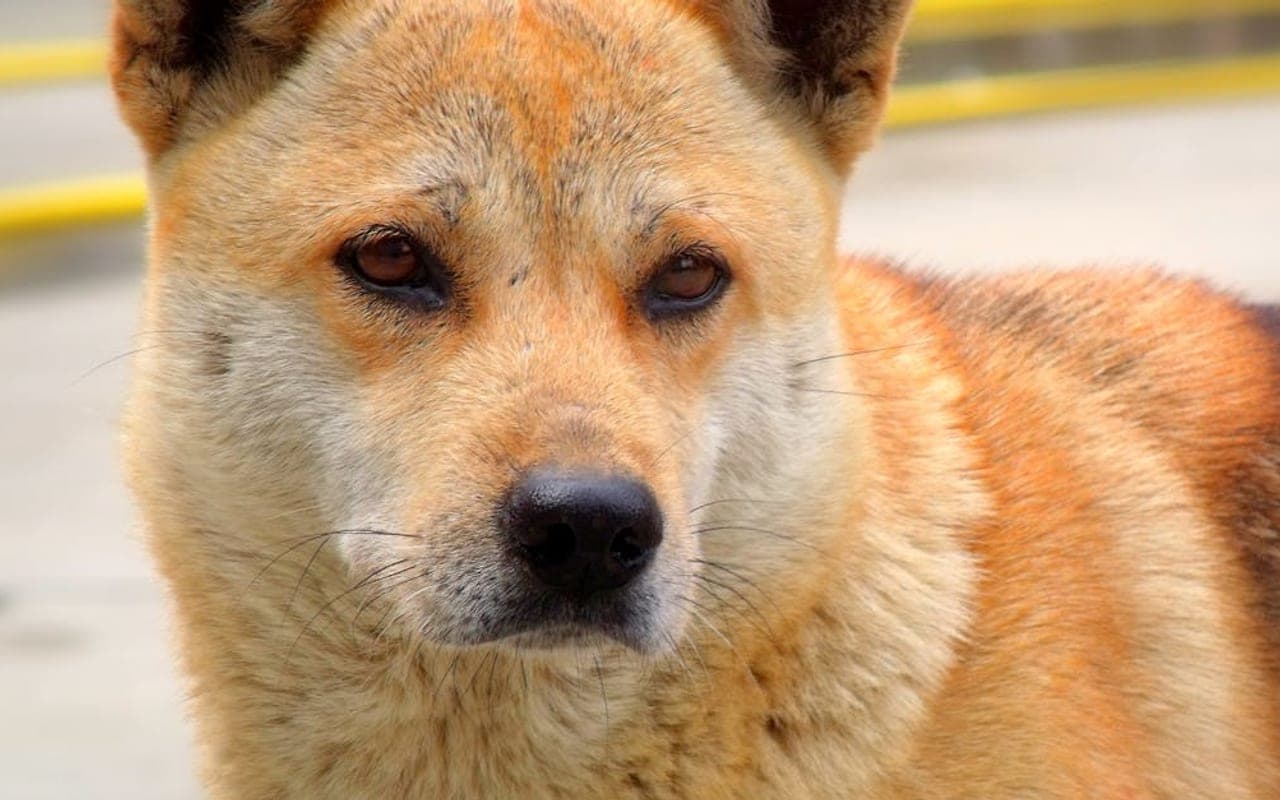
Jindo
Also in the Foundation Stock Service group, with different care and temperament tradeoffs.
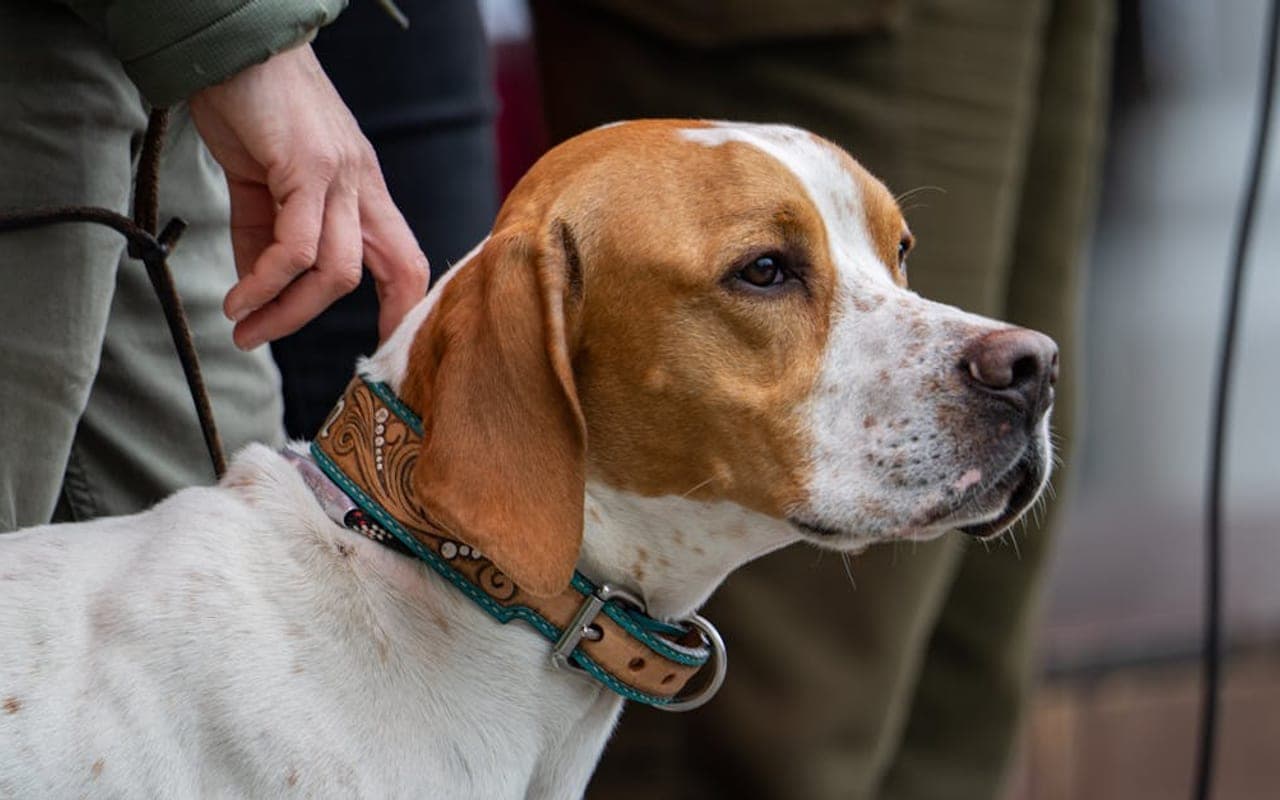
Portuguese Pointer
Also in the Foundation Stock Service group, with different care and temperament tradeoffs.
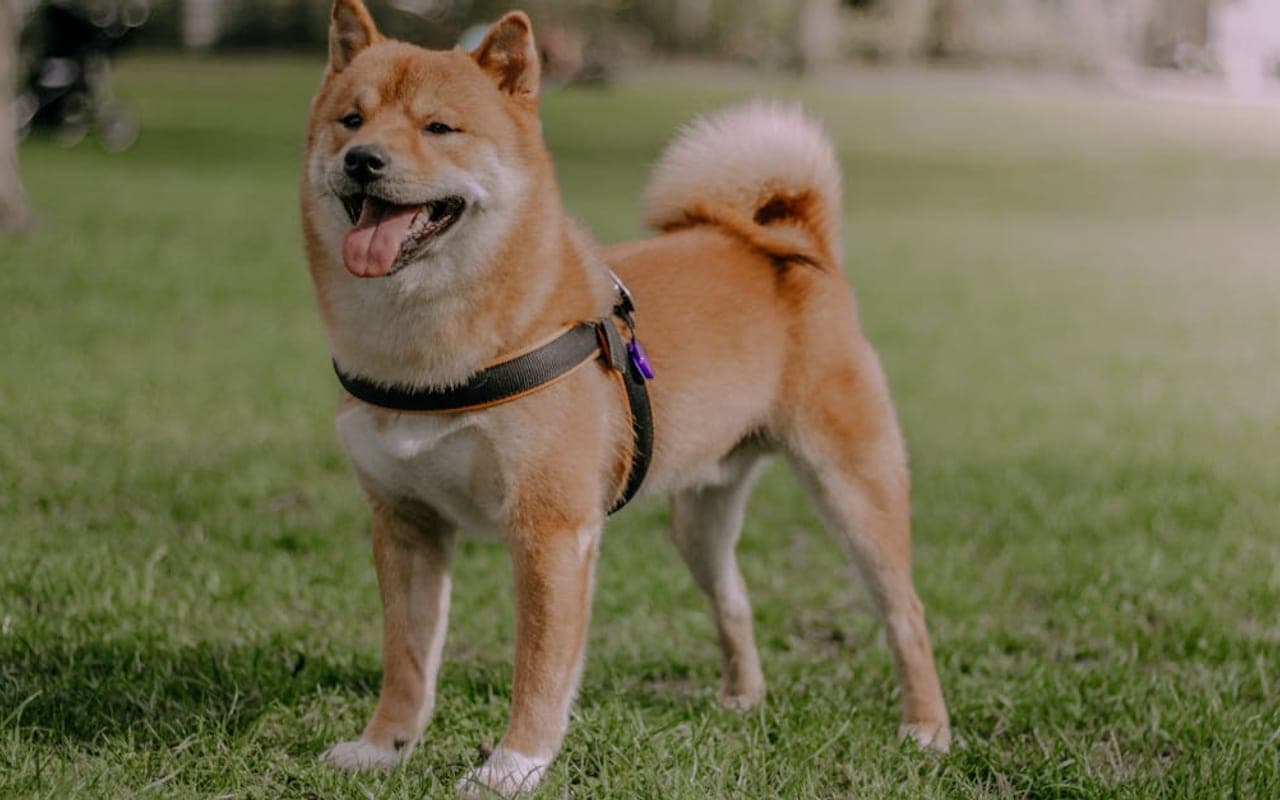
Kishu Ken
Also in the Foundation Stock Service group, with different care and temperament tradeoffs.
Explore More About Carolina Dog
Dive deeper into everything Carolina Dog — costs, care, and expert insights.
Large Dog Care Guide: Everything Over 50 lbs
Owning a large or giant breed dog means accepting one of biology's...
Puppy Teething & Biting: Timeline and What Actually Works
A puppy has all 28 deciduous ("baby") teeth by roughly eight weeks of age, and...
Considering a cat instead?
Browse Cats